
My camera roll currently sits at just under 44,000 photos. I know this because my phone reminds me constantly, usually right as I’m trying to take one more picture and it tells me storage is full. Somewhere in that pile are sports events, concerts, selfies when I felt cute, and lots of coffee and journaling things. None of them exist anywhere except as pixels I’ll scroll past twice and then never open again. That’s not a personal failing. That’s just what happens to photos now. We take more of them than any generation in history and do less with them than ever before.
Fujifilm seems to have noticed the same thing, because the two products it just announced, the Instax Pal 2 camera and the Instax Link WIDE 2 printer, are built almost entirely around getting photos out of your phone and into your hands again. Not instead of your phone. Alongside it. That distinction matters, and it’s the smartest thing about this whole release.
Designer: Fujifilm
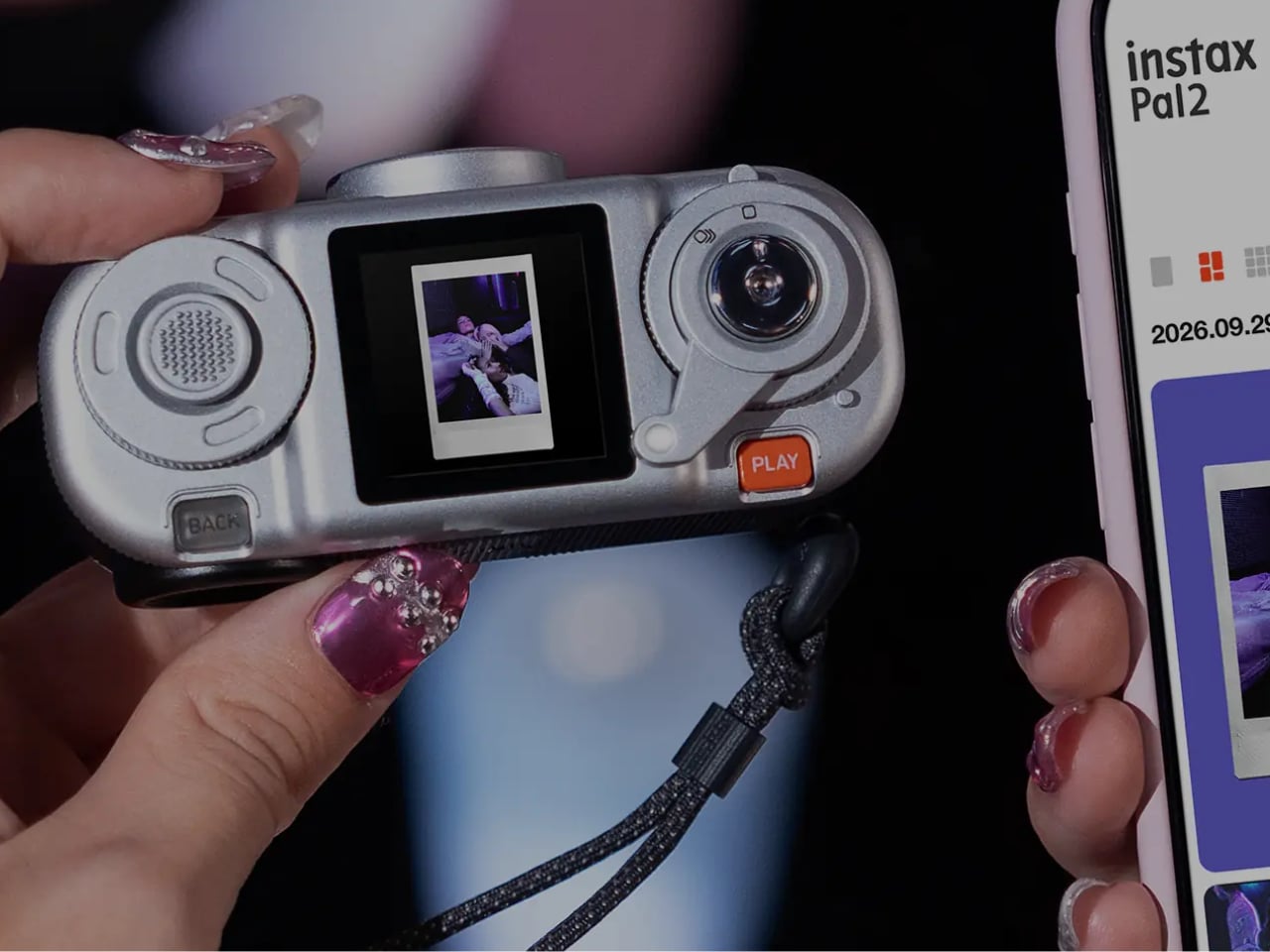
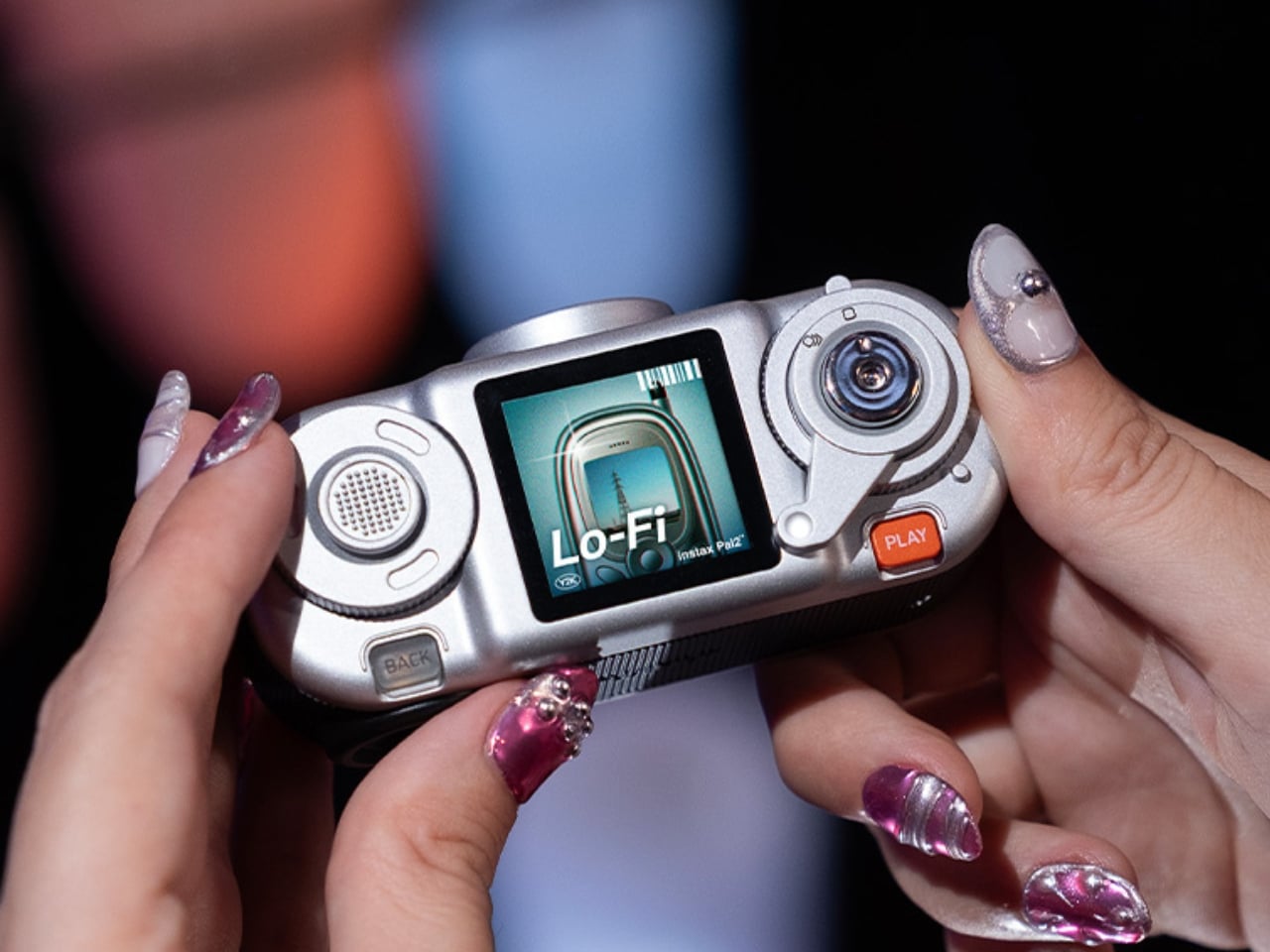
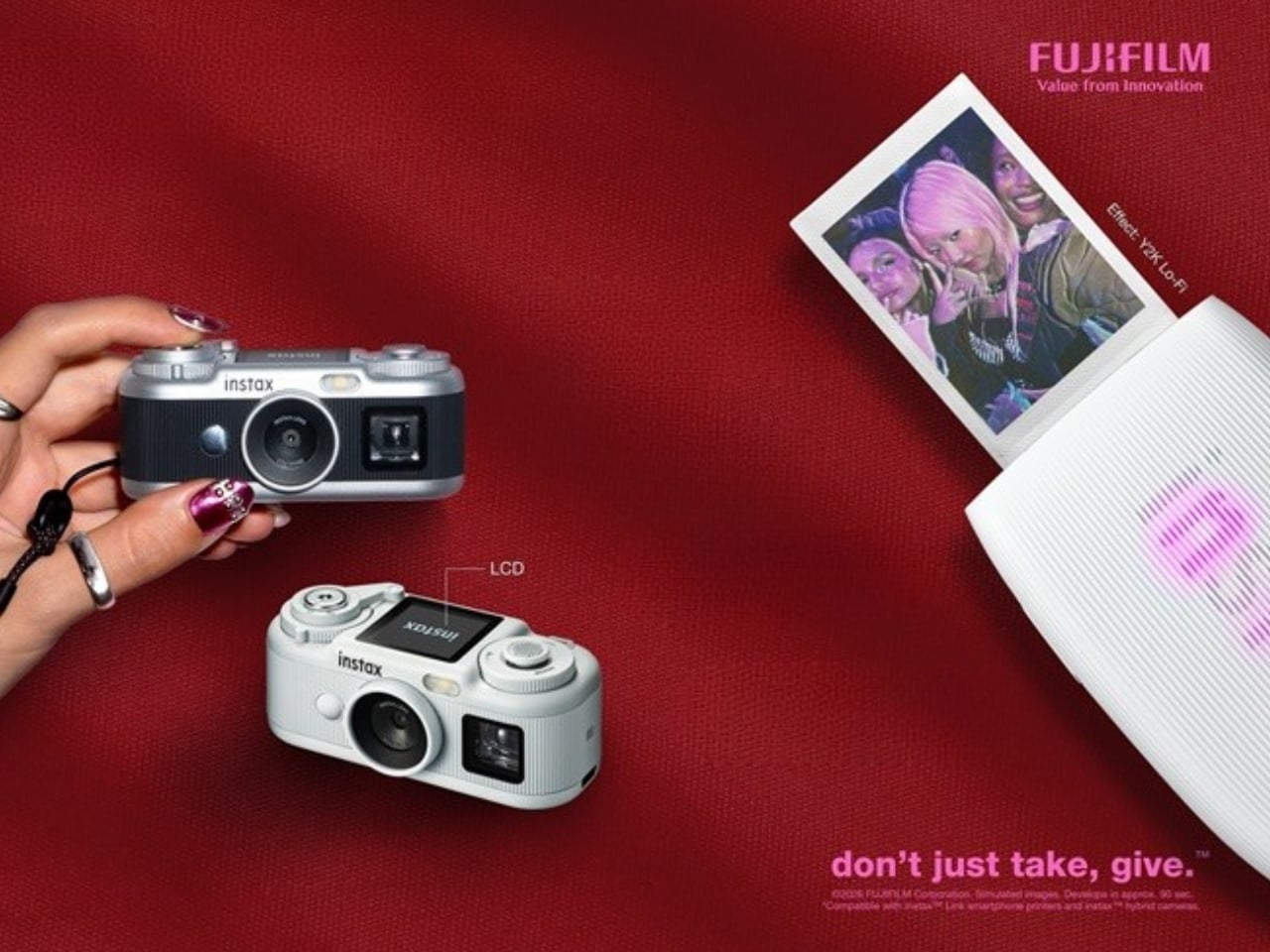
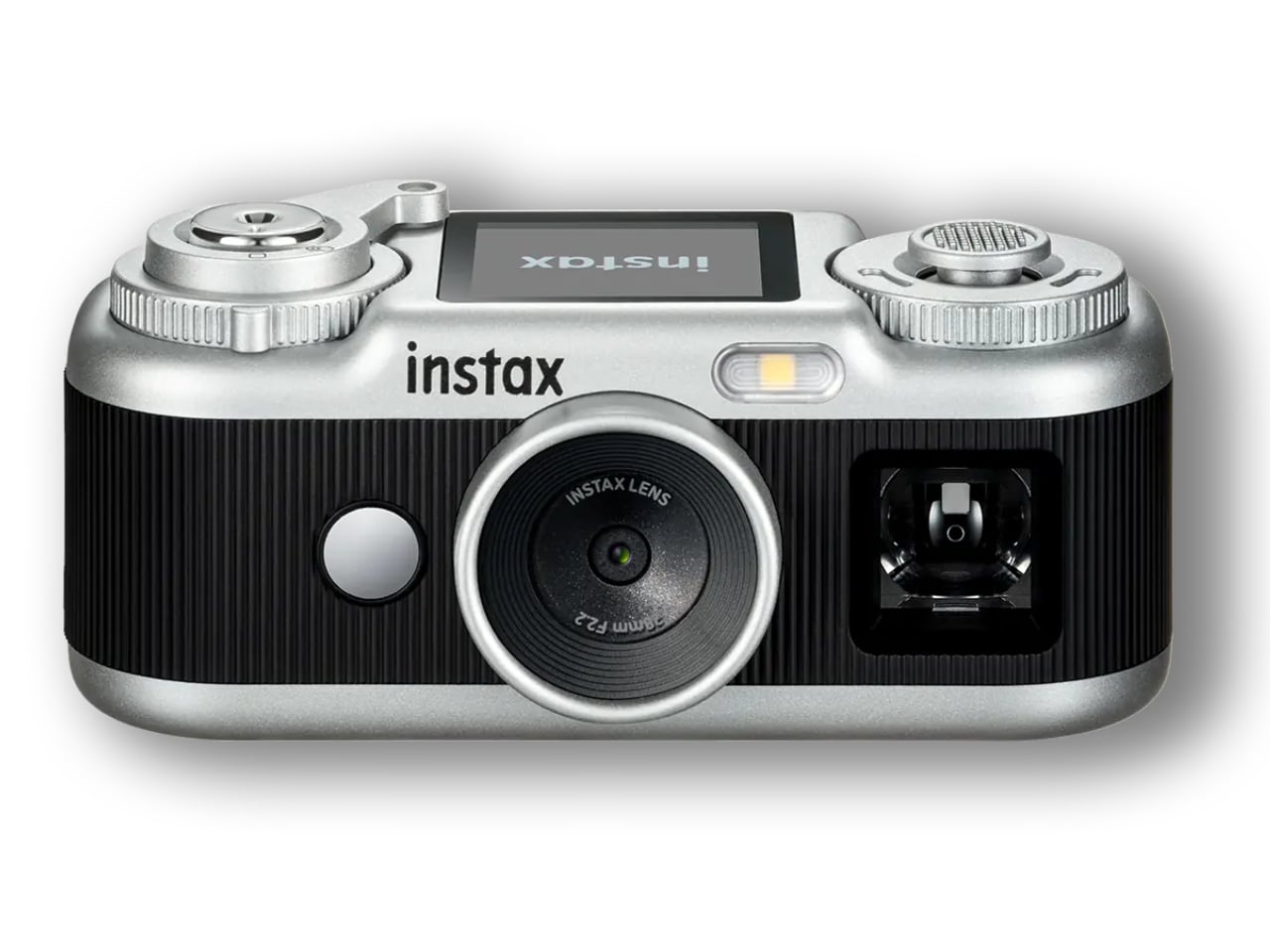
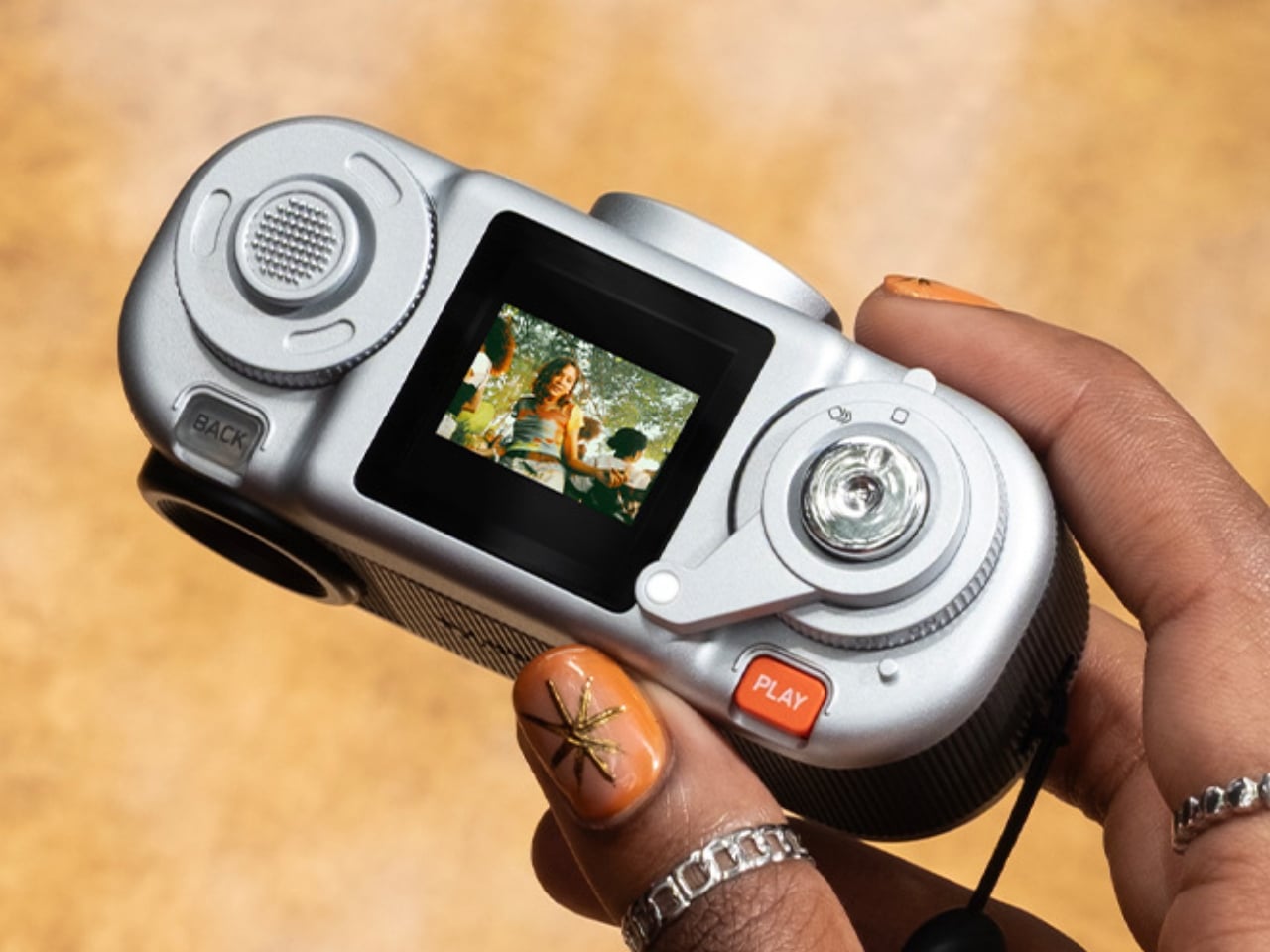
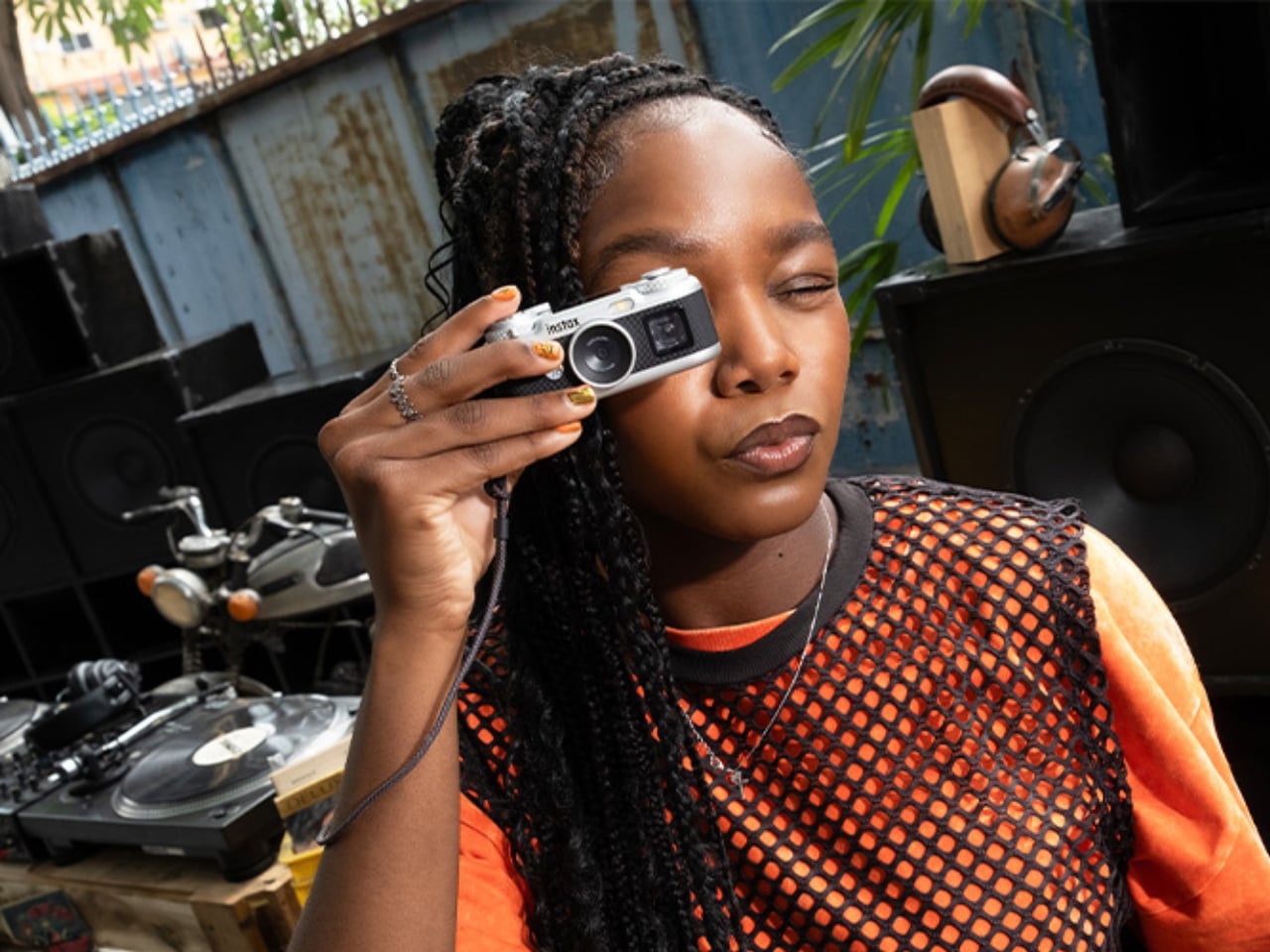
The Pal 2 is the more surprising of the two. It’s a digital camera, not a film camera, which sounds like a strange thing for an instant photo company to make. But that’s kind of the point. It bumps the resolution up to 10 megapixels, adds an actual optical viewfinder the original never had, and gives you a top-mounted screen so you can check a shot the way you’d check a photo on a real camera, not a phone screen. There’s a dial, a lever, a shutter button that clicks with intention. None of this is necessary in a purely practical sense. Your phone already does all of it. But intention is exactly what’s missing from most of our photography lately, and Fujifilm seems to understand that a slightly inconvenient, slightly deliberate process is what makes people actually care about the picture they just took.
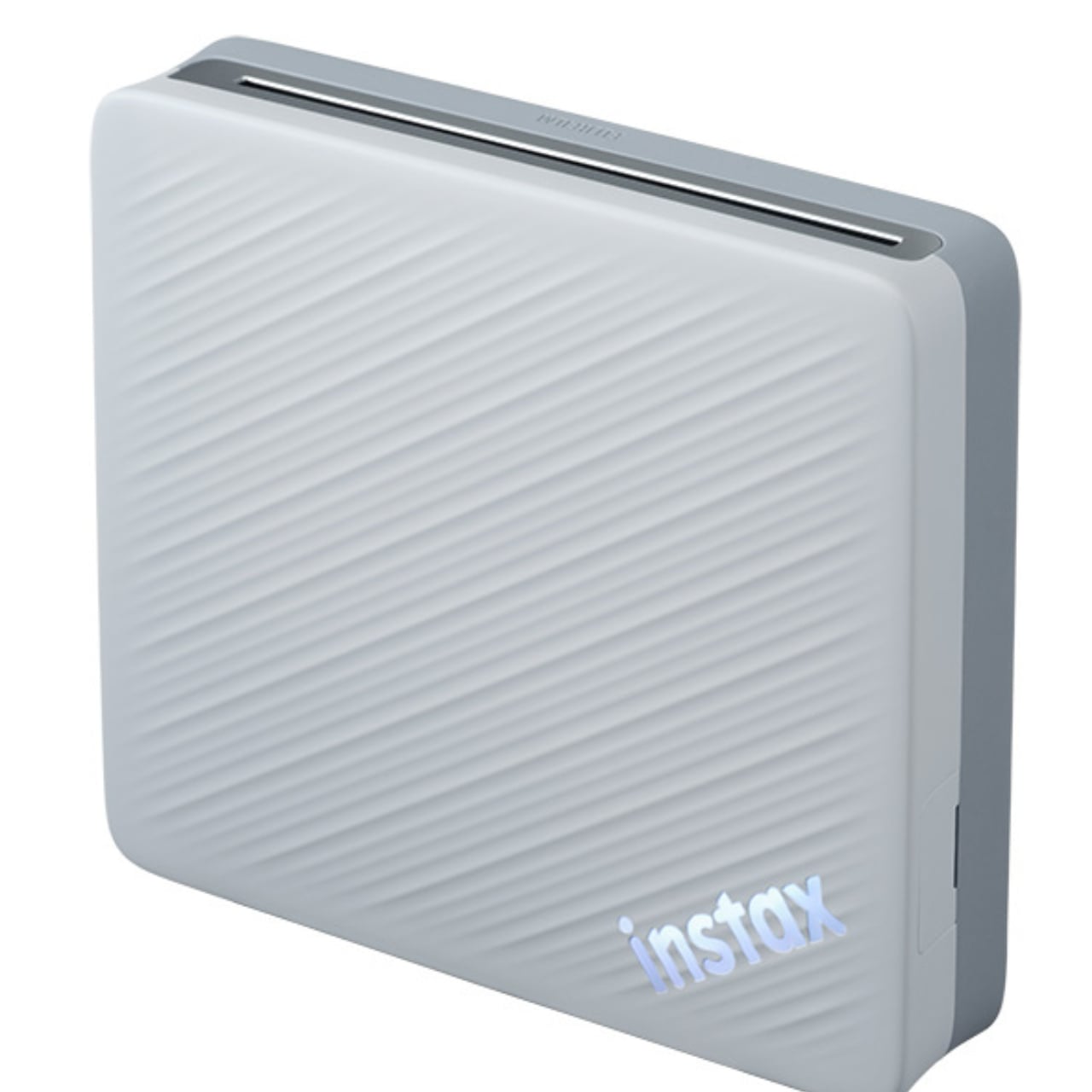
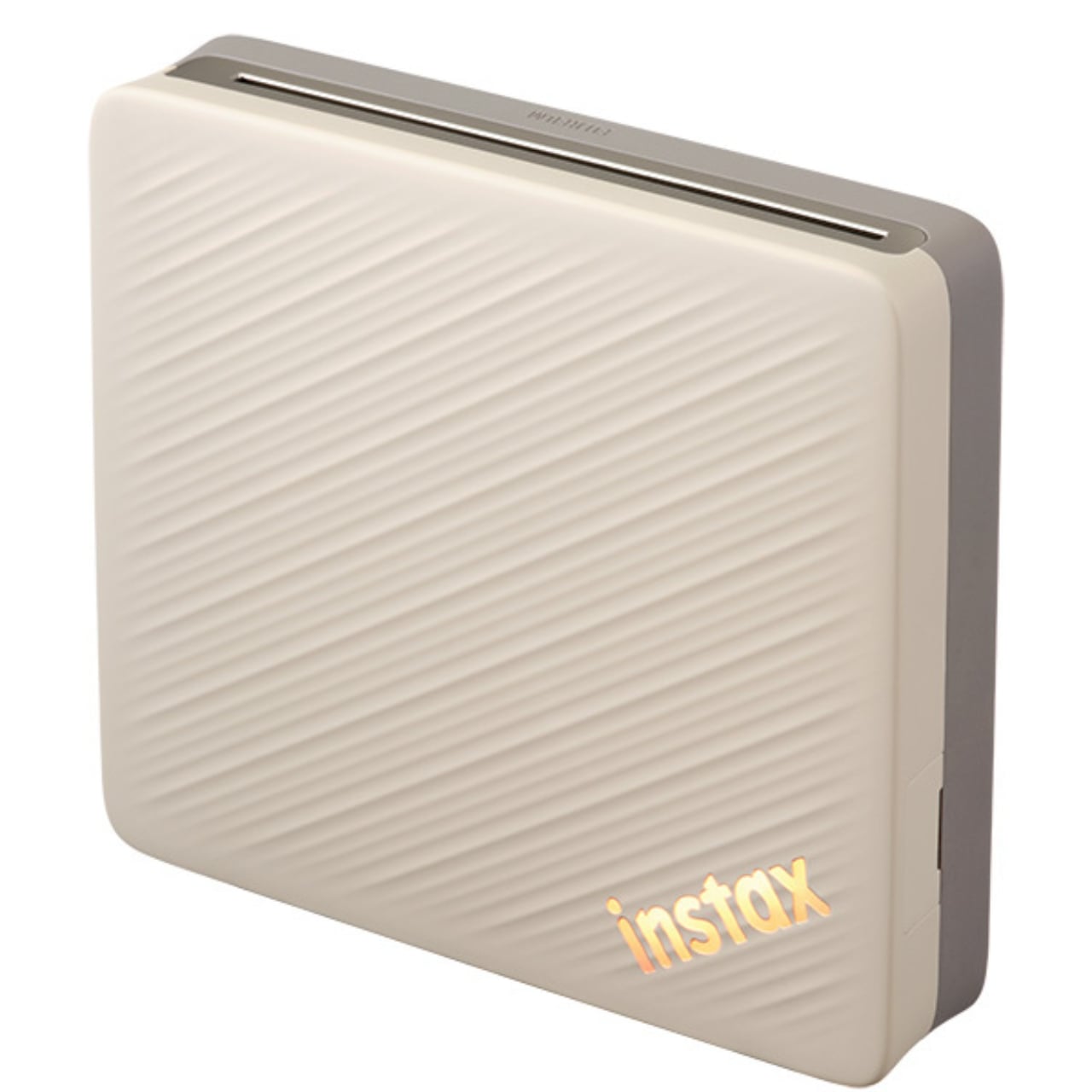
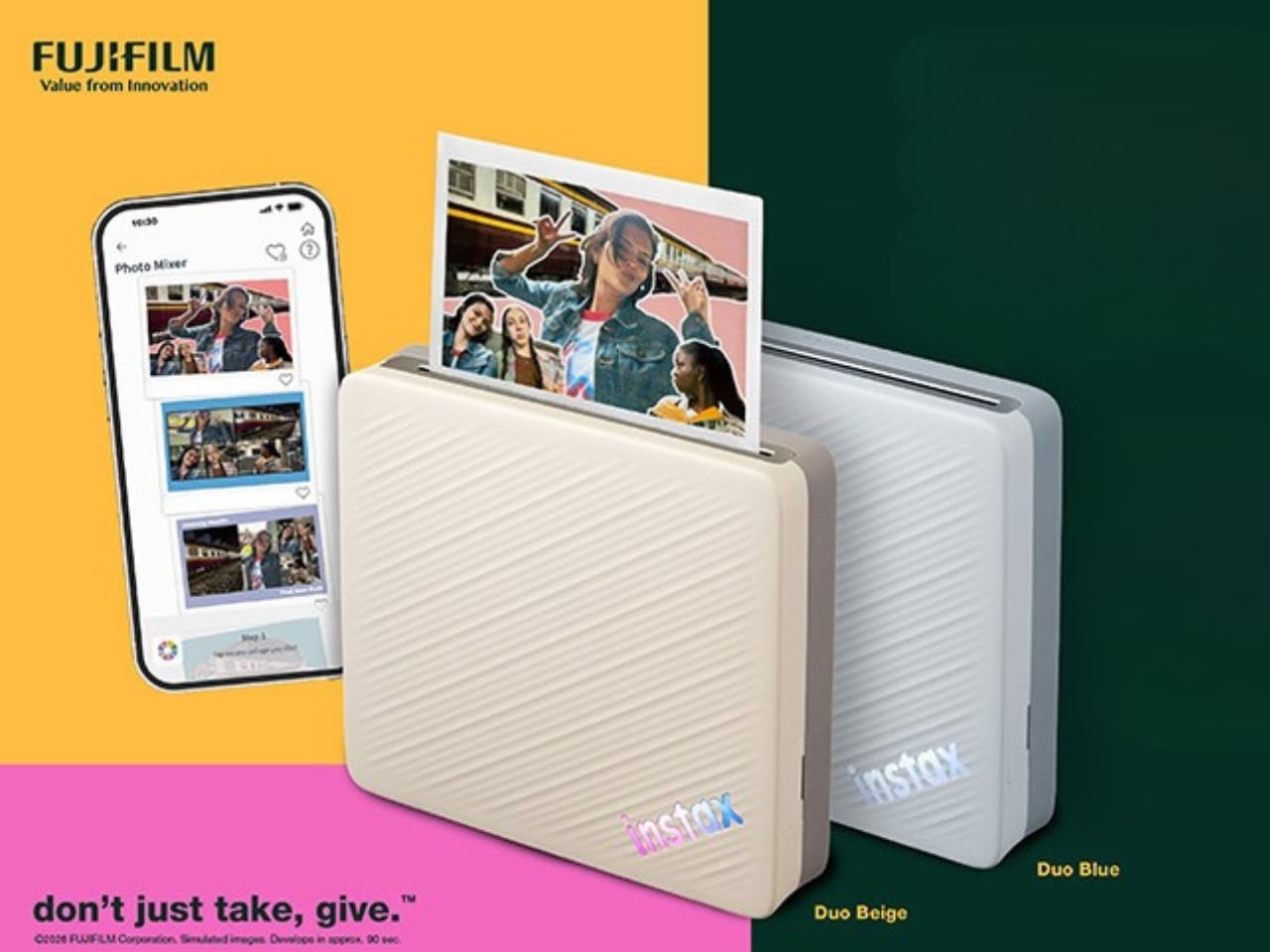
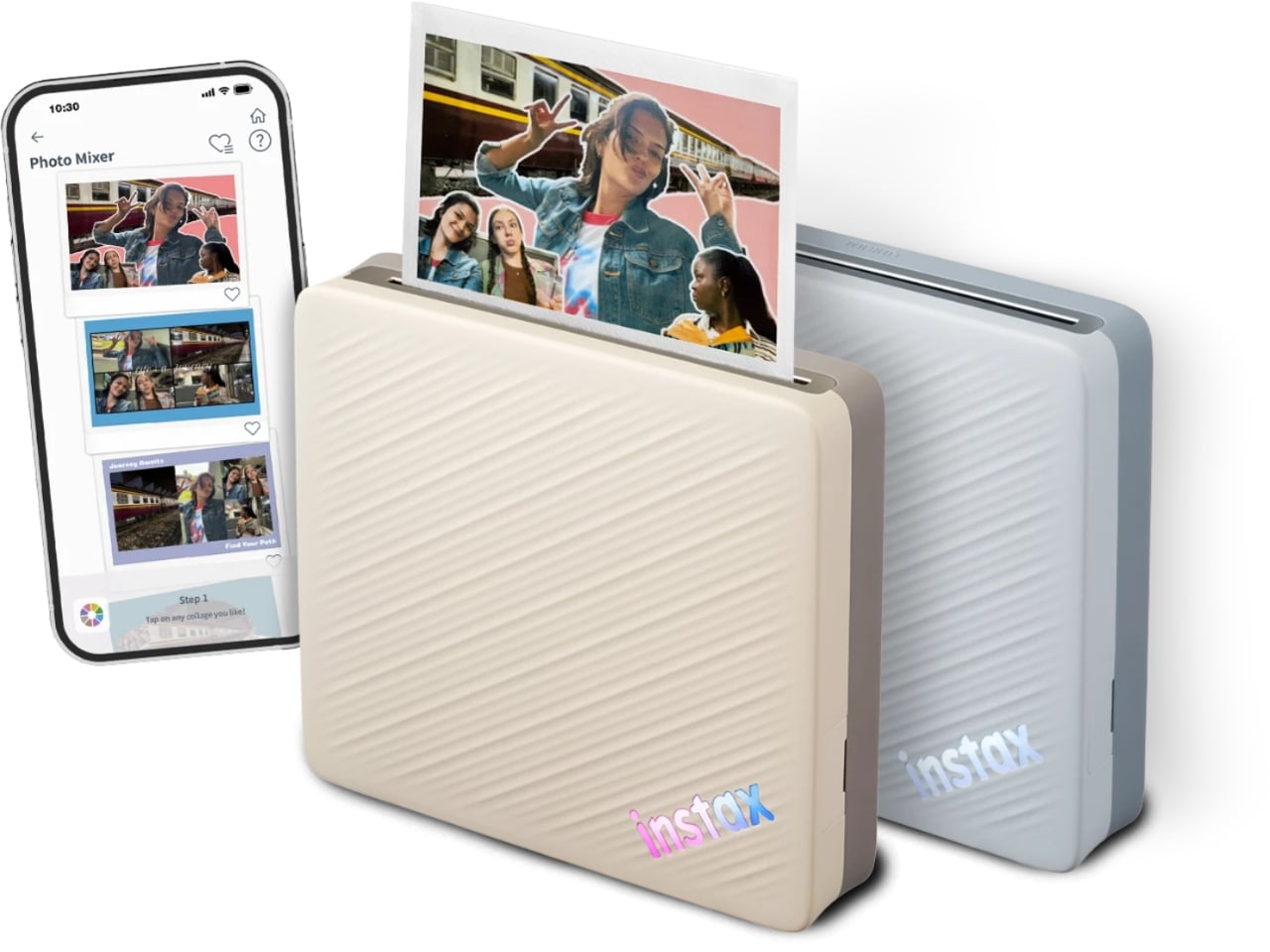
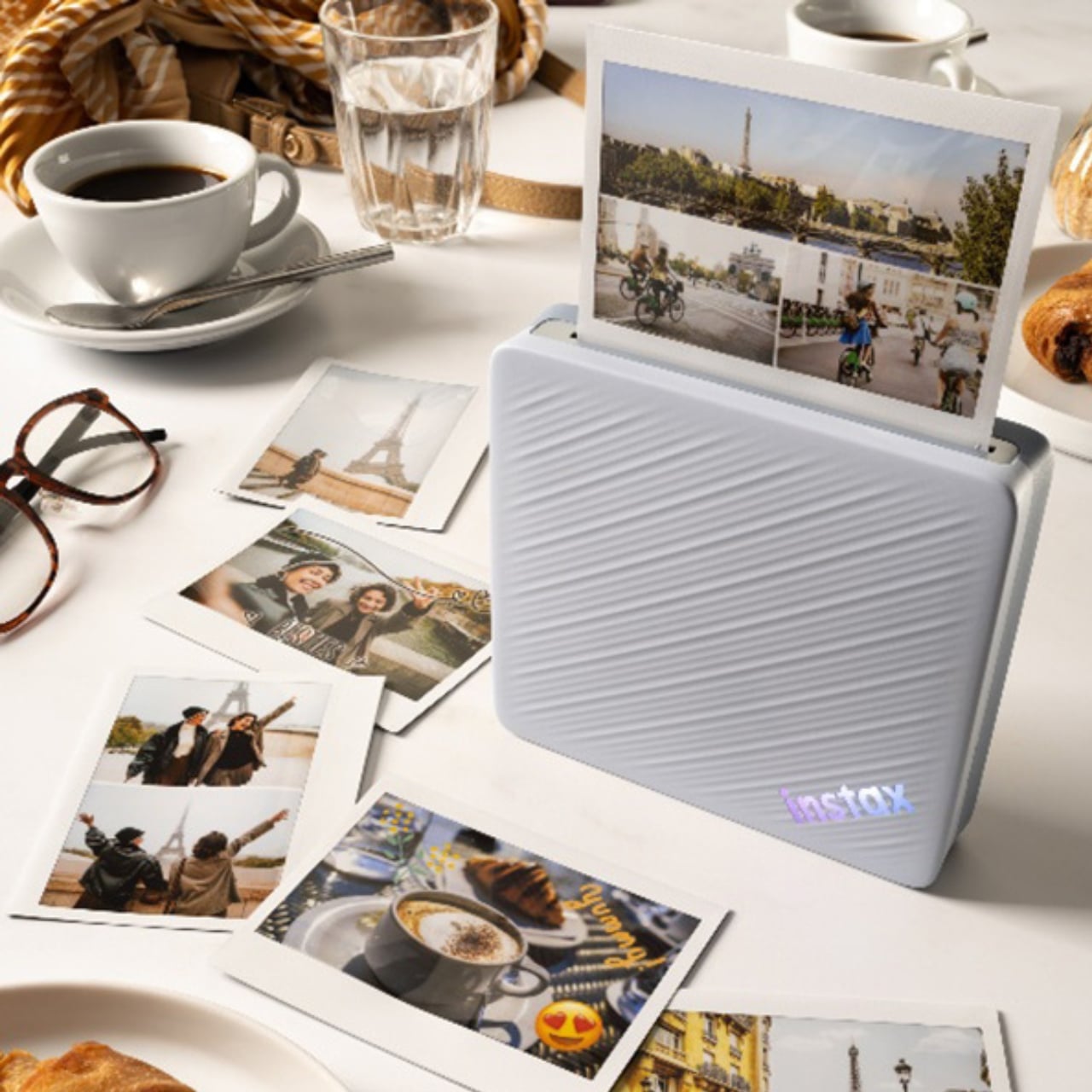
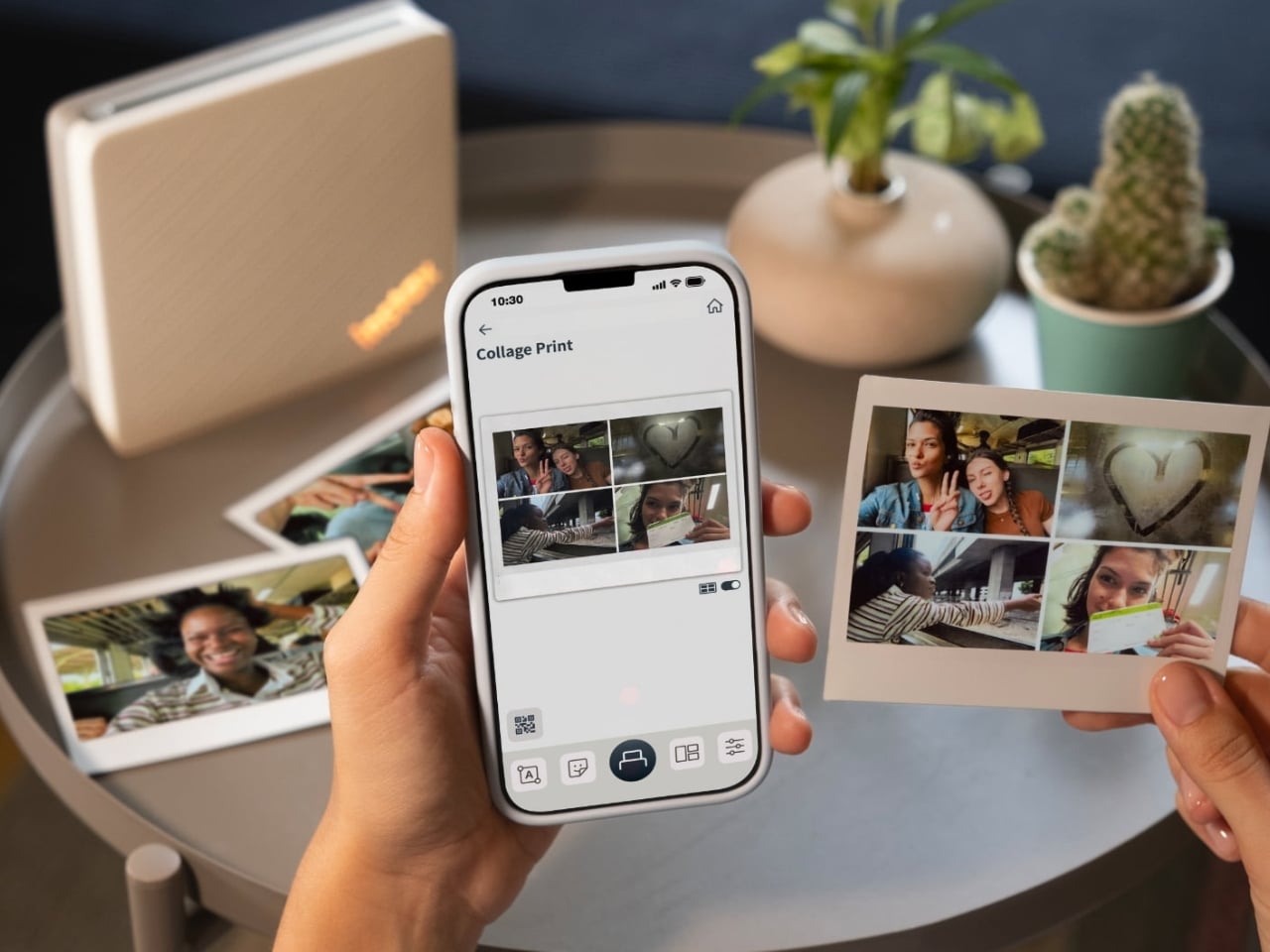
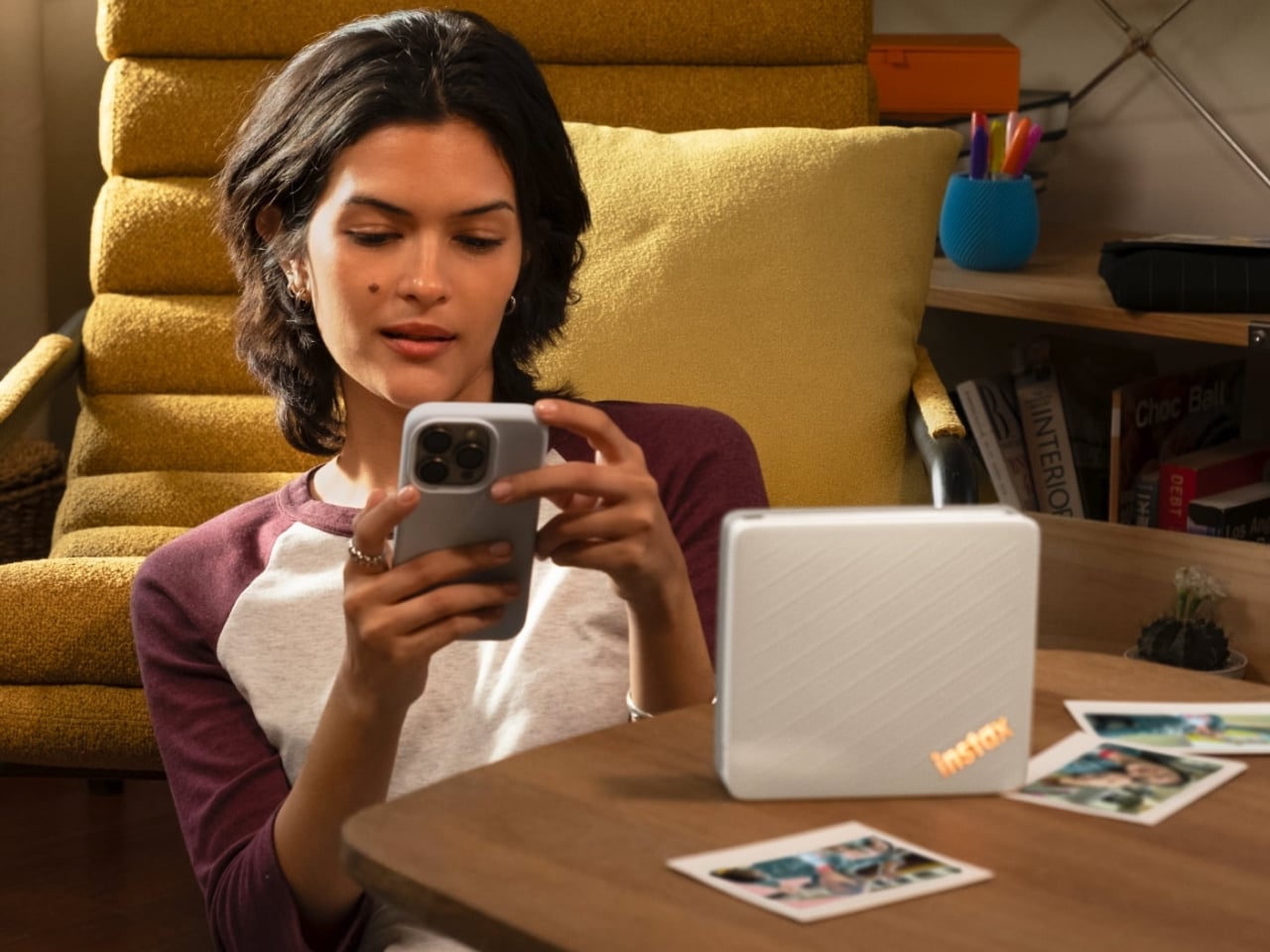
The Link WIDE 2 printer is where the idea gets finished. It prints Instax Wide film, the biggest format in the lineup, and it comes with a feature called Photo Mixer that lets you pull images straight from your phone’s camera roll and turn them into collage-style layouts before printing. You can remix a combination five times before committing. There’s also a QR Print Mode, which lets you tuck a hidden link into the print itself, a voice memo, a location, a note, whatever you want someone to find when they scan it later. It’s a small trick, but it’s a clever one. It turns a static print into something with a little more depth than what’s visible on the surface.

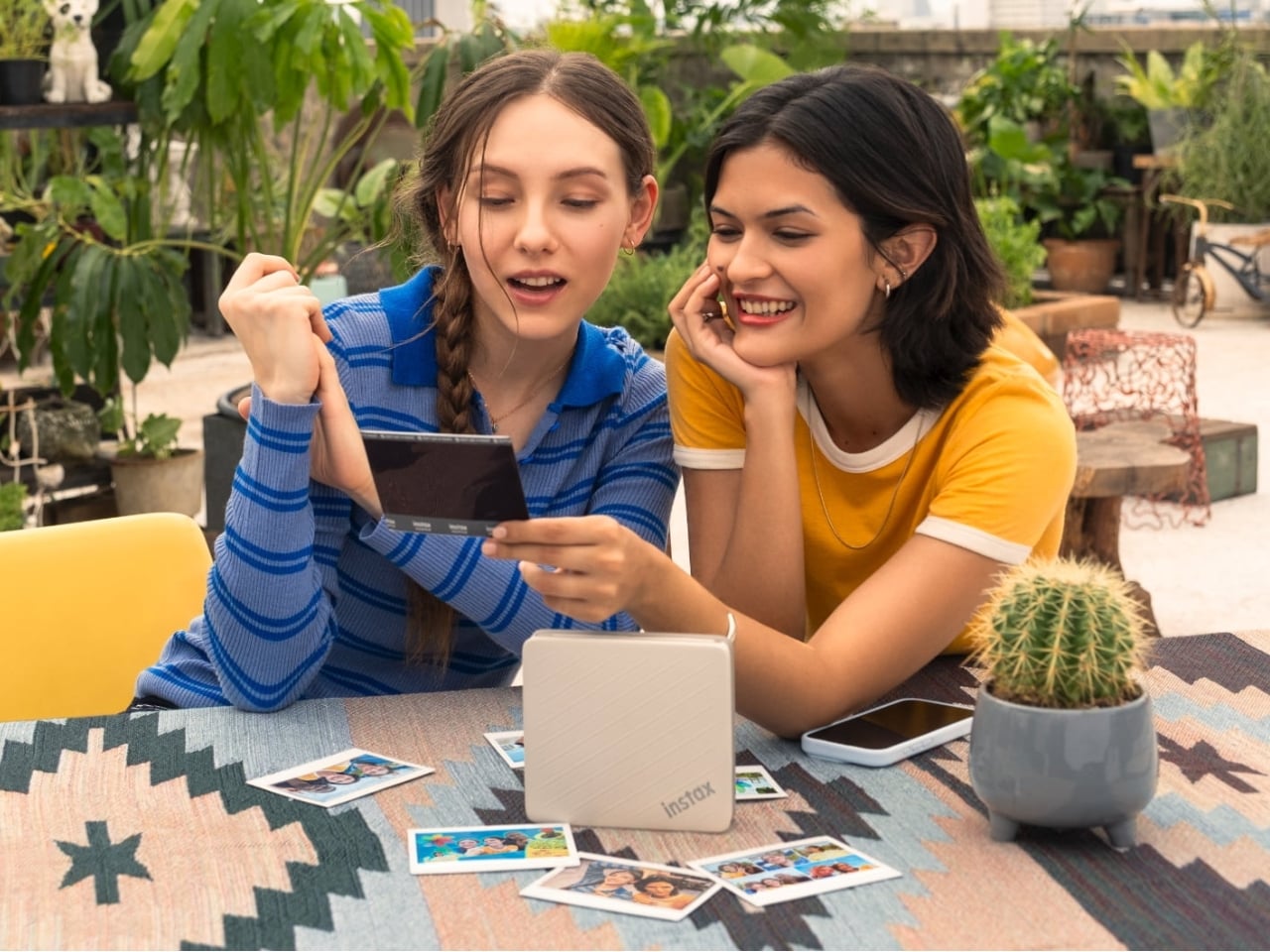
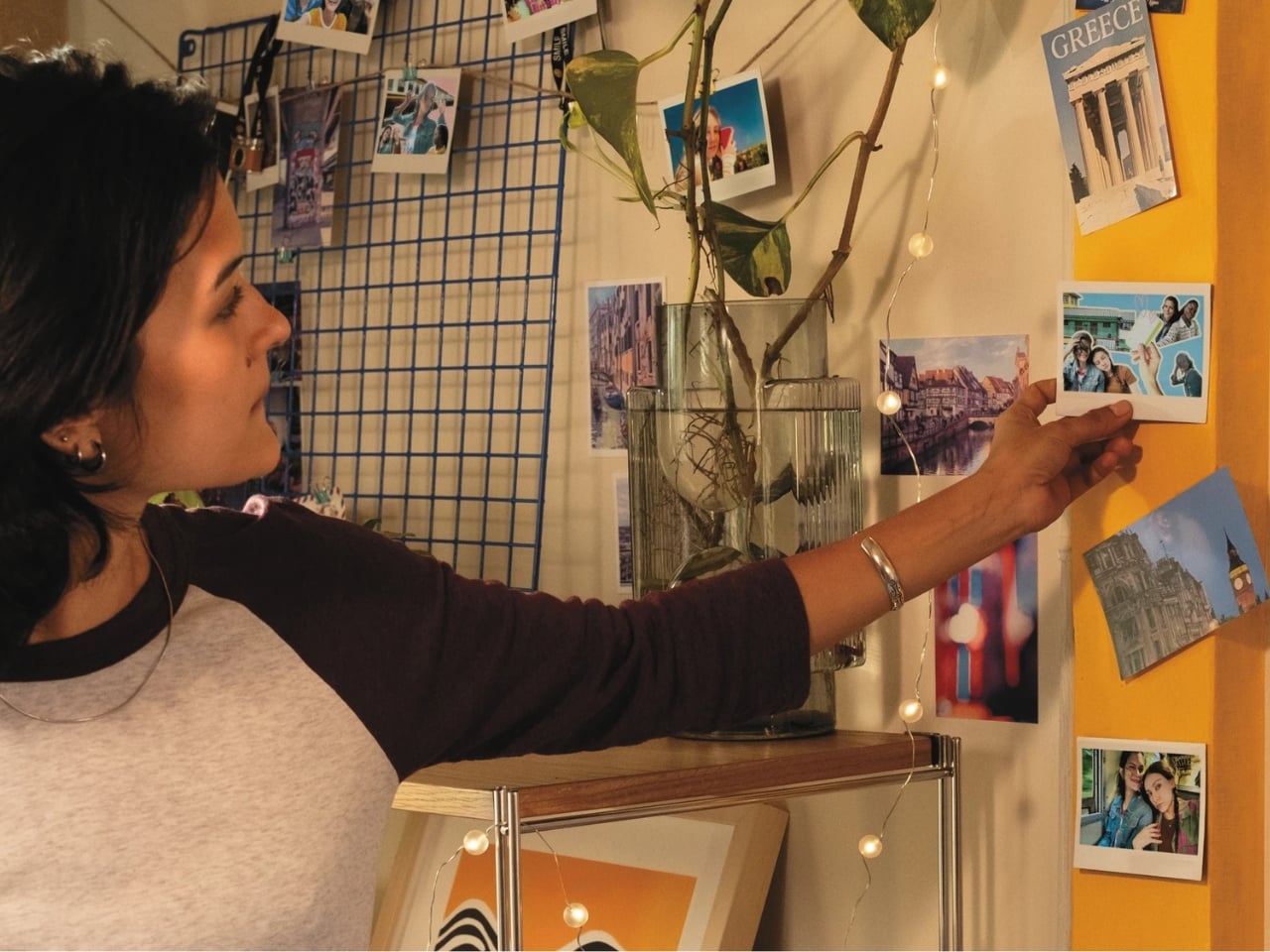
I don’t think either of these products is trying to replace phone photography, and I actually respect that they don’t pretend otherwise. What they’re doing instead is giving people a reason to slow down for the ten seconds it takes to pick one photo out of four hundred and make it real. That’s a small ritual, but rituals are basically what we’re missing. Nobody frames a JPEG. Nobody puts a camera roll on their fridge.
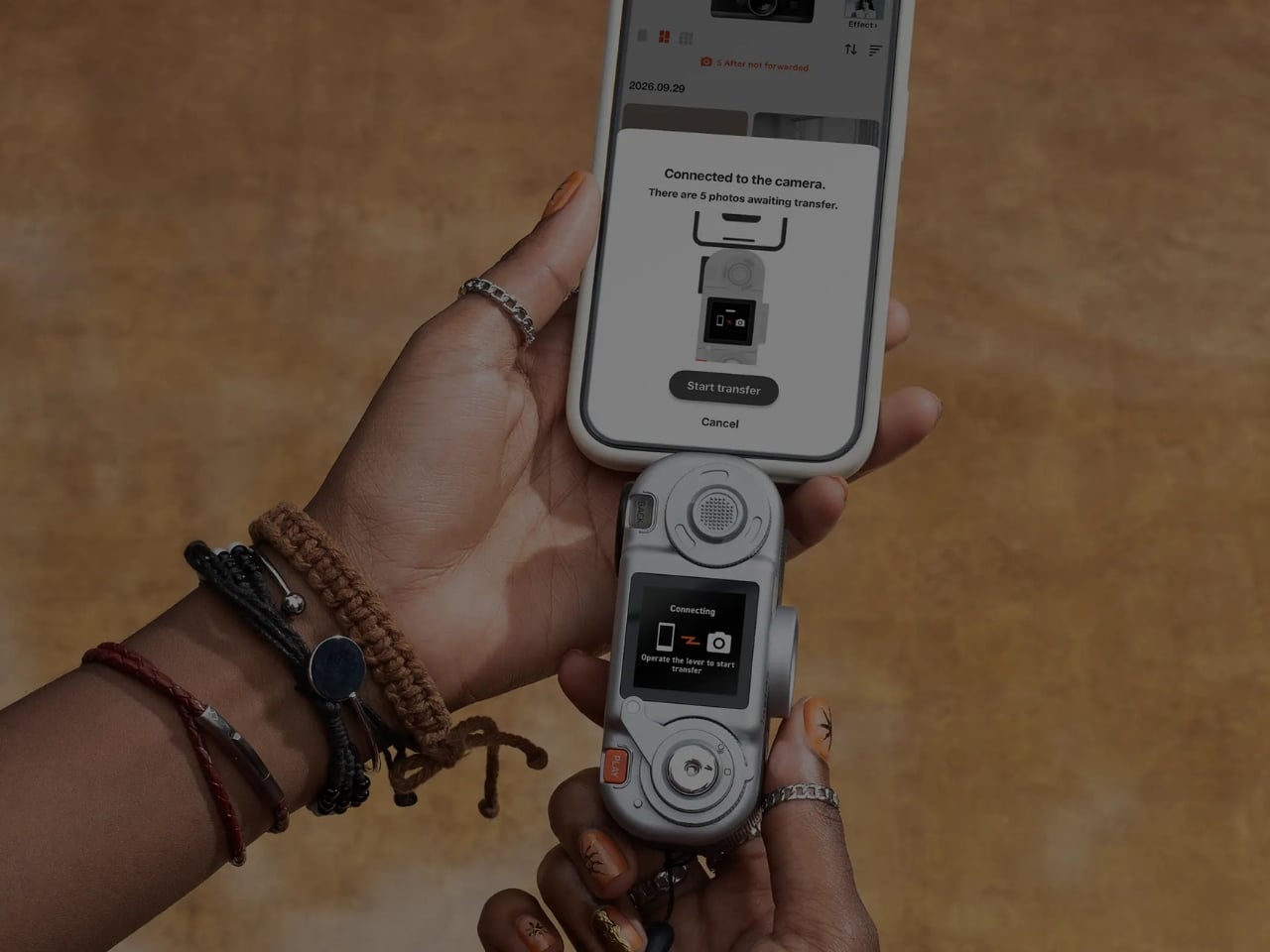

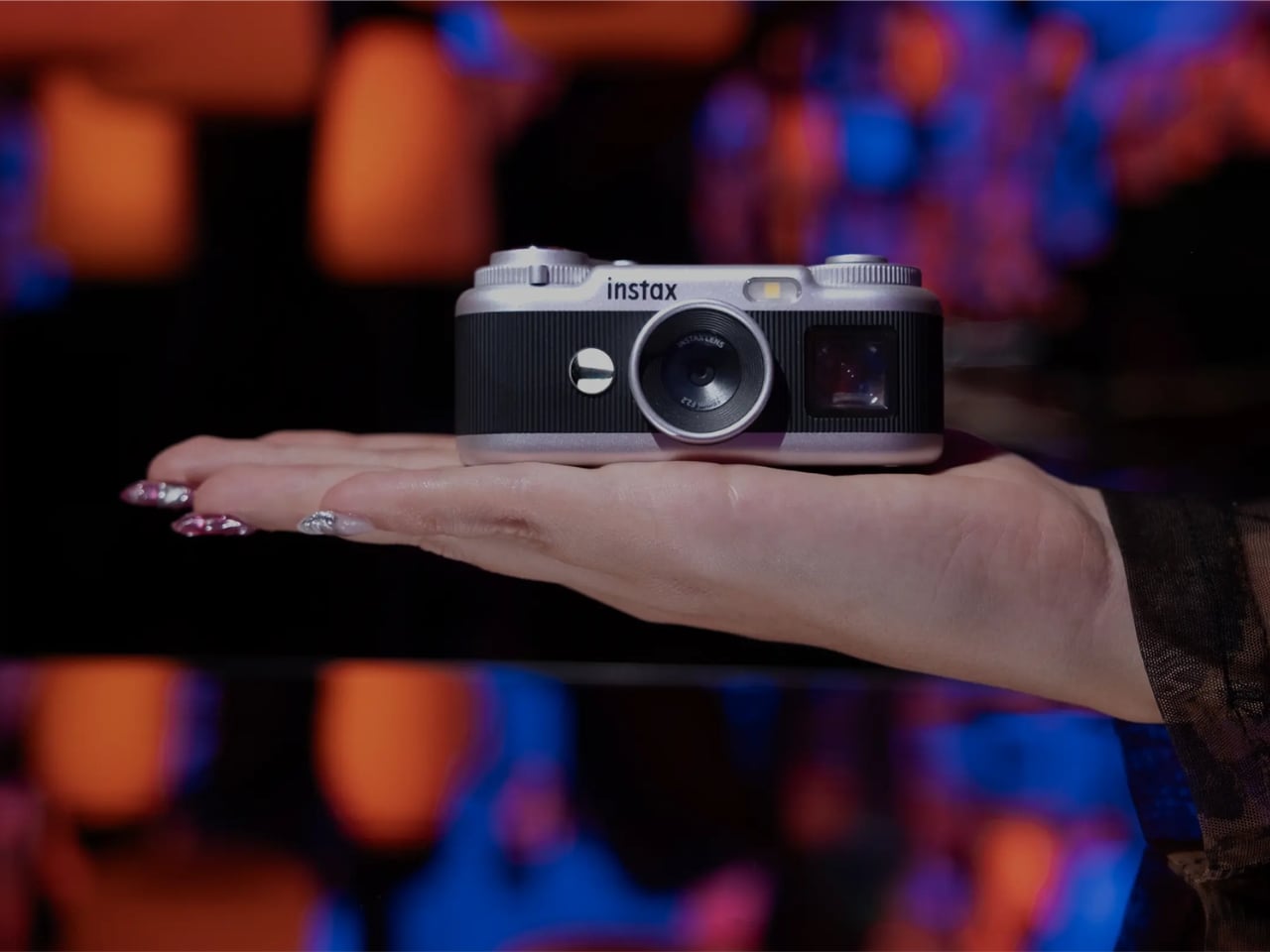
There’s a version of this story where Fujifilm is just capitalizing on nostalgia, riding the same wave that’s brought back film cameras and digital point-and-shoots among people too young to have used them the first time. That’s probably part of it. But nostalgia alone doesn’t explain why the company kept the analog controls, the viewfinder, the tactile dials, on a camera that has no film in it at all. That’s a design choice aimed at the feeling of taking a photo, not just the result.
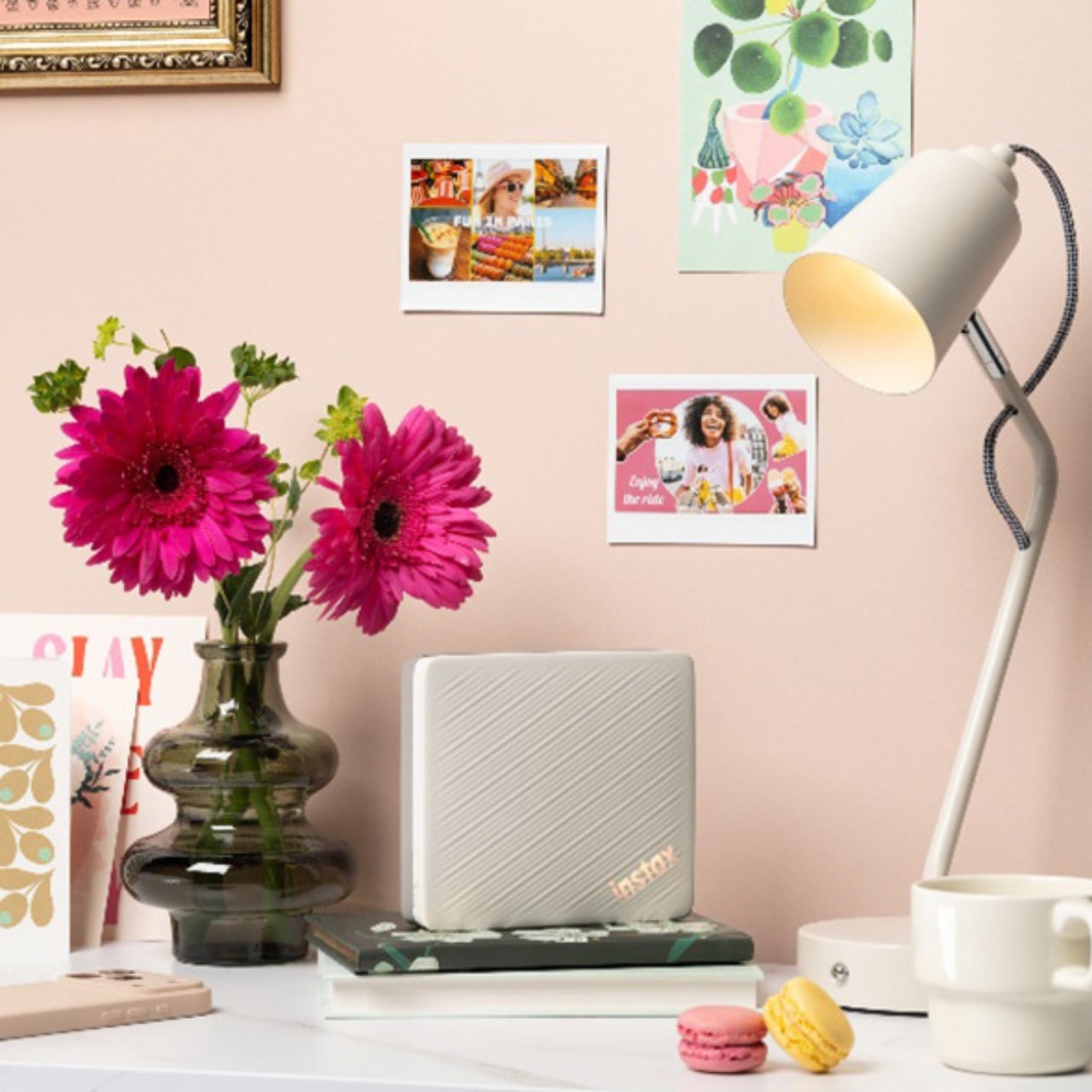
Both products land in late September, priced at $169.95 for the Pal 2 and $179.95 for the Link WIDE 2. Neither is going to fix the fact that I have 14,000 photos I’ll never look at again. But it might convince me to take one on purpose, print it, and put it somewhere I’ll actually see it. For a photo, that’s the whole job.