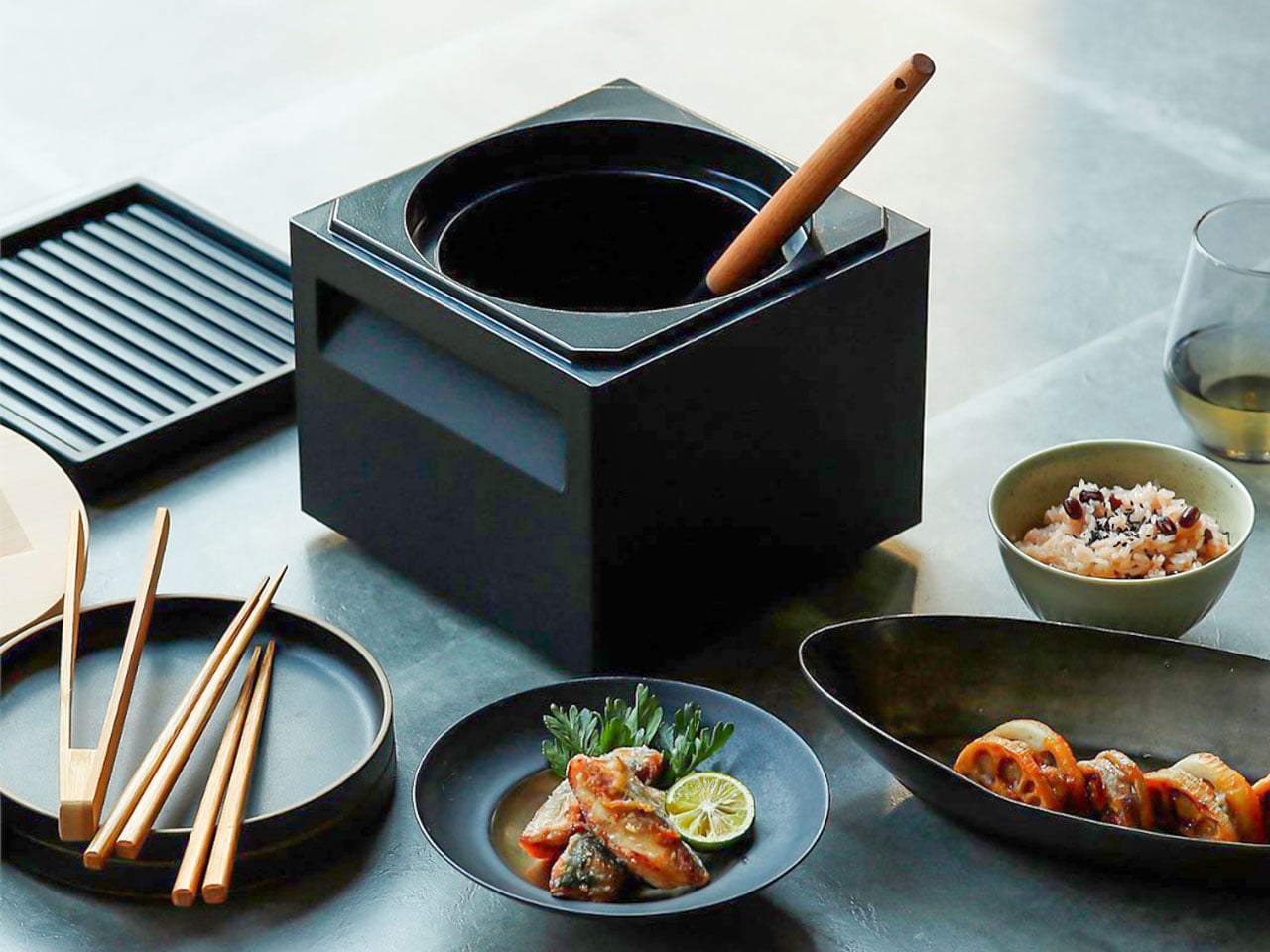

Japanese kitchen tools have a way of reframing what you thought was a small decision. The bowl you use, the grater you reach for, the pot you carry to the table — each one changes the meal in ways disproportionate to the effort required. Instant ramen, for all its reputation as a shortcut, is genuinely good food. The gap between a cup of noodles and a restaurant bowl is mostly a matter of tools and intention.
The five tools collected here were all designed with a Japanese precision that prioritizes function as the foundation of form. A few come from independent studios, one is from Nendo — arguably Japan’s most internationally recognized design practice — and each earns its place by doing something specific better than the generic alternative. None of them require technique to use. They only ask that you put the right object in the right role.
1. Anaori Kakugama
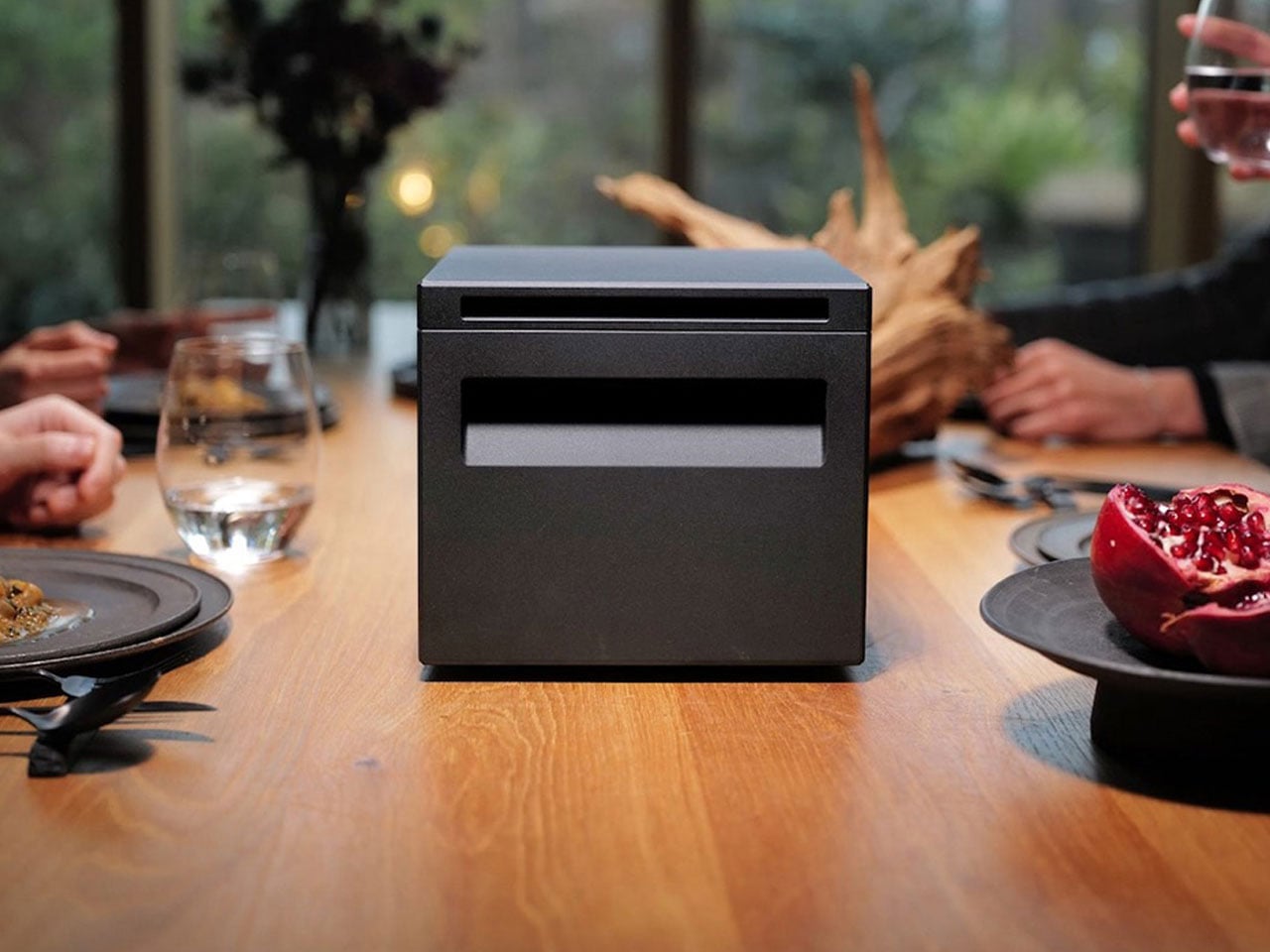
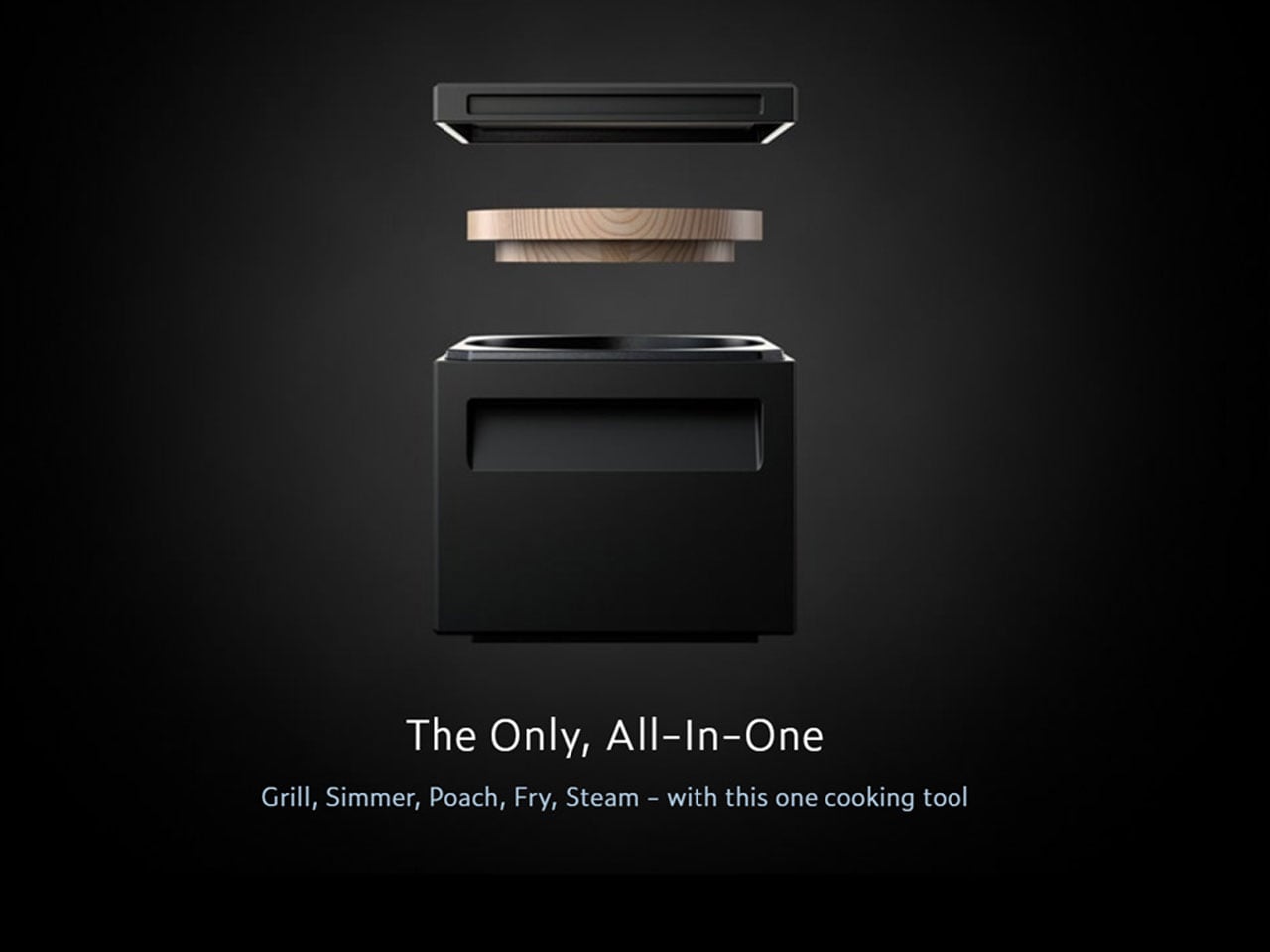
The Kakugama is made from carbon graphite—the same material used in semiconductor and aerospace manufacturing—which puts it in a fundamentally different category from cast iron or stainless steel. Carbon graphite conducts heat with an evenness that metal cookware struggles to match: no hot spots, no scorching, just a consistent thermal surface from edge to edge. Anaori designed it to move from stovetop to table intact, meaning the pot that built your broth becomes the vessel you eat from.
For ramen specifically, heat control is the variable that separates a clear, layered broth from something muddied and flat. A pot that holds temperature steadily — warming gently rather than swinging between extremes — gives you more precision without demanding more attention. The Kakugama’s graphite body also doesn’t react with acidic or alkaline ingredients, so a miso base or vinegar-spiked tare arrives in the bowl tasting exactly as intended, not filtered through the pot itself.
What we like
- Carbon graphite surface ensures even heat distribution without hot spots, giving you real control over broth temperature throughout the cook
- Stovetop-to-table design removes the gap between cooking vessel and serving vessel entirely
What we dislike
- Premium price positions it well outside most home kitchen budgets
- Carbon graphite is more fragile than cast iron and won’t survive a drop onto a hard floor
2. Impact Spice Mill
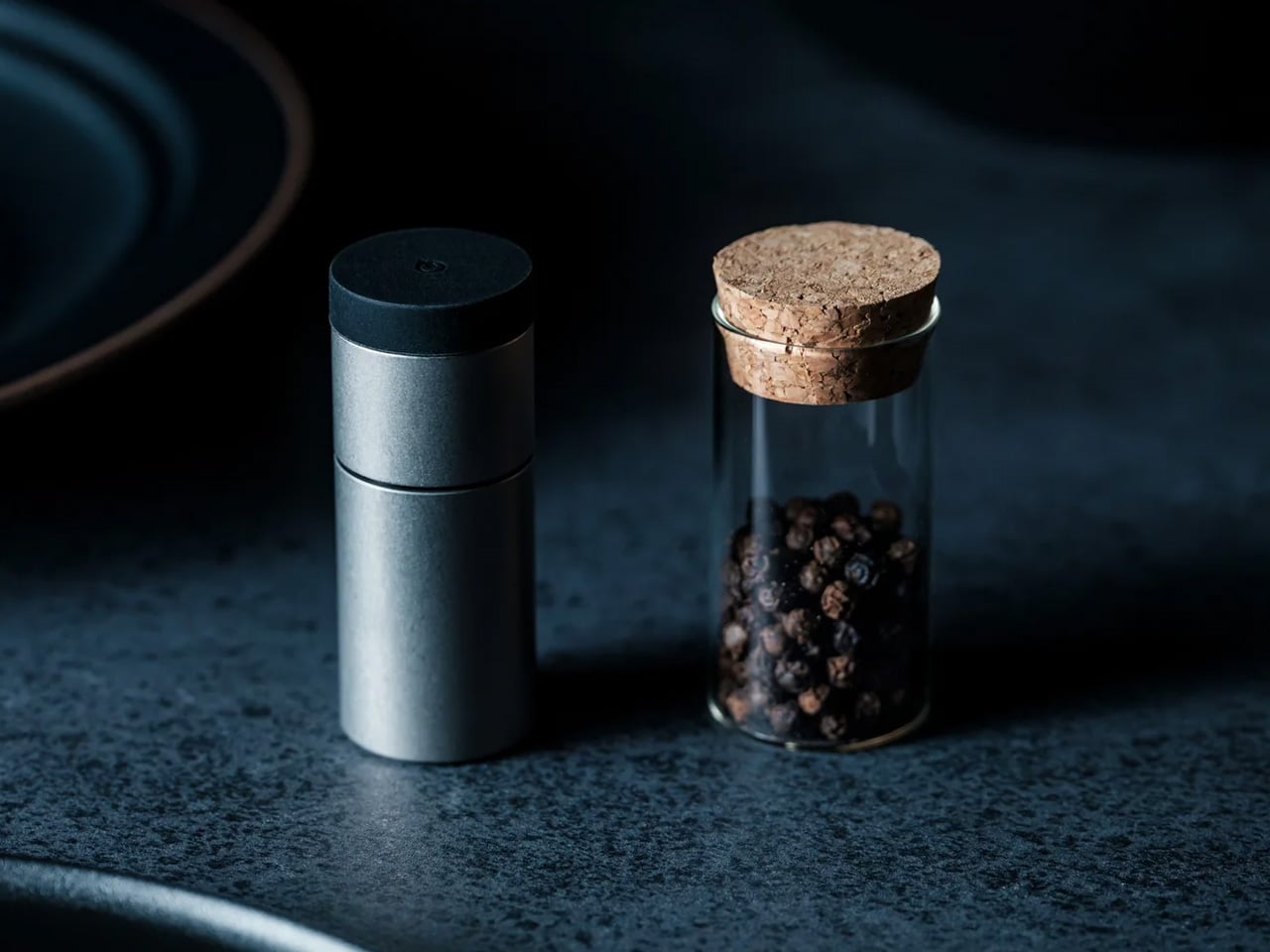
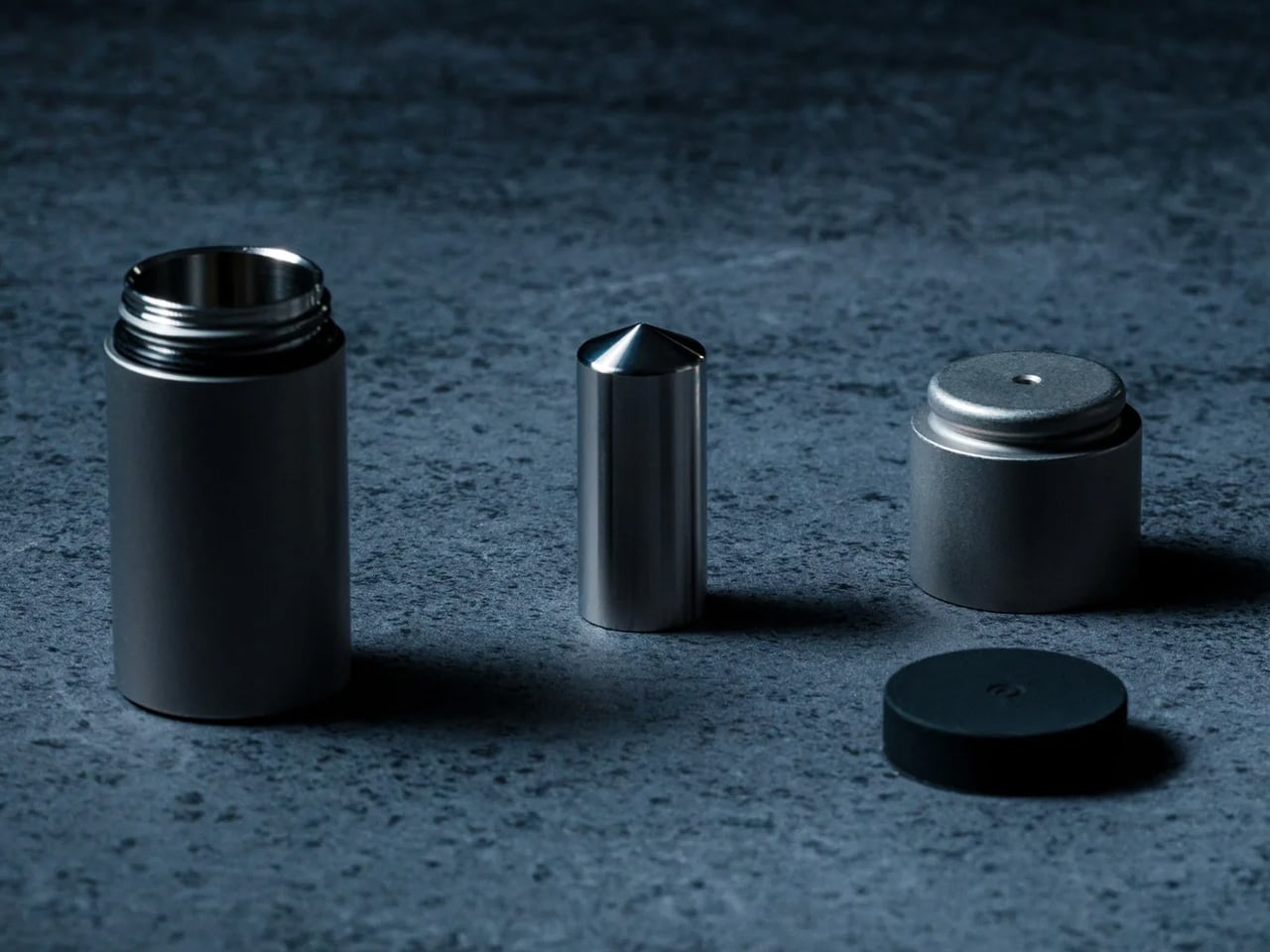
Most spice mills look the same and work the same way. The Impact Spice Mill is neither. Where a standard grinder asks you to twist, this one operates through an impact mechanism — the physical act of milling becomes part of the experience rather than something you do mechanically without thinking. Built with material quality that earns a counter presence rather than a drawer, it makes the act of seasoning feel like a deliberate choice and not an afterthought.
For a ramen bowl, freshly ground spice is a finishing tool, not a background note. A pinch of togarashi ground tableside, or whole sesame cracked directly over the broth, lifts the bowl from assembled to considered. The Impact Spice Mill fits that moment naturally — small enough to set beside the bowl without competing with it, and tactile in a way that suits the ritual of building something worth eating slowly.
What we like
- Impact mechanism offers a more engaging, tactile experience than a standard twist-grind mill
- Compact enough to serve tableside without disrupting the bowl’s visual presentation
What we dislike
- The percussion mechanism takes an adjustment period for those accustomed to traditional grinders
3. Tabletop Teppanyaki Kit
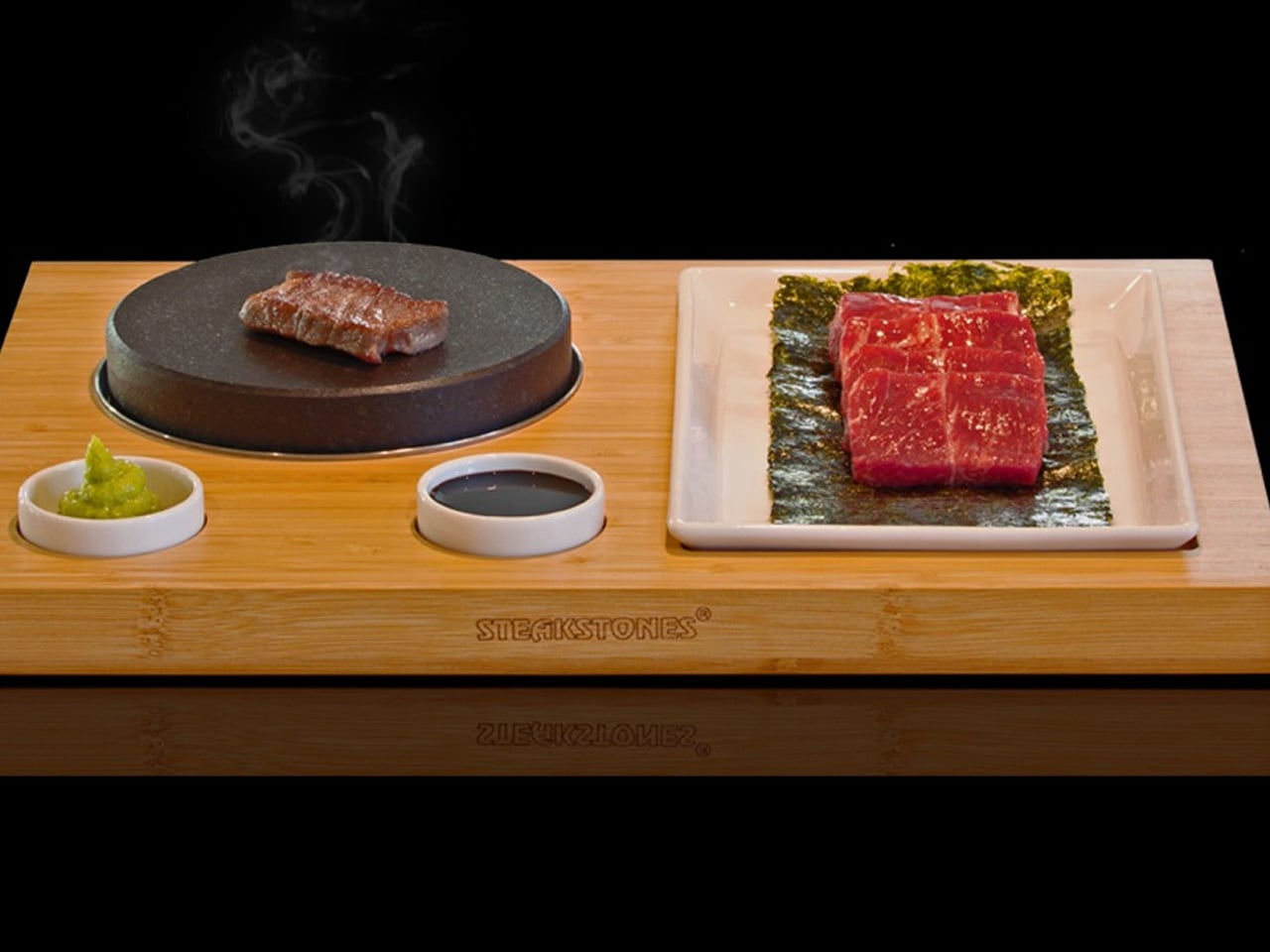
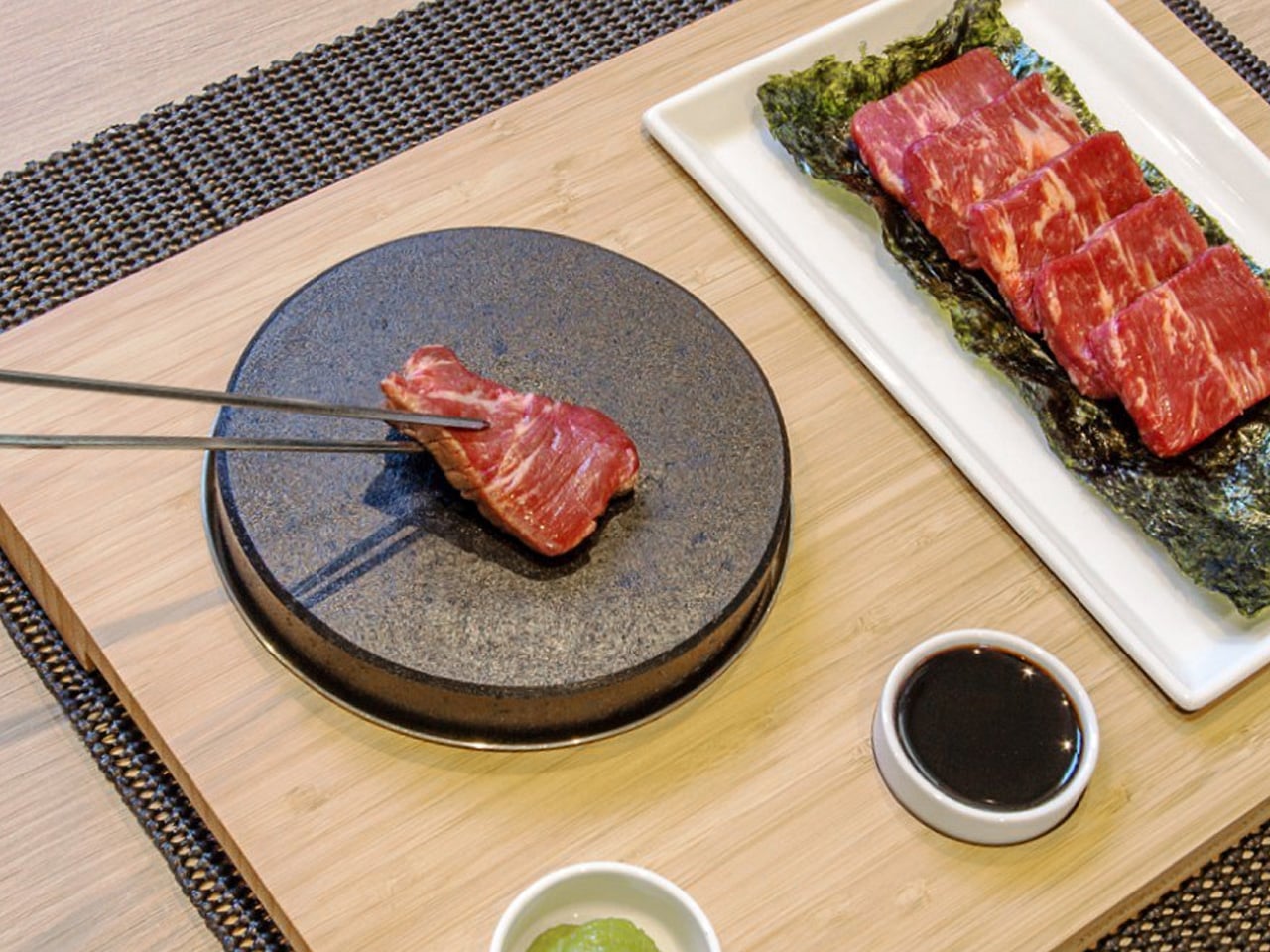
The tabletop teppanyaki kit does something that standalone appliances rarely manage — it turns the preparation of food into part of eating it. Designed for home use but built around the same principle as restaurant teppanyaki, it brings a cooking surface to the table. The food that goes into the bowl is finished in front of you rather than behind a closed kitchen door. The ritual matters as much as the result, and Japanese design has always understood that.
For a ramen setup, the kit earns its place as the tool for chashu. Pork belly seared at the right temperature — with visible caramelization on the fat cap — is one of the clearest signals that a bowl is worth eating slowly. A tabletop surface lets you sear slices to order, finishing them moments before they hit the broth, preserving both the texture of the crust and the temperature of the meat in a way that pre-plating never does.
What we like
- Brings the cooking surface to the table, making preparation a visible and deliberate part of the meal
- Ideal for finishing ramen toppings like chashu tableside, preserving texture and temperature simultaneously
What we dislike
- Requires table space that a minimalist kitchen setup may not easily accommodate
- Cleanup adds a step that a straightforward one-pot approach avoids entirely
4. Plate Grater
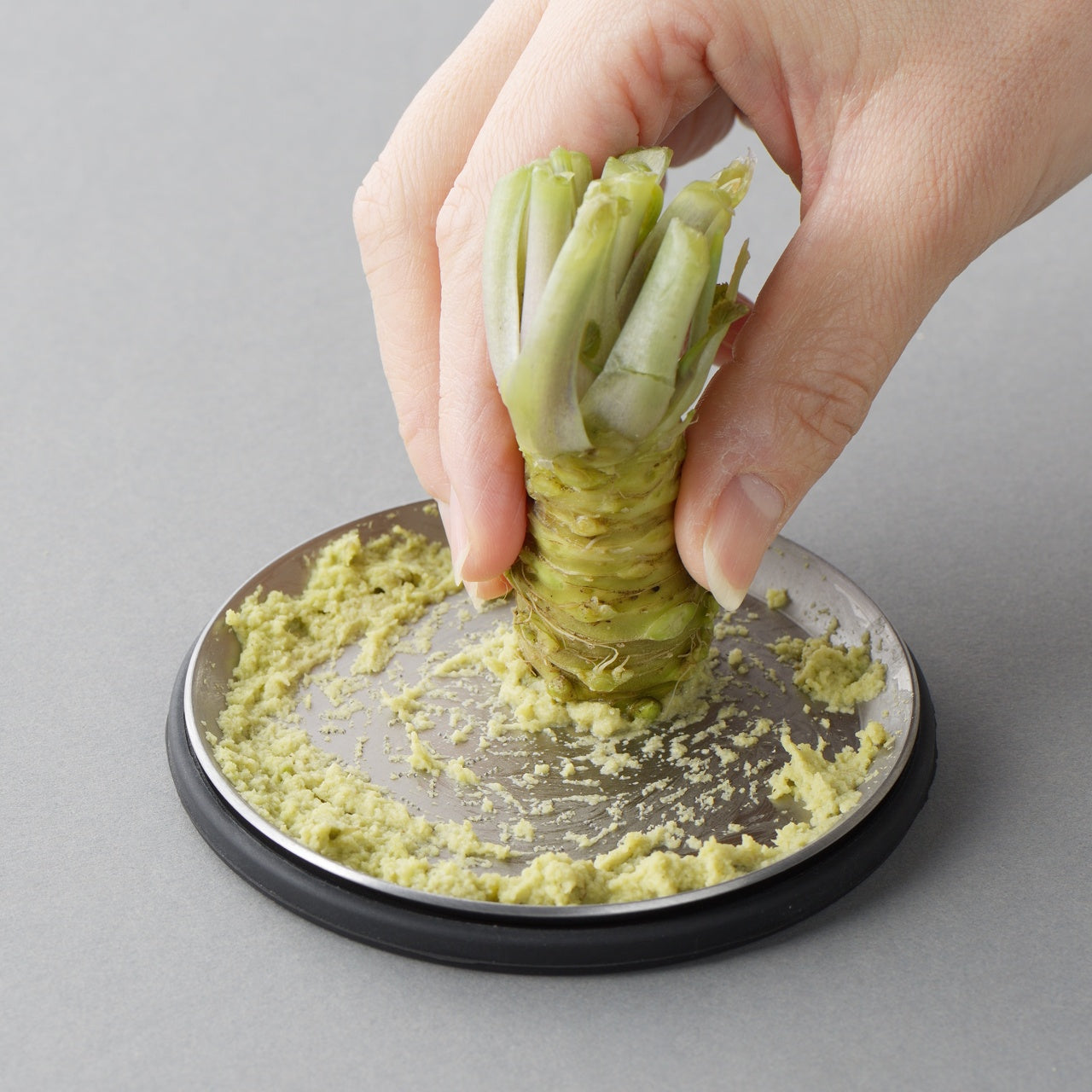


The Plate Grater solves a problem most kitchen tools don’t acknowledge: the transfer step. Grate something into a bowl, move it to a plate, and somewhere in that process you lose both texture and presentation. This tool removes the middle step entirely. The grater surface is the serving surface — grate your daikon, ginger, or garlic directly onto the plate, and the result arrives at the bowl without the texture-destroying detour of a second vessel.
In a ramen context, freshly grated daikon is the detail that signals care. The fine, airy texture of daikon grated at the moment of serving — before moisture has been pressed out by sitting in a bowl — is visually and texturally distinct from the pre-grated version. The Plate Grater makes that easy enough to do every time rather than only when you’re trying to impress someone, which is the point. The best tools remove the friction between intention and execution.
What we like
- Eliminates the transfer step between grating and serving, preserving texture at the exact moment of plating
- Dual function reduces the number of tools needed on the counter without sacrificing quality
What we dislike
- A specific tool, not a versatile one — its value is limited to ingredients that benefit from fresh grating
- Size constrains how much you can grate at once, making it less practical for larger servings
5. Nendo Intertwining Chopsticks
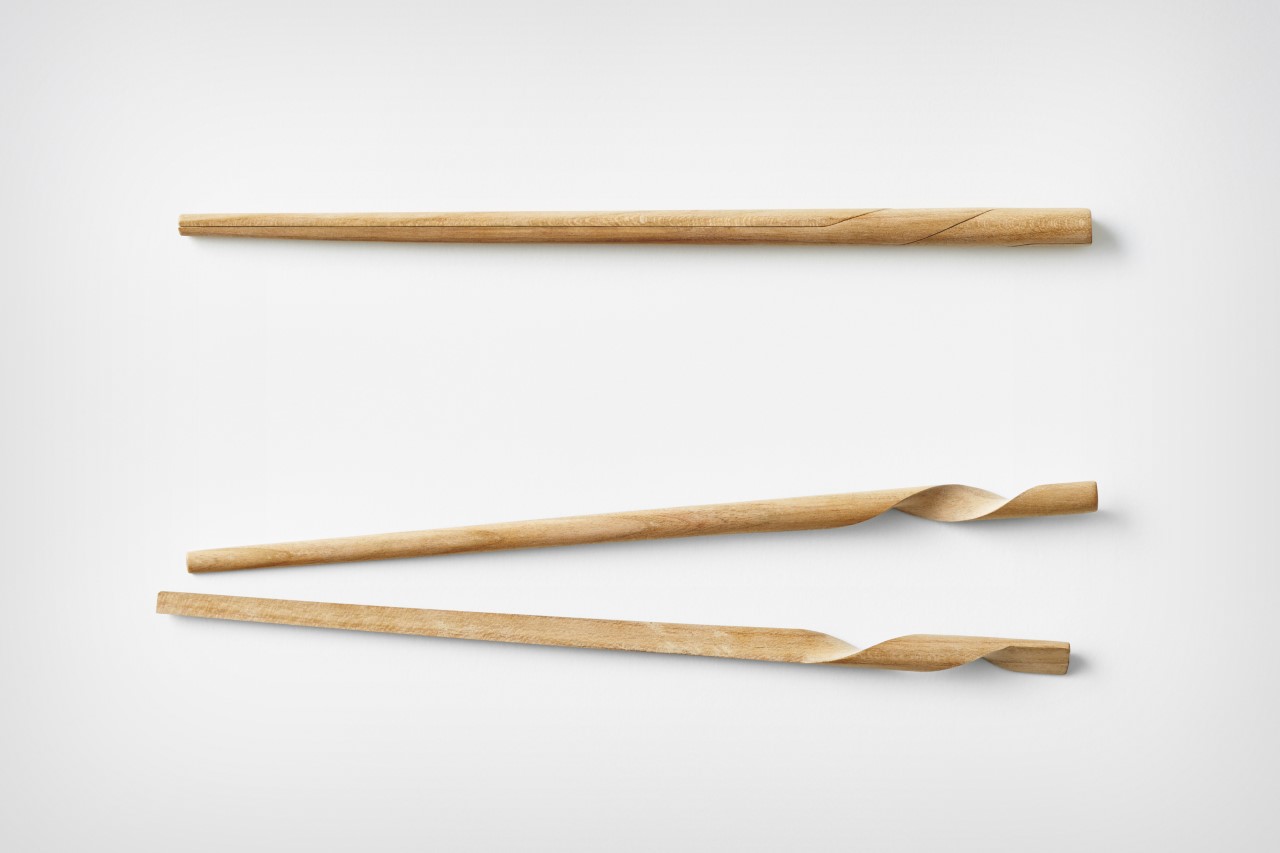

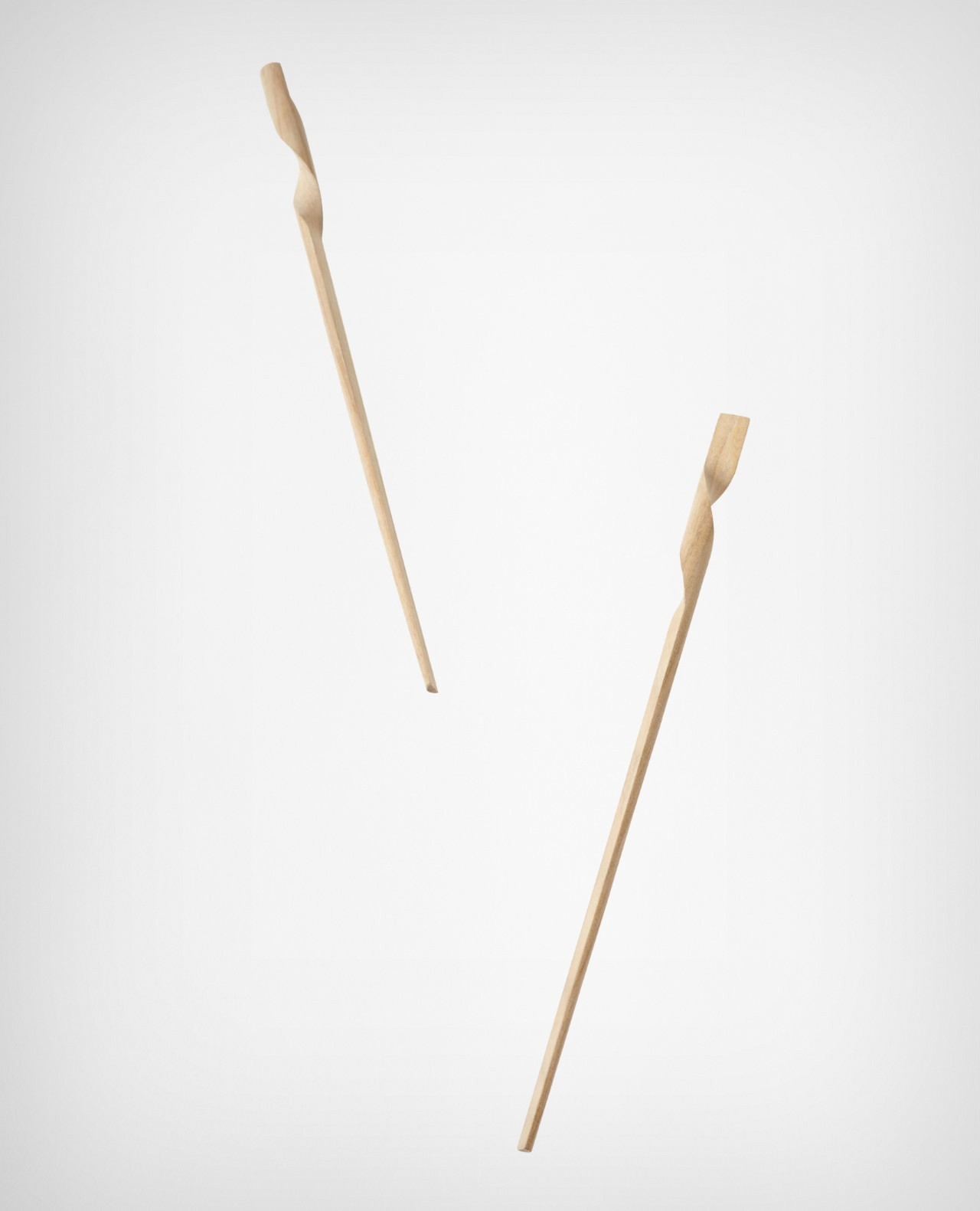

Nendo is the Tokyo design studio that has, over two decades, made a consistent argument that the most overlooked objects in daily life are worth redesigning most carefully. Their chopsticks apply that logic to one of the most common utensils in Japanese cooking. Rather than treating a pair of chopsticks as two identical sticks, Nendo redesigned them to intertwine into each other at rest — turning two separate objects into a singular, cohesive form the moment you set them down.
The change is purely formal — the function of the chopsticks themselves is unchanged. What shifts is how they behave as objects between uses, and that shift has a disproportionate effect on how the table looks while you eat. A ramen bowl is already visually composed — the placement of toppings, the rim, the broth catching light. Chopsticks that form a clean, considered shape when rested beside the bowl complete that composition rather than interrupting it.
What we like
- The interlocking resting form turns a utilitarian object into a considered design detail with no added effort
- No functional compromise — the redesign affects only how the chopsticks behave when not in use
What we dislike
- Form-forward by design — those looking for material or grip improvements over standard chopsticks won’t find them here
- The interlocking geometry may not translate equally well across all hand sizes or grip styles
The Meal Is the Design
What connects these five tools isn’t price or origin — it’s intention. Each one was designed by people who looked at a common kitchen problem and chose not to accept the existing answer. That thinking produces objects that change how cooking feels, not just how food looks. A bowl of ramen built with these tools tastes the same as one made without them. The difference is in how much you meant it.
Japanese design has always worked with the premise that everyday objects deserve the same rigor as landmark architecture — that the feel of a grater or the way chopsticks rest on a table are problems worth solving properly. These five tools carry that premise into the kitchen in ways that are concrete and usable. Start with one. The bowl you make next week will not look like the bowl you made last week.

