
Space is the final frontier as NASA plans to go deeper into the dark space with improved technology and lessons from past and current missions. The International Space Station is going to reach the end of its operational life by the end of the decade, and NASA plans to employ services from commercially owned space stations, rather than putting its time and efforts into building another one.
The idea is to reserve its brilliant minds and the vast resource pool for deep space exploration beyond the Earth’s orbit. This has opened up doors for next-generation private companies to get in the race to build the most efficient space station to replace NASA’s outgoing ISS. Florida-based startup Max Space, which operates in the vicinity of the Kennedy Space Center, is testing the prospect of expanding space habitats, as NASA concentrates more on outer space missions.
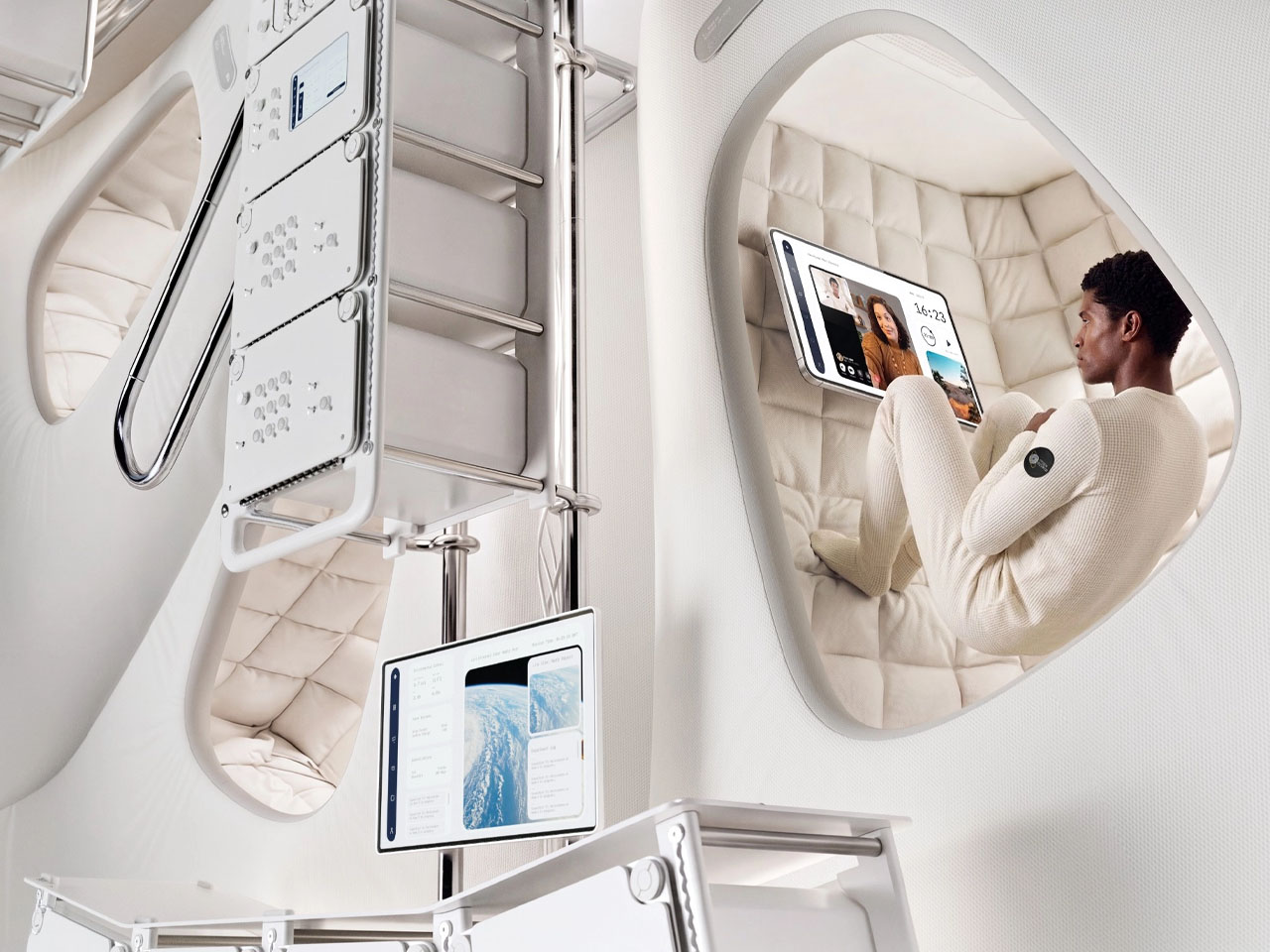
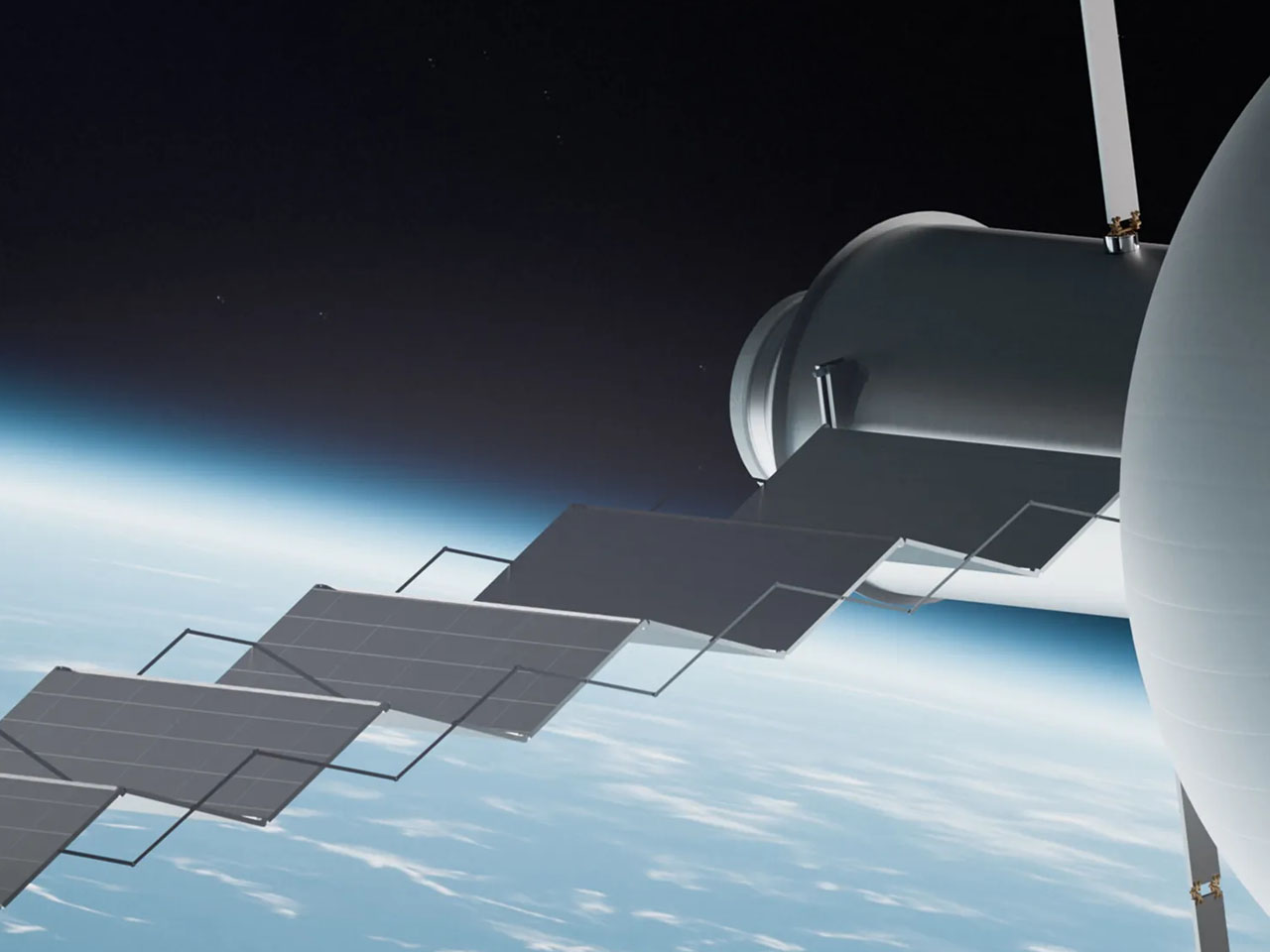
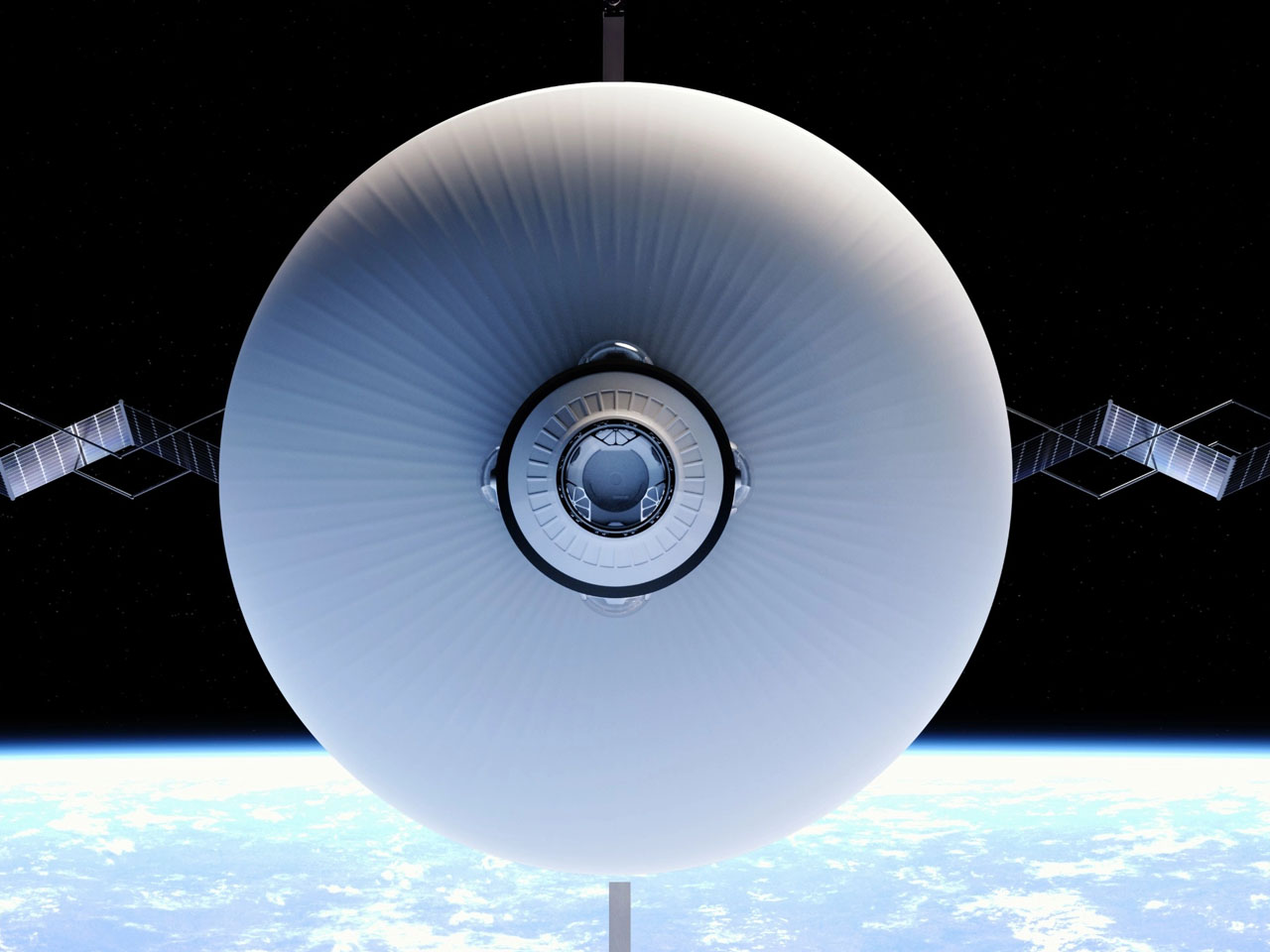
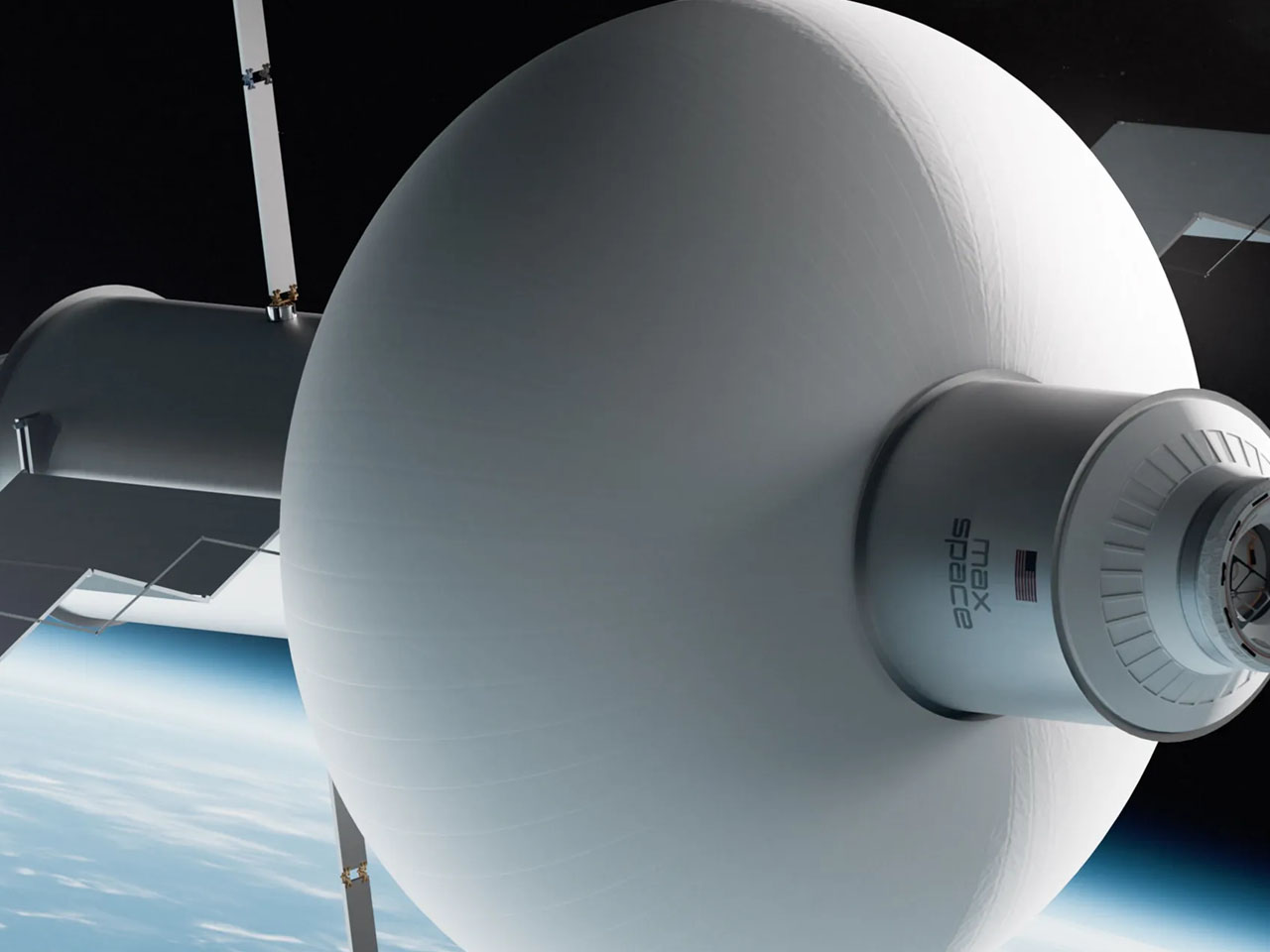
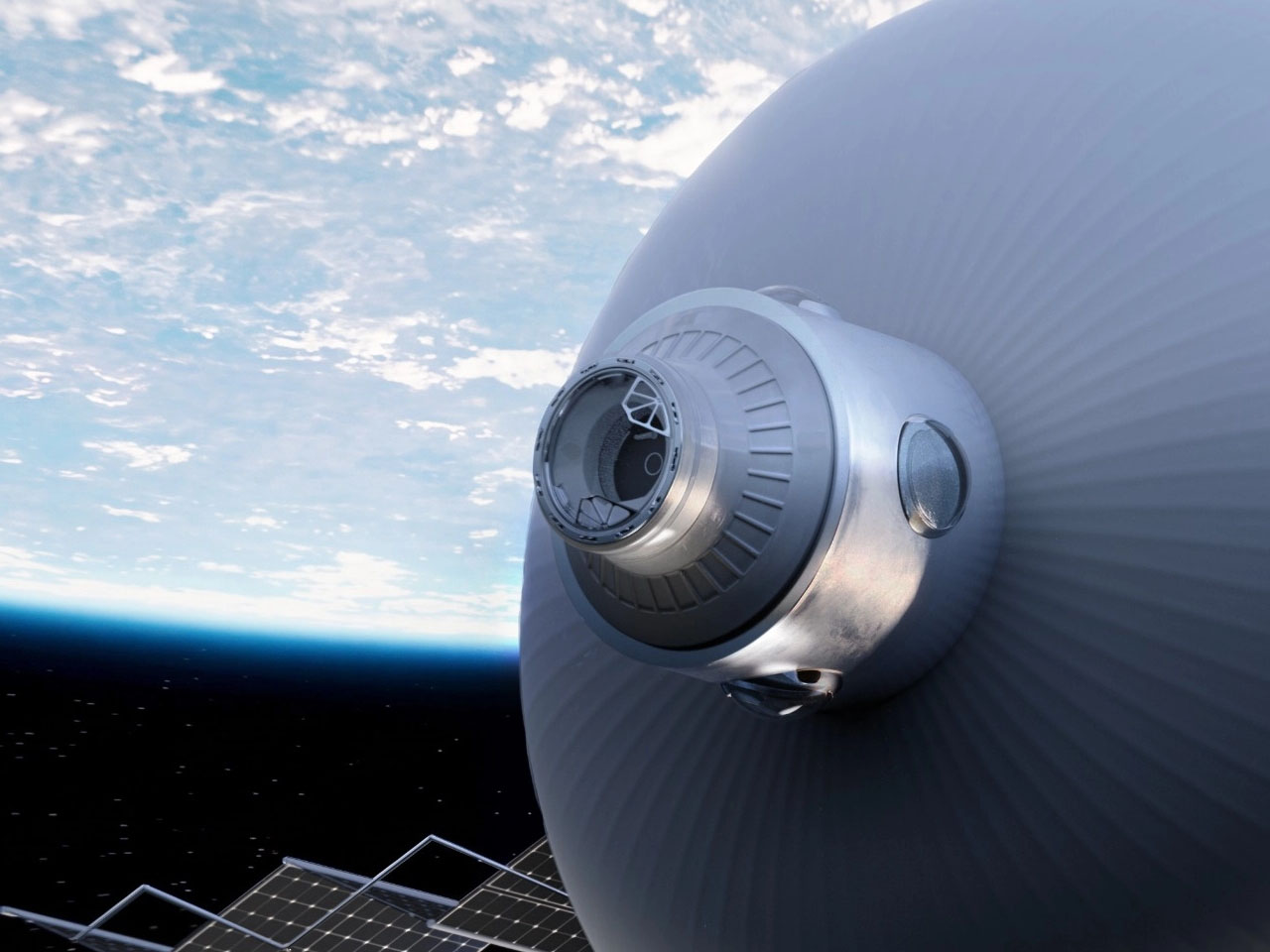
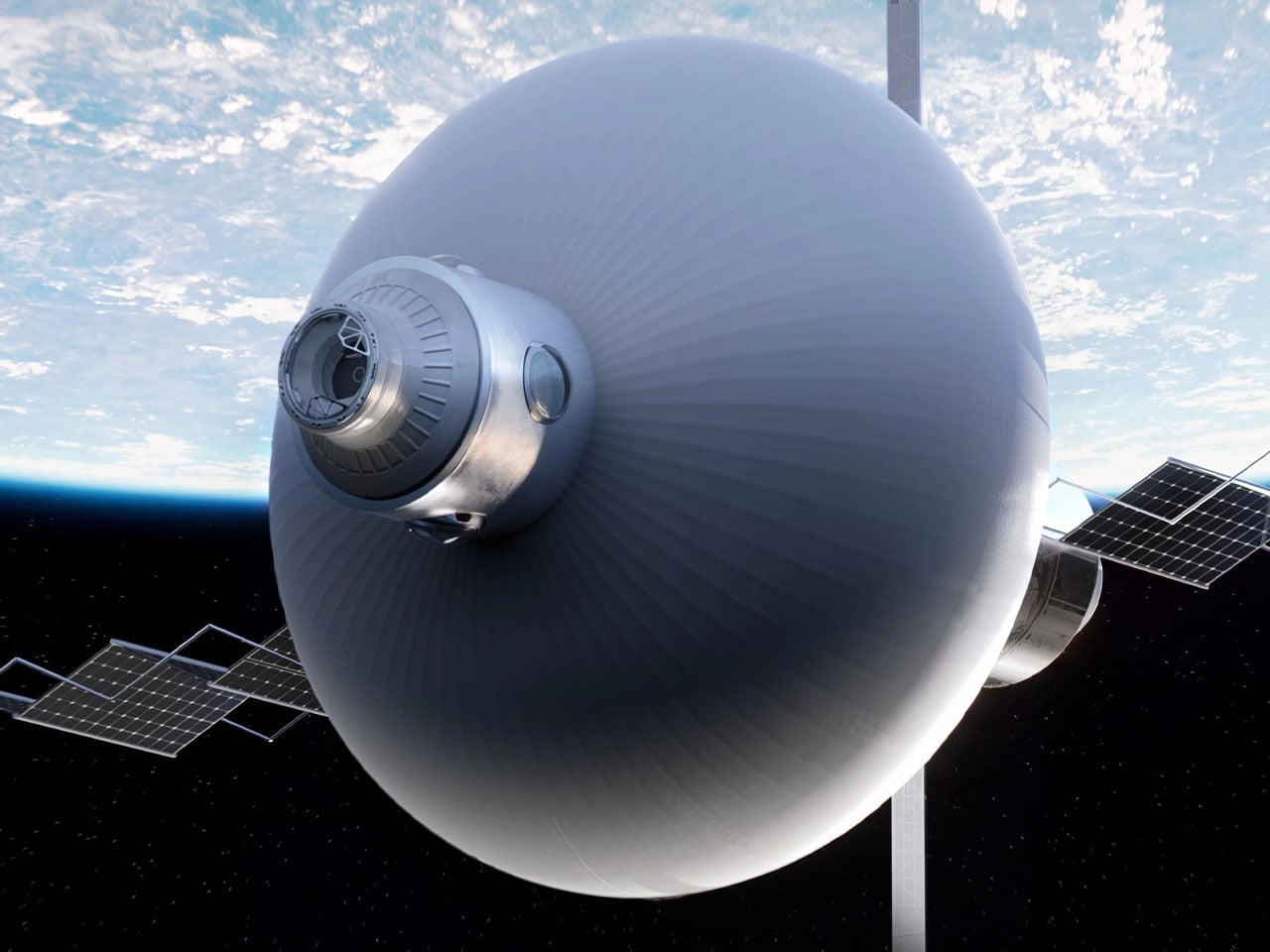
Their prime concept for the next-generation space station is Thunderbird, which can launch compactly and expand in low Earth orbit for a far more practical pressurized environment than current-generation modules. Just imagine a single-launch commercial habitat, compared to the ISS, which took years of on-orbit assembly, and rocket flights. The space station concept proposes the use of an expandable fabric-based structure to maximize the volume, while staying well within the volume and mass threshold of transporting it into orbit. NASA themselves have been experimenting with inflatable modules, and Max Space builds on that knowledge to craft one of the most complex habitat structures known to man.
The aeronautical start-up co-founded by CEO Saleem Miyan, Chairman Aaron Kemmer, and Chief Technology Officer Maxim de Jong, is working in close association with NASA under the Space Act Agreements for technical collaboration. If all goes to plan, Thunderbird will launch into Earth’s orbit by the end of the decade on the SpaceX Falcon 9 rocket. Before the final launch, there will be extensive test flights and demonstrations to make the mission a 100 percent success.
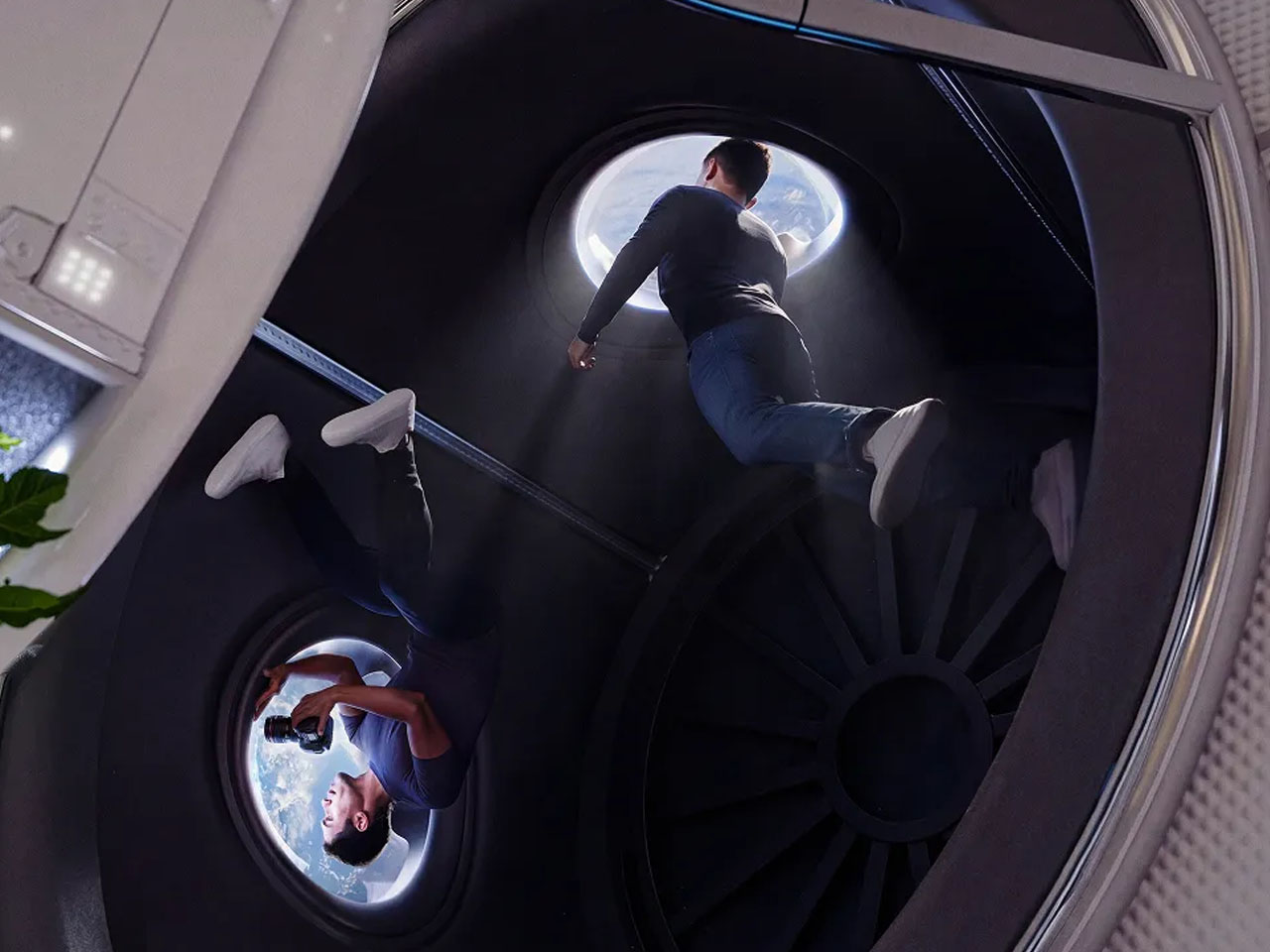
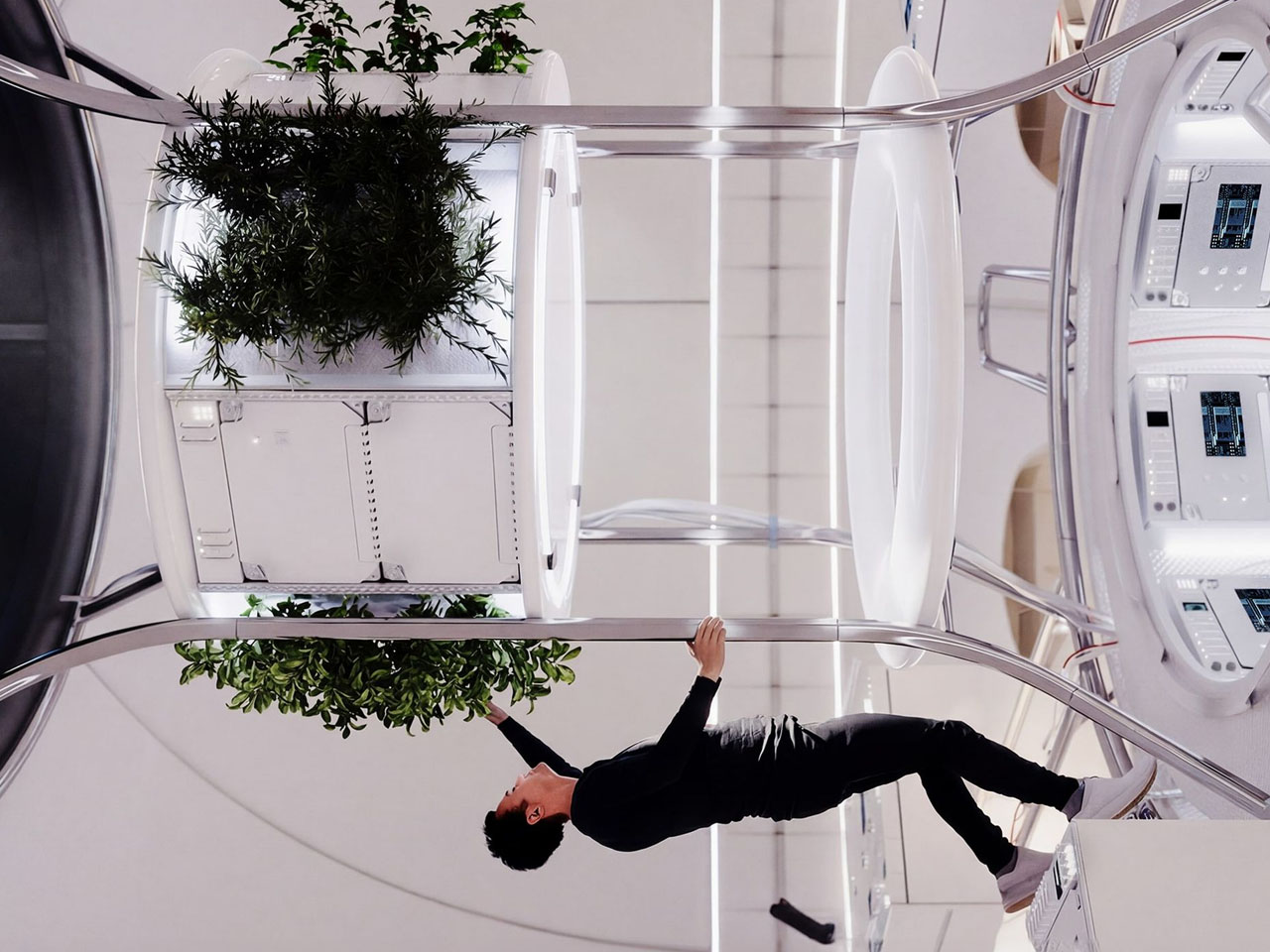
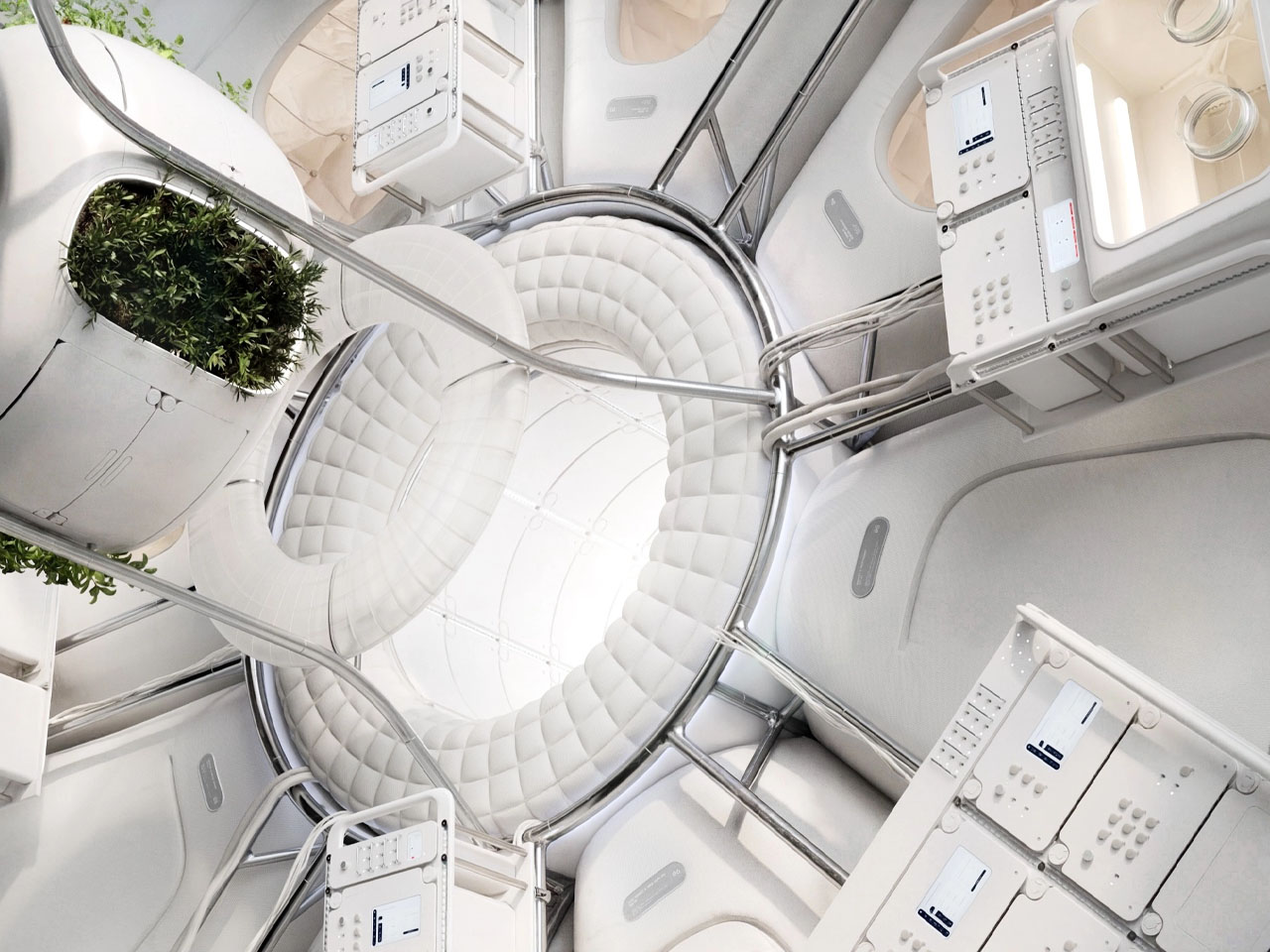
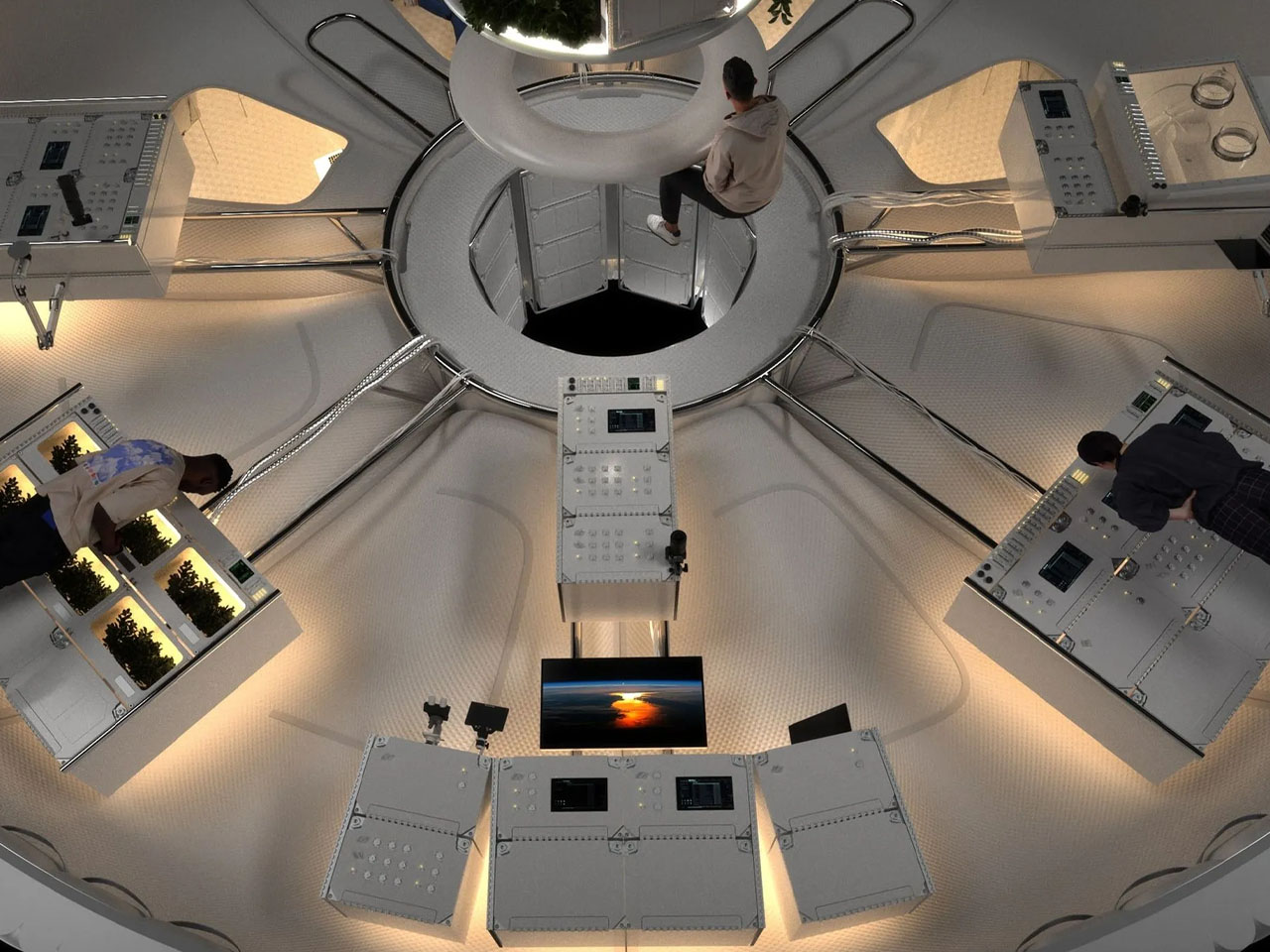
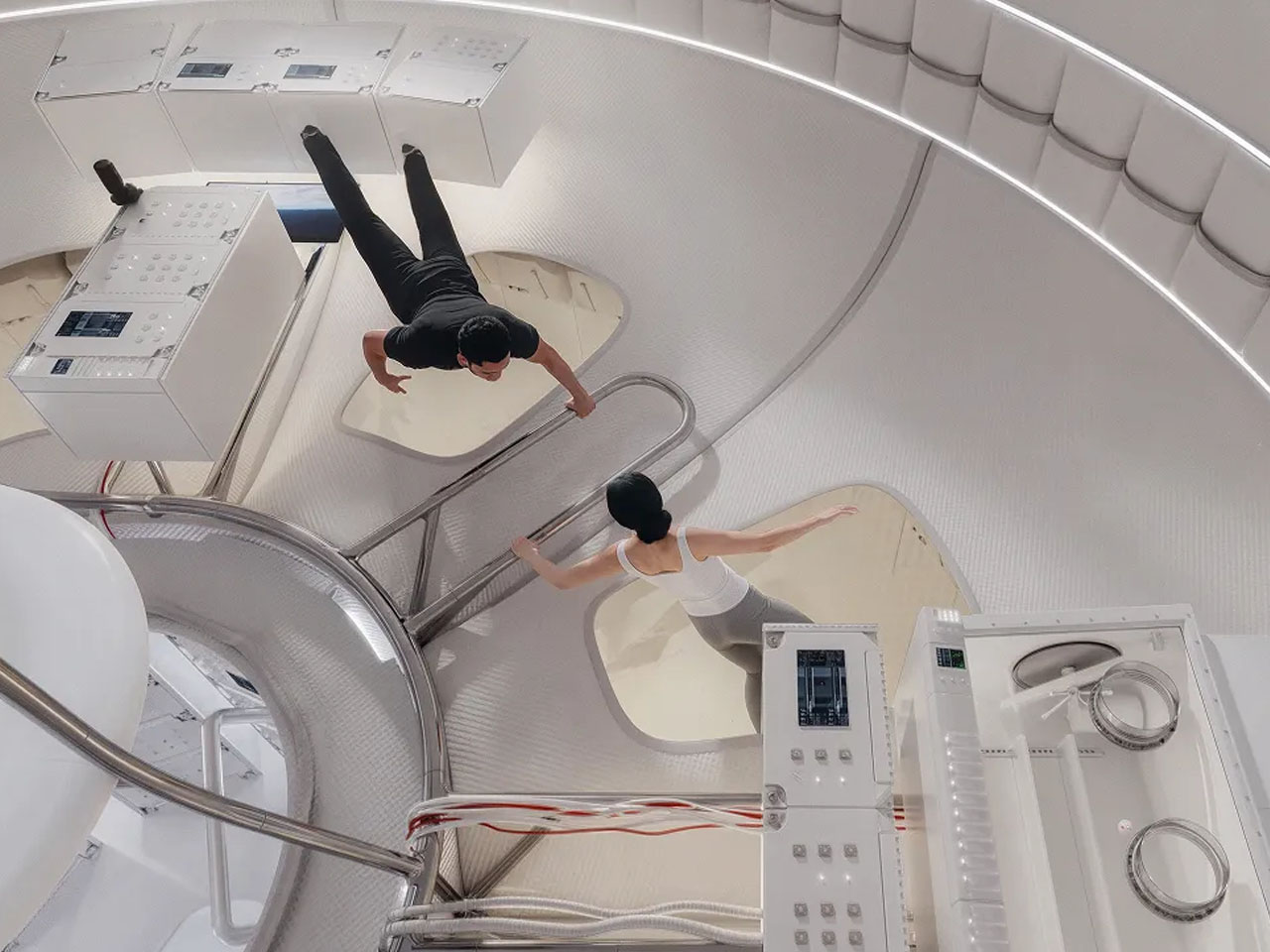
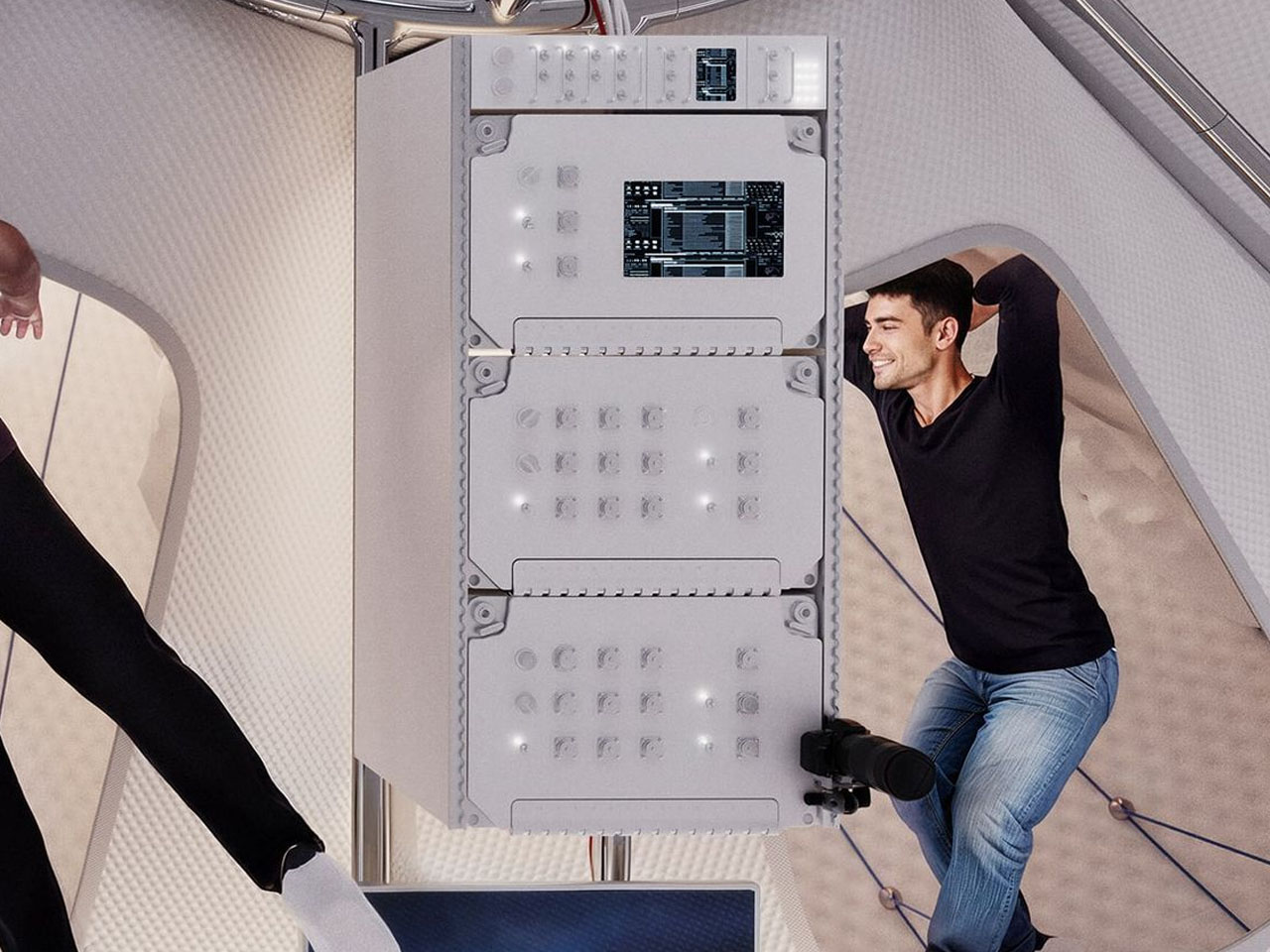
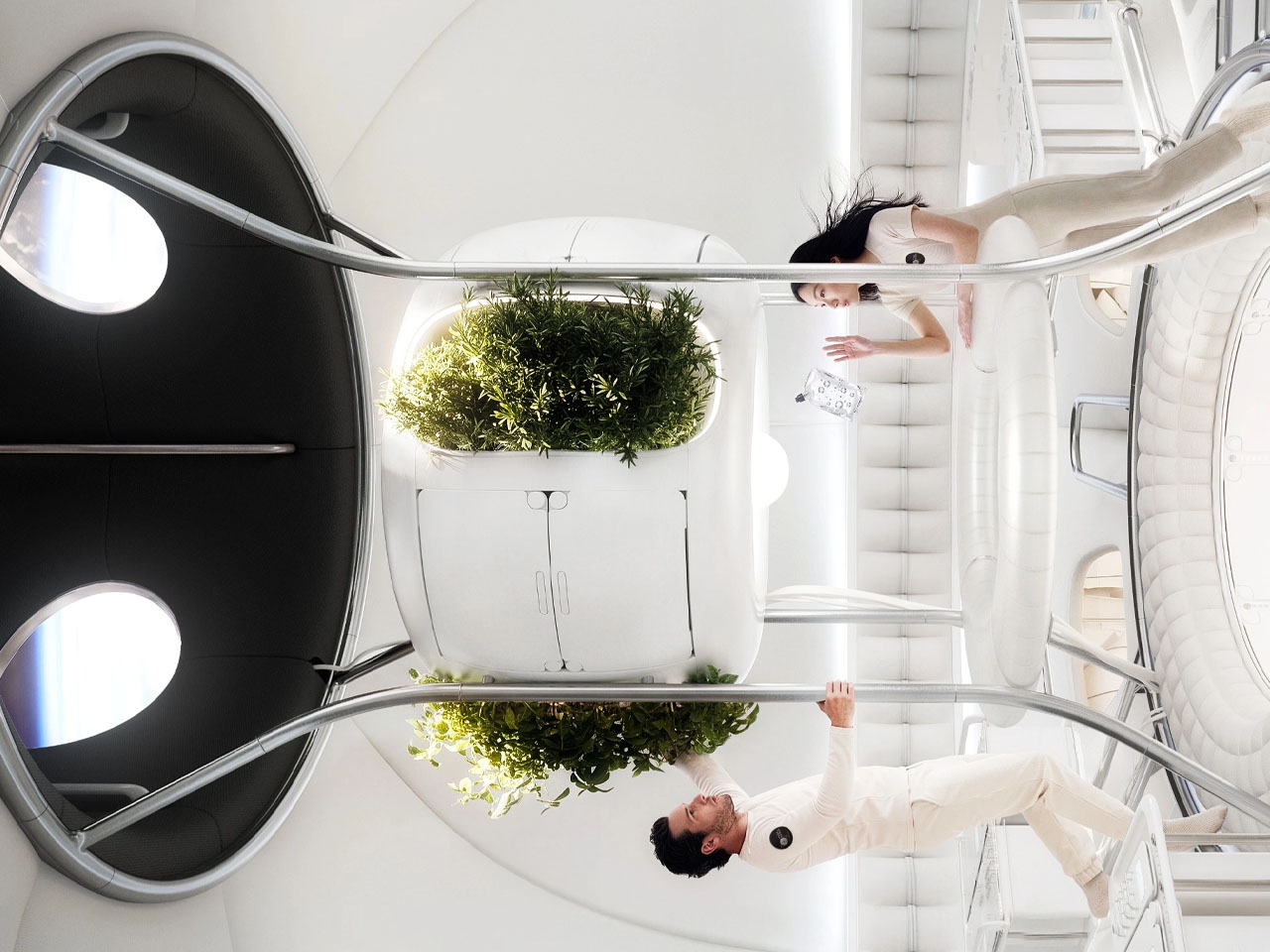
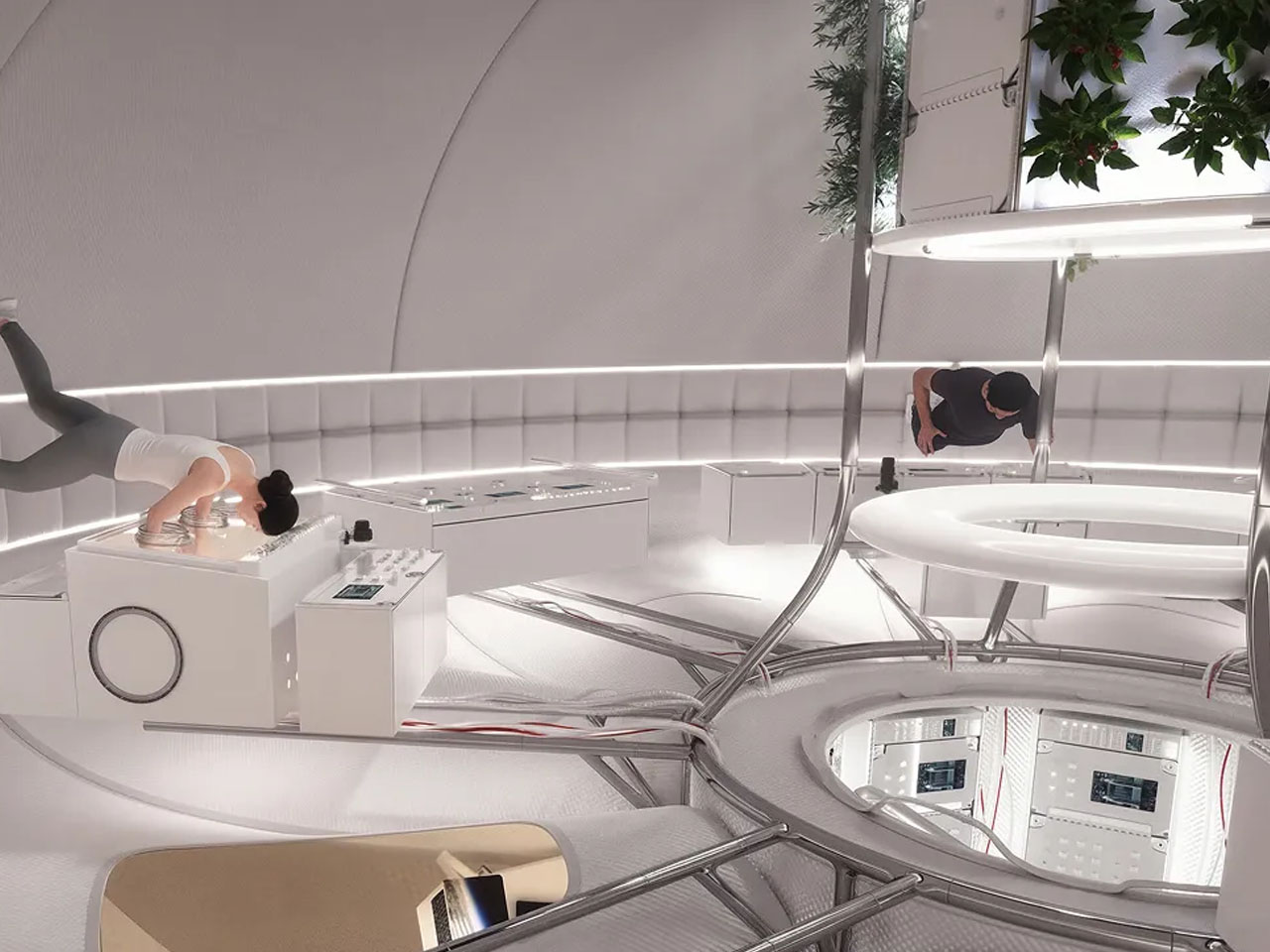
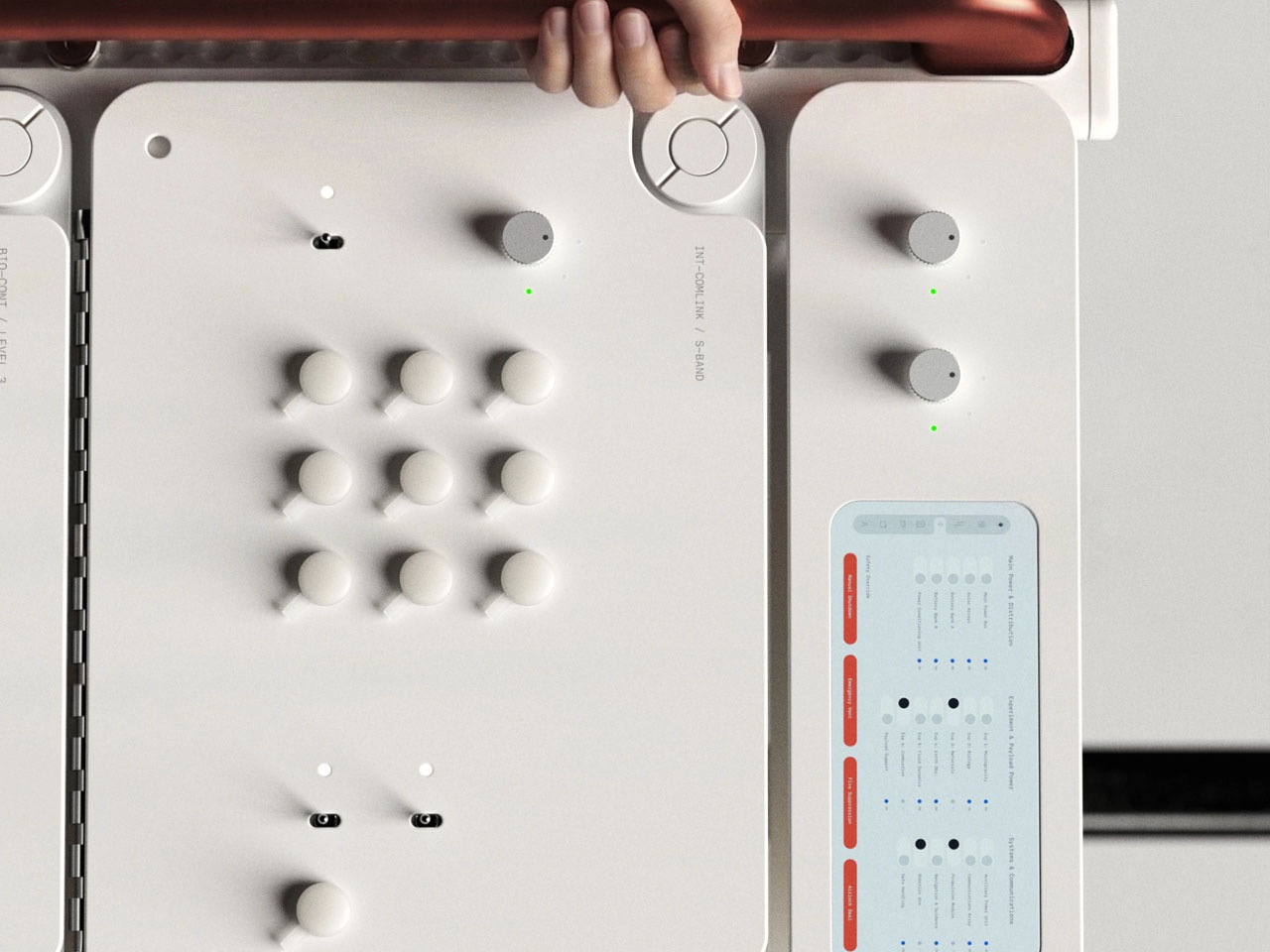
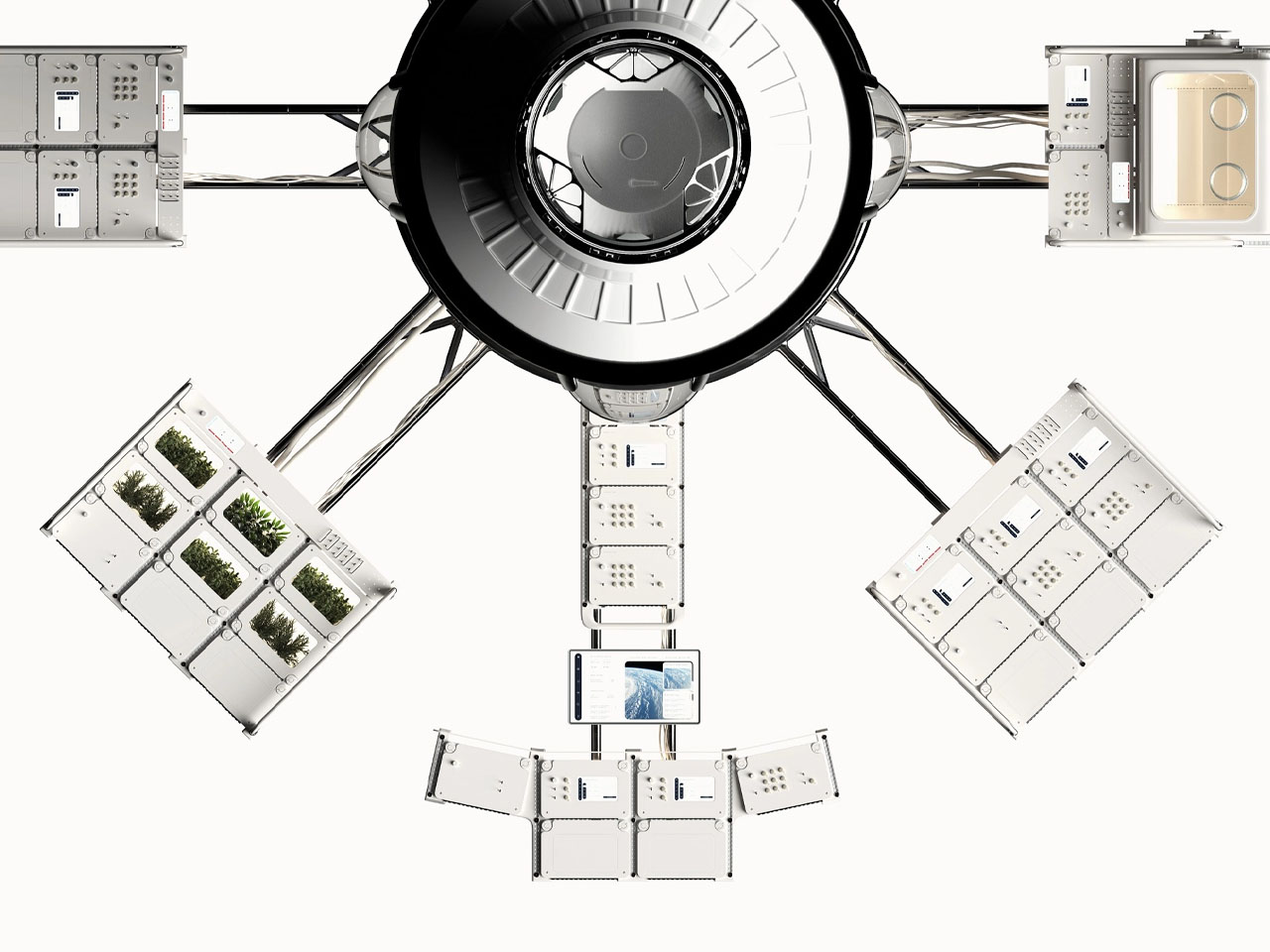
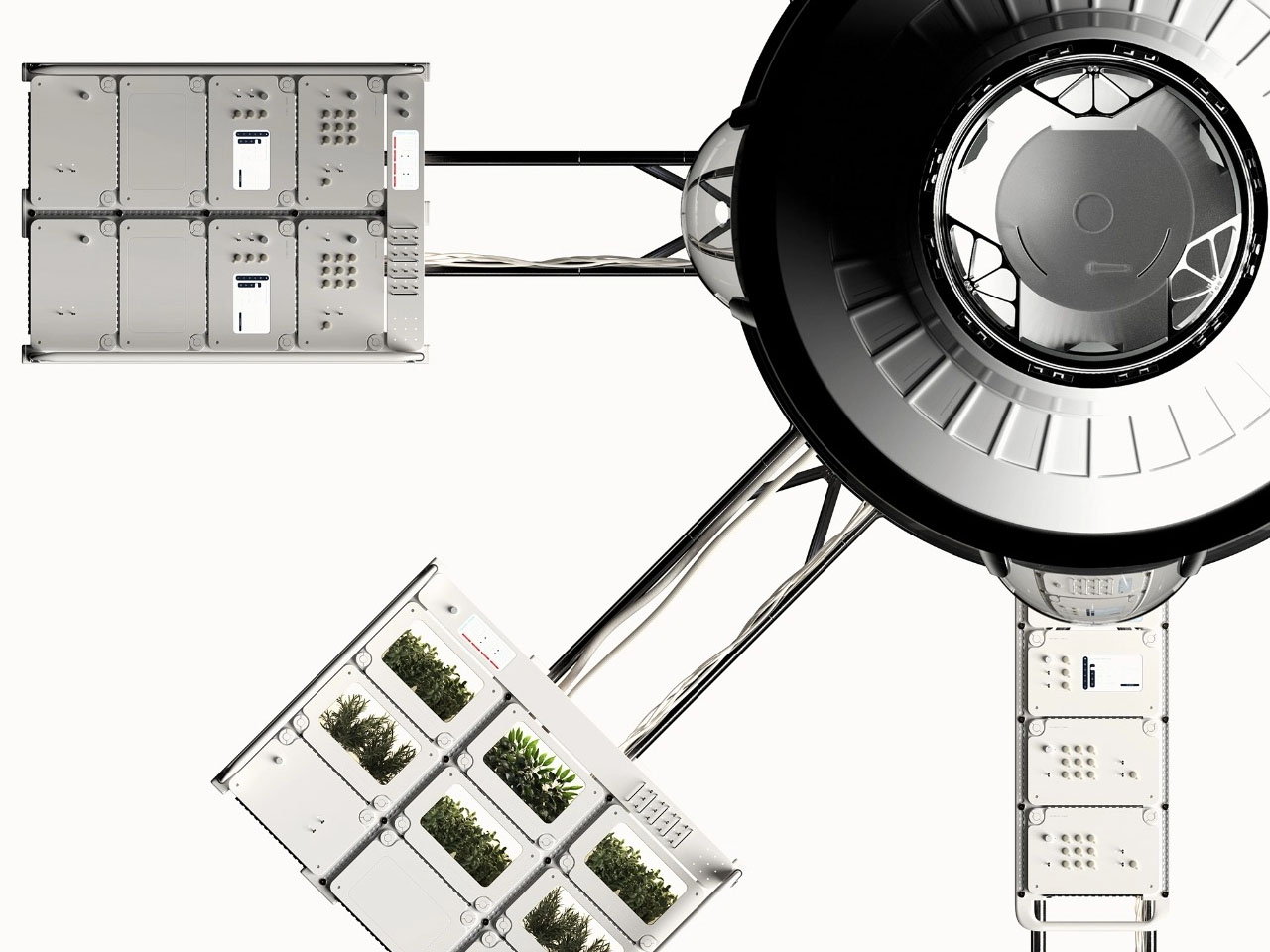
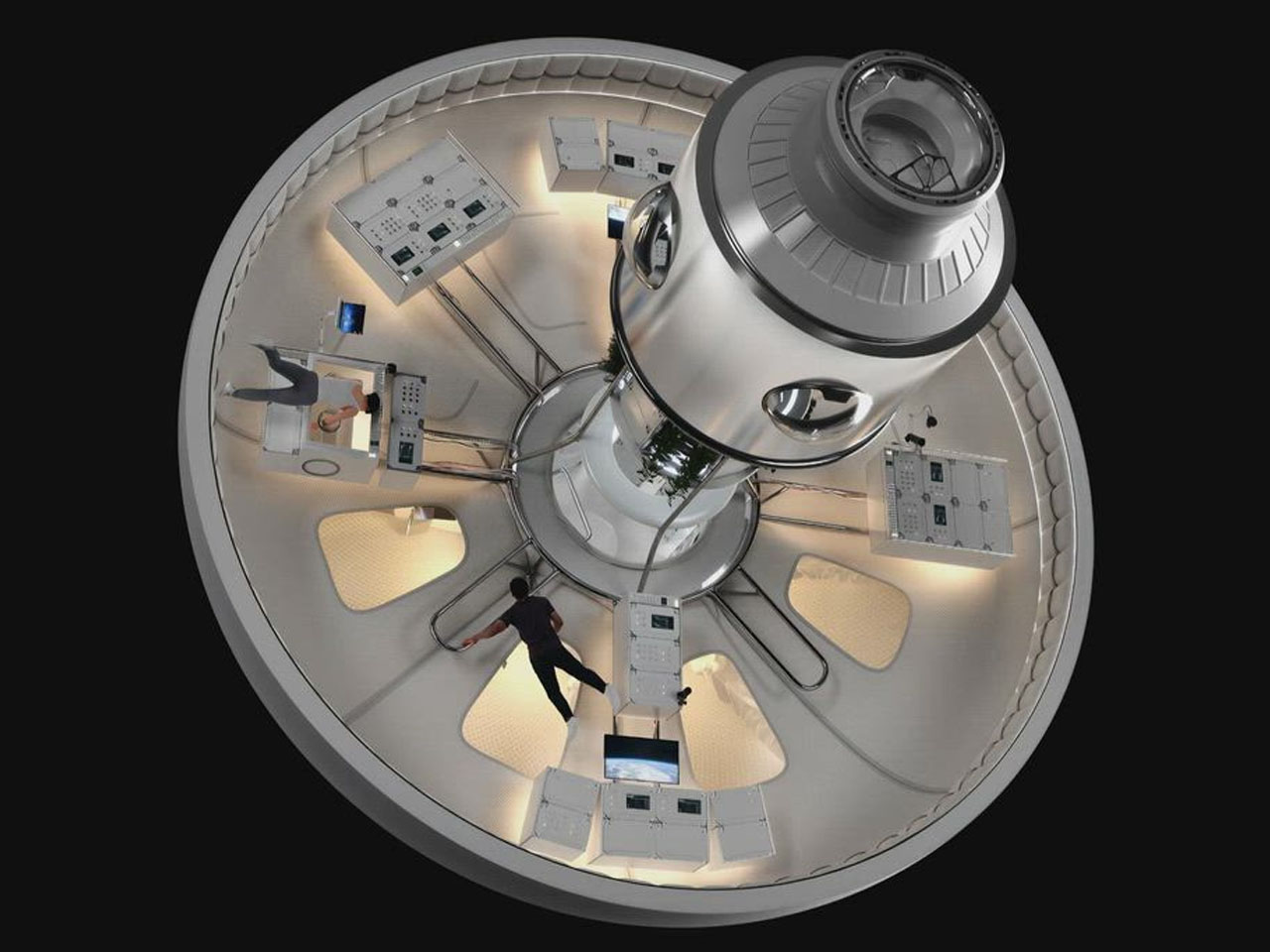
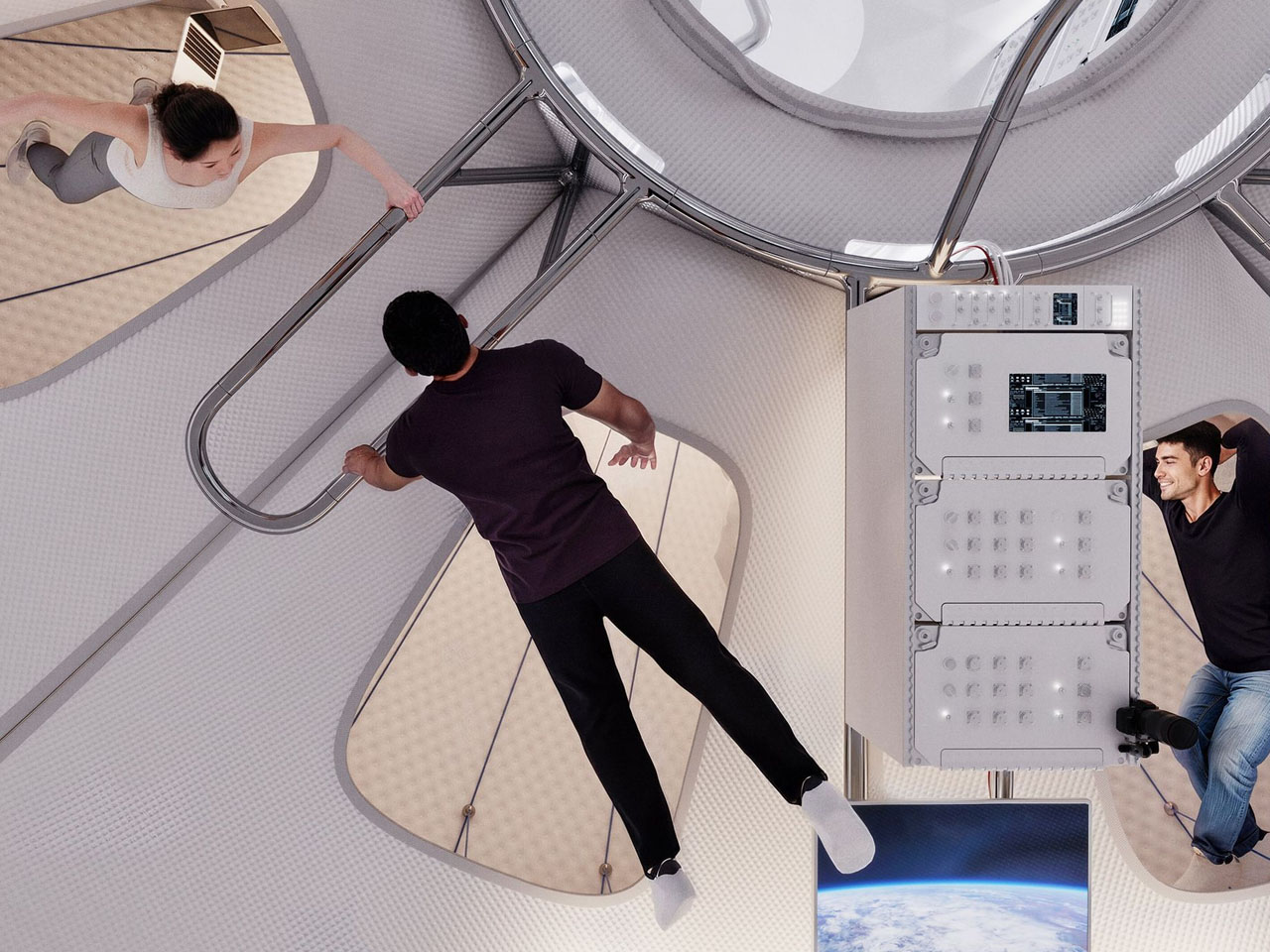
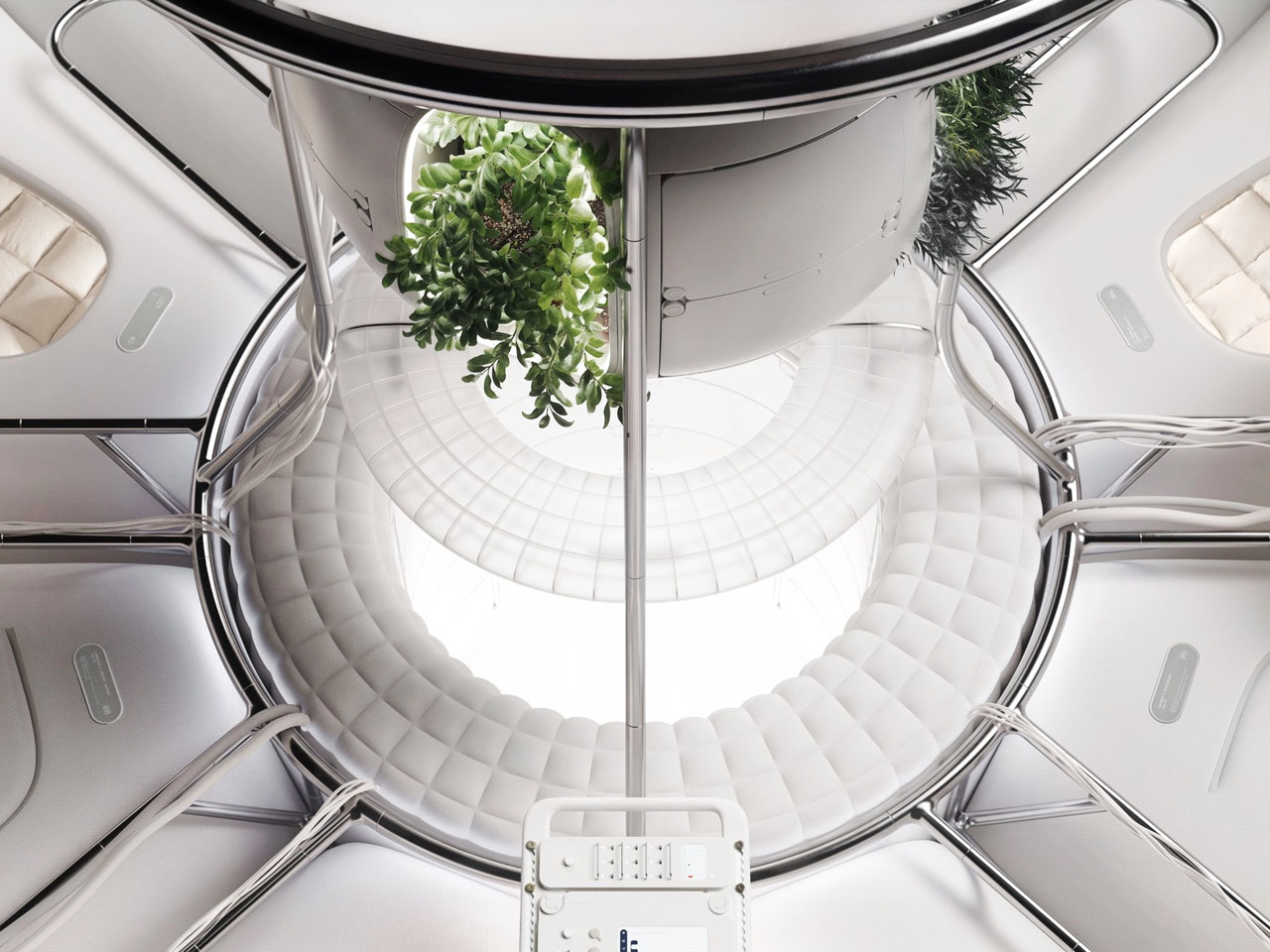
What we see in the pictures is a concept iteration of the space module designed by OMI (Of My Imagination) Studio for Max Space. Thunderbird is the orbital component of the proposed expandable habitat, which is envisioned to go well beyond the low-orbit International Space Station modules. It is going to be the basis for the more serious Lunar or Martian missions planned for the next decade. OMI is the brainchild of visionary minds who have worked in close quarters with former NASA astronauts to reimagine “space station as a human-centred environment rather than a purely functional spacecraft.”

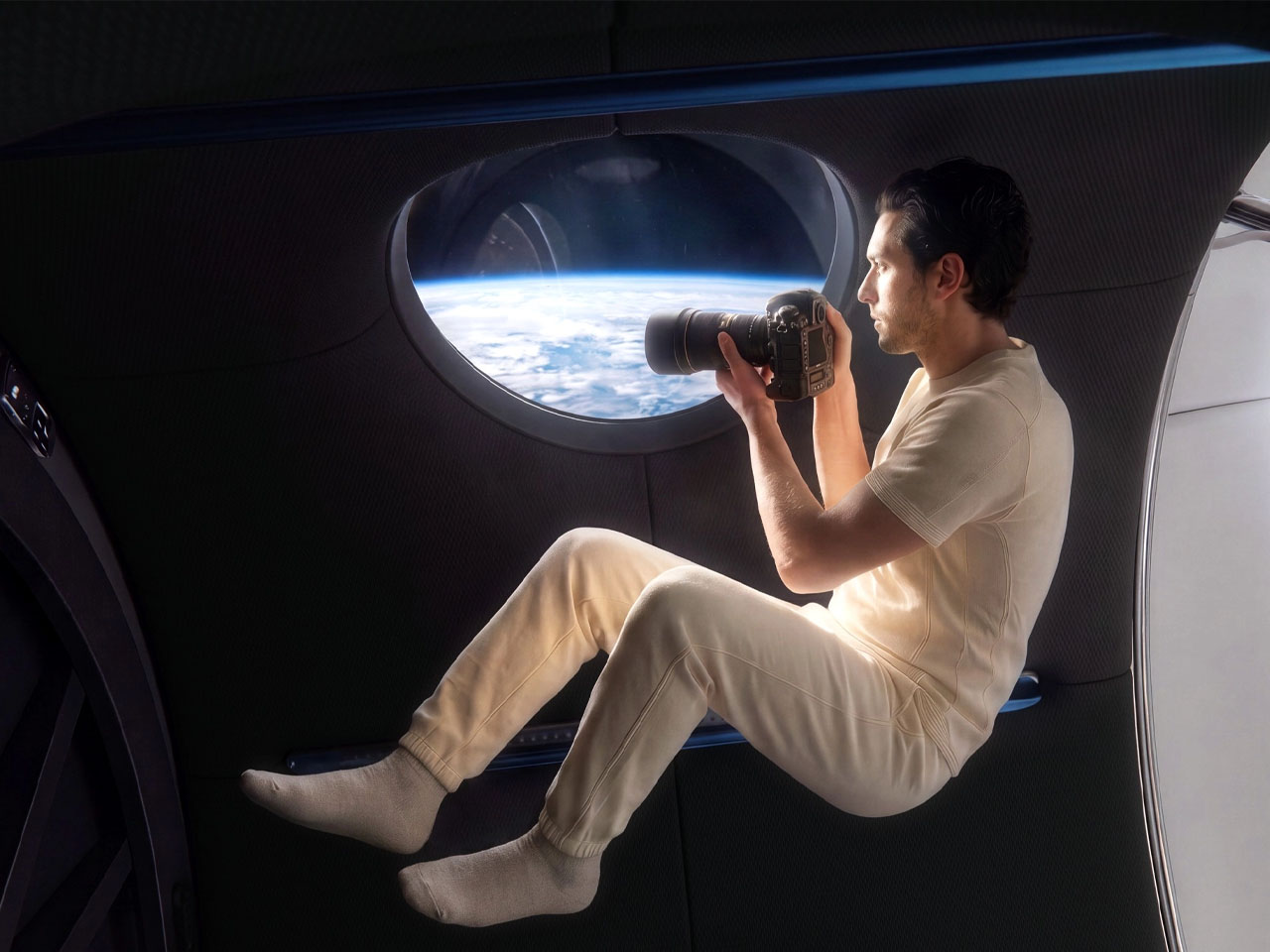
The circular structure of the module is deliberate to employ the microgravity shifts to aid navigation. The highly functional compact module can expand into a 350-cubic-meter habitat for four crew members, each having their dedicated sleeping pods and facilities, including a gym, scientific laboratories, community living space, and eight functional areas. The module has to go through the extreme temperatures of the orbit, so the agency has designed the external surfaces from multi-layered Kevlar with triple safety redundancy. This far exceeds NASA’s requirements to guard against micrometeoroids.