
Huawei used IFA 2026 to show that a smartwatch can care for you in two very different ways without ever feeling like two different products. The HUAWEI WATCH 6 Series and the HUAWEI WATCH D3 launched together, one built around elegance and daily versatility, the other built around round-the-clock medical monitoring. Both treat the wrist as a place worth designing carefully, just toward different ends.
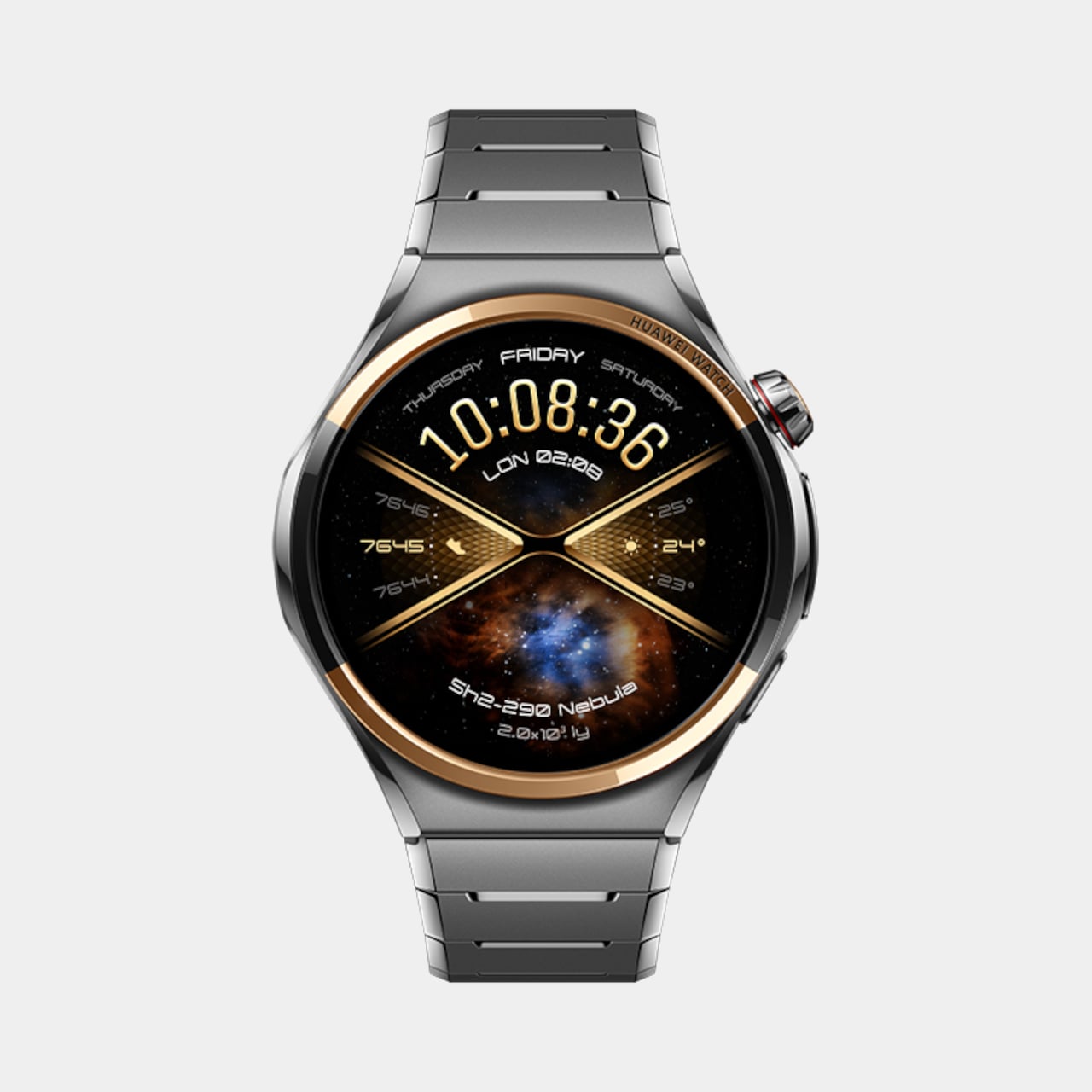
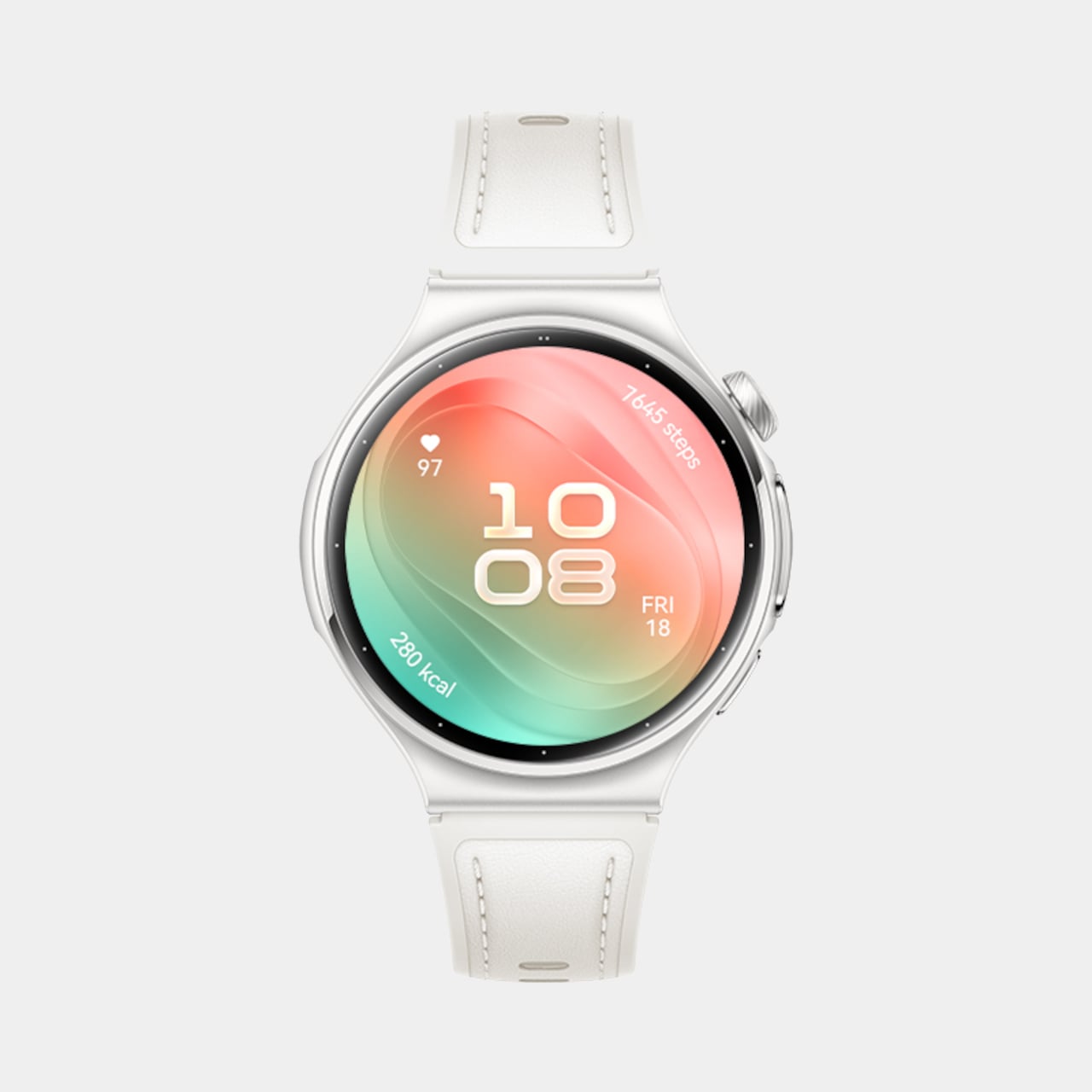
The WATCH 6 leads with restraint. Huawei carries forward the sleek, minimalist design legacy of the WATCH family, introducing a timeless aesthetic that exudes sophistication, and backs that look with real engineering. The 42mm model claims the lightest design in the history of the HUAWEI WATCH Series at just 38g and 10.2mm thin, while the 46mm version leans into a durable stainless-steel case for anyone who prefers heft on their wrist.
Designer: Huawei
Huawei Watch 6
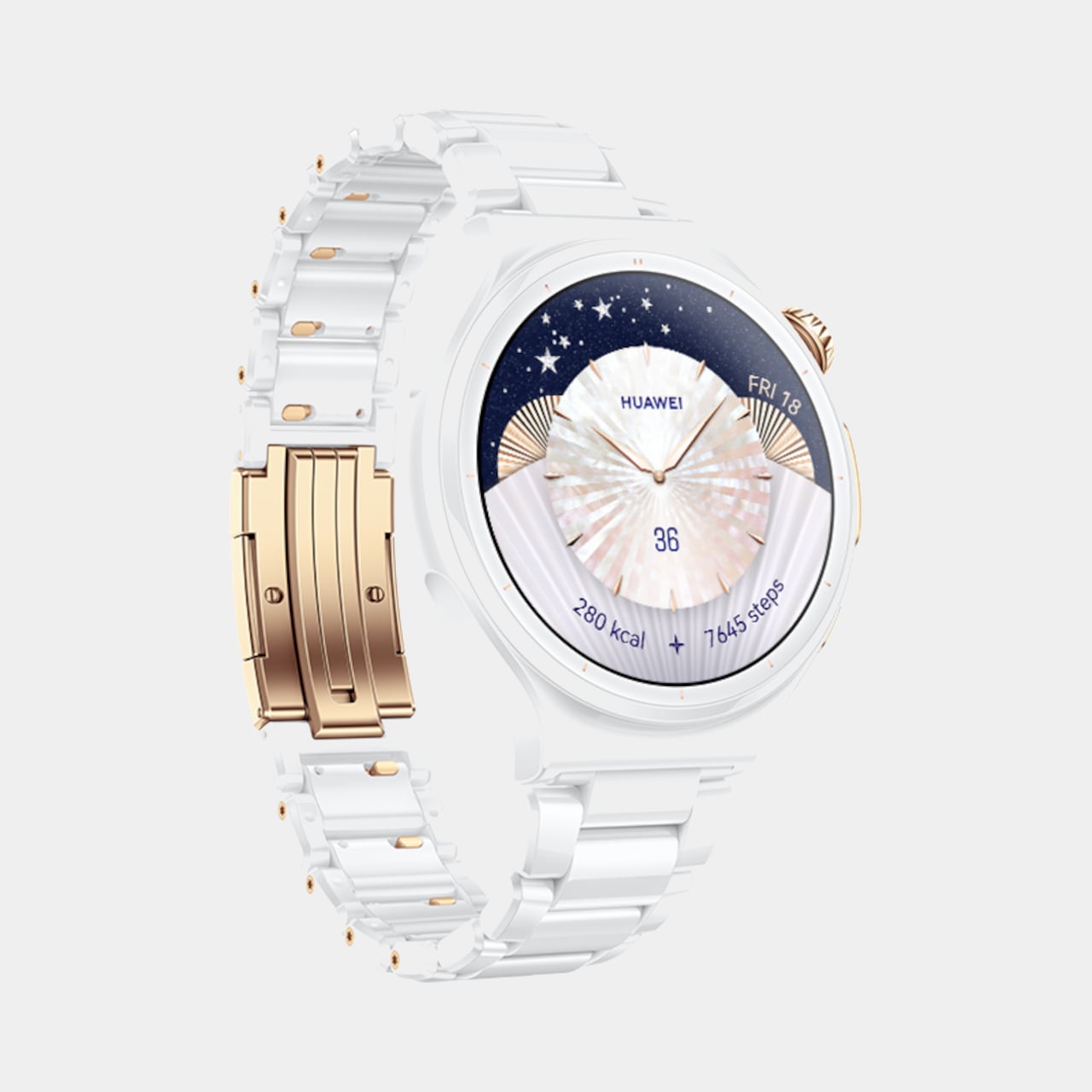
Four finishes carry that design further, from Black Stainless Steel to a Gold Aluminum Alloy paired with a soft pink strap, each fitted with the new HUAWEI EasyCross Strap for a smoother, more breathable fit. The Pro tier pushes materials even harder, with a Space Edition pairing a black ceramic bezel against gold detailing, and a 43mm model marking the first all-ceramic watch in Huawei’s lineup, finished with 18K gold accents for a genuinely jewelry-like presence.

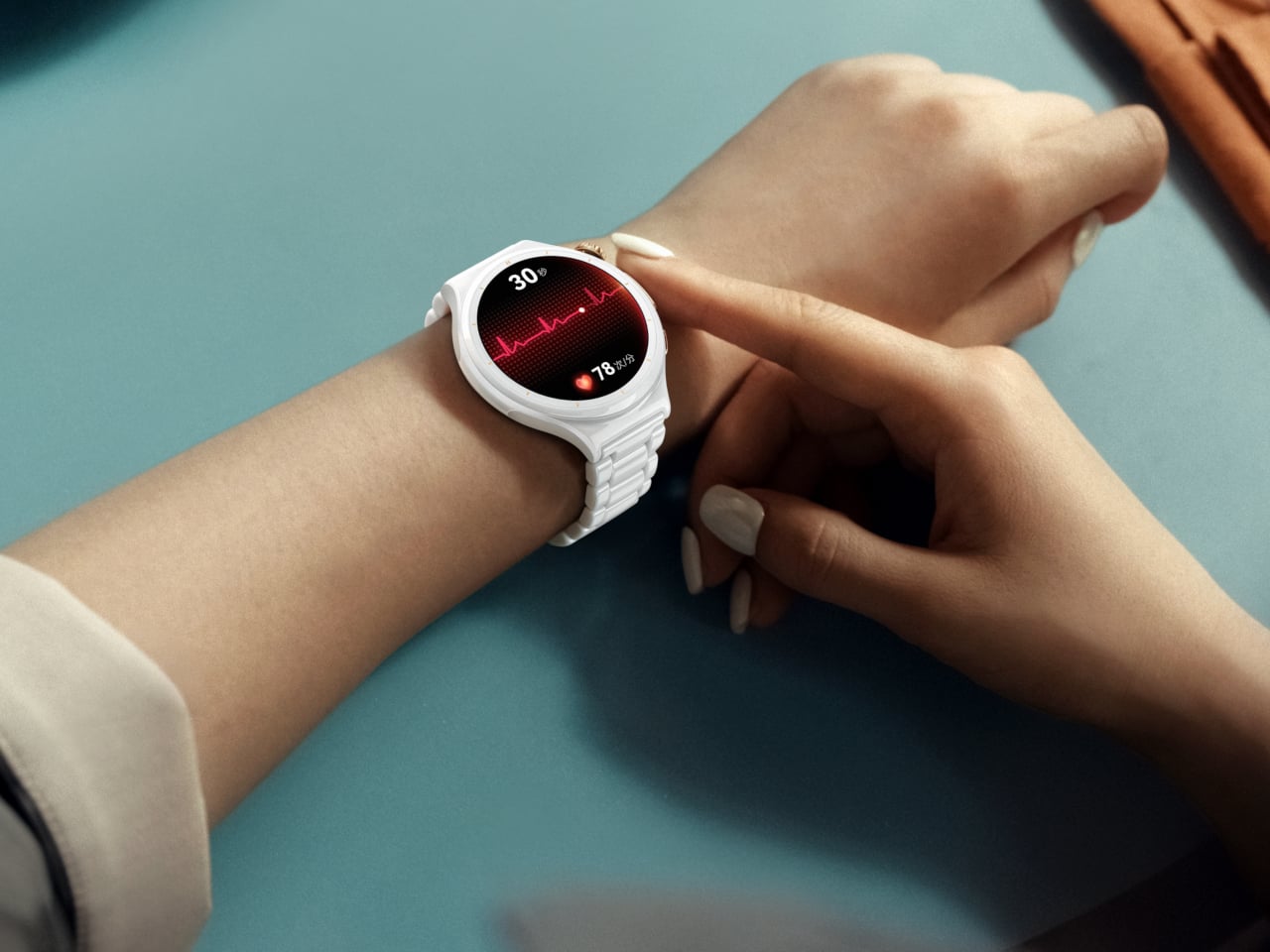
Underneath that shell, the WATCH 6 quietly tracks a lot. An upgraded X-TAP pulls up a full Health Glance with one touch, spanning 11 metrics across basic, endocrine, cardiovascular, and respiratory categories. A new Diet clover rounds out Huawei’s four-leaf wellness model, nudging users toward balanced habits around exercise, sleep, mood, and food instead of just logging numbers nobody revisits.
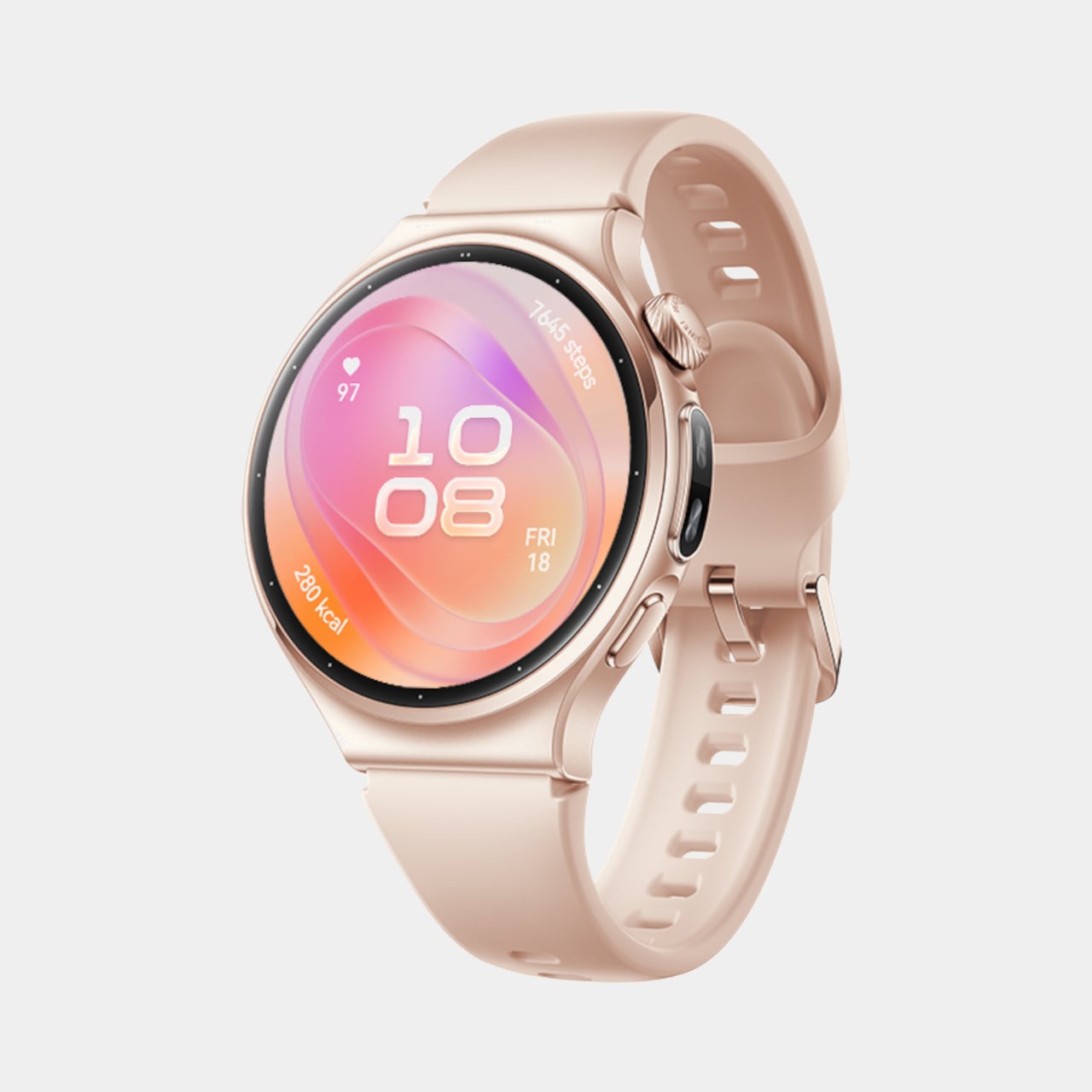
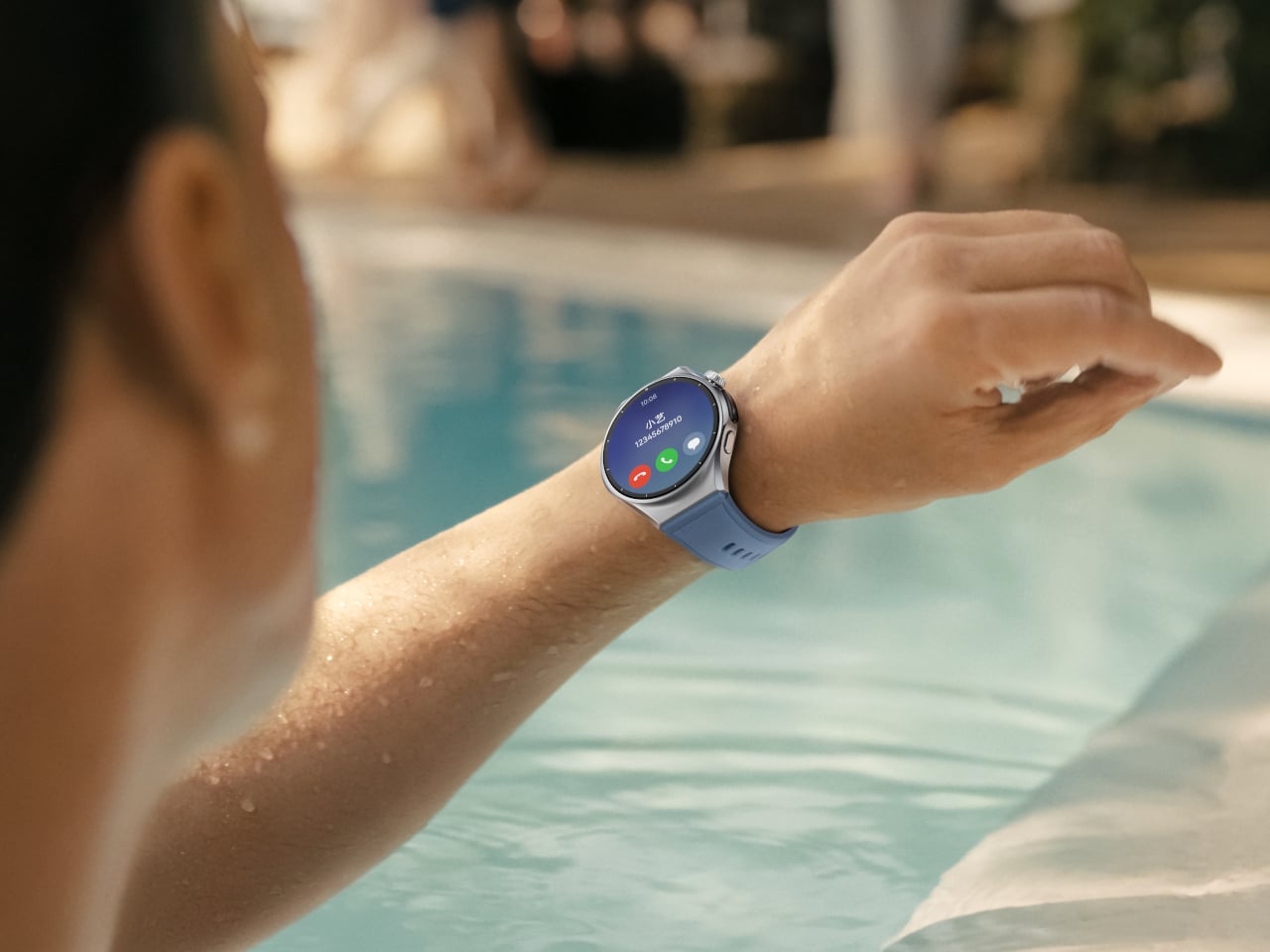
Connectivity rounds out the experience without demanding constant phone contact. Built-in eSIM keeps calls and messages flowing through a swim or a run, while Safety Check quietly shares location and status with family during less predictable moments. A new wrist rotation gesture lets someone scroll through menus with a flick, freeing the other hand for a coffee cup, a leash, or a set of keys.
Huawei Watch 6
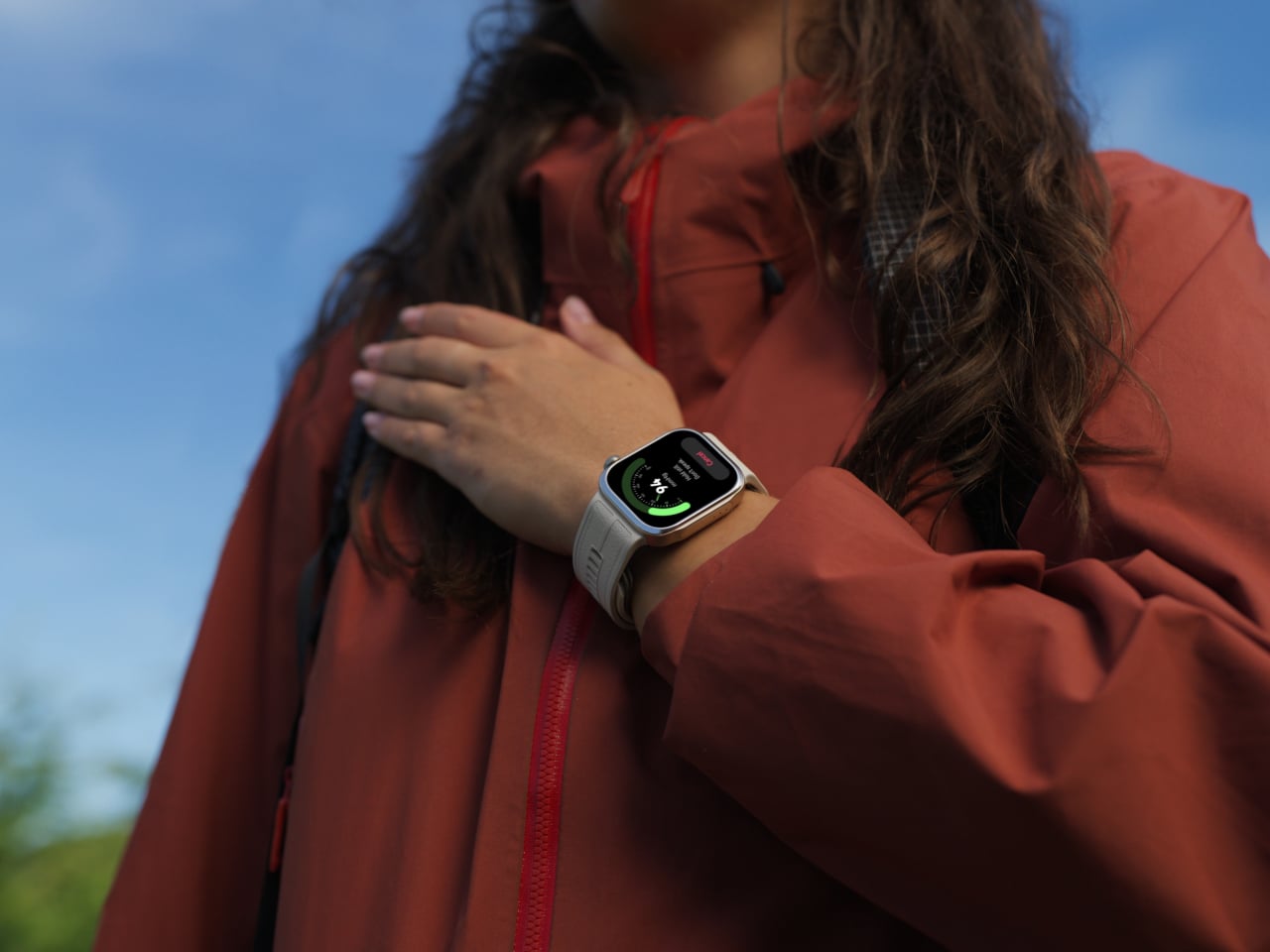
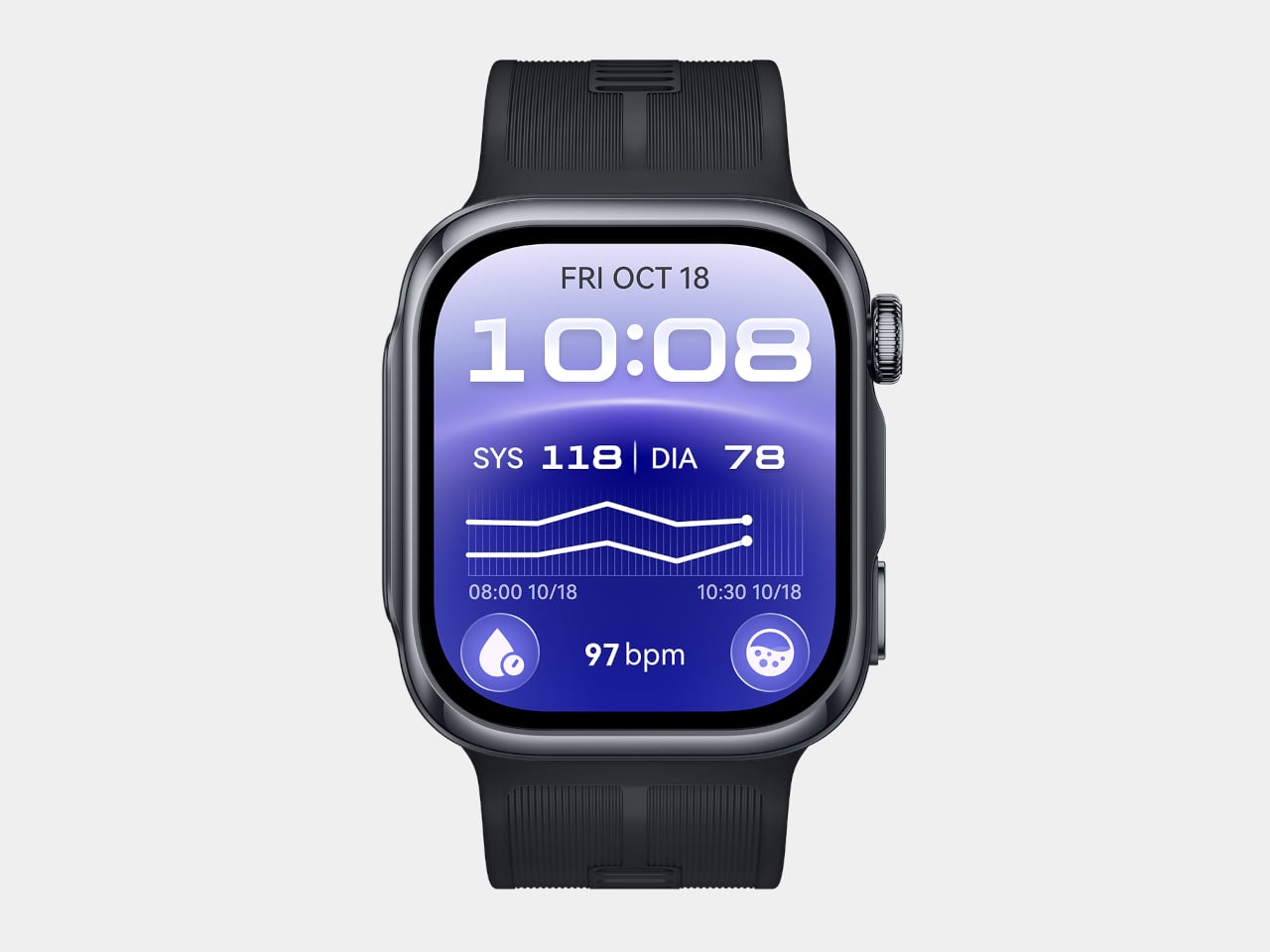
Set beside all that polish, the WATCH D3 takes a more clinical approach, though it never abandons comfort to get there. At 11.3mm thick and 40g, paired with a 25.5mm ultra-narrow airbag strap, the watch stays slim enough to sleep in without leaving a mark. Three finishes, Black, White, and Mocha Gold, keep it looking like an accessory rather than a piece of medical equipment.
Huawei Watch D3
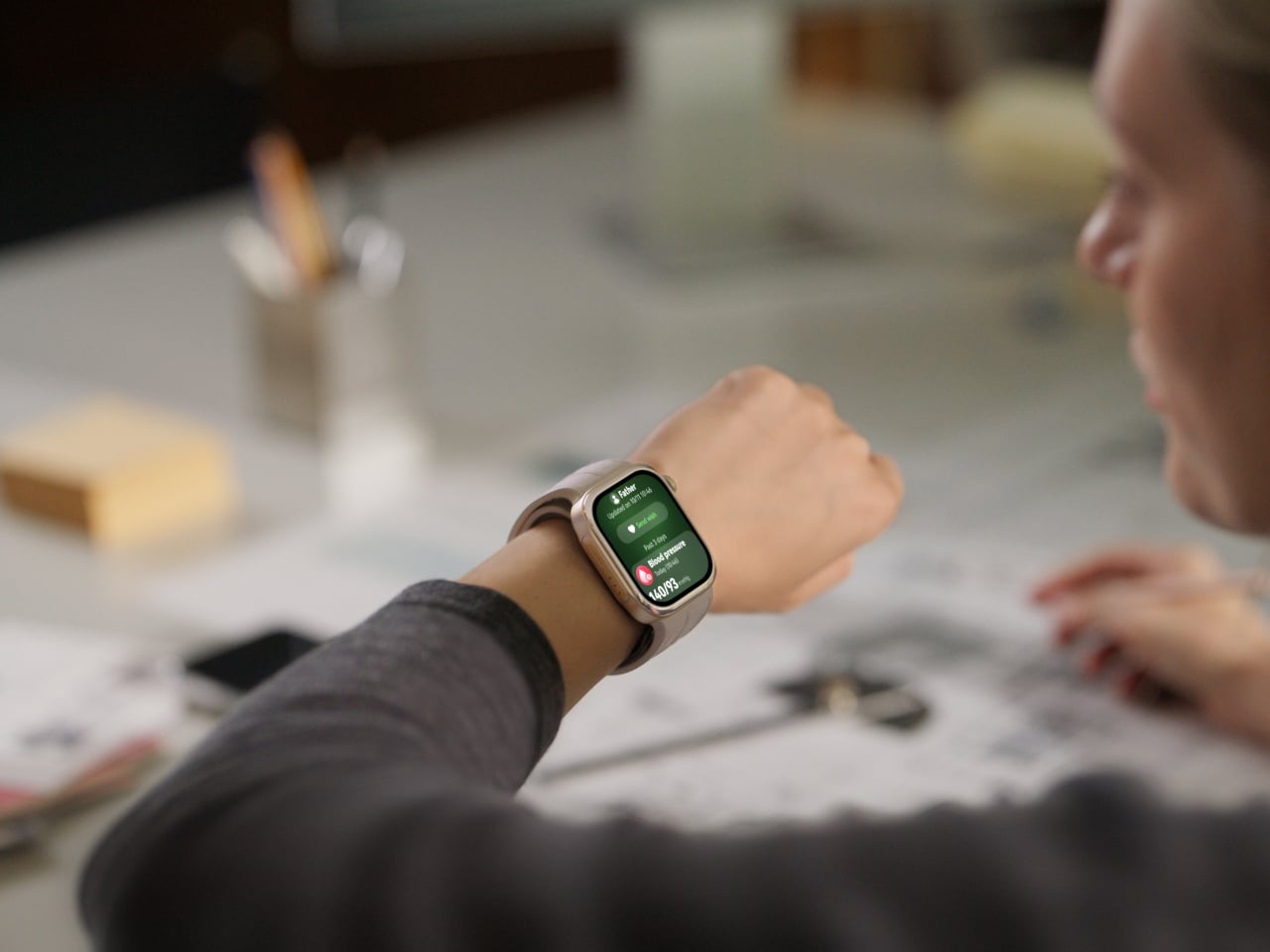
That comfort matters because the D3 asks more of its wearer than a typical smartwatch. A mechanical airbag delivers effective compression and precise sensing across a minimal skin-contact area, paired with a high-precision sensor for readings that hold up against actual blood pressure cuffs. Huawei built in 24-hour Ambulatory Blood Pressure Monitoring, quietly inflating overnight with reduced noise so sleep tracking and blood pressure tracking can finally happen at the same time.
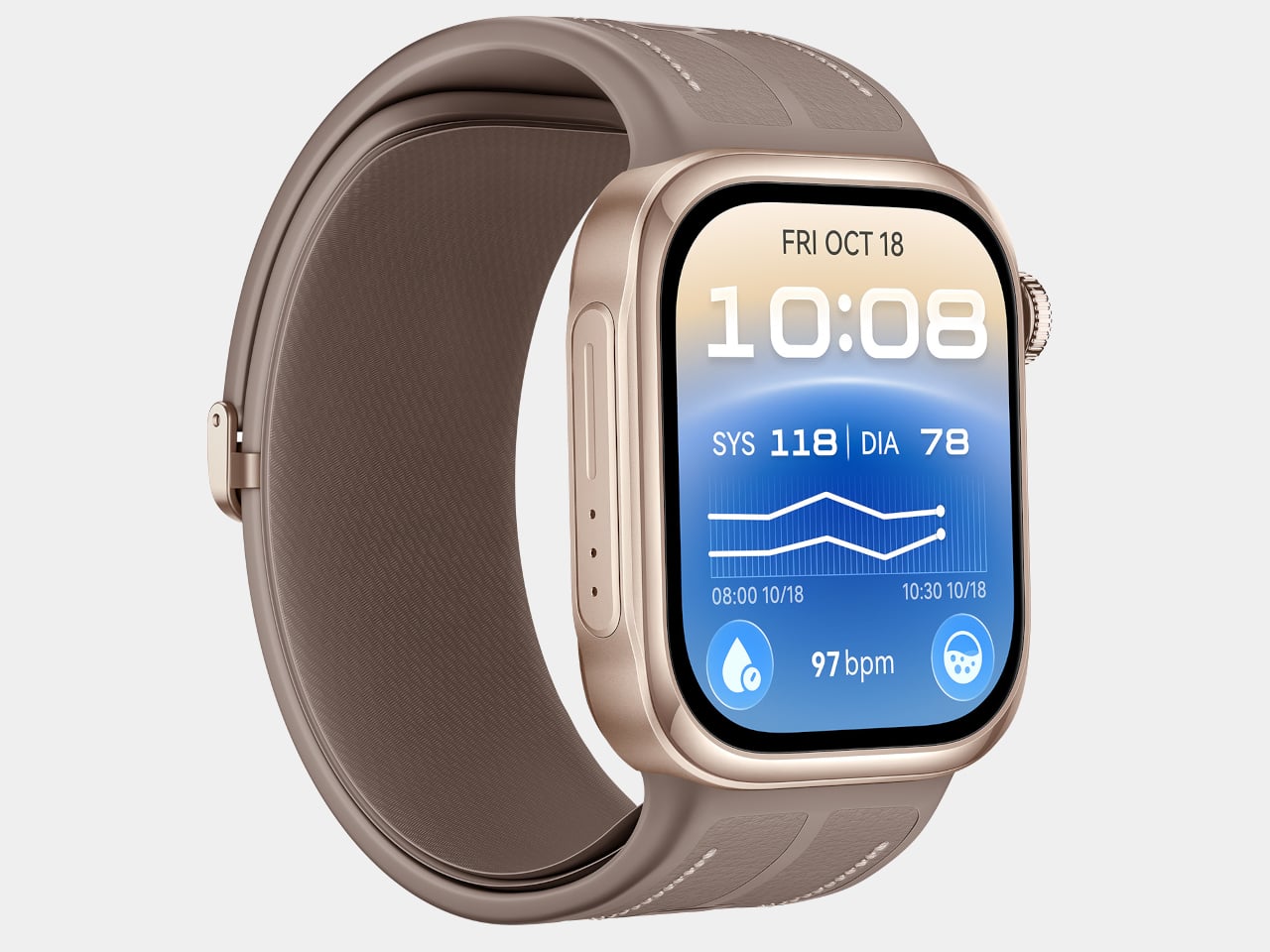
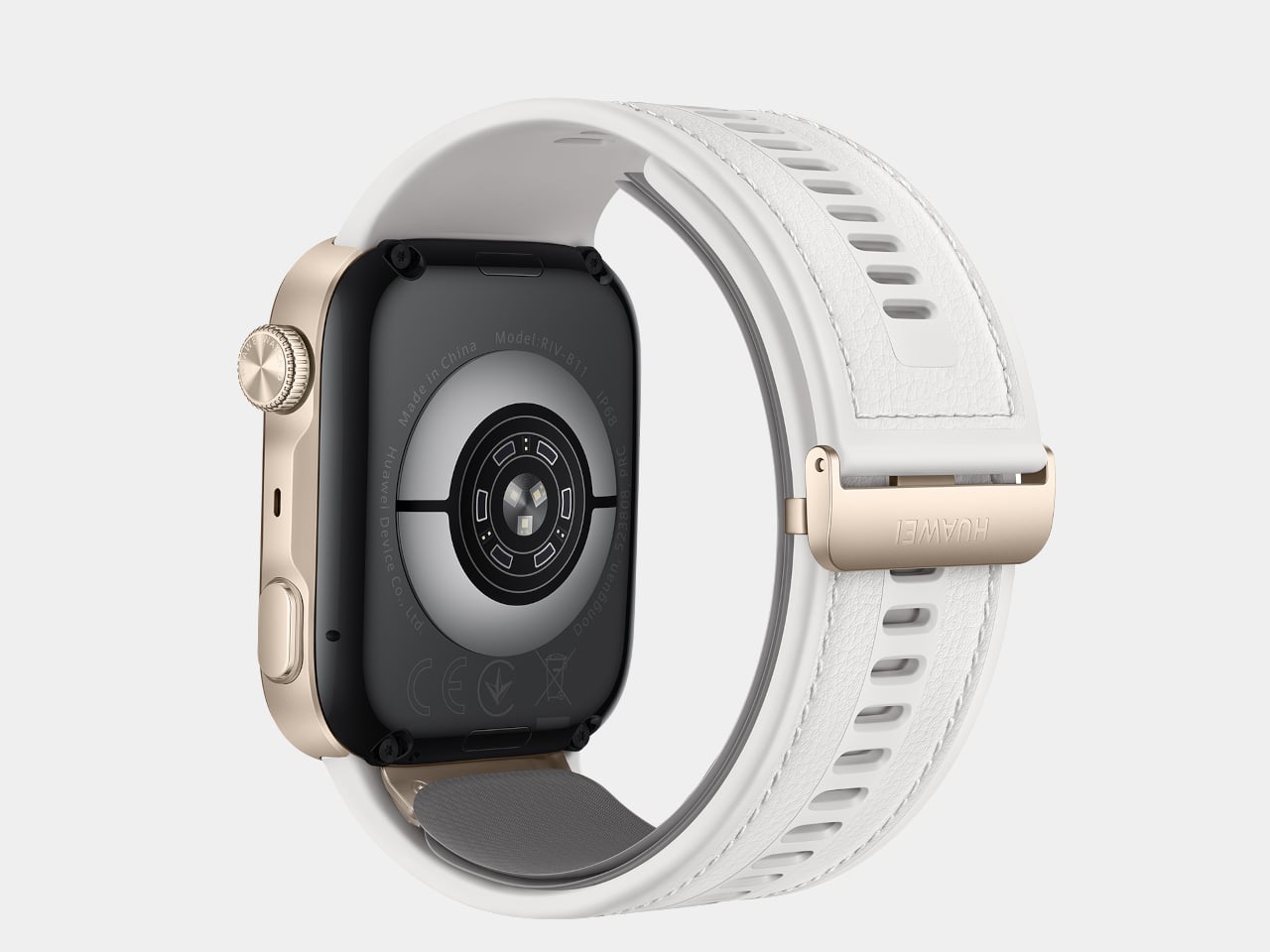
A dedicated pre- and post-exercise measurement mode adds a layer most fitness trackers skip entirely, checking whether blood pressure sits in a safe range before a workout begins and tracking how it shifts once the effort is over. That monitoring carries real weight too, having earned CE marking under the EU Medical Device Regulation, a certification that puts the D3 closer to clinical hardware than typical wearables ever get.
Family features tie the D3’s data into something more useful than a personal log. Health Community lets users view a parent’s or partner’s Health Glance, blood pressure, heart rate, and SpO2 readings from their own wrist, with real-time alerts triggering if something looks off. It turns a single watch’s readings into a small, informal support system for whoever’s paying attention.
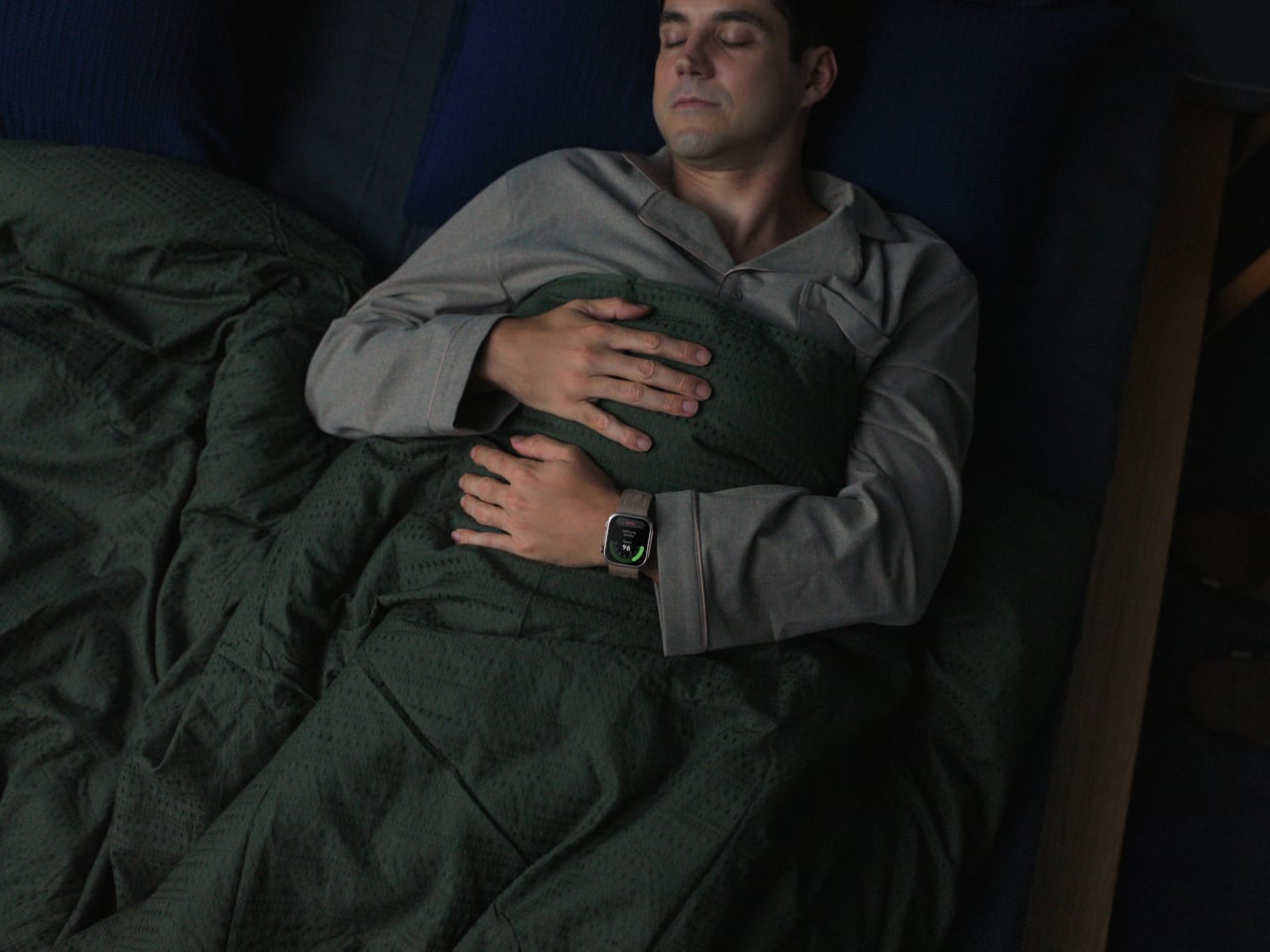
Both watches launch in the UK from £399.99 (around $540), with the WATCH 6 Pro topping the range at £599.99 (around $810). Seen together, the WATCH 6 and WATCH D3 make the case that Huawei isn’t chasing one definition of a smartwatch, but building toward two: one dressed for a dinner reservation, the other quietly watching over blood pressure while its wearer sleeps.