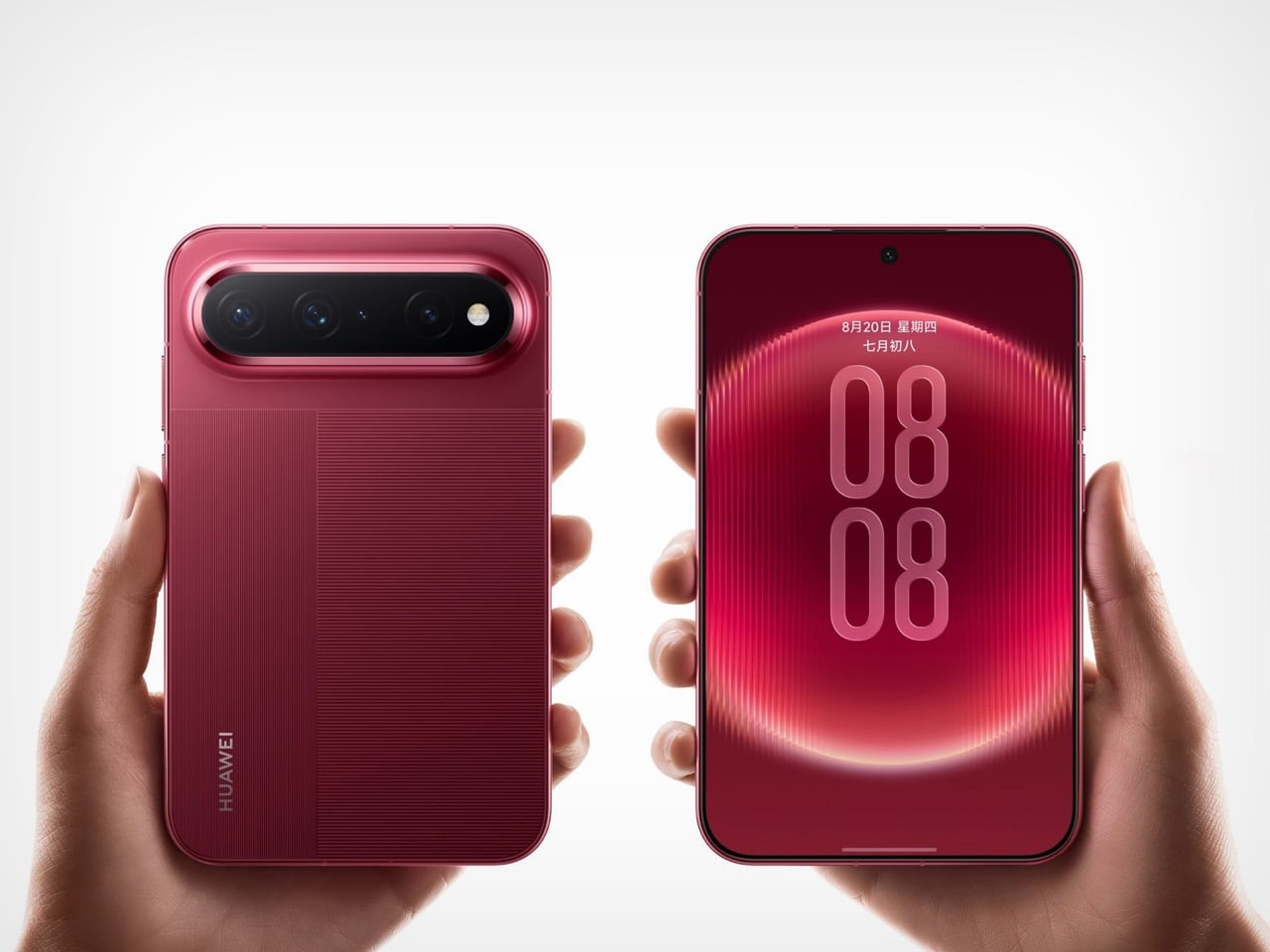

Seventy percent of Samsung’s record 1.44 million Galaxy Z8 series pre-orders went to the wide 4:3 model over the traditional tall one, a number that makes product planners cancel their afternoon meetings. Huawei saw it coming. The Pura X View, launched in China on August 20, is a slab phone with a 16:9.5 screen, no hinge, 6.68mm of thickness, and a 7,000mAh battery packed into 201 grams. Run the panel geometry and the body lands near 144 by 86mm, which is essentially the 2011 Galaxy Note’s 146.9 by 83mm with fifteen years of thinning applied on top. The first phablet just came back, and it skipped the hinge entirely.
Huawei shipped its first 16:10 phone in March 2025, roughly seventeen months before Samsung’s wide Fold 8 and eighteen before Apple’s expected iPhone Ultra. That head start counts for plenty editorially and almost nothing commercially, because the Pura X View runs HarmonyOS 7 without Google services and has no confirmed launch outside China. The width also brings a problem nobody involved has solved yet. Fold 8 reviewers keep flagging that one-handed typing on a wide cover screen demands a thumb stretch most people just do not have. Huawei is asking you to live inside that stretch full time, with no fold to escape into.
Designer: Huawei
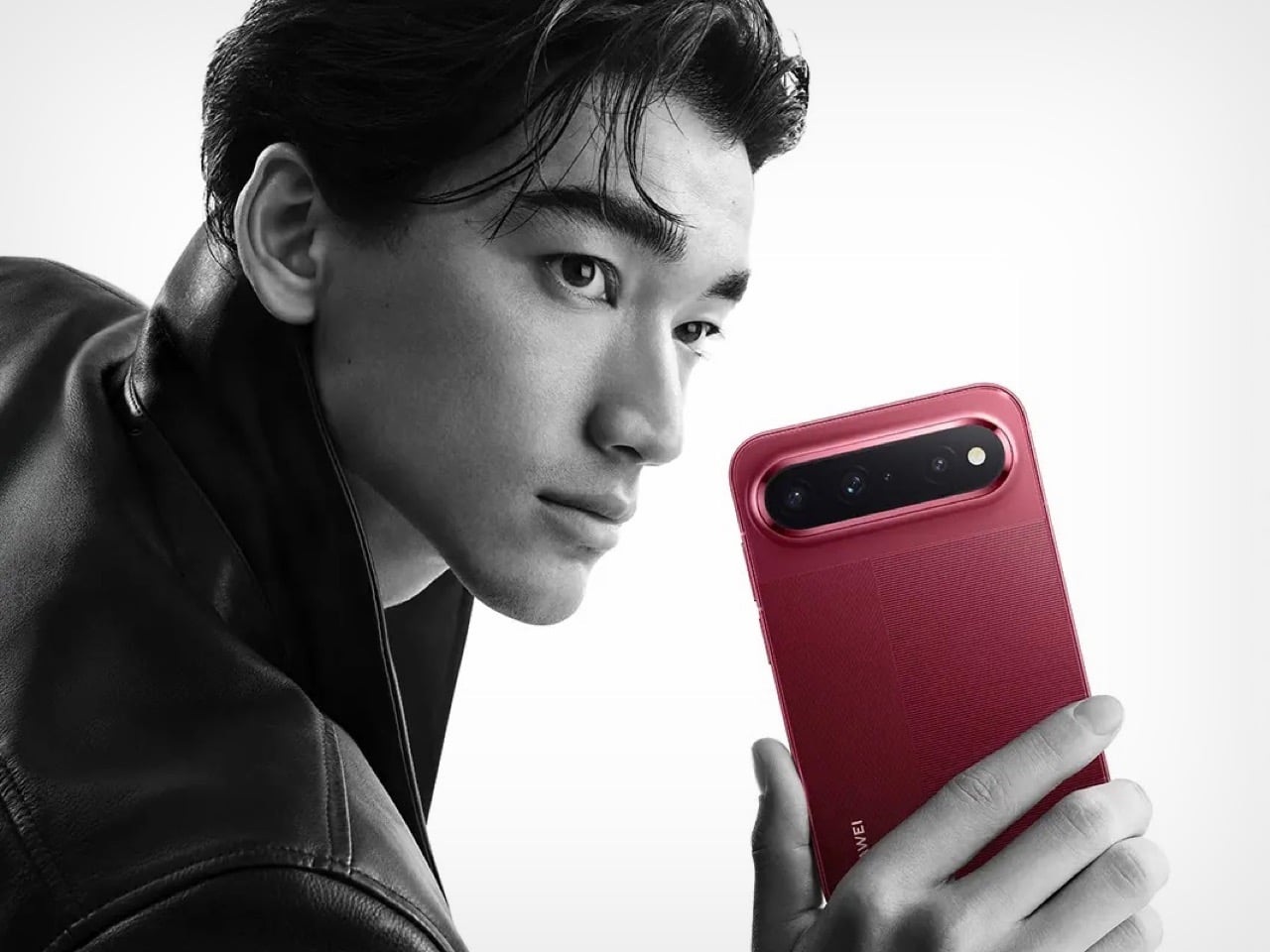
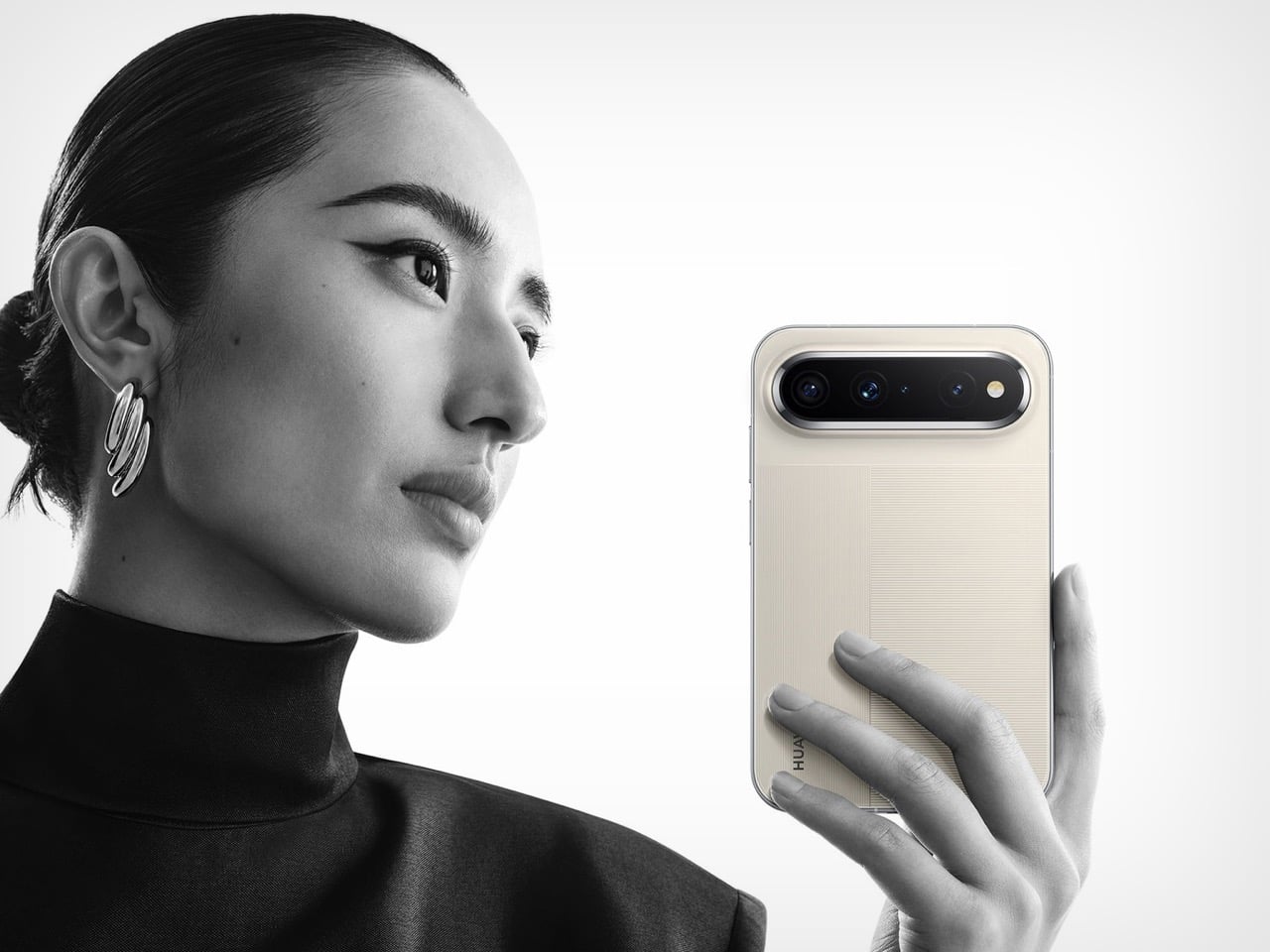
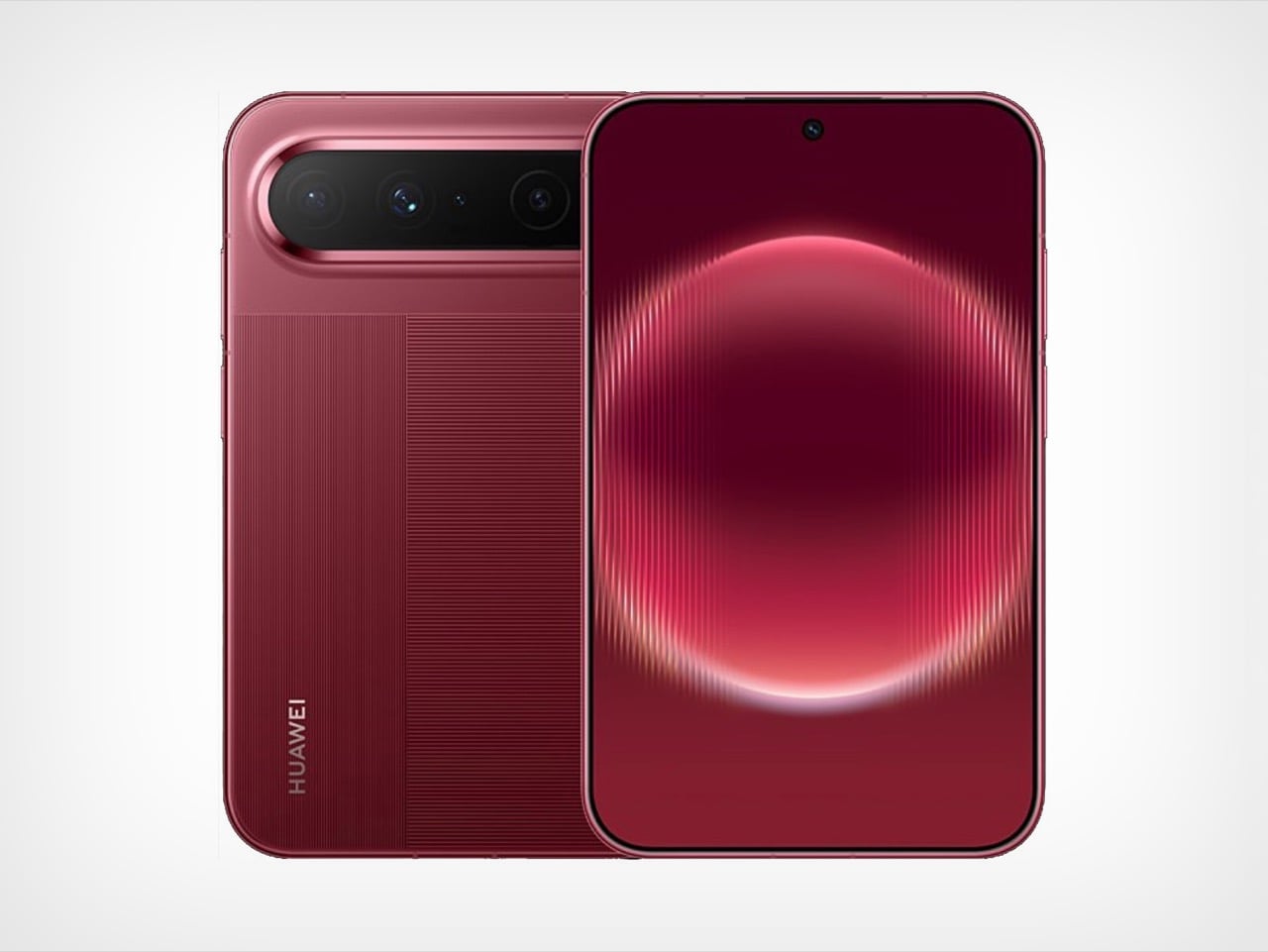
I keep coming back to the battery number because it should not work the way it does. Cramming 7,000mAh into a 6.68mm body usually means a phone that feels like a coaster, but Huawei leaned on the extra width instead of stacking cells vertically, and the reported silicon-carbon anode chemistry lets the pack sit flatter than lithium-ion ever could. The screen-to-body math backs it up too, a claimed 96.1 percent with bezels measured at a uniform 1.05mm on all four sides, which is tighter framing than most flagships bother chasing. Around back, Huawei kept the pill-shaped camera bar and striped texture from the Pura X Max, so this reads as a family member rather than a one-off experiment.

The historical parallel only gets stranger the closer you look at it. Samsung built the Galaxy Note on a 16:10 panel in 2011 specifically because it read and wrote better than 16:9, and that logic held until the LG G6 and Galaxy S8 dragged the entire industry toward 18:9 in 2017. At the start of that year, over 95 percent of phones sold still ran 16:9. Within about eighteen months it had nearly vanished, replaced by taller and taller screens that eventually made “phablet” sound like a word from a dead language. At 1.68:1, the Pura X View is actually squatter than any of those old 16:9 phones, closer in spirit to the doomed Dell Streak than to the Note it resembles in the hand.
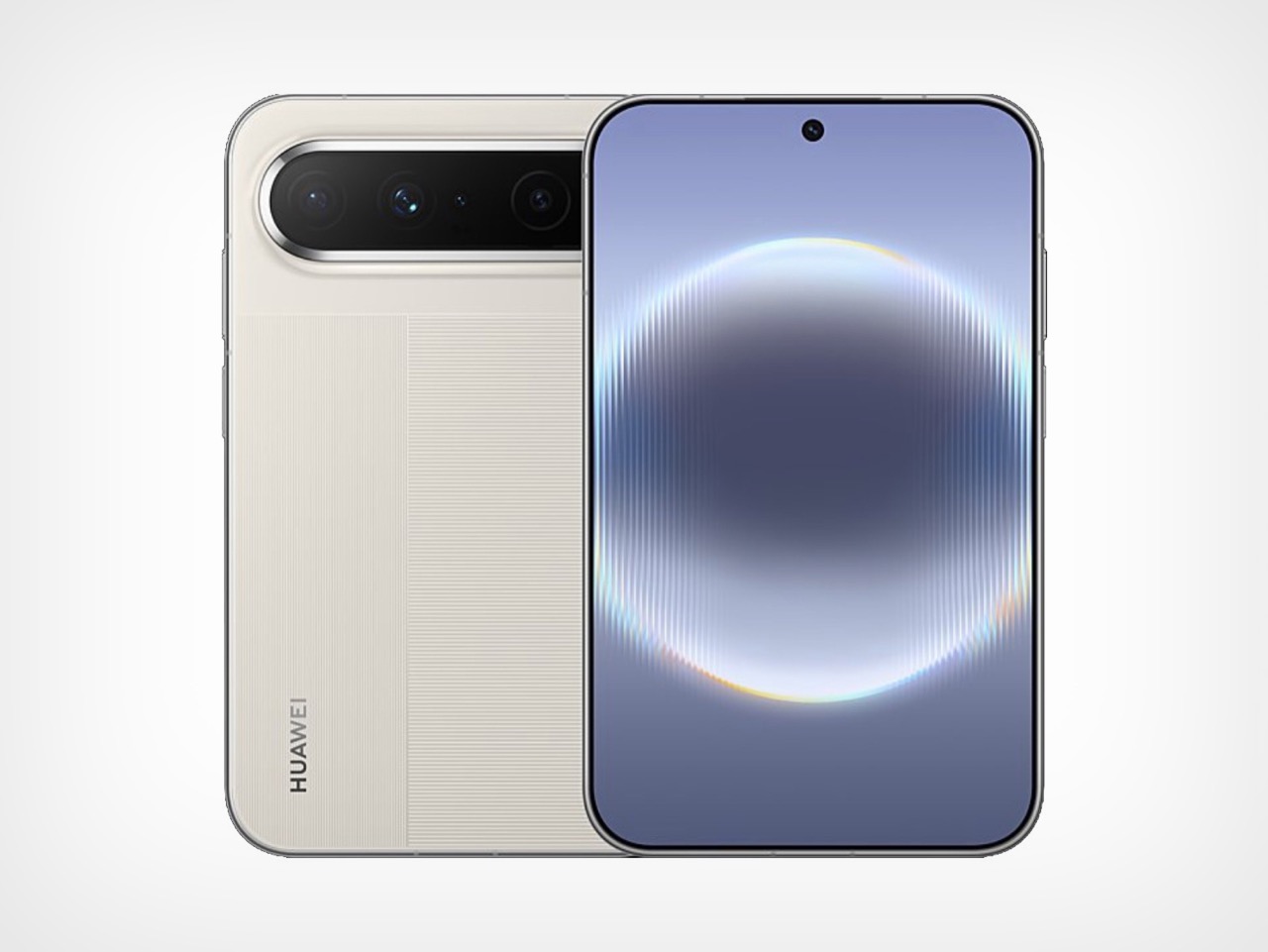
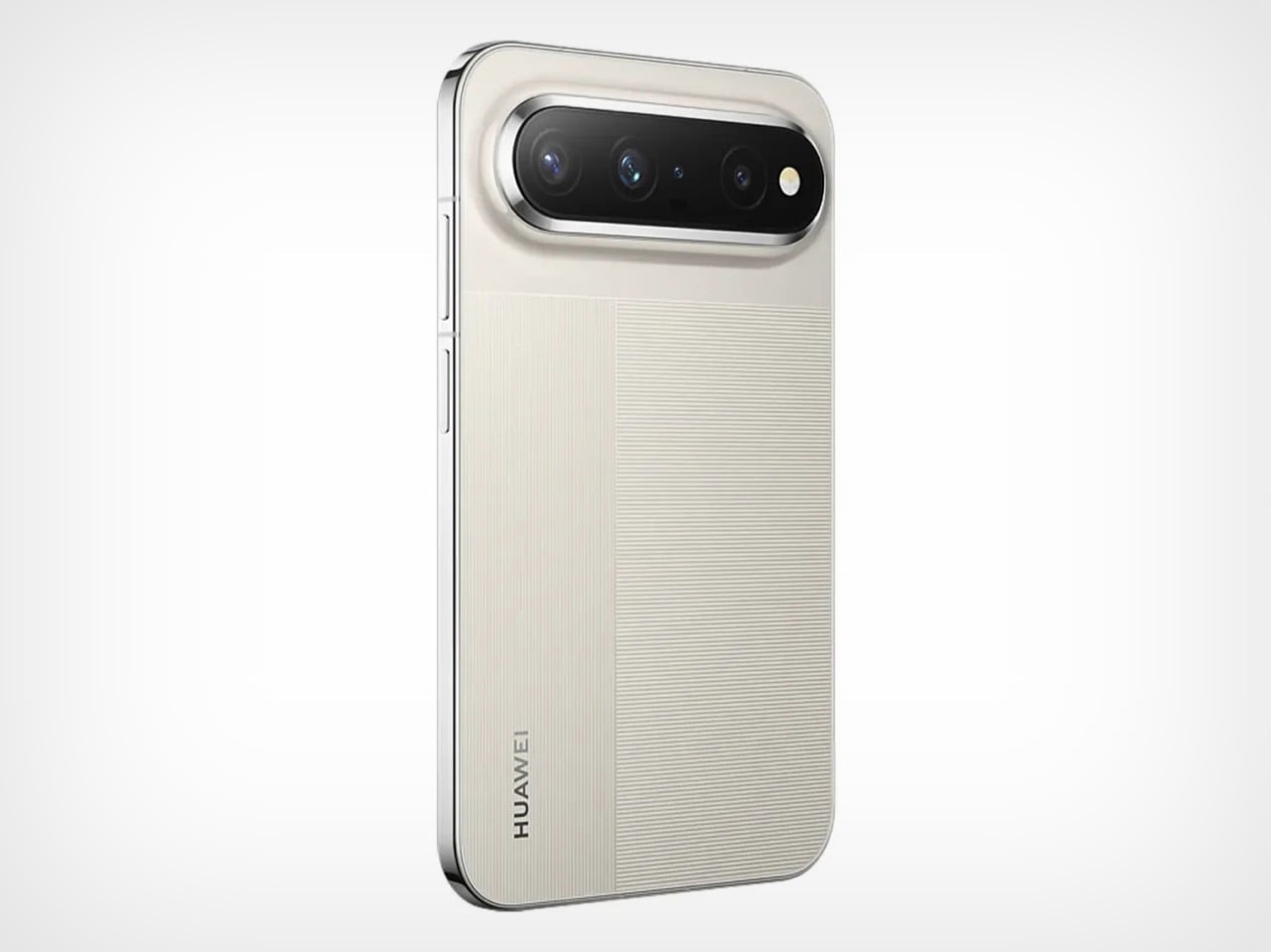

None of this makes the Pura X View an easy recommendation, and I would rather say that upfront than let the nostalgia do all the talking. Pricing remains unconfirmed, early Chinese estimates swing wildly between 4,499 and 7,500 yuan, and Huawei has a recent history of catching real backlash over Pura pricing. There is also no path to a Google-services version, which locks most of the world out regardless of cost. What the Pura X View does prove is that the tall screen was never physics, just a decade of consensus that Samsung and Apple are now both quietly abandoning. We covered the Pura X Max when it doubled down on this same wide logic inside a folding body, and the View feels like Huawei betting the shape works even better without the crease.