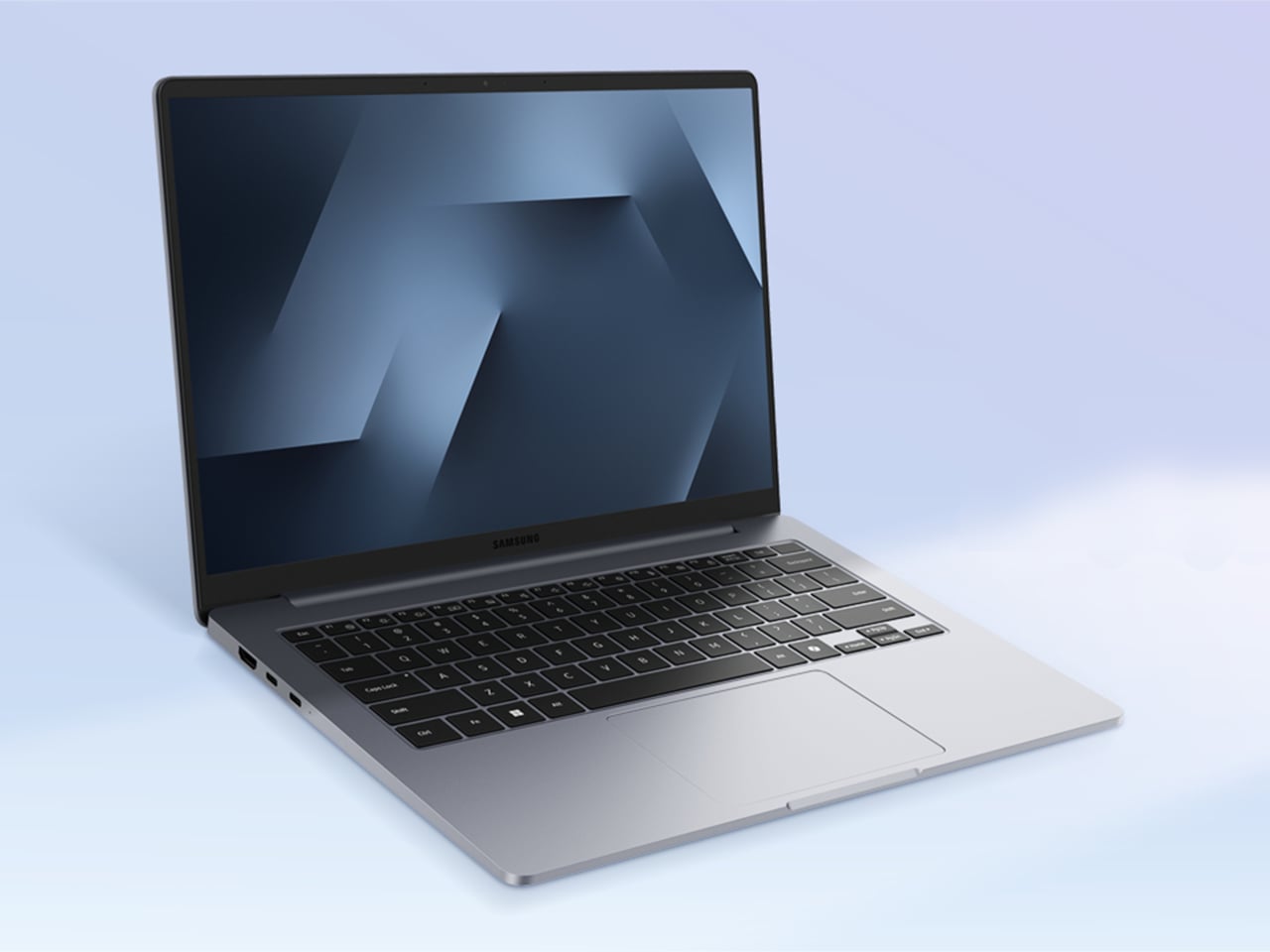

Apple spent years building an unspoken rule into its lineup, that the cheapest way into a MacBook meant last year’s chip wrapped in this year’s shell. The MacBook Neo broke that rule outright, arriving as a genuinely new, genuinely inexpensive machine that still looked like it belonged next to the Pro. Samsung just answered with the same argument. The new 14-inch Galaxy Book6 starts at $799.99 and carries the same design language as its far pricier siblings.
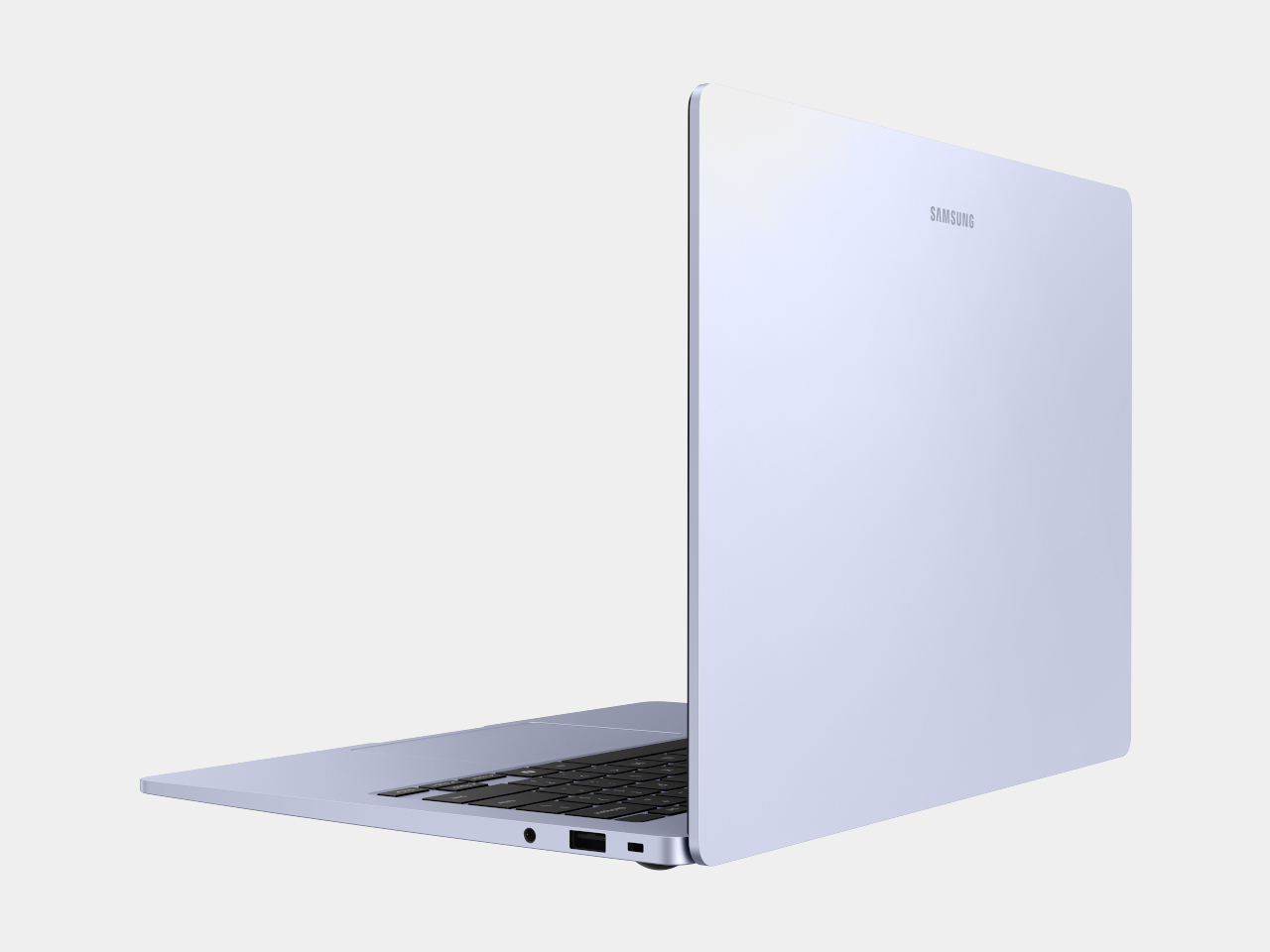
That price tag matters less than what it replaces. Samsung’s previous entry point, the 14-inch Galaxy Book4 Pro, cost $1,449.99 and weighed 3.44 pounds. The new Book6 undercuts it by hundreds of dollars while dropping to 1.35kg, thin enough at 15.7mm to disappear into a bag without announcing itself. Two colorways, a muted Violet Silver and a classic Gray, keep the aesthetic consistent with the rest of the Book6 family rather than signaling a budget tier through cheaper materials.
Designer: Samsung
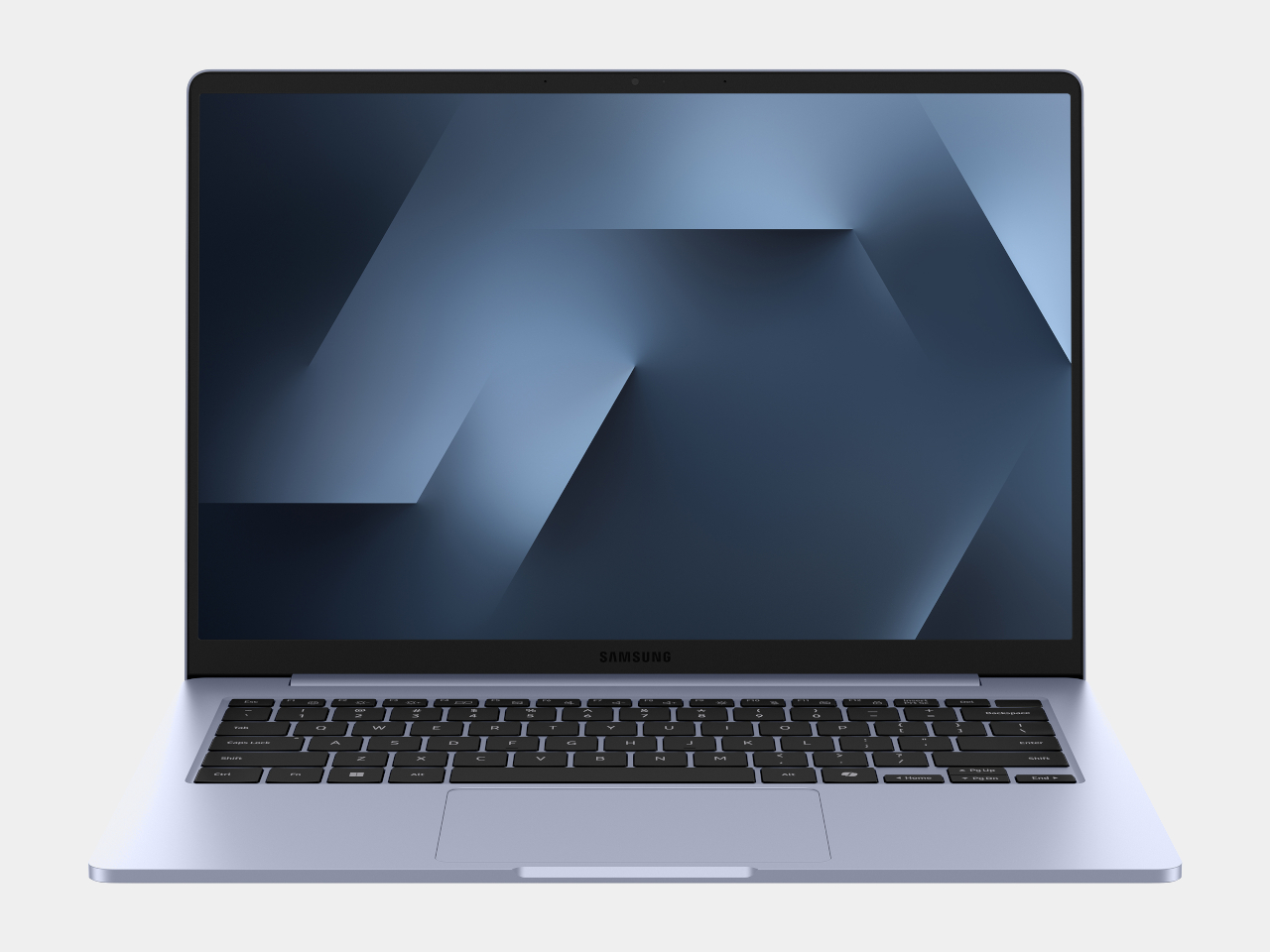
Consider what that means for someone replacing an aging laptop for a home office or a student’s backpack. Up to 25 hours of battery life on video playback means a full day of classes or back-to-back meetings without hunting for an outlet. An anti-glare display finish keeps a coffee shop window or an overhead office light from turning the screen into a mirror, a detail that costs Samsung little but saves the user real frustration.
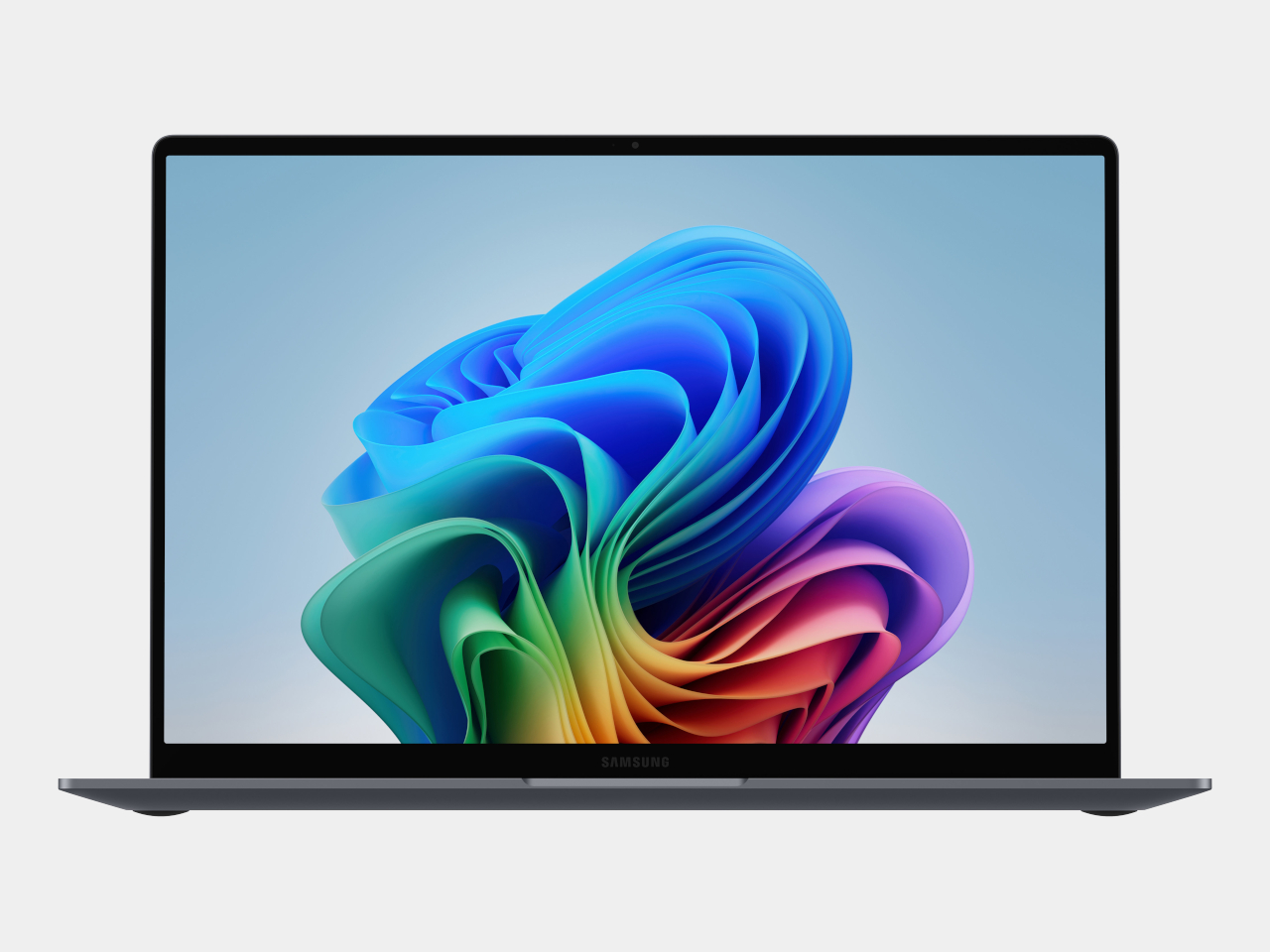
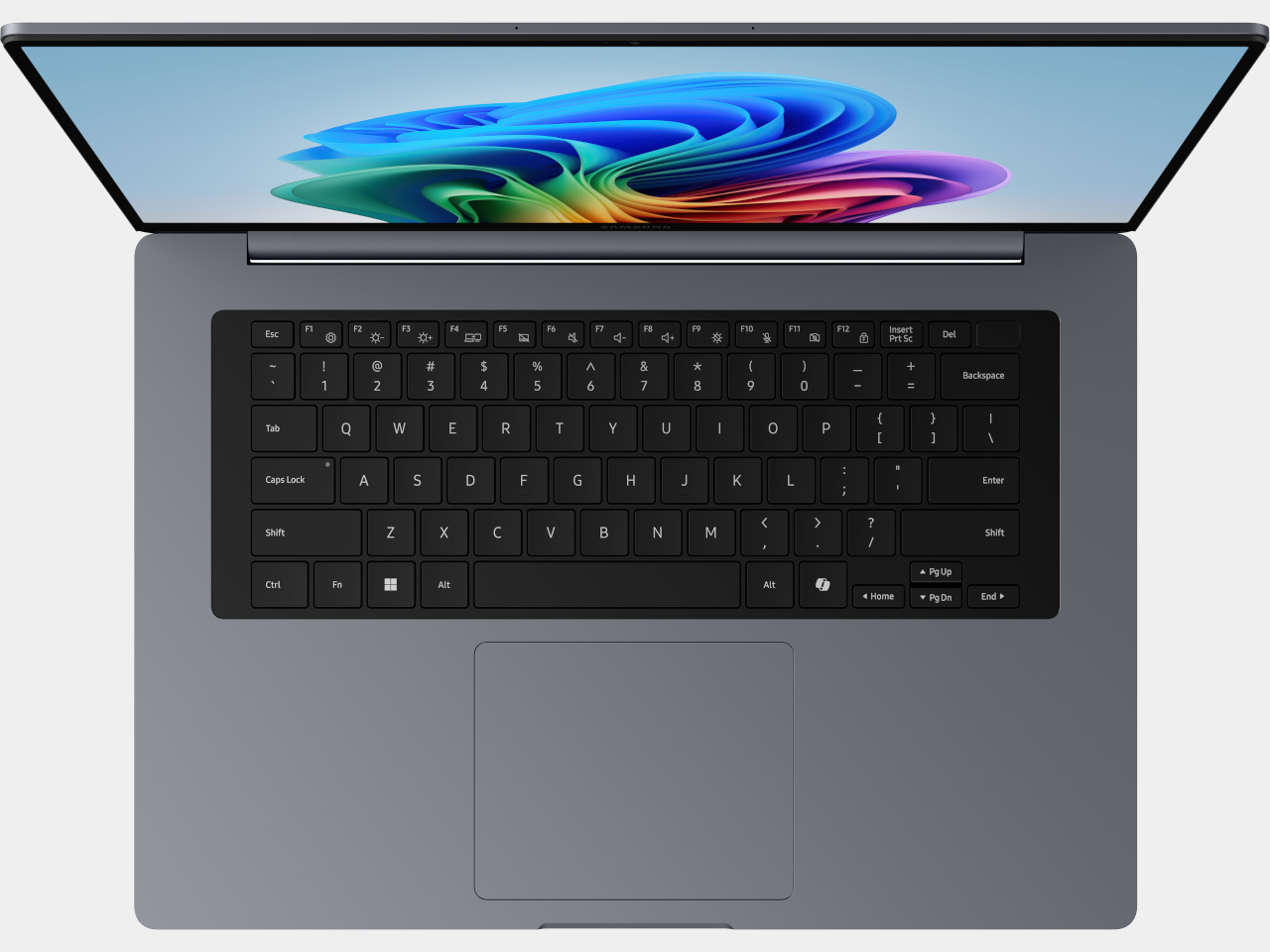
Under the hood, Intel’s Core Series 3 and Core 5 chips handle the everyday load, browsing, documents, video calls, without chasing the raw horsepower of the Ultra-series processors in the Pro and Ultra models. Memory tops out at 16GB, storage at 1TB, configurations aimed squarely at people who want a laptop that works reliably rather than one built for rendering or heavy multitasking. That restraint is the point, not a compromise hidden in fine print.
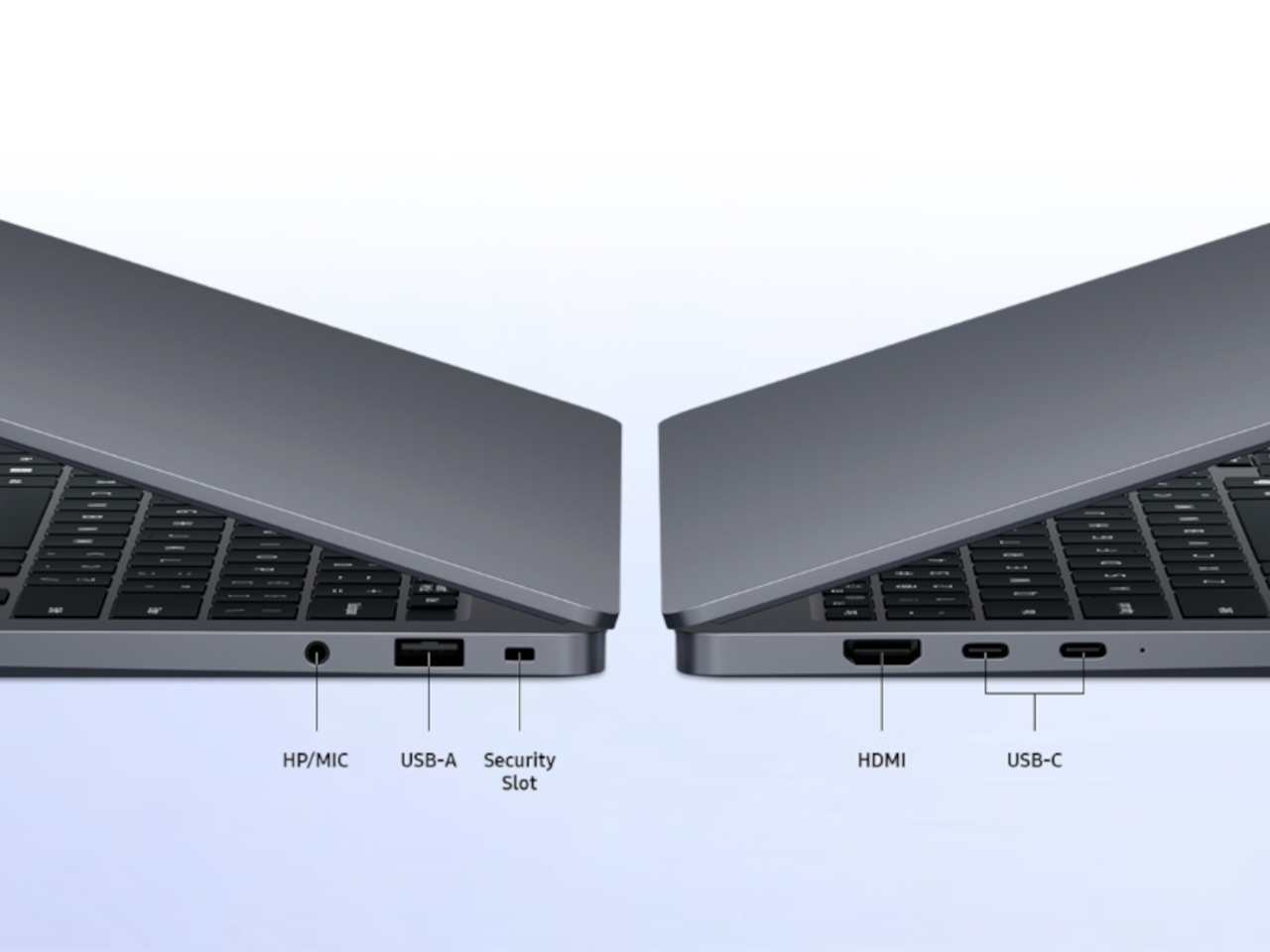
Connectivity follows the same logic. Two identical USB-C ports remove the usual guessing game over which one actually charges the machine, while USB-A, HDMI, and a headphone jack round things out so most accessories plug in directly. Nobody buying at this price wants a drawer full of dongles, and Samsung seems to have designed around that assumption rather than treating ports as an afterthought.
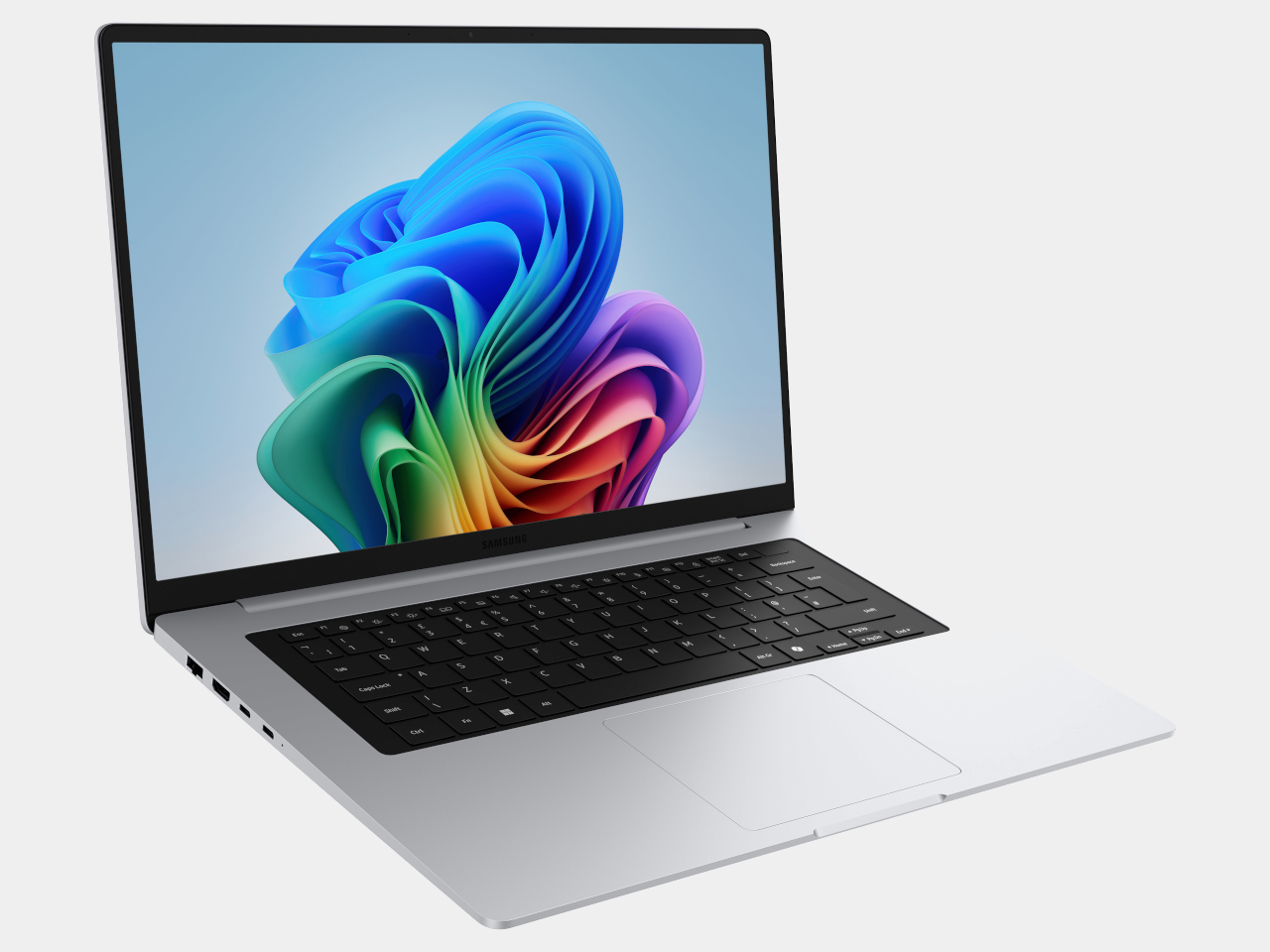
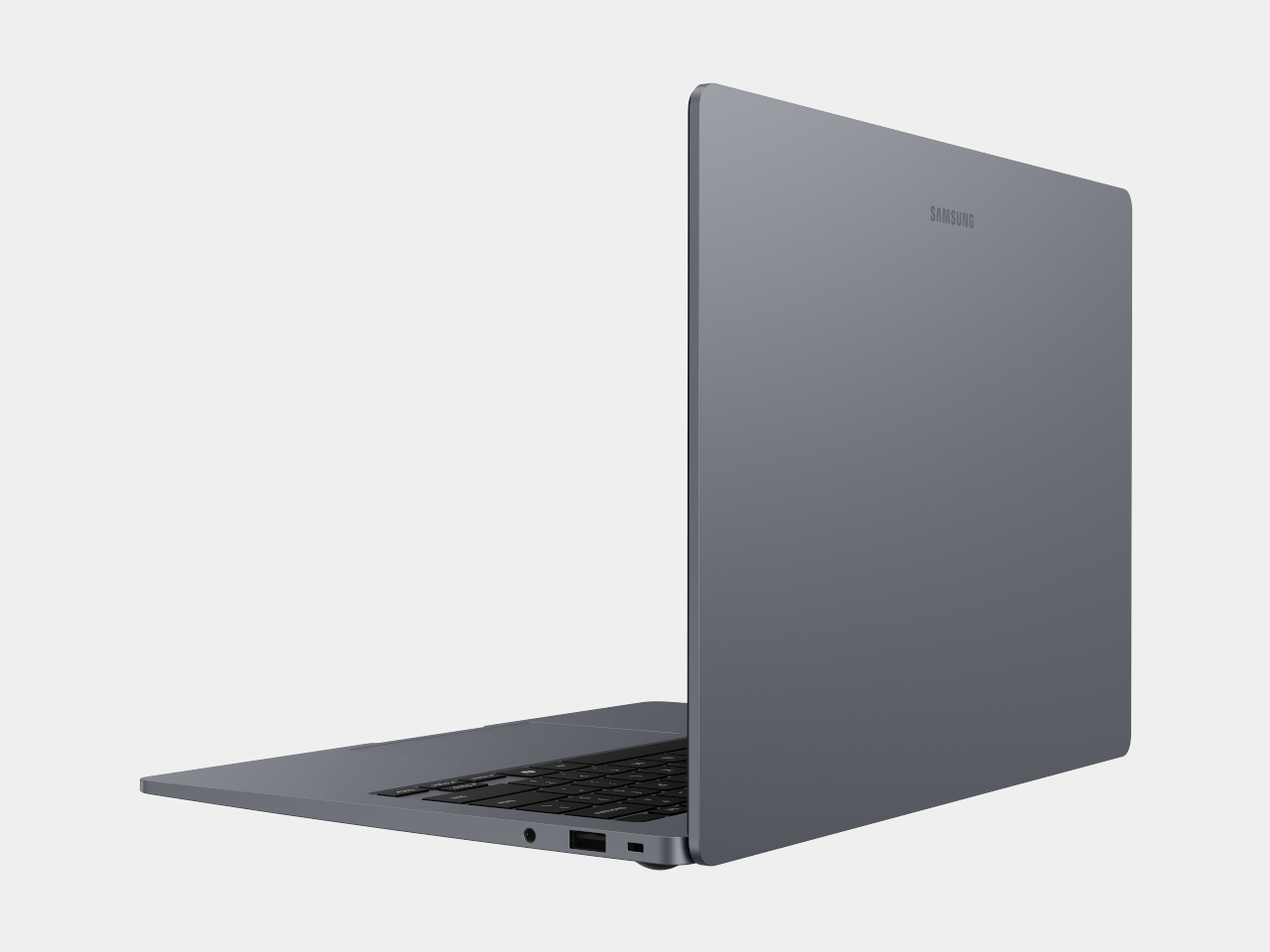
What both companies seem to have landed on, arriving from opposite platforms within months of each other, is that a budget laptop doesn’t need to look or feel like one anymore. The Galaxy Book6 borrows its silhouette, its finish, and its restraint from machines costing twice as much, then asks a much smaller number for the privilege. That shift says more about where premium computing is heading than any single spec sheet could.