
Most of the AI money right now is betting on robots. Hundreds of embodied-AI startups and their backers are convinced that a bipedal machine will eventually become the household’s operating system, rolling from room to room and handling everything. Endong Zhang, the founder and CEO of LiveLarge Home Inc., thinks that’s the wrong frame, and he’s pretty candid about it.
A robot, he points out, has limited battery life, limited field of view, and can only be in one place at any given moment, which makes it a fairly weak candidate for running a multi-room household with several people in it. His counterproposal is that the building itself is the smarter infrastructure bet, and he’s building a company around exactly that.
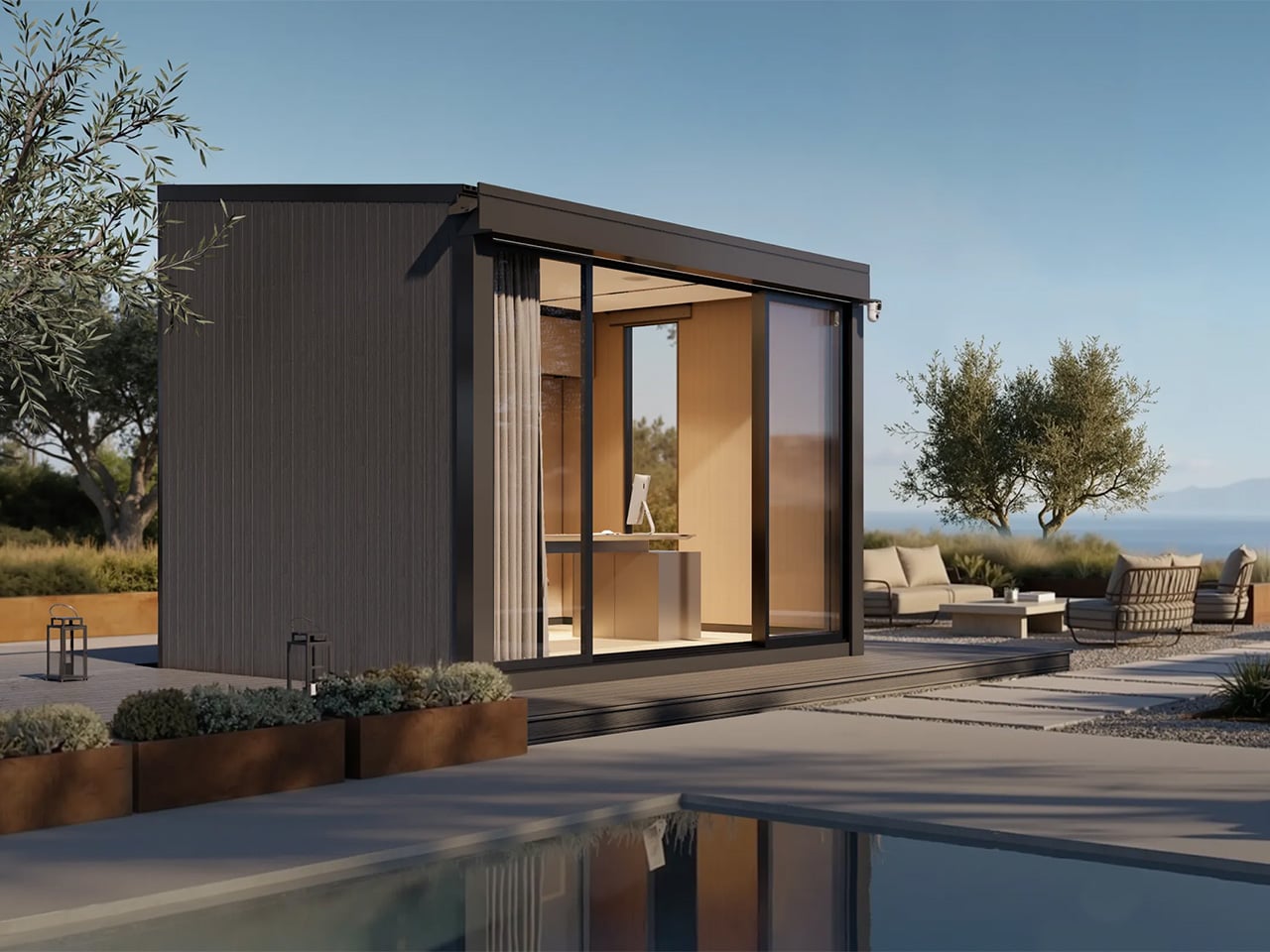

The company Zhang founded in 2023 spent its first few years looking more like a serious California construction operation than a tech startup, delivering more than 20 accessory dwelling units (ADU) and residential projects across the Bay Area and Los Angeles.

Endong Zhang – Founder and CEO, LiveLarge Home
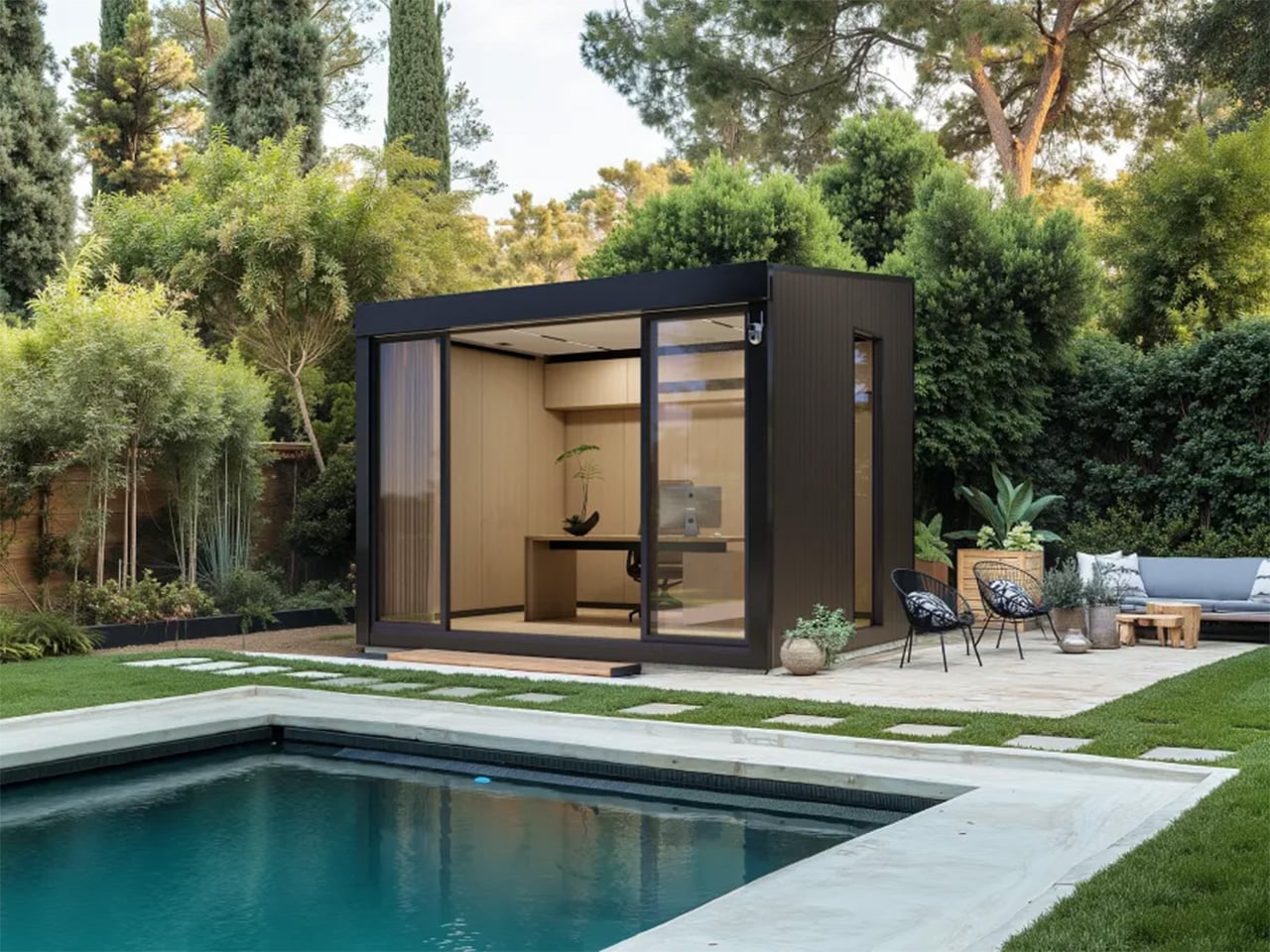
In July 2026, LiveLarge revealed the Flagship L-Space, a standalone AI-native room environment and the clearest physical statement of Zhang’s thesis so far. Light, sound, air, privacy glass, and a voice assistant called Lila are coordinated as one system rather than a pile of separate apps, organized around three modes: Focus, Reset, and Passion.
Space AI: the invisible housekeeper
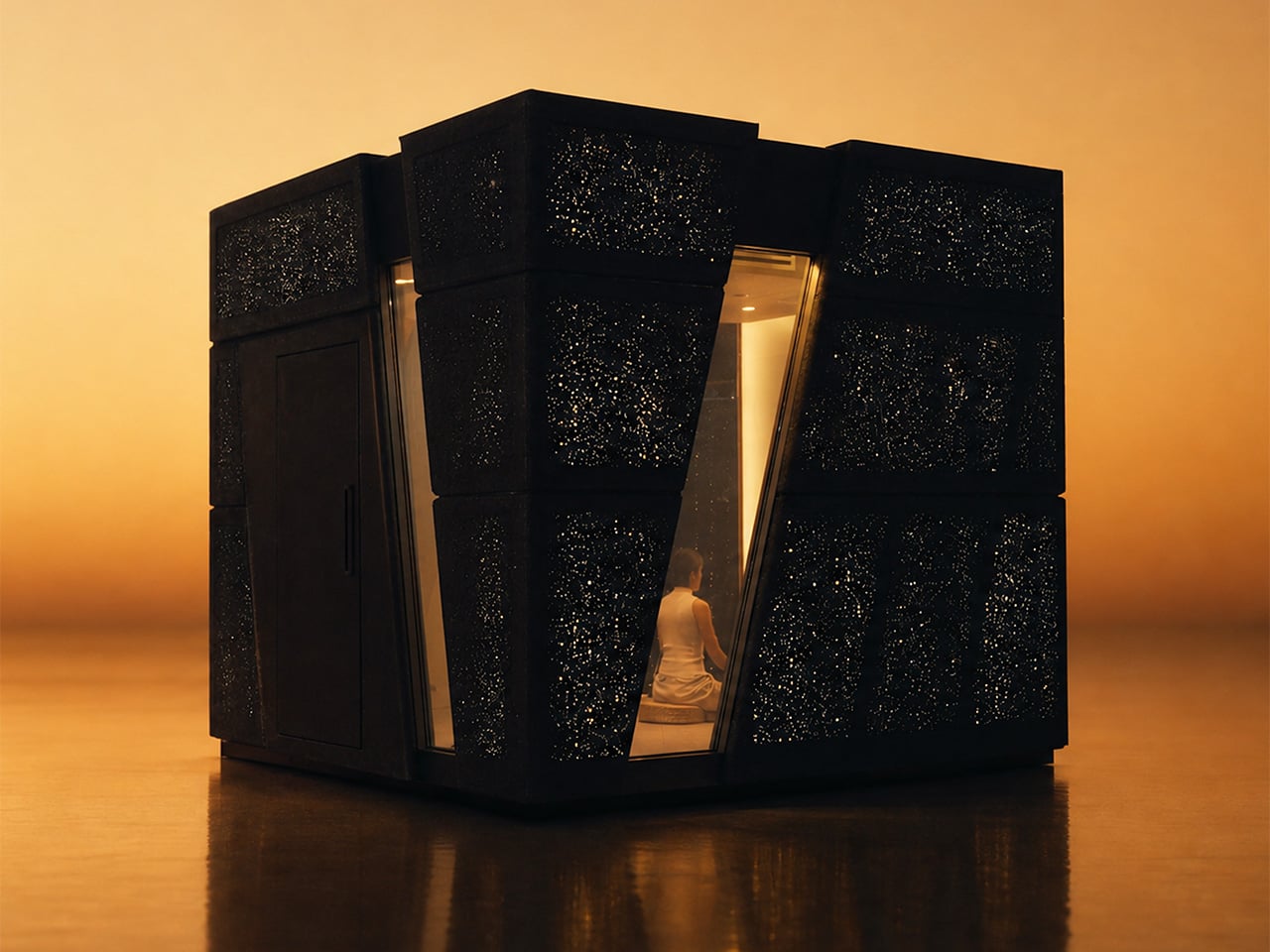
The conceptual core of Space AI is a deceptively simple question: can AI give every household some version of what a housekeeper provides? Zhang keeps returning to the housekeeper image because it captures something the smart home industry never quite cracked. A housekeeper reads the room, observes what’s needed, and acts without being told every small step. A traditional smart home, by contrast, receives a command or follows a fixed rule, and it doesn’t understand the situation, decide what should be done, or make a plan. “Without a human housekeeper,” Zhang says, “the home itself has to listen, observe, understand, decide and act.” That’s the jump LiveLarge is trying to make. LLMs, multimodal models, and a maturing robotics ecosystem are what make the timing feel genuinely different now rather than aspirationally so.
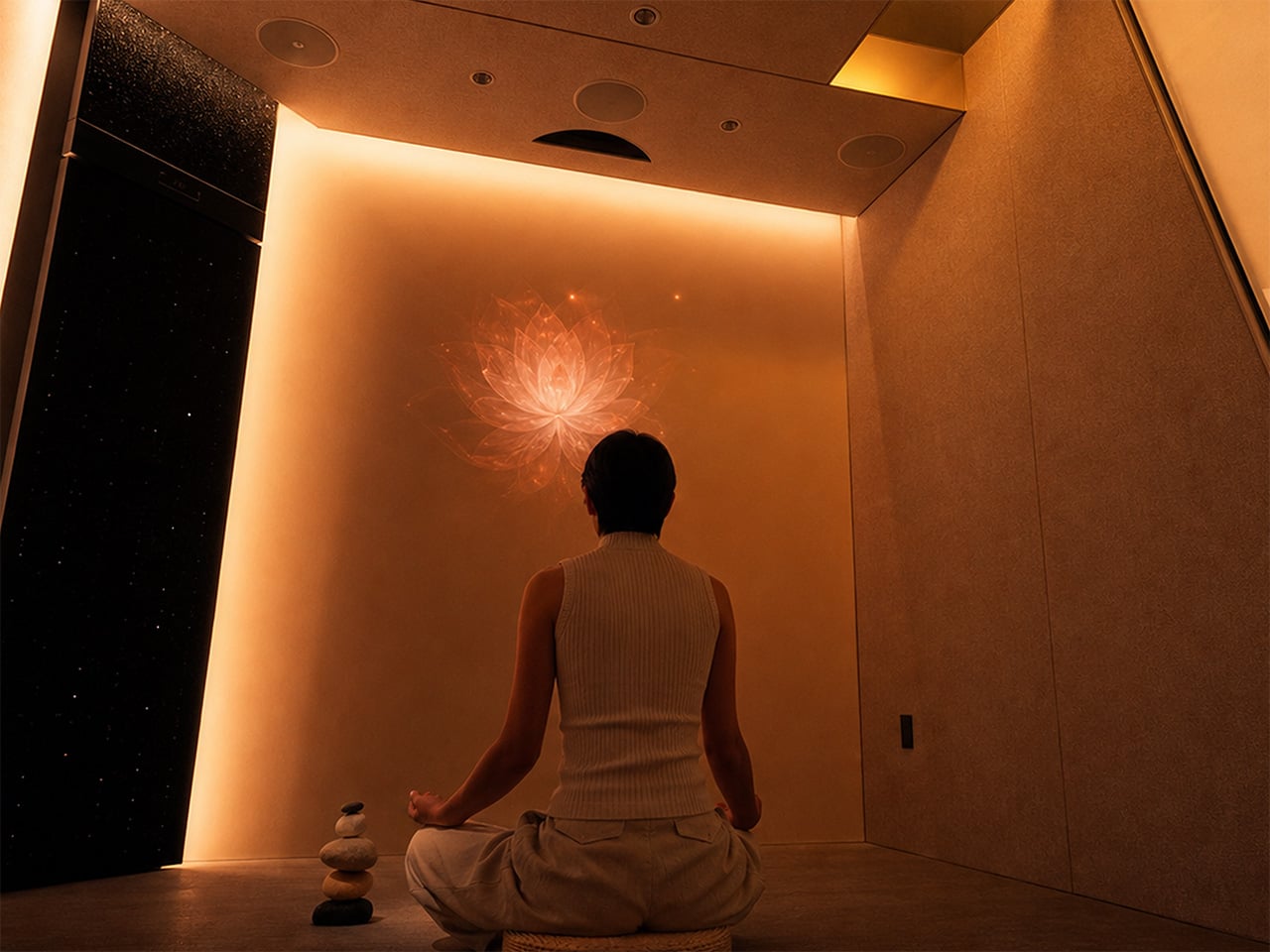
The room integrates a 5.1 surround sound system, adaptive lighting, fresh-air circulation, a 4K short-throw projector, and privacy glass into a single coordinated environment, all orchestrated by an AI assistant called Lila. The three modes, Focus, Reset, and Passion, were shaped directly by early users rather than invented in a whiteboard session. “People do not really want smarter devices,” Zhang told us. “They want to focus better, relax, recover, or spend time on something they care about.”
LiveLarge makes some deliberate engineering choices when it comes to privacy, with pretty straightforward reasoning: a room that watches, listens, and learns is exactly the kind of product that erodes trust the moment something leaks. The first rule is to do as much computation locally as possible, and L-Space uses an NVIDIA Jetson Orin as its local AI computer, with a large part of the sensing, data processing, storage, and inference happening inside the product. Sensitive information, including conversations, biometric signals, and usage data, can stay local.
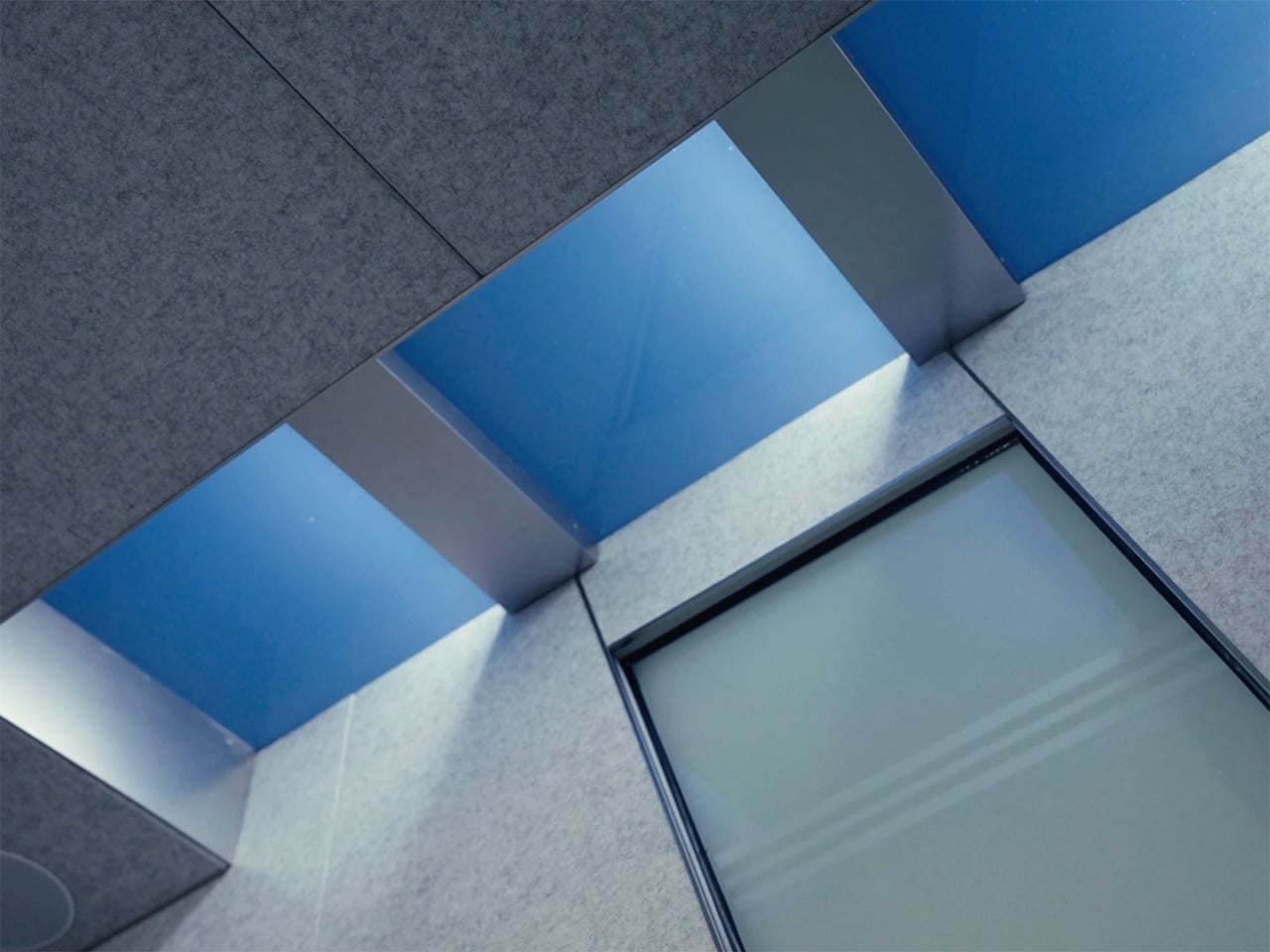
The system uses voiceprints to recognize regular users, each user has a separate history and profile, and User A cannot access User B’s conversations or usage records. The full permission system is still in development, but the architecture already accounts for different access levels across family members, guests, and service providers. Zhang’s framing is tidy: “Personalization only makes sense within the permission given by the user.”
The Flagship L-Space is what Zhang calls a “concept car,” and the analogy holds up across more dimensions than the marketing might suggest. The Standard and Flagship models share the same core Space AI platform, but the key addition in the Flagship is vision: locally processed computer vision that lets Lila recognize individual users, read gestures, and actually observe what’s happening in the room rather than waiting to be addressed.
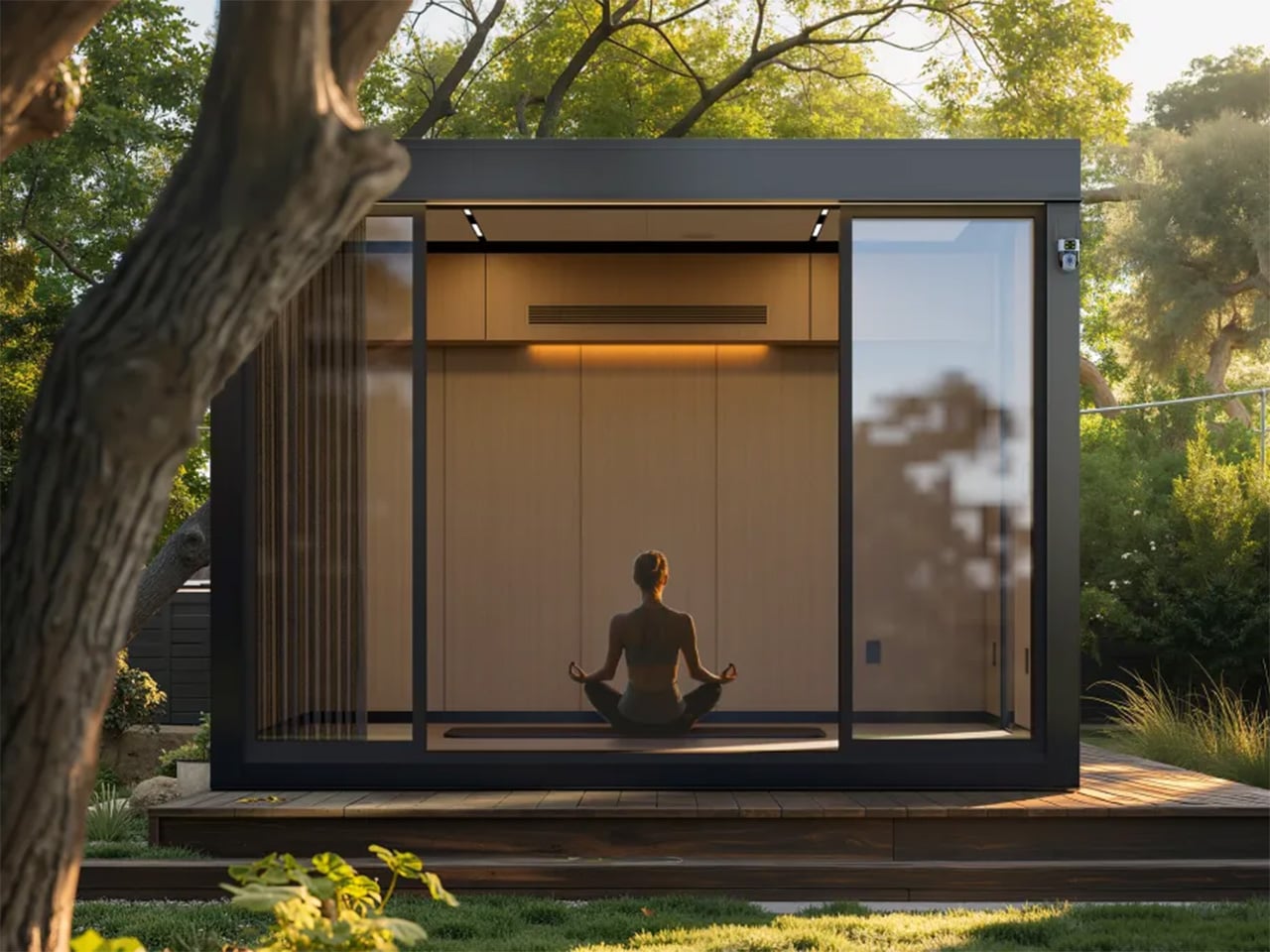
Vision is, in Zhang’s view, one of the most important sensors for a future AI-native home, and once AI can actually see a space, many services that are difficult today become possible. He’s testing facial identification and gesture control as more natural interaction layers on top of voice, and all of it runs on-device because visual data inside a home should never casually leave the building. “The engineering question is simple,” he says. “If AI can really understand a room, what useful services can it provide to the people inside it?”
The biggest lesson in getting from concept car to delivered product is that a lab demo and a product are different engineering objects. In the lab, every cable, firmware version, network condition, and room setup is controlled. A delivered L-Space has to survive shipping, installation, startup, software updates, and daily use. The customer also needs to set it up quickly, understand how to use it, and trust that the basic functions will keep working over time.
At current production volumes, many subsystems still use consumer-grade components, and the challenge of packing computing, storage, networking, IoT control, audio, projection, sensors, and actuators into a compact structure without compromising acoustics or airflow is, as Zhang puts it, closer to vehicle electronics than construction. “A feature is not finished when it works once,” he told us. “It is finished when it works repeatedly in the customer’s space.”
Technology is reshaping architecture and interior design
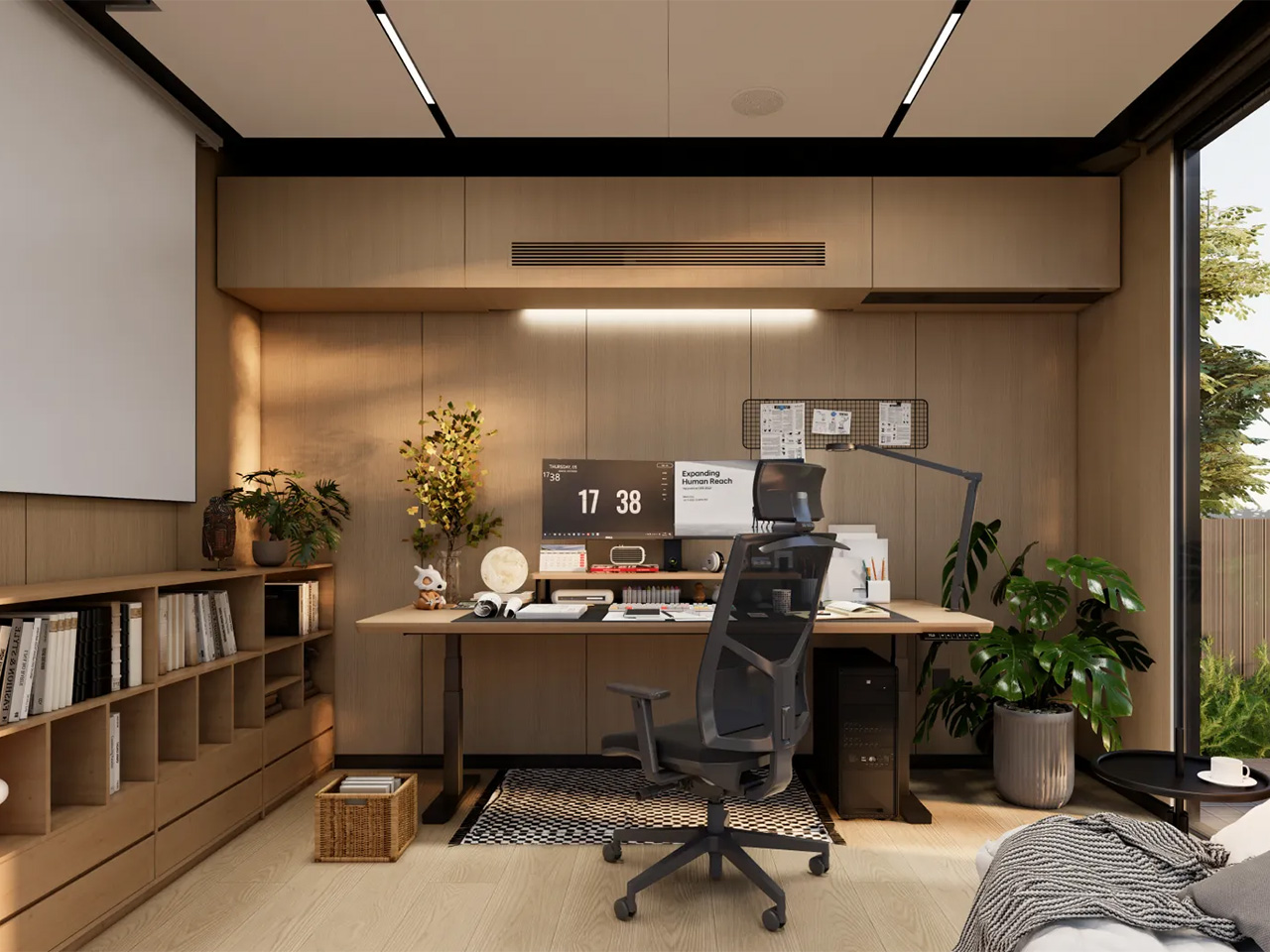
What the home looks like ten years from now, in Zhang’s telling, reads more like a tech product manifesto than an architecture brief. The house becomes a device in the same way a phone or laptop is a device: one integrated hardware and software system where every new appliance, robot, or sensor plugs into a shared runtime rather than living as yet another isolated smart product.
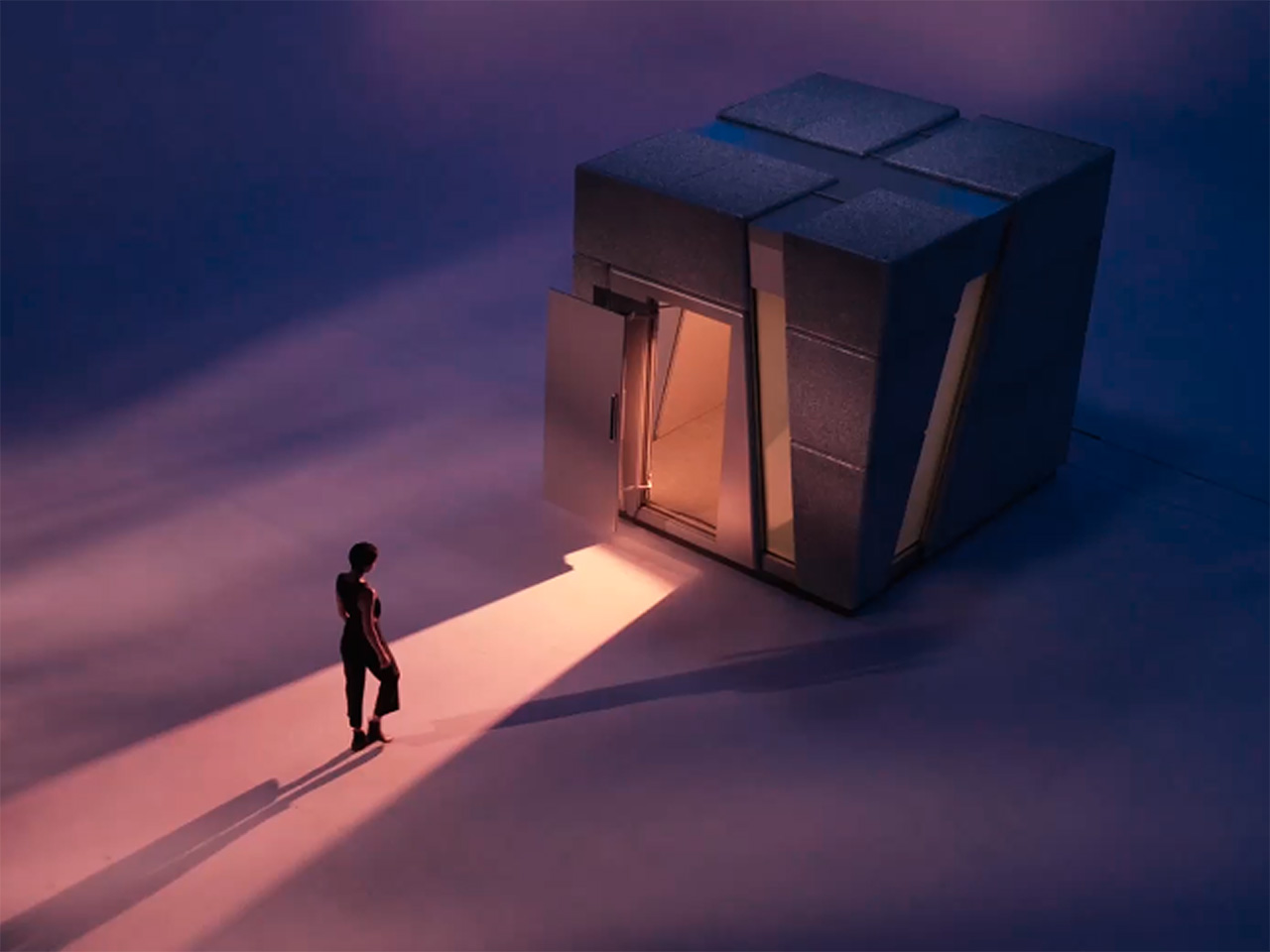
He also believes the intelligence shouldn’t stay tied to any specific building. “If you move, the home model, preferences and memory should move with you,” he says. “The new house becomes the new body, but the agent continues.” For designers, he sees a real reskilling moment coming, one where sensor placement, robot clearances, and interaction architecture start sitting alongside floor plans and material palettes as standard deliverables.
LiveLarge’s roadmap for the second half of 2026 includes bringing Space AI into ADU and broader residential products, which means the concept car phase has a fairly clear expiry date. You can see what the company is building at livelargetech.com.