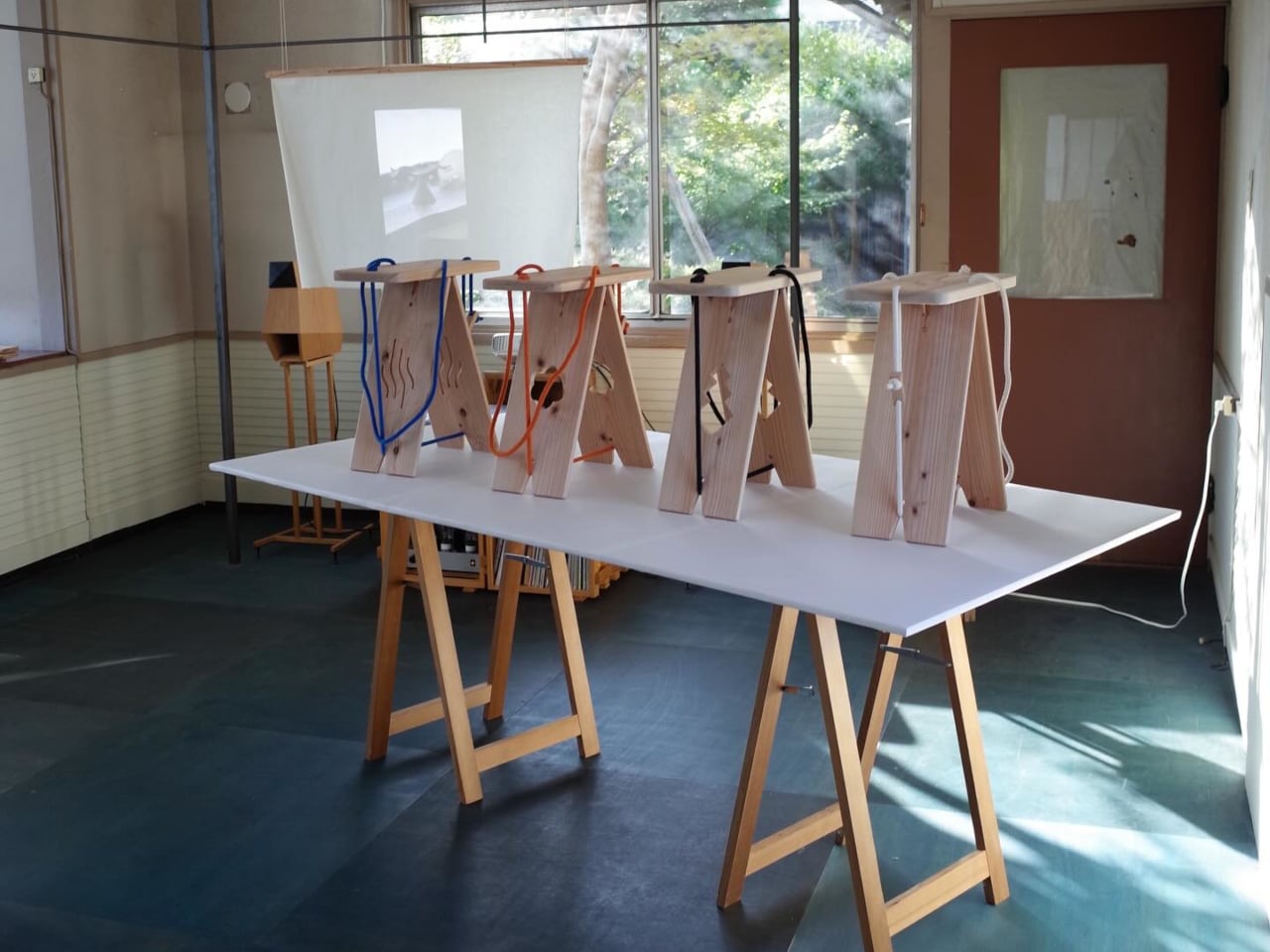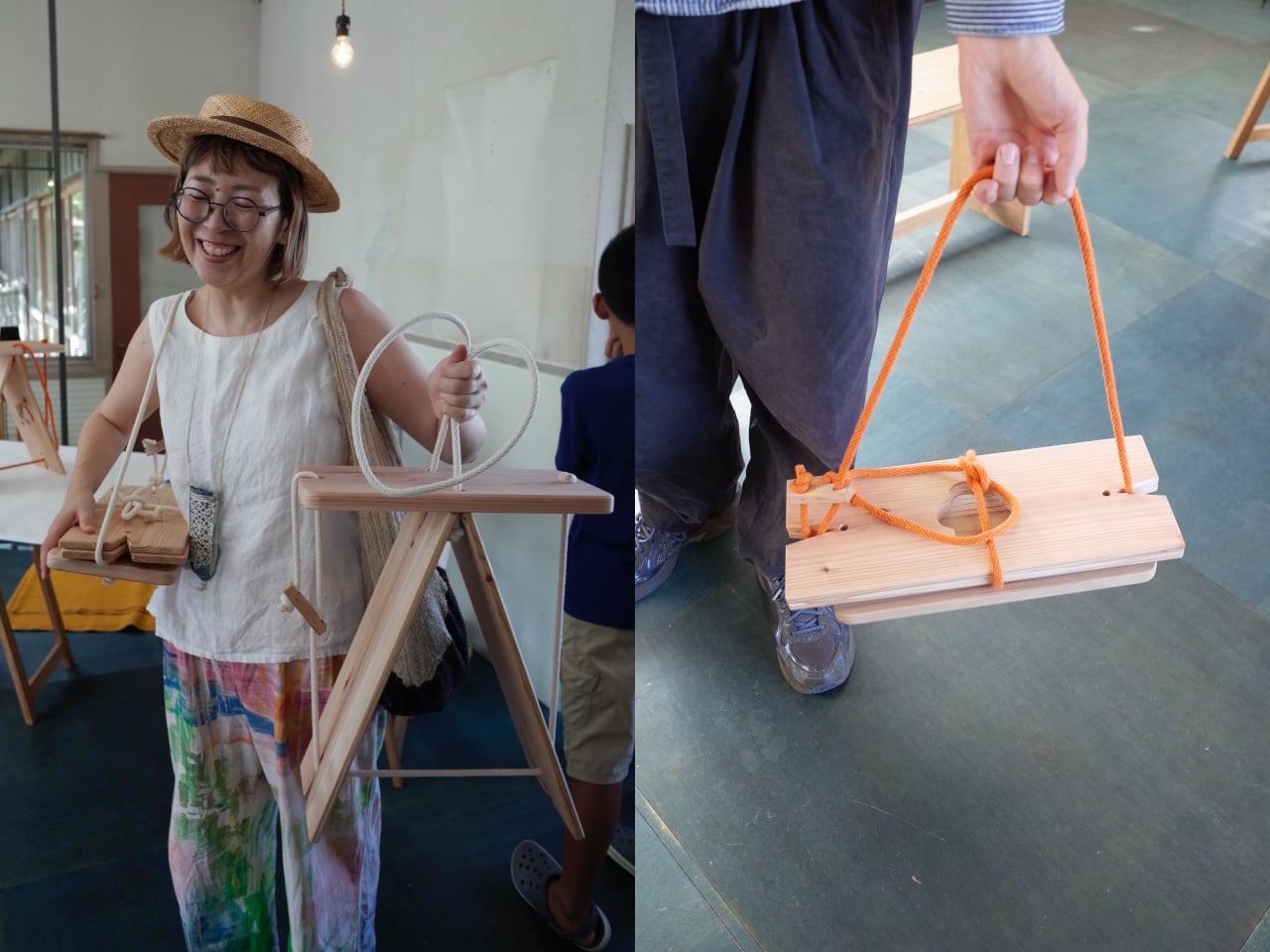

Most furniture relies on hardware you can’t see to hold everything together. Screws, bolts, dowels, and adhesives do the invisible work that keeps chairs and stools from coming apart. The Rope Stool does without all of it. Designed as part of a craft exchange between Tottori, Japan, and Gothenburg, Sweden, it holds its flat cedar boards together through rope tension alone, and it folds flat when it’s done.
The exchange that produced it ran for three weeks in Tottori Prefecture, where six Swedish creatives came to collaborate with local Japanese craftspeople. The initiative was organized by Oshinsha, a Japanese retailer dedicated to promoting the work of local artisans, with funding from both countries. It was structured as a genuine creative residency, not a cultural showcase, and the stool that came out of it reflects that difference.
Designers: Esbjorn Grip, Junsei Fujimoto
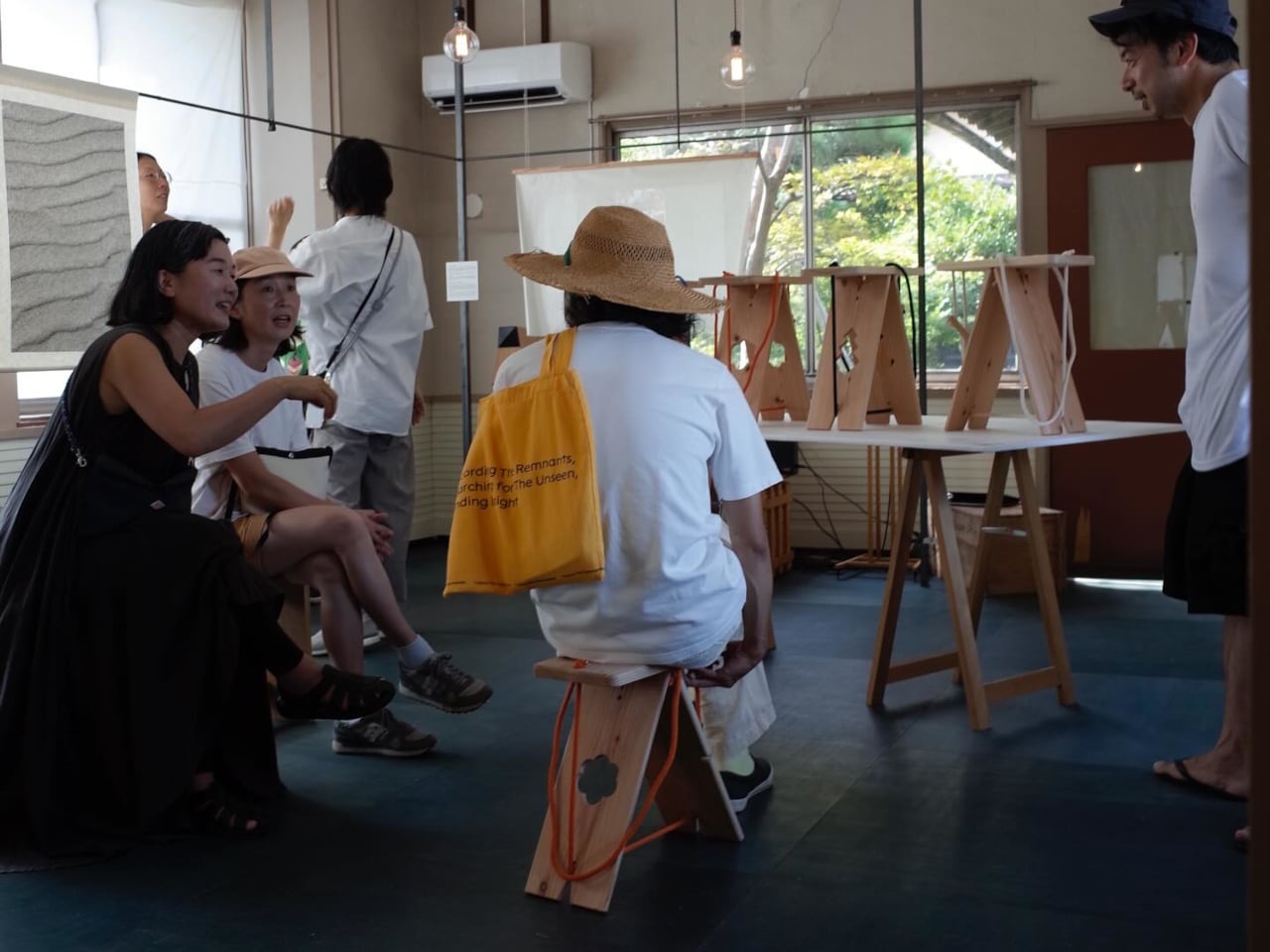
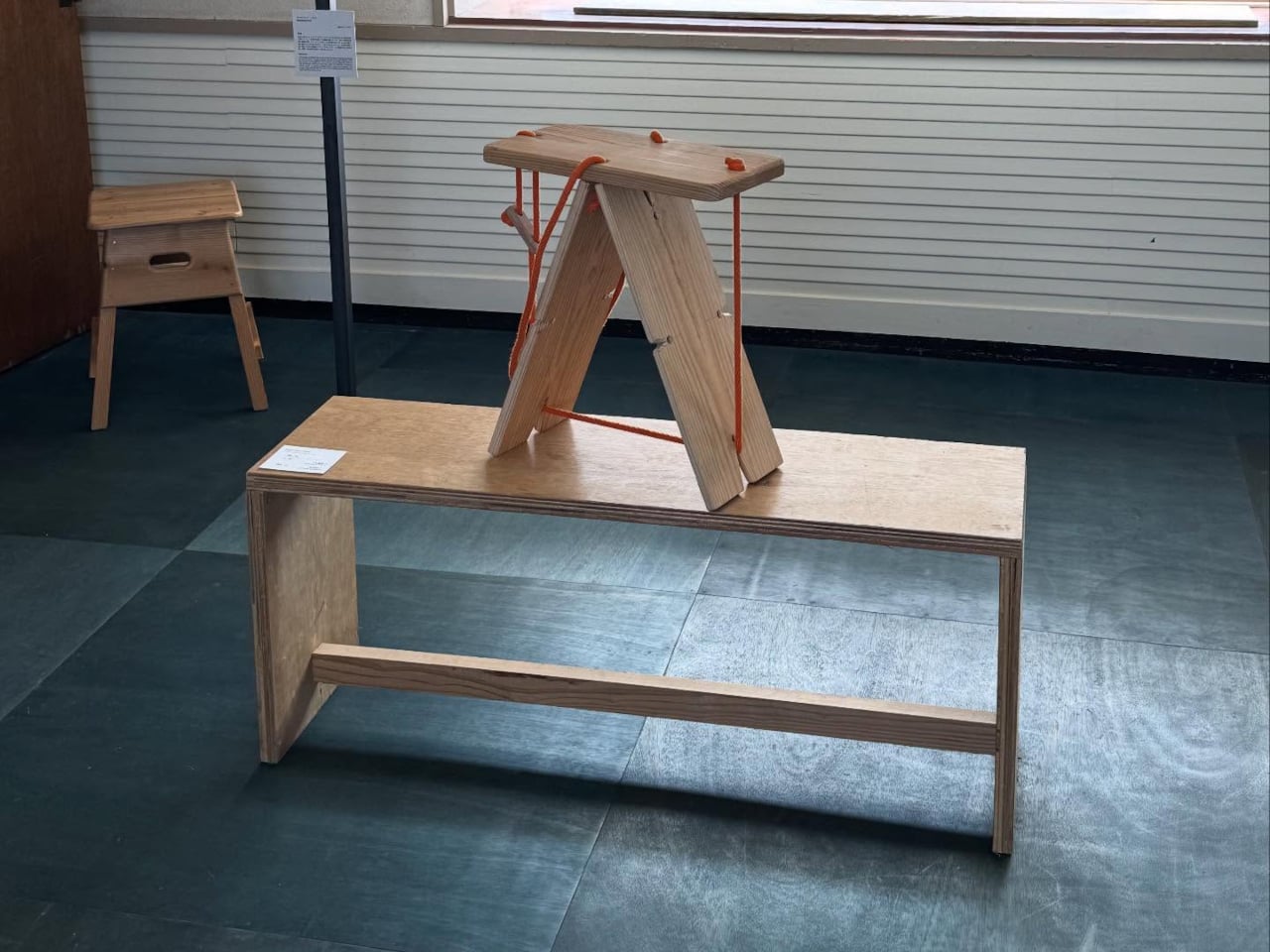
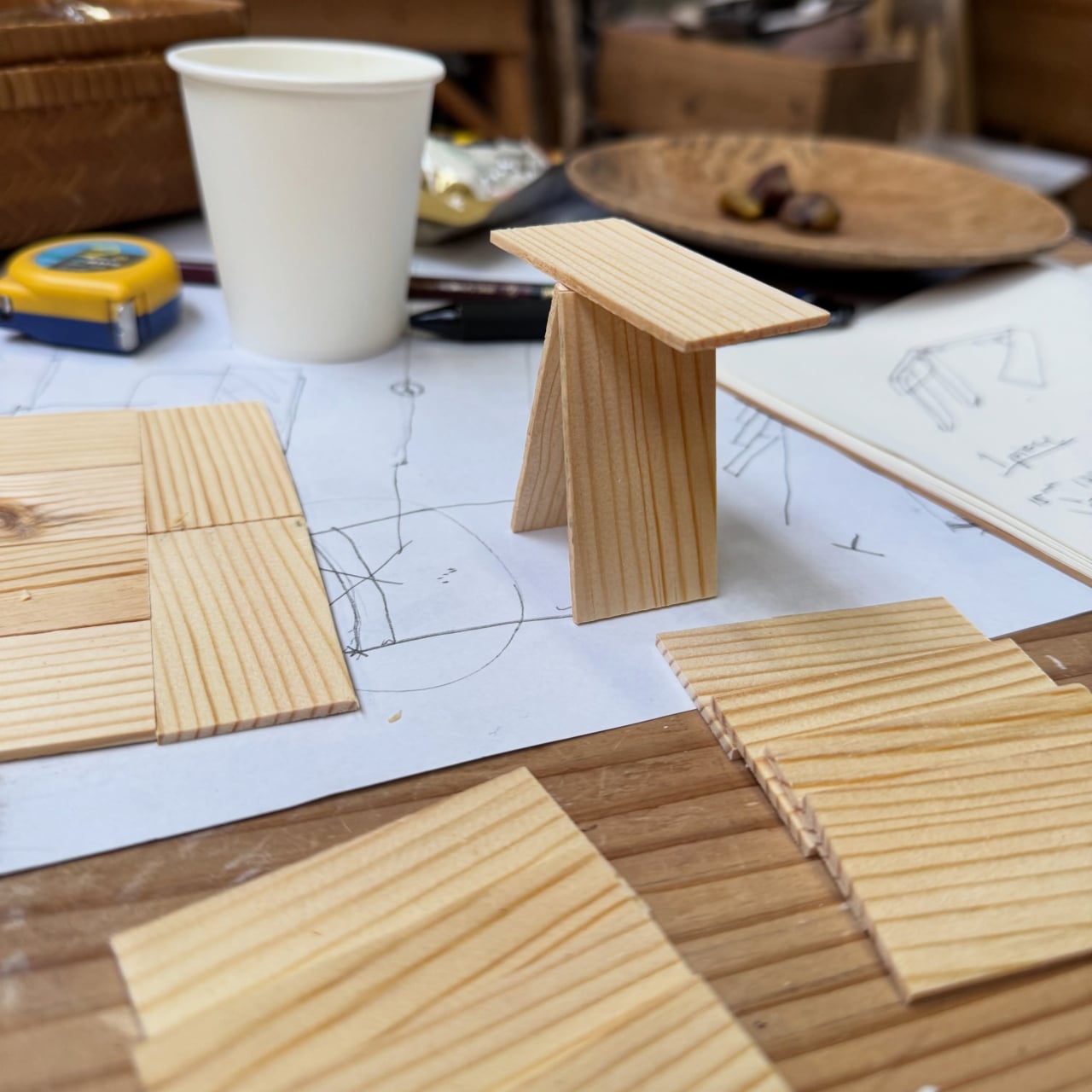
The brief handed to the pair who made the Rope Stool was deliberately restrictive: create a piece of furniture from a single, repeatable wooden element. What they arrived at is a seat made entirely from identical flat boards of Japanese cedar, no custom-cut components, no specialized hardware. The rope pulls them into formation and holds them there, tight enough to carry a person’s weight, loose enough to release when you want to pack up and leave.

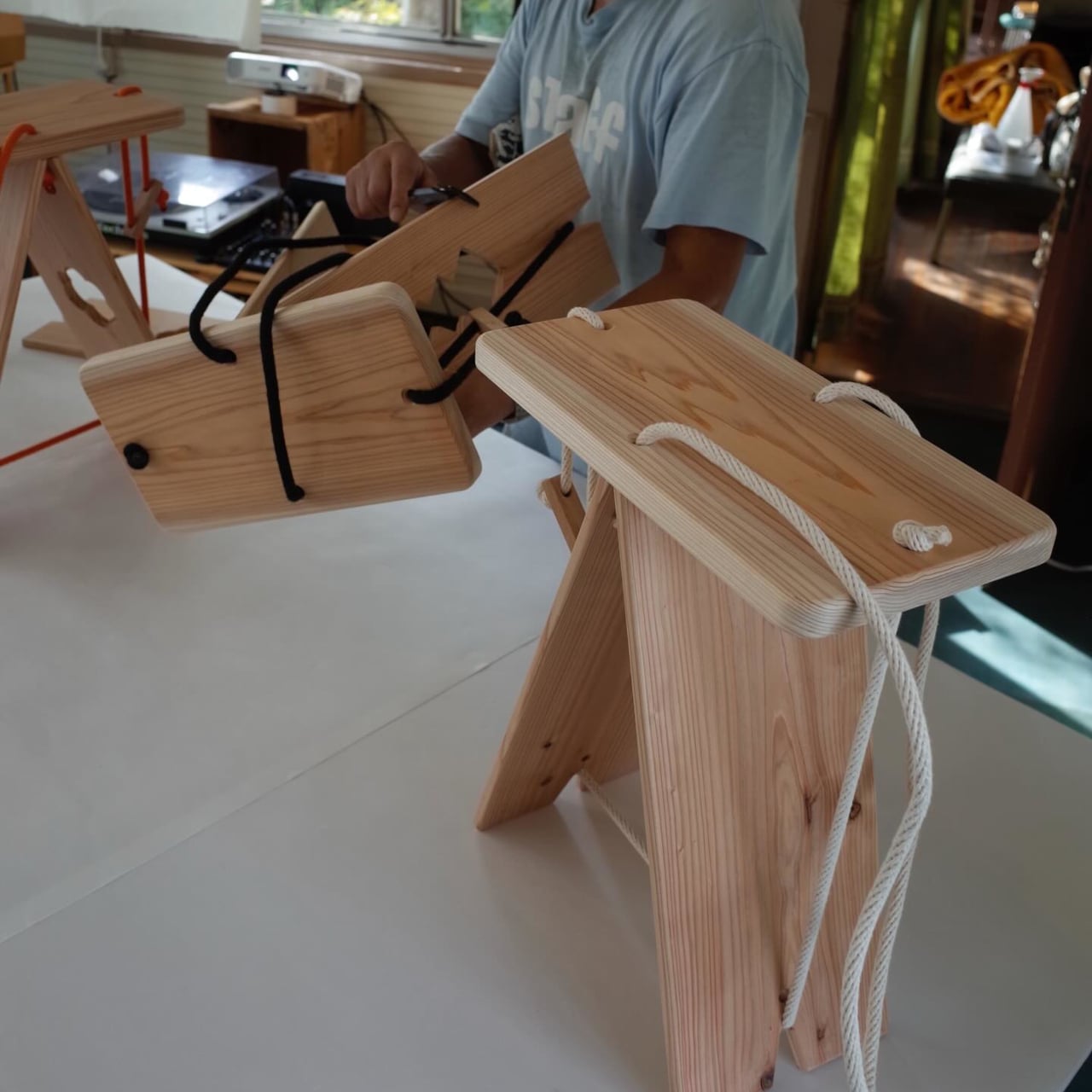
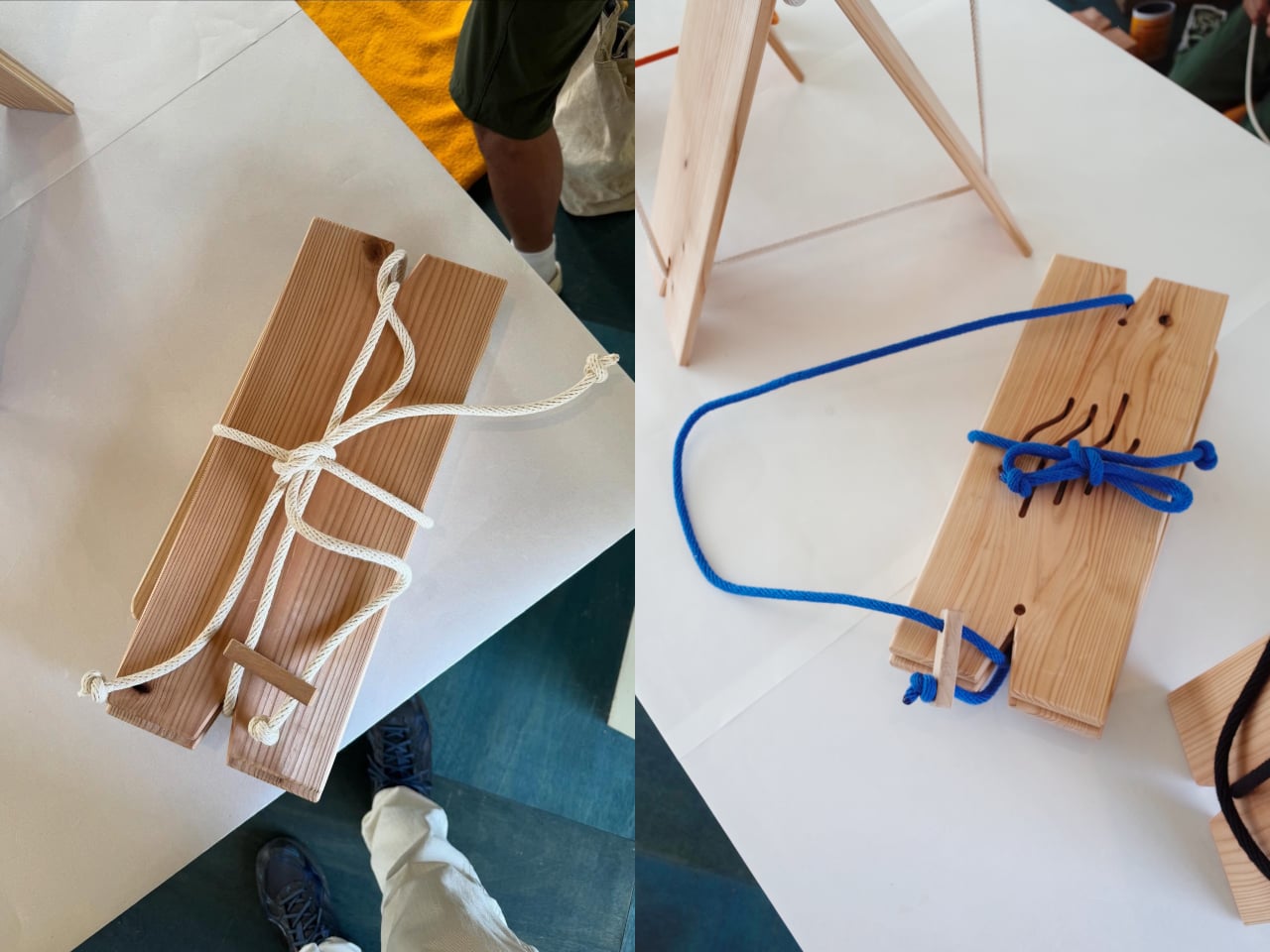
That packing-up quality is one of the things that makes the stool more than a design exercise. A seat that disassembles into a flat bundle of boards and a length of rope is genuinely portable in a way that most stools aren’t. You can bring it to a market stall, a workshop, an outdoor event, or anywhere that needs a seat more than it needs a chair stored permanently in the corner. The rope tension is what creates the rigidity; without it, the parts stay separate and flat.
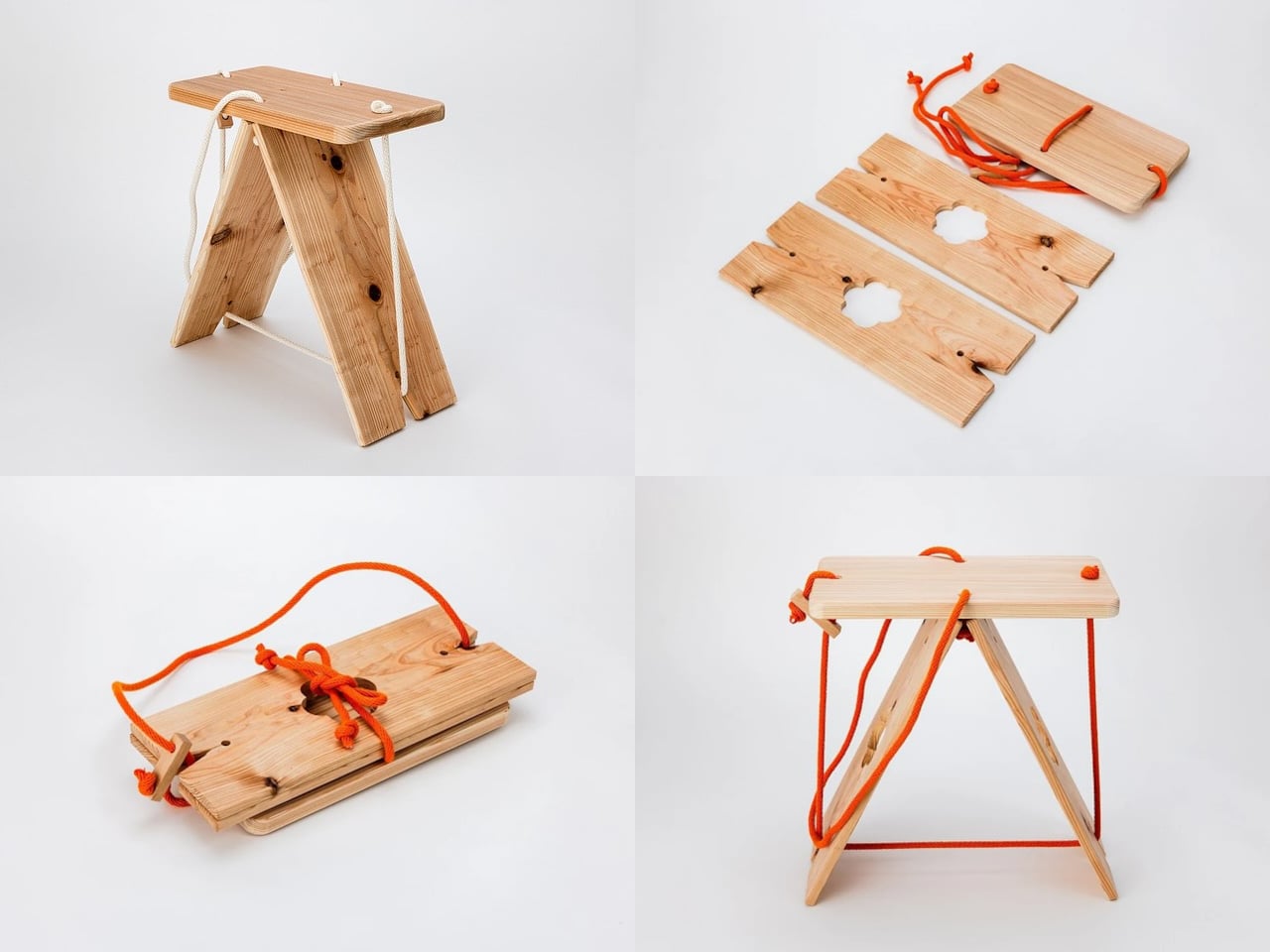
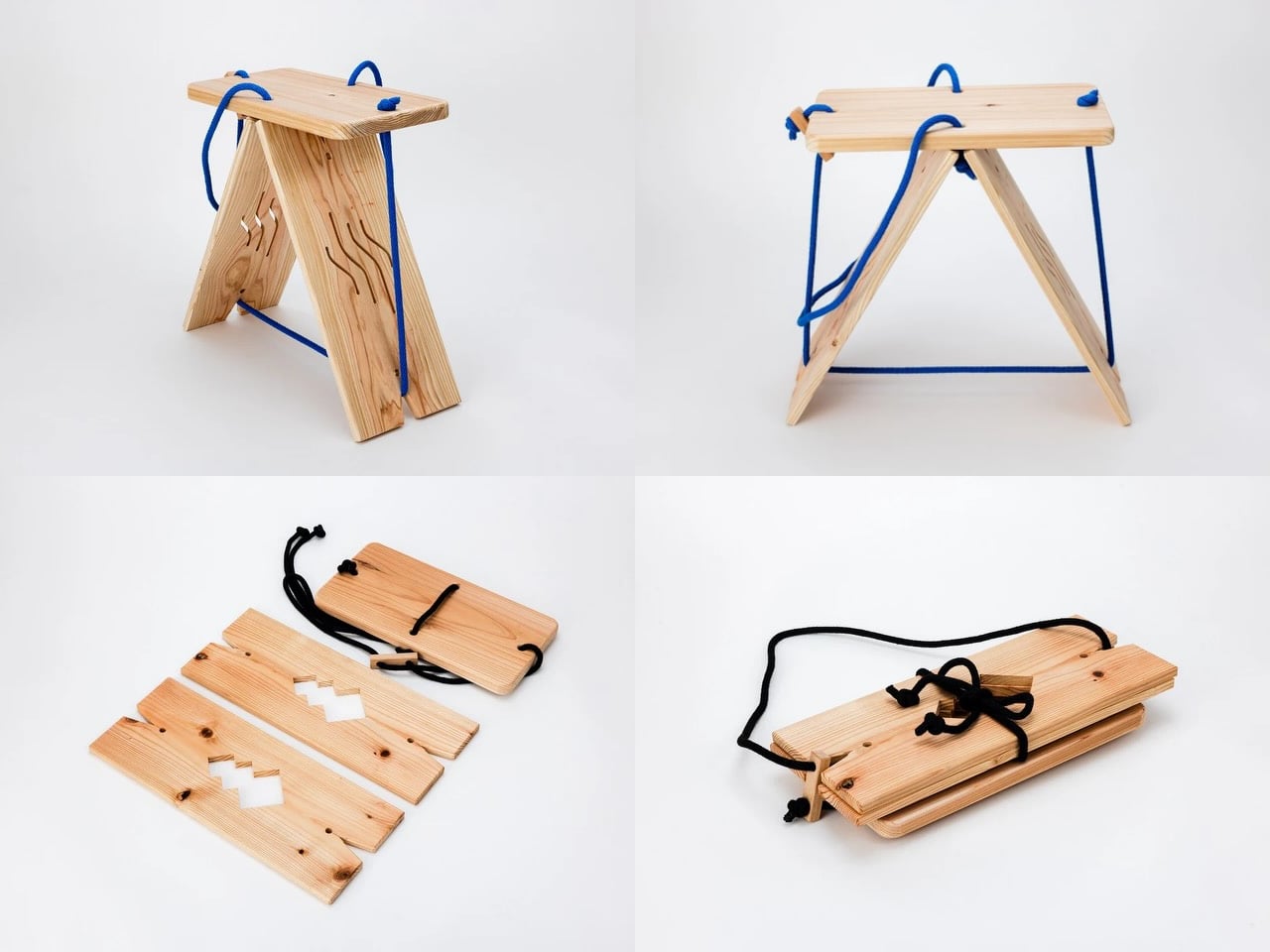
The cedar itself is a considered choice. Japanese cedar, or sugi, is one of the most widely used traditional wood materials in Japan, valued for its light weight, straight grain, and durability. Flat boards cut from it are uniform enough to be truly interchangeable, which is the point of the single-repeatable-element brief. Each board in the stool is the same as the others, and the rope is what differentiates a pile of boards from something you can sit on.
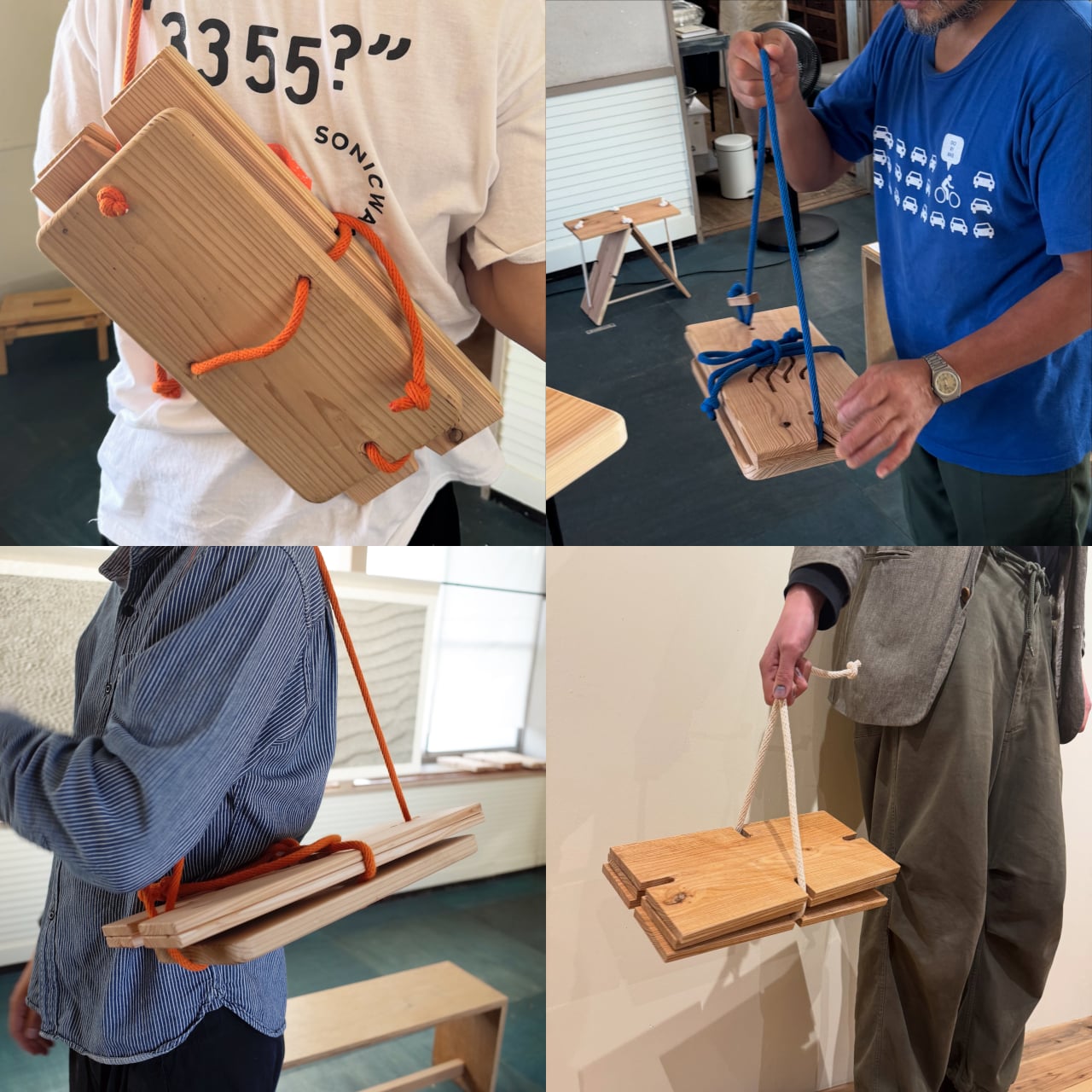
There’s a conceptual clarity to the construction that most furniture doesn’t achieve. The structure is visible, the logic is readable, and nothing about how it stays together is concealed. Pull the rope, and it assembles. Loosen it, and it comes apart. The simplicity isn’t a limit on what the stool can do: it’s the thing itself, expressed as directly as the brief demanded.