
Sneakers have become more advanced than ever in terms of performance and comfort, yet their construction has barely changed. Most are assembled with permanent adhesives that bind together layers of fabric, foam, rubber, and plastic into a single unit. While this creates durable footwear, it also makes repairs nearly impossible. A worn-out sole or damaged upper often signals the end of a shoe’s life, regardless of the condition of its remaining parts. Designer Daniyar Uderbekov believes there is a better way, creating a pair of sneakers that embraces repairability from the very beginning instead of treating it as an afterthought.
Called UDBR, the modular footwear improves on the earlier sneaker concept by the designer. Rather than relying on glue to hold everything together, the design borrows assembly techniques from traditional Central Asian footwear, specifically the Makhsi and Ichigi. These handcrafted shoes were designed around individual components that could be assembled, maintained, and replaced with relative ease. The idea feels surprisingly relevant in an era increasingly focused on sustainability and product longevity.
Designer: Daniyar Uderbekov
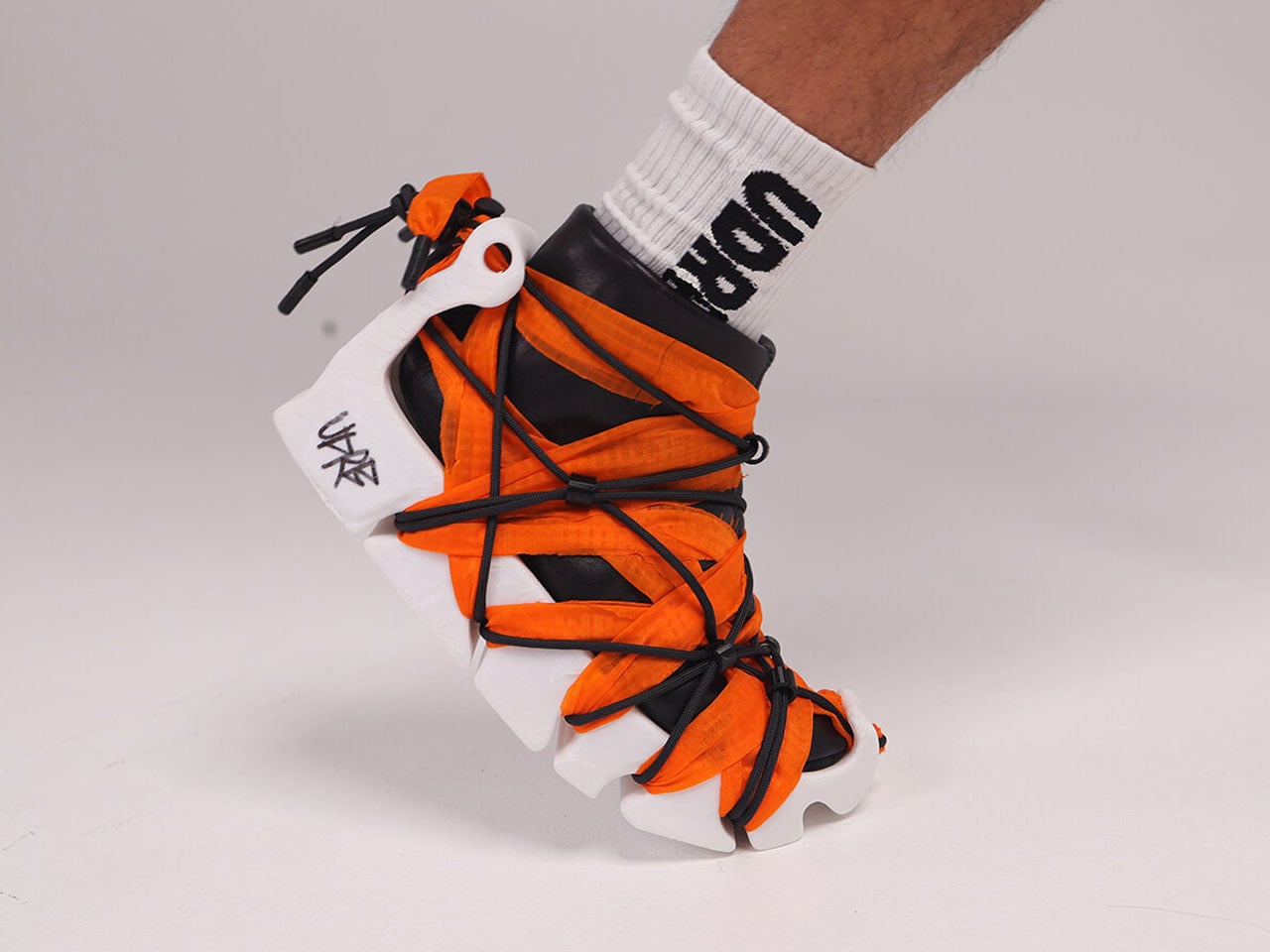
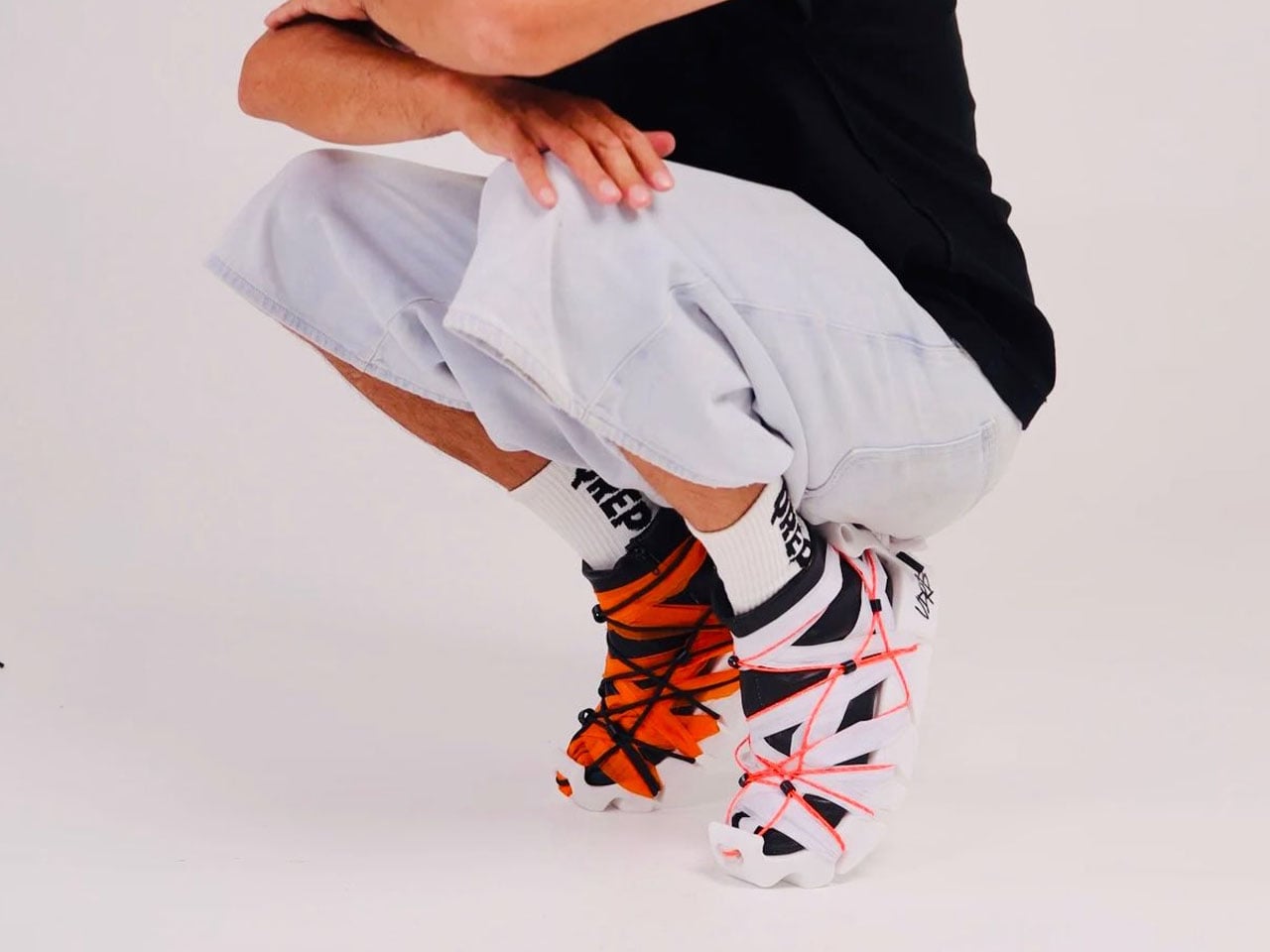
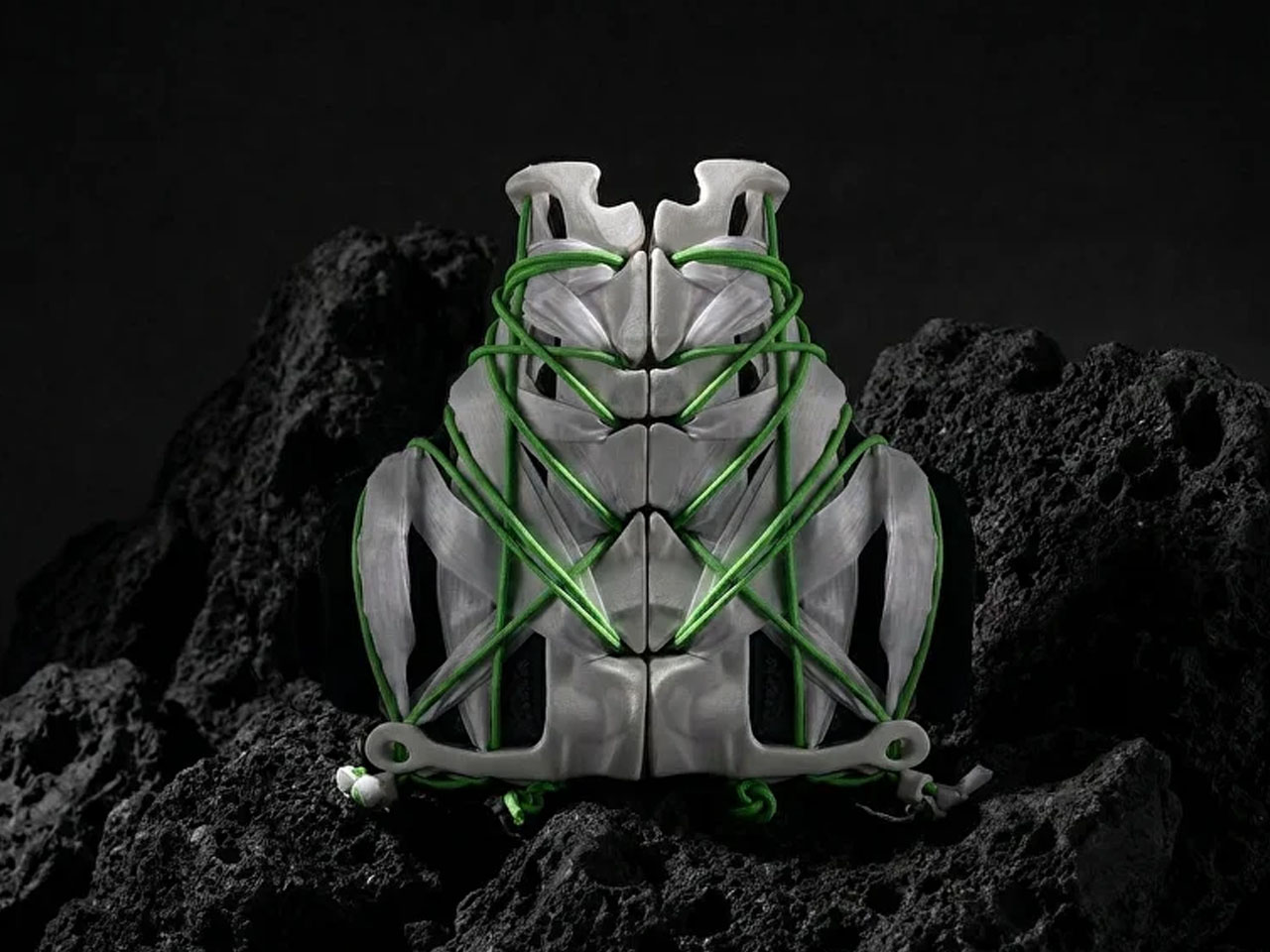
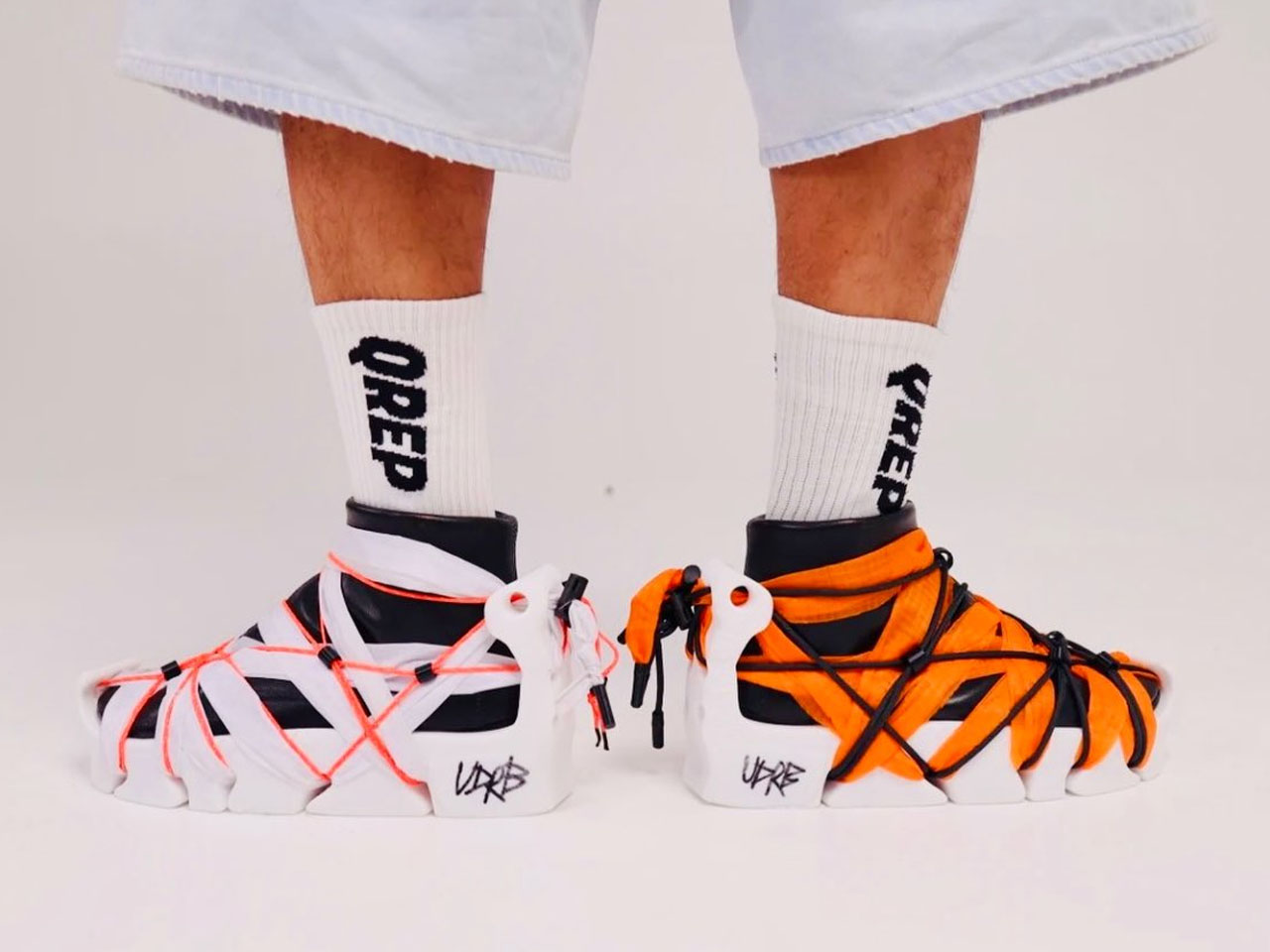
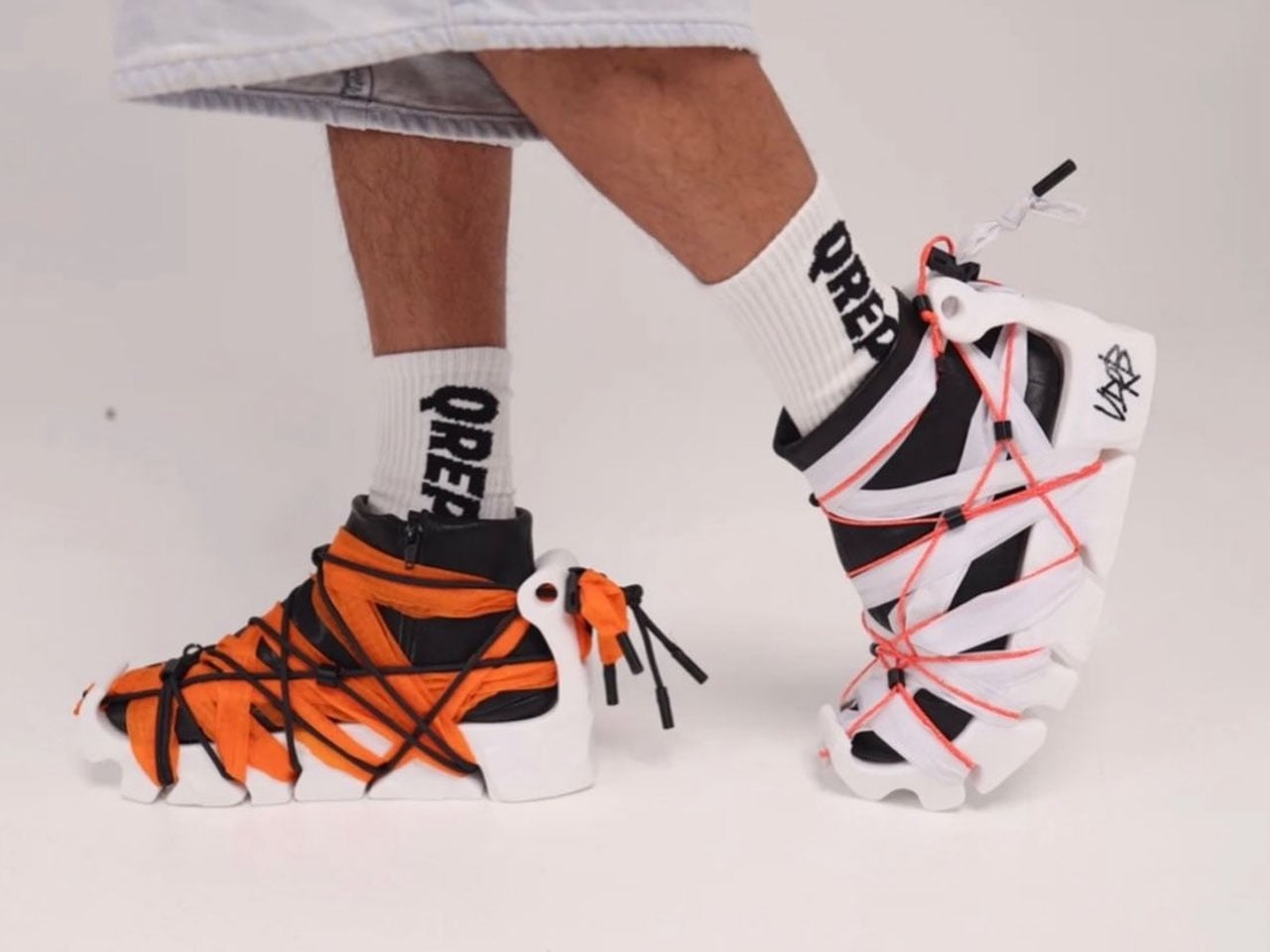
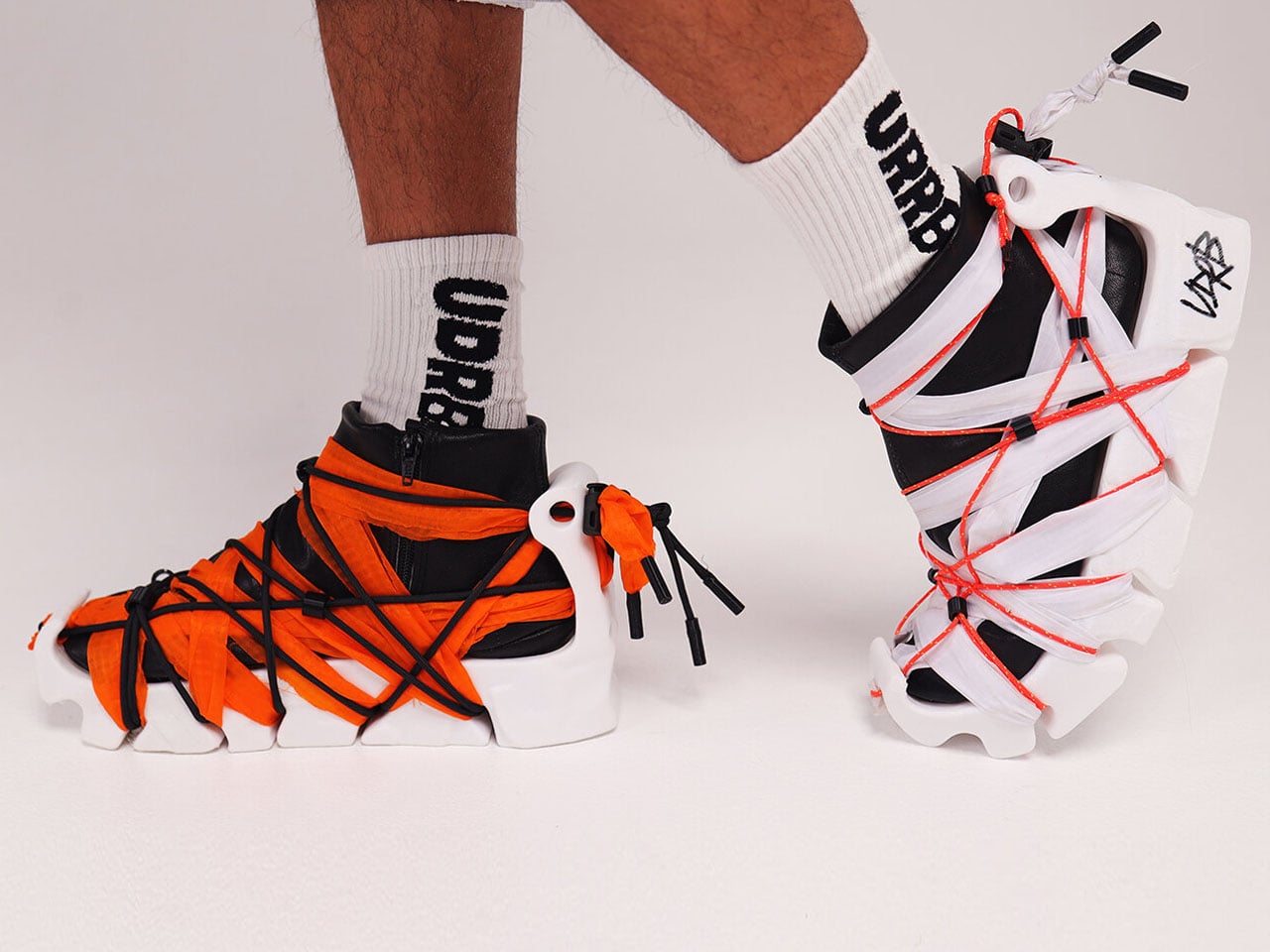
The sneaker is built around just three primary elements: a 3D-printed TPU sole, a leather sock-like inner boot, and a rope-based fastening system that locks the entire structure together. Every component has a defined purpose and can be separated without damaging the others, allowing the shoe to be fully disassembled whenever maintenance is required. Instead of discarding an entire pair because of a single worn component, users can simply replace the part that has reached the end of its lifespan.
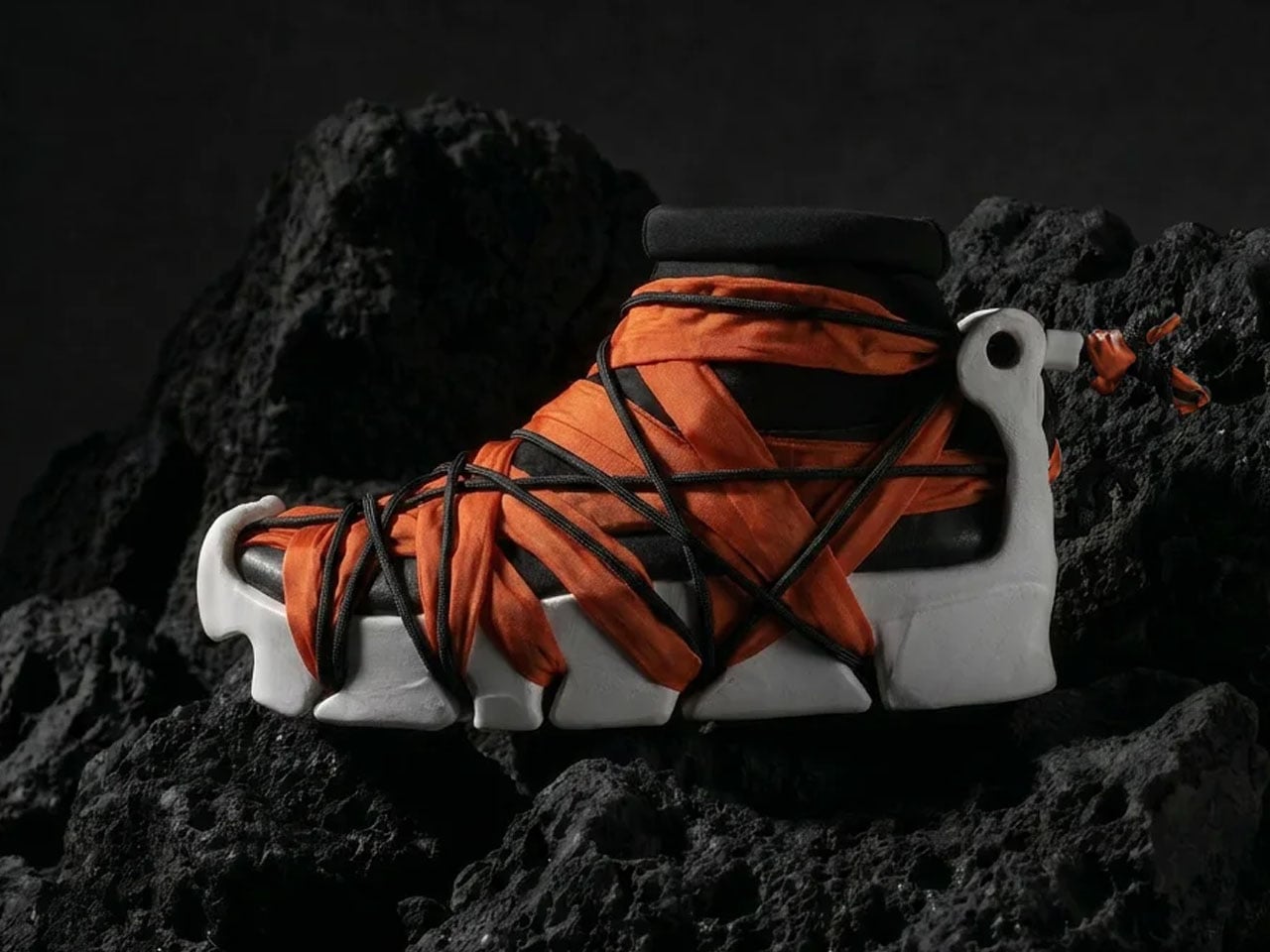
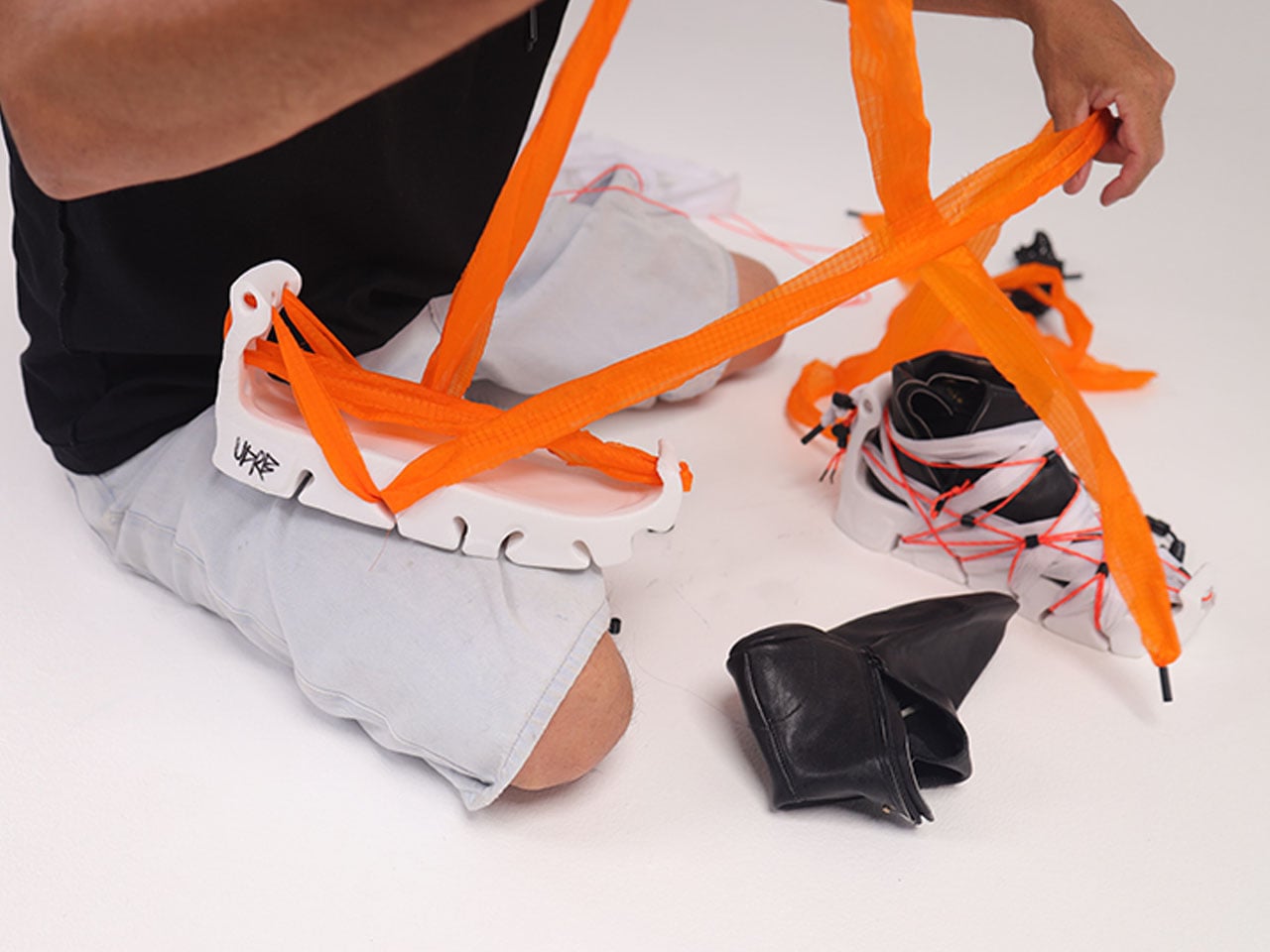
At the core of the idea is the updated 3D-printed thermoplastic polyurethane sole, designed to deliver cushioning and flexibility comparable to conventional sneaker soles. If years of use eventually cause the sole to lose its resilience or develop cracks, it can be reproduced using recyclable TPU through 3D printing, extending the product’s usable life while reducing unnecessary waste. The approach shifts the focus from replacement to renewal, offering a practical example of circular product design.
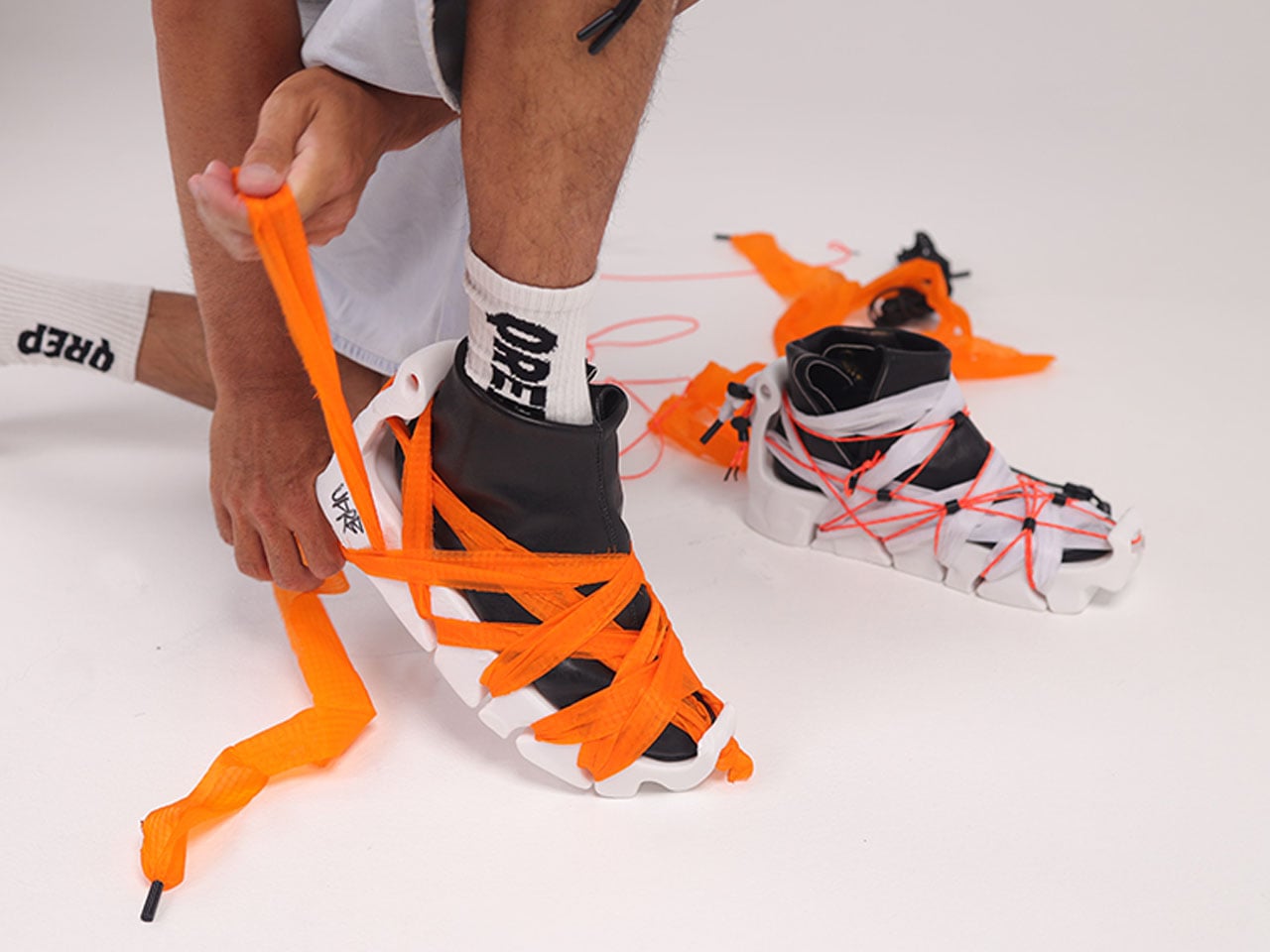
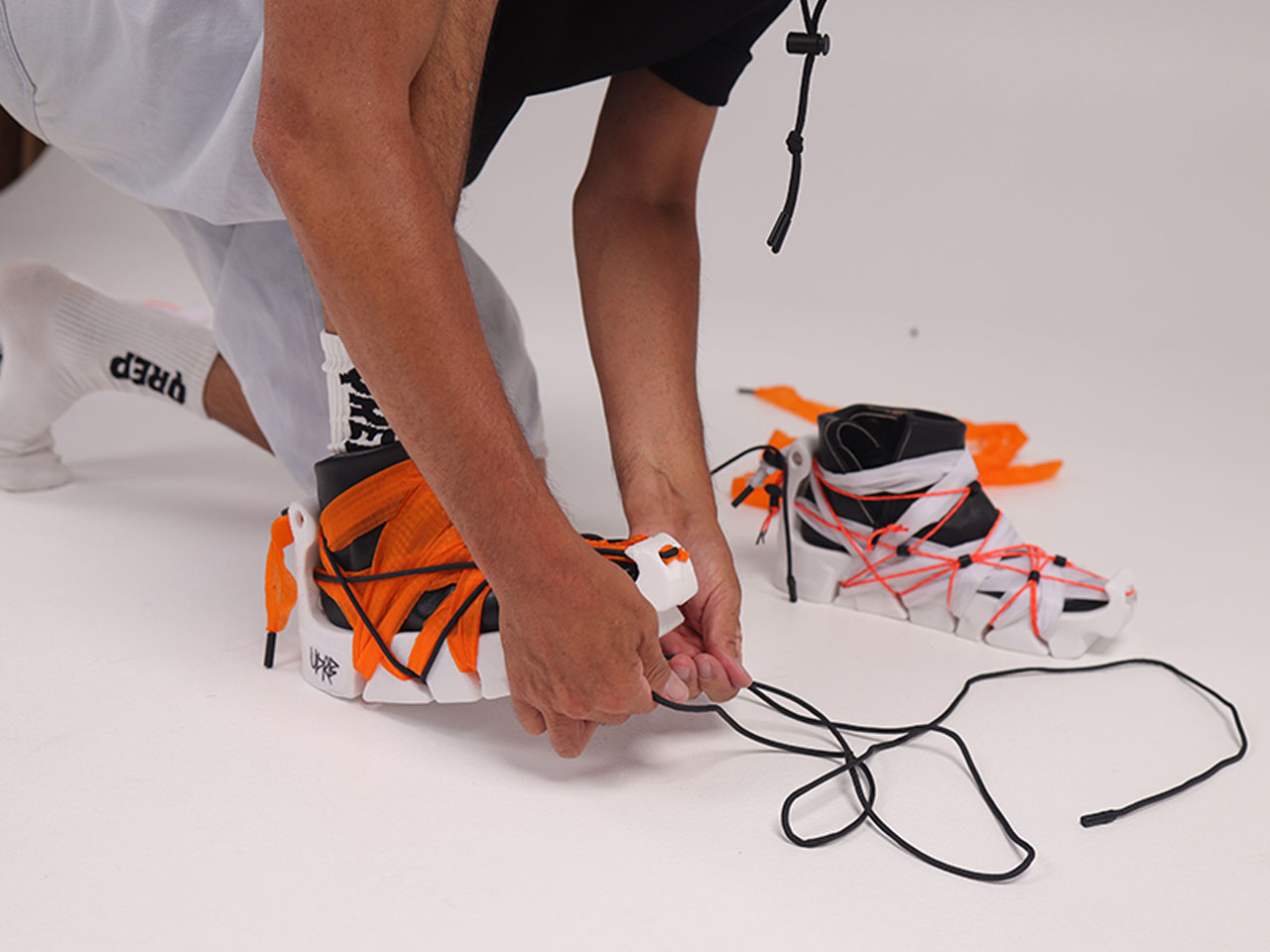
Complementing the sole is a leather inner boot inspired by traditional footwear, wrapping the foot in a soft, sock-like structure that prioritizes comfort while maintaining a handcrafted character. Holding everything together is an intricate rope lacing system that does more than create visual appeal. It eliminates the need for adhesives entirely while allowing the wearer to tighten, loosen, or completely separate the components with minimal effort. The exposed fastening becomes both a functional engineering solution and a defining aesthetic feature.
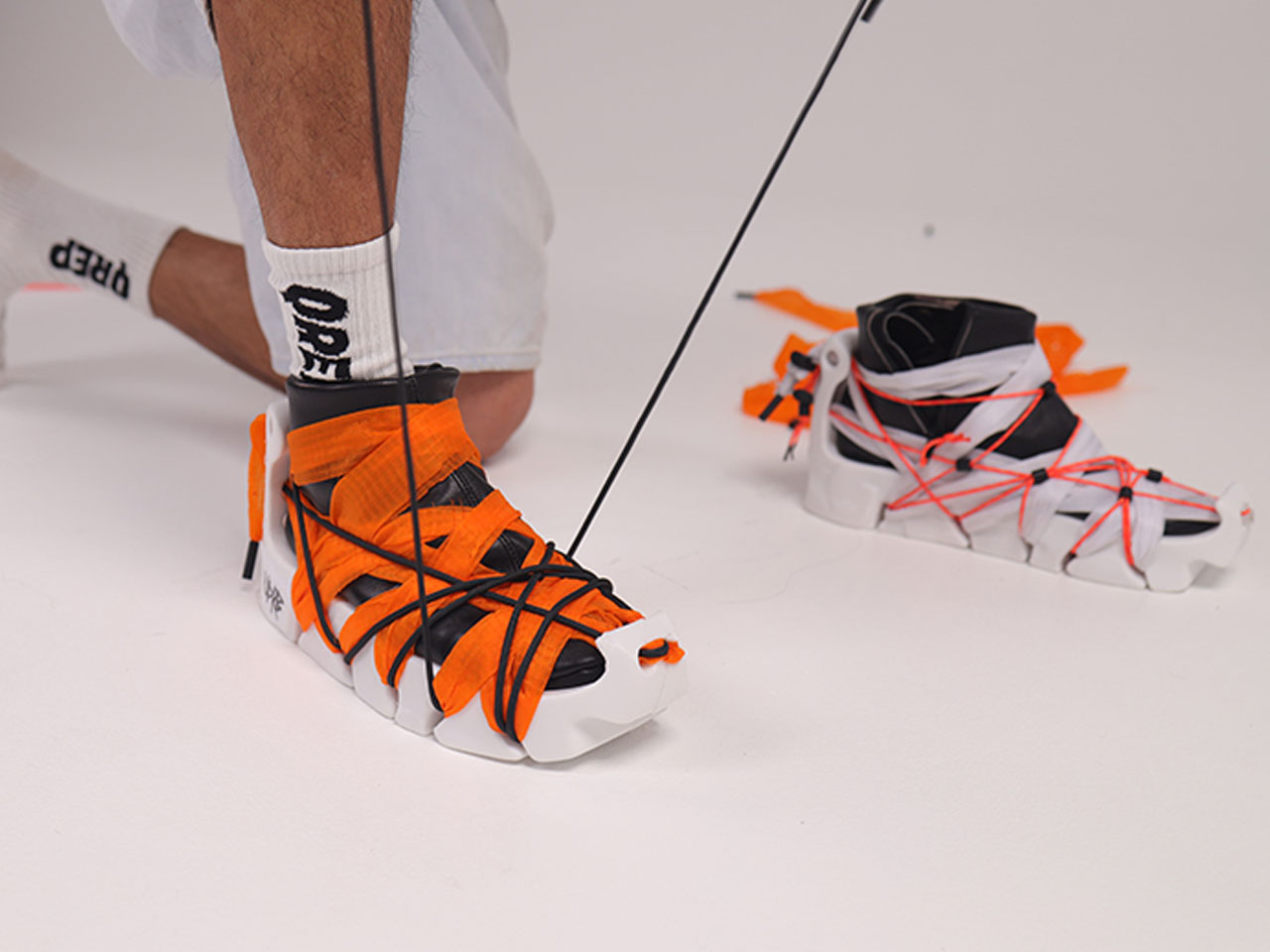
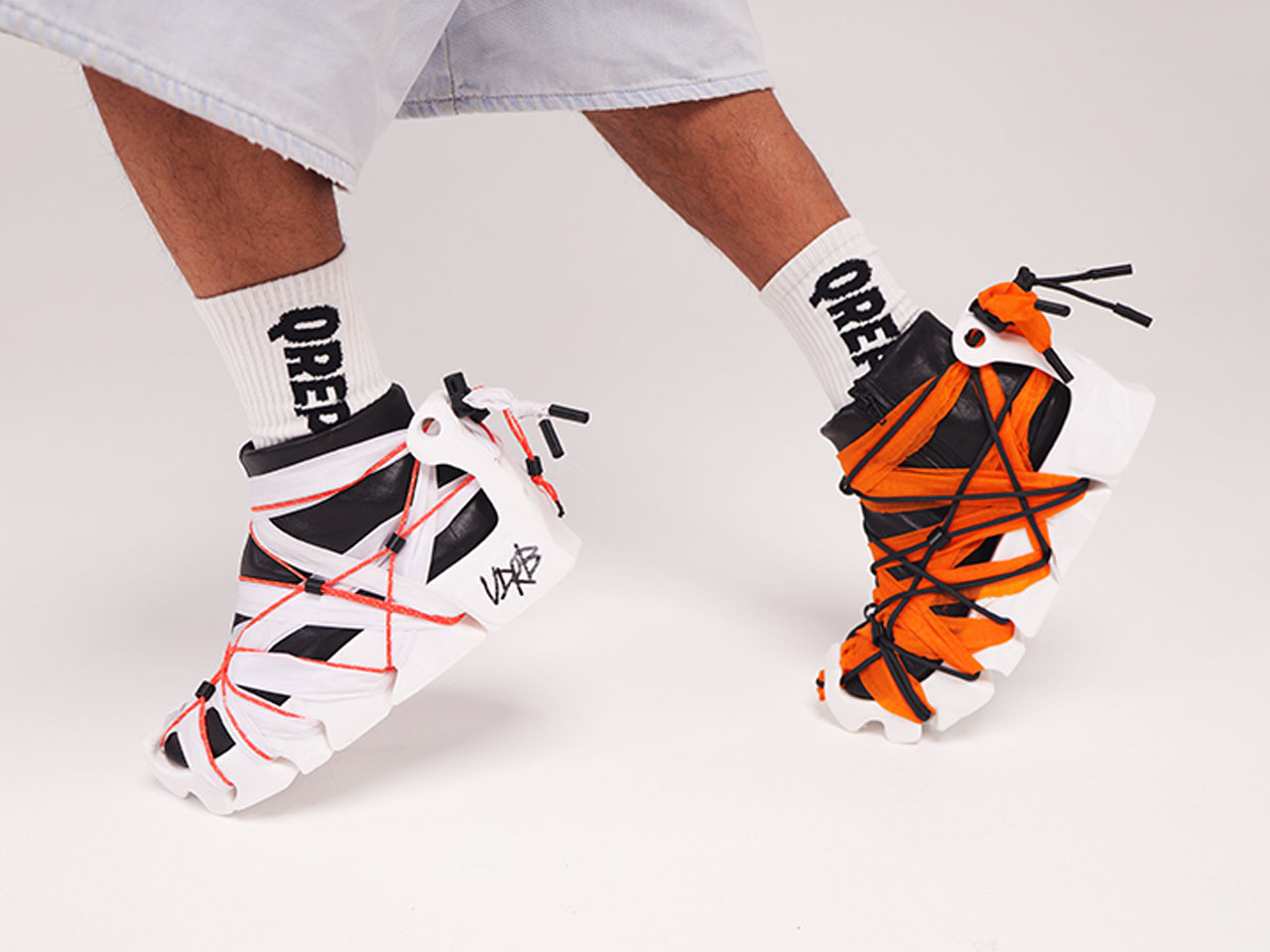
What makes UDBR particularly compelling is how naturally it blends old and new. Advanced 3D printing supplies precision, customization, and recyclable materials, while traditional construction principles provide a blueprint for repairability that modern sneakers have largely abandoned.