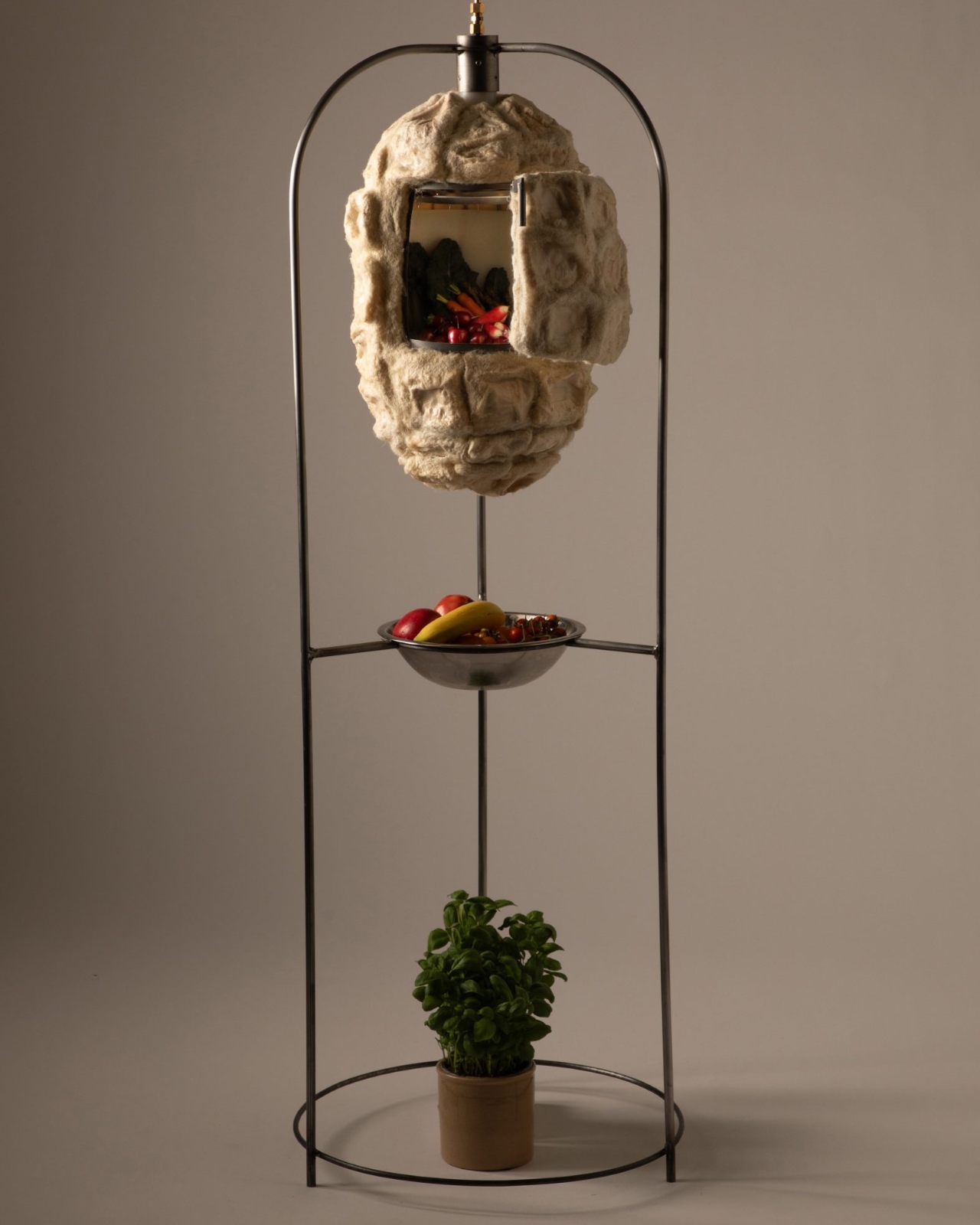

The refrigerator hasn’t changed much since your grandmother got her first one. Same boxy shape. Same petroleum-based insulation. Same low mechanical hum in the kitchen corner. We’ve updated the handles and slapped smart screens on the doors. But the fundamental architecture of how we keep food cold? Basically frozen in time since the early twentieth century, when the appliance was first marketed as a symbol of status and food safety, pitched at what designers of the era apparently called anxious mothers. Then Audrey Levy went ahead and grew one from bacteria. Literally.
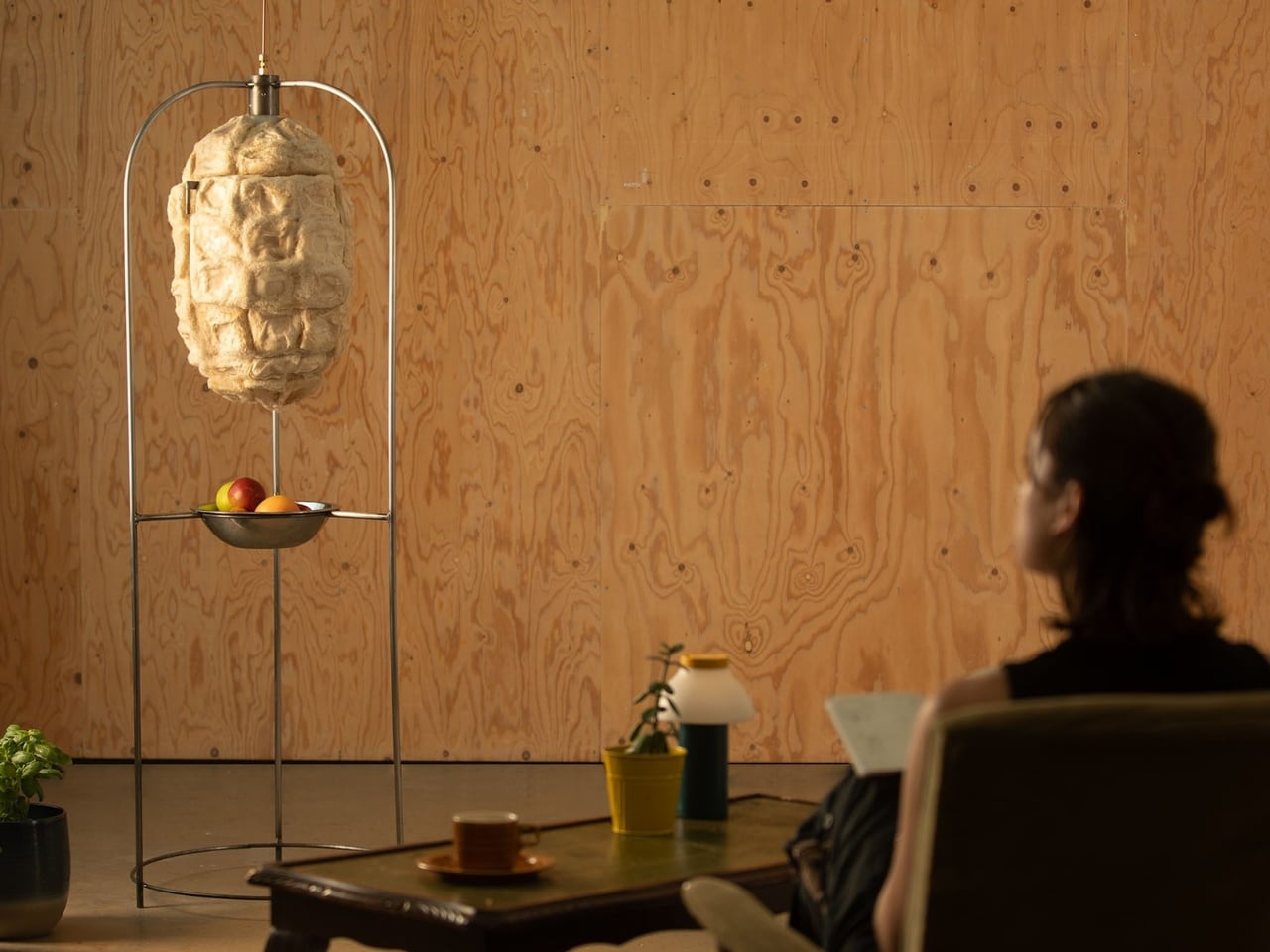
Levy’s Xero Cool, developed as part of her MA Biodesign degree at Central Saint Martins and completed in 2026, is one of those rare design objects that makes you genuinely stop and reconsider what a household appliance can look and feel like. The exterior is made from bacterial cellulose xerogel paired with felted wool, giving it this organic, cocoon-like form suspended within a structural frame. Below the main body, a fruit bowl extends storage downward, quietly nudging you toward keeping some things at room temperature rather than defaulting to refrigerating everything out of habit. It does not look like a fridge. It looks like something that belongs in a gallery, or possibly a forest. And I mean that as the highest compliment.
Designer: Audrey Levy
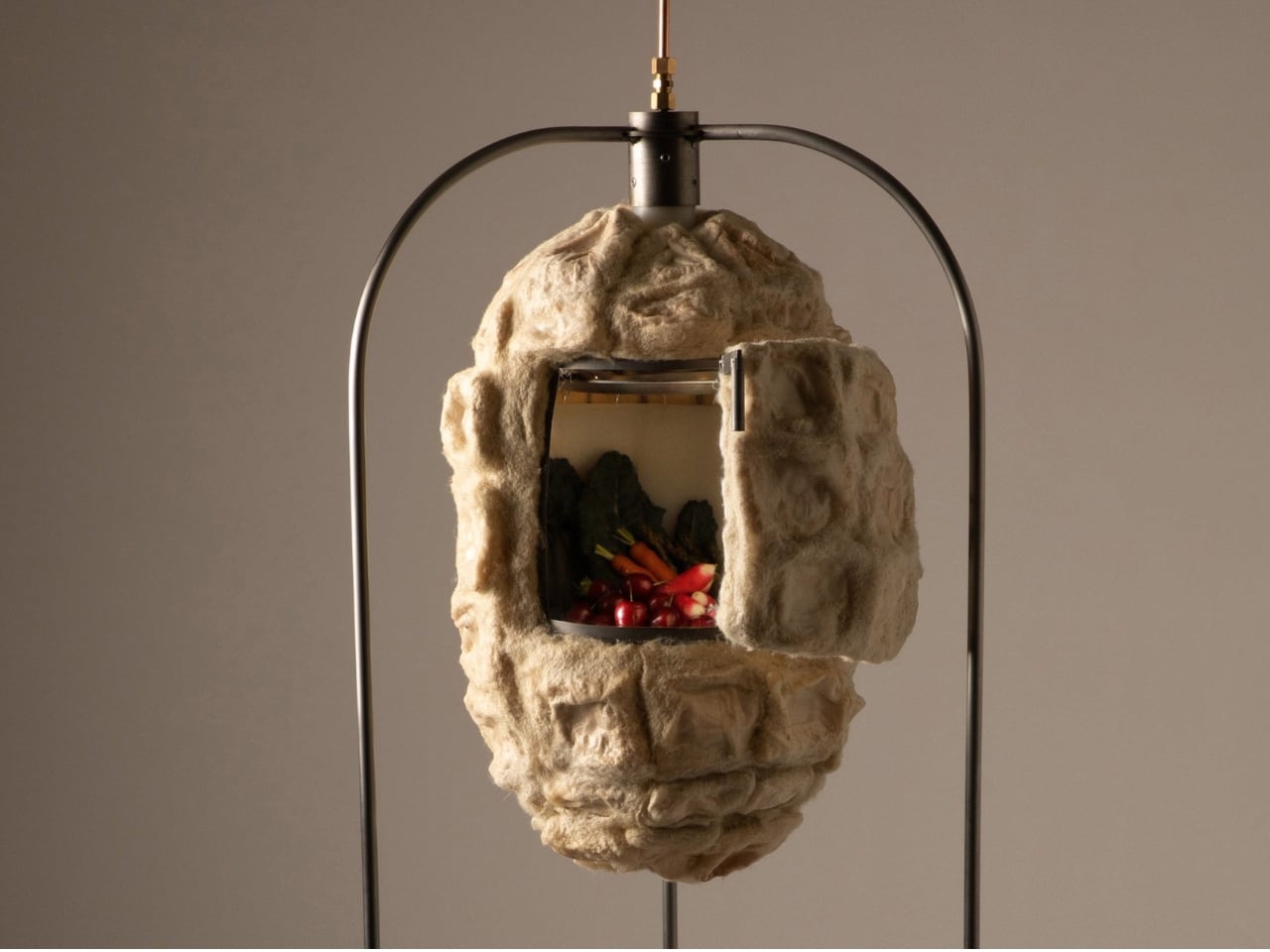
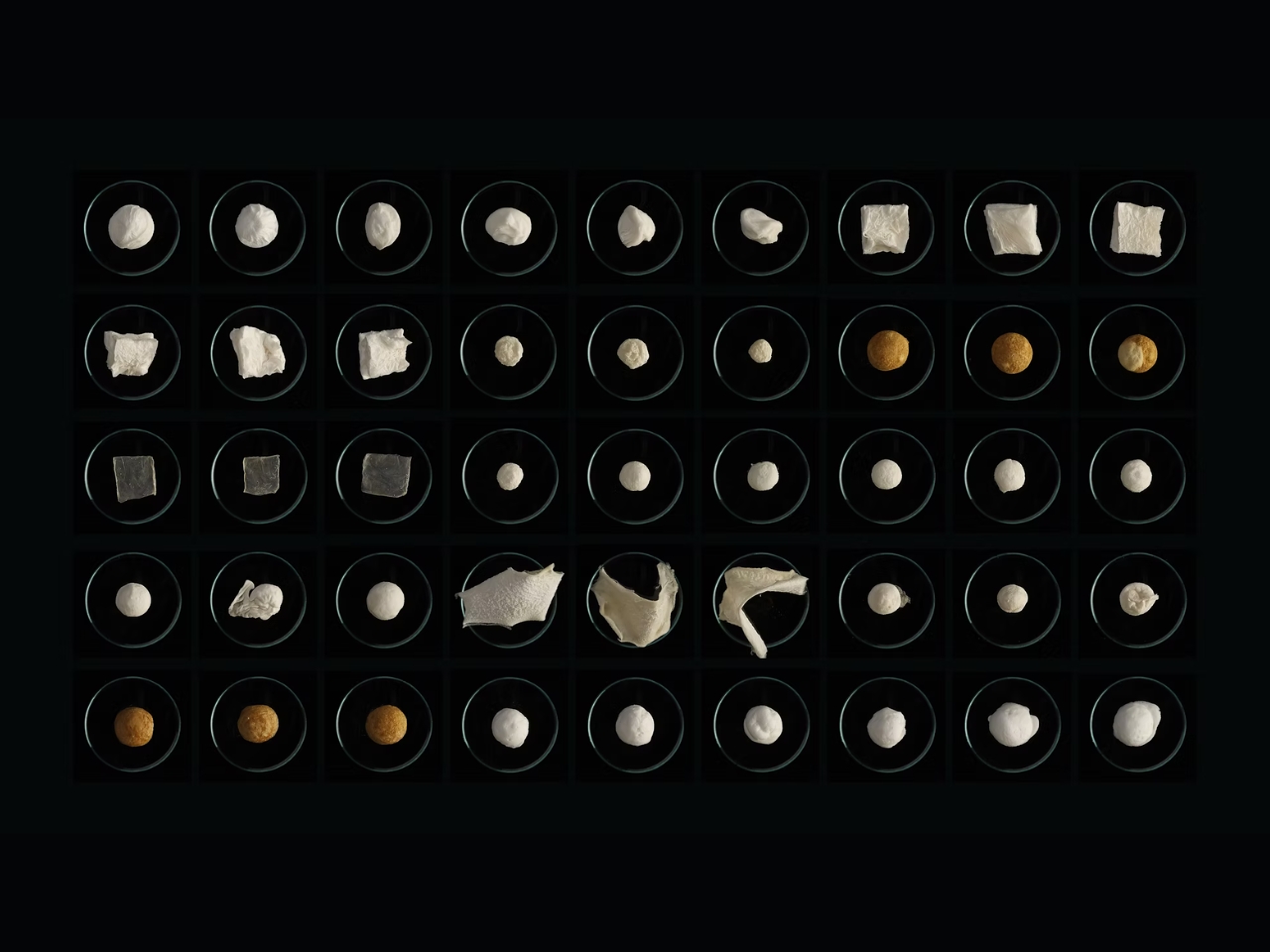
Levy made the xerogel herself in the CSM Grow Lab using non-toxic, largely food-safe ingredients, which is a stark contrast to the expanded plastic foams and synthetic refrigerants that line most conventional appliances. Inside, macrofluidic panels circulate cooled water to draw away heat while protecting the absorbent wool and xerogel from direct contact with food. The system has no moving parts, meaning it operates almost silently and with far less mechanical complexity than a standard compressor-based fridge. Based on recent scientific research, Levy believes it can ultimately be built entirely from bio-based ingredients, with activated carbon and ethanol serving as the absorbent and refrigerant.
If that all sounds niche, the bigger numbers are anything but. Levy told Dezeen that “researching refrigeration became a surprisingly radicalising experience,” and once you sit with why, it is genuinely hard to brush off. Refrigeration technology is currently responsible for eight percent of global greenhouse gas emissions, roughly three times the output of the entire aviation industry. The way we manufacture cold, in short, is actively making the planet hotter.
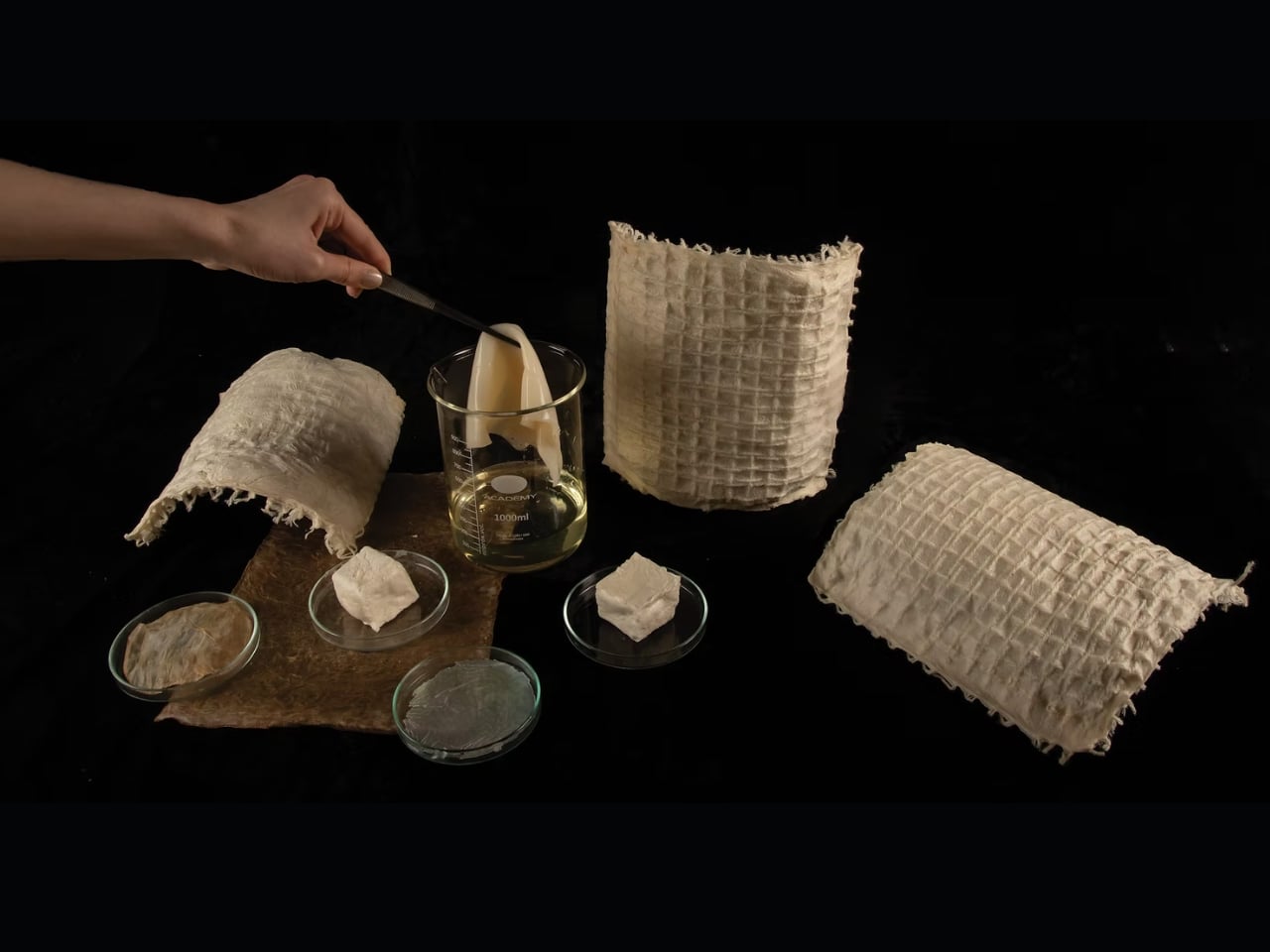
We talk constantly about electric vehicles, fast fashion, and food waste. The refrigerator almost never comes up, probably because it is so embedded in domestic life that it has become effectively invisible. It sits there humming in the kitchen and nobody questions it. Levy did, and the result is a graduate project that earns the word radical without needing to be loud about it.
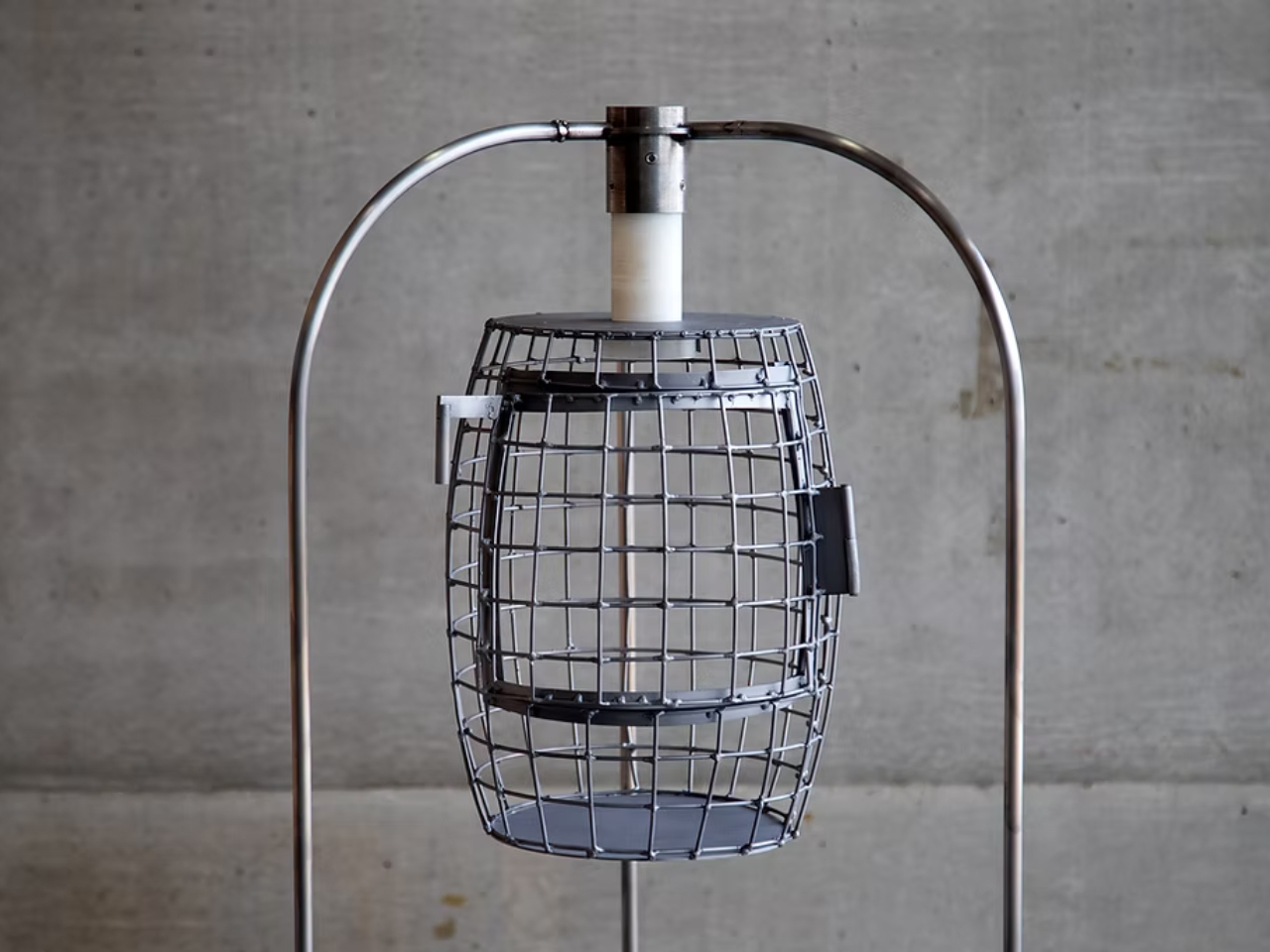
A fridge you find beautiful is a fridge you hold onto. That is not a trivial point. One of the most persistent drivers of material waste is the disposability that comes from indifference, and sustainable design struggles when it is joyless or punishing to live with. Xero Cool is neither. It is organic-looking, tactile, nearly silent, and genuinely striking. It treats the kitchen as a space worth caring about aesthetically, not just functionally.
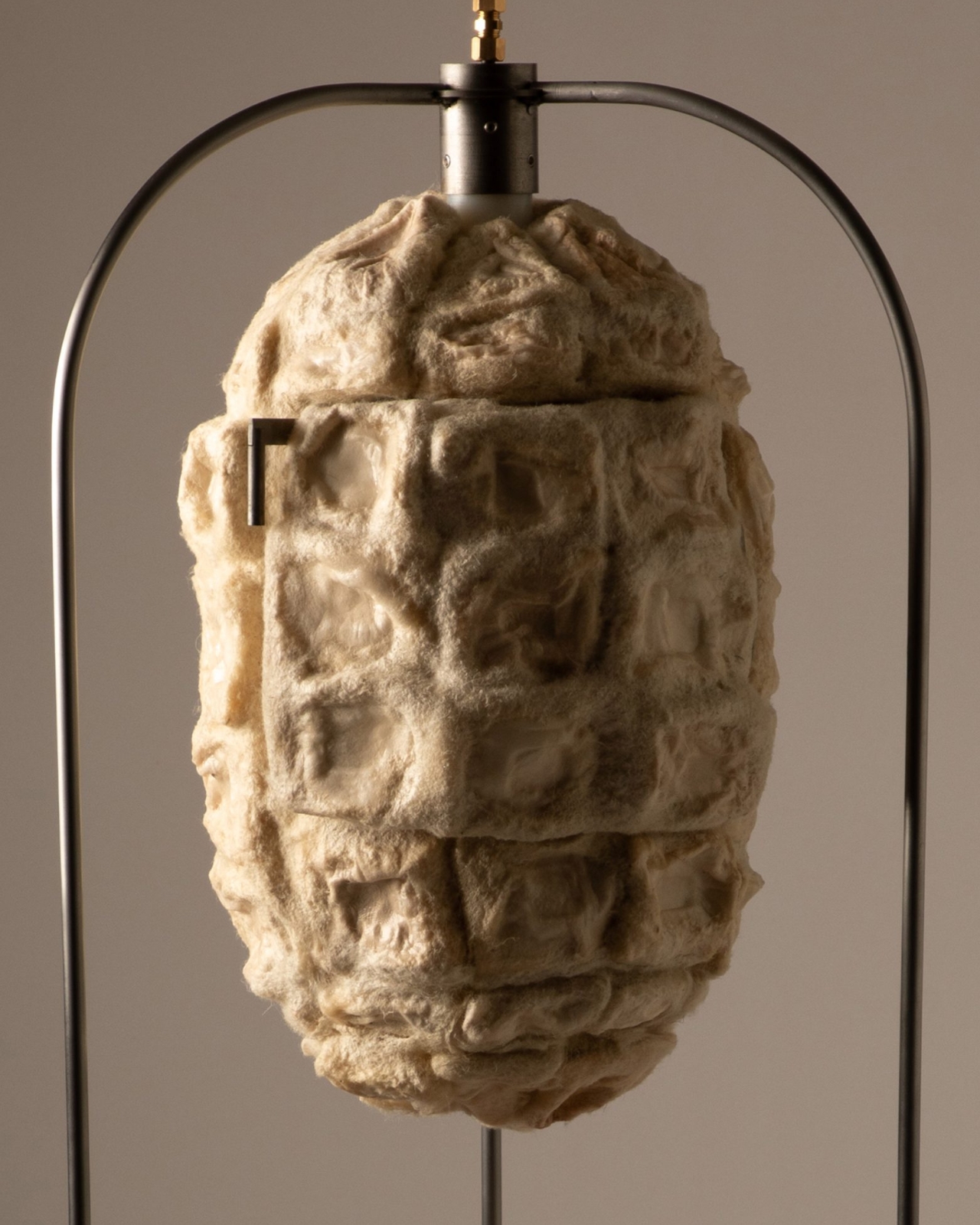

The aesthetic argument Levy makes is also worth sitting with. She observed that the fridge’s “heavy, clunky” and “sterile” look has remained largely unchanged since those early days of marketing it to anxious mothers. Function was always placed above form, and the design simply never got questioned. Xero Cool proposes that both can coexist, and it does so convincingly.
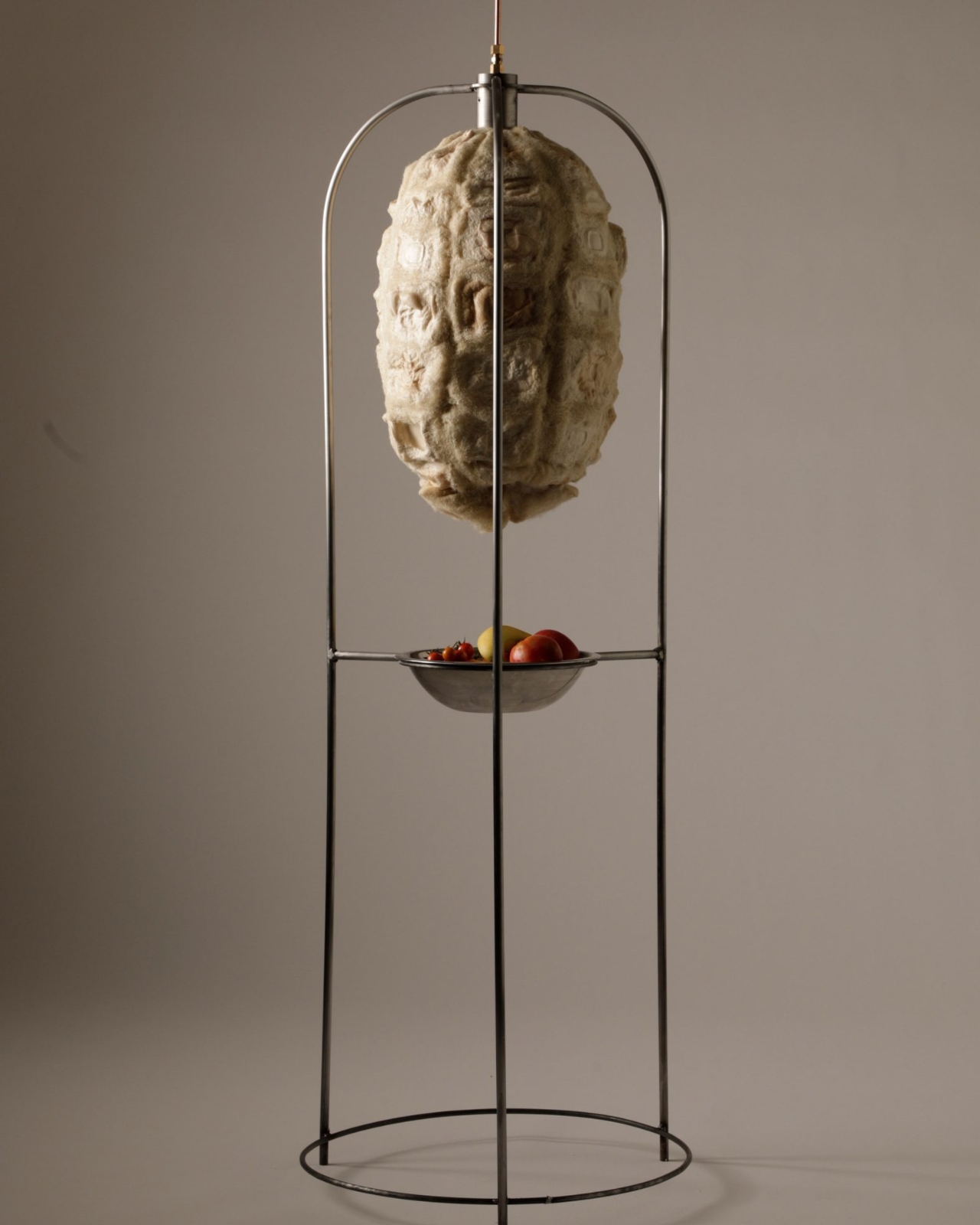
Graduate design projects are often speculative gestures, beautiful ideas that never survive the leap from degree show to production. Whether Xero Cool makes that journey is still an open question. But a graduating student producing something this materially rigorous, this ecologically conscious, and this visually considered is a signal worth paying attention to. The fridge has been boring long enough. Time to let it grow.