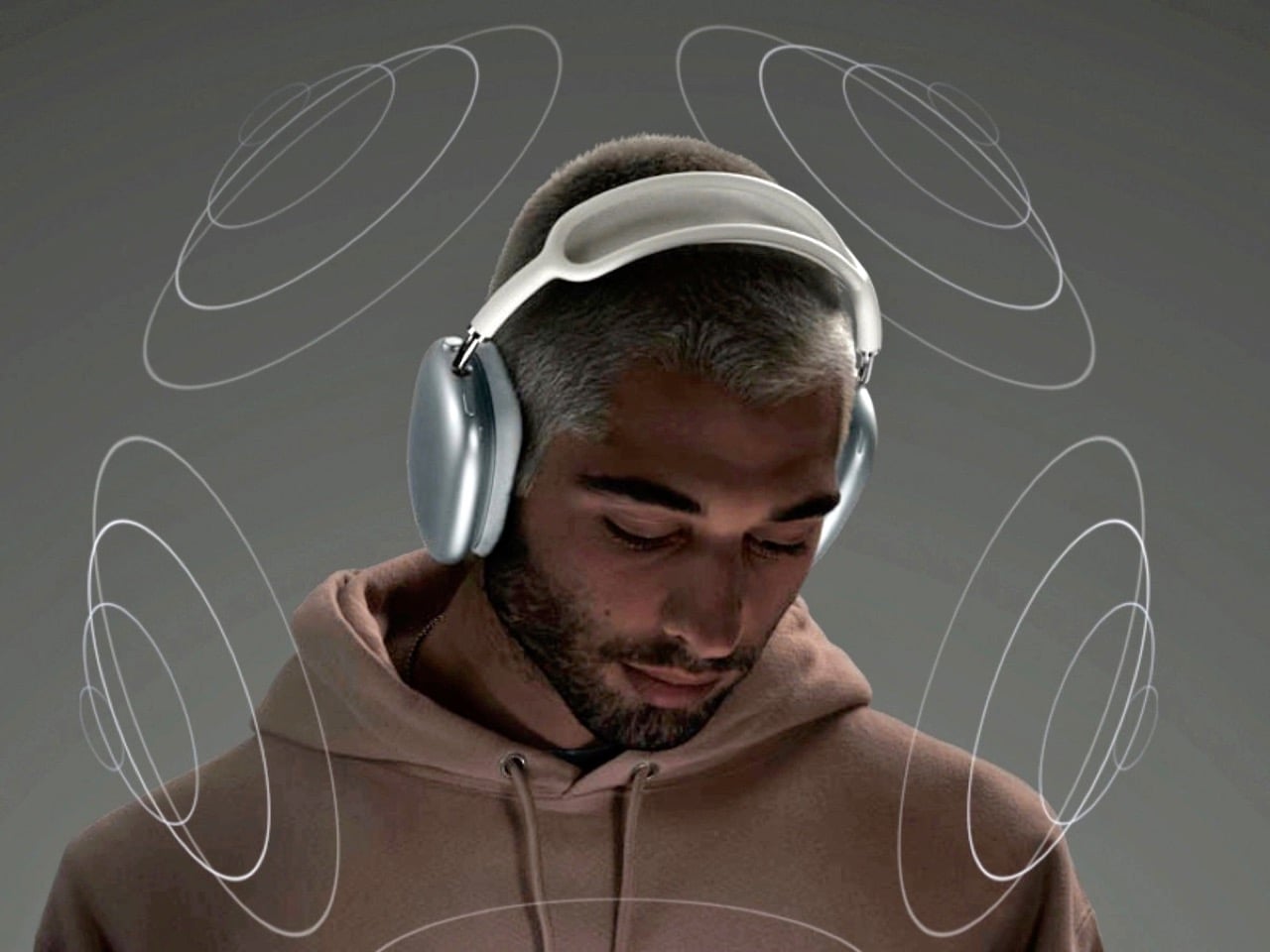

Apple has a playbook for innovation that often involves letting a feature mature elsewhere before adopting it, gift-wrapped, as a profound breakthrough. Widgets appeared on the iPhone long after becoming an Android signature, presented not as a catch-up but as a thoughtful redesign. A calculator app on the iPad took nearly 15 years to become reality. Multitasking came years after Android got it, packaged as Stage Manager. Even the simple act of circling an item to search for it, a trick already familiar on other platforms, is being framed as a new kind of magic. That same playbook is now being run on the AirPods Max 2’s equalizer, a feature that was conspicuously absent when the $549 headphones launched four months ago but has now arrived with the July 14 public beta of iOS 27.
The implementation is classic Apple. The new Equalizer screen is lush and responsive, with an animated waveform that pulses to your music under three simple drag handles: Low, Mid, and High. It feels intuitive, and it looks alive on the screen. This is also a stark contrast to the multi-band or parametric controls that have been standard on flagship headphones from Sony and Bose for years. Just as with Widgets and Stage Manager, Apple has delivered the feature on its own terms and on its own timeline, handing users a beautifully designed tool that prioritizes aesthetic simplicity over the technical depth many owners of a $549 headphone were actually waiting for.
Designer: Apple
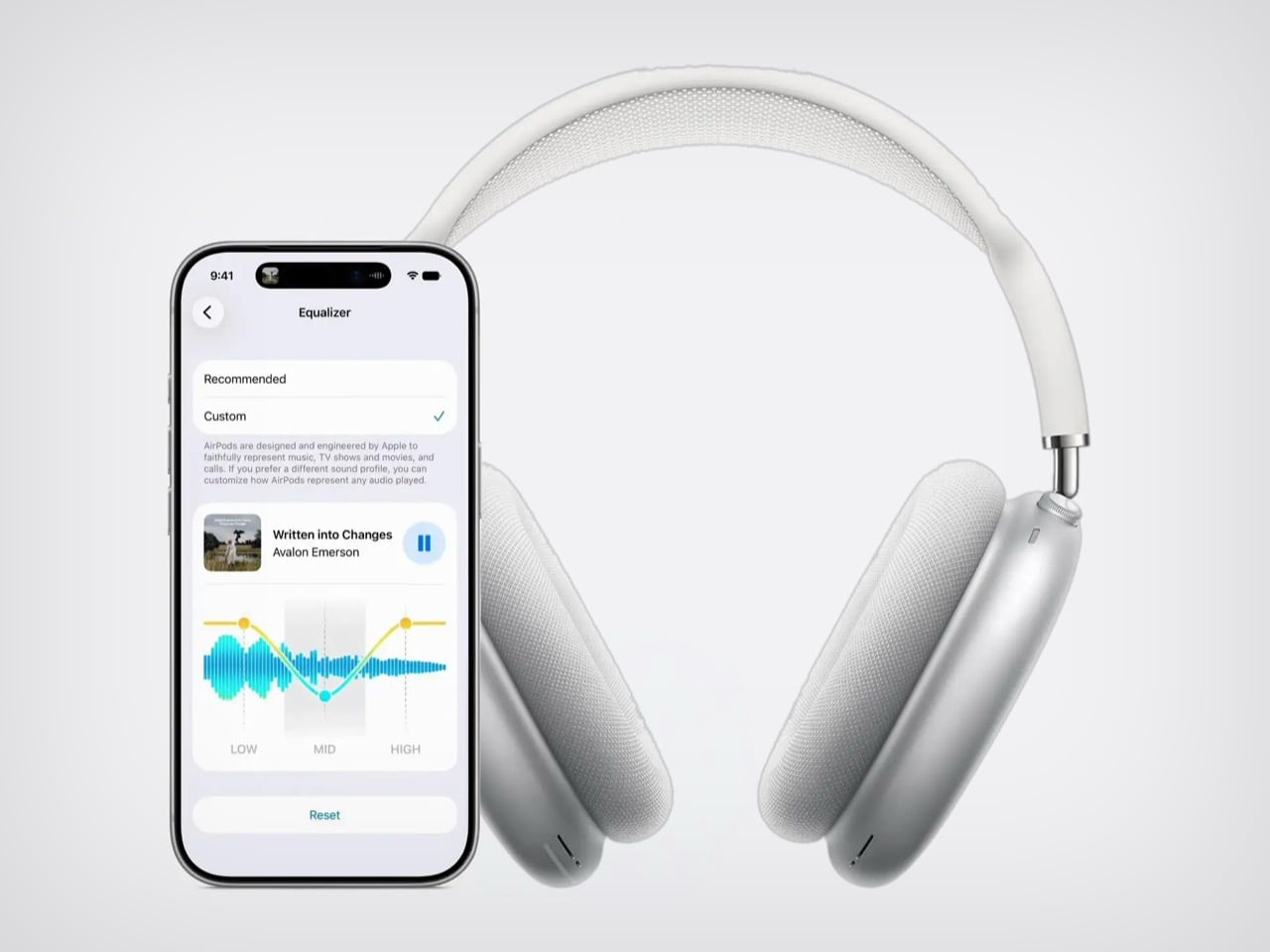
That polish, though, also reveals the limit of Apple’s ambition here. Three bands is enough to boost bass, pull back mids, or brighten the top end, but it is still a blunt instrument compared to the multi-band and parametric EQ controls that rivals like Sony and Bose have offered on flagship headphones for years. For casual listeners, that may be perfectly fine. Most people do not want to think in frequencies, Q values, or narrow corrective cuts. They want vocals clearer, bass deeper, and harshness reduced. Apple’s interface serves that audience beautifully.
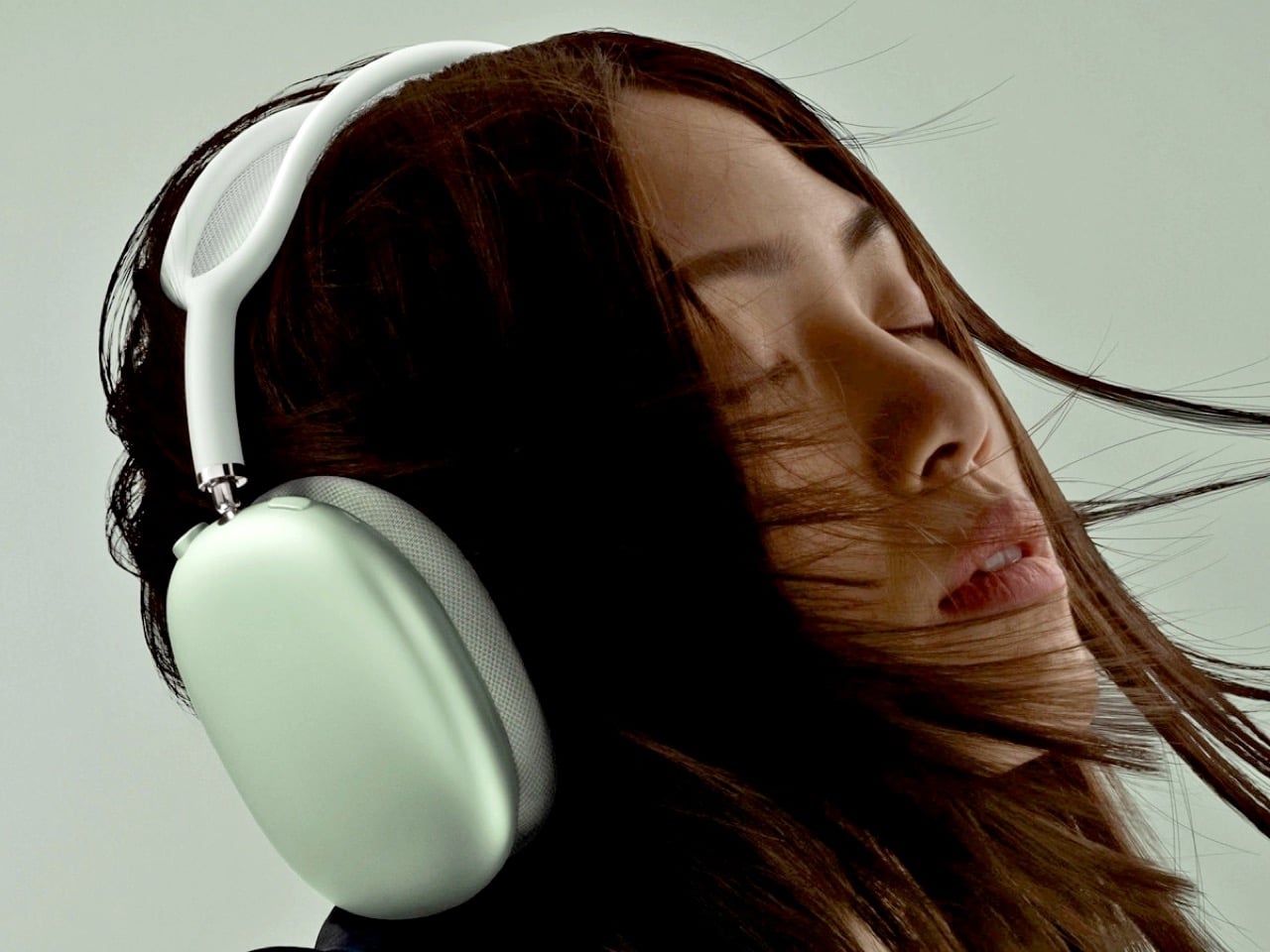
The problem is that Apple has spent real effort positioning the AirPods Max 2 as a premium audio product for creators, podcasters, and Logic Pro adjacent workflows. In that context, a three-band EQ feels less like a full correction and more like the minimum viable answer to a very public complaint. Reviews at launch repeatedly called out the absence of manual EQ, and this update finally closes that gap. What it does not do is move the AirPods Max 2 into the same conversation as tools built for more serious sound shaping.
That leaves the update in a very Apple place: fashionably late, classically elegant, and strategically simplified. The custom EQ finally gives AirPods Max 2 owners control they should have had from day one, but it also reinforces the company’s longstanding instinct to decide how much control its users really need. For some buyers, this will feel like a thoughtful refinement. For others, especially anyone spending $549 on over-ear headphones with professional aspirations, it may feel like Apple arrived to the party with a beautifully wrapped gift everyone else opened years ago.