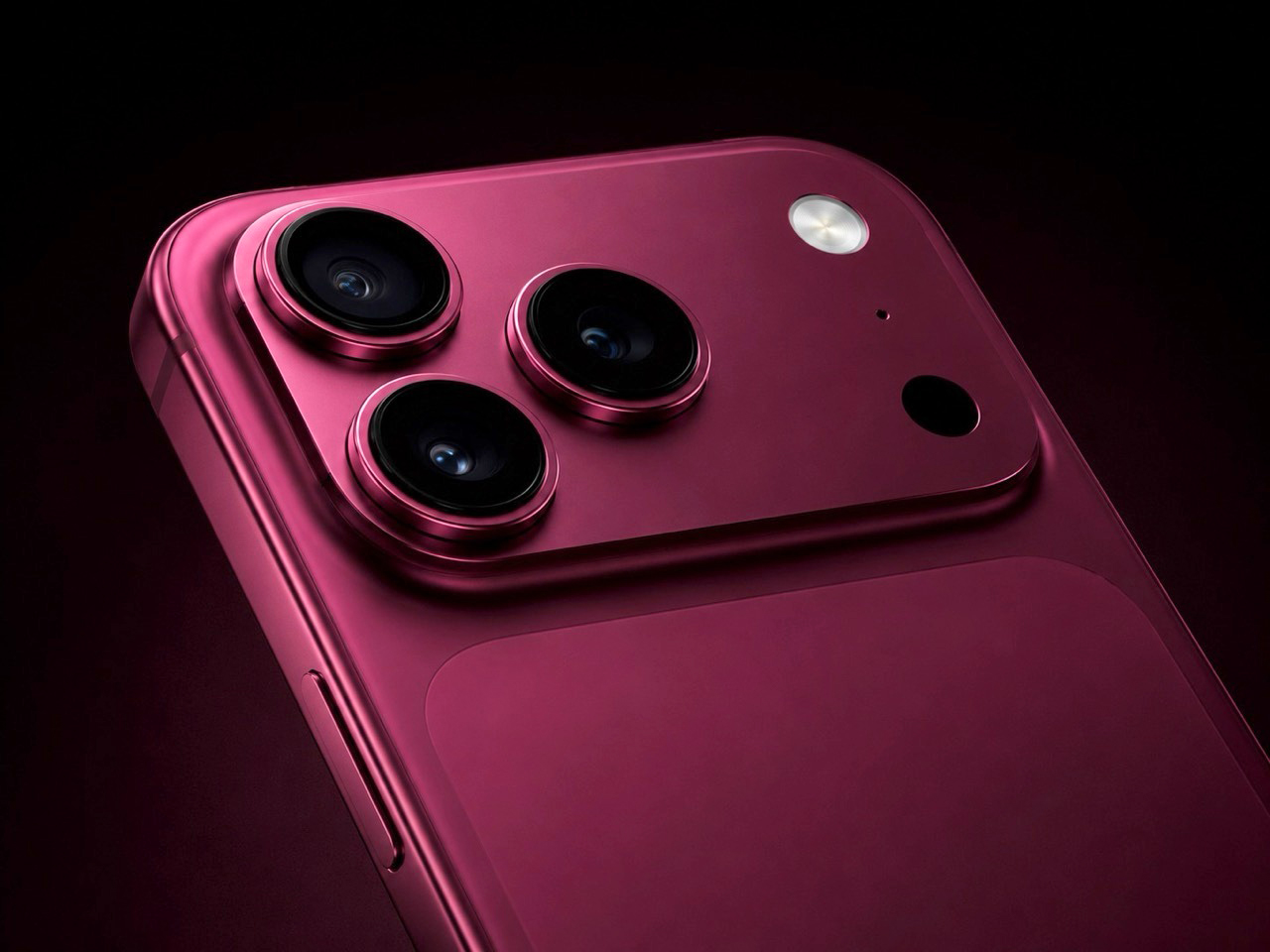

Nineteen years is a long time to run the same play. Every September, Apple walked out with the full iPhone lineup, shook the room, and watched the world queue up. That rhythm now looks set to break. The latest round of supply-chain reporting suggests Apple will split the iPhone 18 cycle in two, with the iPhone 18 Pro, Pro Max, and a first-gen foldable arriving in fall 2026, while the standard iPhone 18, iPhone 18e, and possibly a second Air model slip to spring 2027. Analyst Ming-Chi Kuo has outlined the broad two-phase roadmap, and recent reports have tied the spring delay to comments from Largan Precision chairman Tony Chen, who referenced a major U.S. customer moving one launch into early 2027.
MacRumors, PhoneArena, and Mashable have all converged around that same basic timeline, even if the reporting still traces back to the same analyst and supply-chain trail. The broad picture is consistent: Apple’s premium iPhones go first, the cheaper and higher-volume models come later. If that holds, it would mark the biggest shake-up to Apple’s iPhone calendar in years, especially for a company that has spent nearly two decades training customers to expect the full lineup in one September burst. The standard iPhone 18’s absence from that fall event would instantly become part of the reveal.
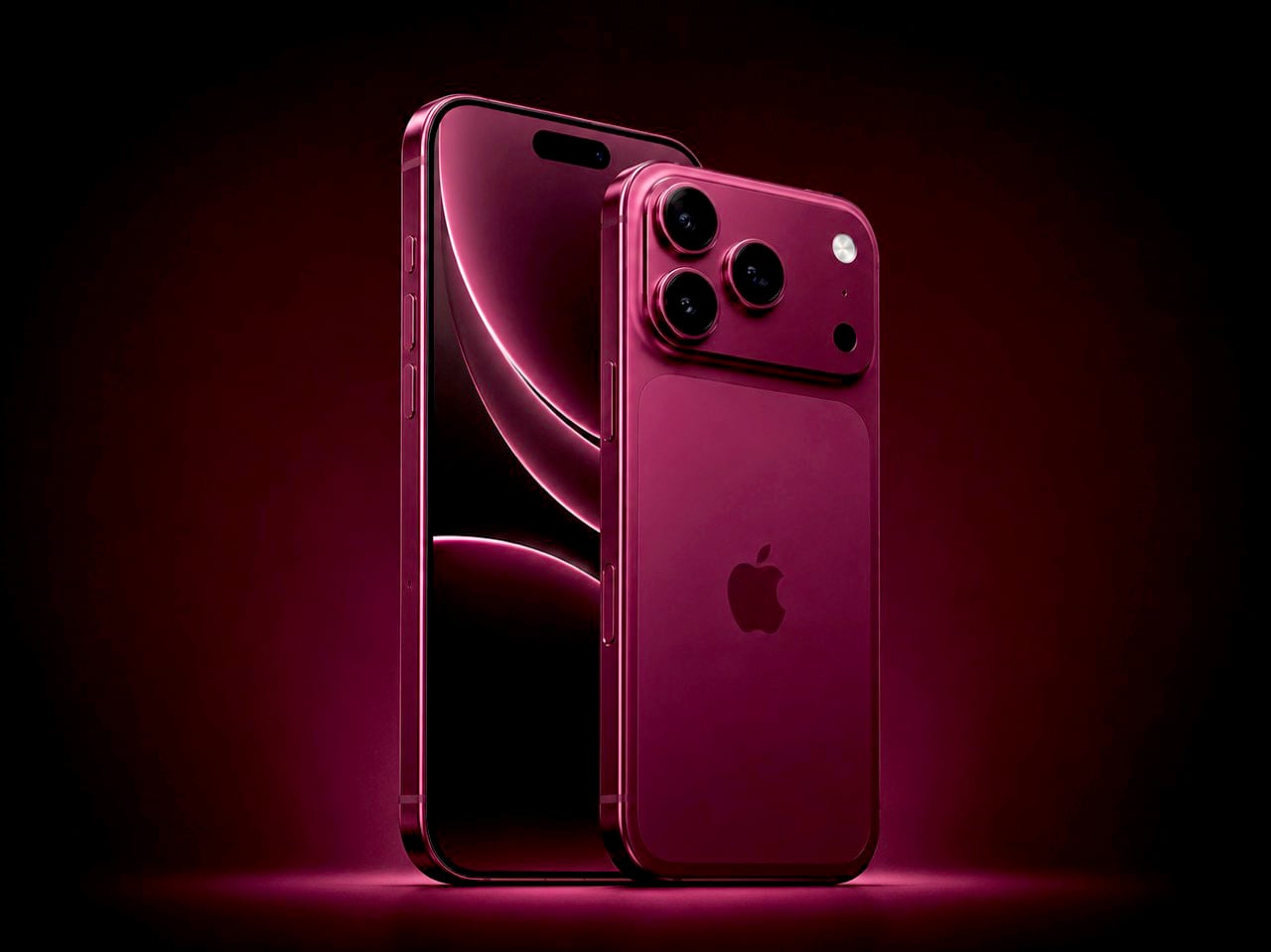

The practical explanation is easy enough to understand. A foldable iPhone adds complexity, premium models are easier to prioritize early, and Apple has increasingly used its top-end devices to debut the newest silicon, camera systems, and AI experiences. But the timing also fits Apple’s business logic almost perfectly. The Pro line delivers stronger margins, and it is also the tier best positioned to carry Apple Intelligence in its fullest form if memory, chip performance, and feature access continue to separate the lineup. A split launch gives Apple an entire holiday cycle where the newest iPhones on shelves are also the most expensive ones.
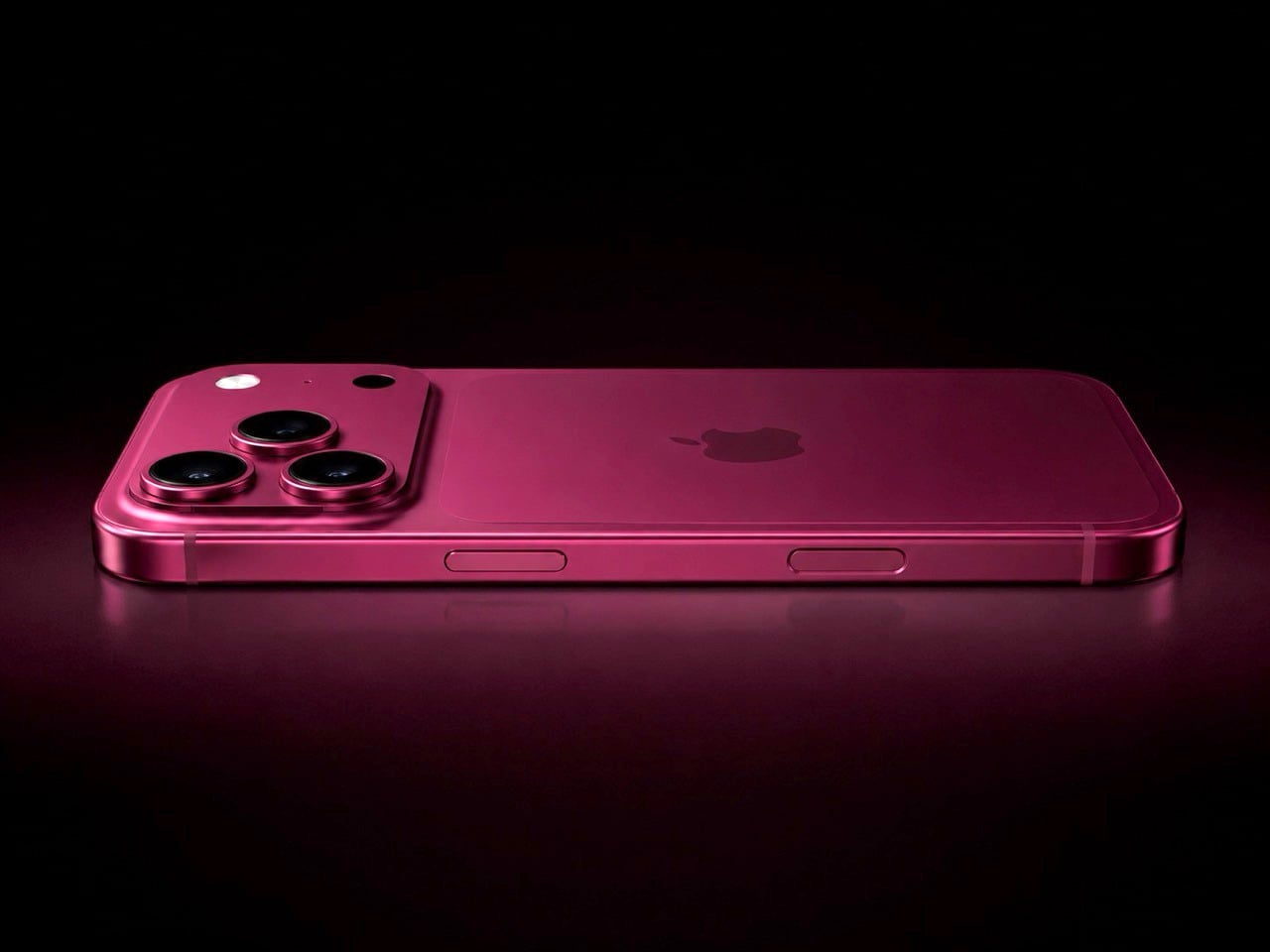
That is where the psychology starts to matter. Most people do not treat an iPhone launch like a spreadsheet exercise. They upgrade when the keynote is fresh, when trade-in offers are active, and when the new devices are physically available. In that environment, the standard iPhone 18 becomes the phone for people willing to sit out the excitement and return months later. The majority will not. They will buy what is new, visible, and available, which means the Pro line absorbs buyers who might otherwise have chosen the standard model if both had launched together.
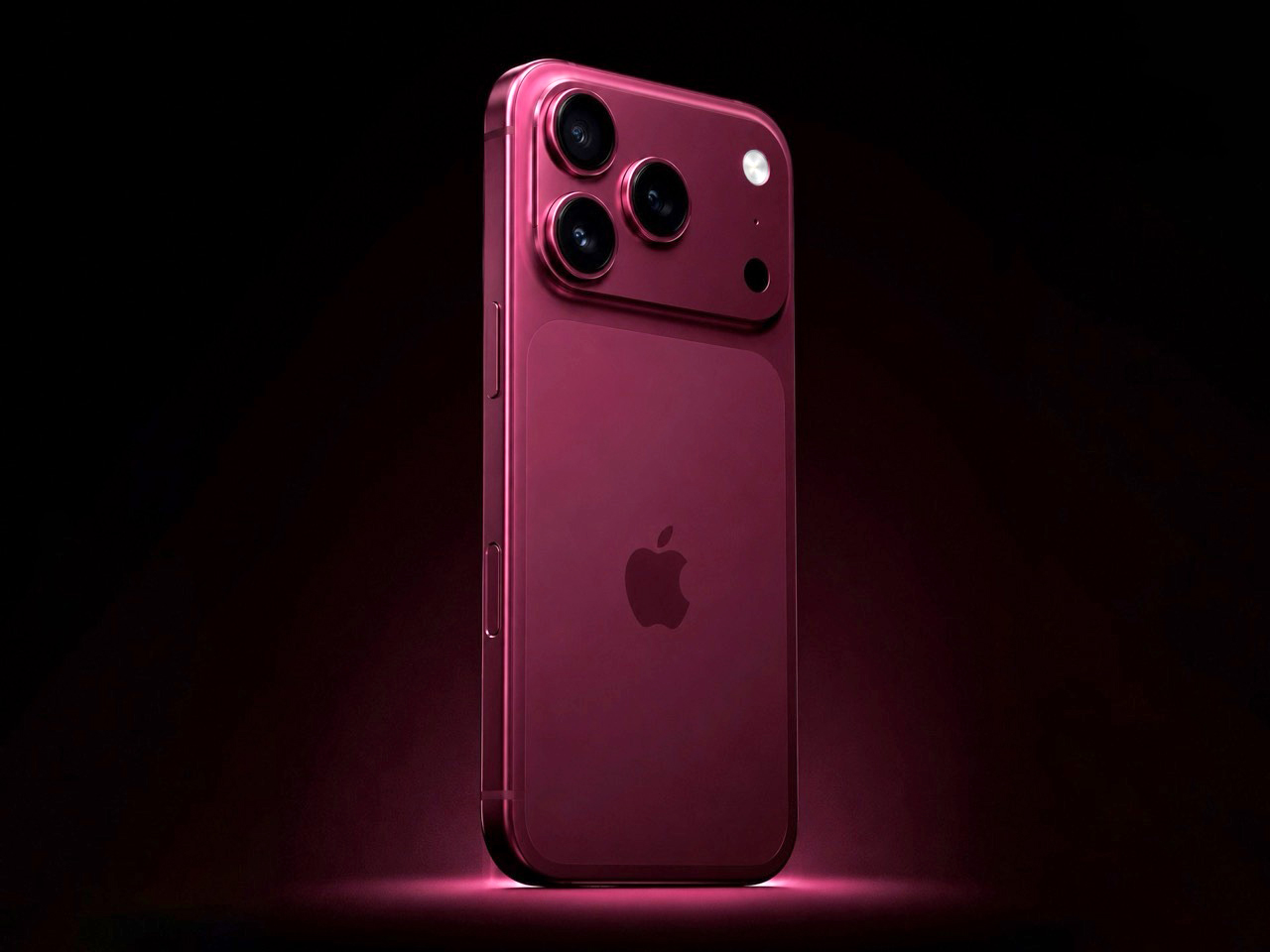
A foldable above the Pro Max only sharpens that effect. Once Apple places a much more expensive device at the top of the ladder, the Pro starts to feel comparatively attainable. That is a powerful piece of pricing psychology, especially in a lineup where the base model is temporarily missing from the conversation. So yes, the headline is that the iPhone 18 may have slipped to 2027. The more interesting story is what that slip does for the rest of the lineup, because splitting the launch would change more than Apple’s calendar. It would change the role of the standard iPhone itself.