Remember the movie Big? Tom Hanks, the carnival Zoltar machine, a kid who just wanted to grow up overnight. That film had a way of making wish-granting feel both magical and slightly unsettling, because the machine didn’t really know you. It just read the room and gave you what you asked for. Now, almost four decades later, Australian art and technology studio ENESS has built something that does the same thing but with significantly more data points, and the result is one of the more thought-provoking design pieces to come out of the 2026 festival circuit.
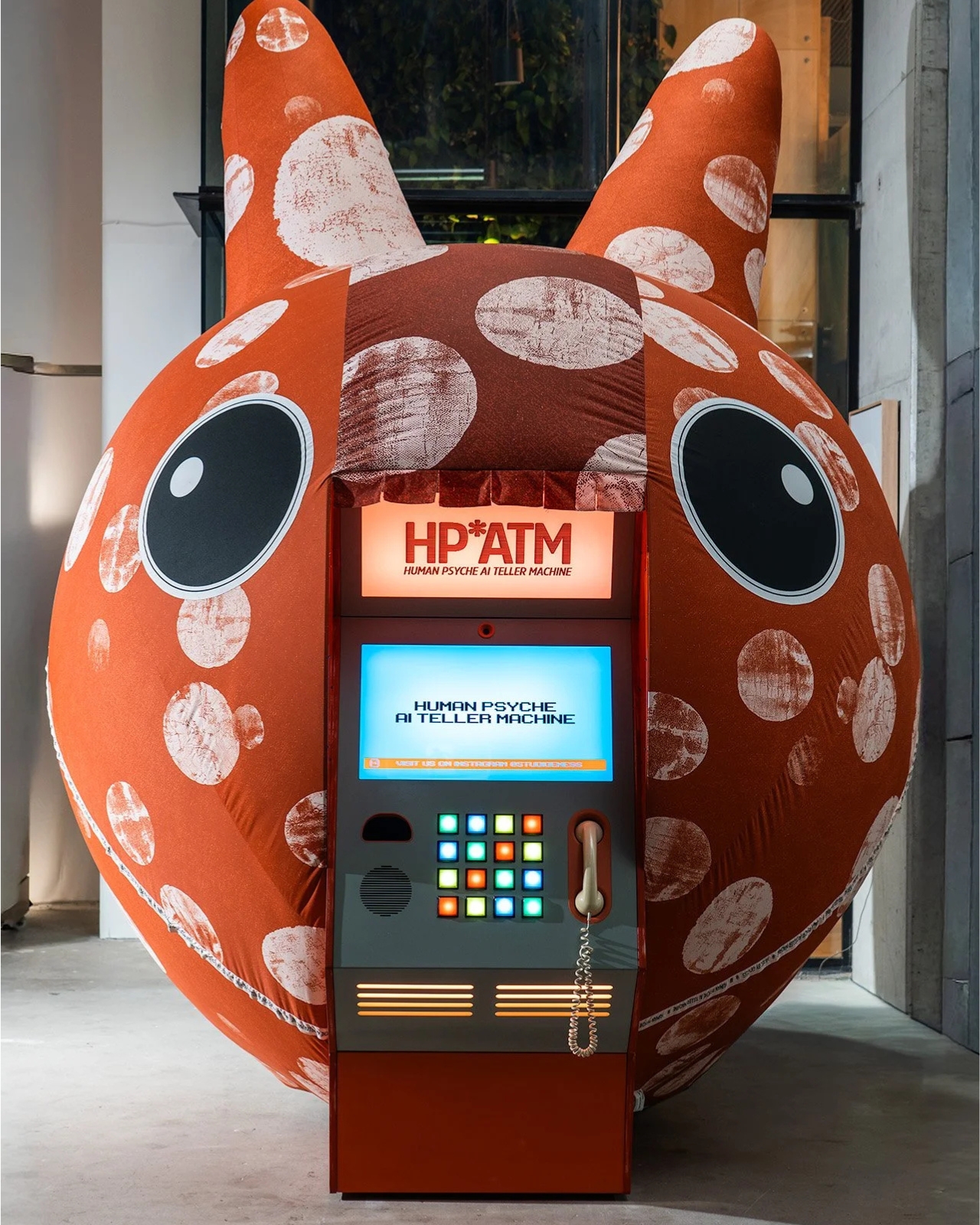
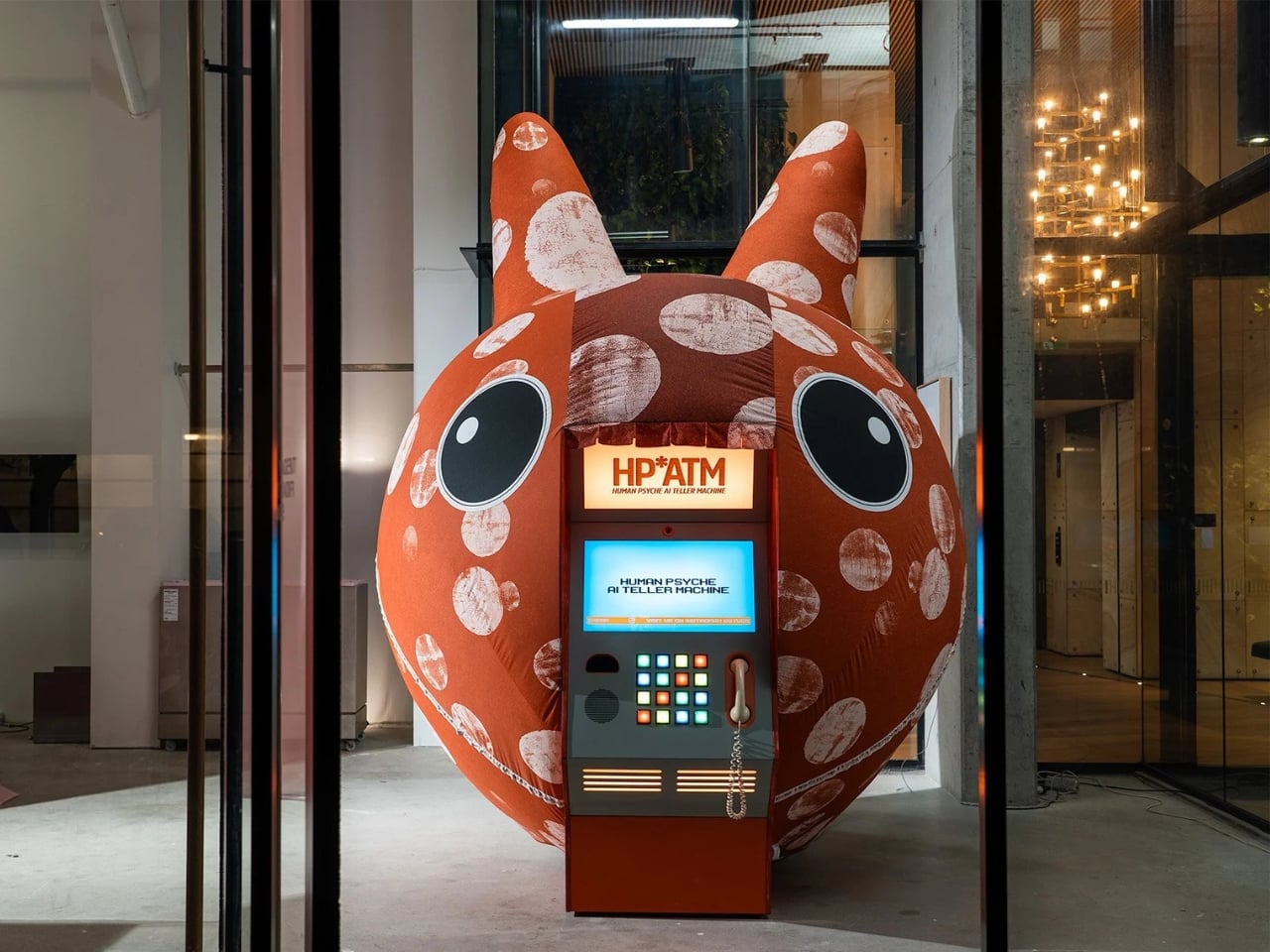
HP*ATM, which stands for Human Psyche AI Teller Machine, debuted at Illuminate Adelaide 2026 as part of an exhibition called Automation Bias. It looks exactly like what you’d expect from an old ATM, boxy and vintage, with colored buttons and a telephone handset forming part of the interface. But instead of dispensing cash, it dispenses something far more personal: a psychological reading based on your face, your palm, and a series of choices you make in the moment. ENESS founder Nimrod Weis drew direct inspiration from the Zoltar machine in Big, and the connection makes complete sense once you’re standing in front of it.
Designer: ENESS
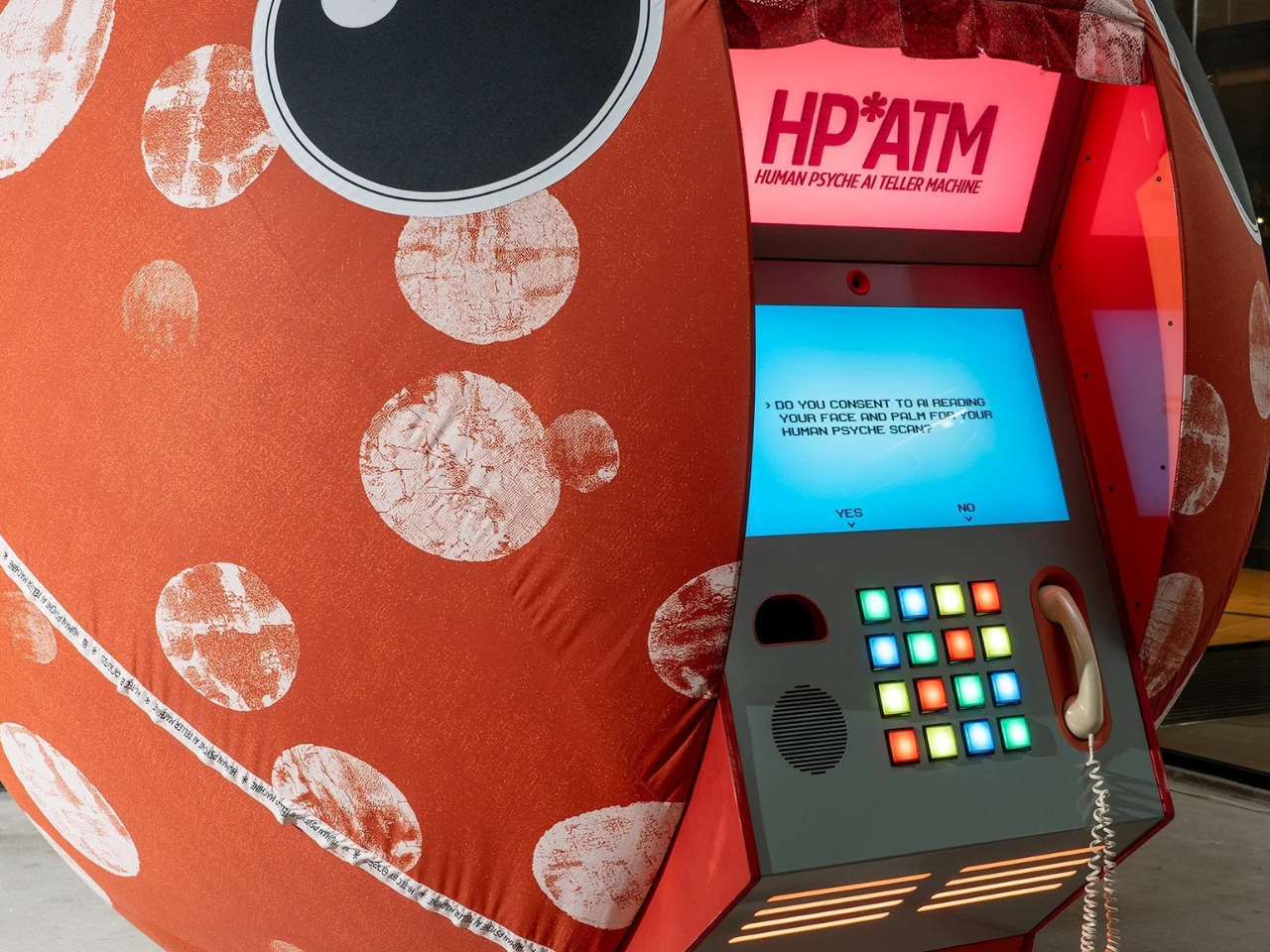
The premise is deceptively simple. You walk up, you consent (the screen literally asks, which is already more than most apps do), and the machine reads you. It analyzes your face and your palm, processes your button selections, and produces what the studio calls a “lyrical psychological reading.” You get a portrait of yourself, filtered through AI. And maybe that portrait is accurate. Maybe it’s not. But the more interesting question is: does it even matter? The moment you step up and say yes, you’ve already told the machine something about yourself.
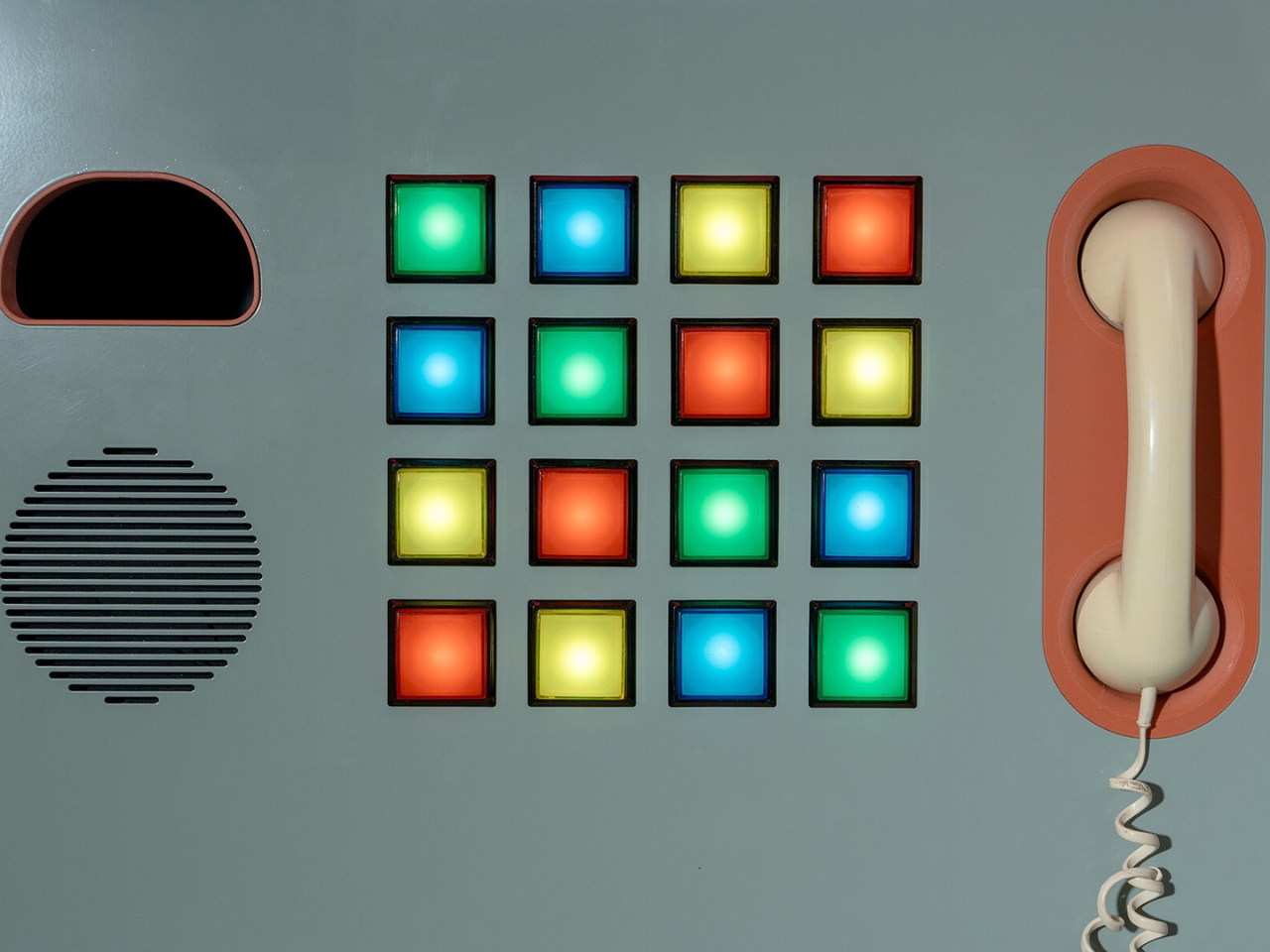
That’s exactly the territory ENESS is navigating here, and they do it in a way that feels playful rather than preachy. The installation isn’t trying to scare you about AI. It’s asking you to notice something you’re already doing in your daily life, handing over intimate data to systems that claim to understand you, often without the ceremony of a formal machine with colored buttons formally asking for your consent. The irony is that HP*ATM might be the most transparent AI interaction many people have ever had, because at least it’s honest about what it’s doing.
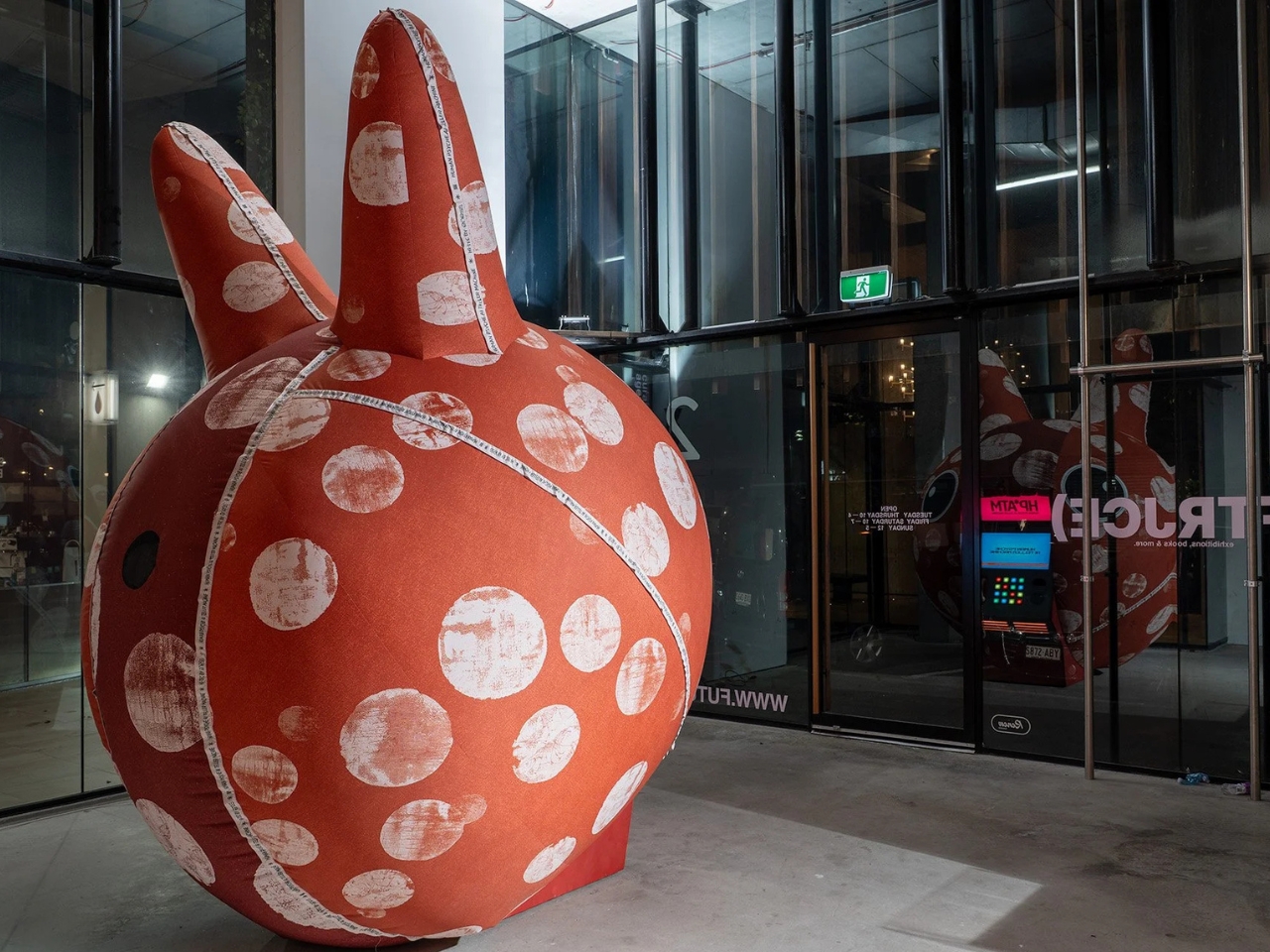
There’s a layer of humor baked into the whole thing, which is very much part of ENESS’ design language. The vintage ATM aesthetic is a deliberate choice. Weis has said the installation is meant to remind visitors that current AI systems might eventually look as dated as cash machines and landline phones. That’s a point worth sitting with. The technologies we currently regard with either reverence or a low-grade anxiety tend to look a lot less intimidating in hindsight, and ENESS is nudging you toward that perspective while you’re still in the middle of it all.
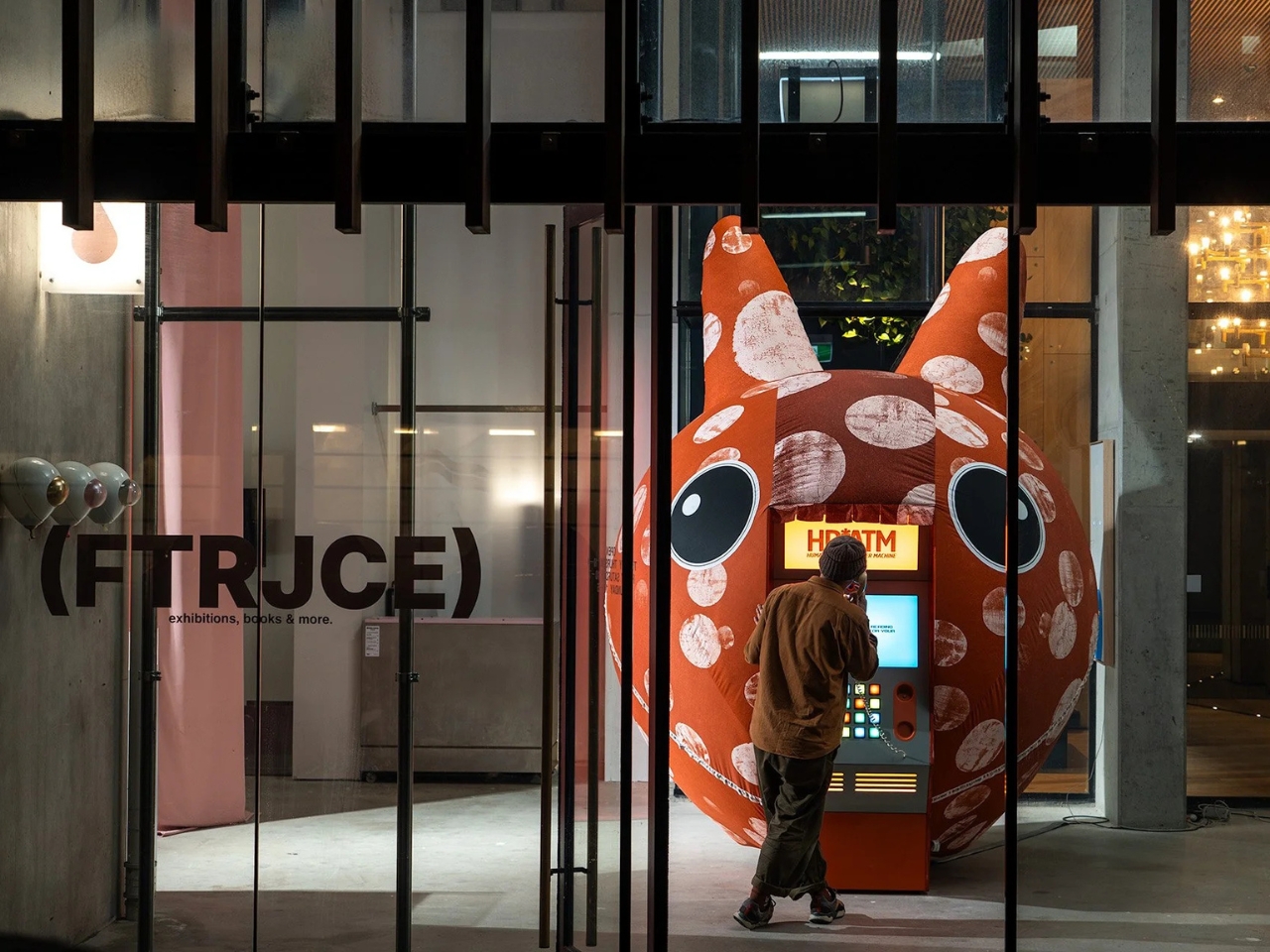
The act of not participating also becomes part of the artwork, and that’s where the piece gets genuinely interesting. If you walk up and decide not to engage, that choice still belongs to the installation. The machine doesn’t require you to perform for it, but it does invite you to think about why you’d hesitate. Why would you say no to an AI reading your face when you’ve already handed that same data to your phone, your laptop camera, and roughly half the apps you downloaded last year without bothering to read the terms? The answer probably says more about you than the machine ever could. The question isn’t rhetorical. It’s just honest.
HP*ATM runs through August 30, 2026, at FutureJuice in Adelaide, Australia. If you happen to be near it, stepping up to that machine and choosing yes or no is probably more thought-provoking than most things you’ll do on your phone that day. And if you’re not in Adelaide, the work still travels with you, because the questions it raises don’t stay in the gallery. They follow you home.