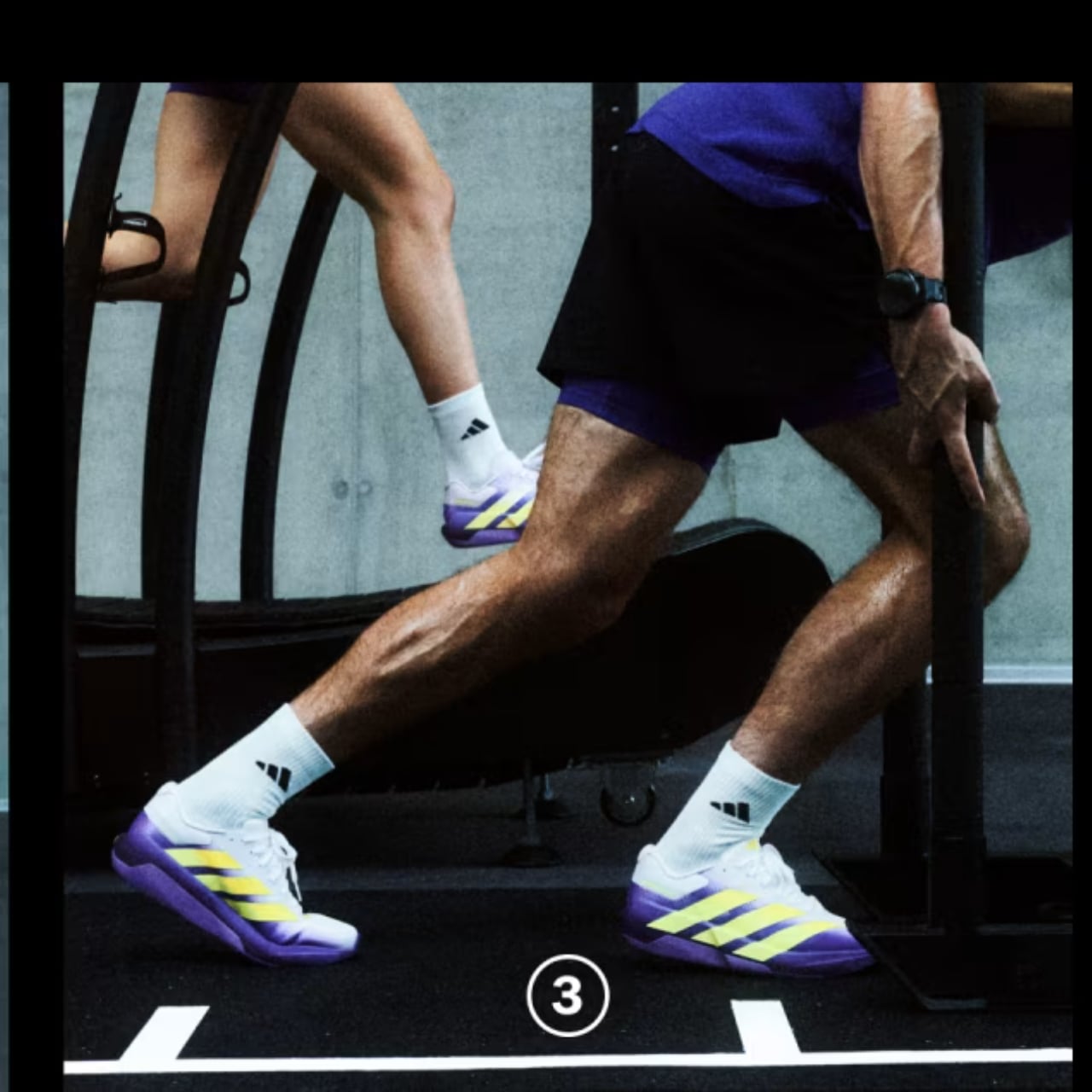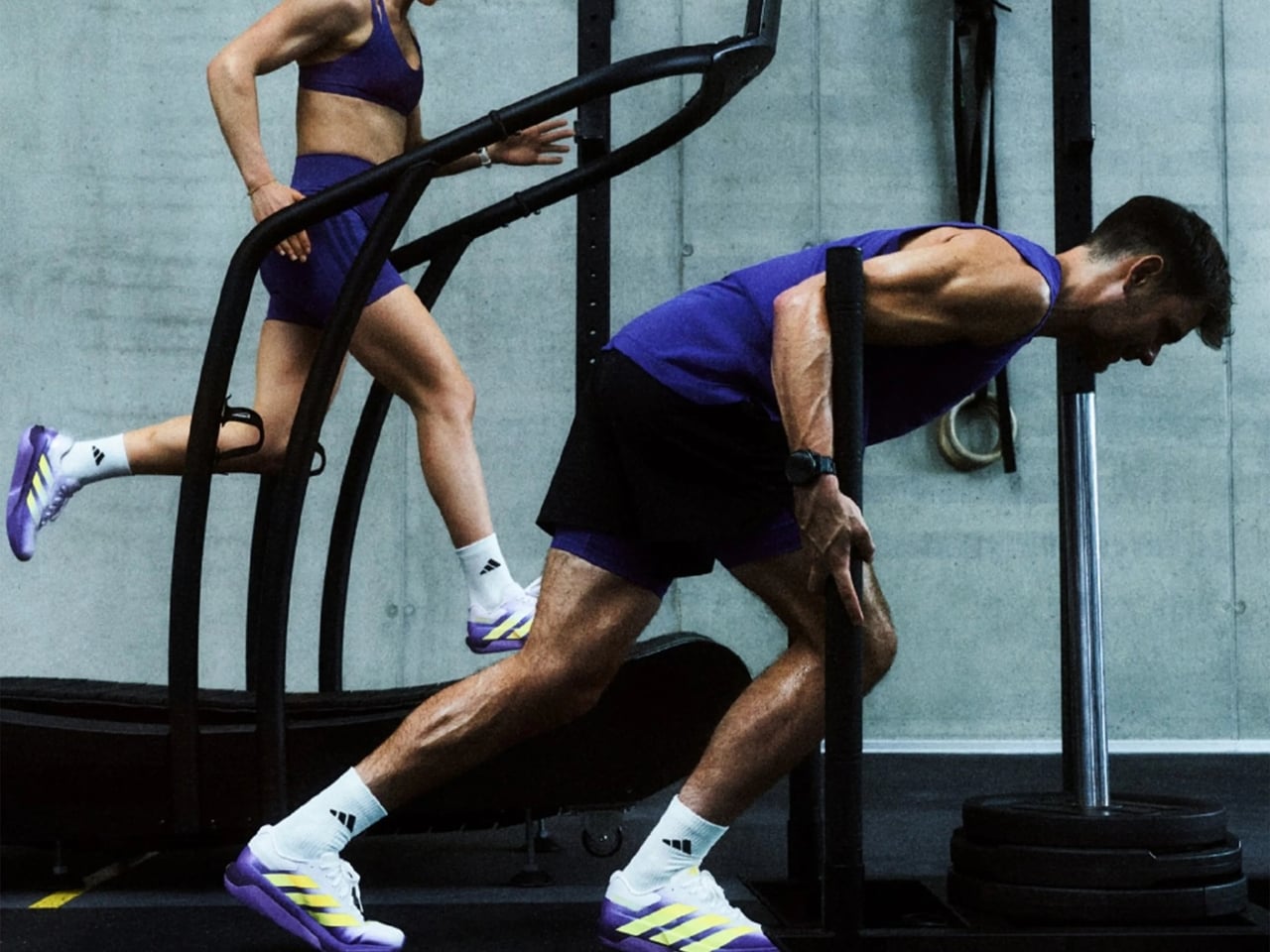
Most gym bags tell a story. For hybrid athletes, that story usually includes at least two pairs of shoes: one for running, one for lifting, and a creeping sense that neither is ever quite right for the moment you need it most. It’s the kind of inefficiency that gets quietly accepted because, until recently, no one had built a convincing alternative. Adidas has apparently decided to change that.
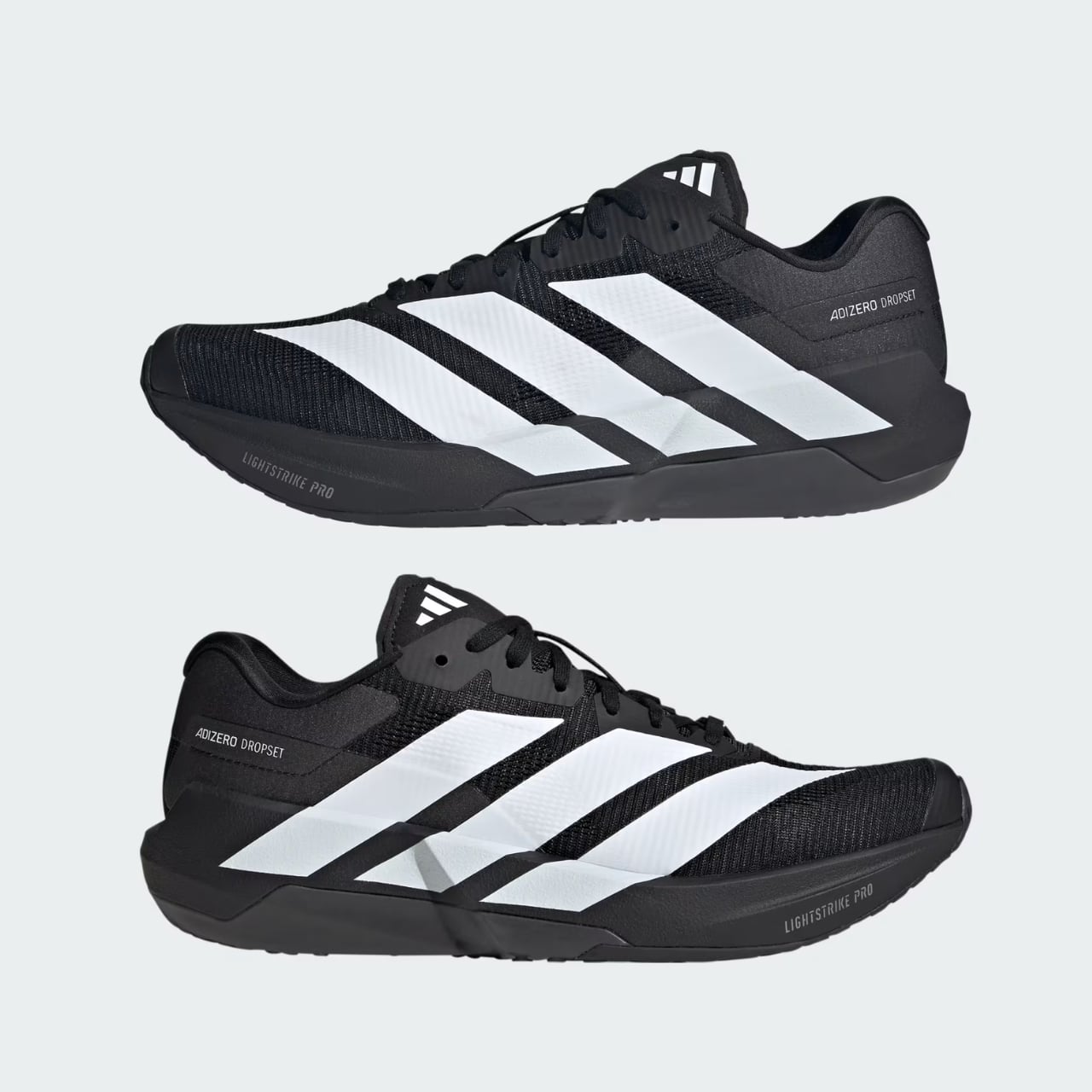
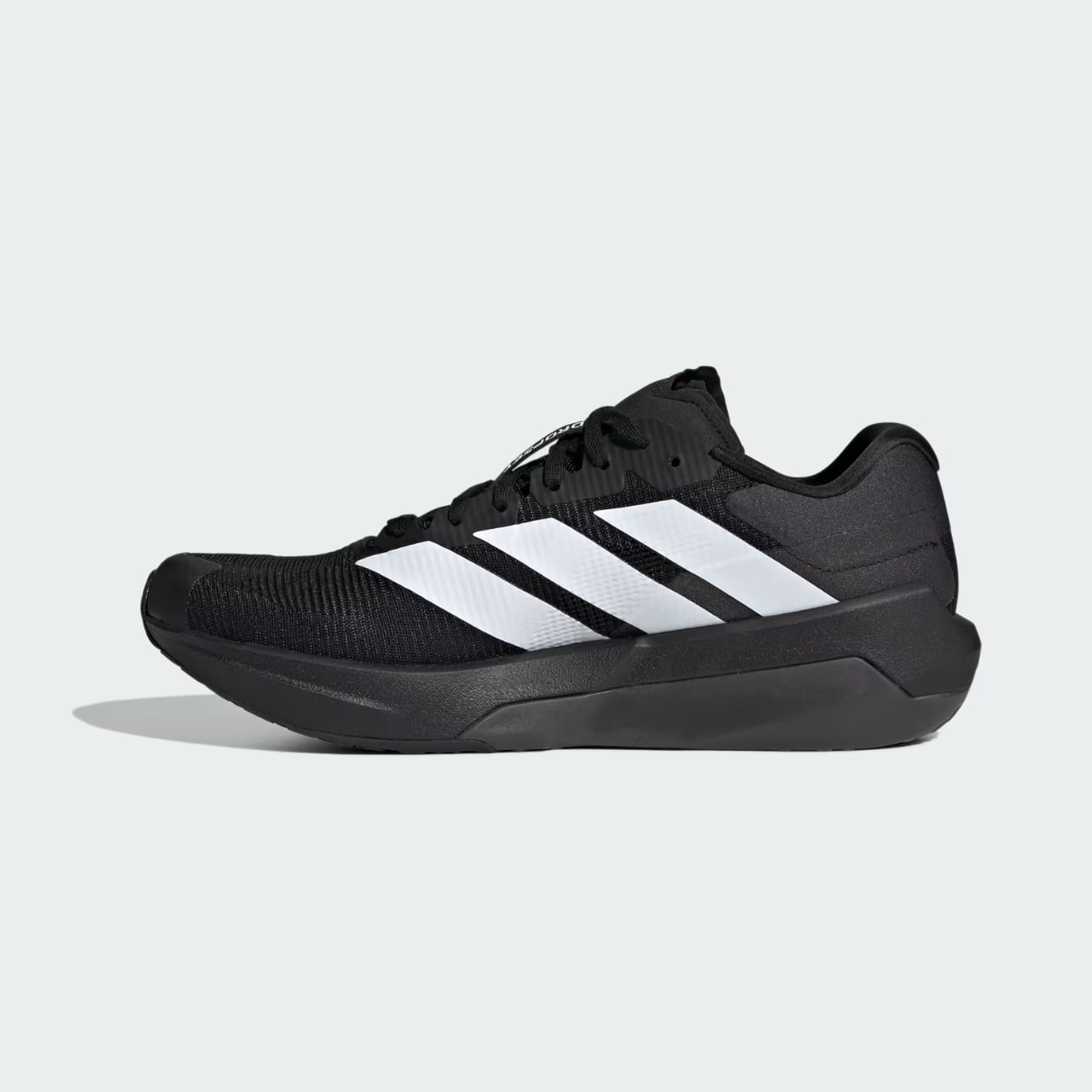
The Adizero Dropset Pro, launched on June 17, is the brand’s most aggressive answer yet to the hybrid training problem. It pulls technology from two of Adidas’s strongest lineages, the speed-obsessed Adizero racing series and the stability-focused Dropset training franchise, and merges them into a single shoe priced at $150. On paper, that sounds like the kind of thing every sneaker company promises. In practice, the details suggest Adidas might actually mean it this time.
Designer: adidas


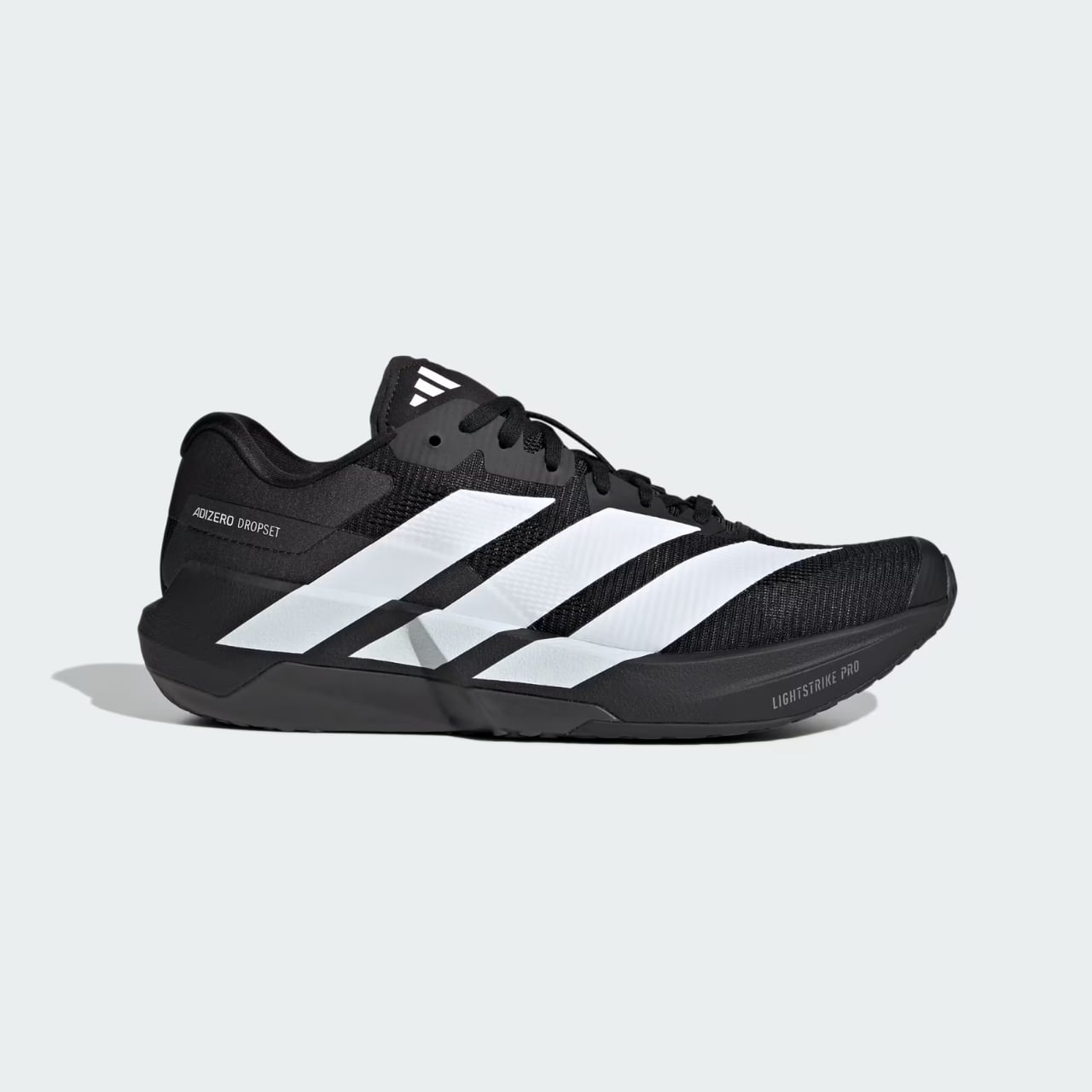
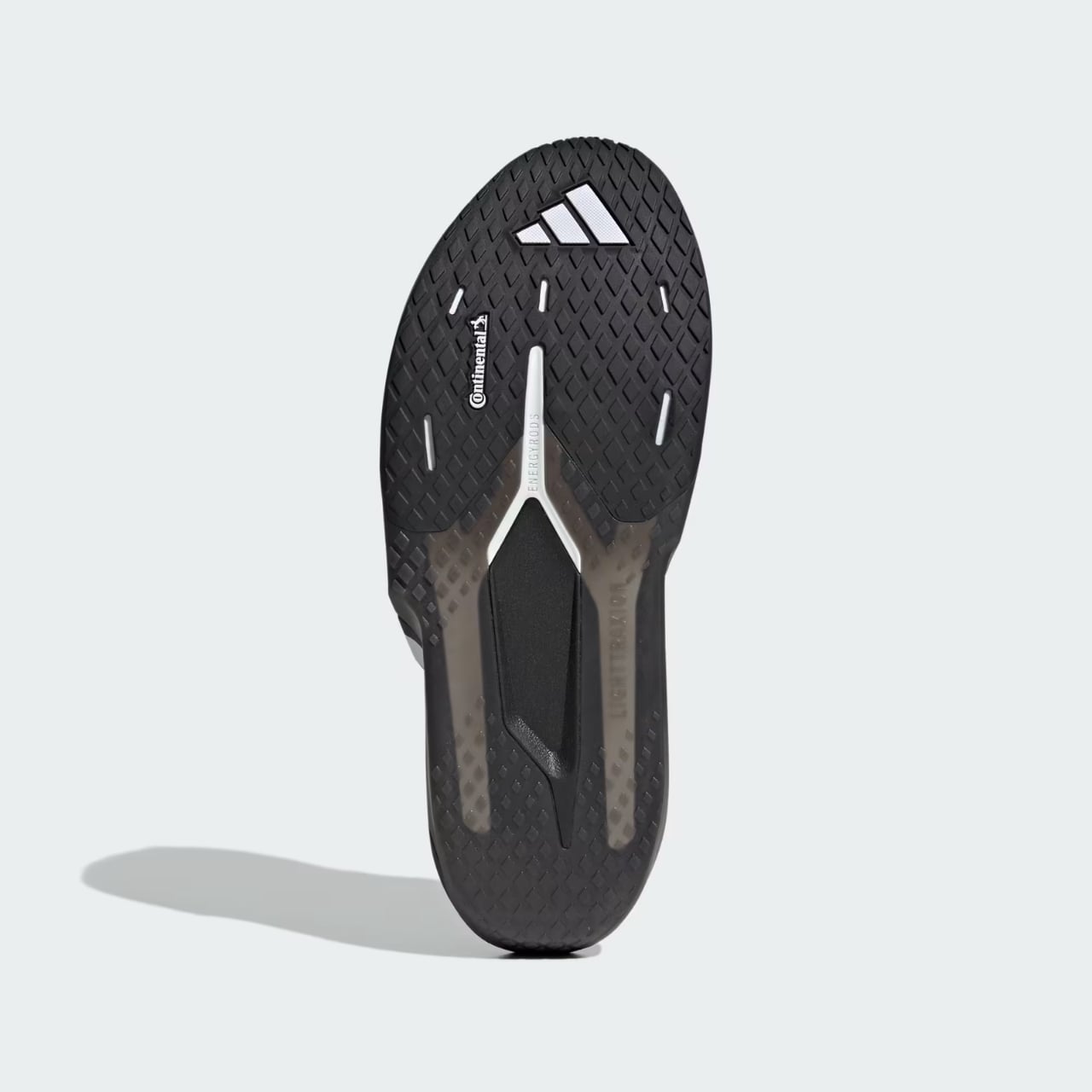
Start with the midsole. Lightstrike Pro foam, the same cushioning technology found in Adidas’s elite racing shoes, sits at the core of the Adizero Dropset Pro. It’s lightweight and responsive, built for forward momentum, which is exactly what you need when you’ve just finished a set of deadlifts and you’re heading into a 1K run. Energy Rods run through the midsole for propulsion, pushing you off the ground with the kind of efficiency that shaves seconds off your transitions without requiring you to think about it.
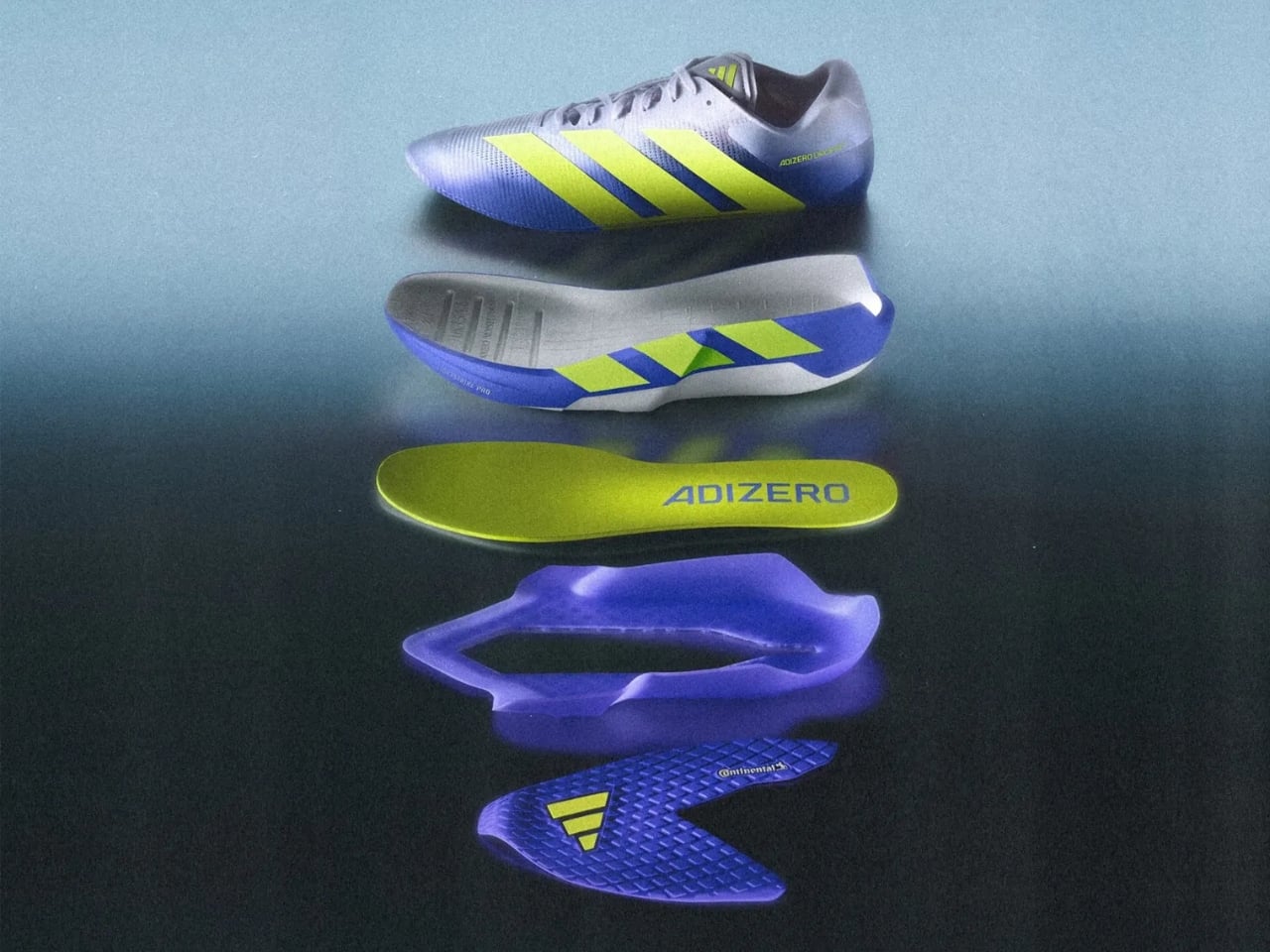
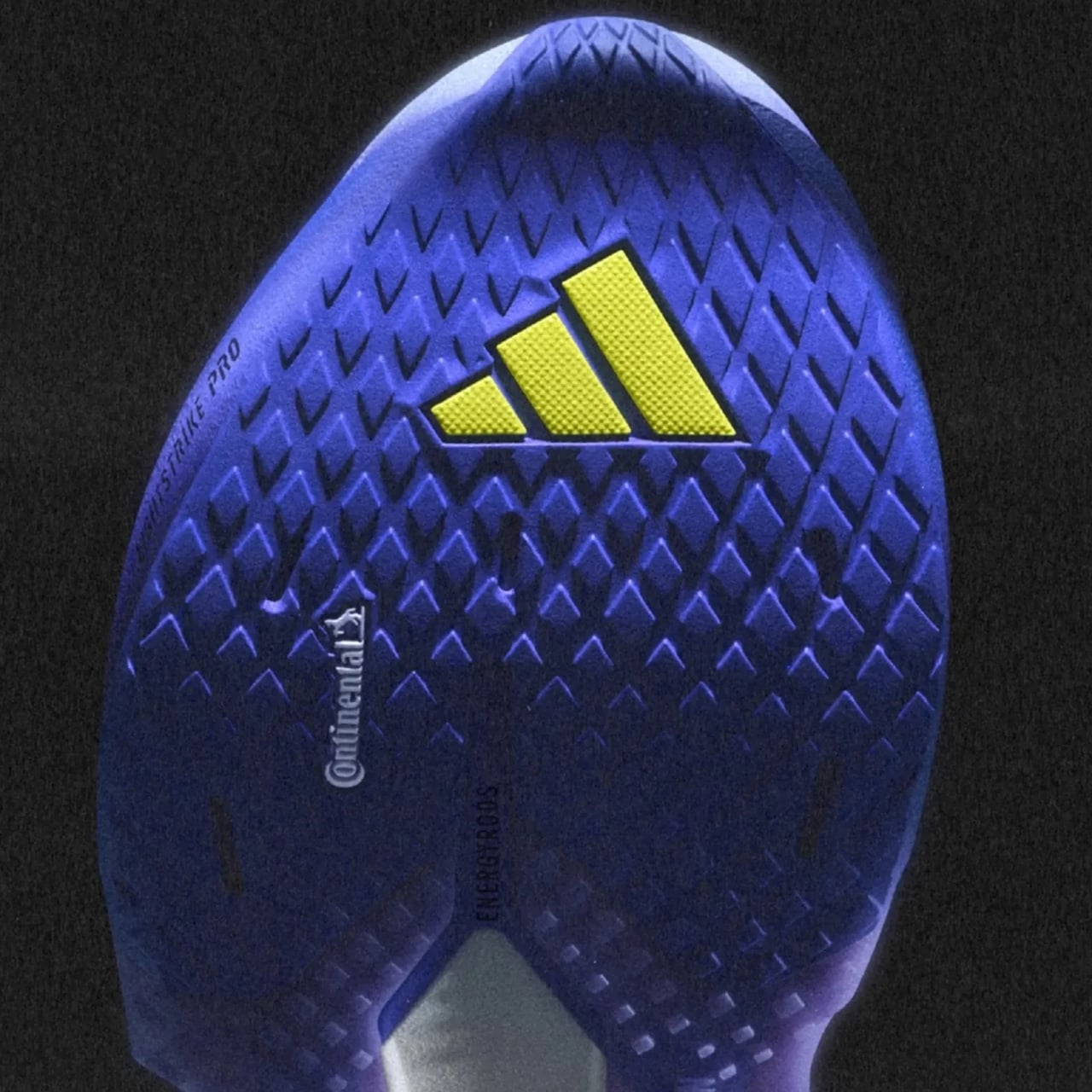
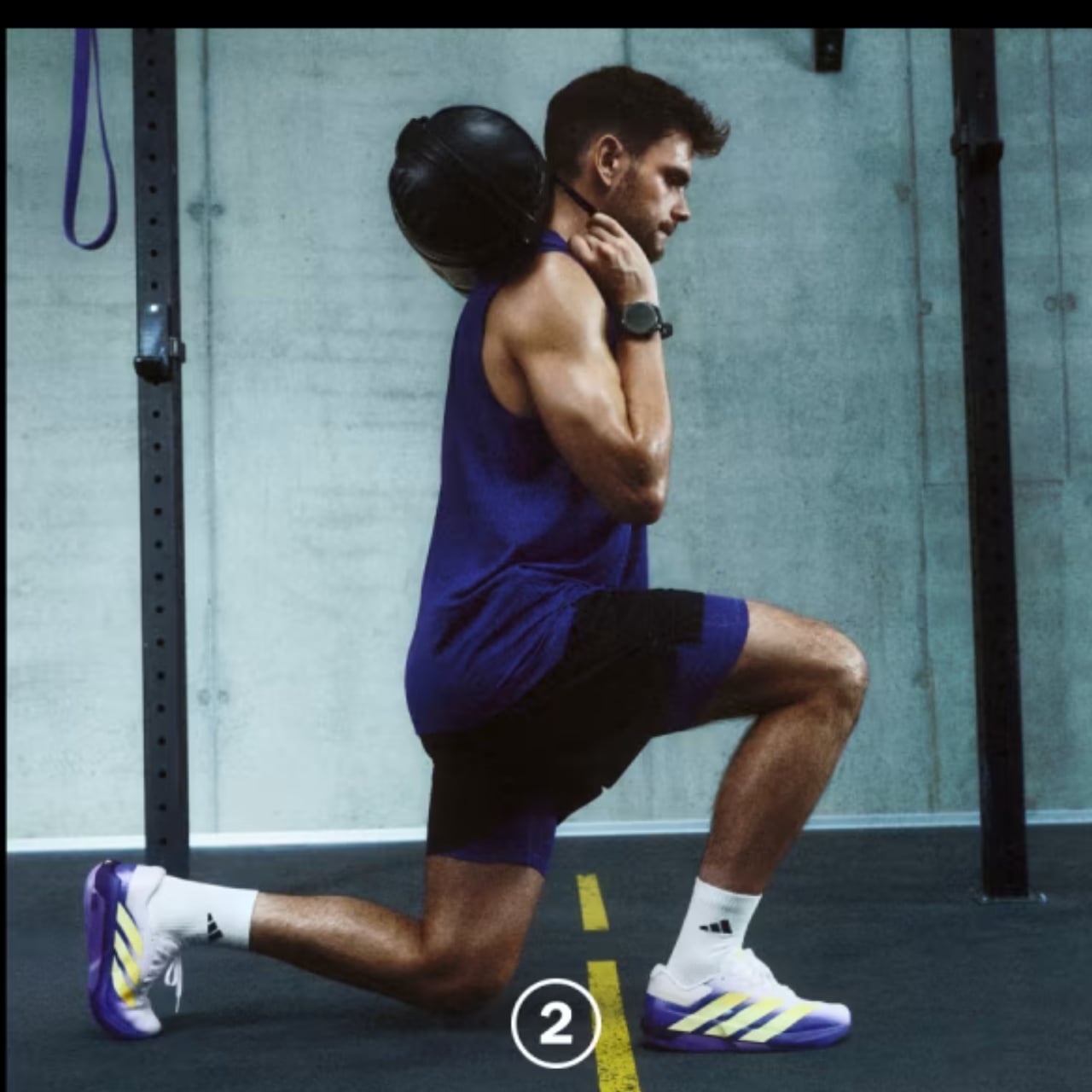
The outsole is where the gym training credibility lives. Continental rubber, paired with Adidas’s Lighttraxion system, handles grip on both wet track surfaces and gym floors with equal reliability. A heel that holds steady during squats and wall balls while a midfoot and forefoot that responds during speed work is not a simple engineering ask, and the fact that Adidas addressed both in the same build is the real story here. A 2.6mm Adizero sockliner keeps the platform low and grounded, which matters more than it sounds when you’re loading a barbell.
What makes this launch feel genuinely considered, rather than just well-packaged, is the research behind it. Adidas surveyed hybrid athletes globally and found that 49% say their current training footwear limits their performance during workouts, and 47% say their shoes don’t adequately support both running and strength training. Those are not small numbers. They point to a real gap in the market, and the Adizero Dropset Pro was developed specifically to close it, with input from hybrid athletes Graham Halliday and Fabian Eisenlauer who tested the shoe through actual training conditions, not just lab settings.

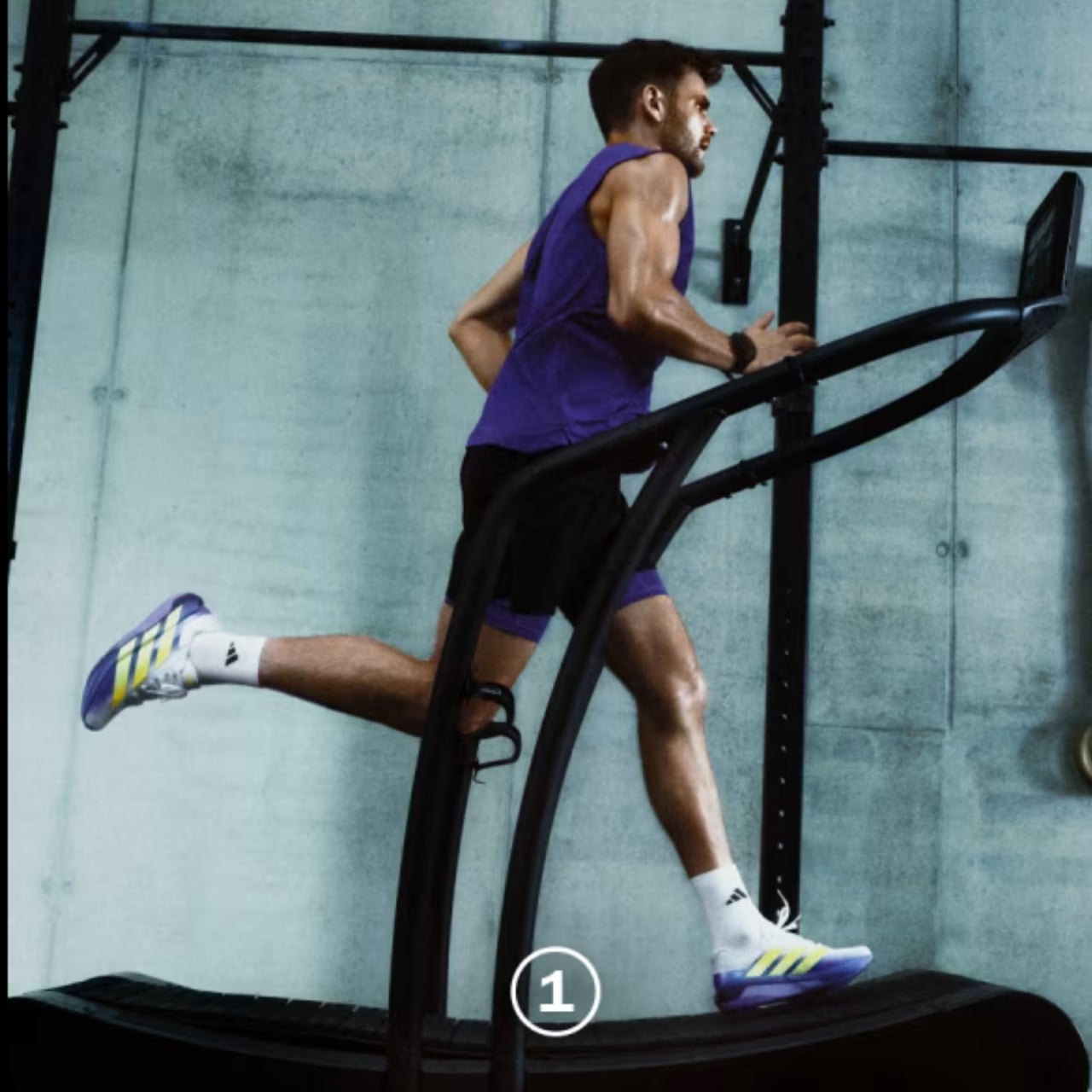
The shoe debuted in Stockholm at the HYROX World Championships, which is exactly the right room to make that kind of statement. HYROX, for the uninitiated, is a global competitive fitness race that combines eight one-kilometer runs with eight functional fitness stations, a format that makes the shoe-switching problem very, very obvious. Wearing a shoe built only for running means compromising on the sled pushes and ski ergs. Wearing a lifting shoe means grinding through the runs. The Adizero Dropset Pro enters that conversation with a clear argument.
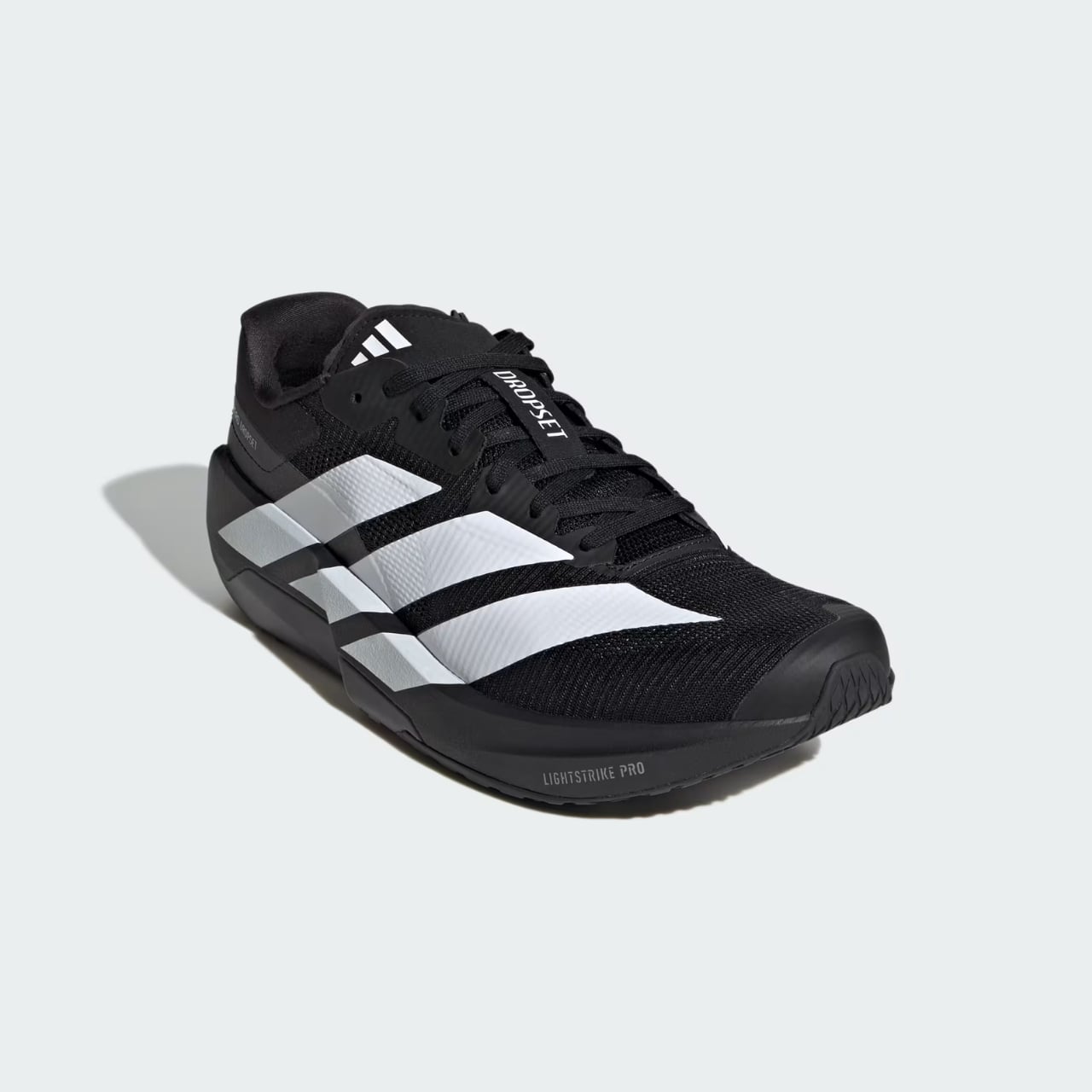
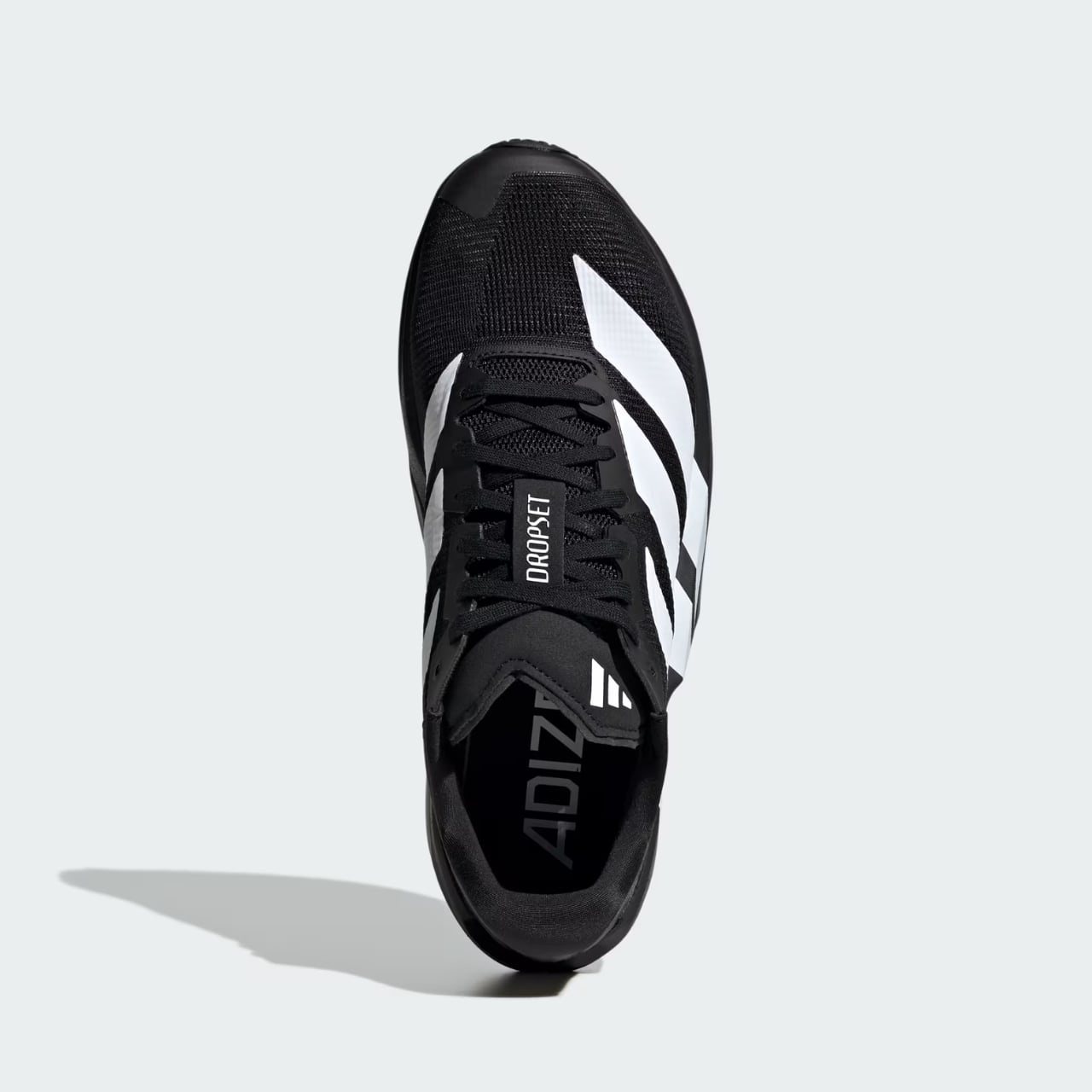
At 8.7 oz for a men’s 10.5, it’s genuinely light by training shoe standards, a deliberate signal that Adidas isn’t treating the speed component as secondary to the stability work. The engineered mesh upper transitions into a woven material that keeps the profile sleek without sacrificing structure. The fit reportedly lands somewhere between the narrower Dropset Elite and the roomier Dropset 4, which means most foot shapes should find a comfortable home here without needing to size up.
At $150, the value case is straightforward. A quality running shoe and a quality training shoe together can easily double that number, so the math is at least honest. Whether the Adizero Dropset Pro genuinely delivers on both fronts under real training conditions will be the longer story, but the design intent is clear and the execution looks considered. Adidas isn’t asking you to compromise anymore. It’s just building the shoe that earns the right to make that offer.