Android tablets have had a complicated few years. The iPad solidified its lead at the premium end, and Android alternatives often competed on price rather than experience, producing devices that were acceptable but rarely compelling. Demand for something that genuinely rivaled the best tablets in the room, not on price alone, but on the quality of the thing itself, has been there for a while. It just hasn’t always been answered.
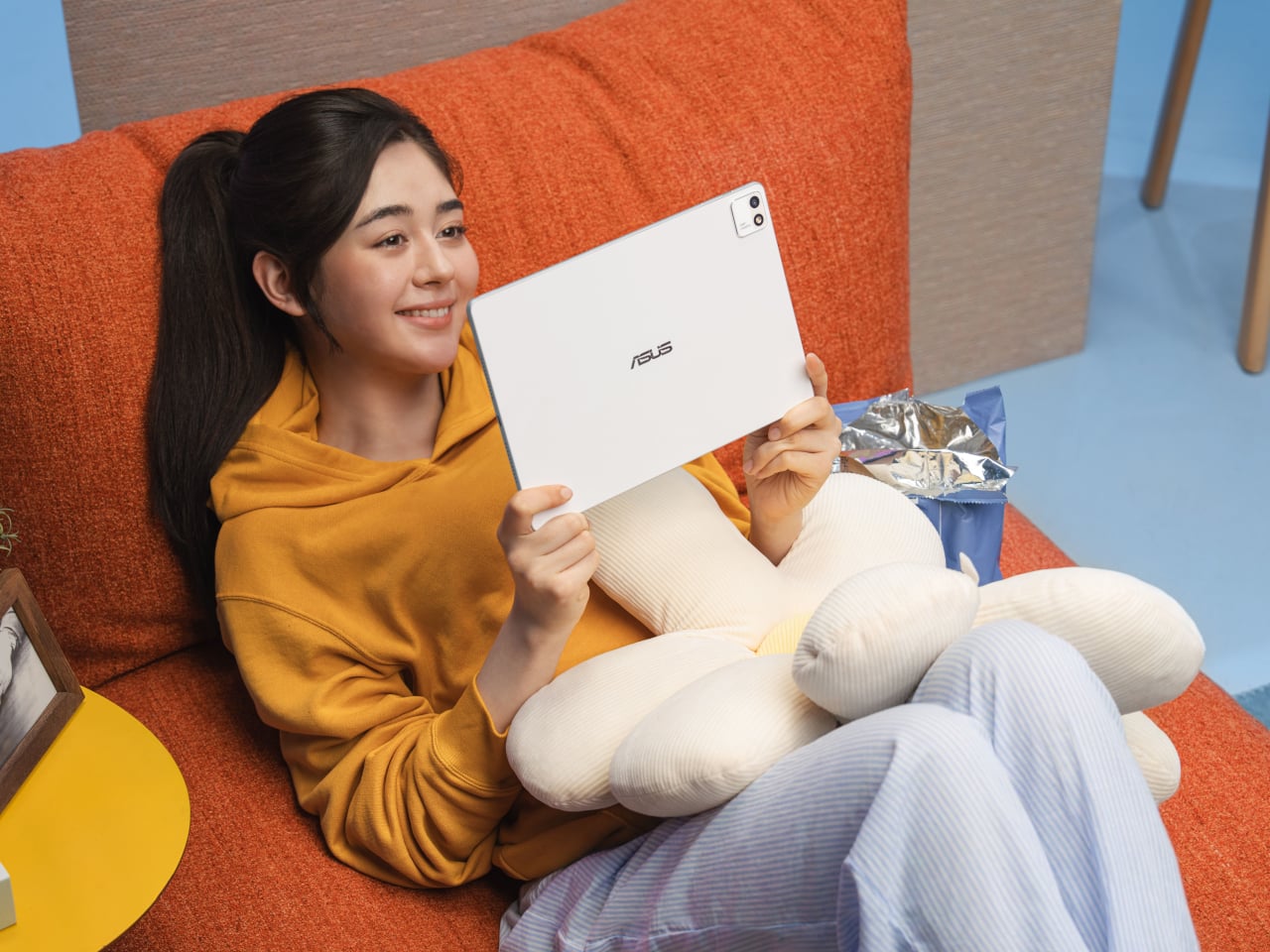
ASUS steps back into the conversation with the Pad, an Android 16 tablet announced at Computex 2026. The company stepped away from the tablet category for several years, and this is its return, built around a 12.2-inch dual-layer OLED display and a chassis light enough and slim enough to suggest that sitting on the couch with it for three hours isn’t something to plan around.
Designer: ASUS
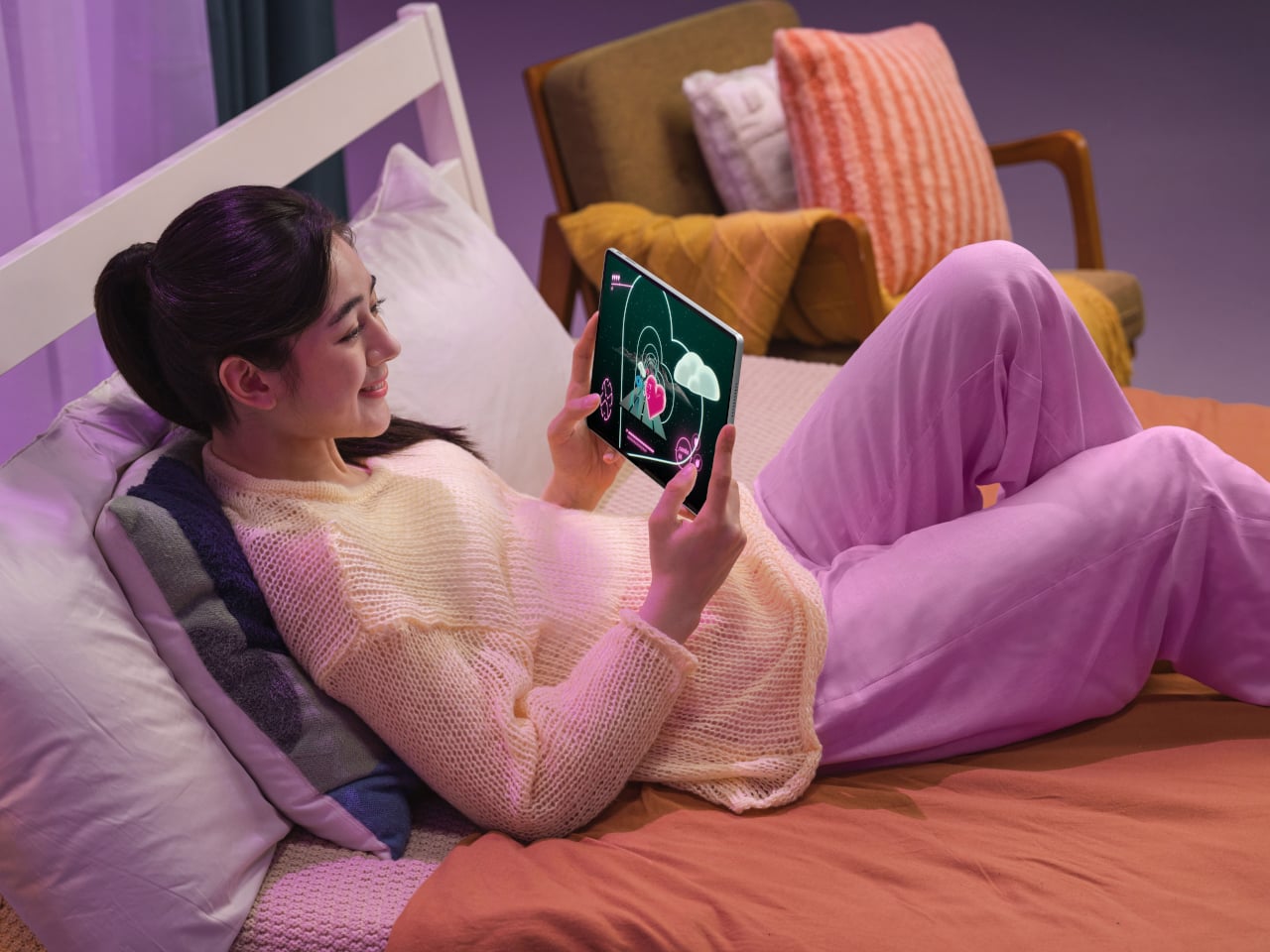
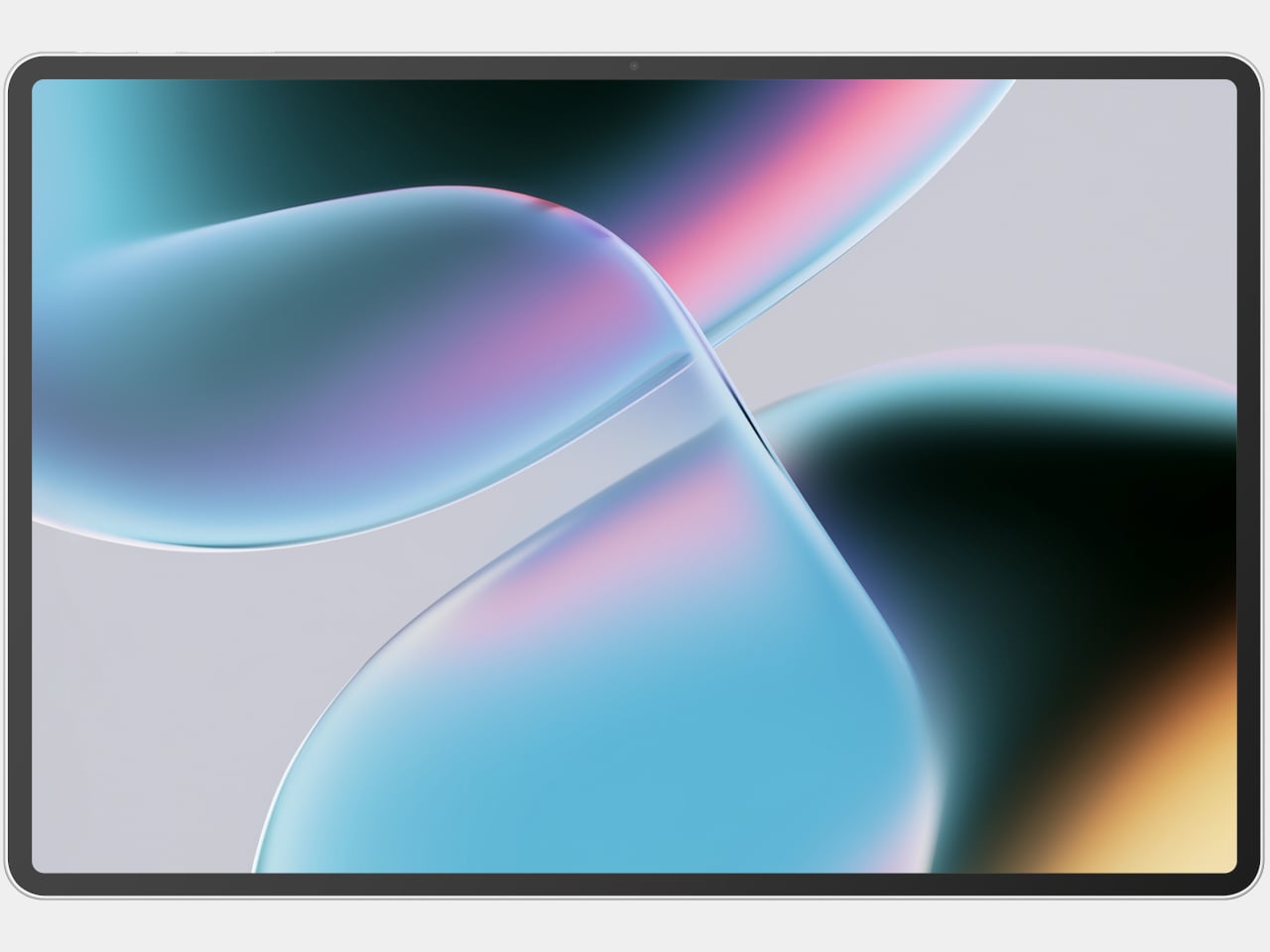
The display is the obvious starting point, because the choice of dual-layer OLED is a meaningful one. Where a conventional OLED pushes through a single emission layer, the tandem structure stacks two of them. The result is better brightness, longer panel life, and improved power efficiency without demanding that any of those things trade off against each other. At a 2.8K resolution, 144Hz refresh rate, and full DCI-P3 coverage, the screen is built for content that benefits from all of that.
The body that carries it measures just 6.5mm thick and weighs 523g, built from a magnalium chassis with a fiberglass back. Those proportions bring the Pad well within the range of a device someone would actually carry in a bag or hold over a long flight without a second thought. Four speakers tuned with Dolby Atmos back up the display with audio that punches harder than the form factor suggests.
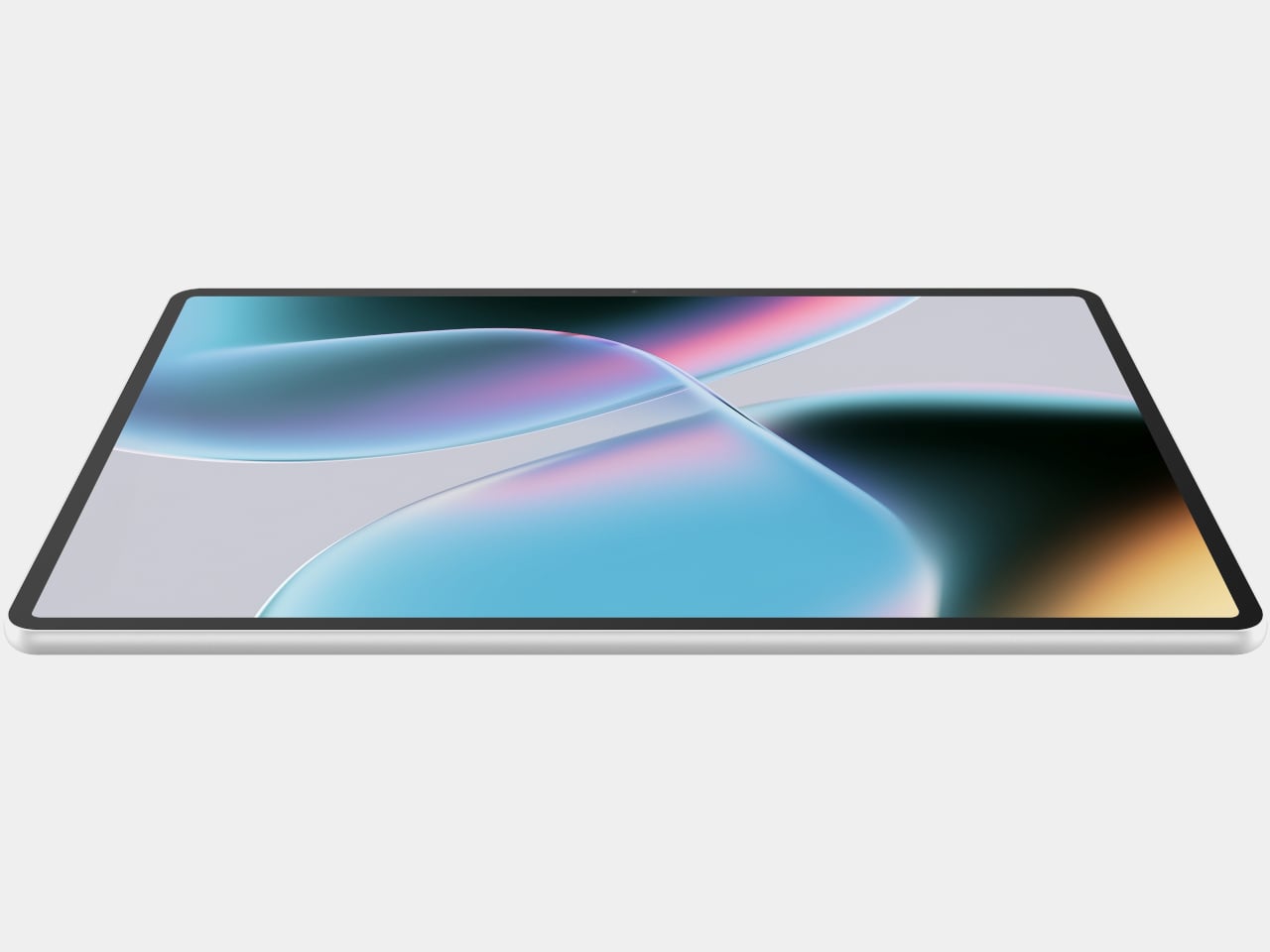
A MediaTek Dimensity 8300 chip handles the performance side, paired with 8GB of LPDDR5x RAM and storage in 128GB or 256GB configurations. A micro TF slot extends that to 1TB, keeping the device practical for anyone loading it with locally stored video or large files. The 9,000mAh battery charges to 50% in 30 minutes at 45W, and Wi-Fi 6E keeps the streaming side of things moving.
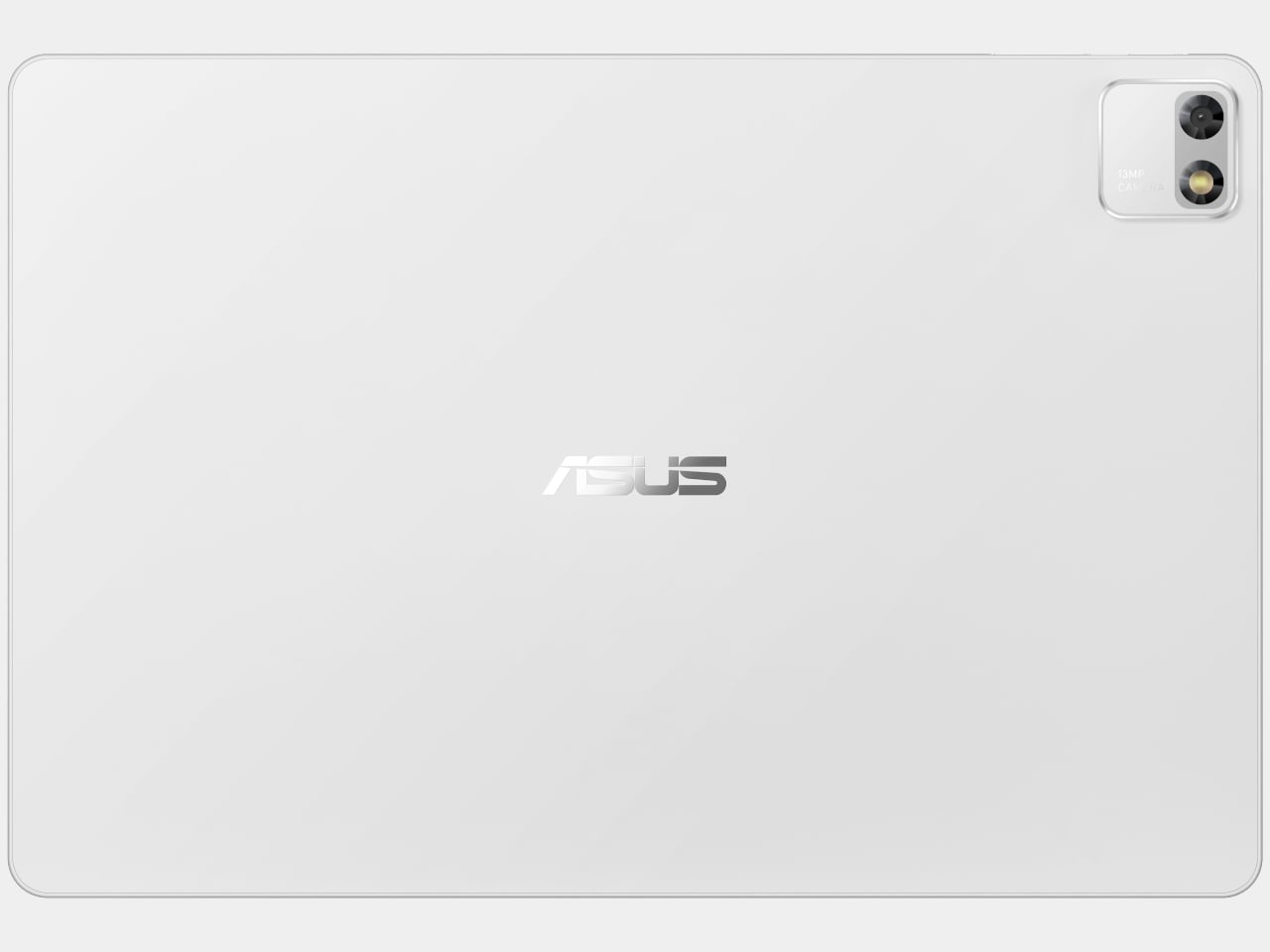
Software runs Android 16 with a handful of genuinely useful additions. ASUS GlideX handles cross-device connectivity, letting the tablet function as a secondary screen or swap files with a nearby laptop. Google Gemini integrates directly into the experience for AI assistance, while Circle to Search lets users search from anything visible on screen without disrupting what they’re doing. Face Login handles security without a passcode step.
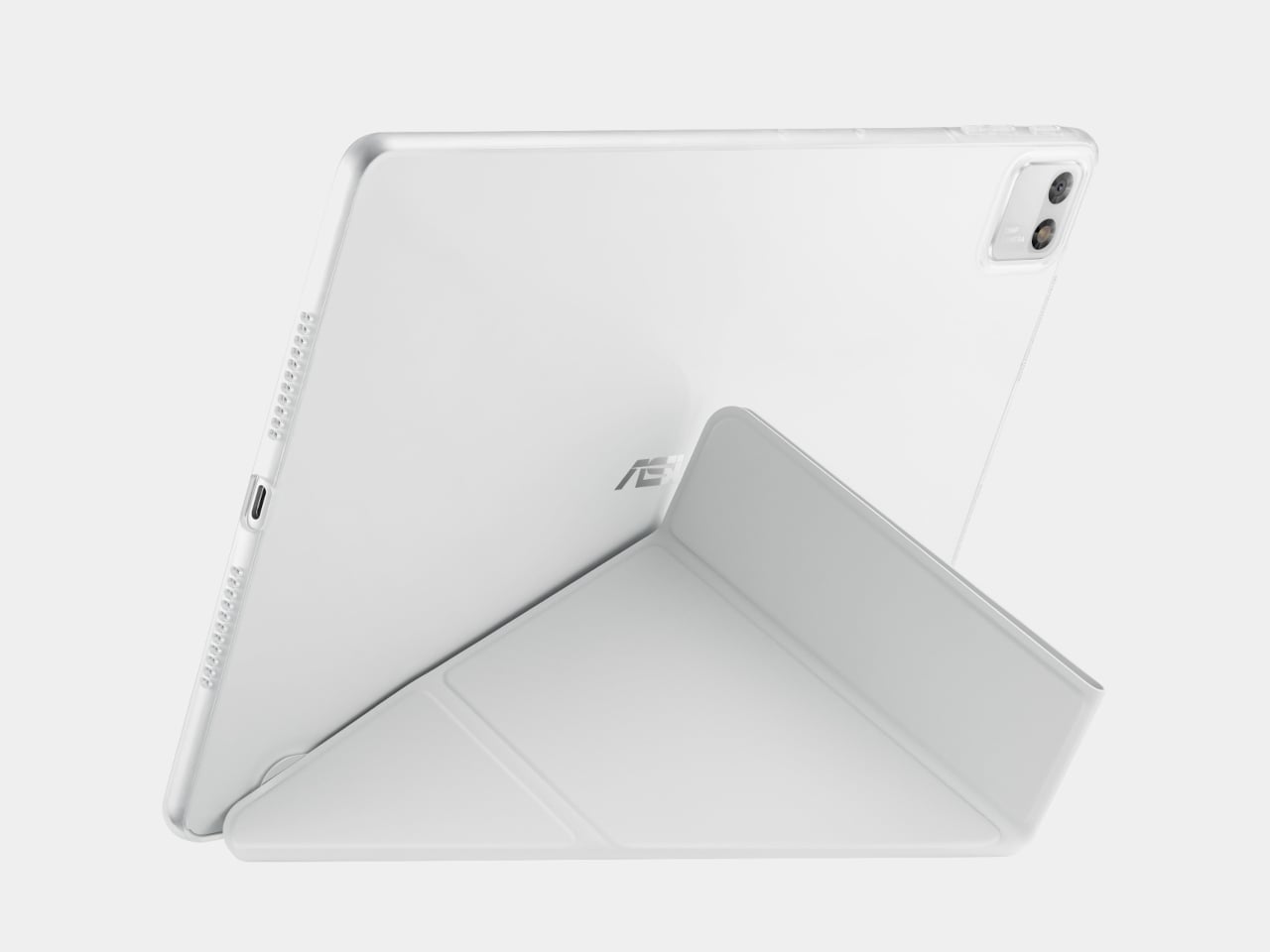
Accessory support rounds out what the Pad can do when the watching stops. ASUS Pen 2.0 enables handwriting and sketching, and Bluetooth keyboard support turns the tablet into something closer to a light laptop for longer text work. A protective case with a multi-angle origami stand ships in the box, meaning the setup is functional out of the packaging without anything additional to buy. Availability and pricing haven’t been confirmed yet, but the ASUS Pad is shaping up as a considered answer to a market that doesn’t always reward patience.