Plastic has a PR problem, and it has for years. We know it. Brands know it. And yet, the stuff is everywhere, because for all its environmental baggage, petroleum-based plastic is cheap, durable, and remarkably easy to manufacture at scale. Finding a material that can honestly compete with it has been one of the quieter design challenges of the last decade. Kinari, developed by Panasonic’s MI Division, is making a compelling case that the answer was growing in the ground the whole time.
Kinari is a cellulose-based composite resin made primarily from plant fibers. Not a novelty material reserved for concept art and trade show booths, but a functional, moldable, colorable material designed for home appliance casings, building materials, and automotive components. It currently contains up to 85% cellulose fibers, and the team has been steadily pushing that number upward since work began in 2015. Back in 2019, the formulation sat at 55% biomass. By 2022, it had reached 90%. The goal, eventually, is 100%. That trajectory tells you something. This isn’t a splashy announcement material cooked up for a sustainability report. It’s a slow, deliberate material science project with a very clear destination, and that kind of patience is rare in an industry that tends to reward the bold launch over the quiet improvement.
Designer: MI Division of Panasonic Holdings Corporation
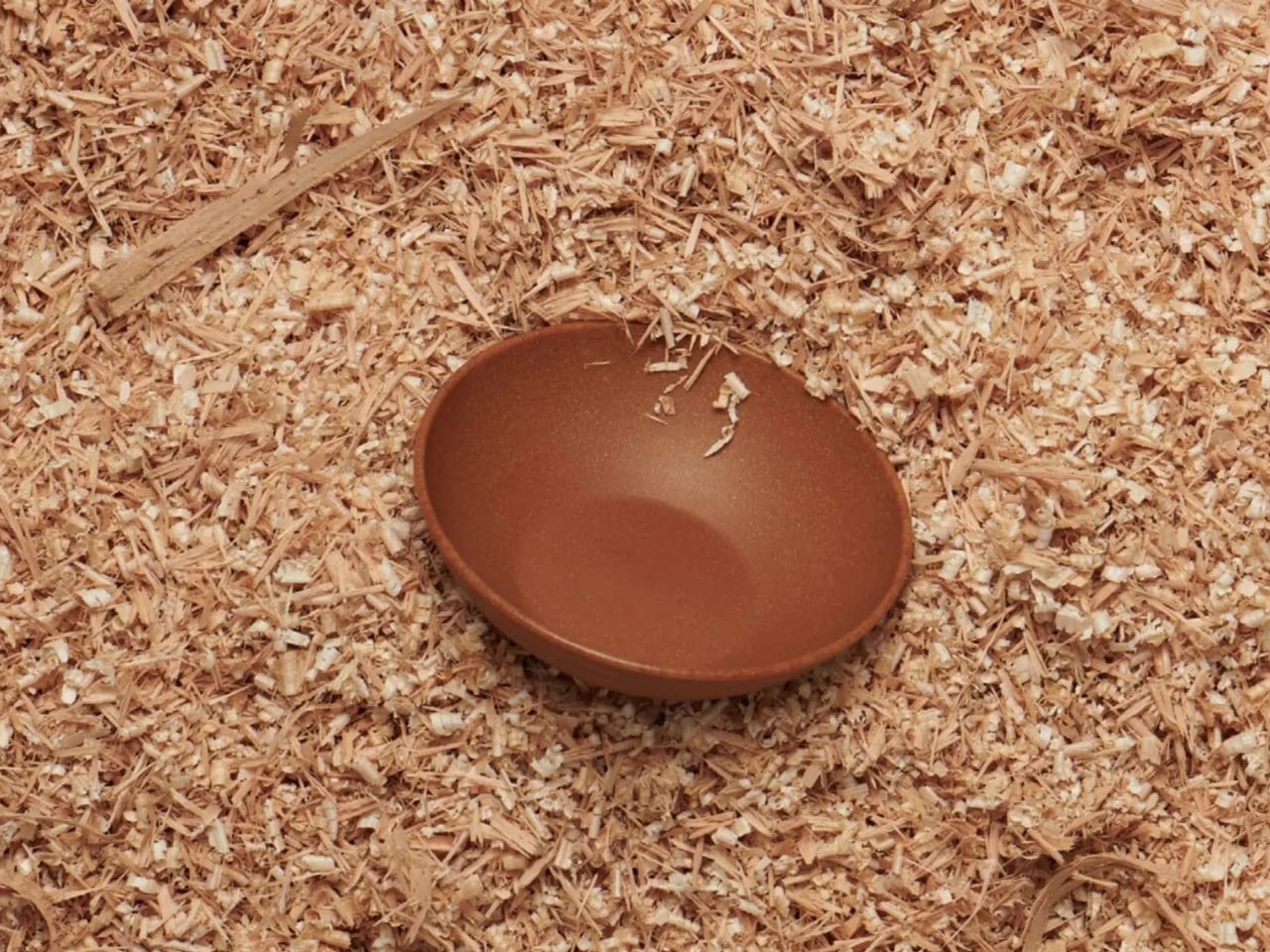
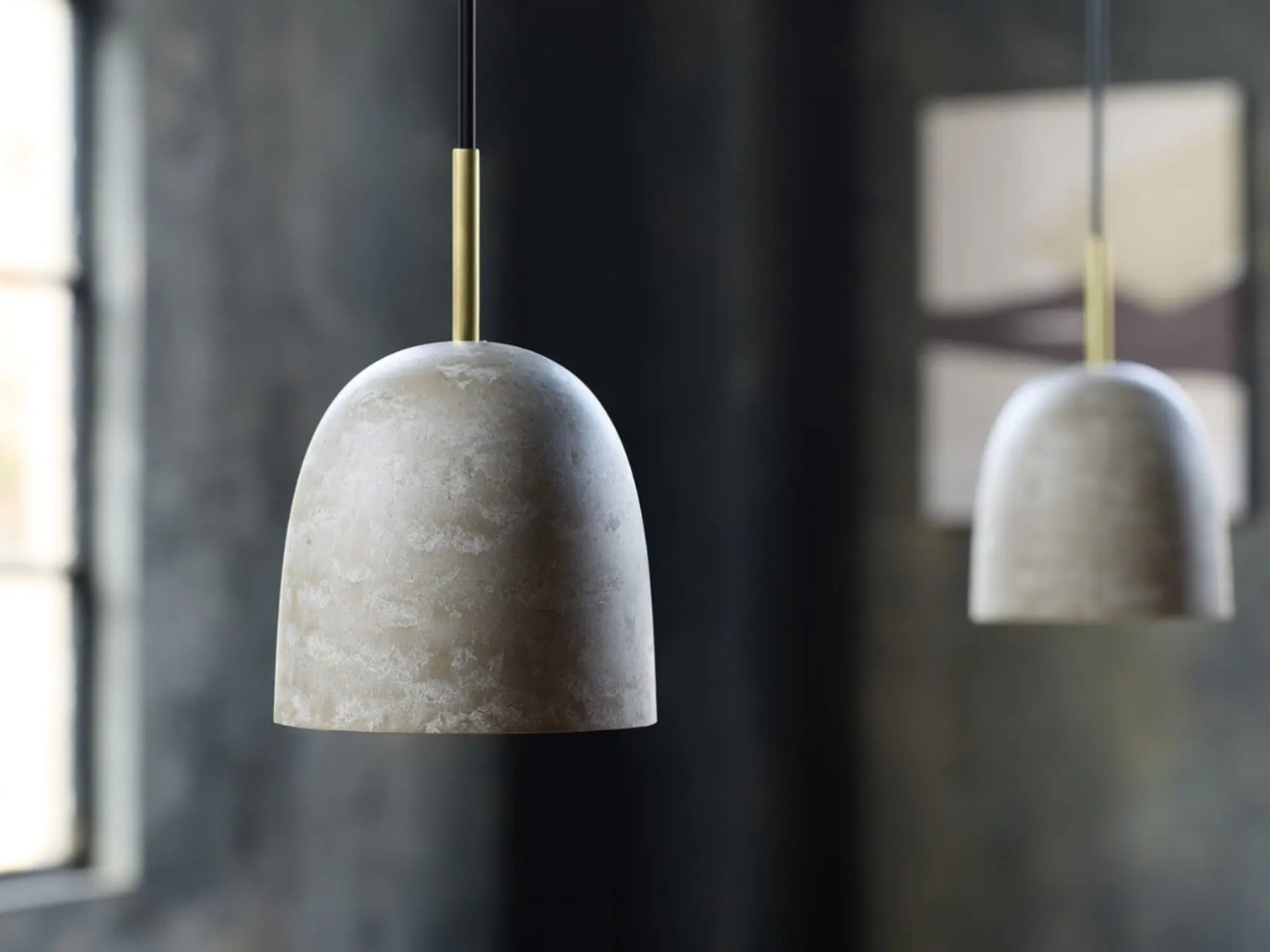
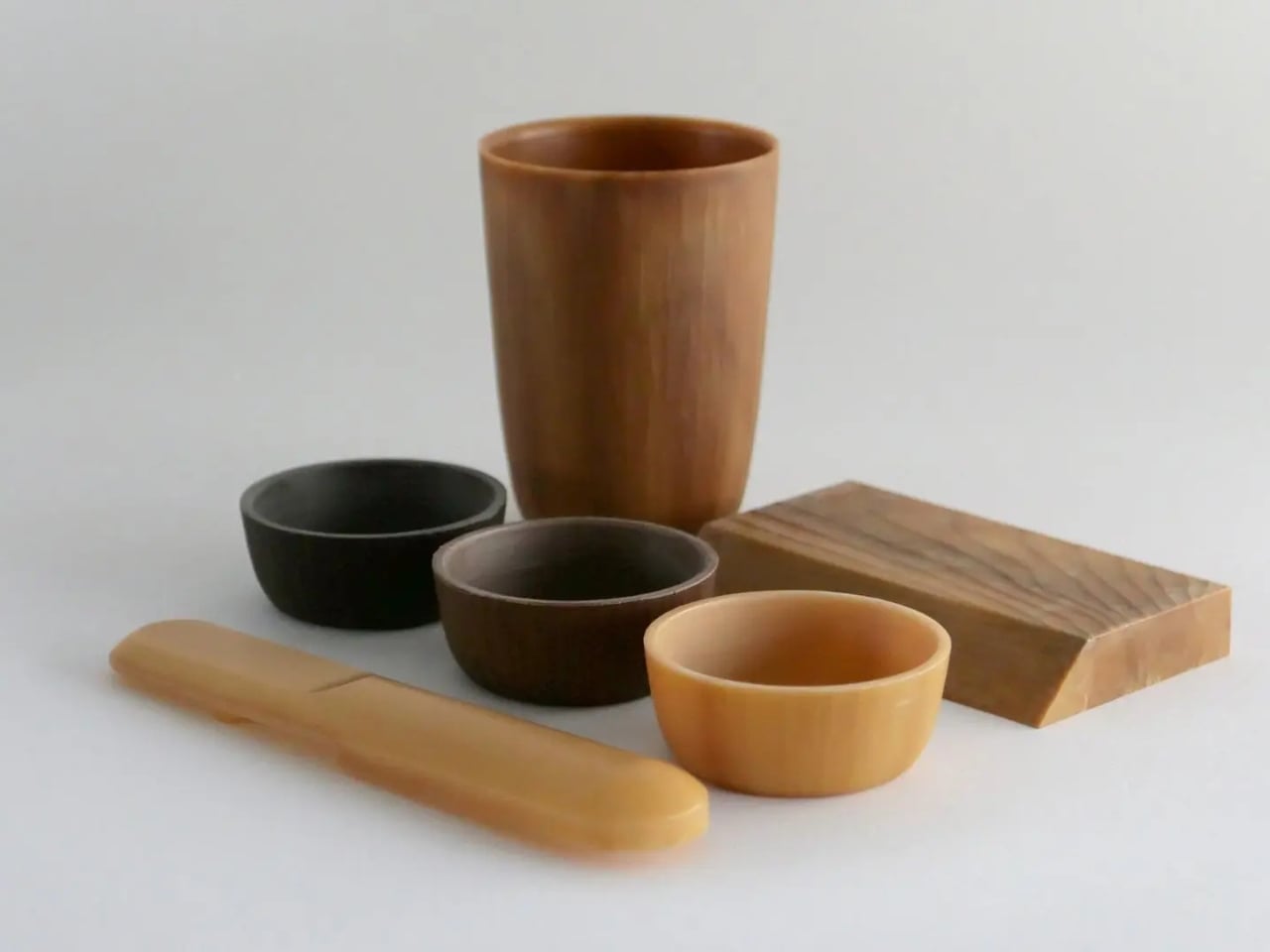
The products already made from kinari help tell the story better than any specification sheet could. There are spoons in matte black and deep forest greens that look like something between resin and lacquered wood. Bowls in warm terracotta tones that sit naturally alongside ceramics without trying to impersonate them. A tumbler with the kind of rich, grain-like surface you’d expect from a hand-turned wooden cup. A soap dispenser pump in honeyed amber. Pendant lamps with a softly mottled, stone-like finish. These aren’t prototypes staged for press photos. They’re finished objects that feel considered, tactile, and genuinely desirable, which is not something you often say about sustainable alternatives to plastic.
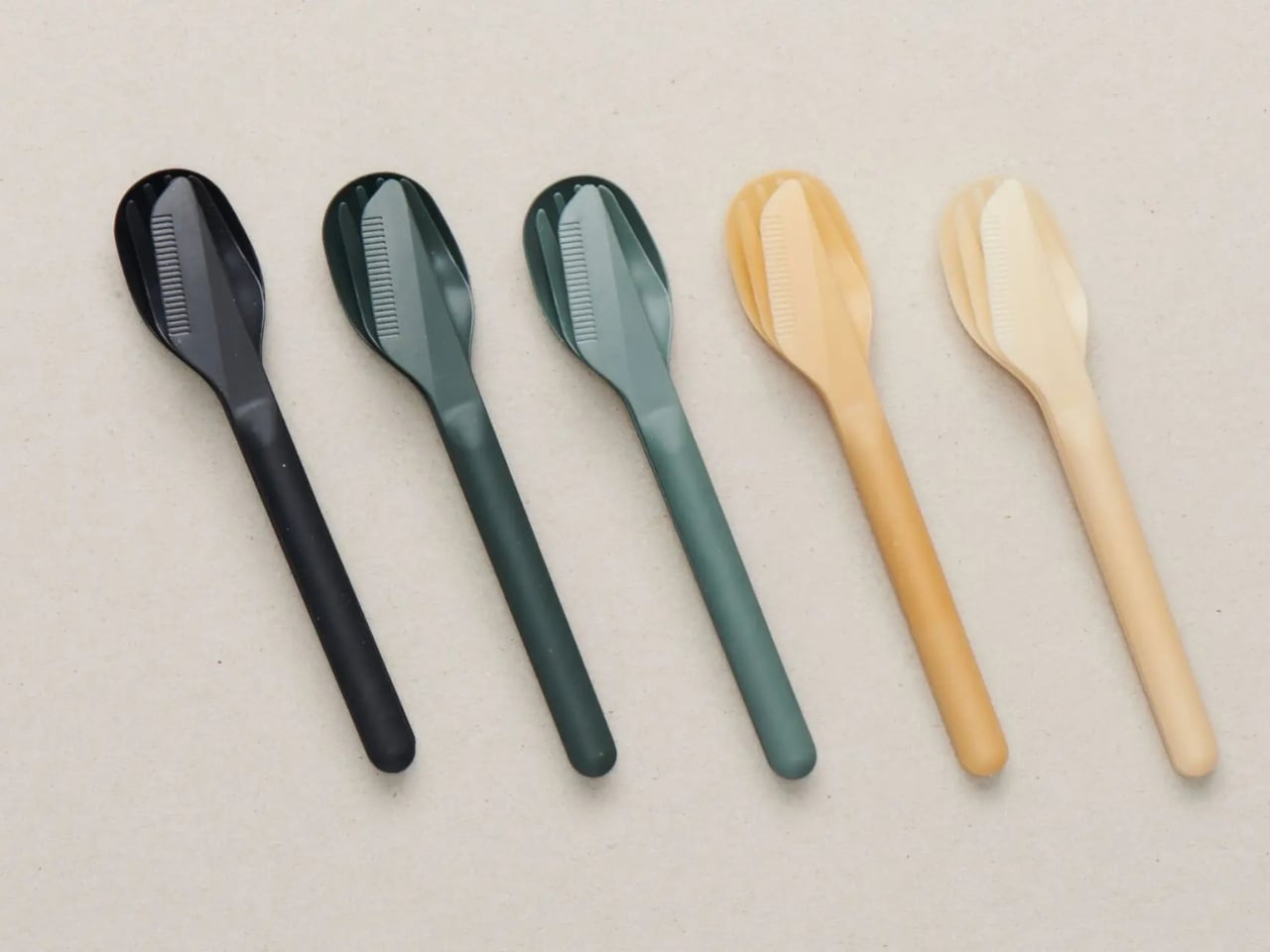
That’s the part that matters most, beyond the environmental credentials. Kinari doesn’t ask you to compromise on aesthetics to feel good about your choices. The material carries a warmth that conventional plastic simply can’t replicate, and the range of colors and finishes it’s capable of makes it versatile enough to work across product categories without looking like it’s trying too hard to be natural.
Beyond the plant-based headline, kinari’s most compelling quality is how practical it’s designed to be for manufacturers. One of the most persistent criticisms of sustainable alternatives is that they demand too much: new equipment, new processes, new supply chains. Kinari sidesteps all of that. Manufacturers can switch to it without investing in new machinery, because it behaves like conventional plastic during production. The most elegant sustainable solution is always the one that removes friction rather than adding it.
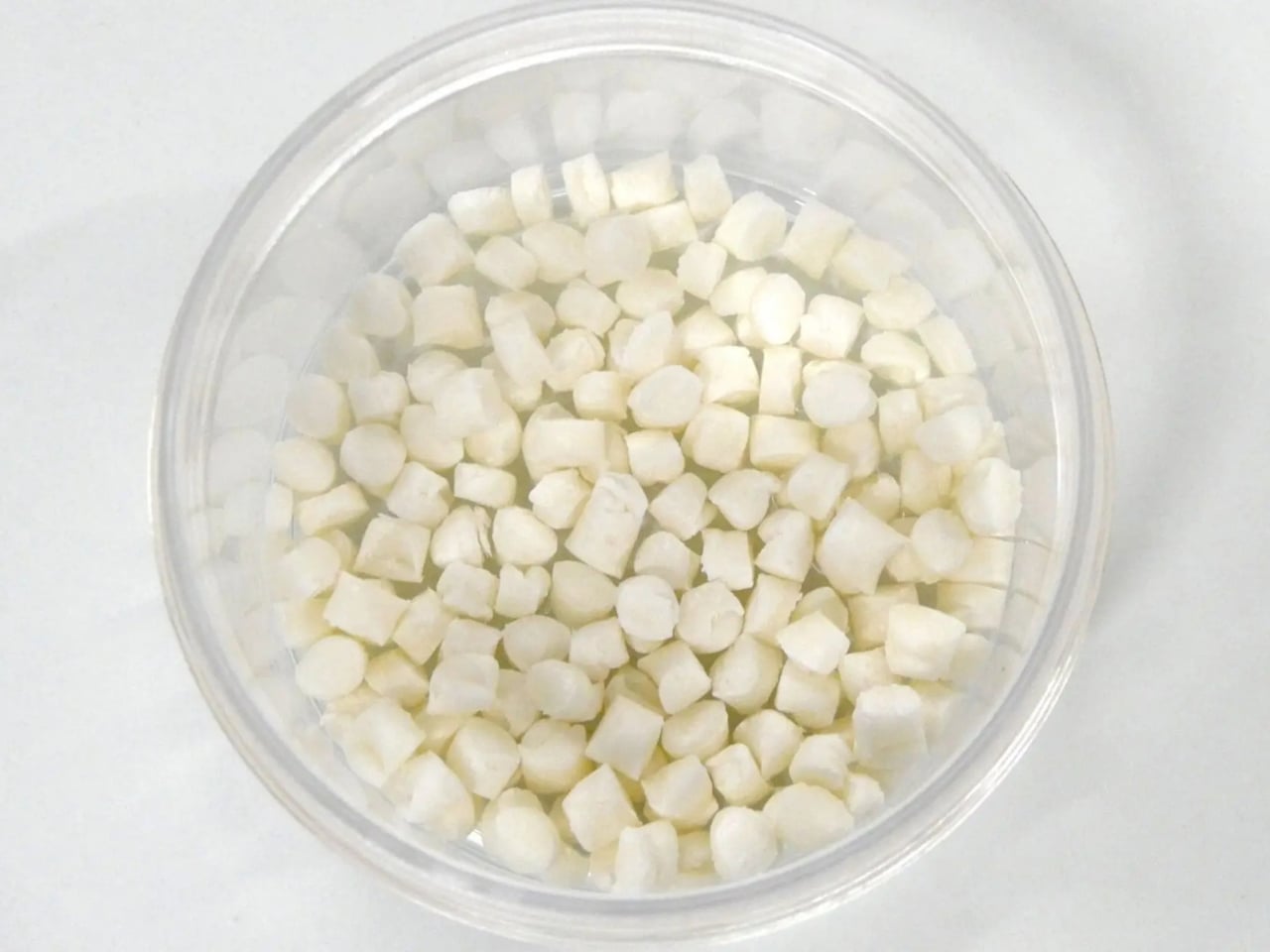
The production process adds to the case. Kinari uses an all-dry manufacturing method, eliminating water entirely, which significantly reduces energy consumption and CO₂ emissions compared to conventional plastic manufacturing. Petroleum use drops by 55 to 70 percent depending on the formulation. These aren’t rounding-error improvements. They represent a meaningful shift in how much environmental cost gets built into a material before it even becomes a product.
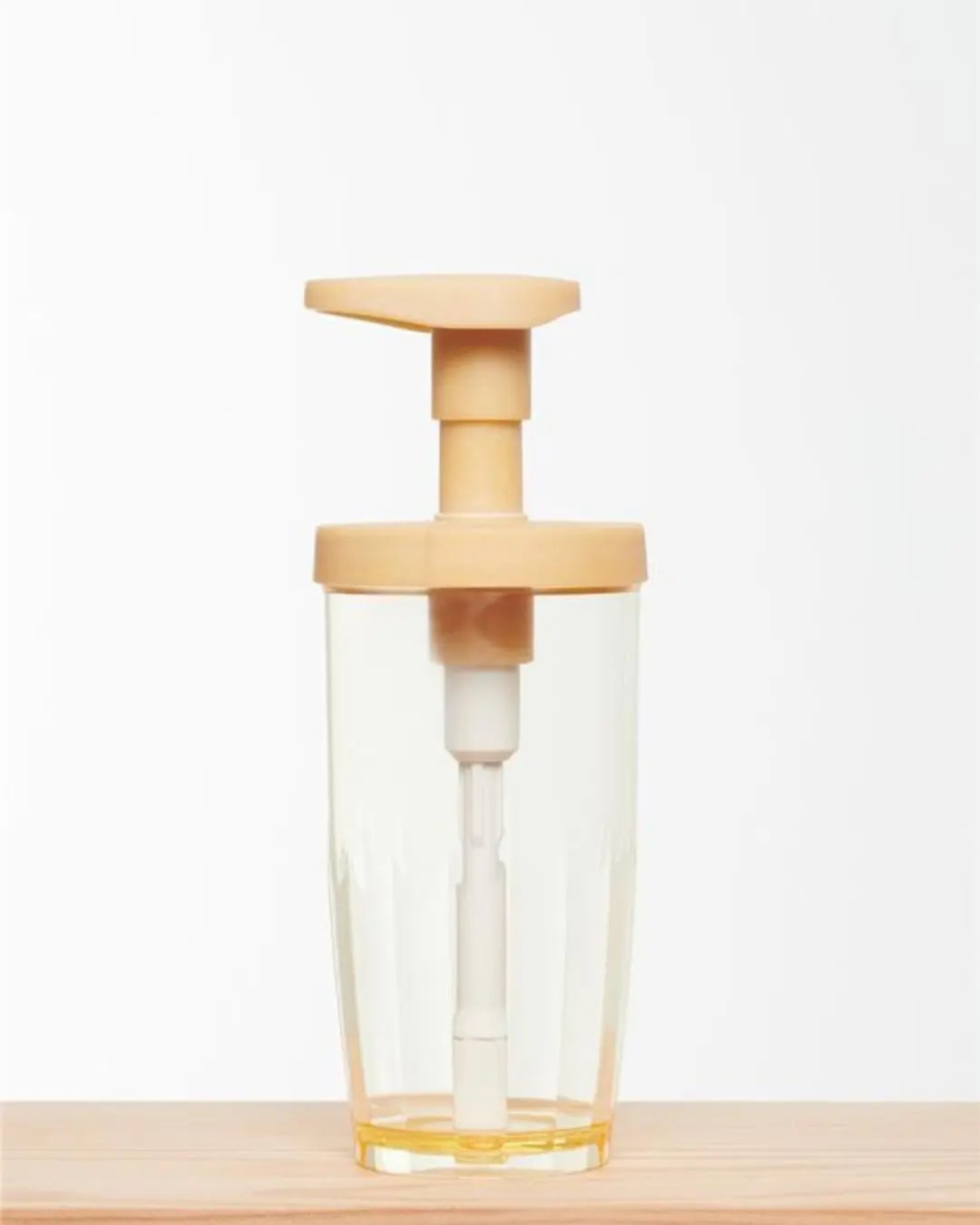
The end-of-life story is equally worth attention, even if it’s harder to photograph and harder to market. The team is developing a two-pronged recycling approach aimed at creating a genuinely closed-loop system. A material that can be recovered, processed, and remade is categorically different from one that just gets discarded in a slightly less guilty way. Circularity is easy to put in a brand statement. Building it into the actual material science is another thing entirely.
The honest question with any sustainable material is whether it can scale without losing what makes it worth scaling. That’s still being answered. But Panasonic has been working on kinari quietly and methodically since 2015, improving the biomass content year over year, and that level of sustained commitment sets it apart from the concept-stage bioplastics we’ve seen come and go.
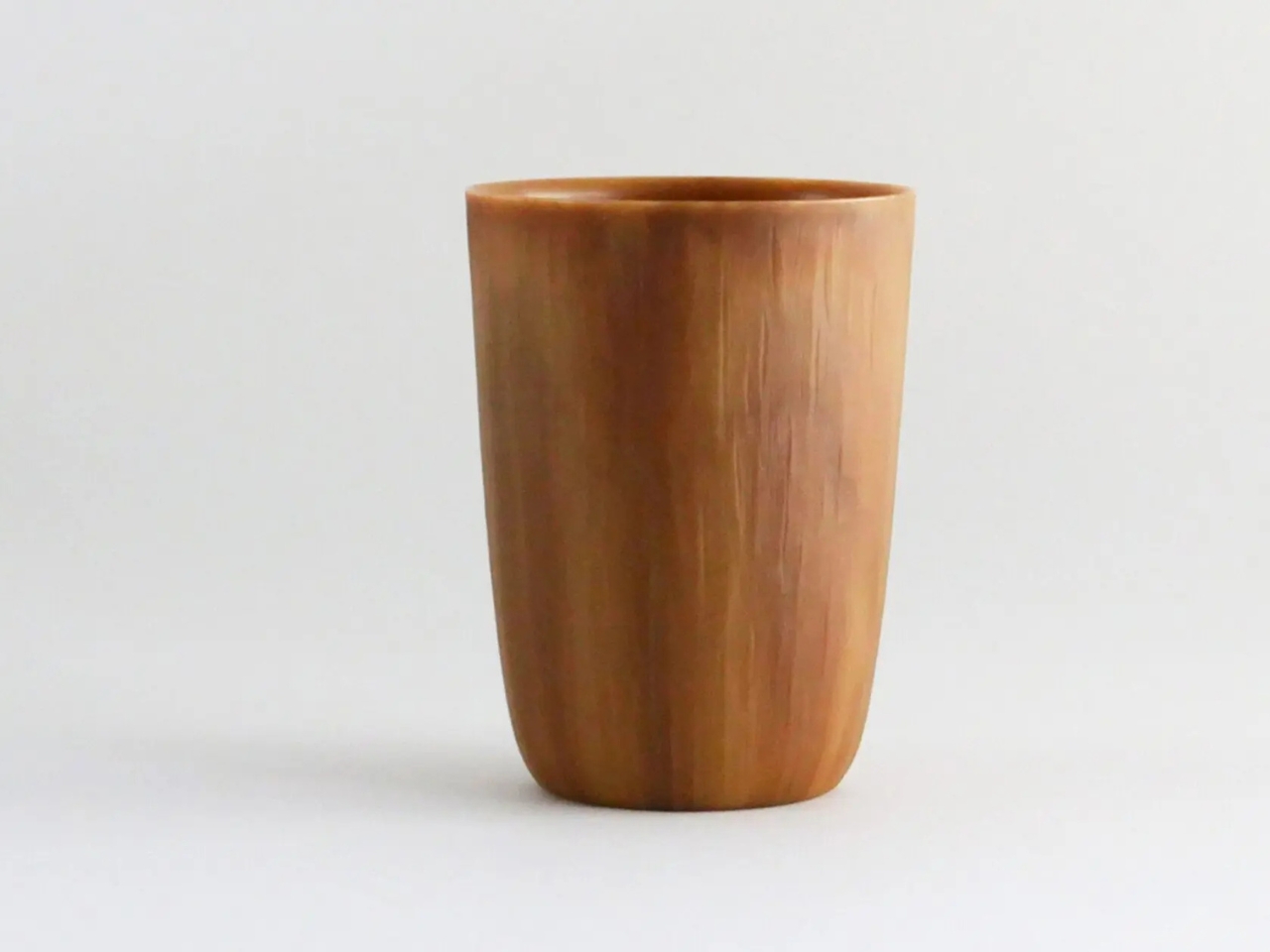
Design moves fast. Materials take longer. Kinari is proof that the most consequential innovation isn’t always the loudest one. Sometimes it’s the one that’s been in the lab for a decade, getting a little better every year, waiting for the world to finally catch up.