Japanese kitchen tools operate differently from their Western counterparts. They don’t promise to speed things up or reduce effort. They promise to make that effort worth something. The objects below share a commitment to material honesty and precision that changes the pace of cooking without changing the recipe. Each one invites you to slow down, pay attention, and find something close to calm in the ordinary rhythm of preparing food.
None of these tools asks for much counter space. None comes with instruction manuals. What they share is a design philosophy rooted in centuries of Japanese craft tradition, where restraint and intention produce objects that reward your attention rather than compete for it. Cooking with them slows you down in a way that feels like a gift. The meditation isn’t something you bring to the kitchen. These tools create the conditions for it.
1. Iron Frying Plate
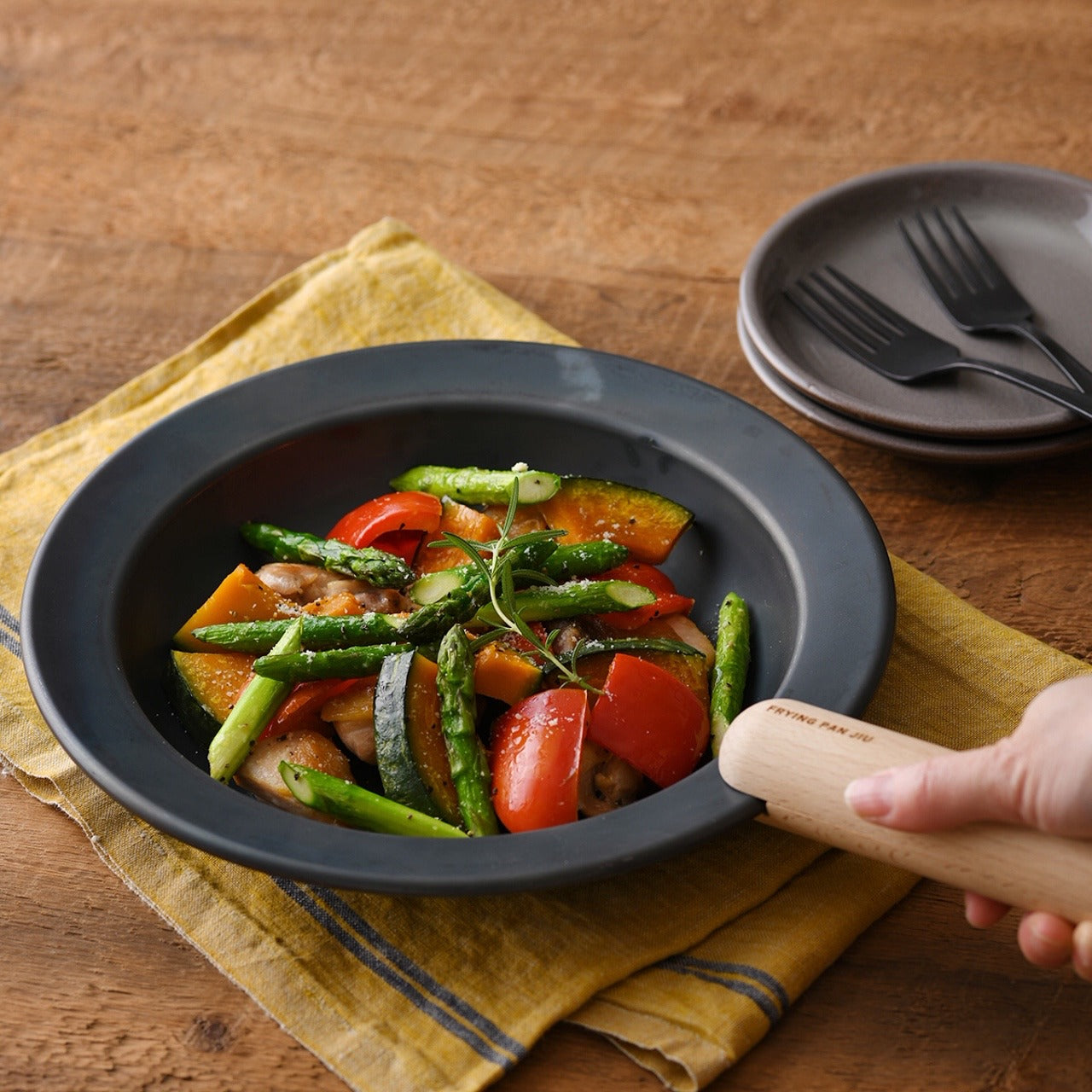
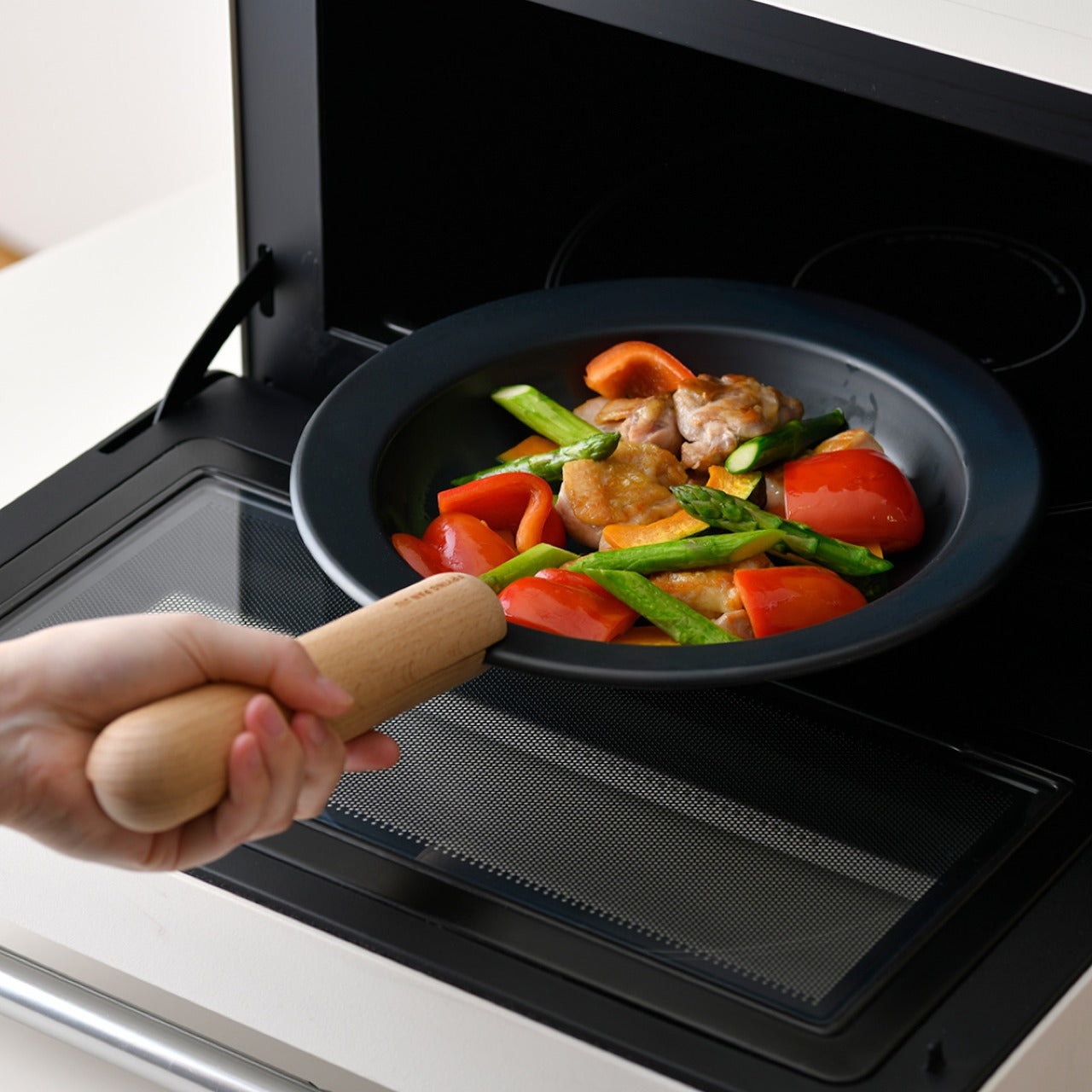
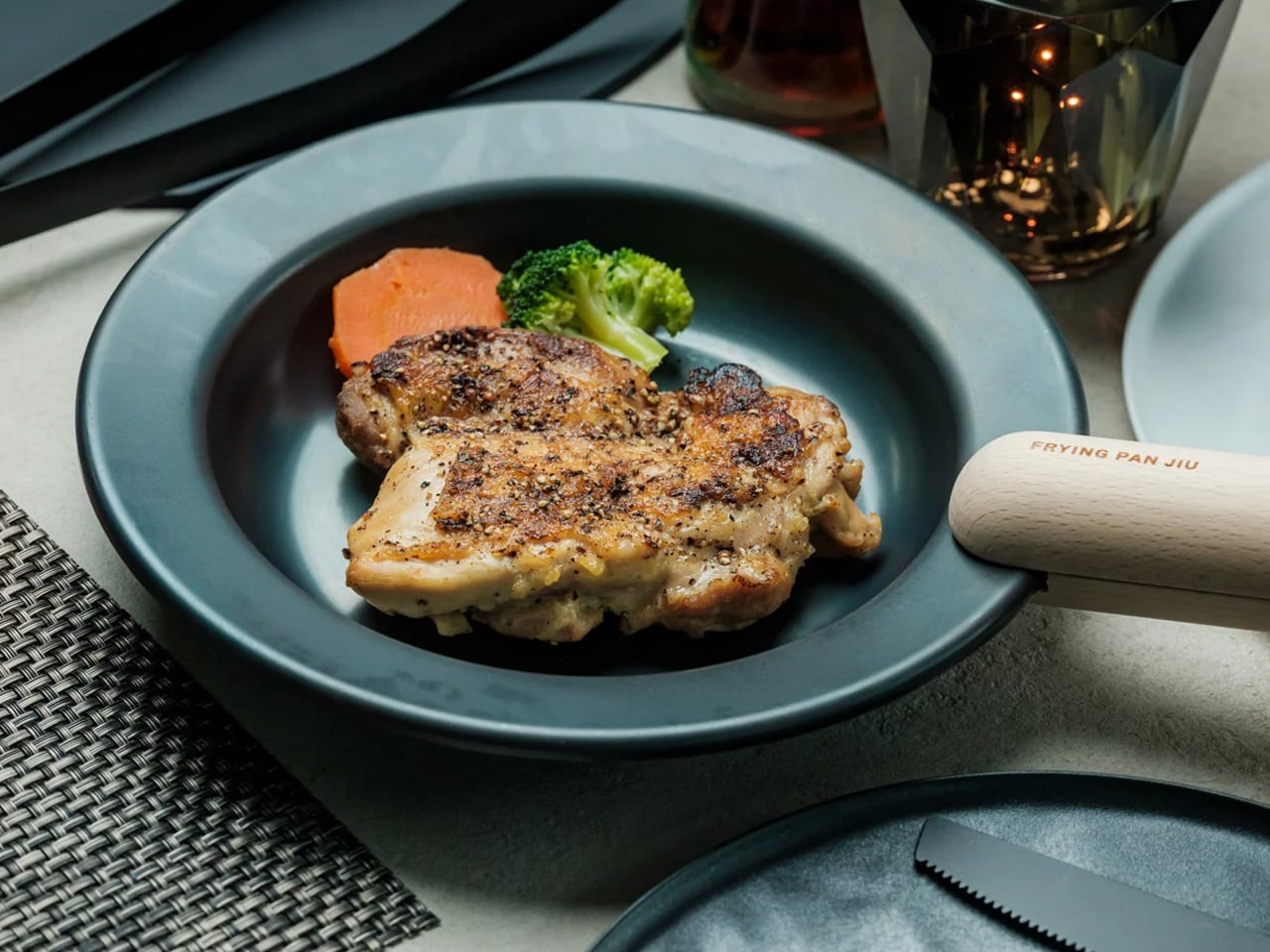
The Iron Frying Plate removes the boundary between the cooking vessel and the serving dish. Crafted from rust-resistant mill scale steel with a detachable wooden handle, it moves from stove to table without a transfer, without a plate in between. Eggs arrive still sizzling. Fish comes off the heat and onto the table in the same object, retaining the kind of temperature and texture that plating destroys. The cook-and-serve design isn’t a shortcut. It’s a different way of thinking about food.
The uncoated surface requires no seasoning before first use and develops natural non-stick properties through regular cooking. The detachable wooden handle attaches and releases with one hand, making the transition from burner to table completely fluid. Retained heat keeps food at a temperature throughout the meal, which changes its pace in subtle but noticeable ways. You stop rushing through dinner because the plate is still doing its job while you’re still deciding what to eat first.
What We Like
- The cook-and-serve design preserves the temperature and texture that get lost in any transfer to a separate plate
- The uncoated mill scale steel develops natural non-stick properties through use, with no chemical coatings involved
What We Dislike
- The iron construction retains heat long after serving, which requires careful handling at the table
- Heavier than standard serving dishes, which takes some adjustment if you’re used to lighter ceramics
2. Katakuchi Suribachi & Surikogi Set
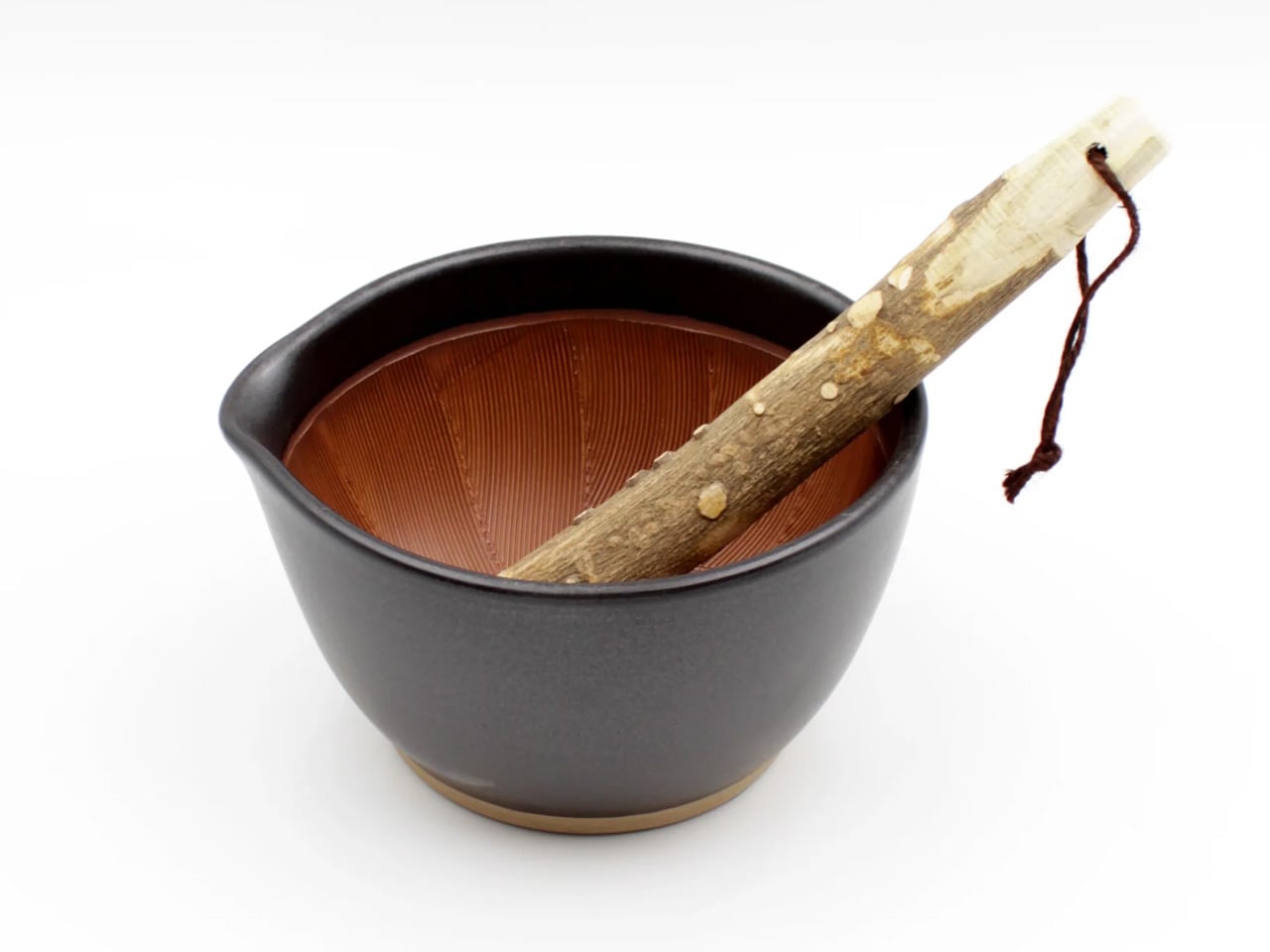
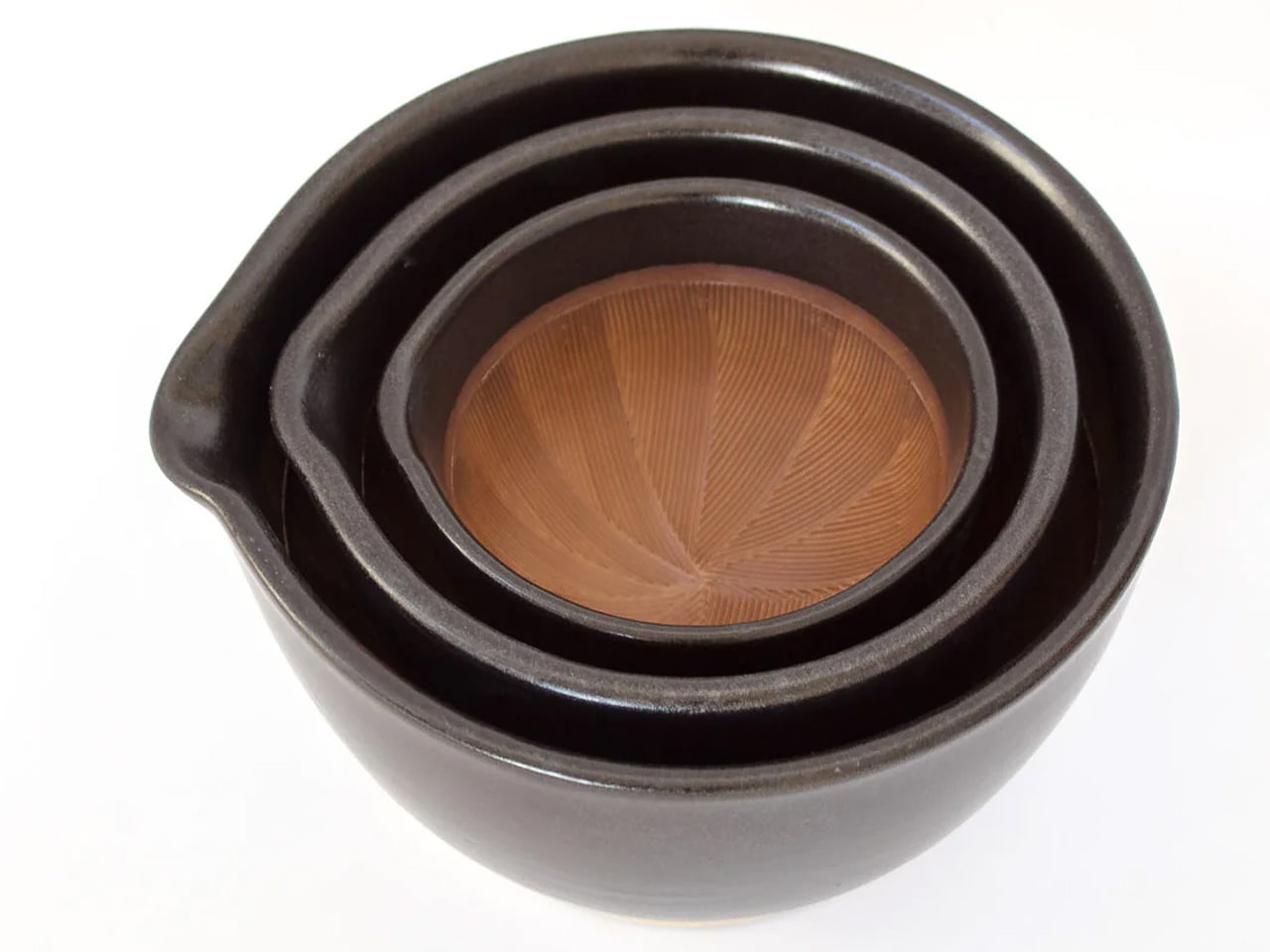
The suribachi is a Japanese mortar defined by its interior: a web of fine ridges that grip seeds and fibres and pull them apart through friction. Unlike smooth-walled mortars that crush, this one grinds, and the difference in what that produces is immediate. The katakuchi design adds a spout, so freshly ground sesame pours cleanly from the vessel without a transfer step. The wood surikogi follows the curve of the bowl exactly, which is the whole point of the pairing.
Using a suribachi imposes a different pace on cooking. You bring the seeds in, you begin to work the pestle in slow circles, and the sound changes as the seeds release their oil. The kitchen starts to smell like food before the pan is even on. That sensory sequence of physical work and gradual transformation is what separates this from a standard grinding tool. Available from TOIRO Kitchen in two colorways, it’s priced between $36 and $63 depending on size.
What We Like
- The katakuchi spout makes it a single-vessel process from grinding to pouring; nothing gets lost in the transfer
- The ridged earthenware interior produces a texture and aroma from sesame and spices that a food processor simply cannot replicate
What We Dislike
- The earthenware body is heavy and requires careful handling; it’s not something you grab quickly
- Cleaning the grooved interior takes more attention than a smooth-walled mortar
3. Iga-yaki Donabe Clay Pot
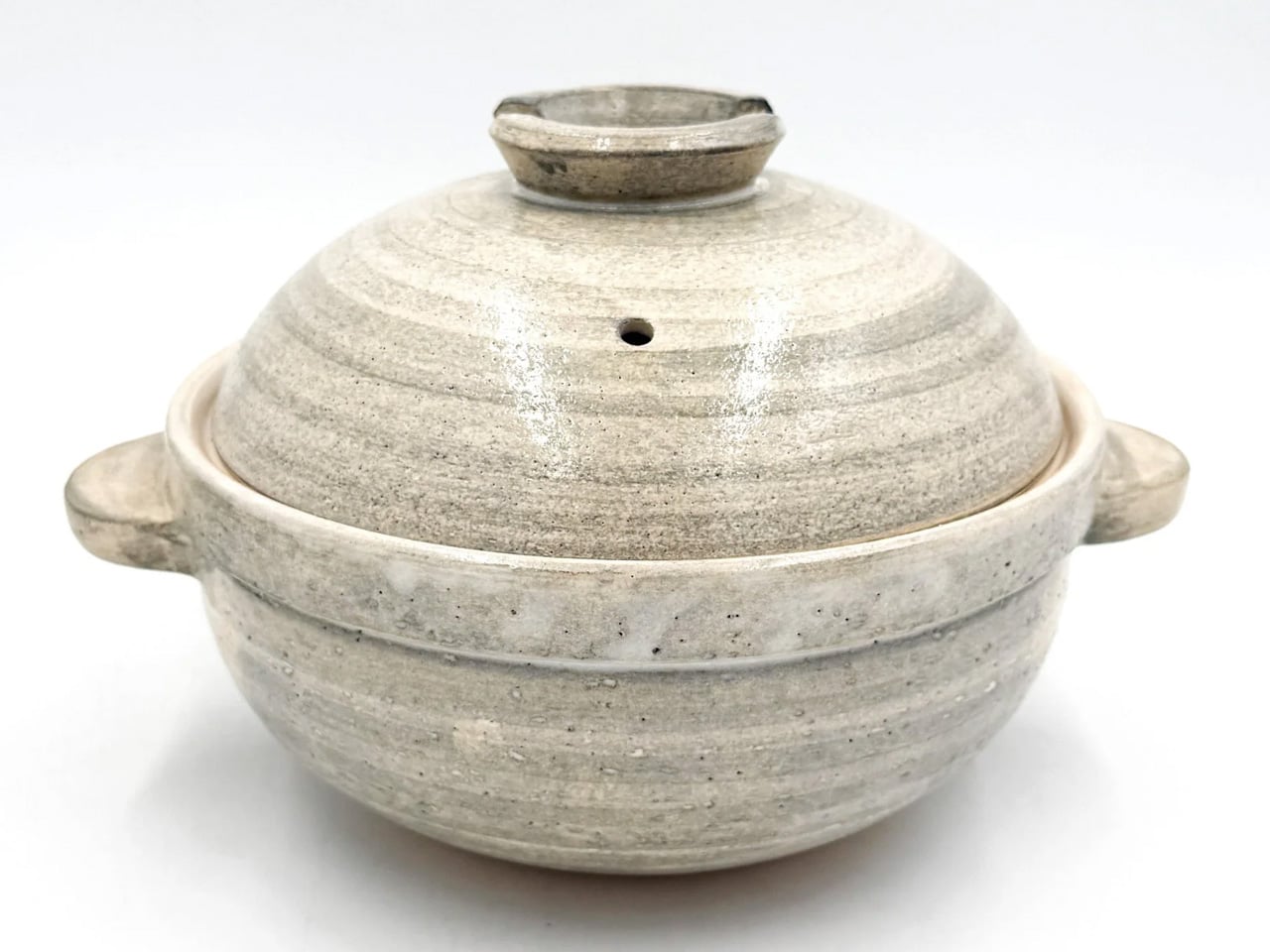
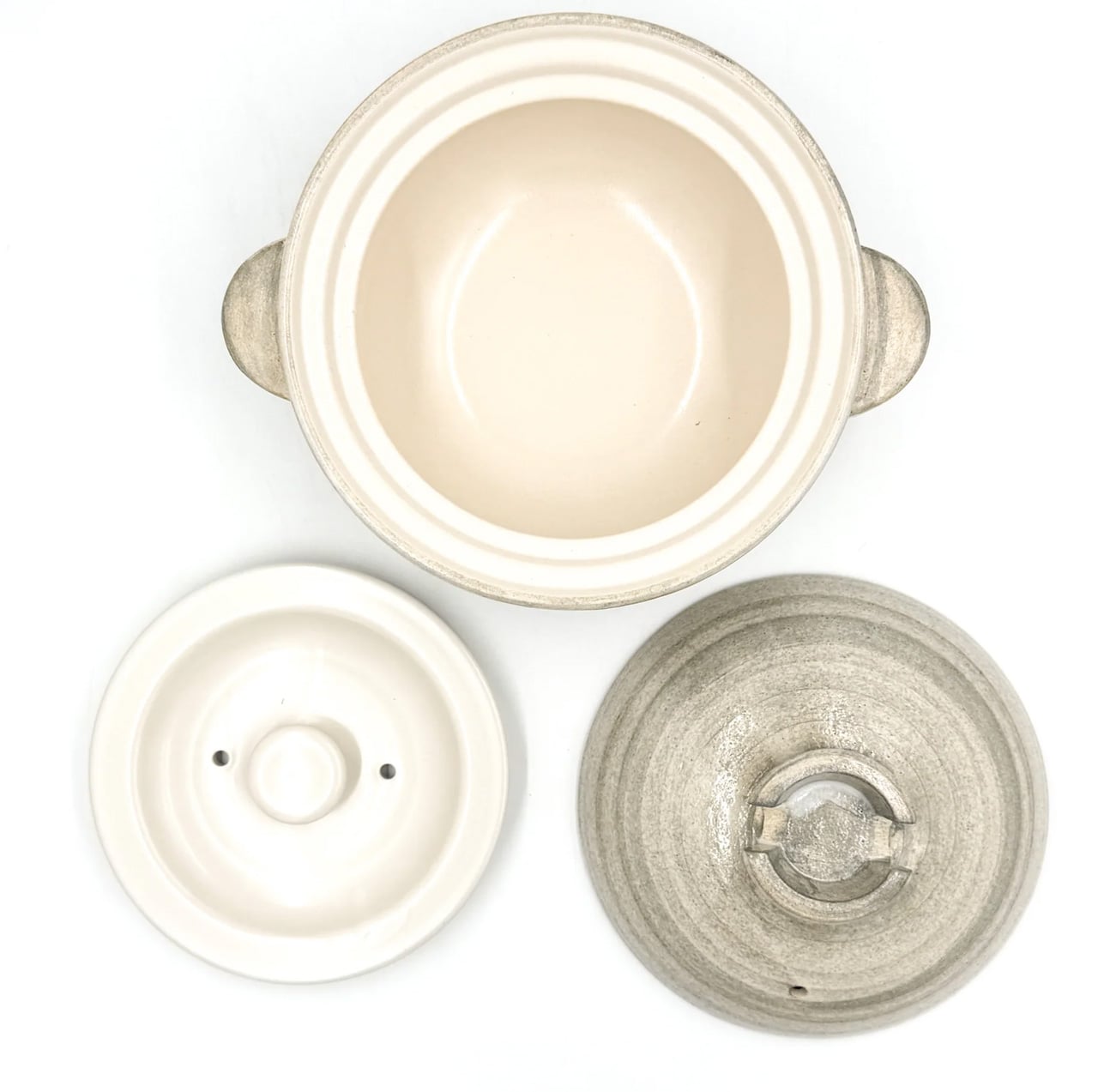
Iga-yaki clay comes from Mie Prefecture in Japan, where the local earth has been used for ceramics since at least the Kamakura period. The porous structure absorbs heat slowly and releases it evenly, creating a cooking environment that metal pots simply cannot replicate. Rice cooked in it sweetens. Broth deepens over a lower flame. The exterior stays rough and unfinished while the interior is glazed smooth: two textures on the same vessel, each doing exactly what it needs to.
Using a donabe imposes a different pace on dinner. You bring it to a heat gradually, you watch the steam rising from the lid, you lower the flame, and wait. That sequence of patient setup, attention to what the pot is communicating, and the discipline not to rush transforms cooking into something closer to practice than production. TOIRO Kitchen stocks Iga-yaki donabe in several sizes, all made in Japan, all functioning as vessels for the kind of cooking that rewards presence.
What We Like
- Iga-yaki clay retains heat well past the point of turning off the flame, keeping food at a temperature while you’re still at the table
- Genuinely versatile across hot pot, rice, steaming, and slow braise. One vessel covers all of it
What We Dislike
- Clay donabe requires seasoning before first use, typically by simmering rice water in it, a step not everyone anticipates from the packaging
- The porous clay body can absorb strong cooking odors over time and needs to be stored with the lid off after washing
4. Sakura Petal Grater
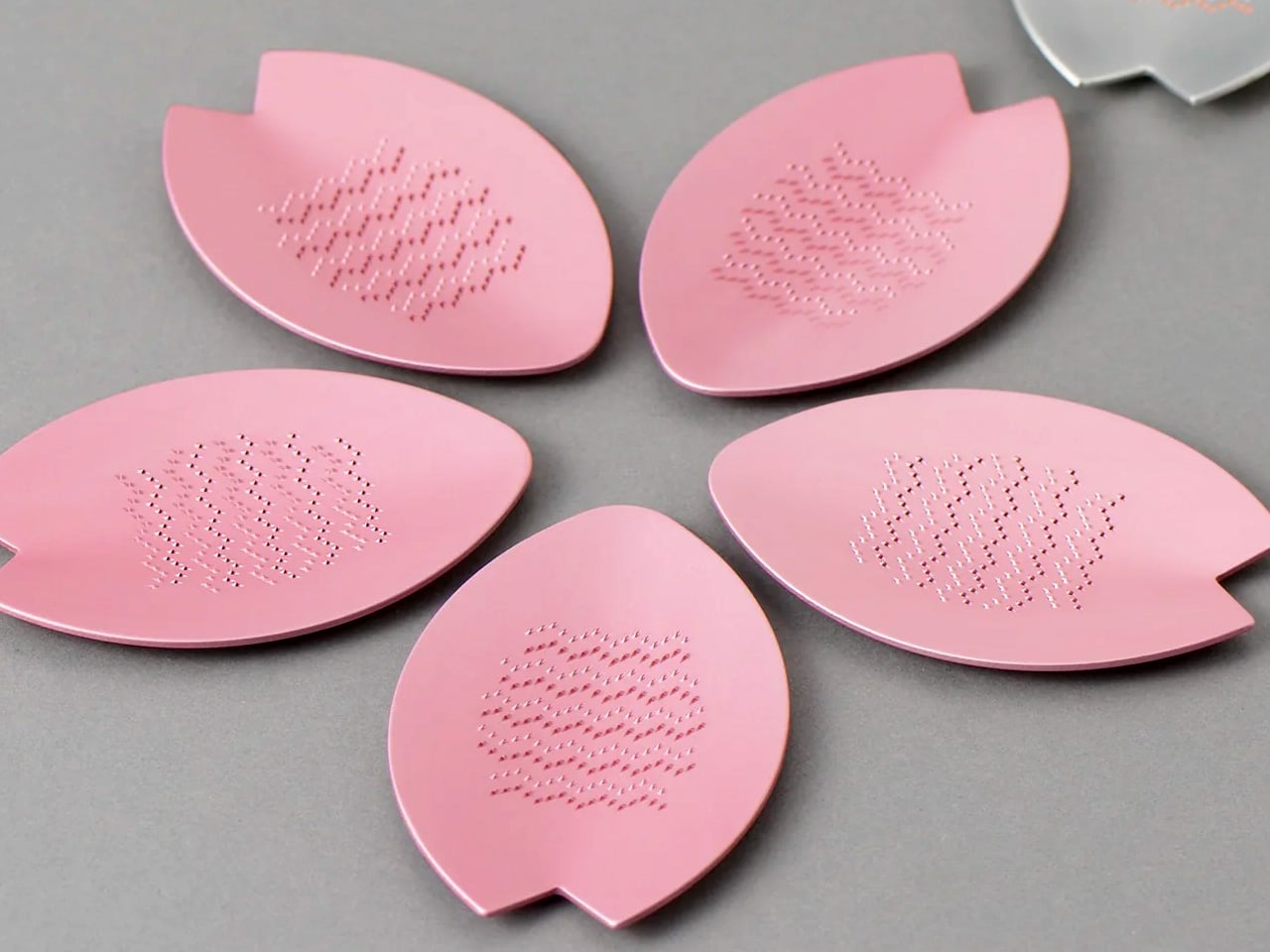
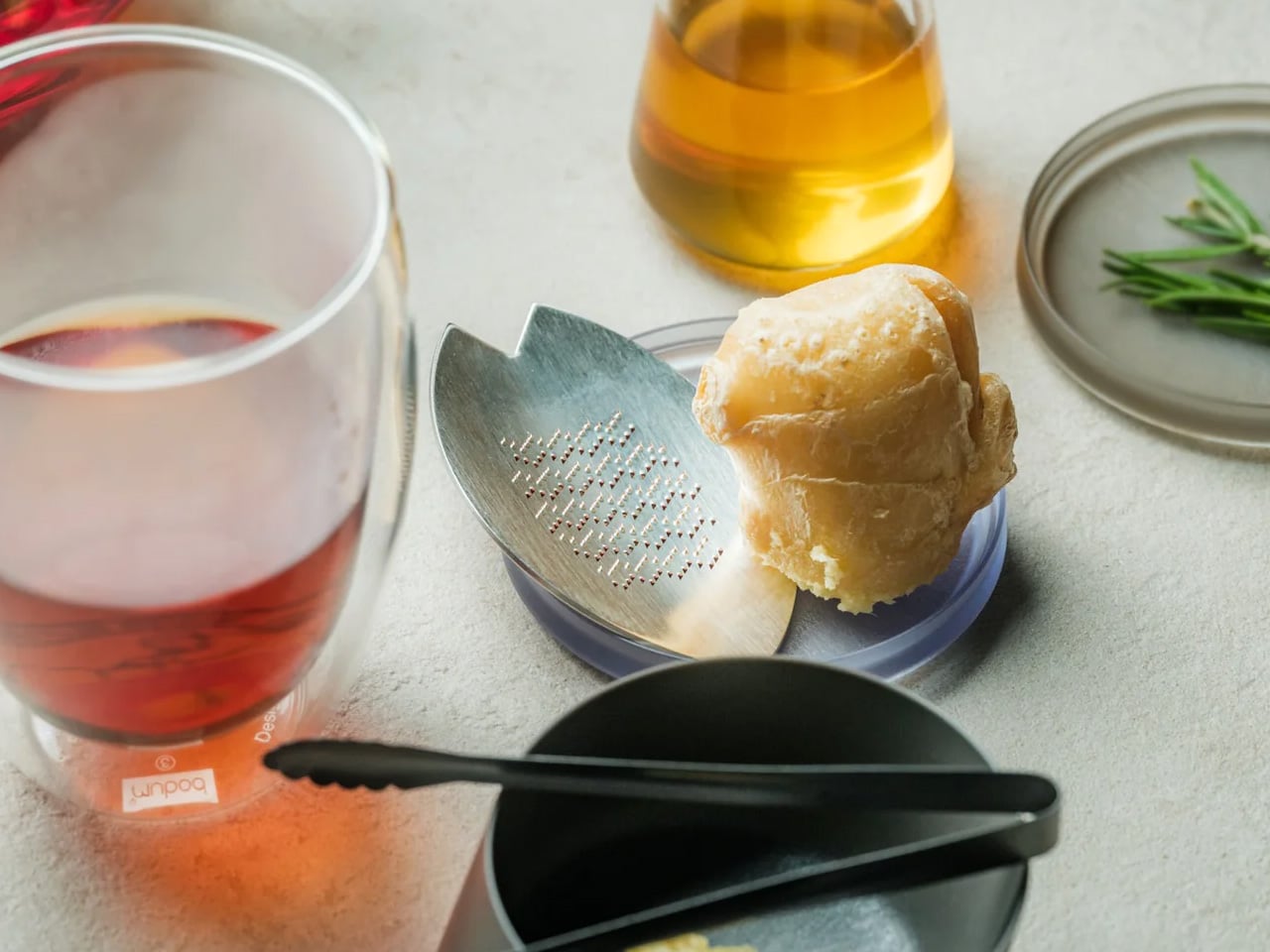
Fresh wasabi grated at the table is a different ingredient from the paste that comes in a tube. The same is true of ginger, of daikon, of any root that peaks the moment it’s reduced. The Sakura Petal Grater is built around that principle. Its sakura petal form brings tableside preparation into the meal itself, turning garnish work from a kitchen task into part of the ritual of eating. The circular motion has a quality that makes stopping feel abrupt.
Made from stainless steel, the grater sits flat and stable at the table, and the anti-slip silicone base doubles as a protective cover when stored. Its compact size means it takes no space to speak of, but what it brings to the table is disproportionate to its footprint. Grating fresh ginger over soup, wasabi alongside sashimi, and daikon over a bowl of soba becomes something you look forward to rather than manage. The shape itself is worth lingering on.
What We Like
- Tableside grating turns fresh garnish preparation into part of the dining ritual rather than prep work done in advance
- The compact form requires almost no storage space, and the silicone base doubles as a protective cover
What We Dislike
- The small size means slower processing for larger quantities, so it works best for garnish amounts rather than bulk grating
- Specialist in scope: for kitchen prep in volume, a larger grater is the more practical tool
5. Yoshihiro VG-10 16-Layer Hammered Damascus Nakiri 165mm
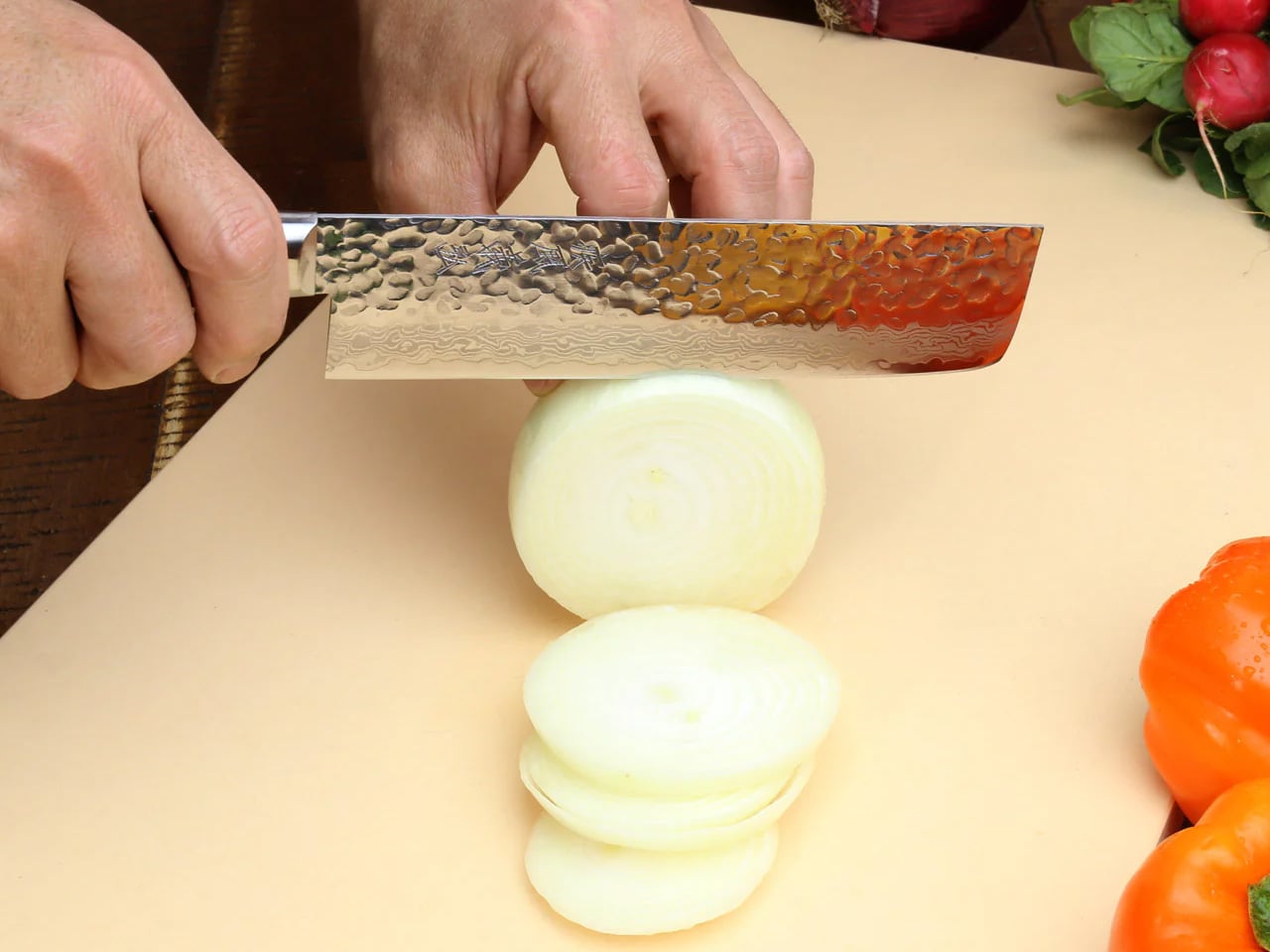
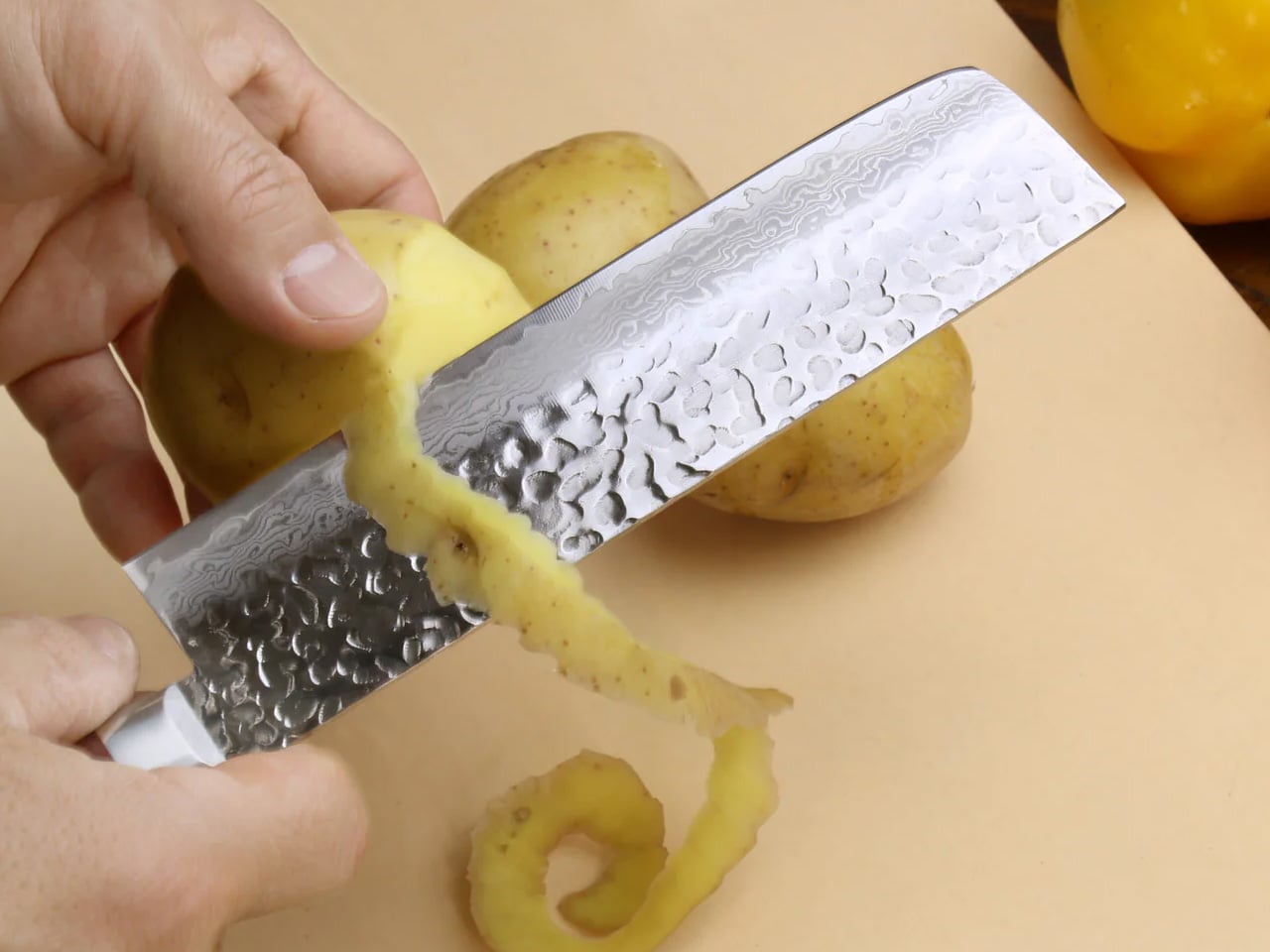
The Nakiri is designed exclusively for vegetables, and that singular focus is the entire point. The flat rectangular edge makes full contact with the cutting board on every stroke, without tip lift, without the curved rock of a chef’s knife. Just clean forward pressure through root vegetables, leafy greens, and ripe tomatoes with equal consistency. Yoshihiro builds this version around a VG-10 core wrapped in 16 layers of hammered Damascus steel, and the surface reduces friction through each cut, so nothing drags.
The Damascus layering produces a pattern unique to each blade, a specific arrangement of steel that no other knife in the world shares with yours. That individuality matters more than it sounds. The full-tang mahogany handle distributes weight in a way that makes extended prep feel balanced rather than tiring. Each blade is handcrafted by master artisans and certified for commercial kitchen use.
What We Like
- The 16-layer Damascus pattern is unique to every individual blade, making this a personal object in a way factory knives never manage
- Full-tang construction distributes weight evenly through the handle, reducing fatigue during longer vegetable prep sessions
What We Dislike
- The Nakiri is a specialist vegetable blade and is not designed for meat, fish, or general-purpose cutting
- Damascus finishes need careful maintenance and proper storage to preserve both the edge geometry and the layered surface over time
The Kitchen Is Already the Meditation
These five objects share something beyond country of origin. They each ask something of the person using them: attention, patience, a willingness to slow down and notice. The iron plate asks you to eat at the pace of the heat. The donabe asks you to wait for the steam before you touch the lid. The suribachi asks you to stay with the grinding until the smell tells you it’s ready. That presence is the common thread.
None of these tools will make you a better cook overnight. What they will do is change how cooking feels from one session to the next, until the kitchen becomes a place you want to spend time in rather than a place you want to get through. That shift is harder to achieve than any technical skill, and these five objects are exceptionally good at producing it.