The aluminum can has been one of the most successful packaging formats in history, but it carries a fundamental flaw. Pull that tab, and it’s open for good. You either finish it on the spot or accept that it’ll go flat, spill, or collect whatever finds its way in. For something this ubiquitous and this widely loved, that’s a surprisingly basic problem no one has managed to fix.
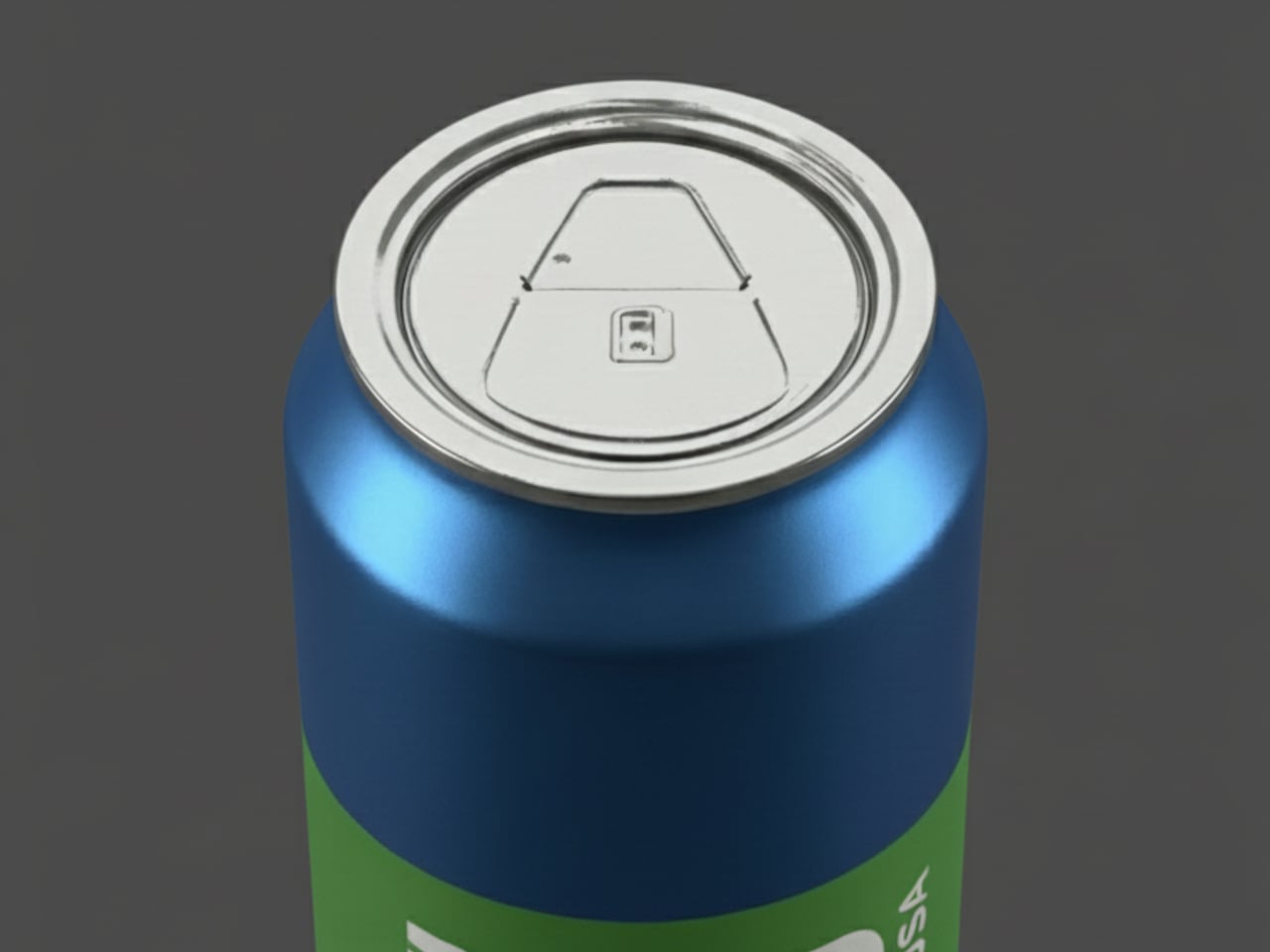
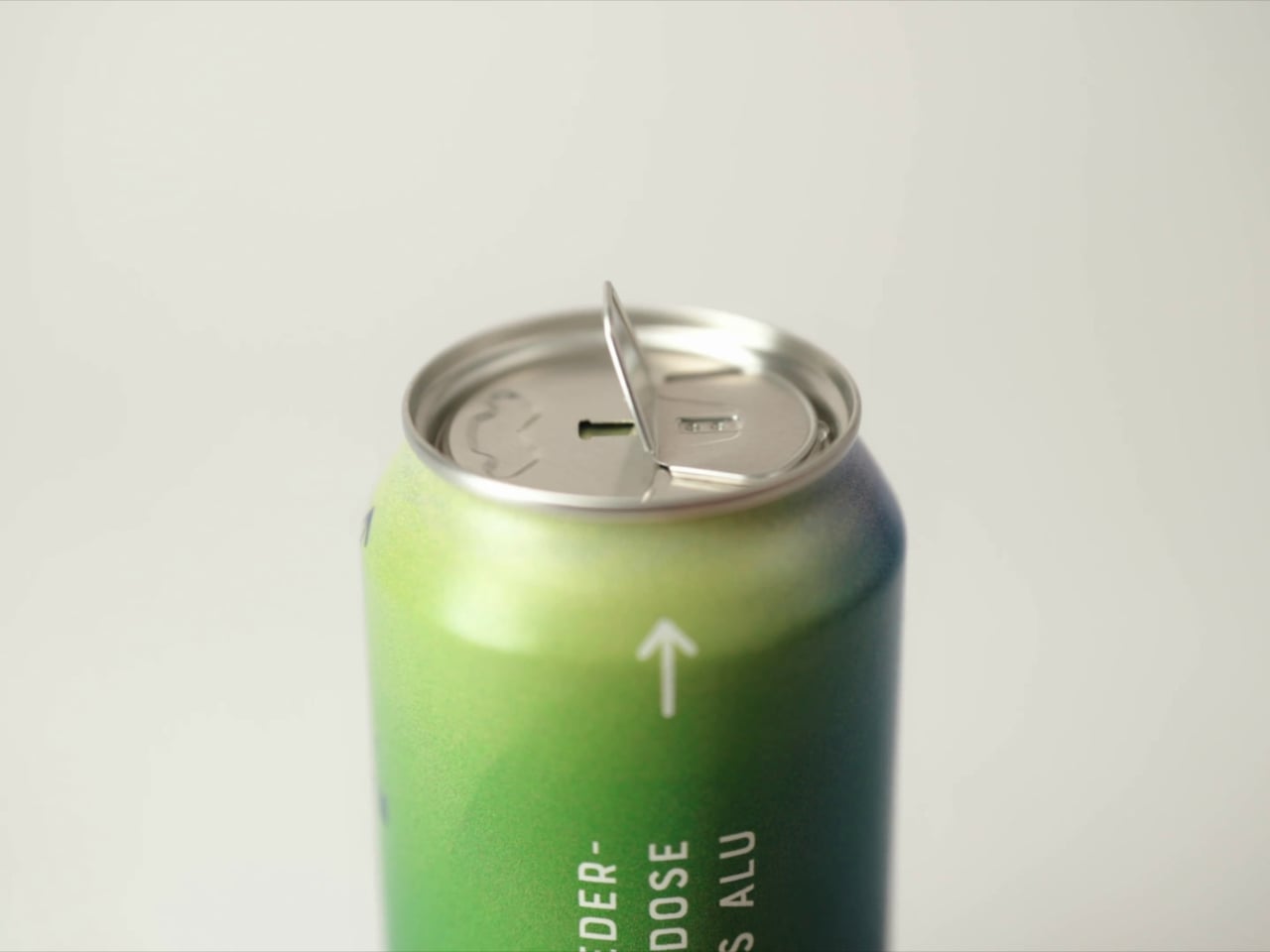
ReLid USA thinks it shouldn’t be that way. The company has developed a patented resealable lid that replaces the standard aluminum can end with a sliding mechanism, letting you open the can, take a drink, and close it back up again. The seal locks into place, preserving what’s left inside, and the whole thing stays 100% aluminum from start to finish, with no plastic involved whatsoever.
Designer: ReLid USA
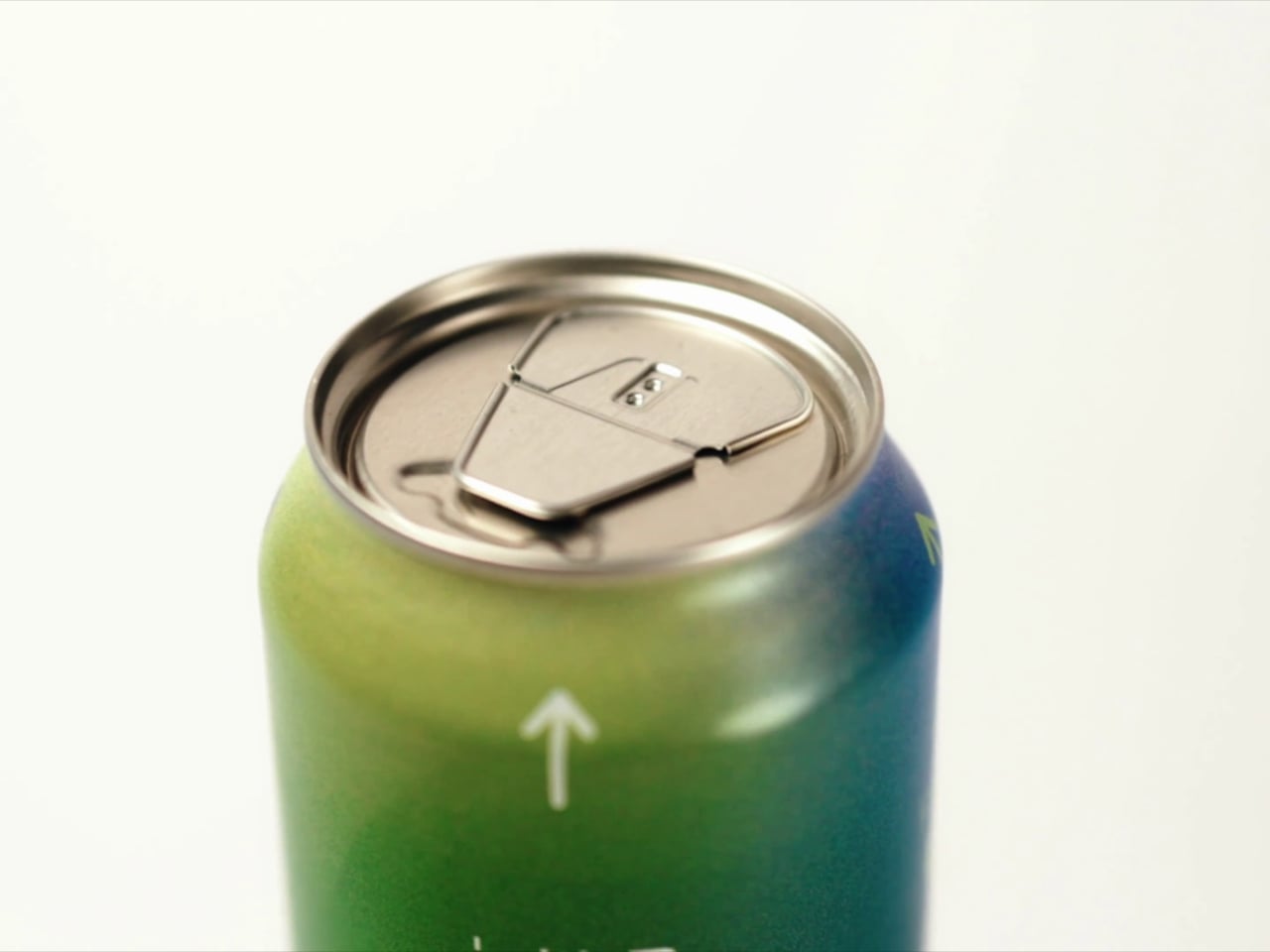
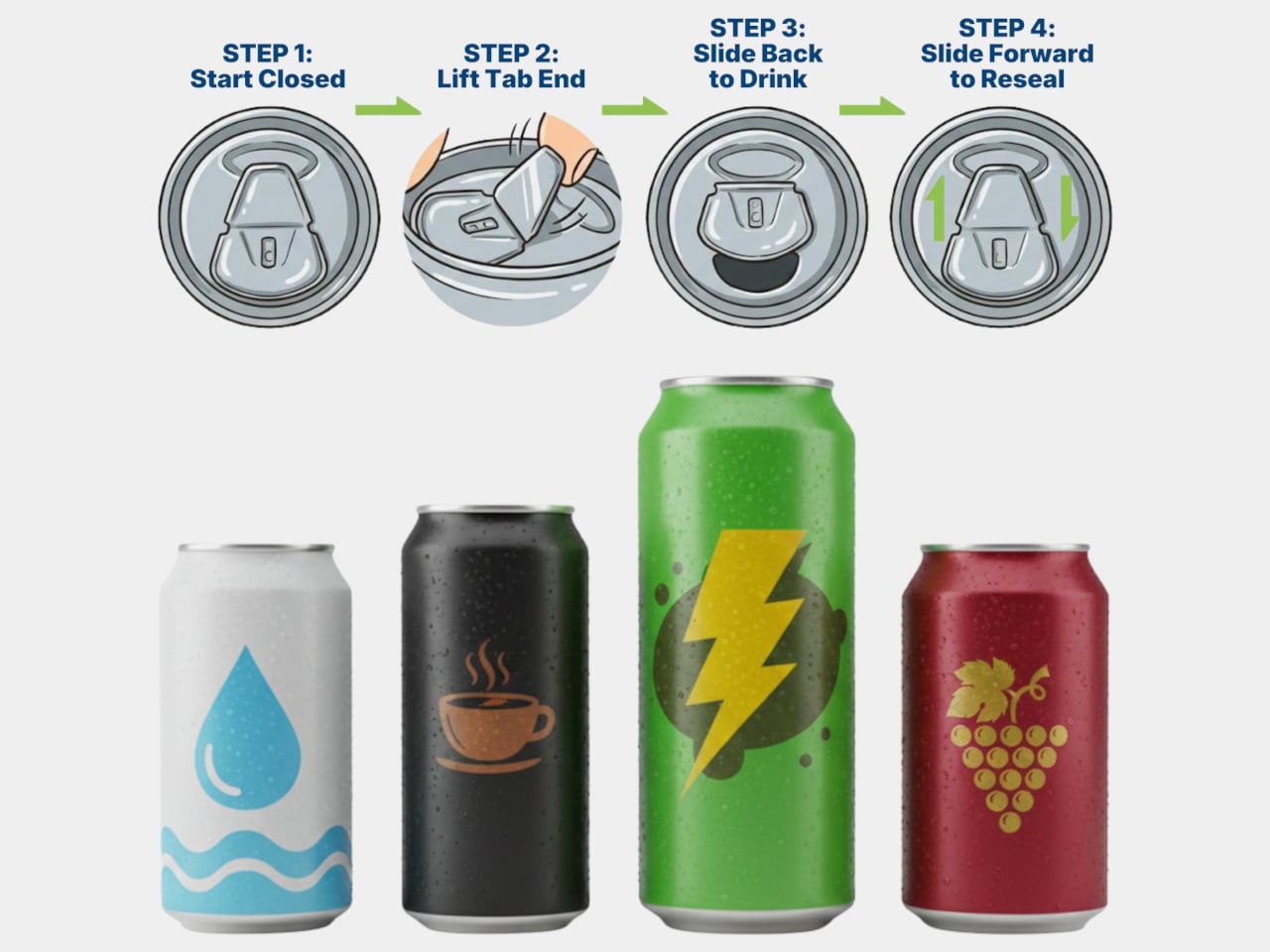
The mechanism is about as intuitive as it gets. You lift the tab end the way you would on any standard can, then slide it back to open the drinking aperture. To reseal, slide the tab forward and press it down, and the can closes back up airtight. ReLid says the mechanism holds up for at least 14 reseals, covering a lot of sipping sessions before a can ever needs replacing.
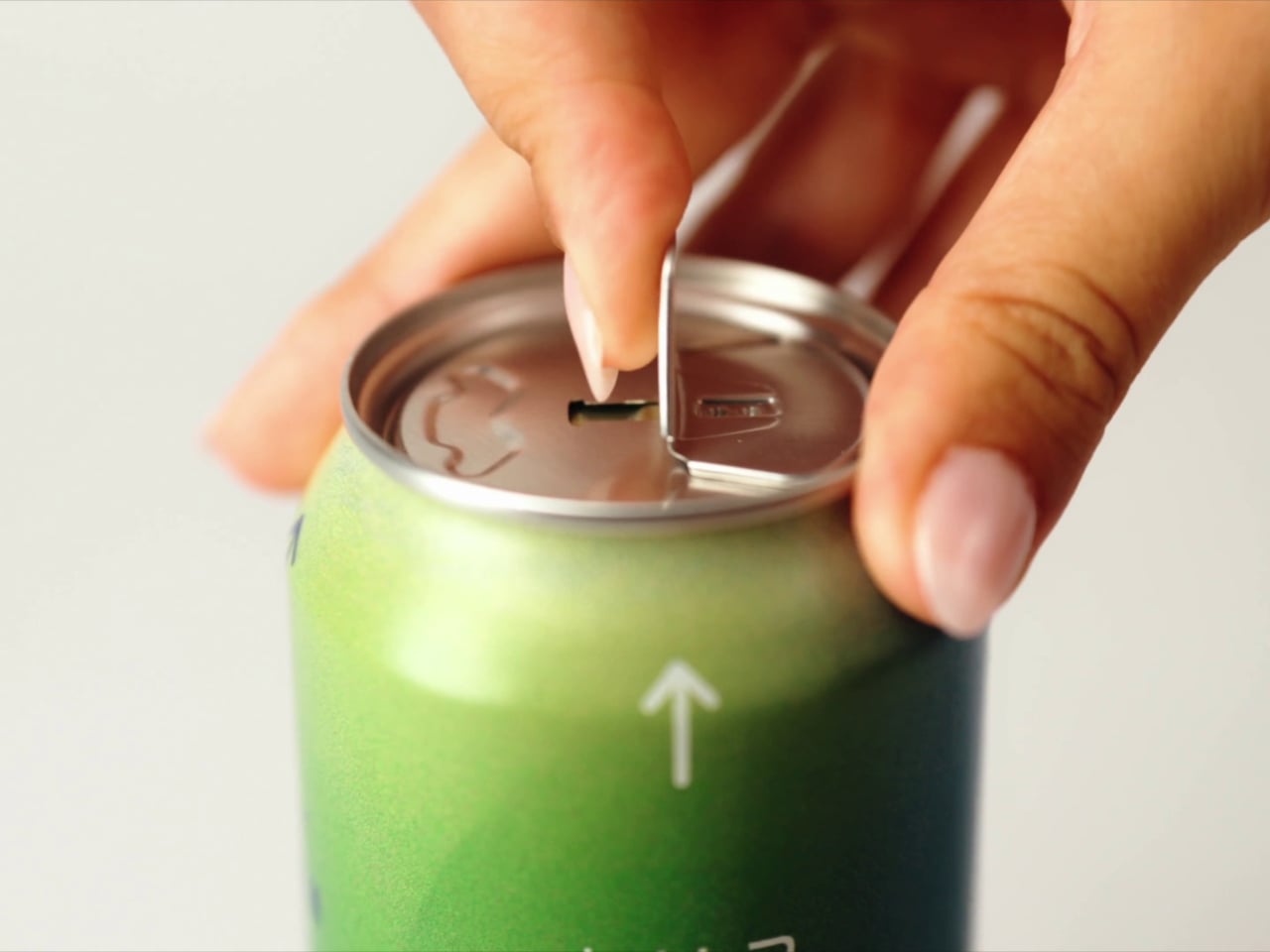
What that means practically is that an unfinished energy drink can go back into a bag without soaking everything else. A half-consumed sparkling water can stay sealed and carbonated until you come back to it. Someone at the gym can set a can down between sets without worrying about spills or flatness. These aren’t exotic demands. They’re the basic expectations we’ve had from bottles for decades.
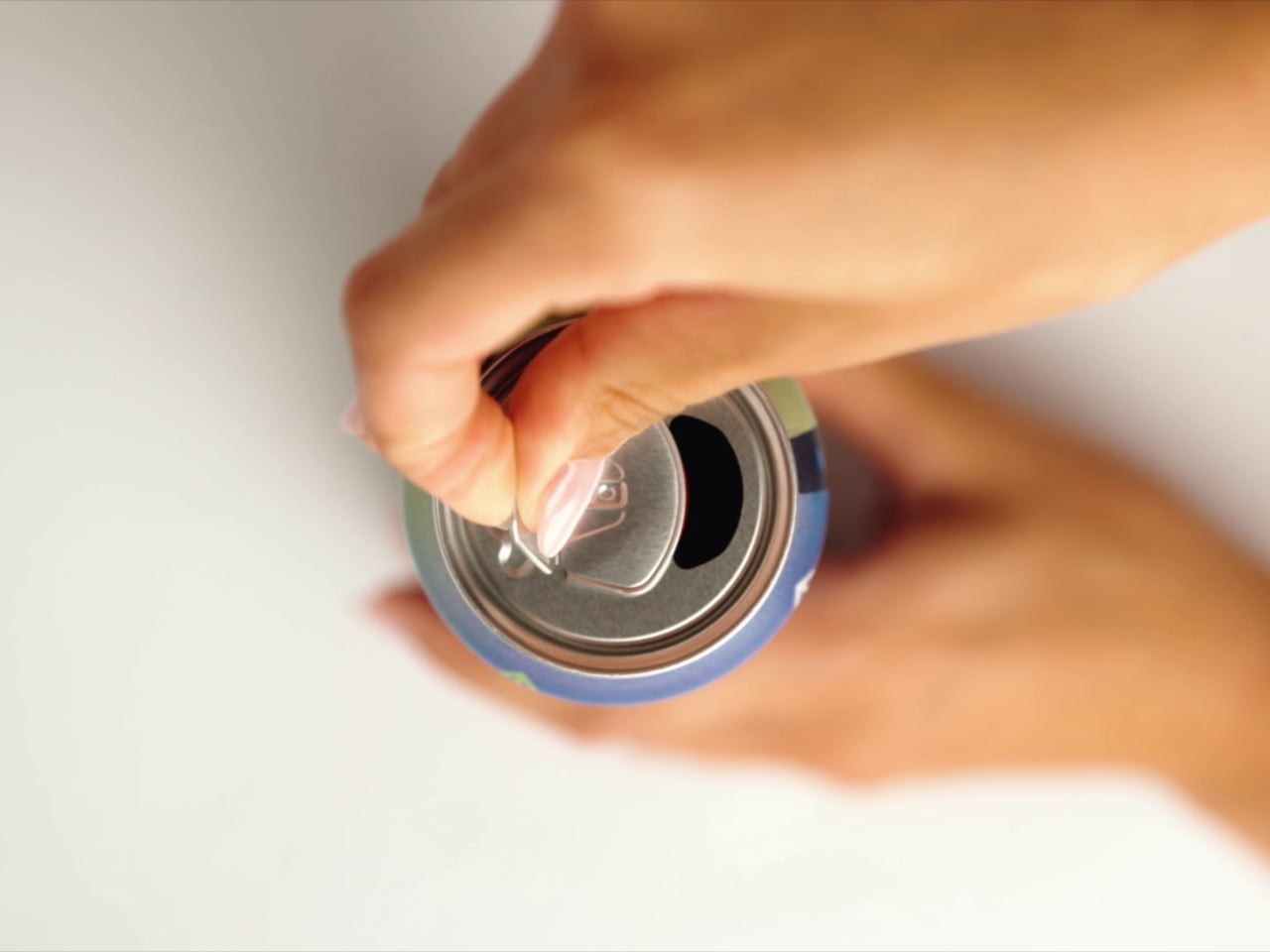
The sustainability angle is worth noting, too. Because the entire lid is aluminum with no plastic parts mixed in, it goes into the same recycling stream as any standard can, without any separation or special handling. There are no mixed materials to complicate the process, and since aluminum is infinitely recyclable, none of the material is lost when the can eventually reaches the end of its life.
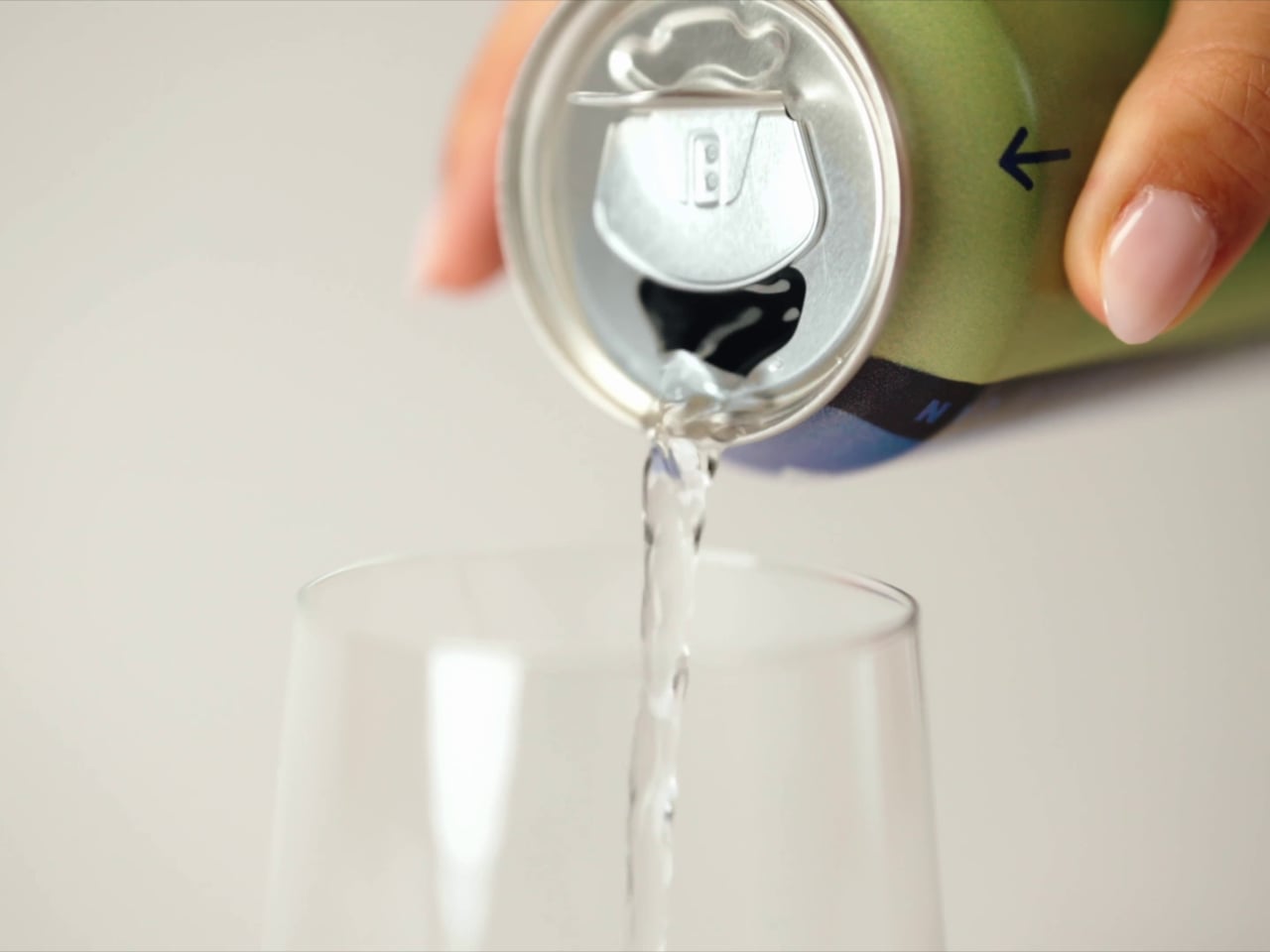
The technology was originally developed starting in 2020 by Re-Lid Engineering AG, a Liechtenstein-based packaging design firm. ReLid USA, headquartered in St. Charles, Illinois, holds the exclusive North American license and engineered the product to slot into existing beverage-filling lines without any new equipment or changes to production. It works with standard 202 and 206 can end formats, covering the vast majority of cans already in use. The can format hasn’t changed much in decades, and this might be the most sensible edit it’s ever gotten.
SHARE