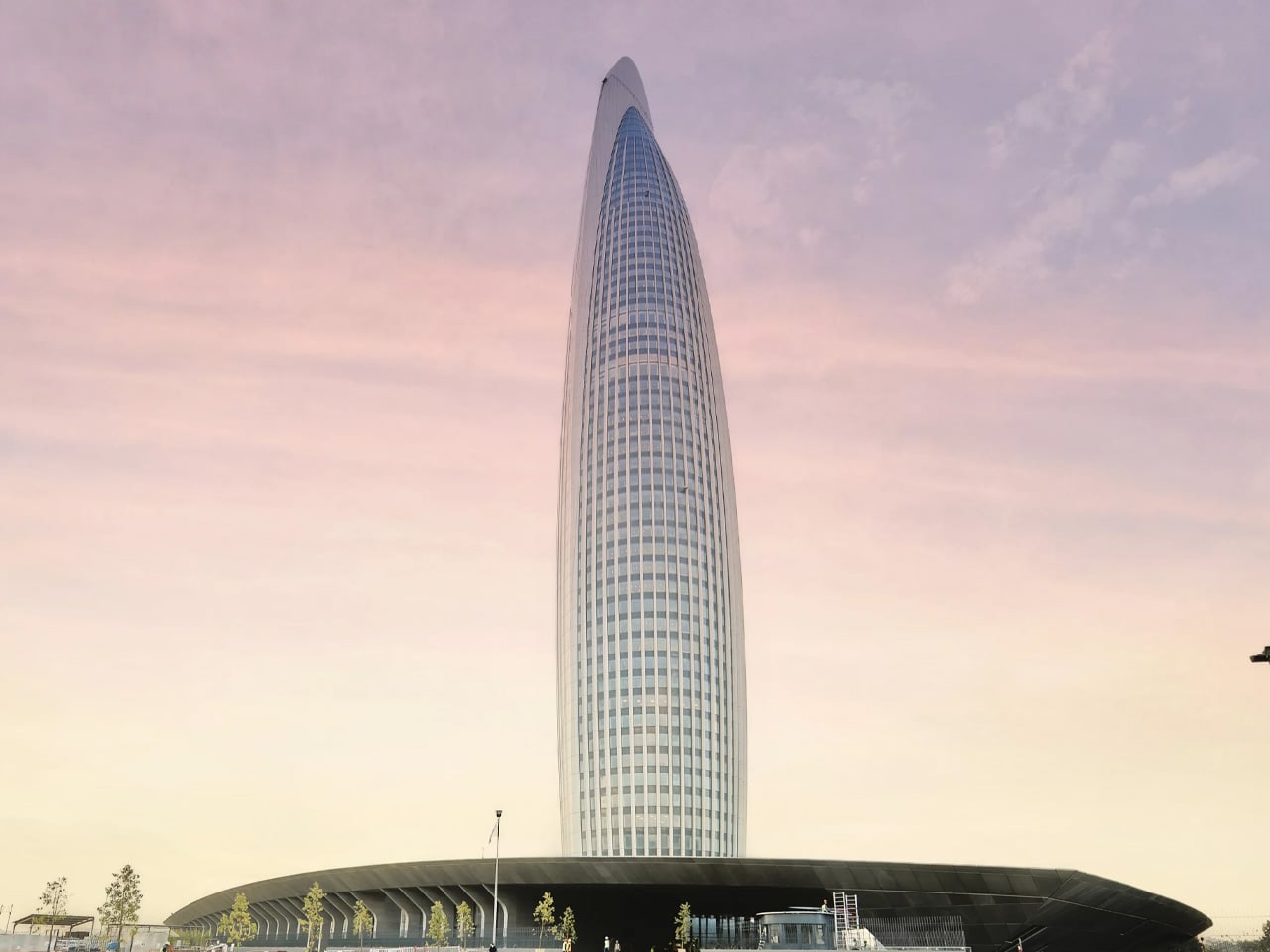
There are buildings, and then there are statements. The Mohammed VI Tower, inaugurated on April 23, 2026, in Salé, Morocco, belongs firmly in the second category. Rising 250 metres across 55 floors on the east bank of the Bouregreg River, it is now the tallest building in Morocco and the third tallest on the African continent. It did not arrive quietly. Visible from 50 kilometres in every direction, the tower has already redrawn the skyline that was once defined by centuries-old minarets.
The story behind it is as cinematic as the structure itself. Othman Benjelloun, the 93-year-old billionaire and chief executive of the Bank of Africa, conceived the idea decades ago after visiting a NASA facility ahead of the Apollo 12 mission. Standing before the Saturn V rocket, he saw not just a machine but a metaphor. That image, a rocket braced on its launchpad and ready to ascend, became the architectural soul of the tower. Spanish architect Rafael de la Hoz and Moroccan architect Hakim Benjelloun translated that vision into steel, glass, and concrete, producing a silhouette that reads like liftoff frozen in time.
Designer: Rafael de la Hoz and Hakim Benjelloun
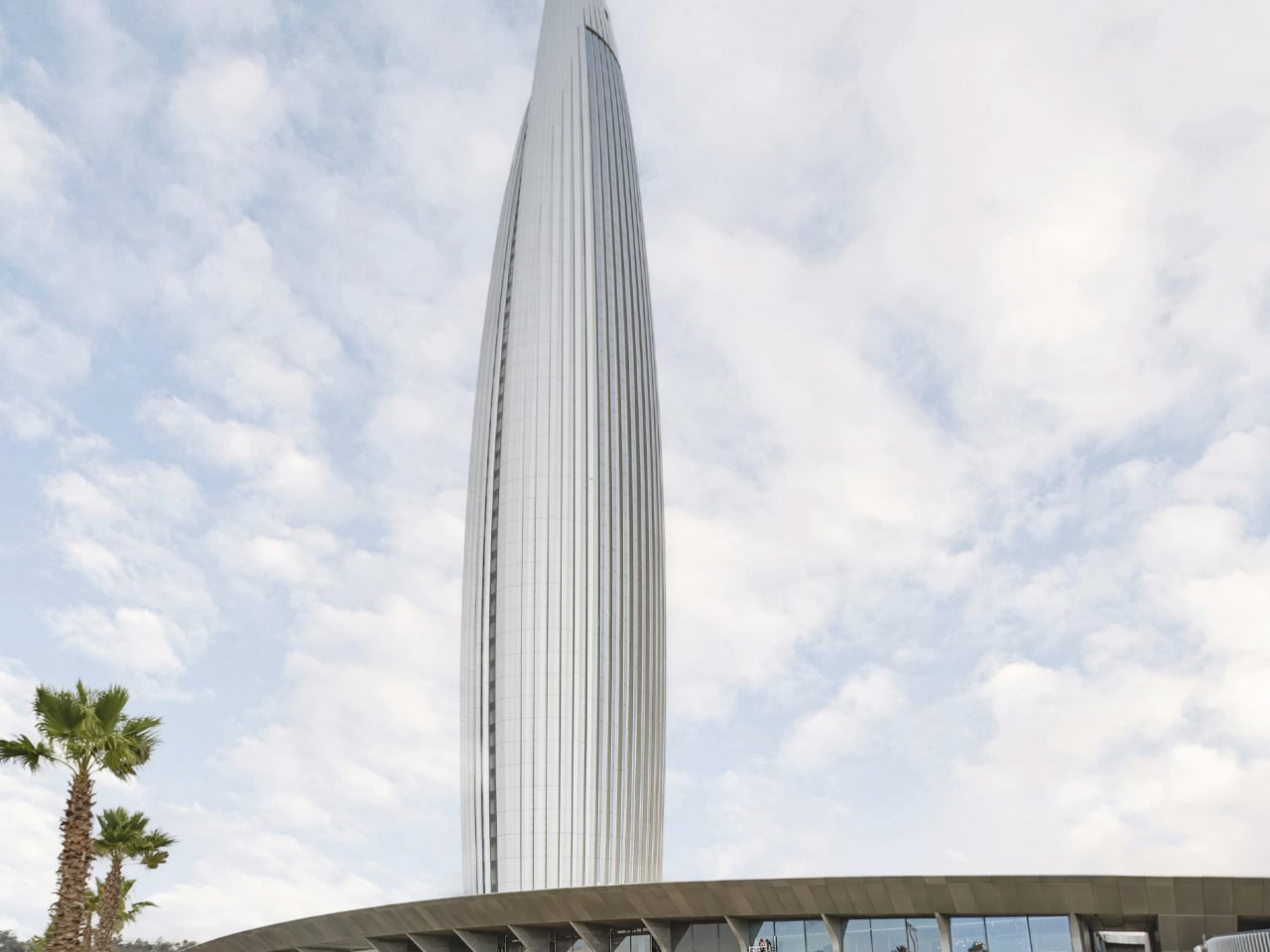
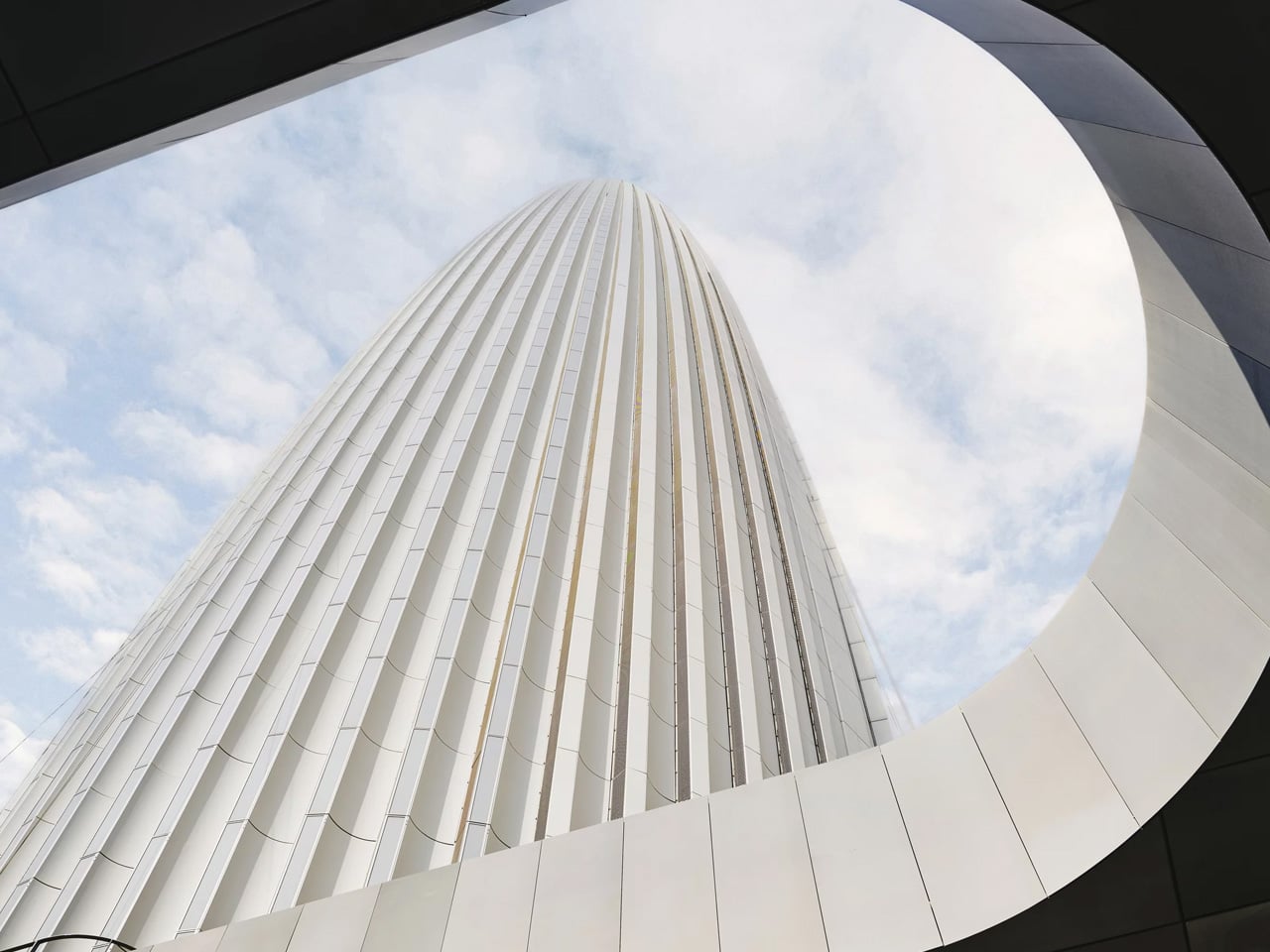
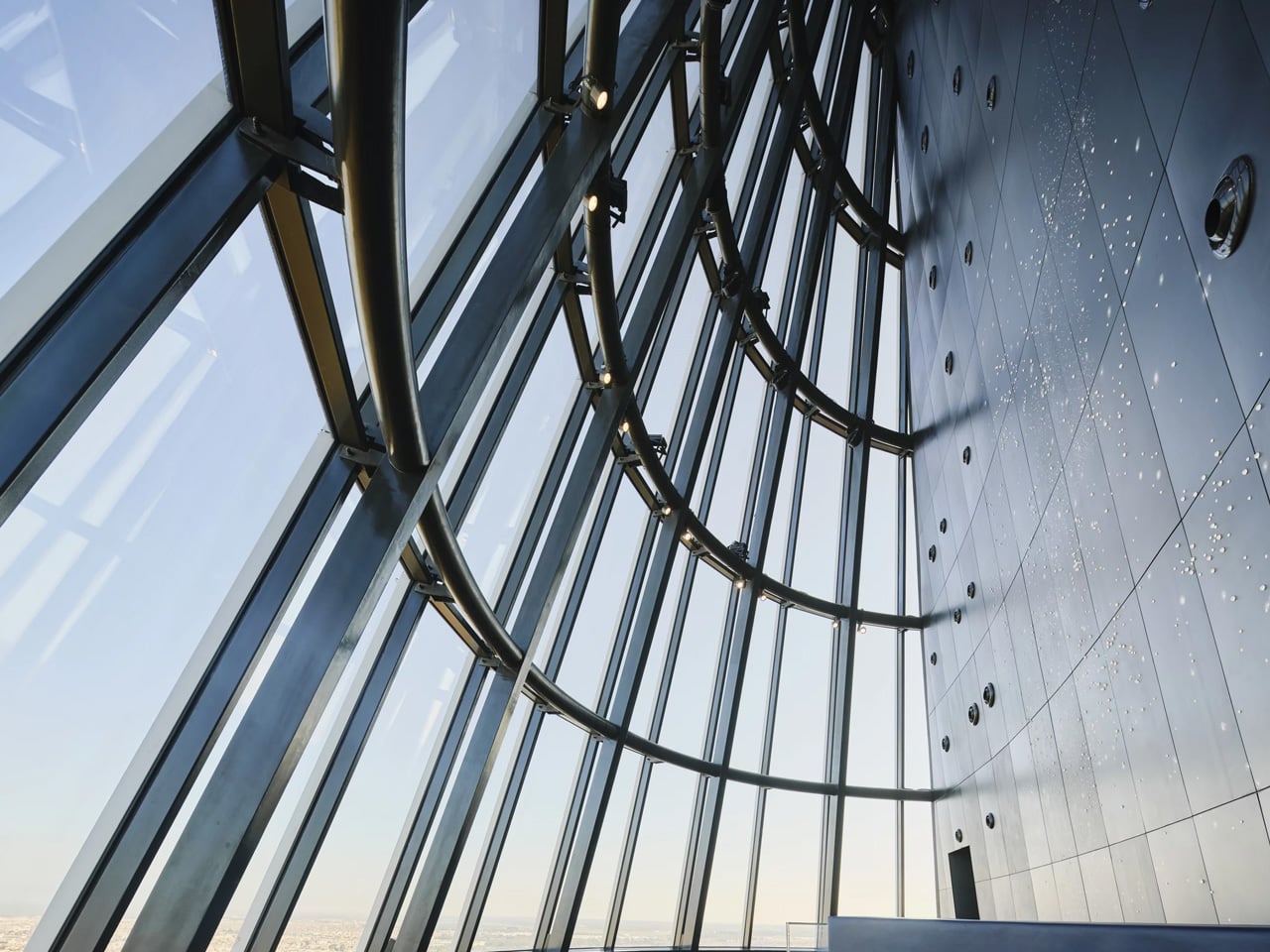
The tower is far more than its form. Across its 102,800 square metres of floor area, it houses a Waldorf Astoria hotel, premium offices, high-end residential apartments, retail spaces, and a panoramic observation deck at its crown. Interior design was handled by Pierre Yves Rochon, with furniture and fittings curated by FLAMANT. The facade spans 70,000 square metres and integrates solar panels, while a tuned mass damper ensures stability at height. The building holds both LEED Gold and HQE sustainability certifications, setting a benchmark for green construction across the continent.
Construction began in July 2017 and was delivered by BESIX in a joint venture with TGCC, Six Construct, and the China Railway Construction Corporation, with a total cost of 3.5 billion Moroccan dirhams, roughly $700 million. The project forms the centrepiece of the Bouregreg Valley Development, a broader effort to transform Rabat into a city of international standing ahead of the 2030 FIFA World Cup, which Morocco will co-host.
Not everyone is celebrating at the same altitude. Critics point out that major investment continues to concentrate along Morocco’s Atlantic corridor, while inland regions contend with high unemployment and uneven public services. The tower, they argue, is a monument to ambition that has yet to translate into equity.
Still, as an act of architecture, the Mohammed VI Tower is difficult to argue with. Rafael de la Hoz and Hakim Benjelloun have given Morocco something rare: a building with a founding myth, a bold form, and the scale to match both.
SHARE