Melbourne’s inner-city suburb of Abbotsford is the kind of place that makes you feel the weight of time. Its streets are lined with single-fronted worker’s cottages, row after row of modest Victorian weatherboards that have been standing since the 19th century, when industrial workers first settled around the nearby factories of Fitzroy and Collingwood. The vernacular is intact, the character deeply established. To build something new here isn’t just a design challenge. It’s a negotiation with history.
That’s what makes the Abbie Abbotsford Terrace by Eckersley Architects so worth paying attention to. Not because it breaks the rules, but precisely because it knows which ones to follow. Completed in 2021, the project began with a single-fronted worker’s cottage situated directly opposite a leafy park and asked a straightforward but deceptively difficult question: how do you expand a home that’s defined by its modesty without losing the thing that makes it meaningful? The answer Eckersley Architects arrived at is one of restraint, context, and a quiet kind of confidence that isn’t always easy to pull off.
Designer: Eckersley Architects
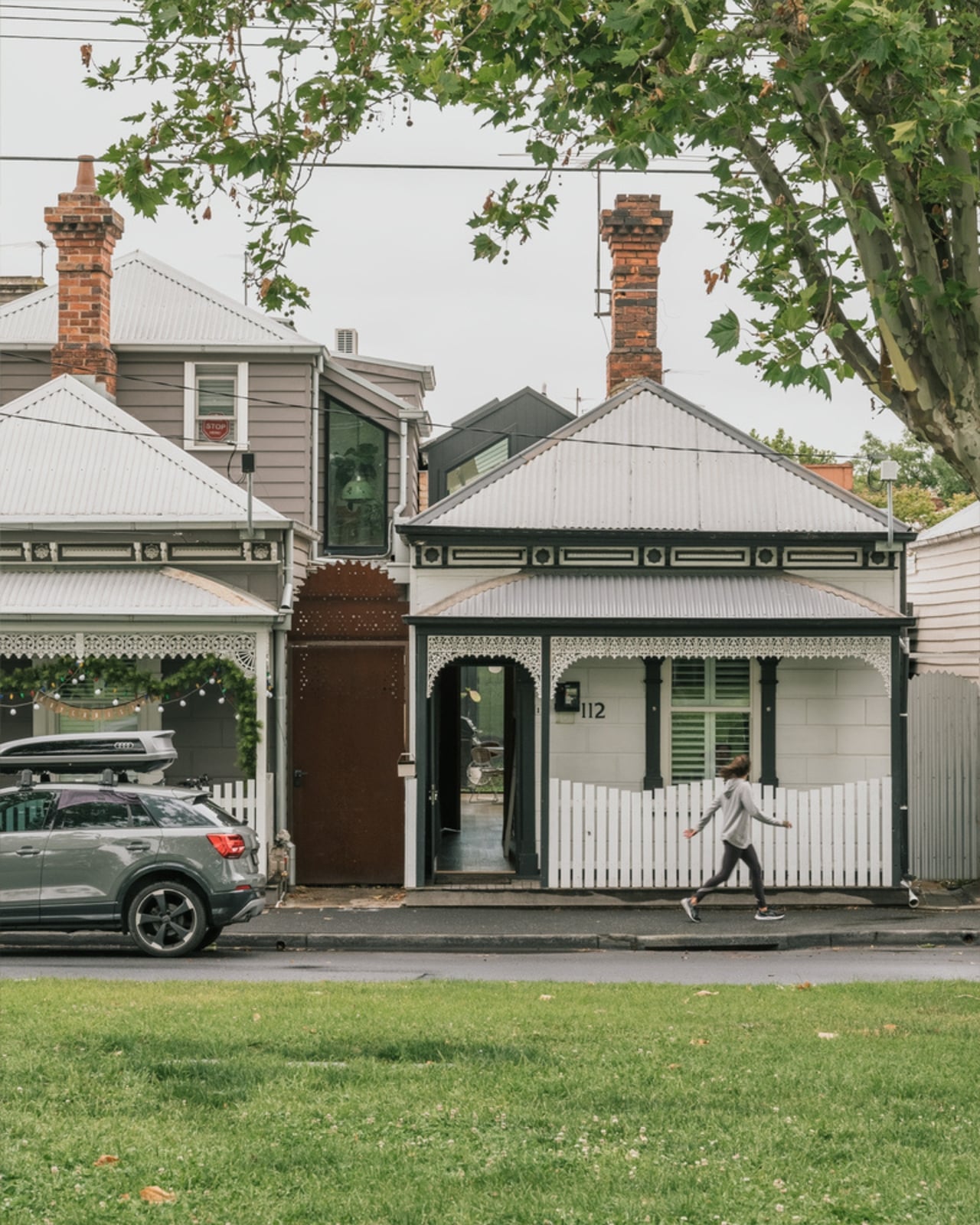
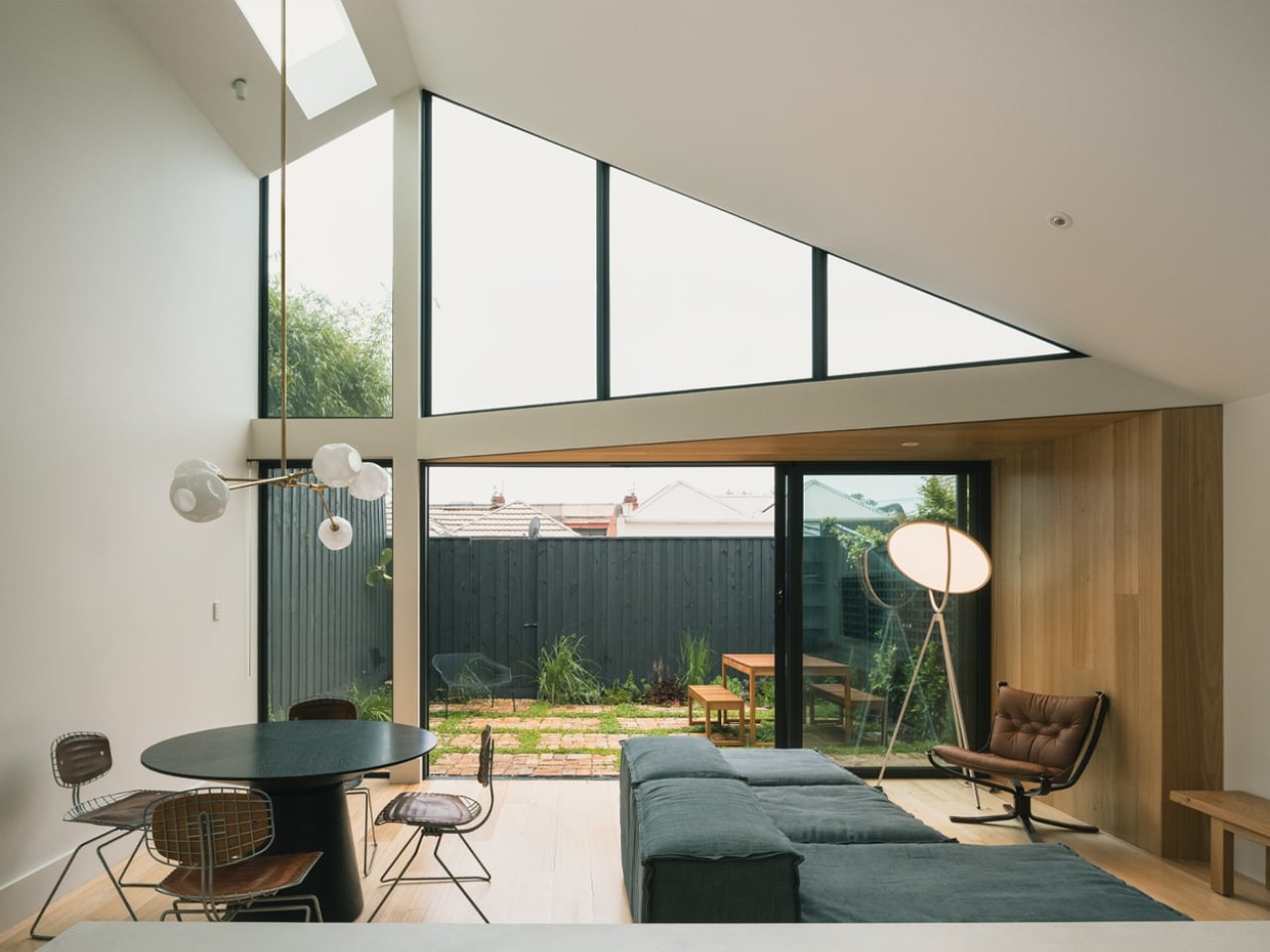
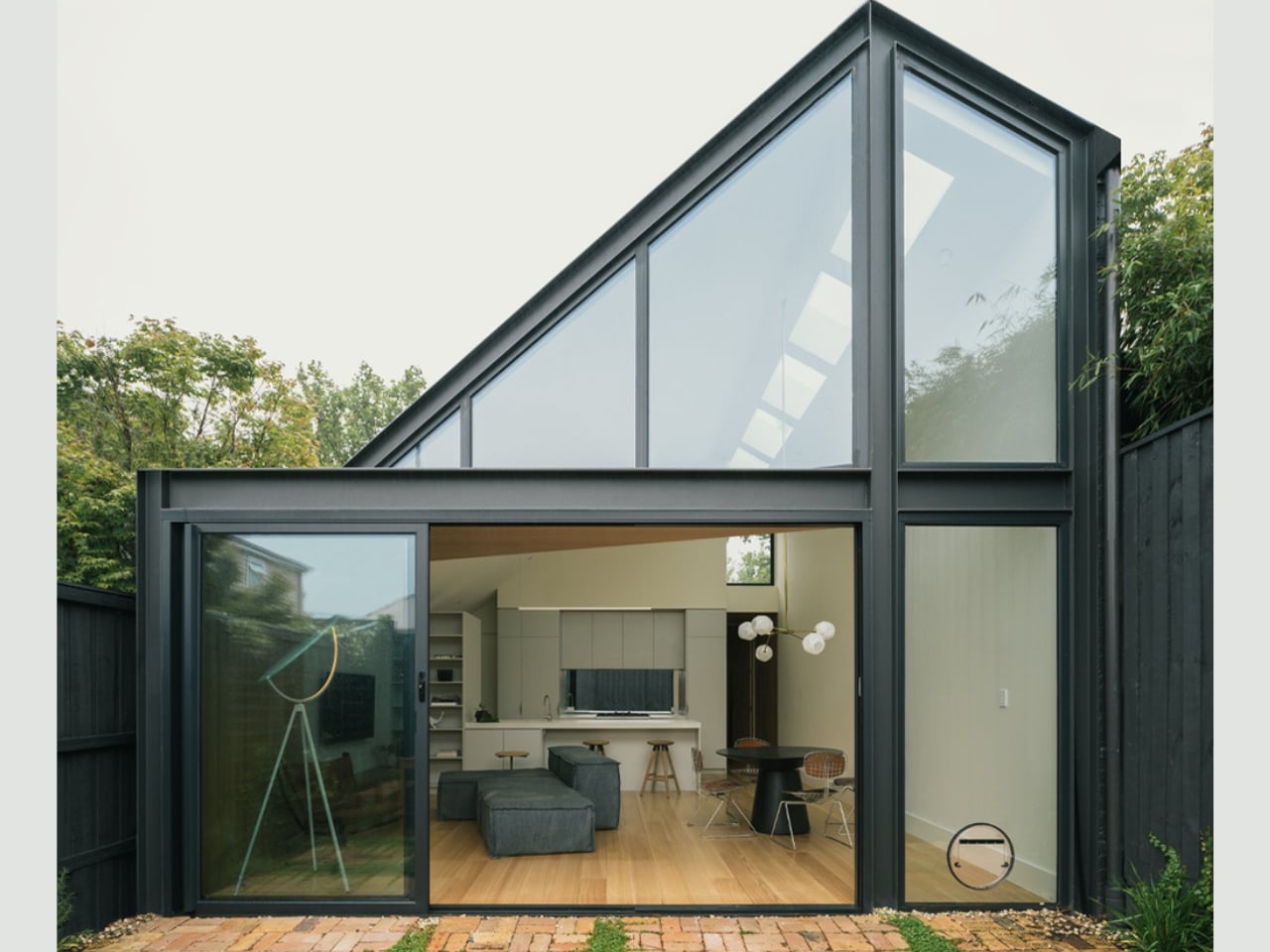
The approach was to preserve and restore the original cottage entirely, keeping it as the street-facing face of the home. The new addition lives at the rear, a modern single-level extension that opens generously onto a private, enclosed courtyard. It doesn’t announce itself. It doesn’t try to compete. The original and the new sit in dialogue rather than in tension, and that matters more than it might first appear.
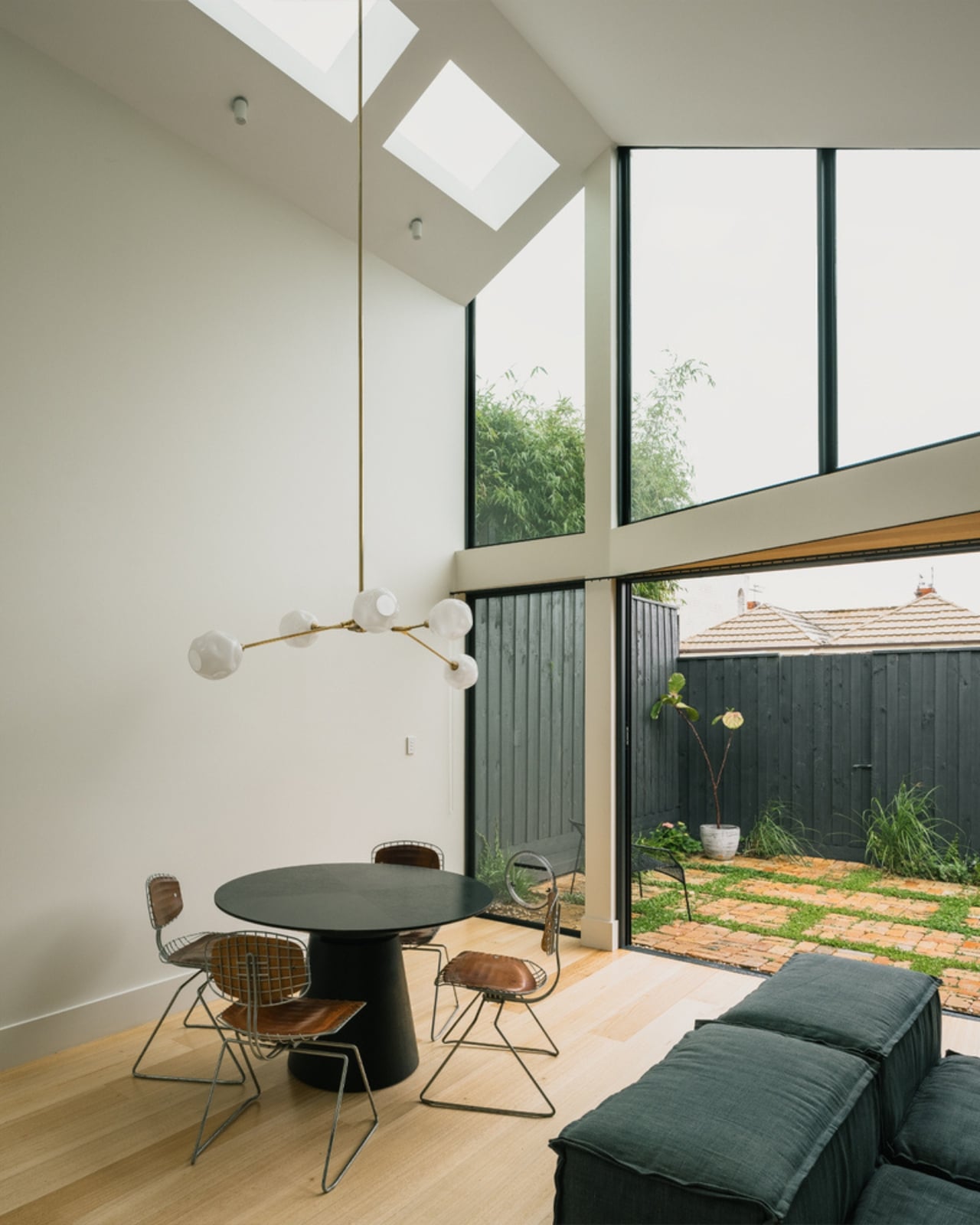
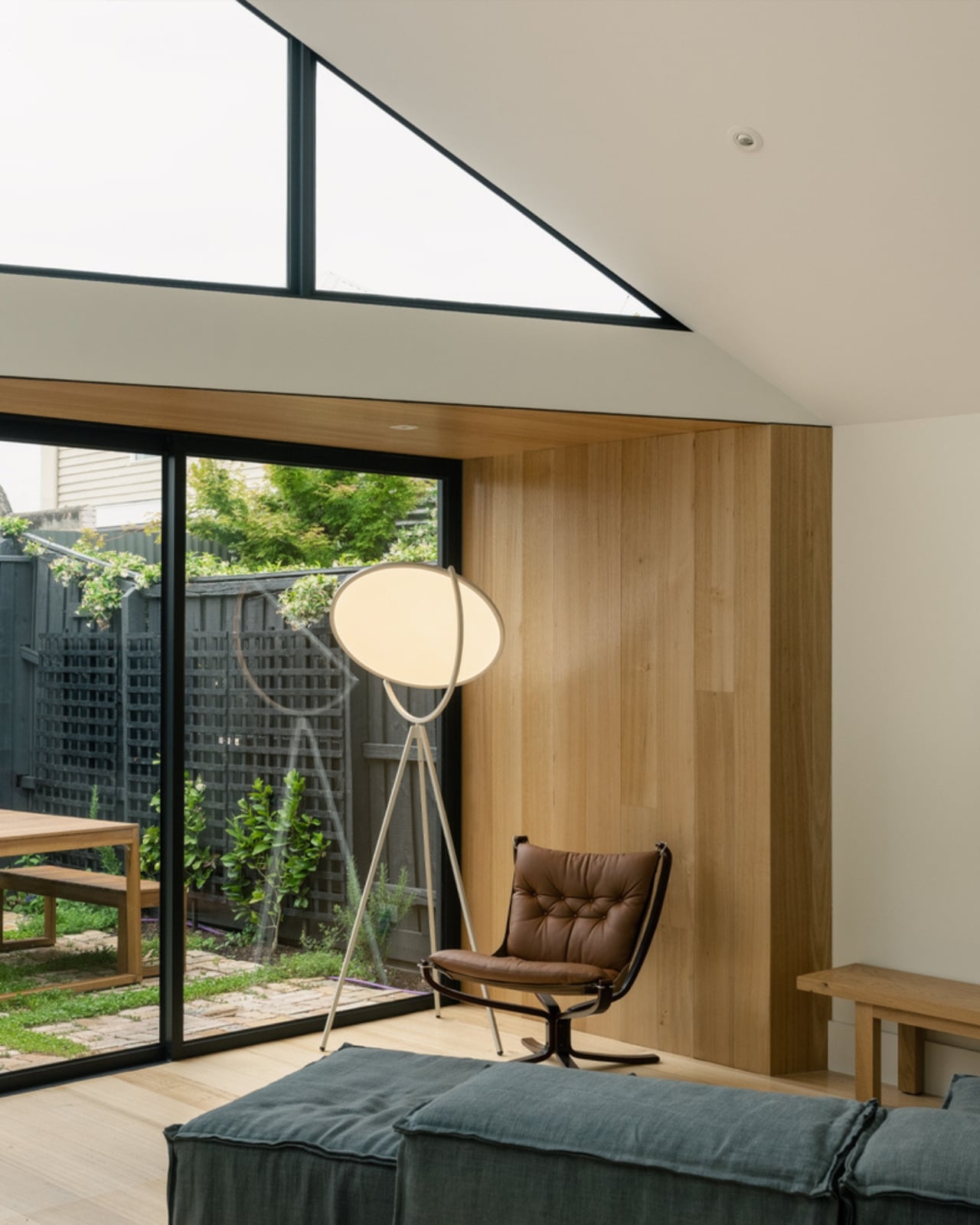
One of the more understated decisions in the design is how the building form was shaped by its immediate neighbours. To the north, a two-storey dwelling. To the south, a single-level home with very little outdoor space. Rather than ignoring this context, Eckersley Architects used it as a structural premise, positioning Abbie as the bridge between two opposing scales, sitting equally adjacent to both boundary walls and carefully calculated to cause minimal shadowing to the southern neighbour. It’s the kind of considered empathy that rarely gets talked about in residential architecture, but it’s exactly the sort of thinking that separates good design from great design.
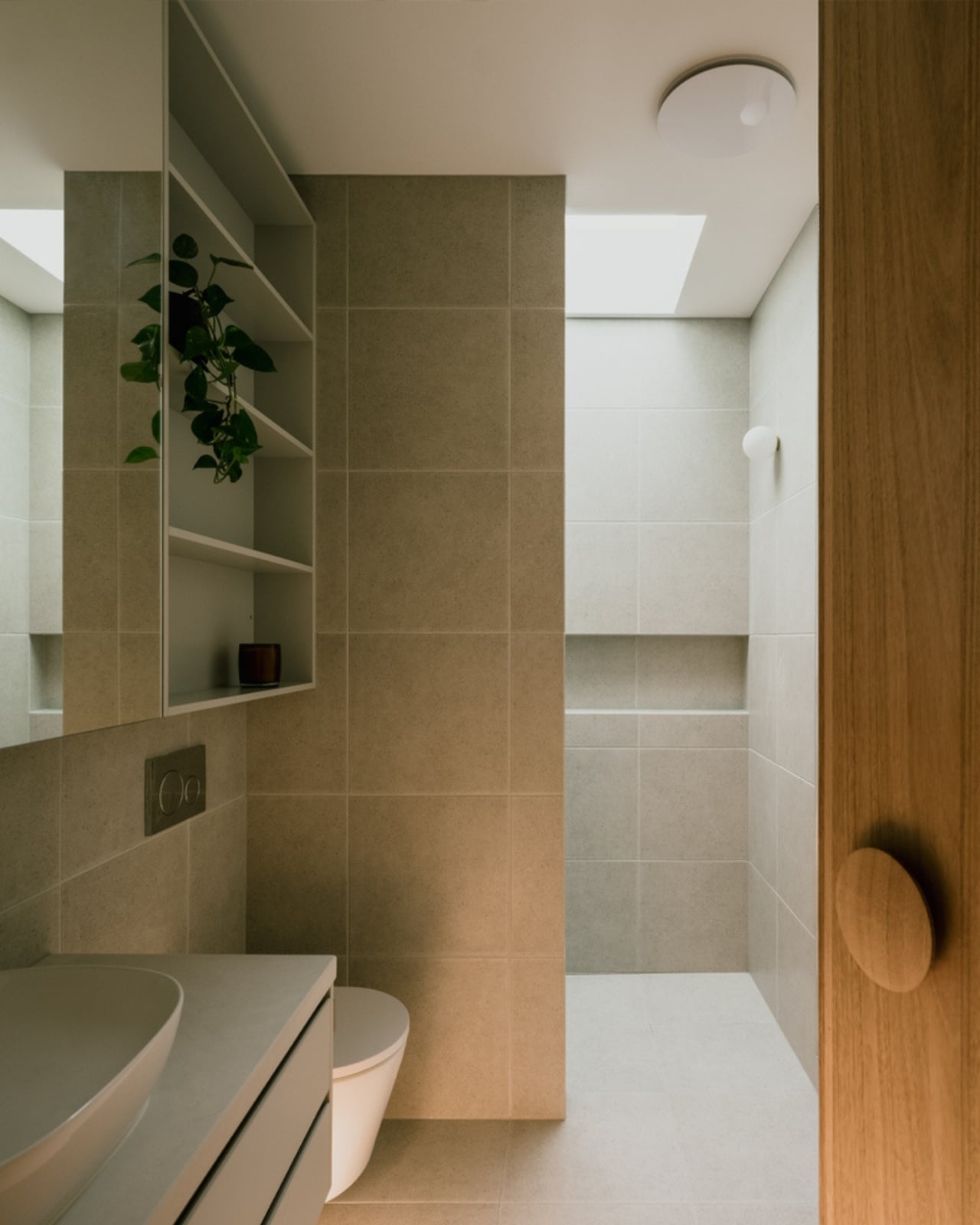
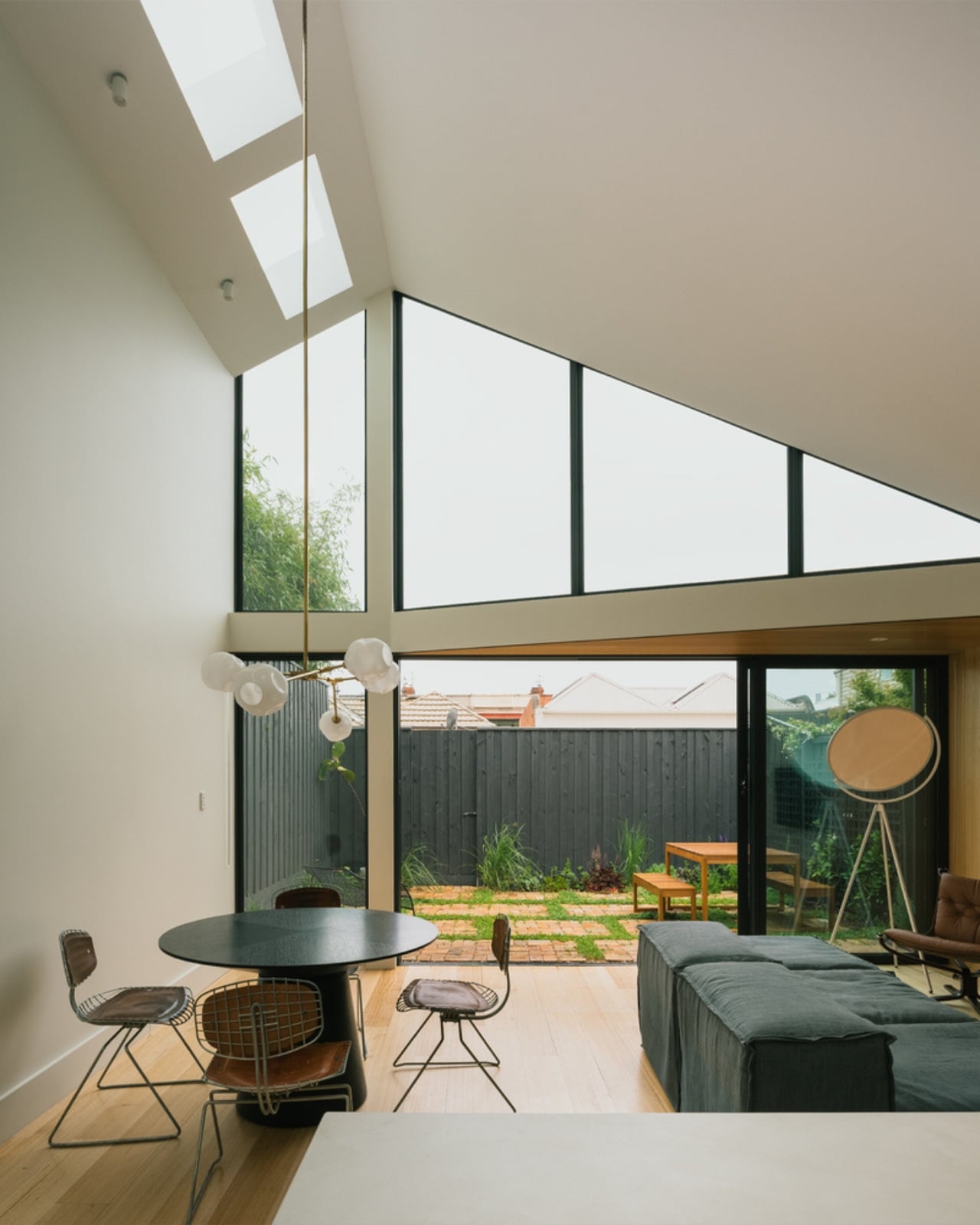
The result, at 190 square metres, is a home that punches well above its footprint. The new addition features lofty ceilings and expansive windows that frame the rear courtyard. The living space feels generous without being excessive, and the courtyard itself functions as an outdoor room, extending the home’s liveable area into something that feels genuinely alive. Photography by Dan Preston captures it all with a warmth that makes you want to be there, which is the ultimate compliment to any home.
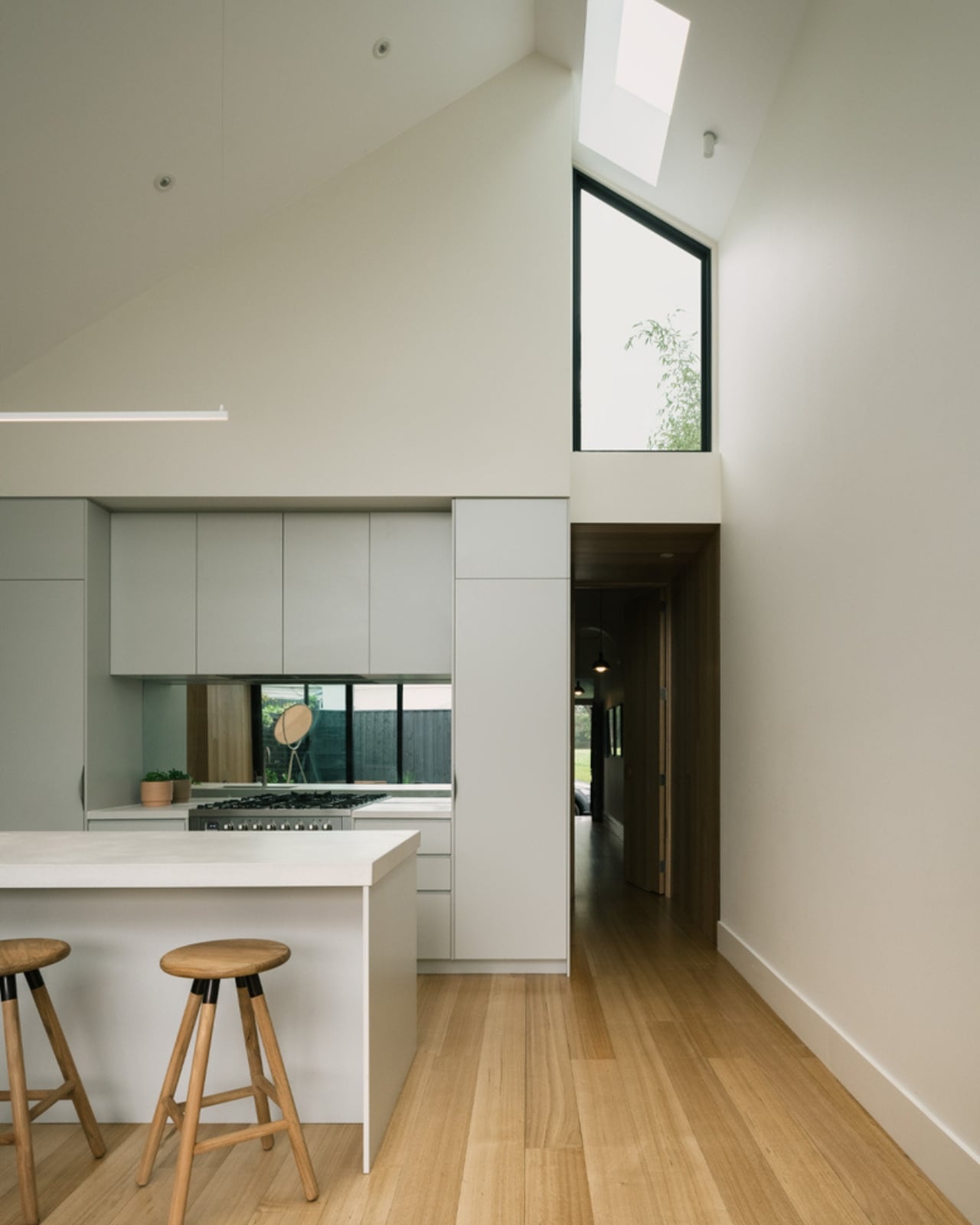
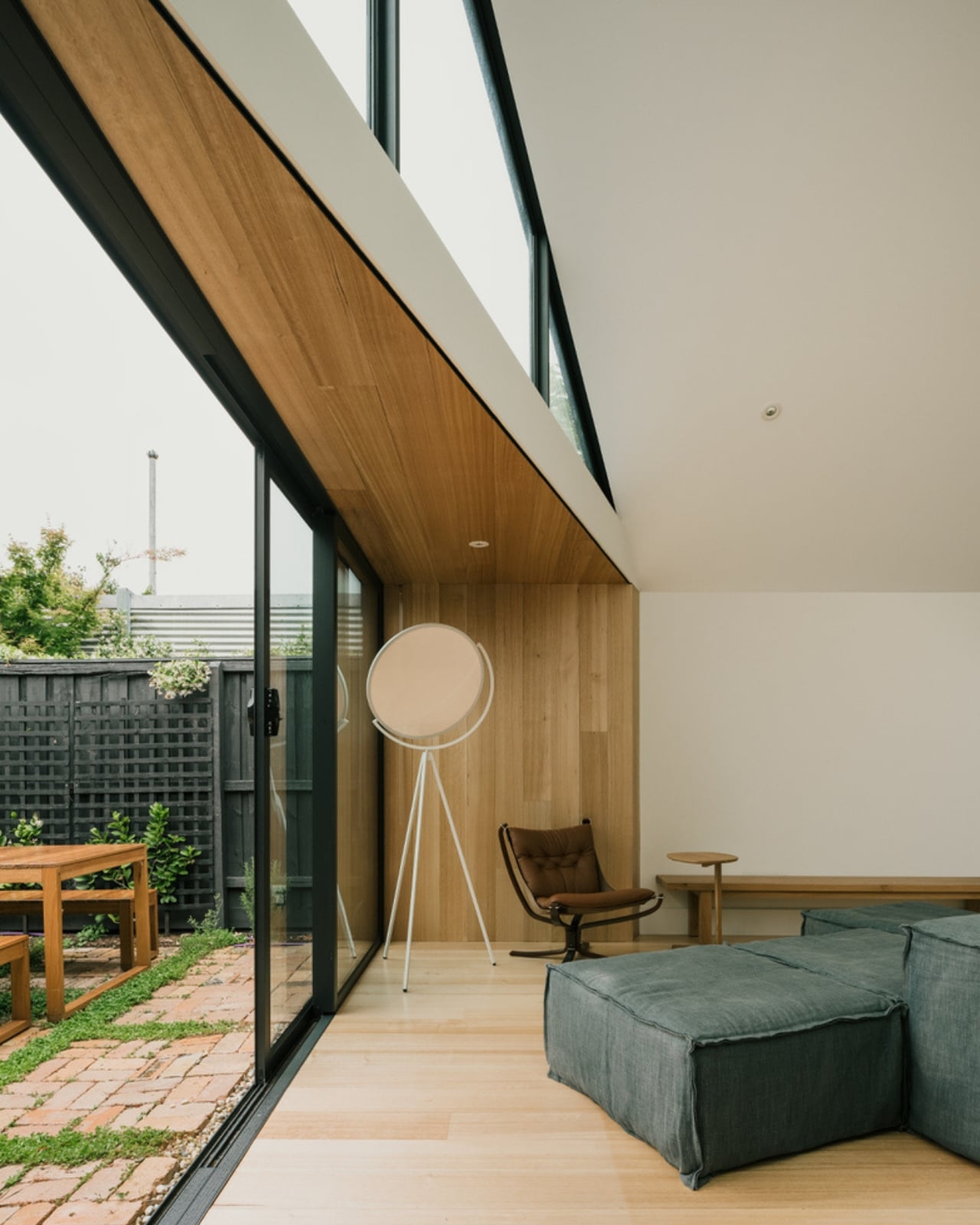
I keep thinking about why projects like this matter so much right now. We spend a lot of time talking about bold new architecture, the statement builds, the hero houses dropped onto open sites with unlimited vision and budgets to match. And those are exciting, too. But the harder, more quietly radical act is doing exactly what Eckersley Architects did here: entering an existing neighbourhood, respecting its inherited logic, and finding a way to add to it rather than override it. Abbotsford’s rows of Victorian cottages are a form of collective memory. The preservation of that streetscape, maintained by dozens of homes that all quietly hold the line, is what gives the neighbourhood its character. When a renovation like Abbie comes along and chooses to work with that, rather than against it, it earns its place.
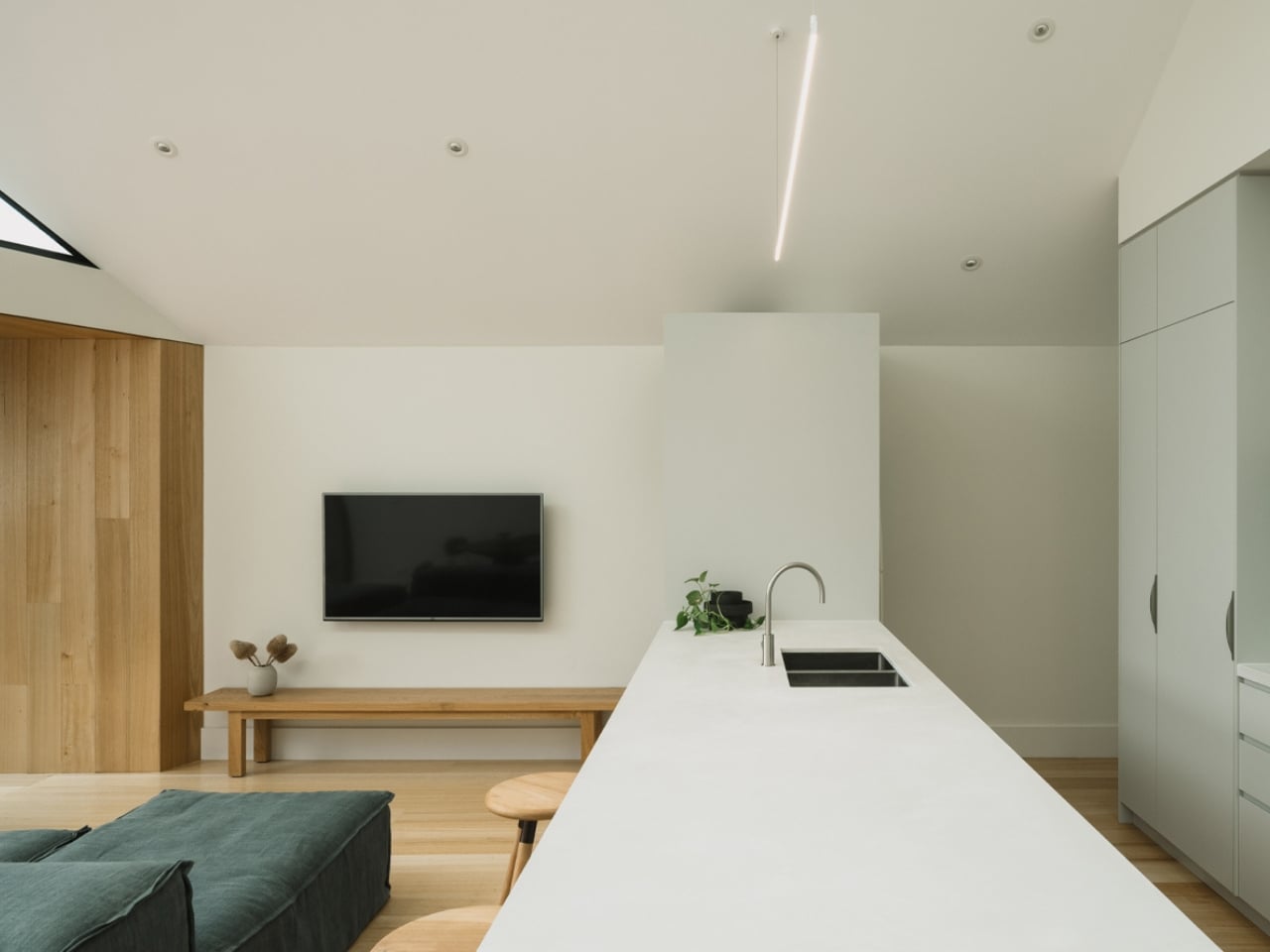
The project was completed in 2021 and has only now landed on ArchDaily, which feels right. It was never going to make a loud entrance. It’s a house doing exactly what it needs to do without reaching for attention. The best residential architecture often works that way. It reveals itself gradually, detail by detail. Abbie Abbotsford doesn’t reimagine what a house can be. It simply becomes a very good version of what this one always had the potential to be. And sometimes, that is enough.