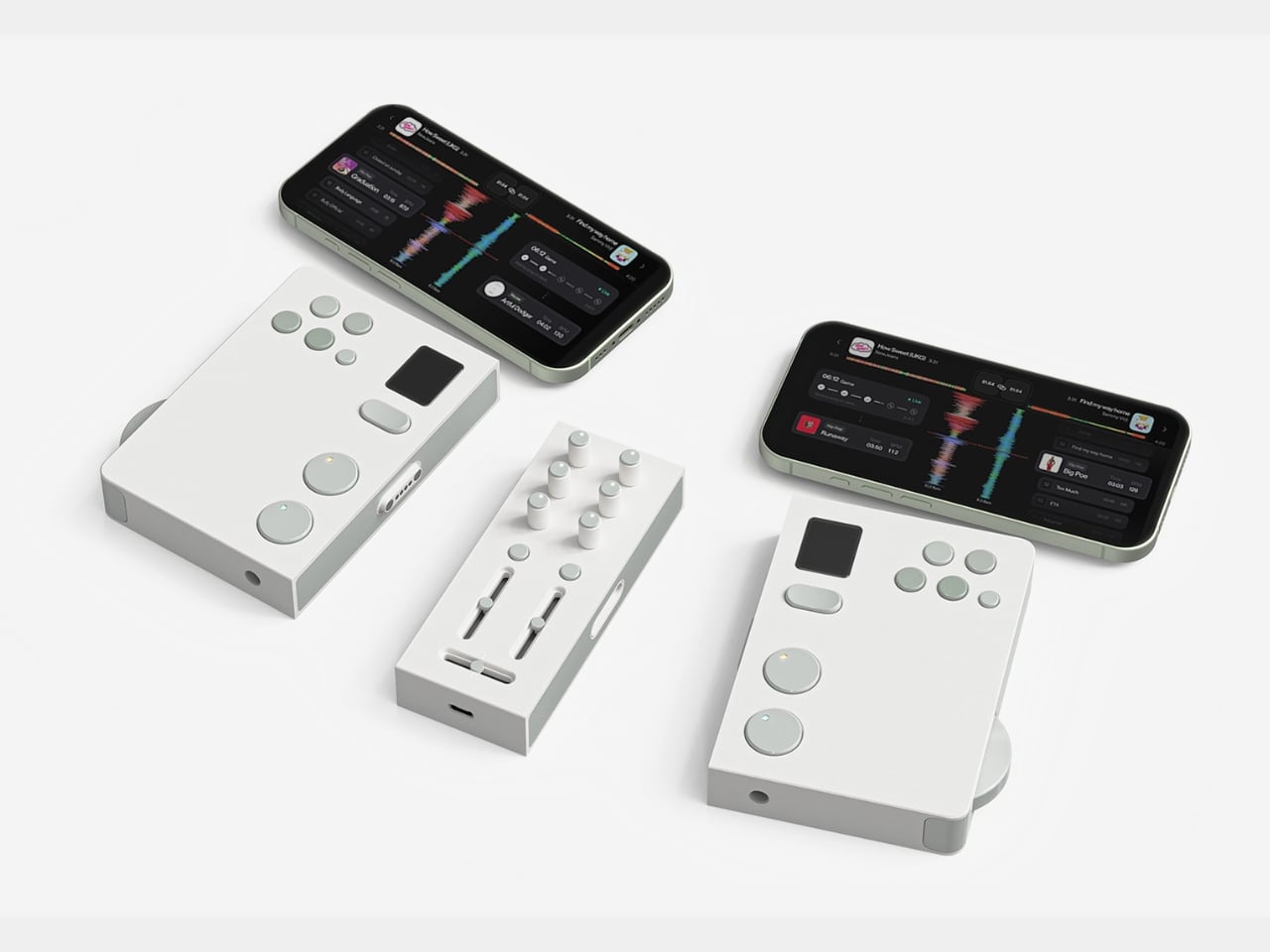
Most DJ setups are built for one person. One set of decks, one headphone jack, one vision for how the night should sound. That has always made DJing feel like a solo art form, even when it happens in a room full of people. Twin, a concept design by Eunjung Jang, myyung kyun seo, workplace 42, and kmuid graduate, challenges that assumption from the ground up, and it does so with one of the more elegant design ideas I’ve come across in this space.
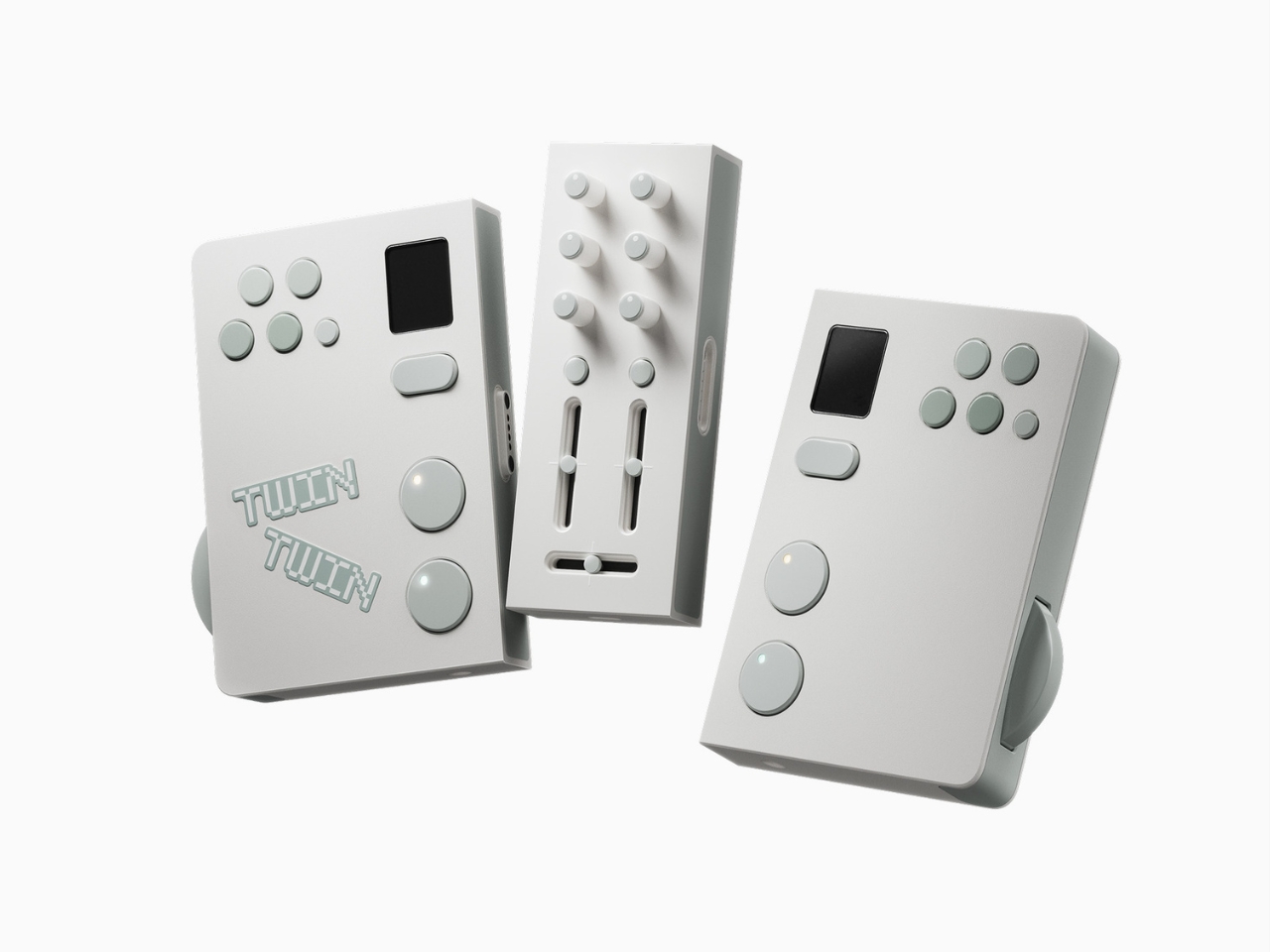
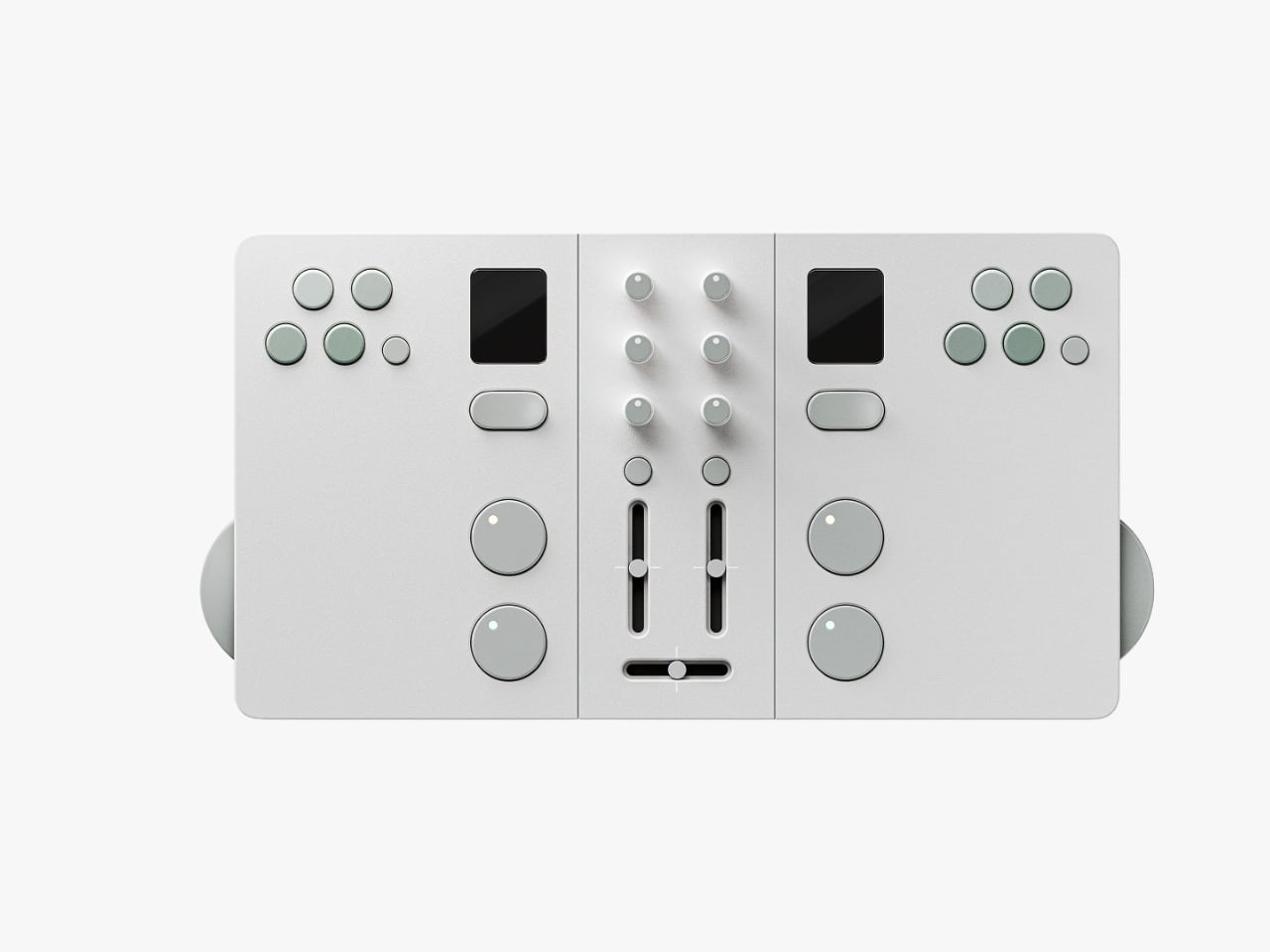
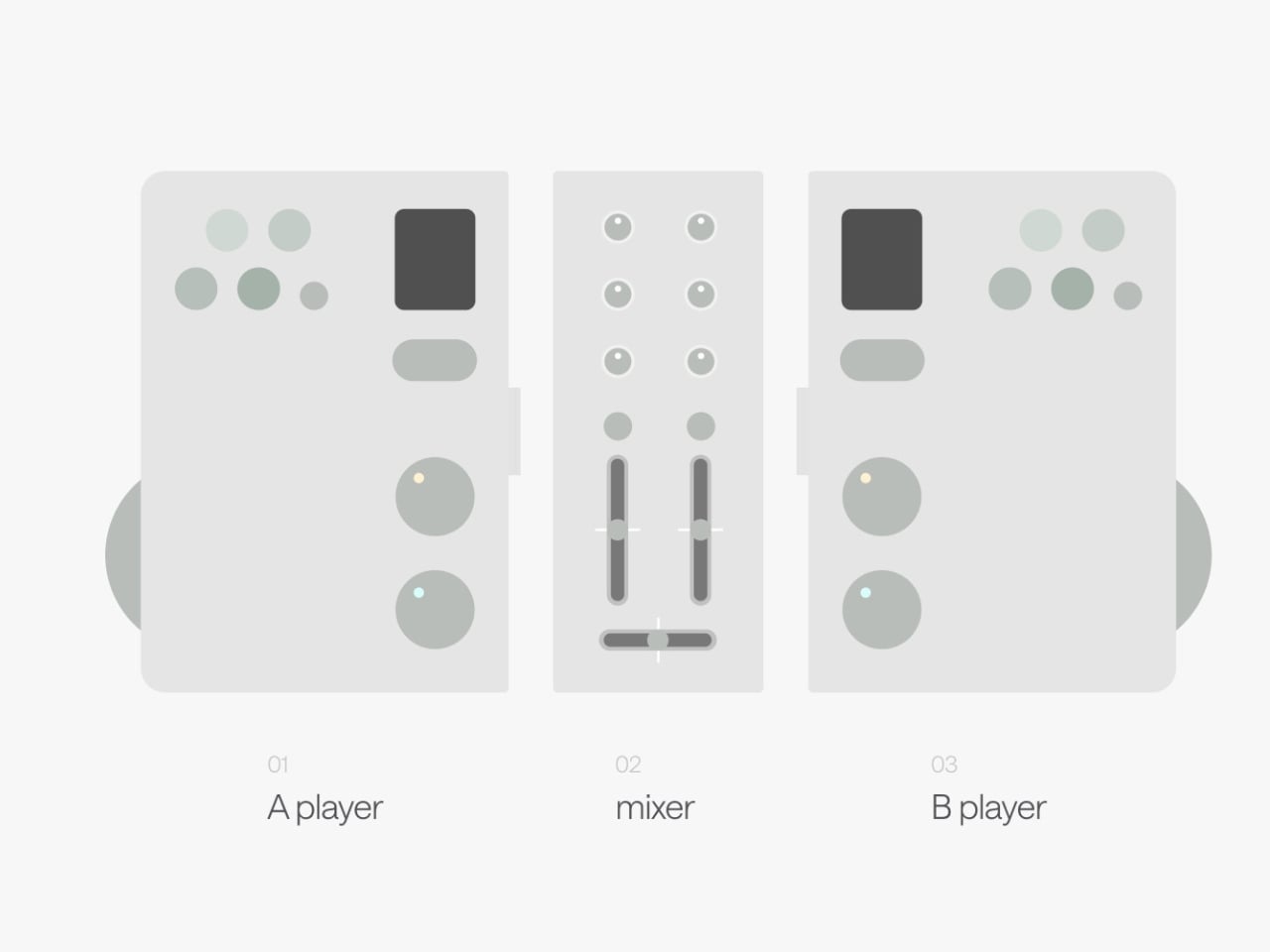
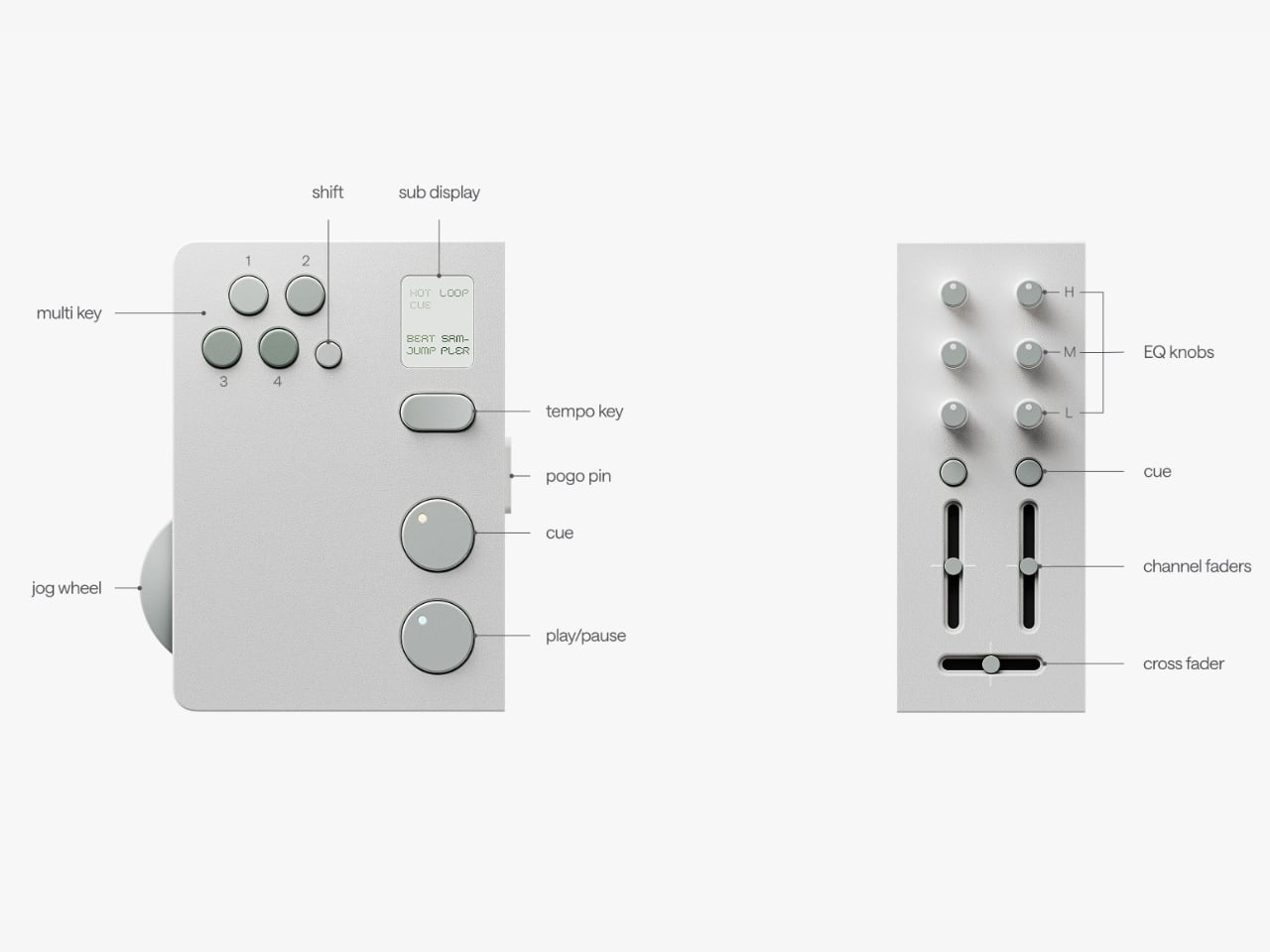
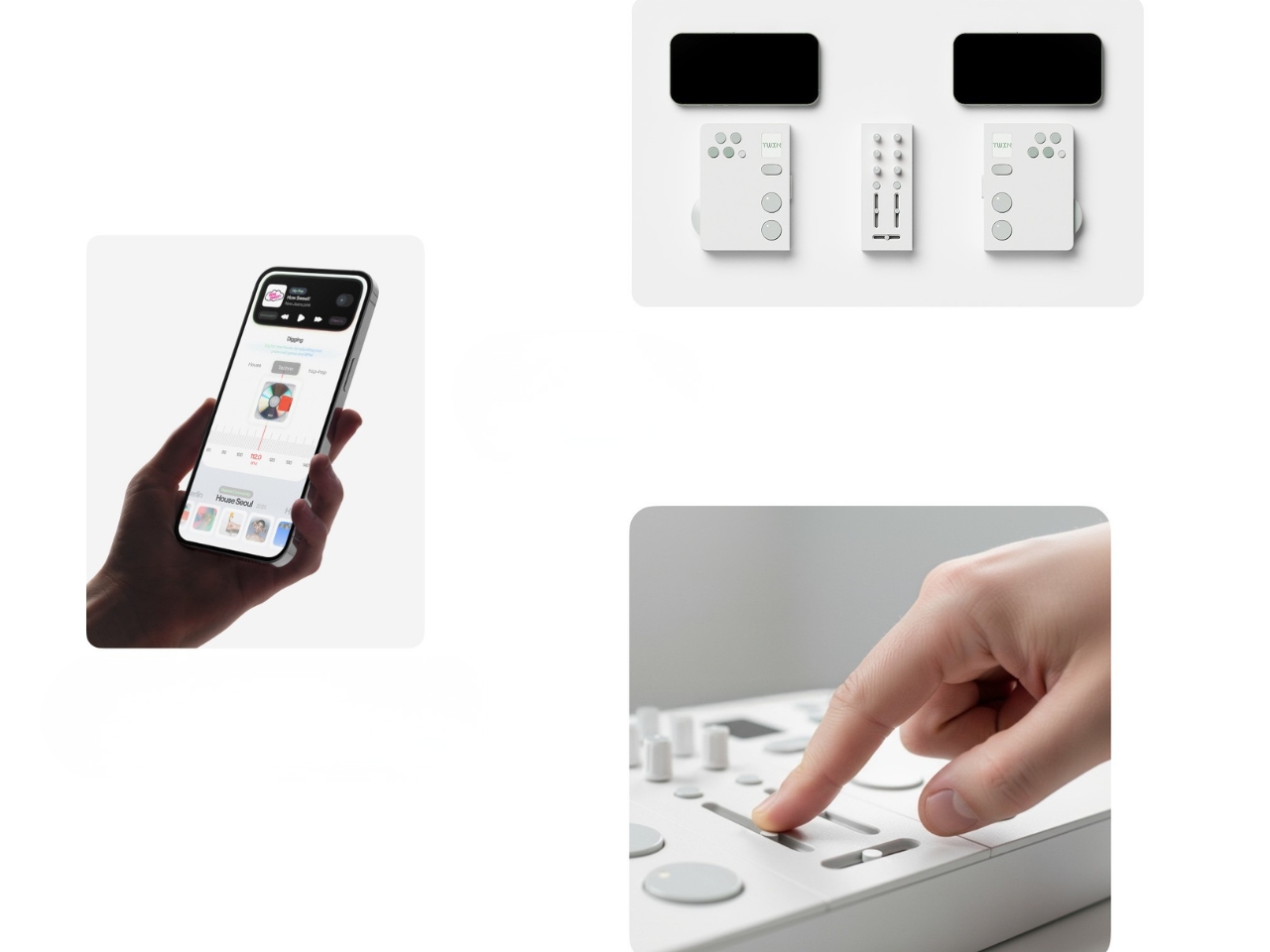
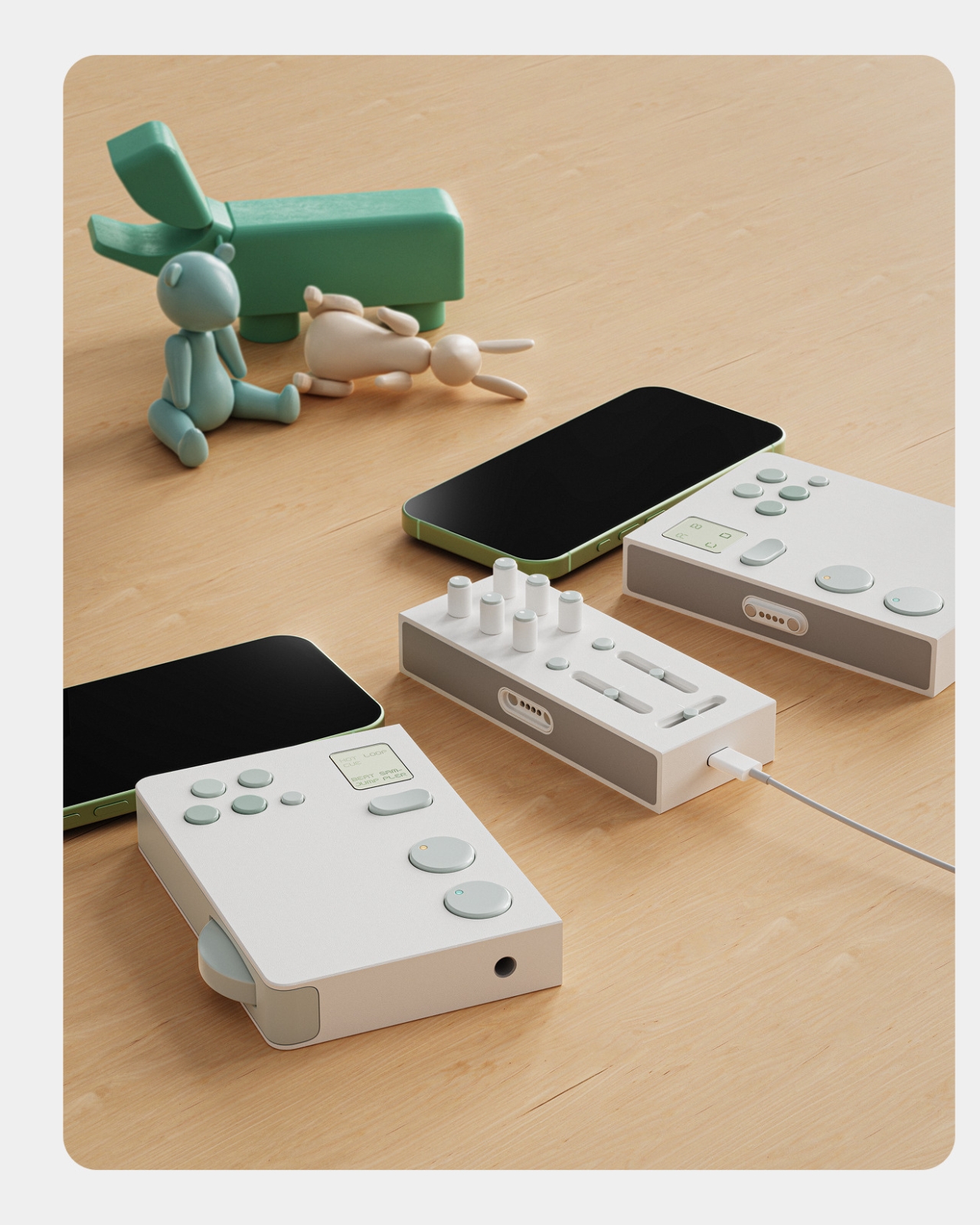
The premise is simple but kind of radical: two DJs, one device. Twin is a modular controller system made up of two mirrored player decks and a shared mixer at the center. Each player gets their own jog wheel, multi keys, sub display, tempo control, cue, play/pause, and hot cue functions. The mixer module in the middle gives both players access to EQ knobs, channel faders, and a crossfader. When connected, the whole system clicks together into one clean unit. When you want to go your separate ways, the modular sections split apart. The physical design of the hardware itself communicates the whole concept: together or apart, the choice is always yours.
Designers: Eunjung Jang, myyung kyun seo, workplace 42, kmuid graduate
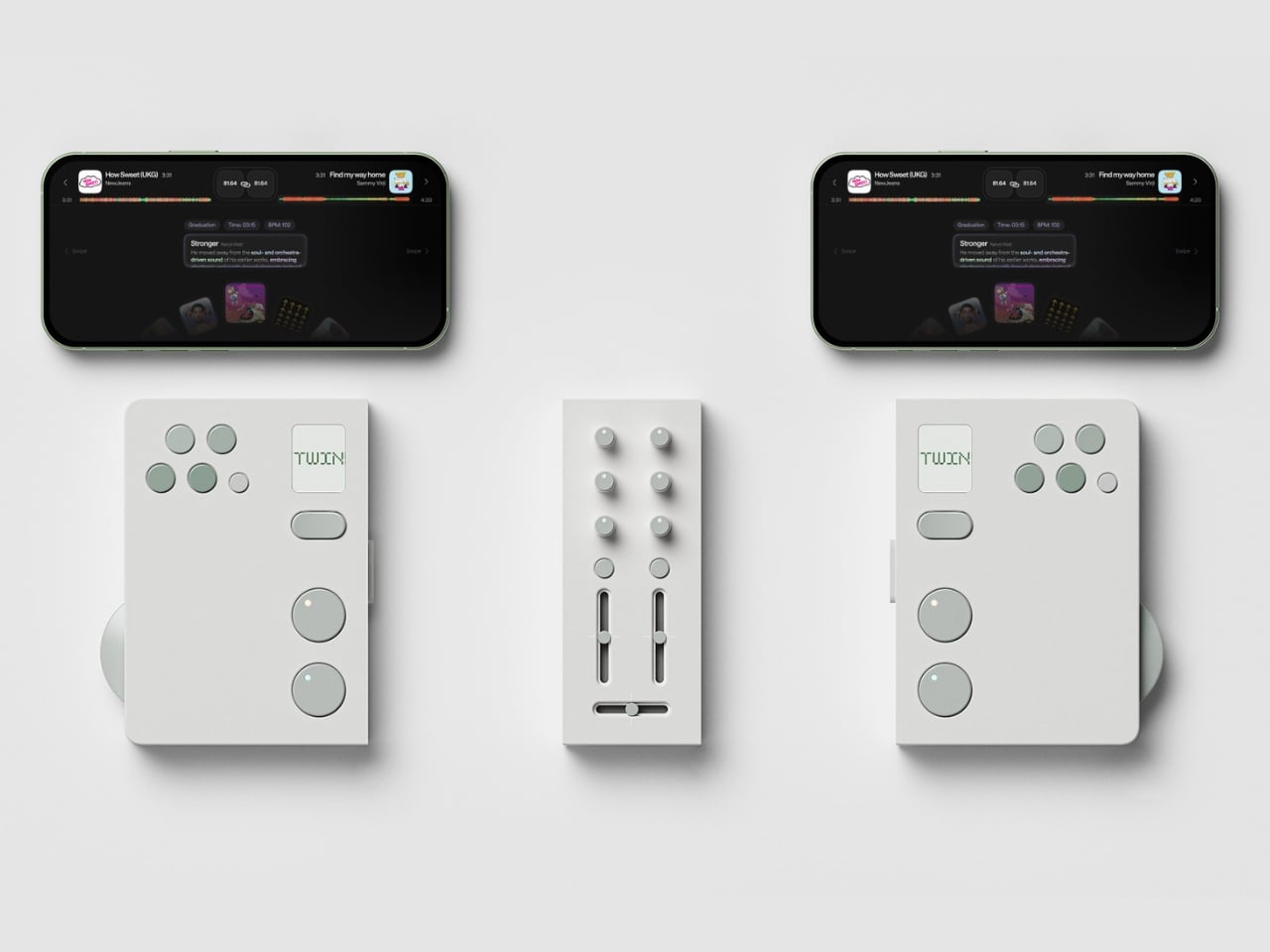
Design-wise, Twin is stunning in the way that restrained things often are. The palette is muted and deliberate, soft white surfaces with sage green accents on every button and control. It reads less like audio equipment and more like something you’d find at a thoughtful design boutique. That’s not a small thing. DJ gear has historically leaned toward the dark, chunky, and maximalist, which works for club installs but can feel genuinely intimidating on a bedroom shelf. Twin looks like it belongs in your living room, which I suspect is very much part of the point.
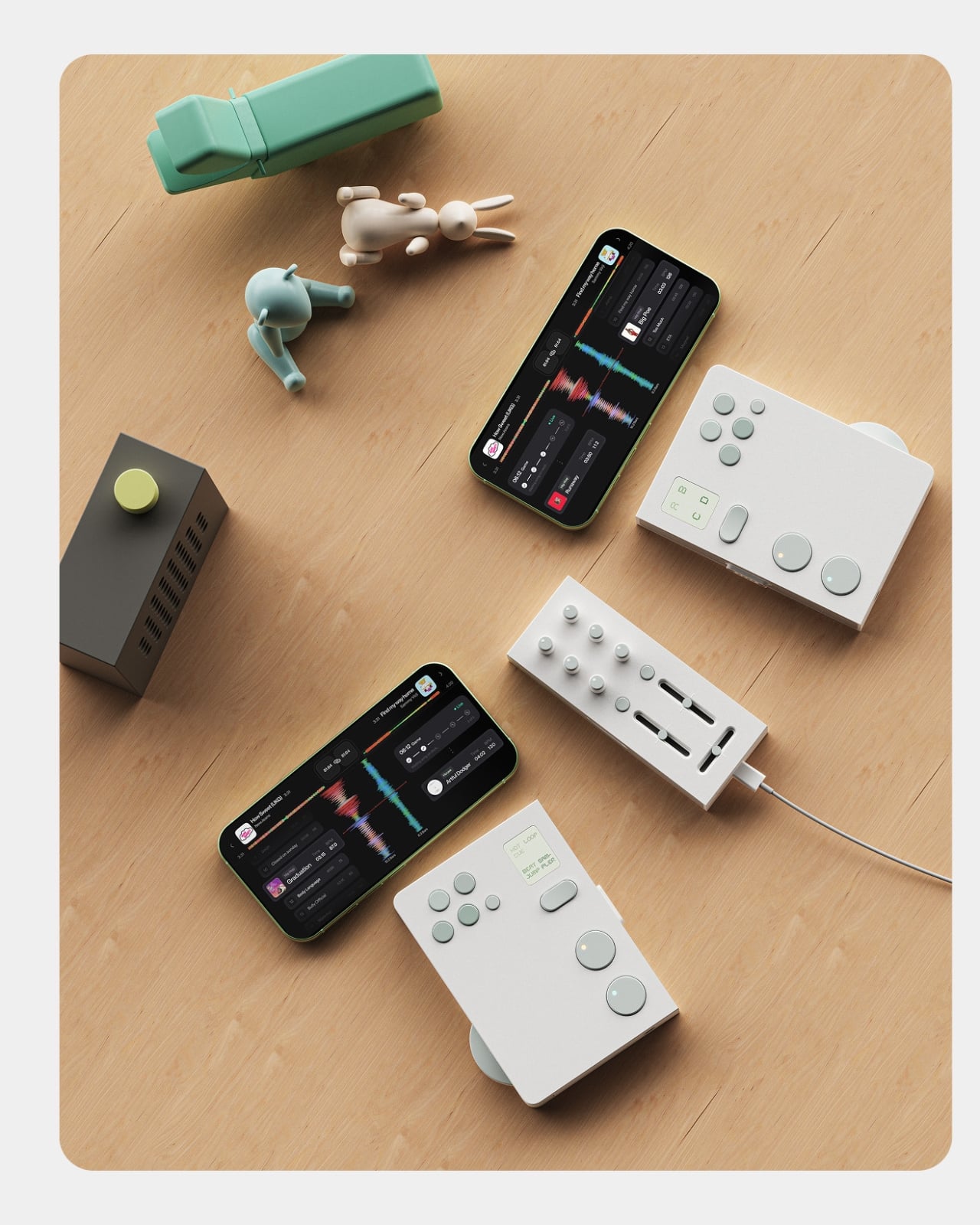
The companion app is where the concept gets more layered. It functions as a music discovery and preparation tool, letting users dig for tracks, organize mix sets, and explore music by genre or BPM. But the feature that really elevates the ecosystem is the host matching function. Once you’ve built your mix set, the app can connect you with another user whose taste overlaps with yours or even challenges it. You might find someone who plays in the same sonic neighborhood. You might find someone who pulls you somewhere you wouldn’t have gone alone. That’s a genuinely compelling proposition, because so much of what makes music culture feel alive is the exchange between people, not just the output.
The cultural observation sitting underneath all of this is sharp. The designers frame it as a shift from DJing as performance to DJing as personal culture, and that read is accurate. DJing has moved off the stage and into living rooms, rooftops, and small friend groups. It’s become a hobby the way cooking or photography is a hobby: creative, expressive, and something you naturally want to share with someone you like. Most existing hardware wasn’t designed with that in mind. The market is still dominated by solo setups built for beatmatching, not for conversation. Twin reframes the whole activity as something inherently collaborative, and the design backs that idea up at every level.
To be fair, this is still a concept. There’s no price, no release date, and no guarantee it ever makes it to production. The gap between a polished Behance presentation and a product you can actually hold in your hands is a wide one, and modular hardware with tight tolerances, seamless physical separation, and a fully realized app ecosystem is a genuinely hard engineering problem. But the idea itself is solid, and the execution at the concept stage is considered enough to take seriously. These are the kinds of concepts that tend to influence the industry even when they don’t ship.
Twin reads like a proposal for where DJ culture could go next. Not bigger, not more complicated, but more connective. Built around the belief that the best music moments happen between people, not just for them.