The best furniture tends to ask a quiet question. Not loudly, not with a press release, but through the way it sits in a room and dares you to interact with it differently. Manuela Hirschfeld’s Tilt chair does exactly that, and the fact that it comes from a student project makes it all the more interesting.
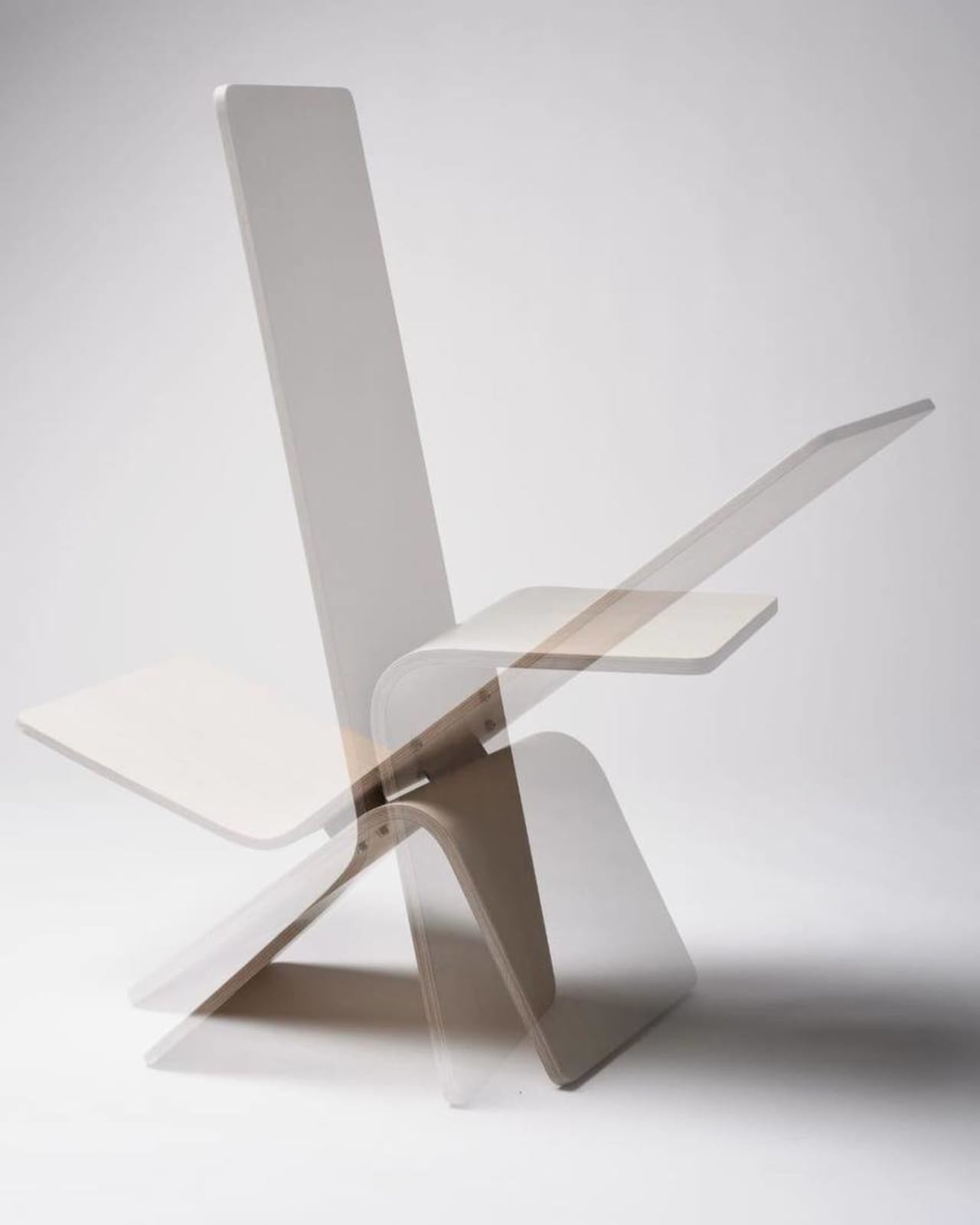
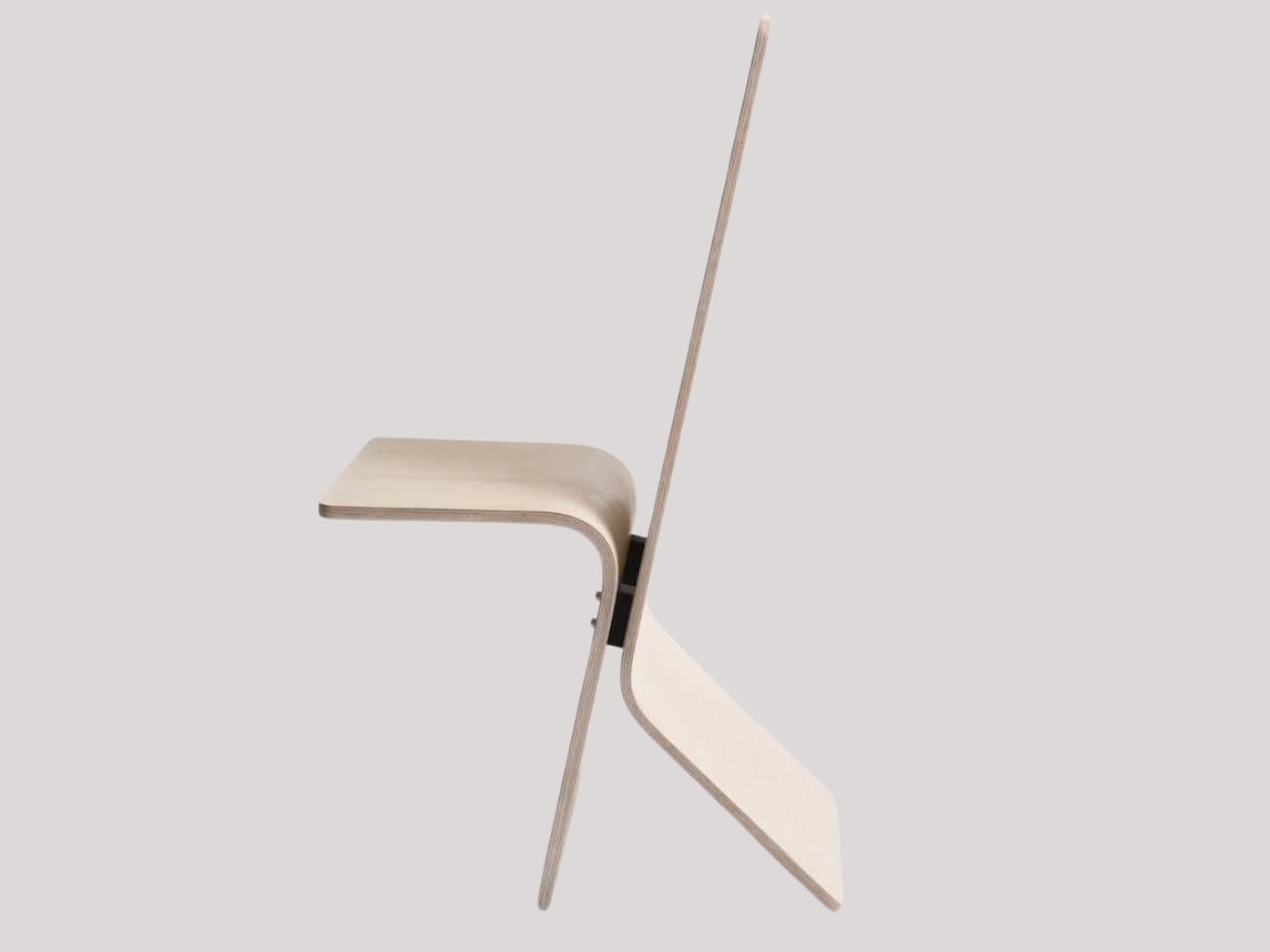
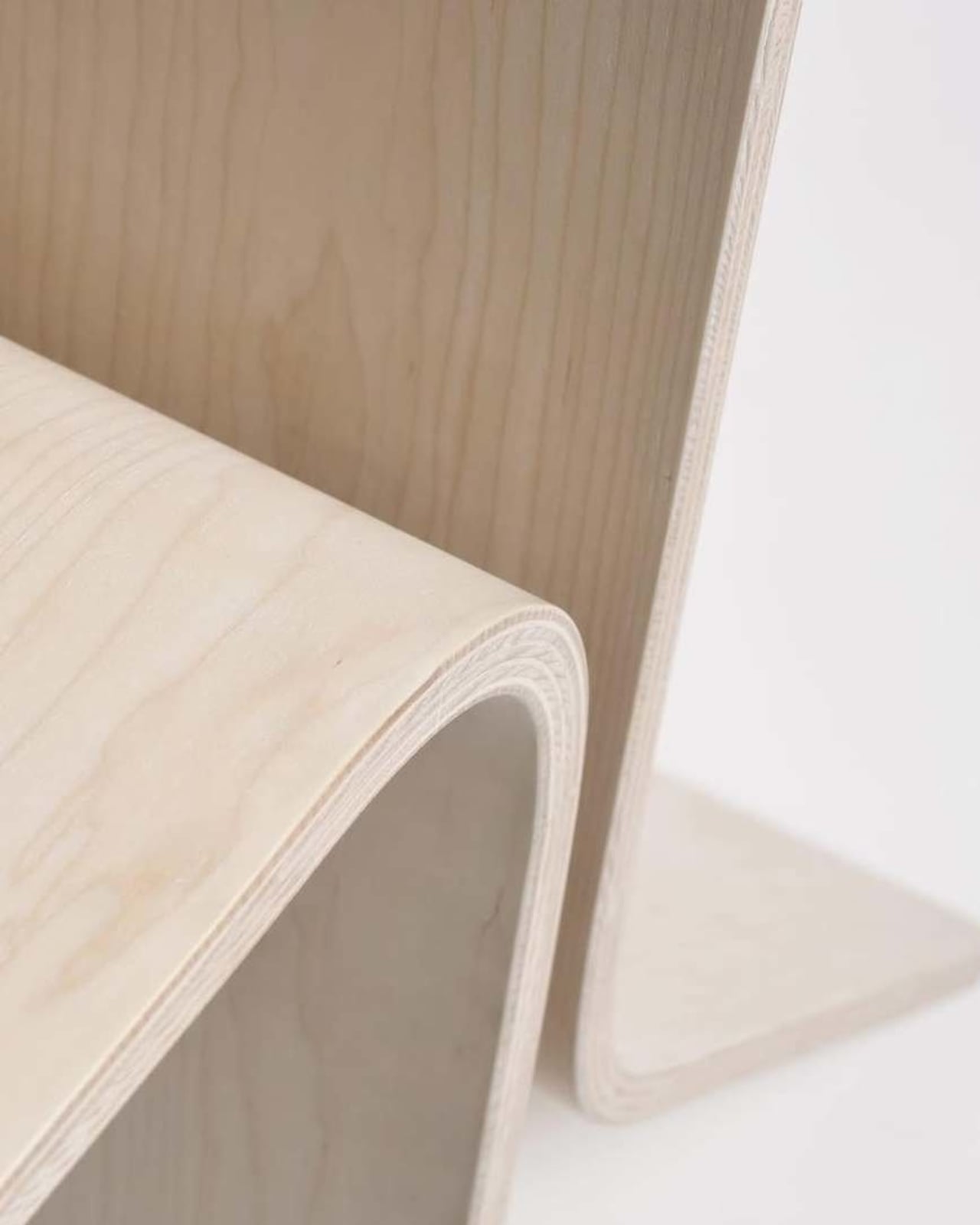
Hirschfeld is an industrial design student at Germany’s Hochschule Pforzheim, and her Tilt chair is exactly what the name suggests. Built from bent plywood with a minimalist silhouette, it’s a chair that shifts between two modes: upright for sitting and reclined for lounging, all with a single gentle forward tilt. No levers, no mechanical parts, no instructions needed. Just physics, balance, and good design doing the heavy lifting.
Designer: Manuela Hirschfeld
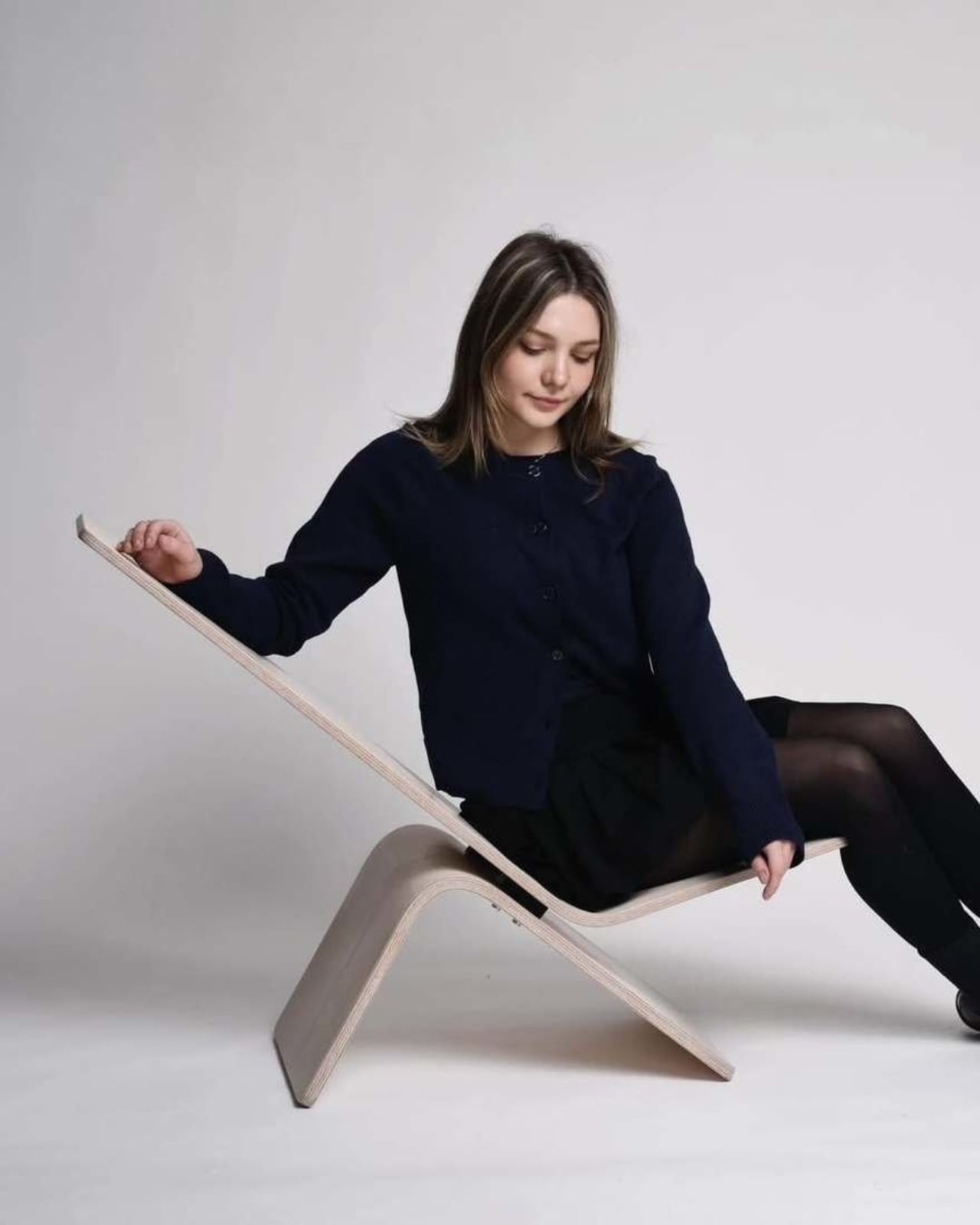
The concept is almost disarmingly simple. Hirschfeld describes it this way: “Tilt transforms from a chair to a lounger in seconds with a gentle forward tilt. Intuitive and perfectly balanced. Two moments arise from a single piece of furniture: arriving upright or relaxing and letting go.” That last line is the one that stuck with me. Arriving upright or relaxing and letting go. It reads more like a small philosophy than a product description.
What I find genuinely impressive here is the restraint. A lot of student design work goes big. It reaches for concepts that are hard to produce, materials that don’t yet exist, or ideas that require ten slides of explanation before they make sense. Tilt goes the other direction. It strips everything down to the point where the idea can stand entirely on its own. One material, one gesture, two functions. That’s it.
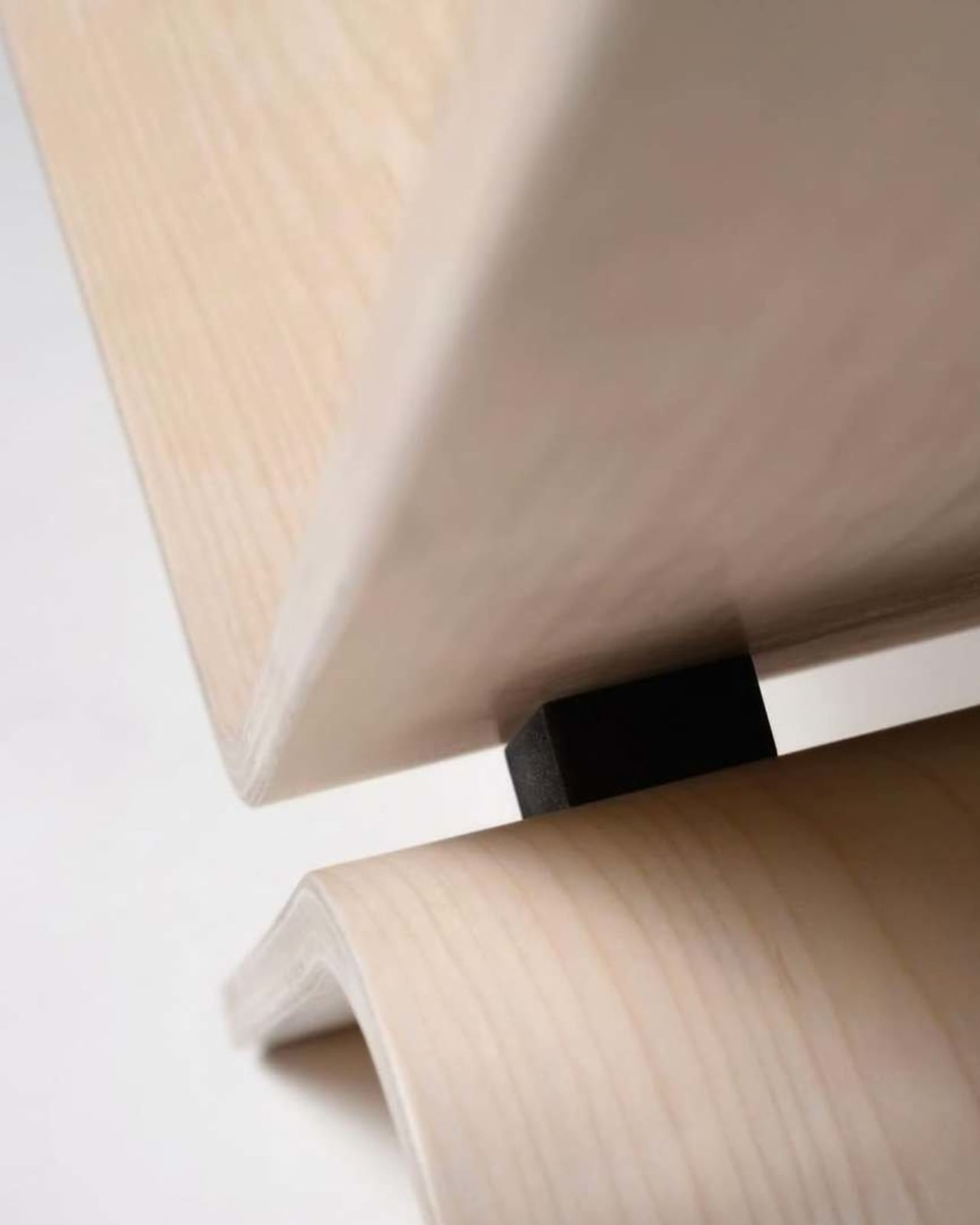
Bent plywood as a material has a rich history in furniture design. Charles and Ray Eames made it iconic. Alvar Aalto built a whole vocabulary around it. Choosing it for a student project isn’t a lazy shortcut; it’s actually a high bar. The material has been done so well, so many times, that doing something genuinely new with it means you have to think carefully. Hirschfeld has clearly done that thinking, because the Tilt doesn’t feel like it’s borrowing from those references. It feels like it belongs to the same conversation without trying to imitate anyone in it.
The two-position function also taps into something real about how people use furniture. We don’t sit the same way all day. Anyone who works from home, eats at their desk, or uses their living room for everything from Zoom calls to Sunday afternoon napping already knows this. The idea that a single well-designed chair could accommodate those different physical and emotional states is more practical than it first appears. It’s a simple answer to a genuinely complicated question.
What makes this worth paying attention to, beyond the design itself, is that Hirschfeld apparently maintains no online presence. Core77, who featured the project, noted it with a certain curiosity. No portfolio, no Instagram, no LinkedIn footprint to trace. That’s almost radical for a design student right now, when visibility tends to be treated as a prerequisite for being taken seriously. It raises the question of whether the work should be enough on its own. Looking at Tilt, you’d have to say it is.
Student design work often gets dismissed as theoretical, as something that sounds good in a studio critique but would never survive contact with manufacturing, retail, or real life. Tilt doesn’t read that way. It reads as resolved. The kind of thing that could sit in a well-edited apartment or a design-forward hotel room without anyone questioning whether it belongs there. Whether it ever goes into production is anyone’s guess. But that’s almost beside the point. What Hirschfeld has done with Tilt is prove that the clearest ideas are sometimes the hardest to arrive at, and that a chair doesn’t need to reinvent itself to be worth talking about. It just needs to do two things well.