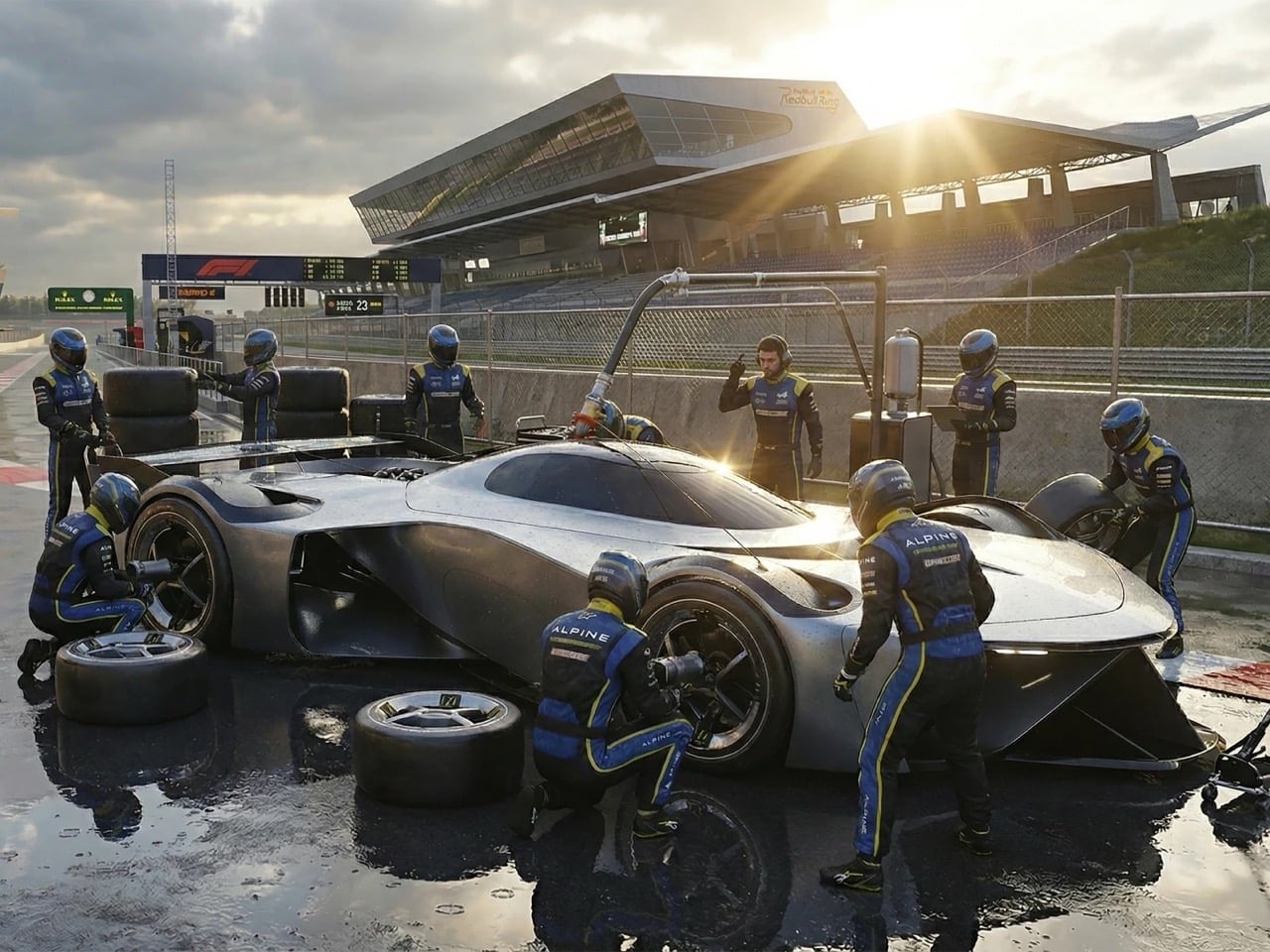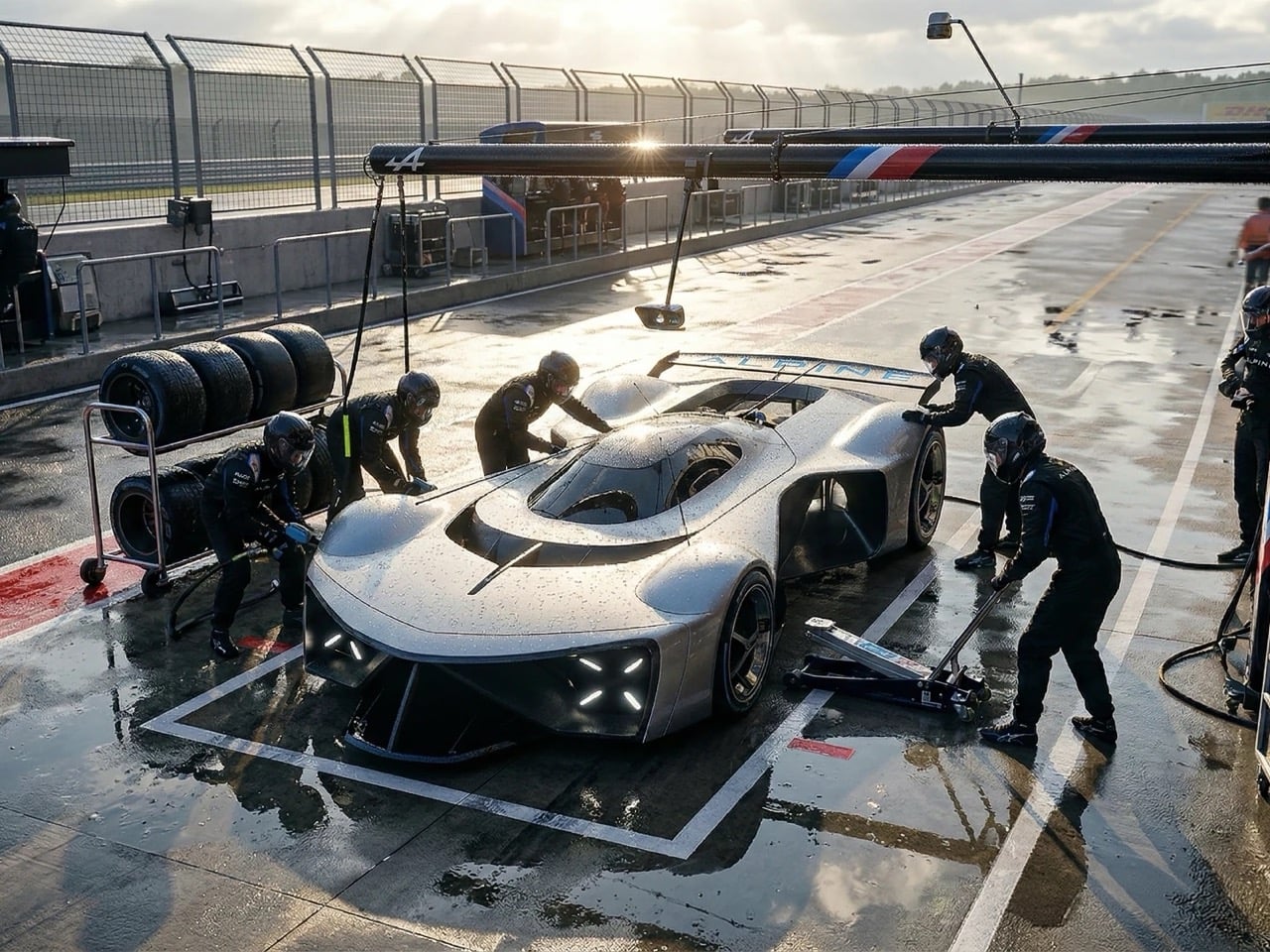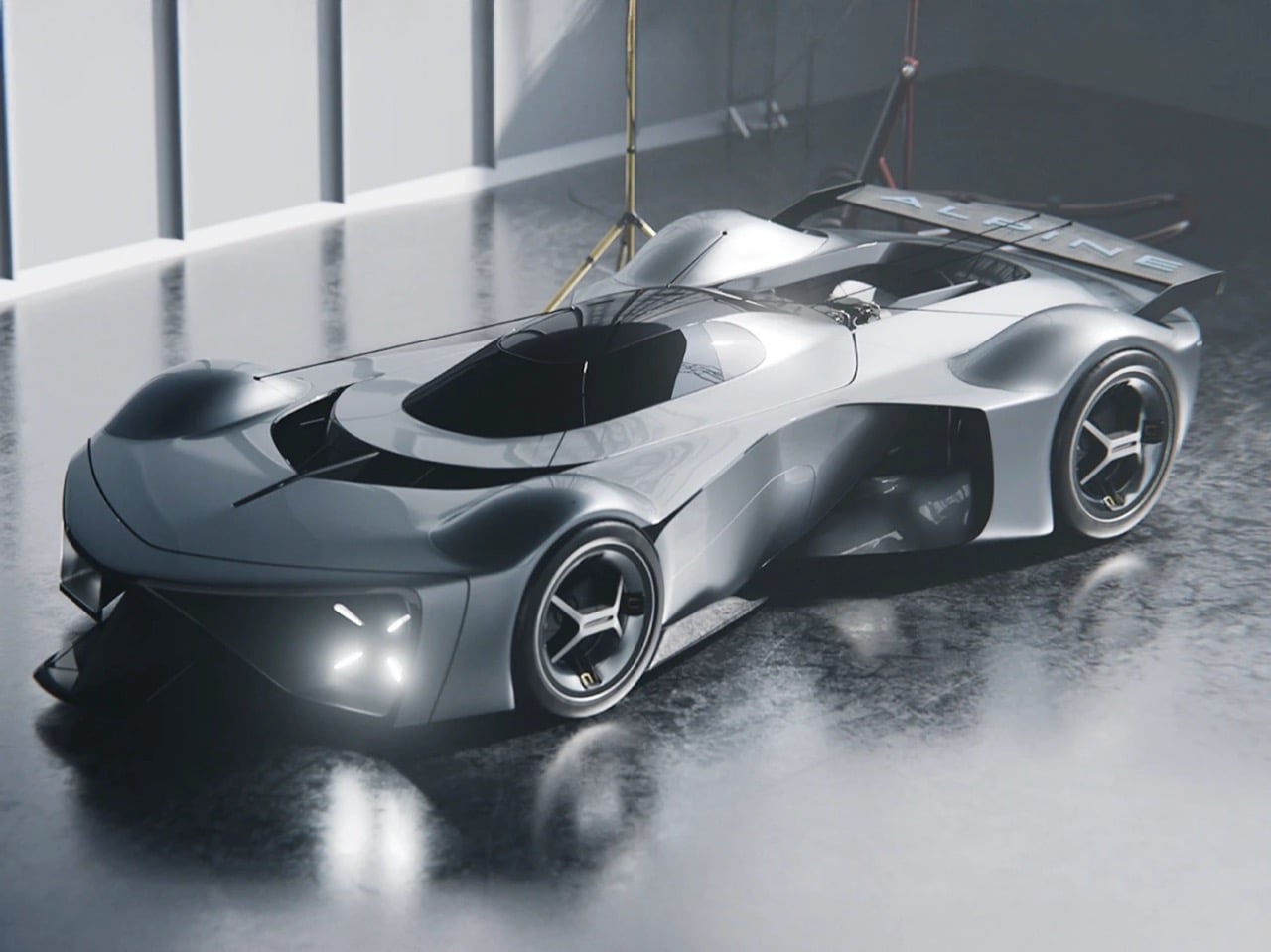
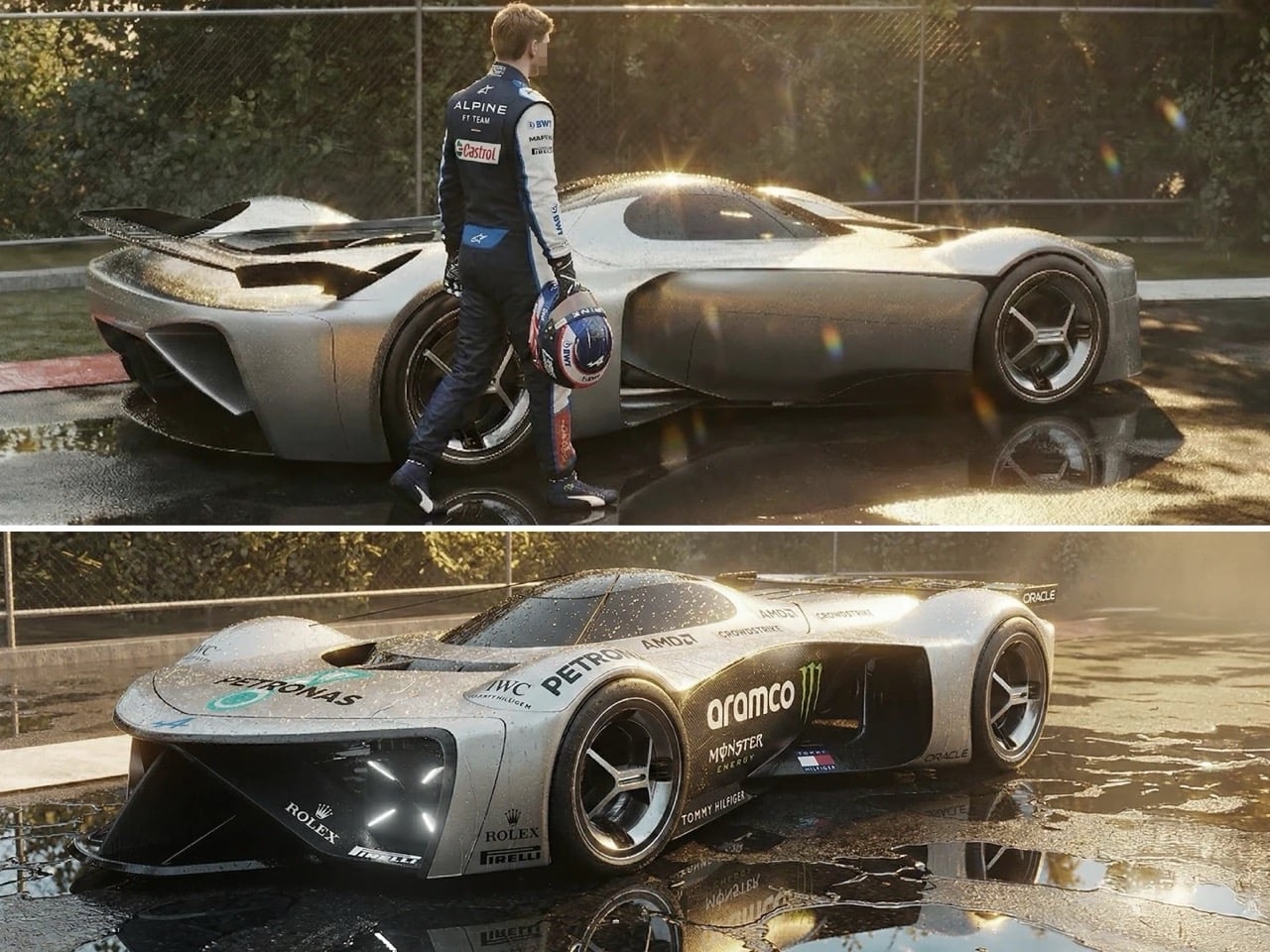
If Alpine’s 2026 season is about consolidation, about switching to Mercedes power units and clawing back from last place in the Constructors’ Championship, then HakHyeon Lee’s Alpine Horizon concept is the opposite impulse entirely. This is a designer throwing Alpine’s arrow logo onto a closed-cockpit hypercar with a magnetically levitating driver pod, wire-tethered to a chassis that borrows its DNA from Le Mans prototypes rather than anything on the F1 grid. Pierre Gasly and Franco Colapinto are busy trying to drag the real Alpine up the standings, but Lee’s concept lives in a universe where the brand already won everything and started experimenting with physics.
Alpine confirmed in February that it will withdraw from the World Endurance Championship’s Hypercar class after this season, ending a program that includes the A424’s maiden victory at Fuji in 2025. The historic Viry-Chatillon facility, home to Renault’s F1 engines for nearly 50 years, faces an uncertain future now that both the power unit program and the WEC effort are winding down. Lee’s Horizon arrives against that backdrop, a vision of Alpine as an endurance powerhouse while the real endurance team prepares for its final campaign with Charles Milesi, Ferdinand Habsburg, and Antonio Felix da Costa carrying the flag one last time.
Designer: HakHyeon Lee
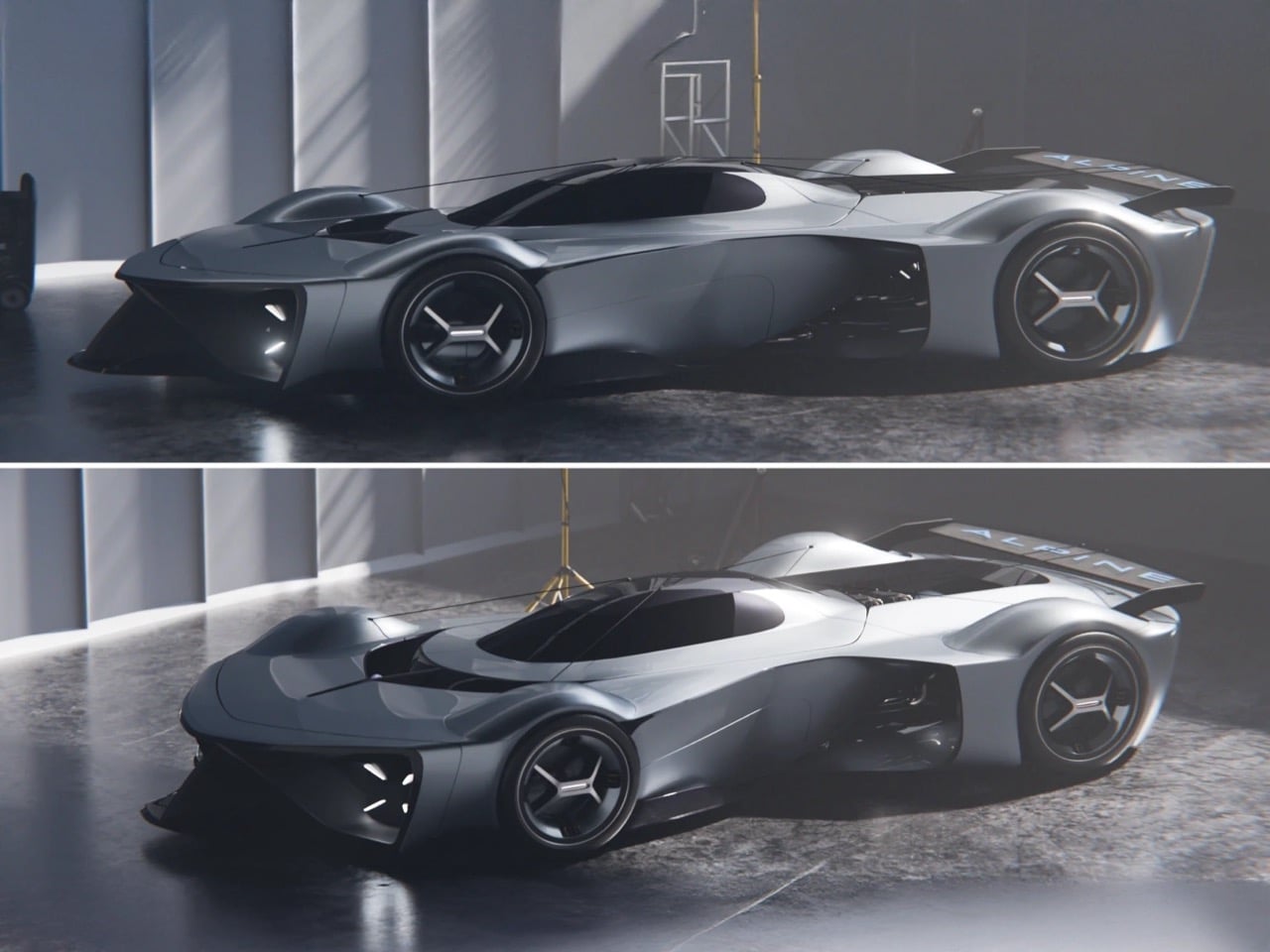
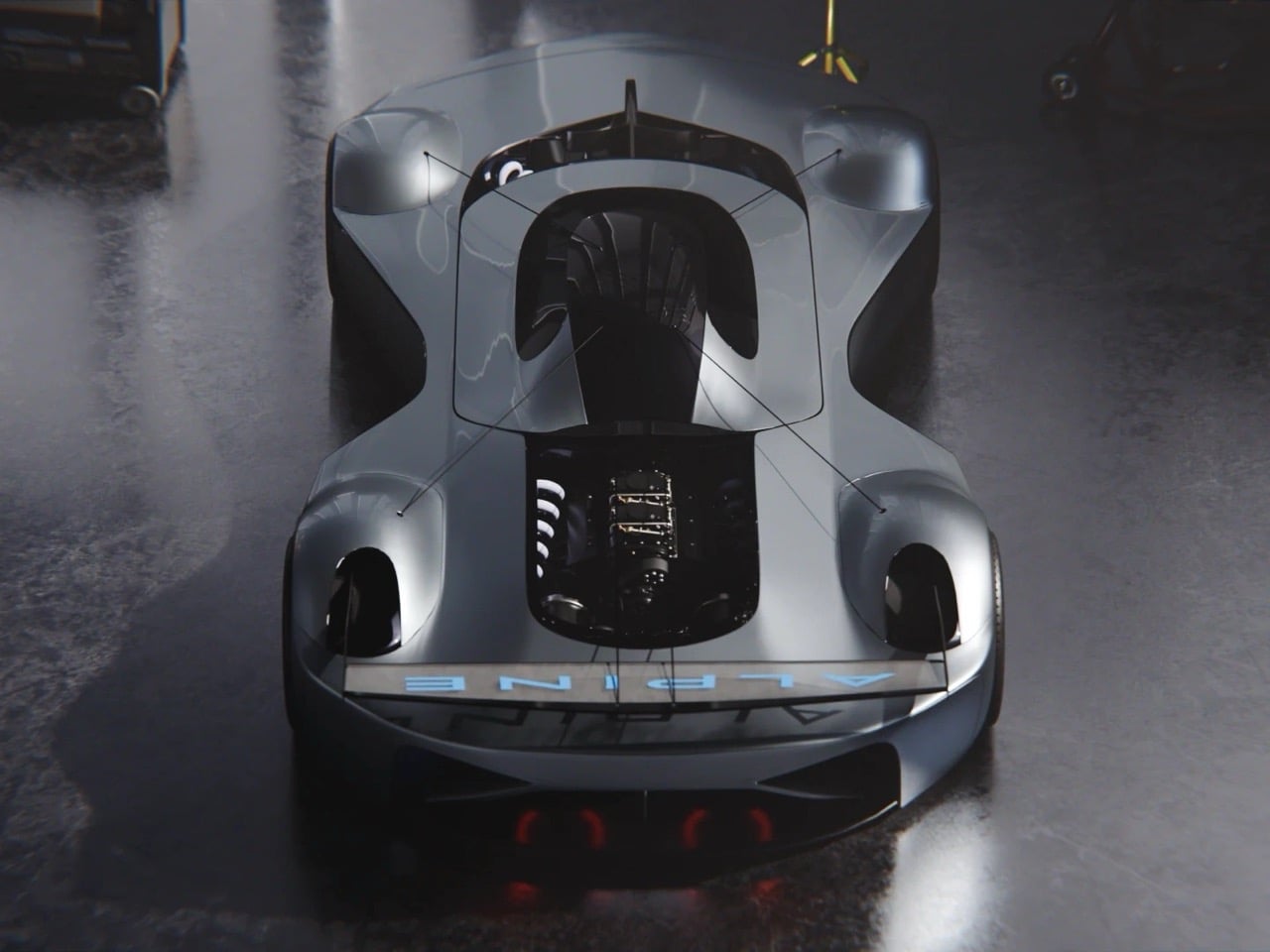
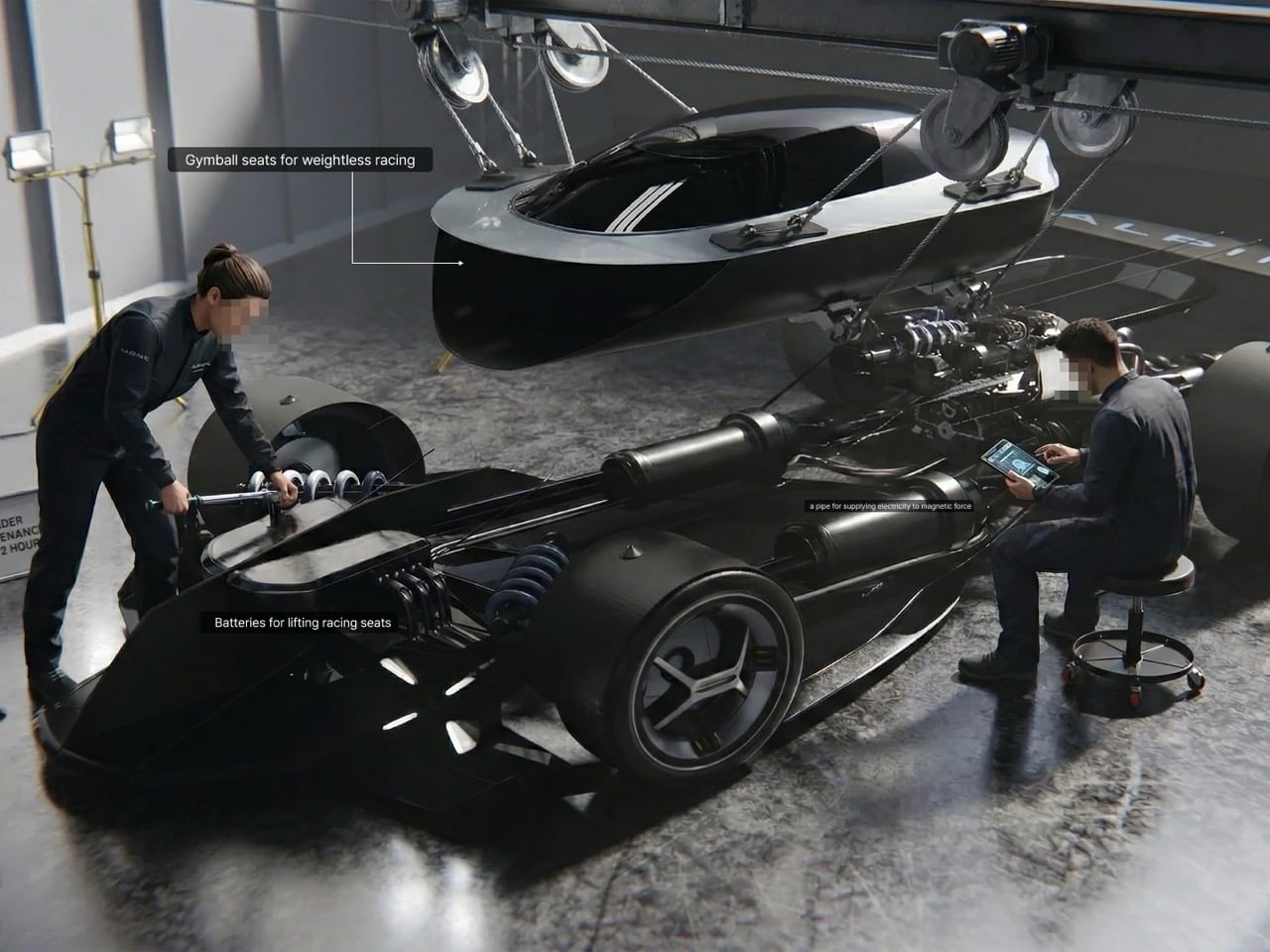
The centerpiece of the Horizon is its magnetic levitation cockpit, and the idea is genuinely ambitious. Lee proposes using electromagnetic repulsion between rails on the chassis frame and magnetic devices in the cockpit pod to physically lift the driver compartment off the car’s body. The claimed benefit is a ride that absorbs sudden acceleration forces and jump sections in ways conventional suspension cannot, essentially decoupling the driver’s experience from the violence at the contact patches below. High-strength wire tethers prevent the cockpit from separating entirely, acting as a mechanical leash for what is otherwise a floating capsule.
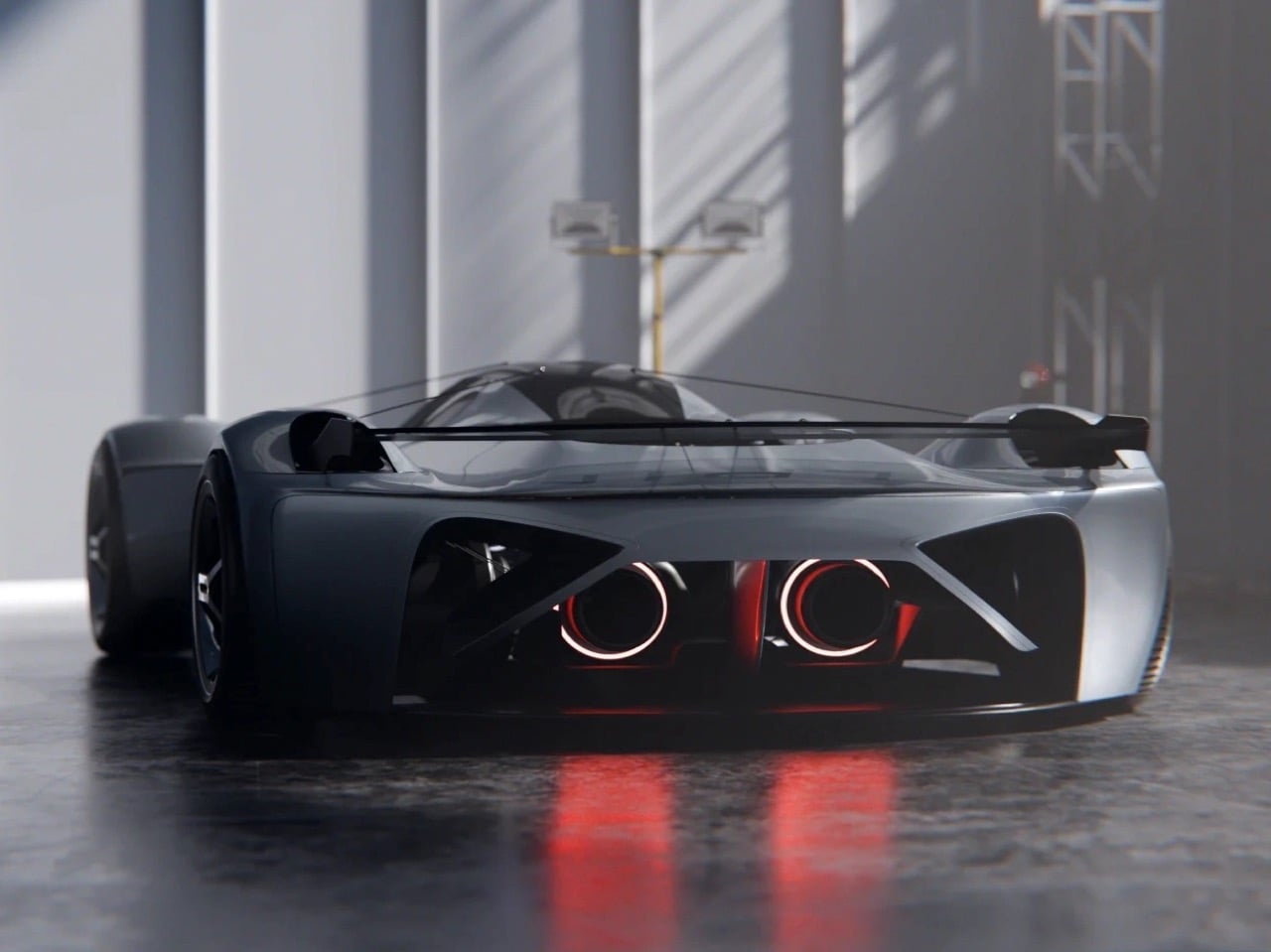
From a safety perspective, the Horizon’s fully enclosed cockpit speaks to a debate that has followed Formula 1 since the Halo became mandatory in 2018. The FIA tested closed canopy designs before settling on the titanium Halo, and their reasoning came down to driver extraction: a closed cockpit with more structural complexity could trap a driver in a burning car. Romain Grosjean’s fiery 2020 Bahrain crash validated that thinking, with the Frenchman escaping largely unassisted while the Halo deflected the barrier from his head. But Lee’s Horizon sidesteps this entirely because closed cockpits are already standard in endurance racing, where LMDh and LMH cars run enclosed driver cells as a matter of course.
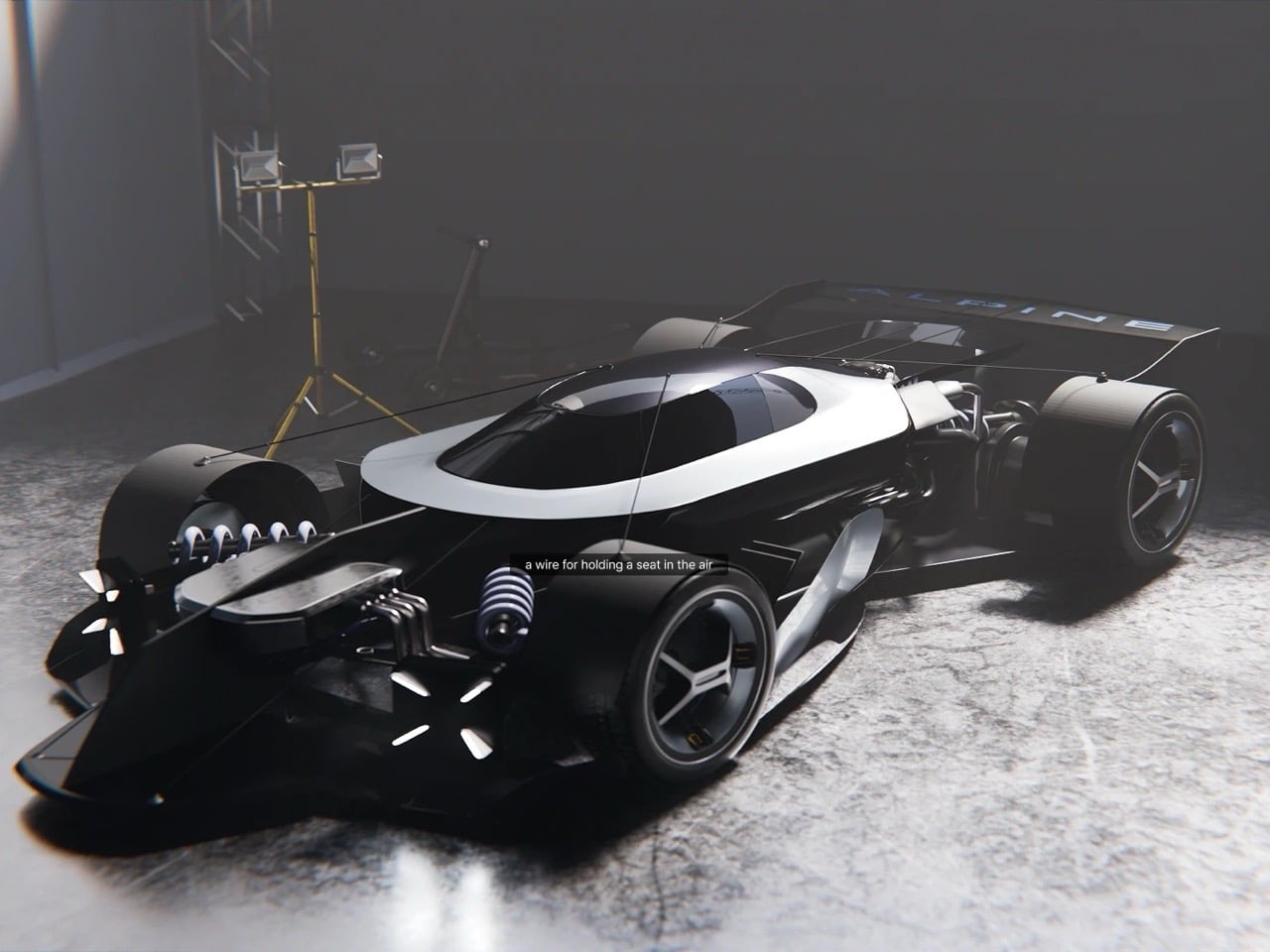
And that’s the critical distinction here. The Horizon shares almost nothing with a modern F1 car. Current F1 machines are narrow, open-wheeled, open-cockpit designs with exposed suspension and aggressive front wings dictated by FIA regulations. The Horizon sits low and wide with massive wheel arches that swallow the tires, a long rear overhang housing a substantial diffuser, and a front splitter that could double as a snowplow. Its silhouette reads as a Toyota GR010 or Porsche 963 cousin, filtered through Lee’s smooth, organic surfacing language where the canopy melts into the car’s spine without a single harsh panel gap.
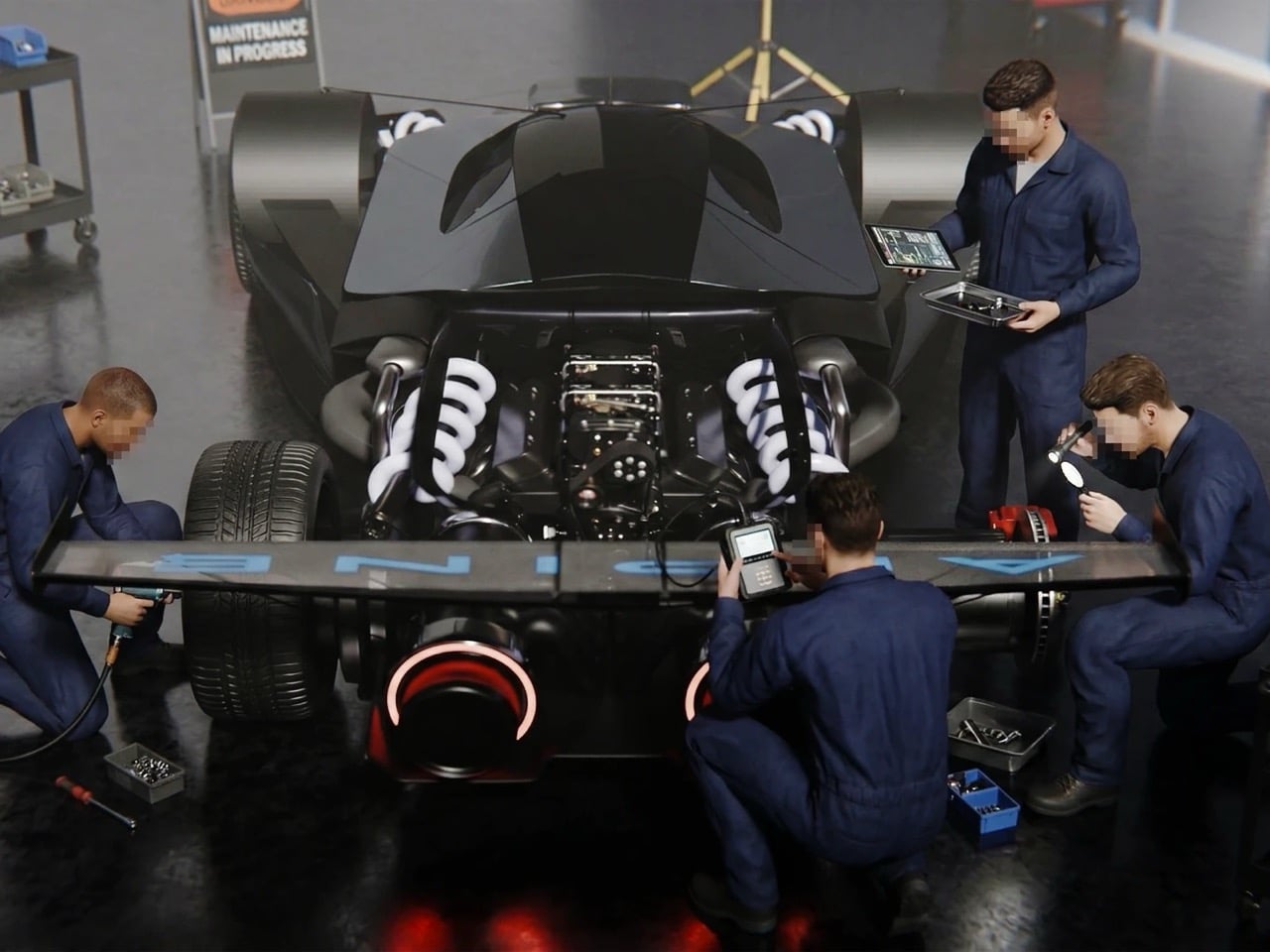
Inside the cockpit, Lee imagines gimbal-mounted seats designed for what he calls “weightless racing,” working in concert with the floating pod to keep the driver’s body stable under extreme forces. It is a layered isolation system: the cockpit floats on magnets, the seat pivots on gimbals within it, and the driver theoretically experiences something closer to stillness while the car battles the track surface below. Batteries housed in the chassis power the entire magnetic levitation system, and cutaway views show them positioned low for center-of-gravity optimization.
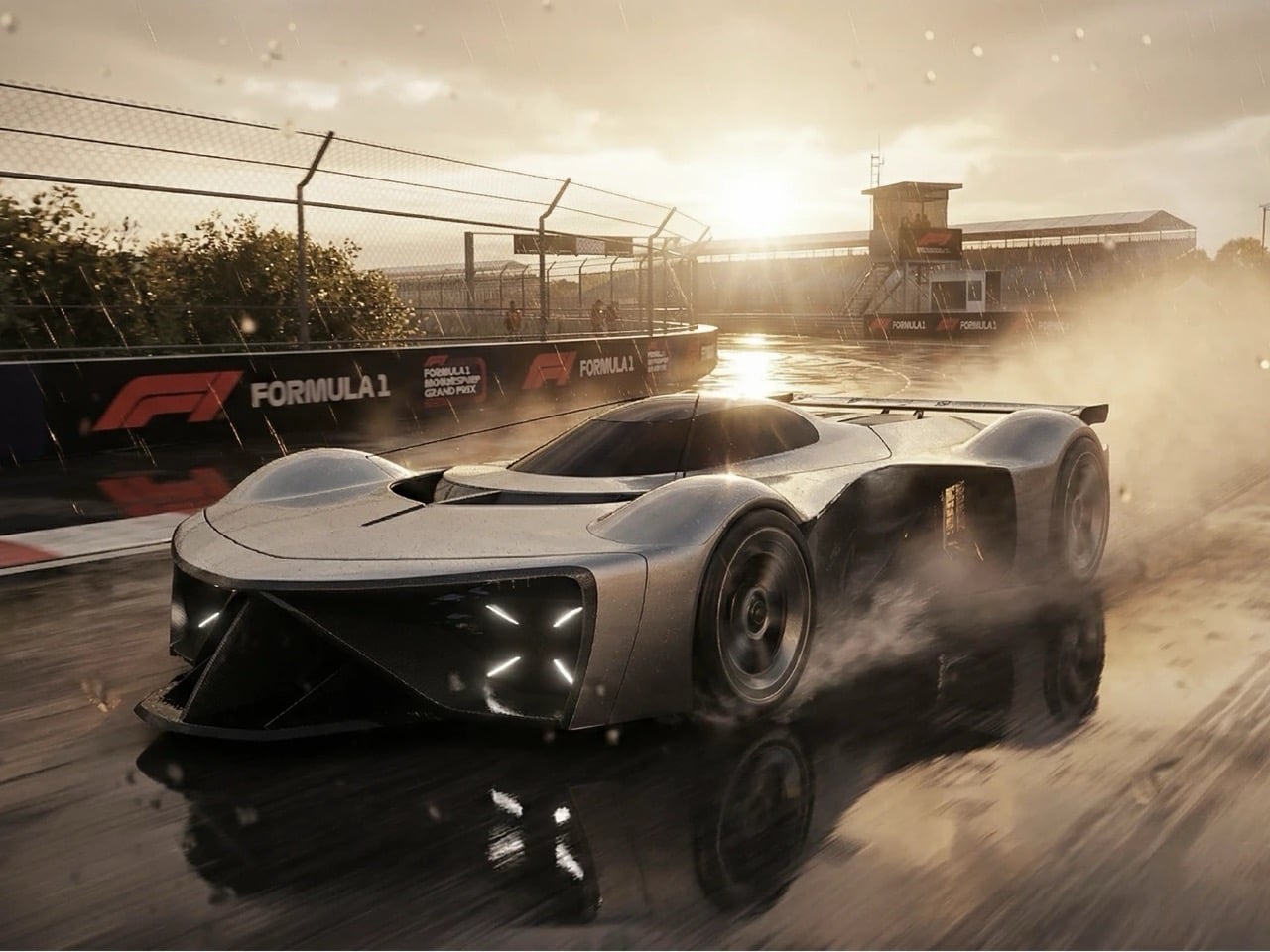
Alpine’s real motorsport situation makes a concept like this hit differently. The F1 team finished dead last in the 2025 Constructors’ Championship, and Flavio Briatore’s stated ambition for 2026 is a modest climb to P6 on Mercedes customer power. The WEC team is running its farewell season before the Hypercar program shuts down permanently, with the Viry-Chatillon workforce of 300-plus employees facing reassignment or redundancy. Lee’s Horizon exists in none of that reality, and the gap between aspiration and circumstance is exactly what makes automotive concept design so compelling.