Most things we buy today are quietly built to fail. Your phone will slow down in two years. Your flat-pack furniture will wobble in five. The average American home is typically designed to hold up for about 50 to 100 years before it needs significant intervention, if it lasts that long at all. We’ve gotten so comfortable with impermanence that designing something to last a millennium feels almost radical.
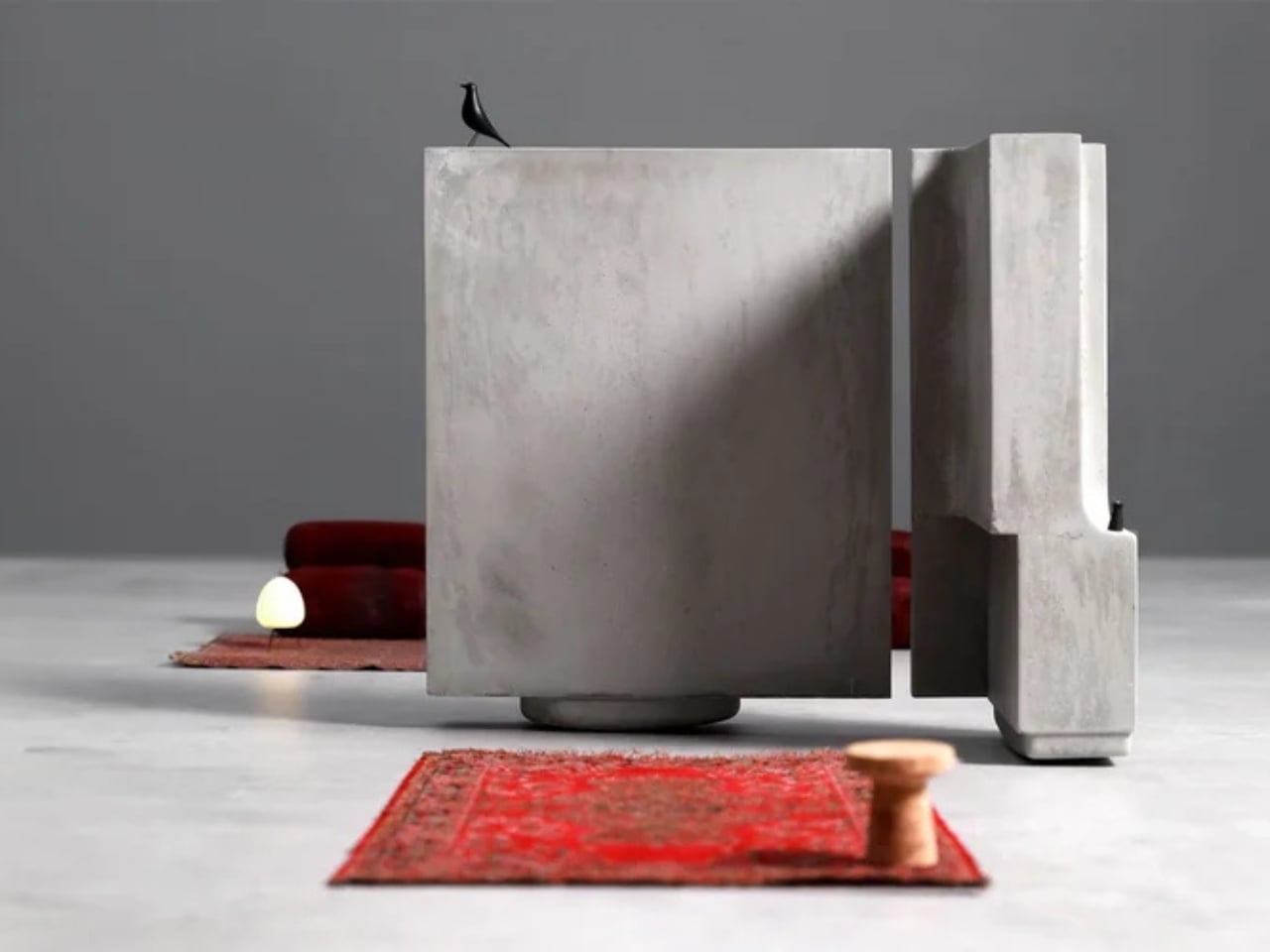
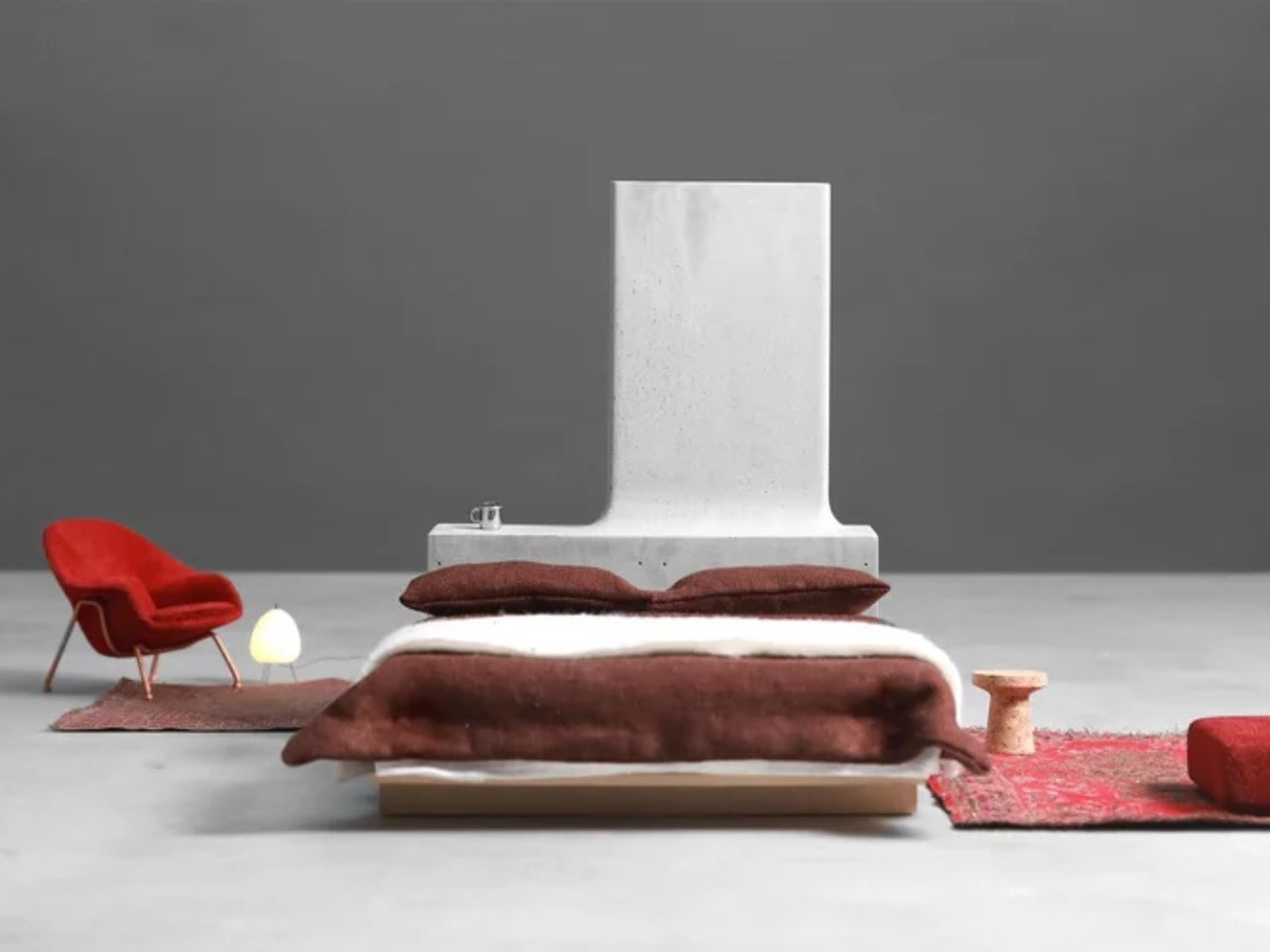
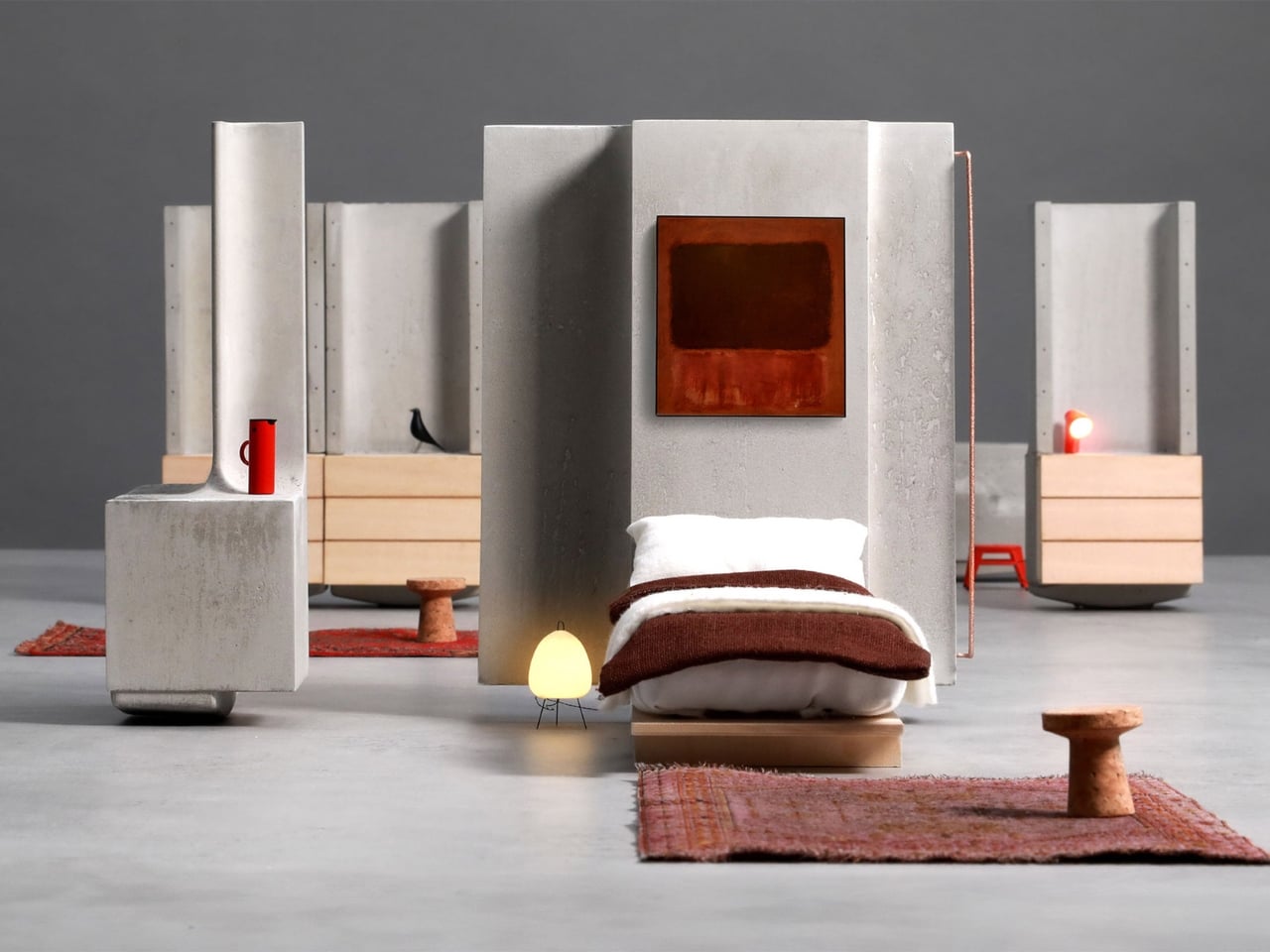
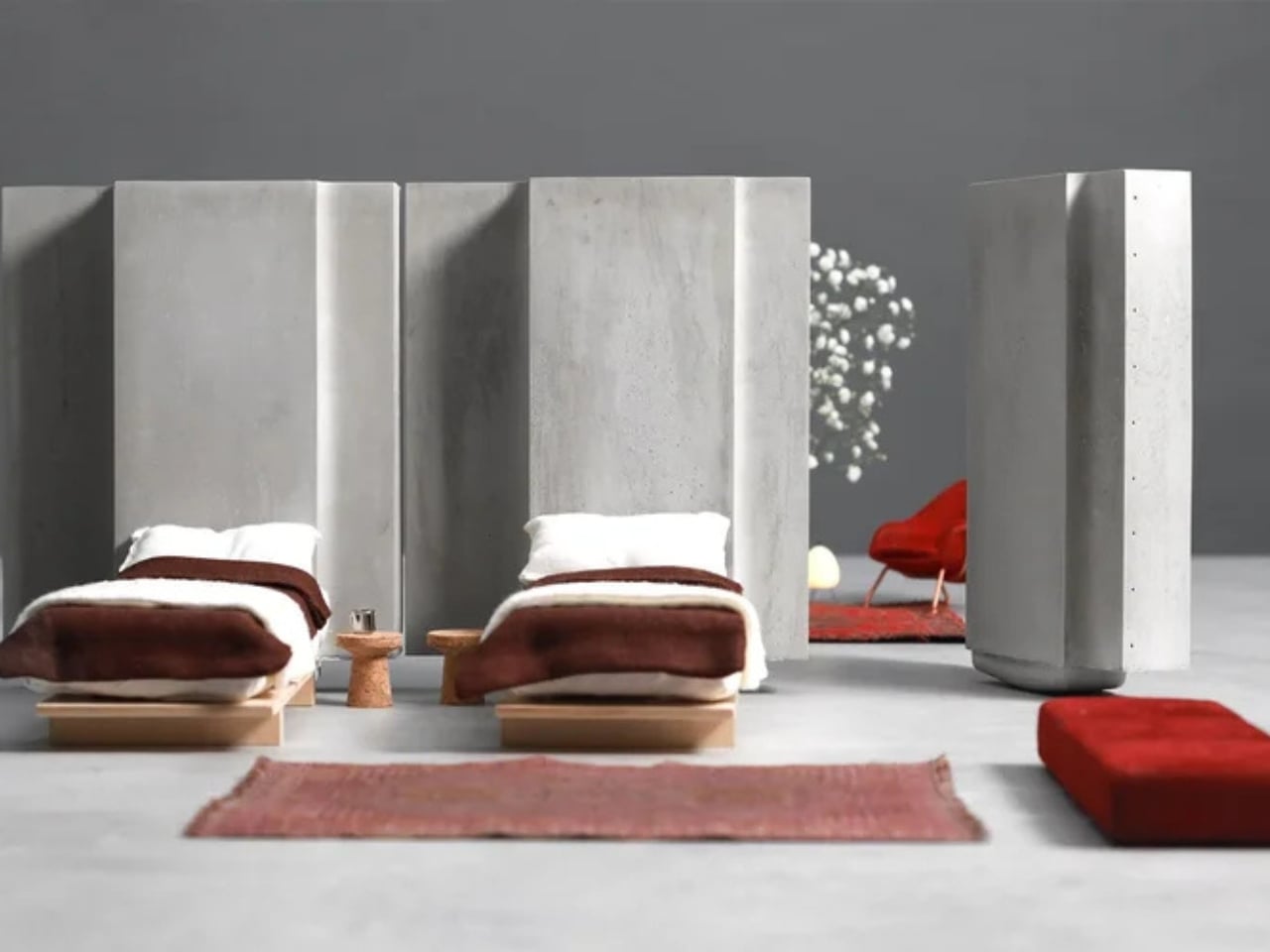
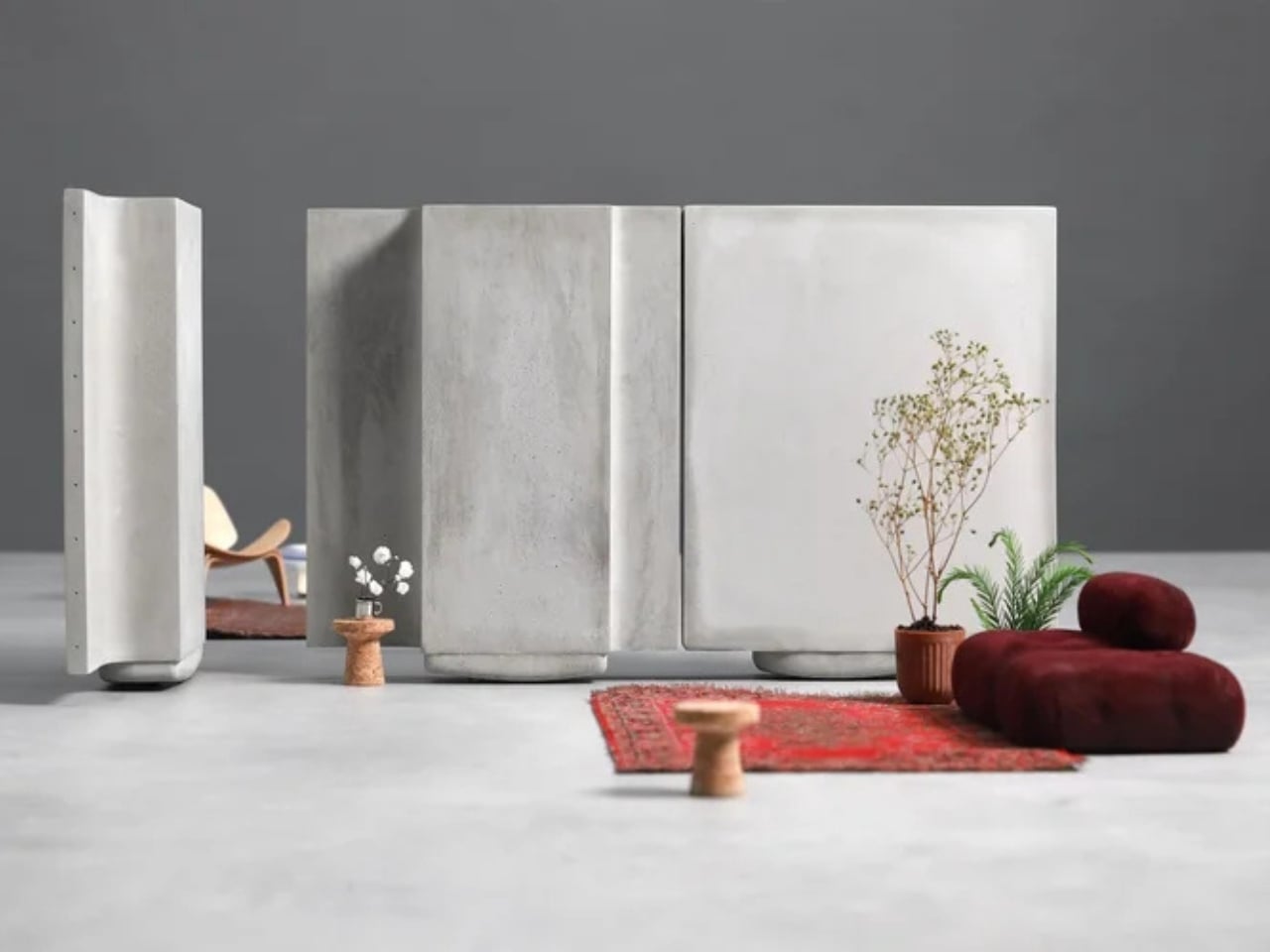
That’s exactly what researchers at the Massachusetts Institute of Technology have done with the Heirloom House project, and it’s the kind of idea that makes you stop and genuinely reconsider the way we build things. Unveiled by MIT’s research studio Matter Design, in partnership with the R&D arm of Mexican building materials giant Cemex, the Heirloom House is a collection of nine structural-concrete components engineered to last 1,000 years. Not decades. Not centuries, loosely speaking. A thousand years. That number is so specific and so audacious that it almost sounds like a provocation, and in many ways, it is.
Designer: Matter Design
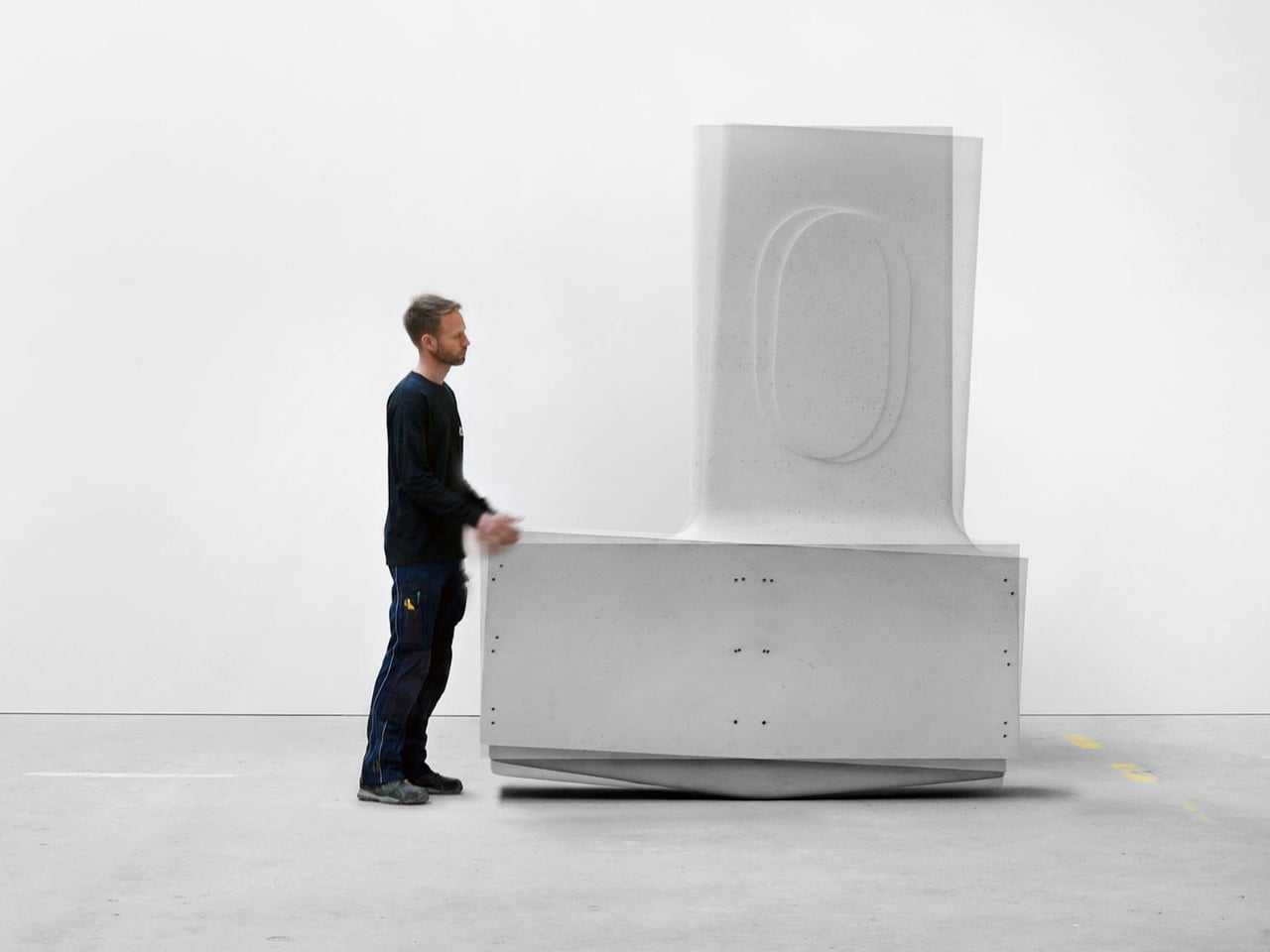
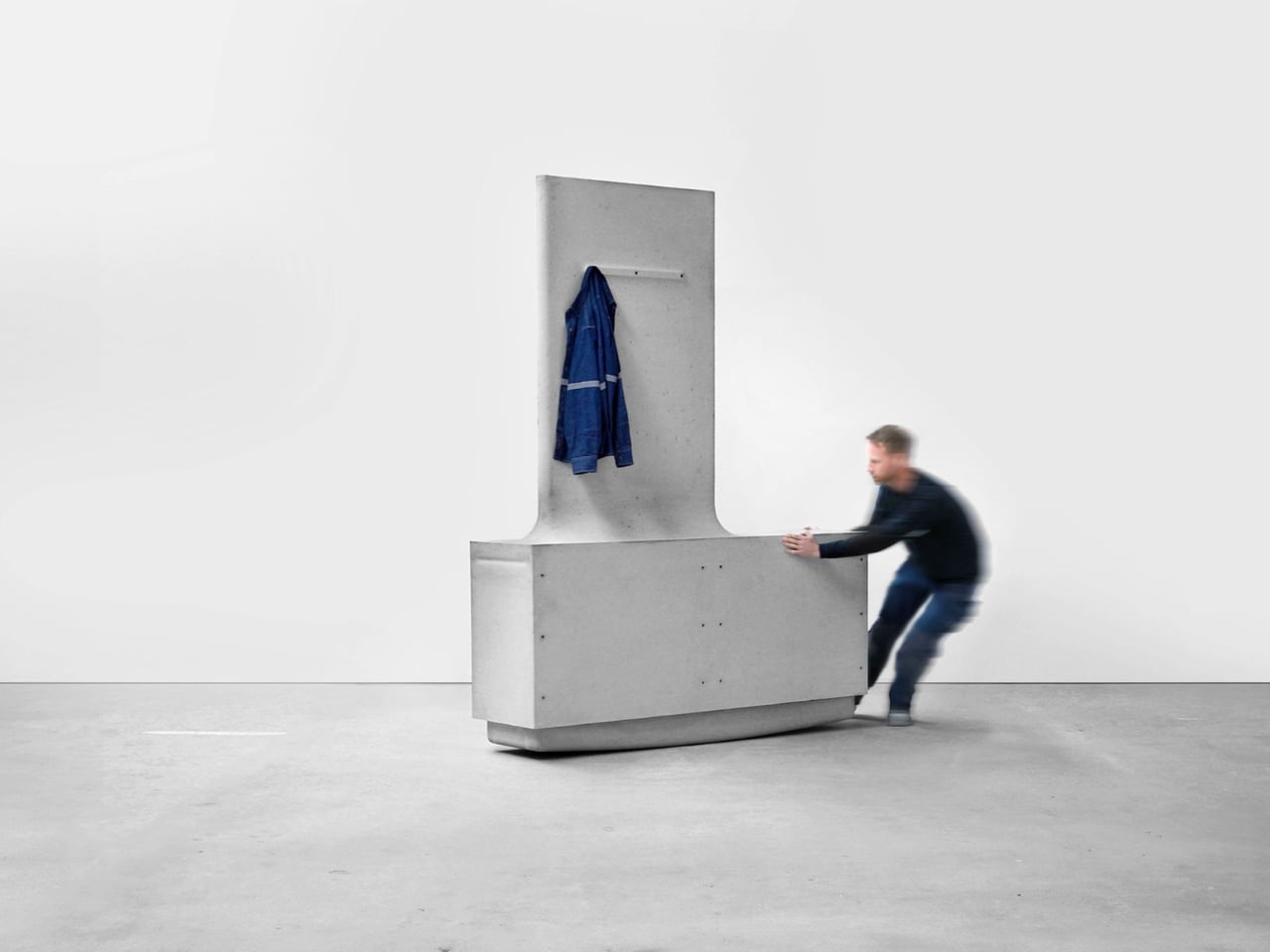
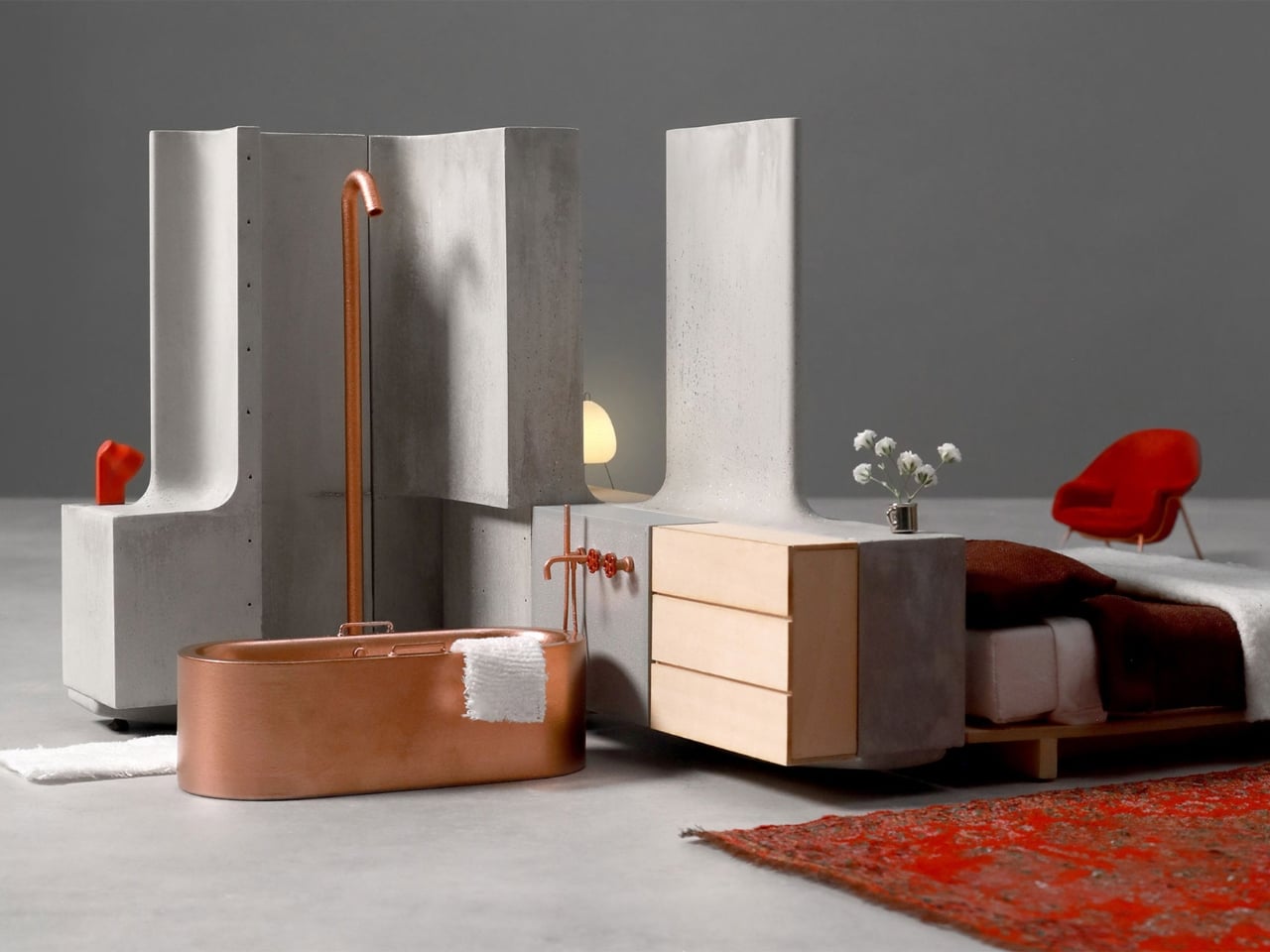
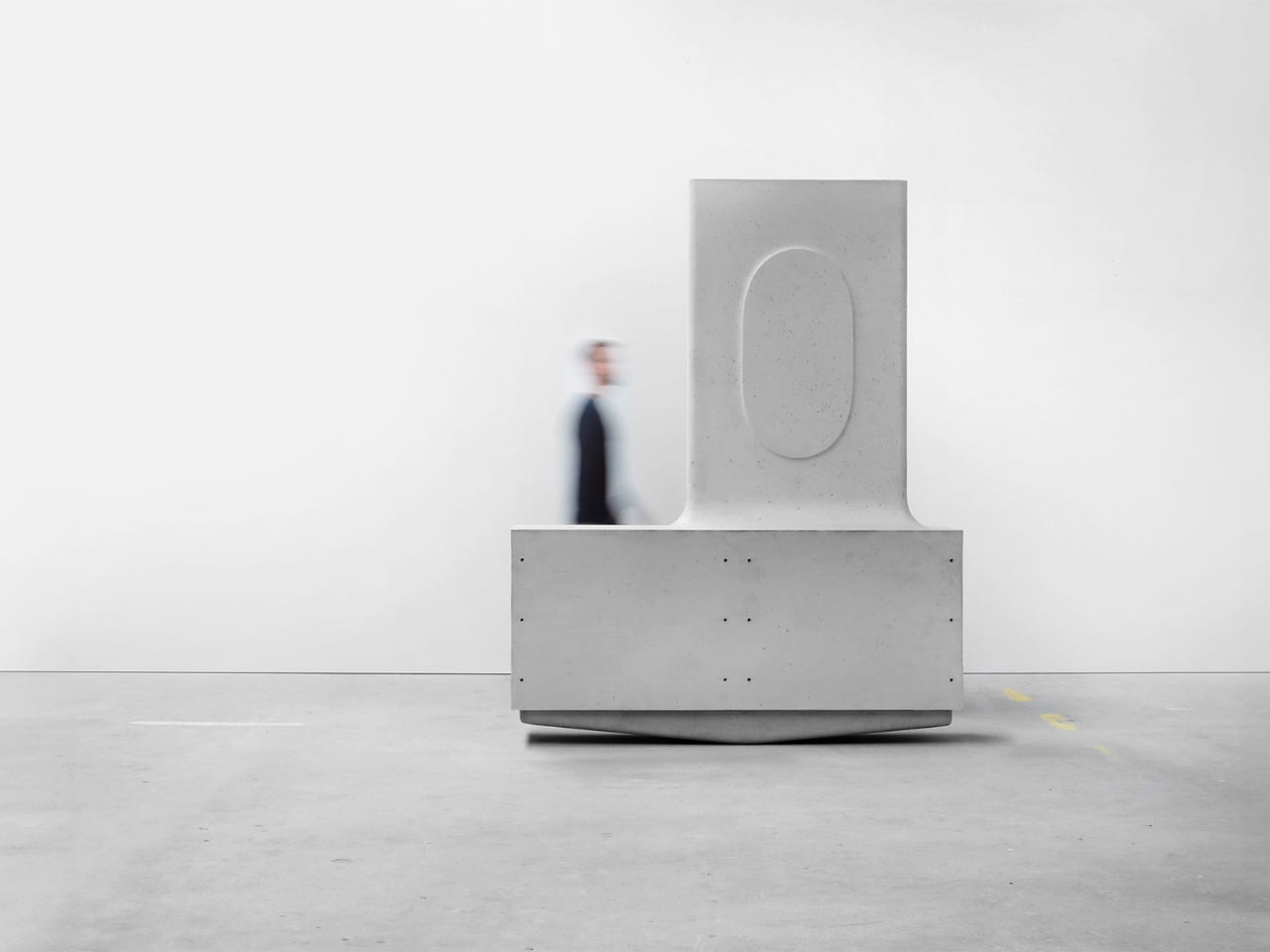
The nine components function like a sophisticated construction kit: columns, beams, floor slabs, wall panels, and connection elements that can be assembled, disassembled, and reassembled without permanent fasteners. Each piece is precision-engineered to work with the others through carefully calculated geometry and weight distribution. The research team leaned into kinetics and physics to design the modular elements so the whole system holds together not through bolts or adhesives, but through gravity, balance, and friction. It’s a fundamentally different way of thinking about structure: one where the intelligence is baked into the shape and mass of the material itself.
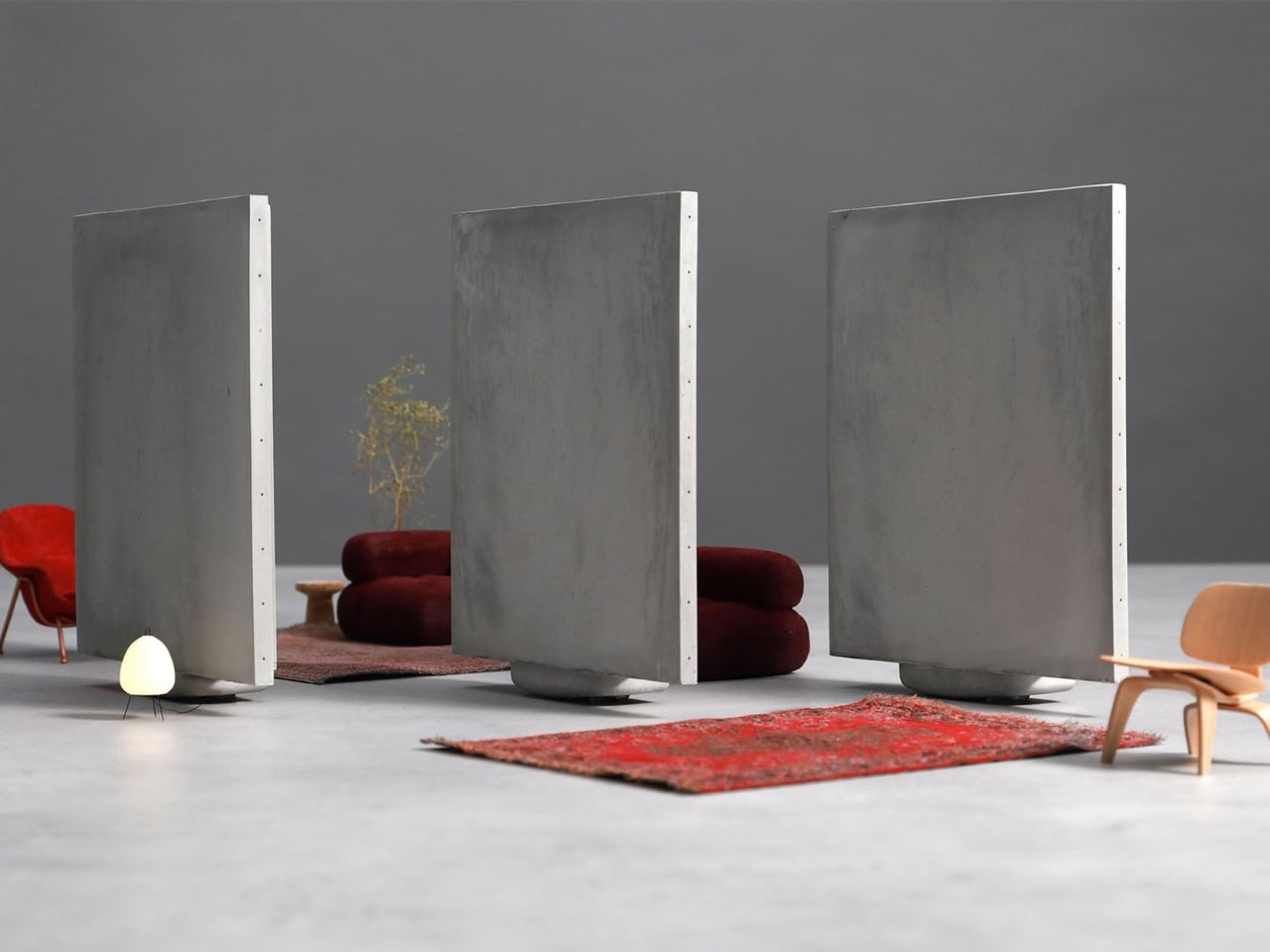
What makes the project particularly interesting is that these components aren’t static. They’re designed to be manually rearranged, which means the same set of pieces could theoretically be configured and reconfigured by generation after generation. A two-bedroom house today could become a studio with workspace tomorrow, or an open pavilion in fifty years, all using the same nine types of elements. The components are meant to adapt to changing needs without ever becoming obsolete.
The name “Heirloom” is doing a lot of work here, and deliberately so. We use that word for jewelry passed down from grandmothers, for cast-iron pans that outlive their owners, for furniture that somehow survives four moves and two divorces. The researchers are asking whether a house could carry the same weight, literally and culturally. Whether a building could be something you inherit rather than something you renovate or demolish.
I find this genuinely exciting, not just as a design concept but as a cultural counterpoint to the way architecture has been trending. We’ve spent years celebrating the disposable, the adaptable, the fast. Pop-up everything. Temporary structures. Prefab homes optimized for speed and cost over longevity. None of that is wrong, exactly, but it has produced a built environment that often feels like it’s designed for now and only for now. The Heirloom House project pushes back on that without being preachy about it. It doesn’t lecture you on sustainability, though the implications are obvious: something designed to last 1,000 years isn’t going to a landfill anytime soon. It just quietly asks what it would mean to build with permanence as the goal, not the afterthought.
Concrete is a pointed material choice, too. It’s one of the most produced materials on the planet and also one of the most criticized for its environmental impact. But used well and built to last, concrete doesn’t need to be replaced, which changes the calculus significantly. The embodied carbon of a structure that stands for a millennium looks very different from one that gets torn down in 60 years. The material itself becomes an investment that pays environmental dividends across centuries.
What I keep coming back to is the philosophical shift this project represents. Most design today is optimized for the present user, the current lifestyle, the current need. The Heirloom House imagines future residents, people who haven’t been born yet, rearranging the same components that someone else assembled centuries before. It’s design as a kind of inheritance, a gift extended across time. Whether or not the Heirloom House ever becomes a commercial reality is almost beside the point. As a concept and a provocation, it already does something valuable: it reminds us that permanence is a design choice, and one we’ve largely stopped making. Maybe it’s time to start again.