There’s a particular kind of guilt that lives in the corner of a messy room. You see it, you know it needs to go, and somehow you still walk past it three more times before doing anything. Most of us don’t lack the ability to do chores. We lack the spark to begin them.
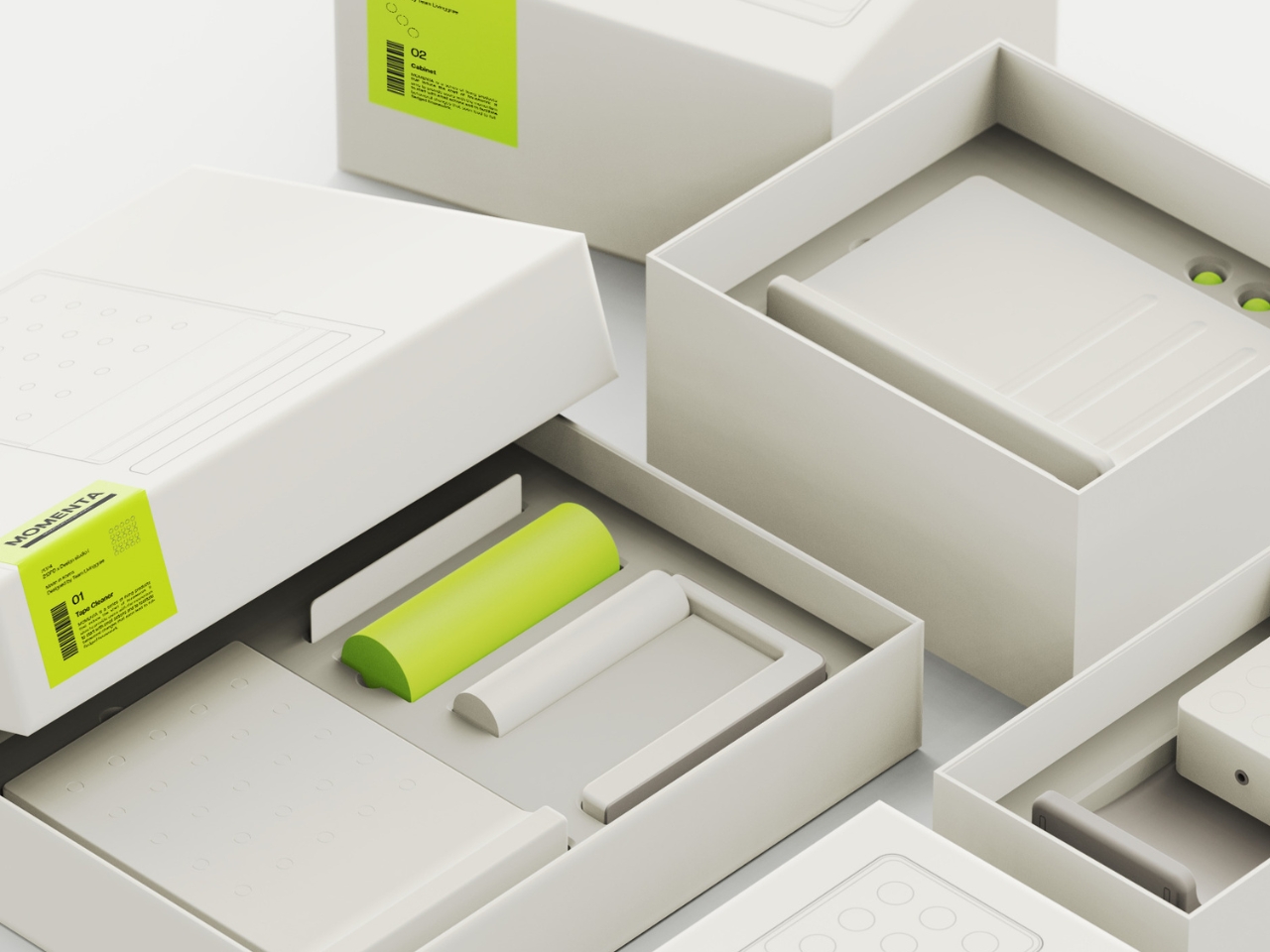
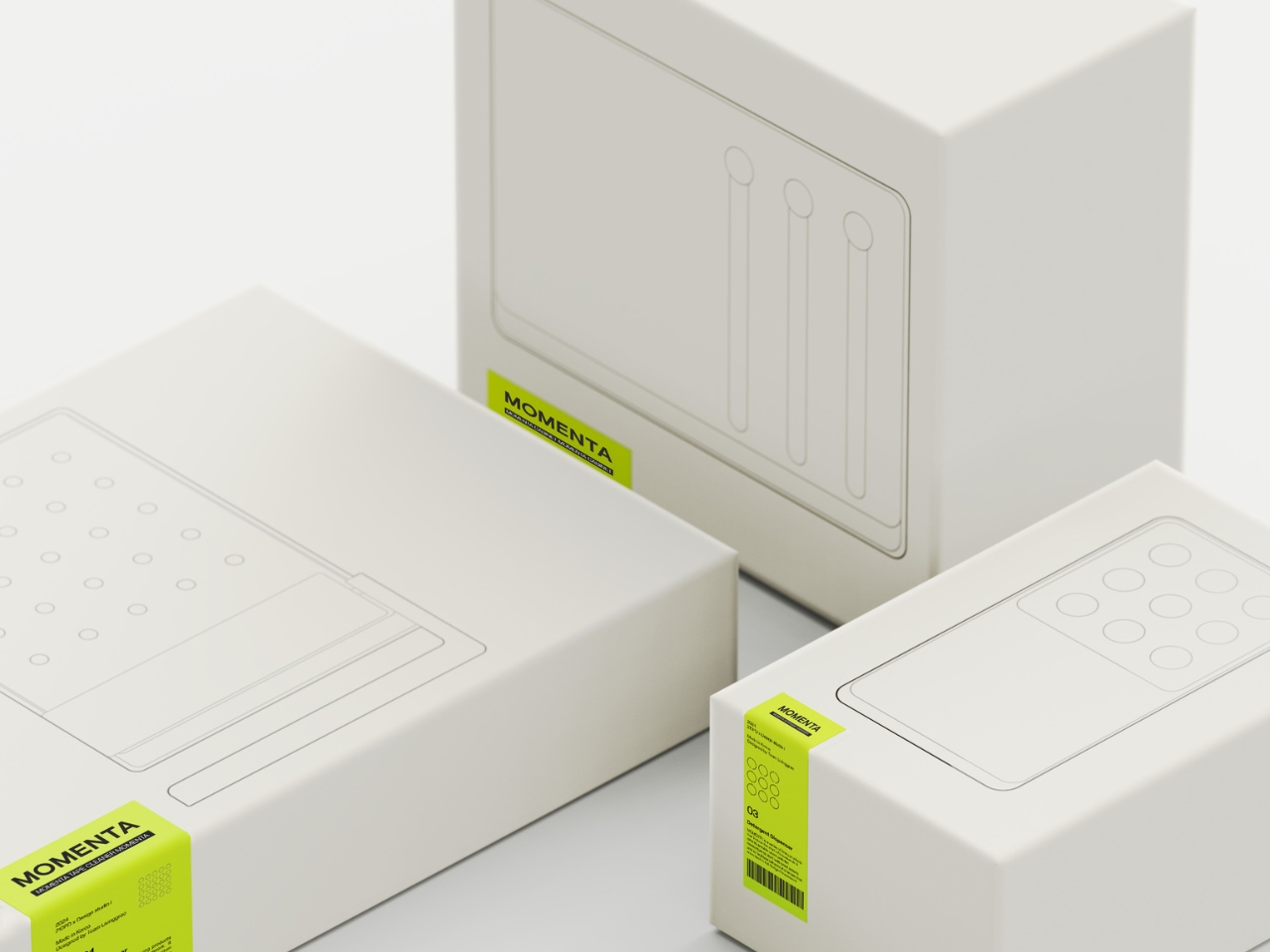
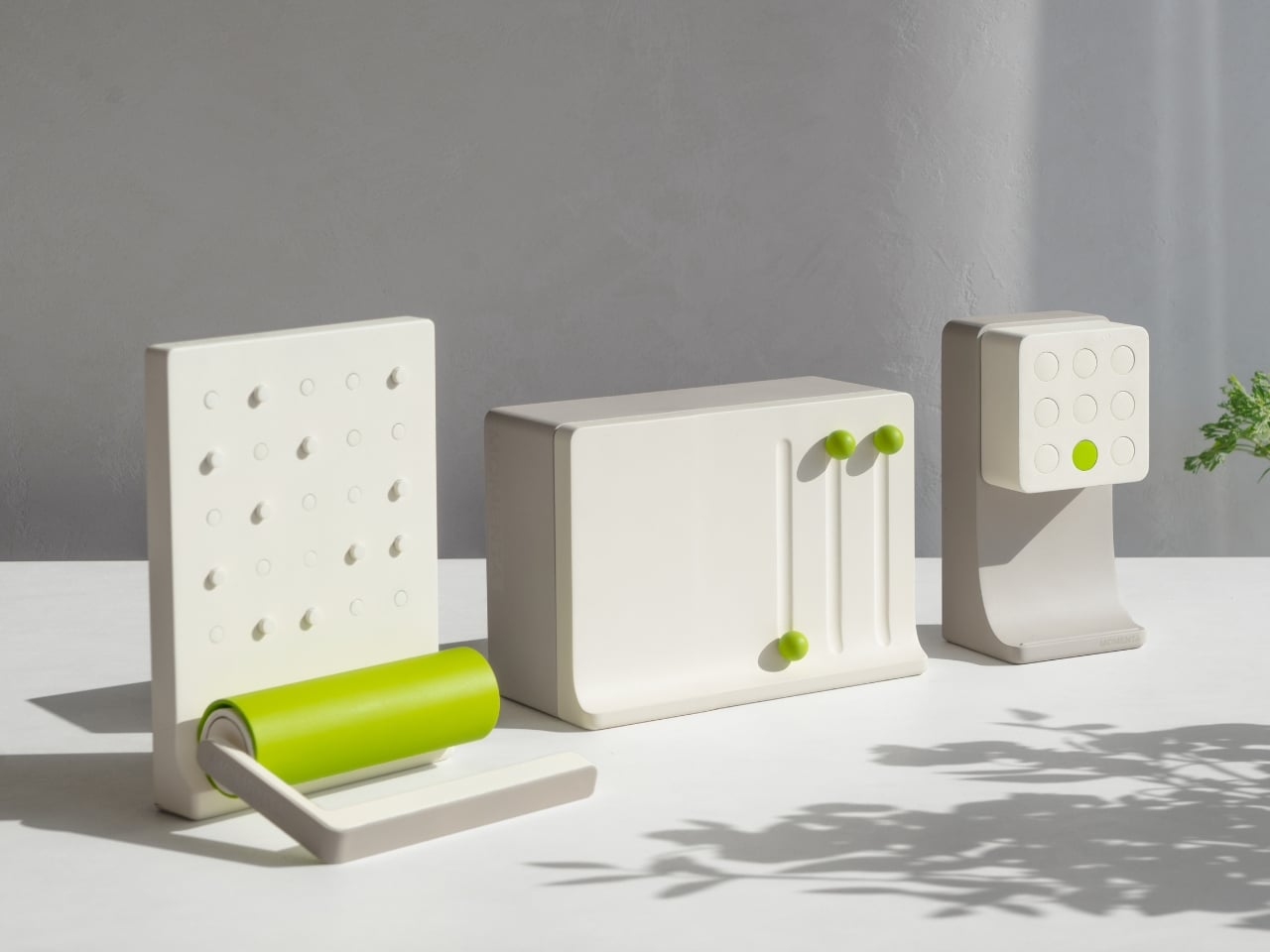
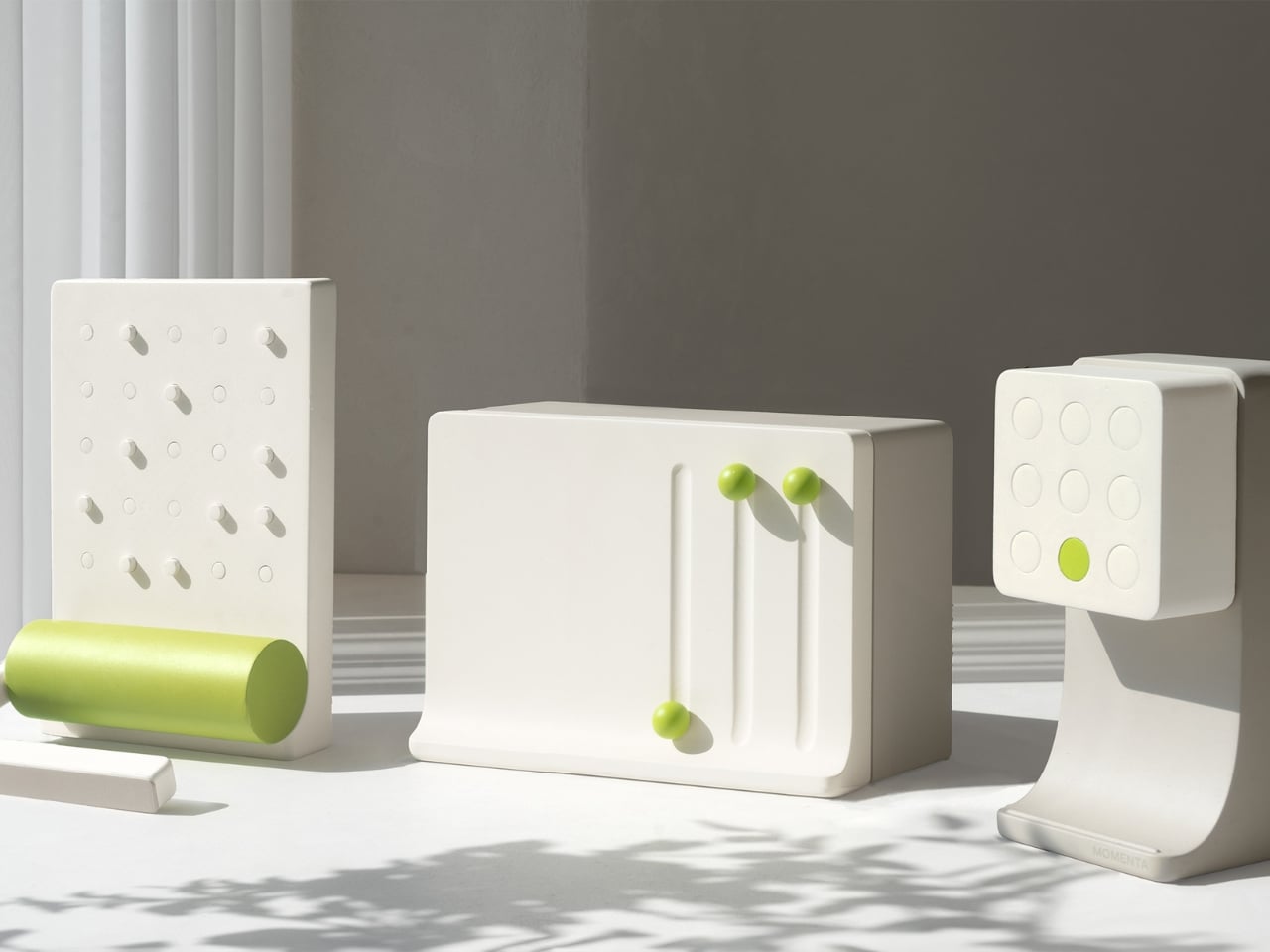
That’s the exact problem Gun Park, Gain Lee, Yangwoo Choi, and Jinha Hong set out to solve with Momenta, a concept collection of household products that uses behavioral psychology and deliberate design to nudge you into action. The collection consists of three pieces: a tape cleaner, a cabinet, and a detergent dispenser. Each one is quietly brilliant, and together they represent one of the more thoughtful takes on domestic product design I’ve seen in a while.
Designers: Gun Park, Gain Lee, Yangwoo Choi, and Jinha Hong
The concept behind Momenta is rooted in a simple but profound observation: incompleteness bothers us. Think about a crooked tile on a sidewalk or a puzzle missing a single piece. Something in your brain just wants to fix it. The designers tapped into this instinct, using what they call “deficiency triggers,” small physical cues that signal something is out of place, to make starting a chore feel less like a decision and more like a natural response.
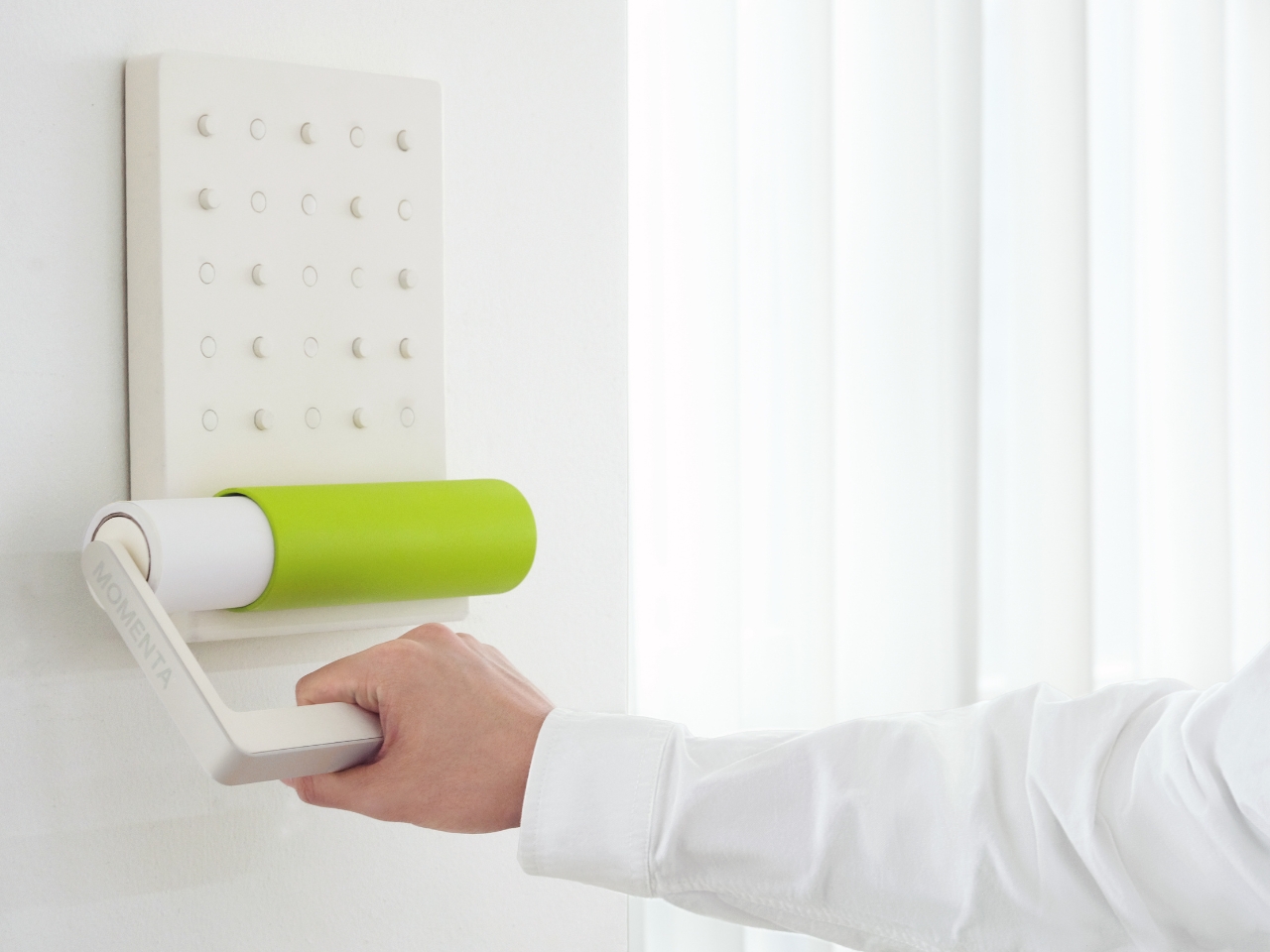
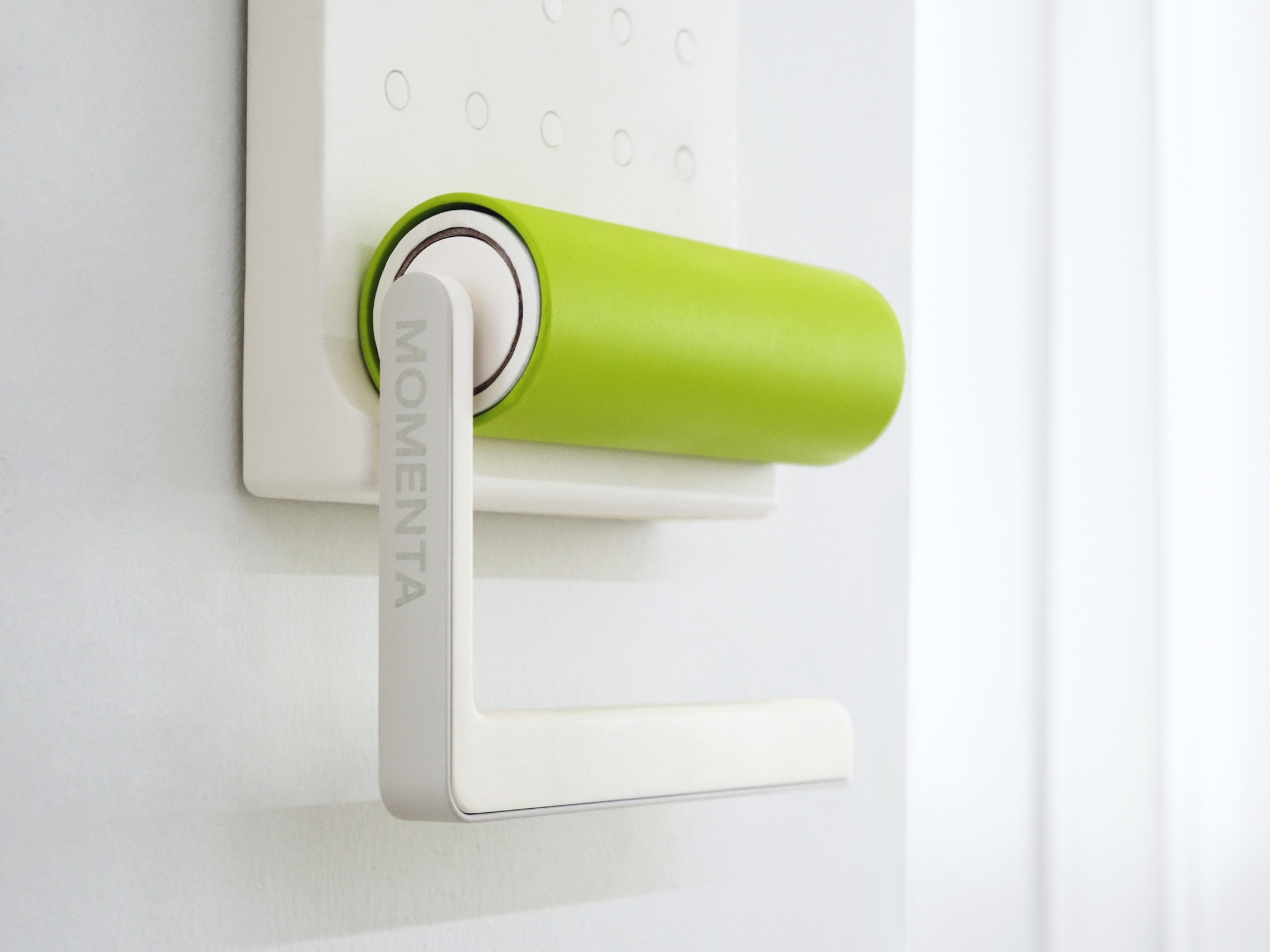
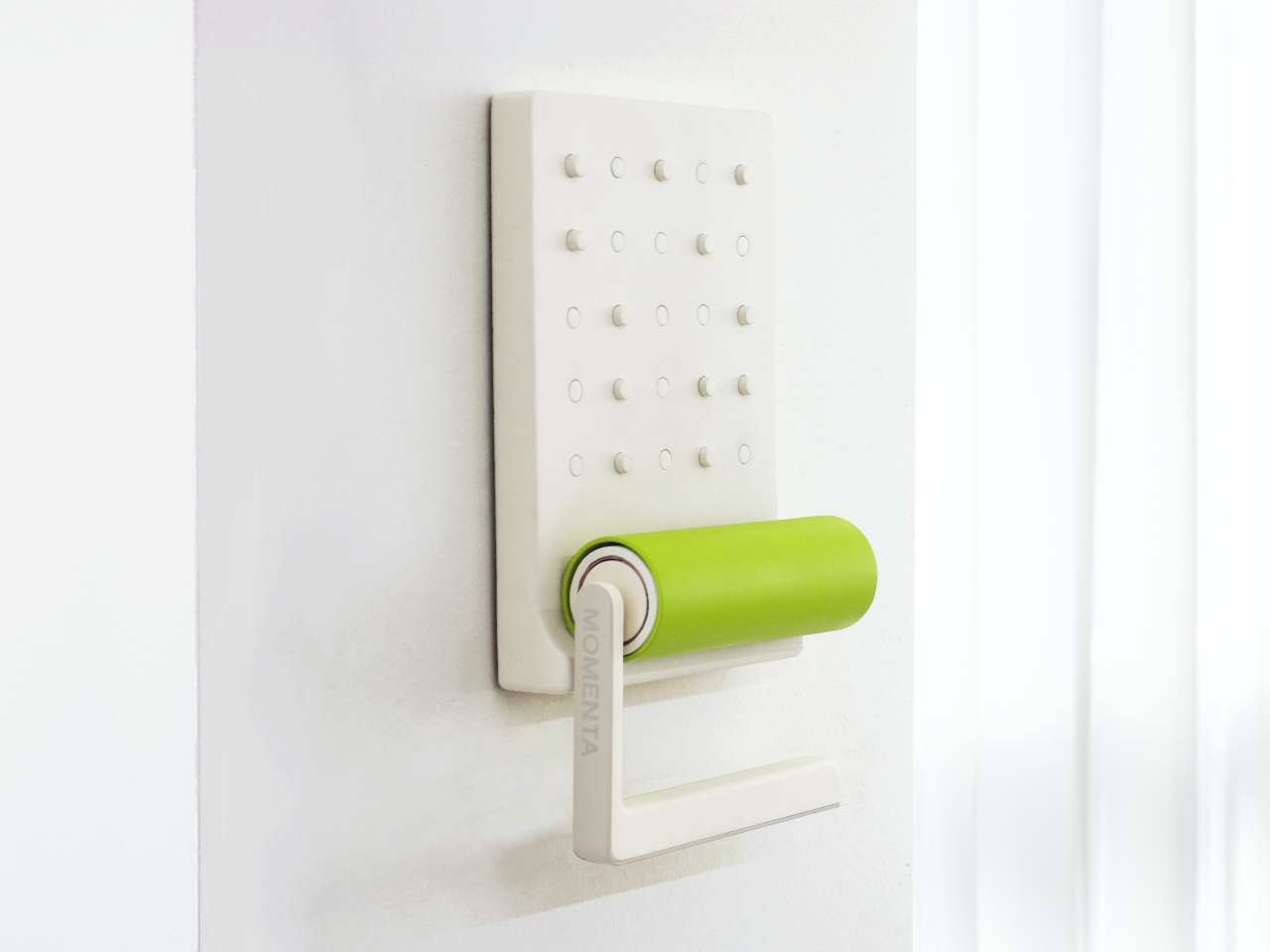
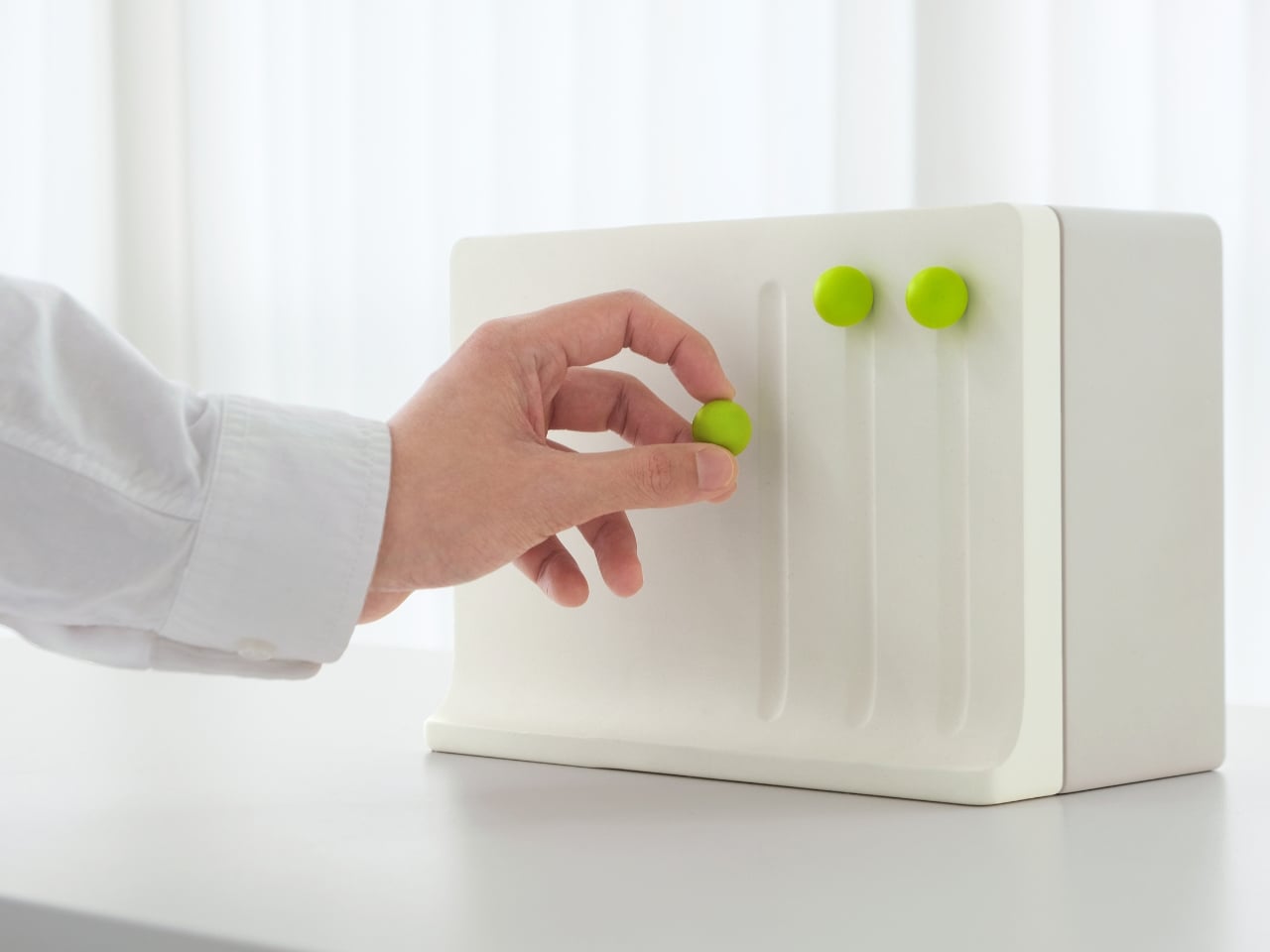
The tape cleaner is the most visually striking of the three. It mounts on the wall via a magnetic board, and at whatever cleaning interval you set, a small trigger pops out from the panel at a random spot. The visual effect mimics the look of a dusty, untidy surface. It doesn’t scold you or send a notification. It just sits there, slightly off, until you push it back in. And to push it back in, you have to grab the tape cleaner, which means you’re already cleaning. It’s almost sneaky in how seamlessly it works.
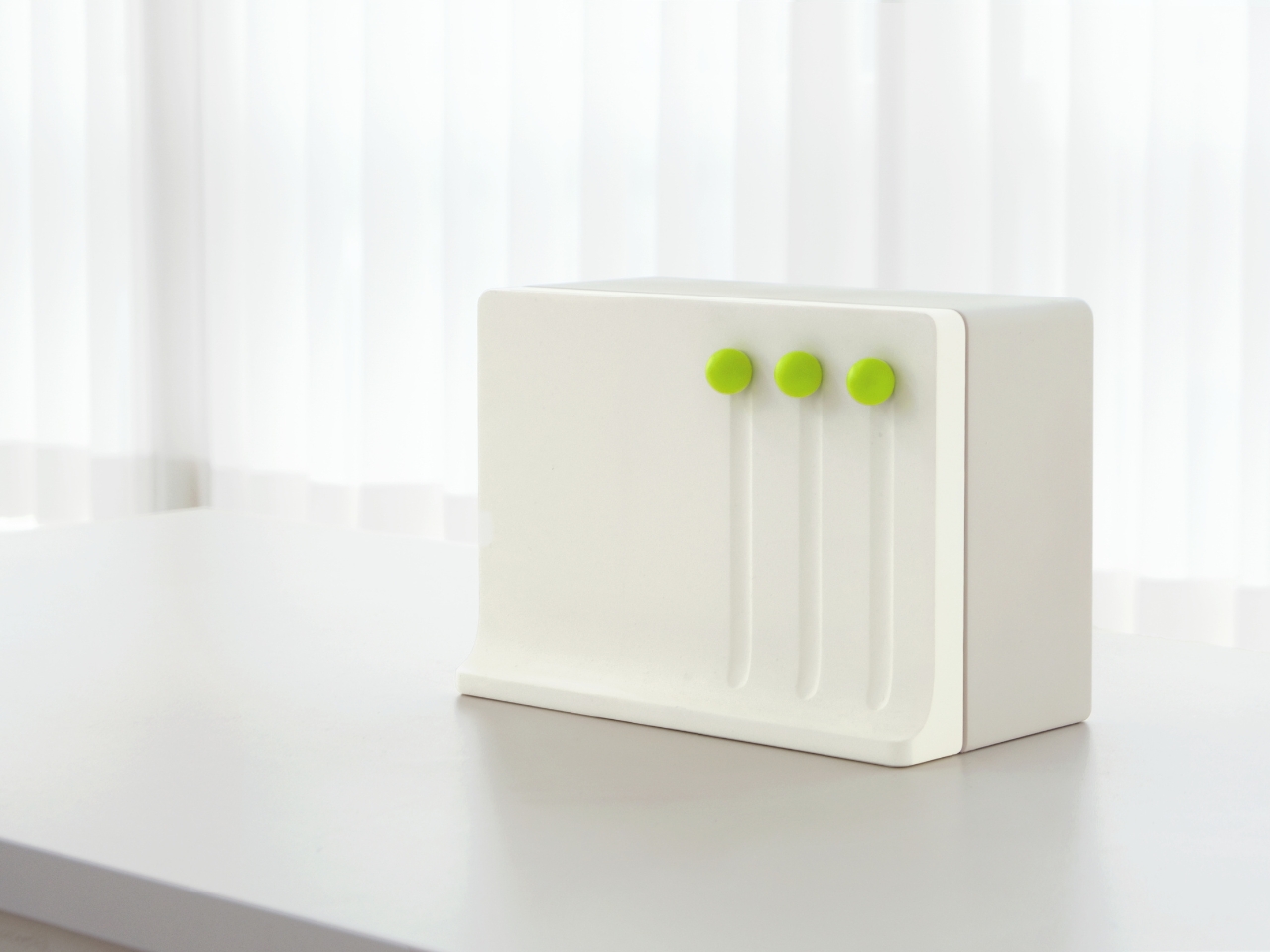
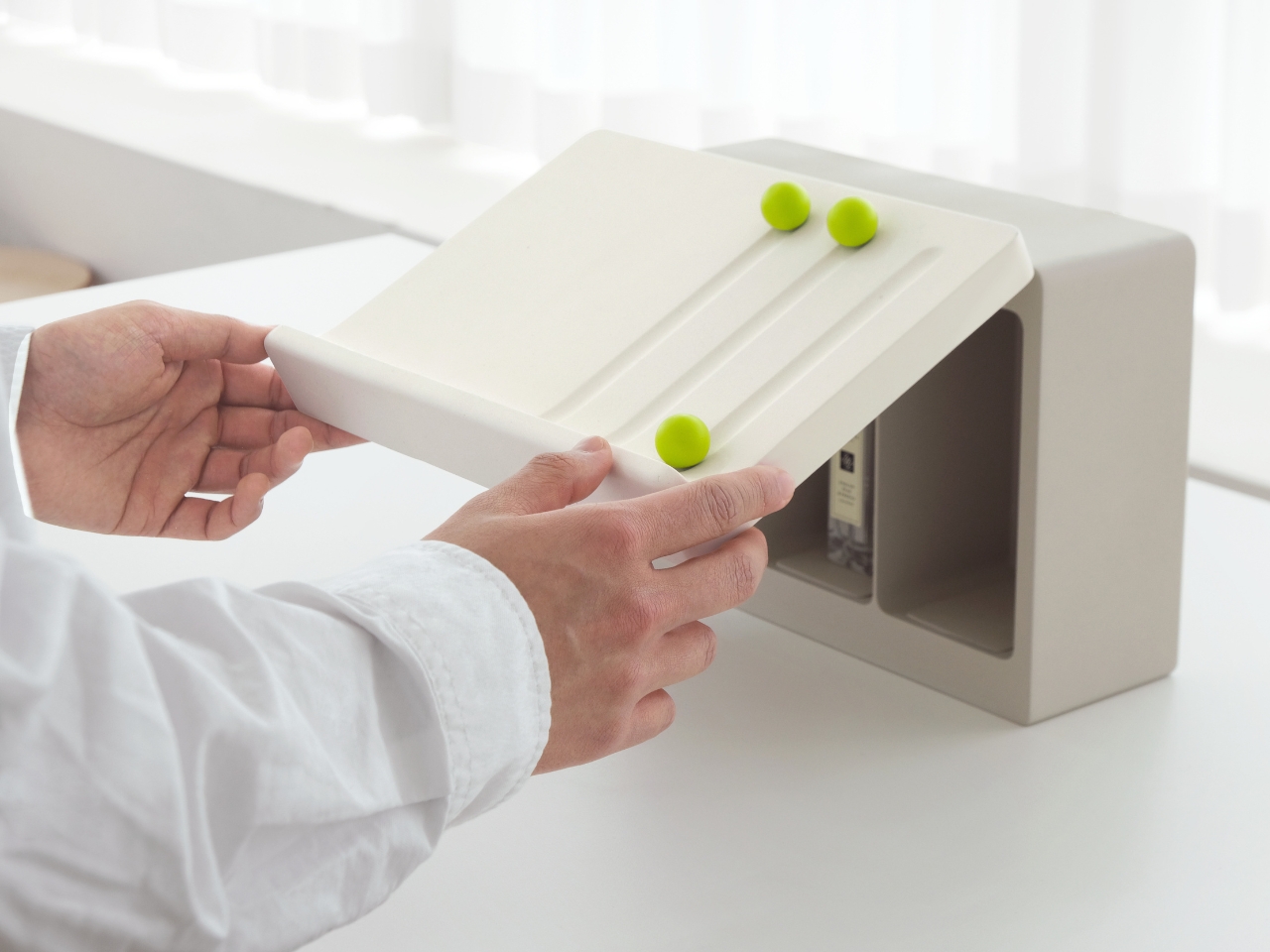
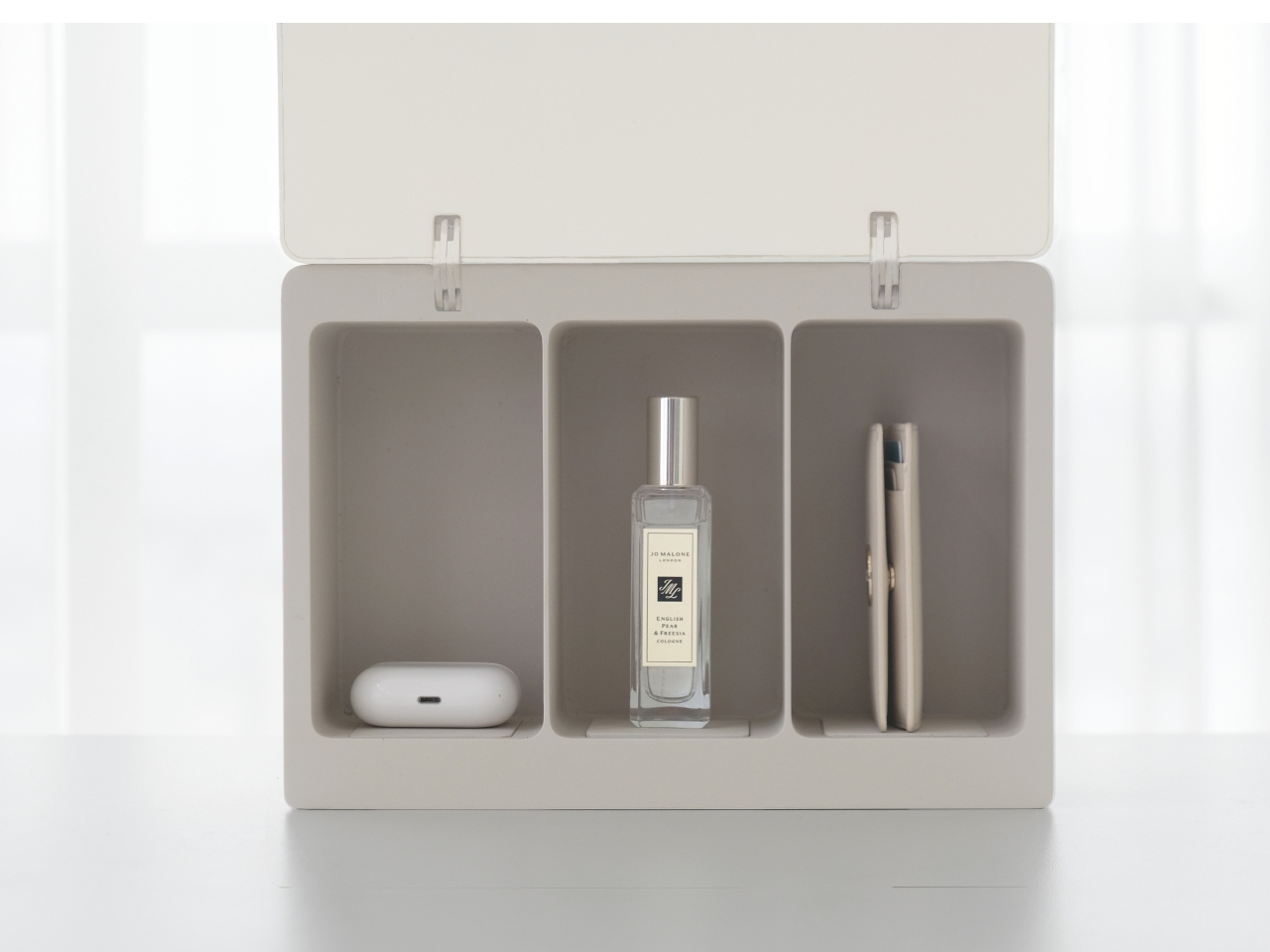
The cabinet follows a similar logic. When you take something out and don’t put it back, a spherical trigger drops down into the empty slot, making the absence visible. It’s the physical equivalent of a raised eyebrow. The item is missing. You know it. Now you feel the pull to return it. The trigger itself serves as a placeholder, holding the space and the guilt until the task is done.
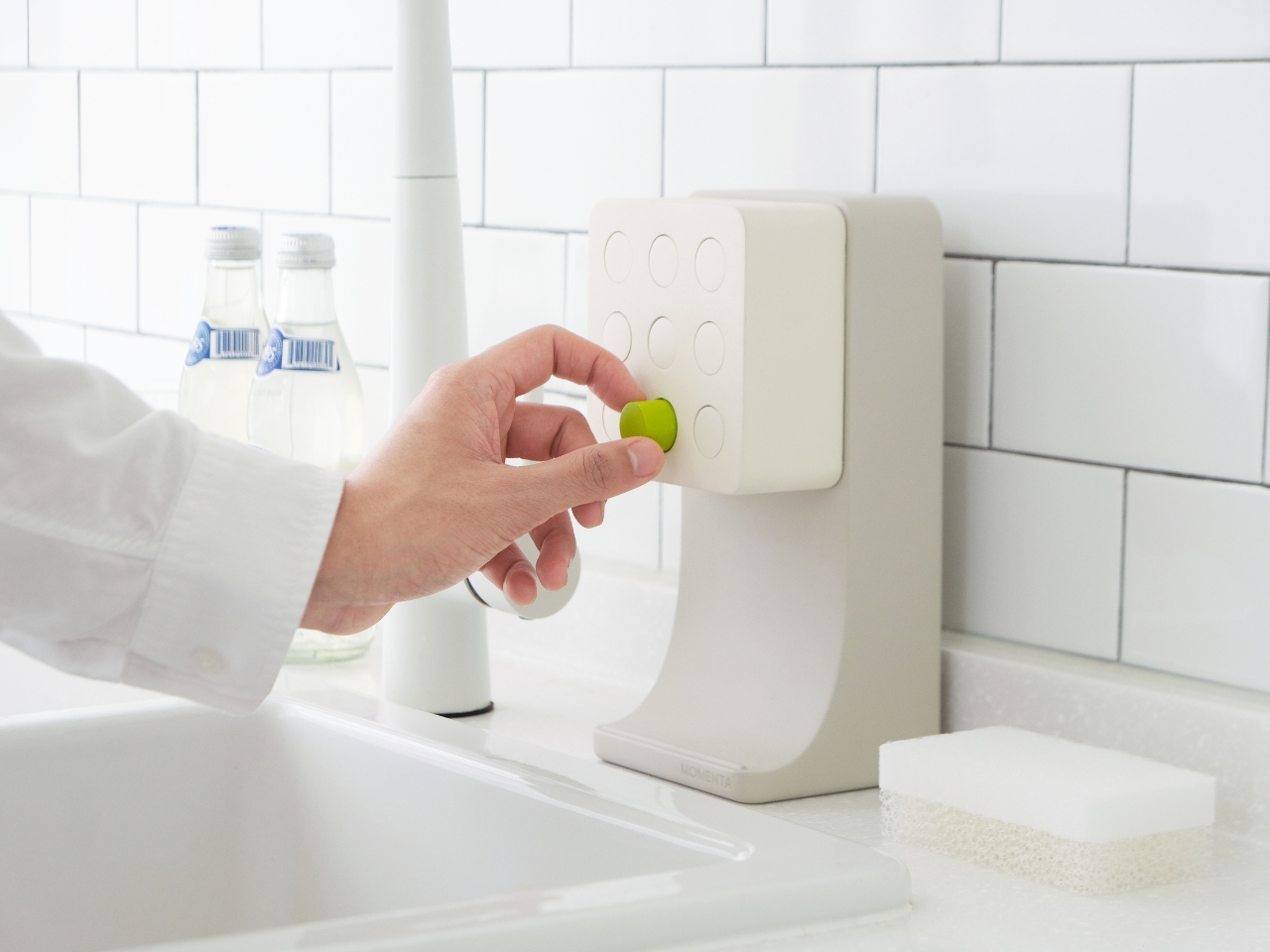
The detergent dispenser might be the most playful piece of the three. Nine small circular triggers sit in a grid on the face of the unit. When it’s time to do the dishes, one of them changes color. To reset it, you rinse it under water, which gets your hands wet, which is basically half the battle when it comes to starting the dishes. Once the trigger is placed back into its slot, detergent dispenses automatically. The whole sequence is almost gamified, and that feels intentional.
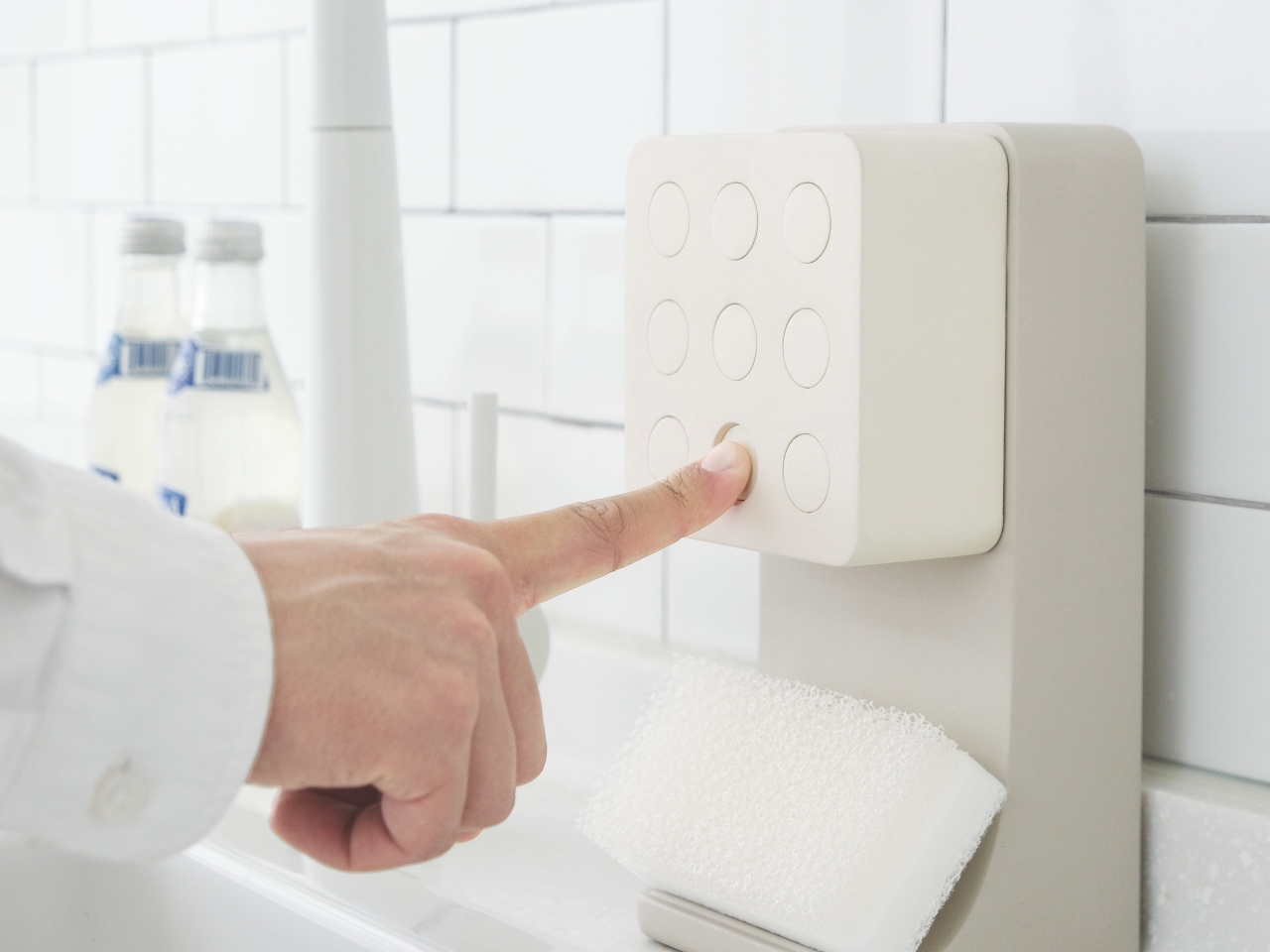
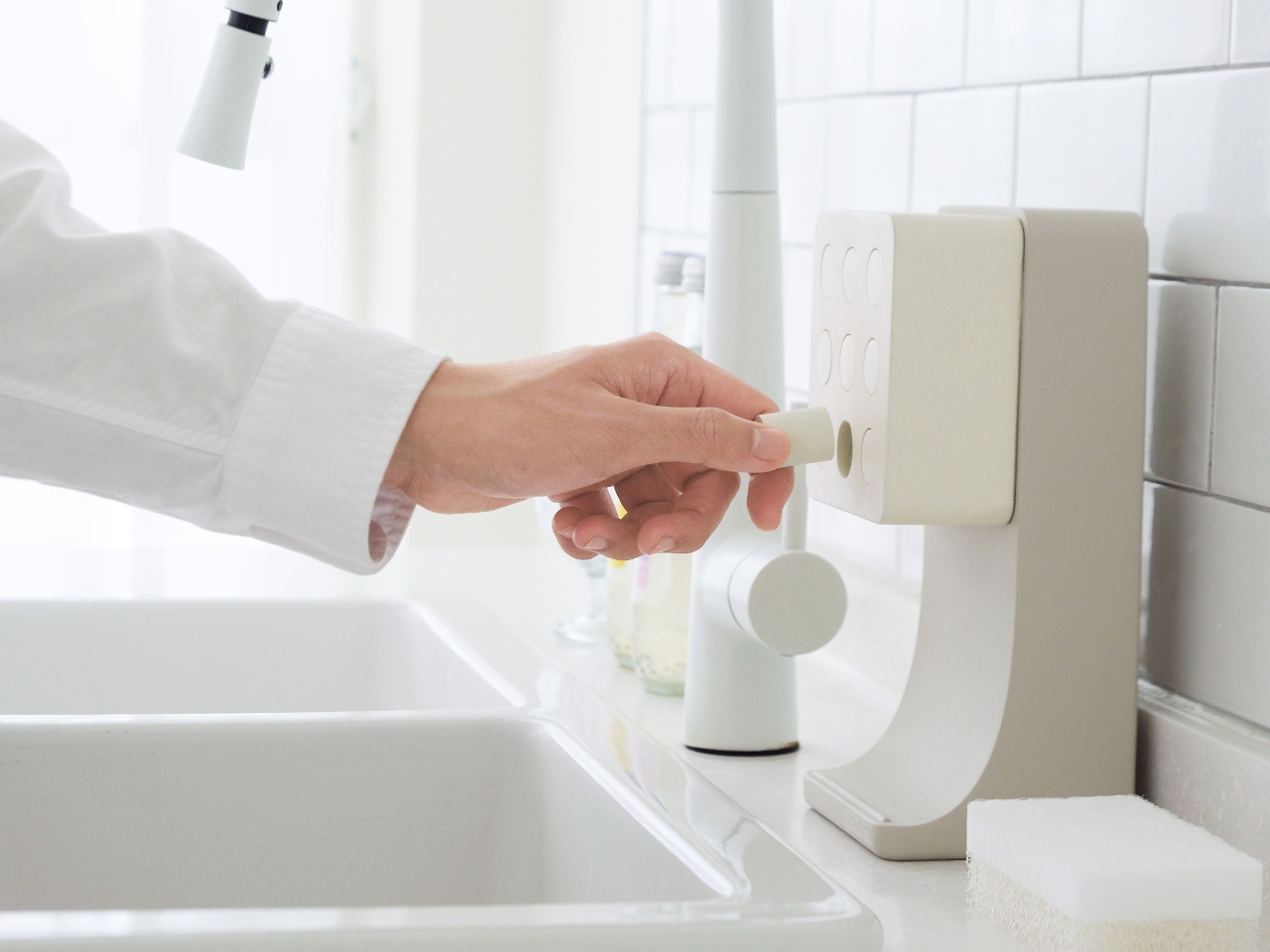
What makes Momenta genuinely interesting beyond its novelty is the layer of restraint in its design. Nothing here is loud or demanding. There’s no beeping, no blinking display, no app required. The products are minimal and clean, rendered in white with sharp pops of green for the triggers. They look like they belong in a thoughtfully curated home. The triggers do their work subtly, appealing to your instincts rather than interrupting your day.
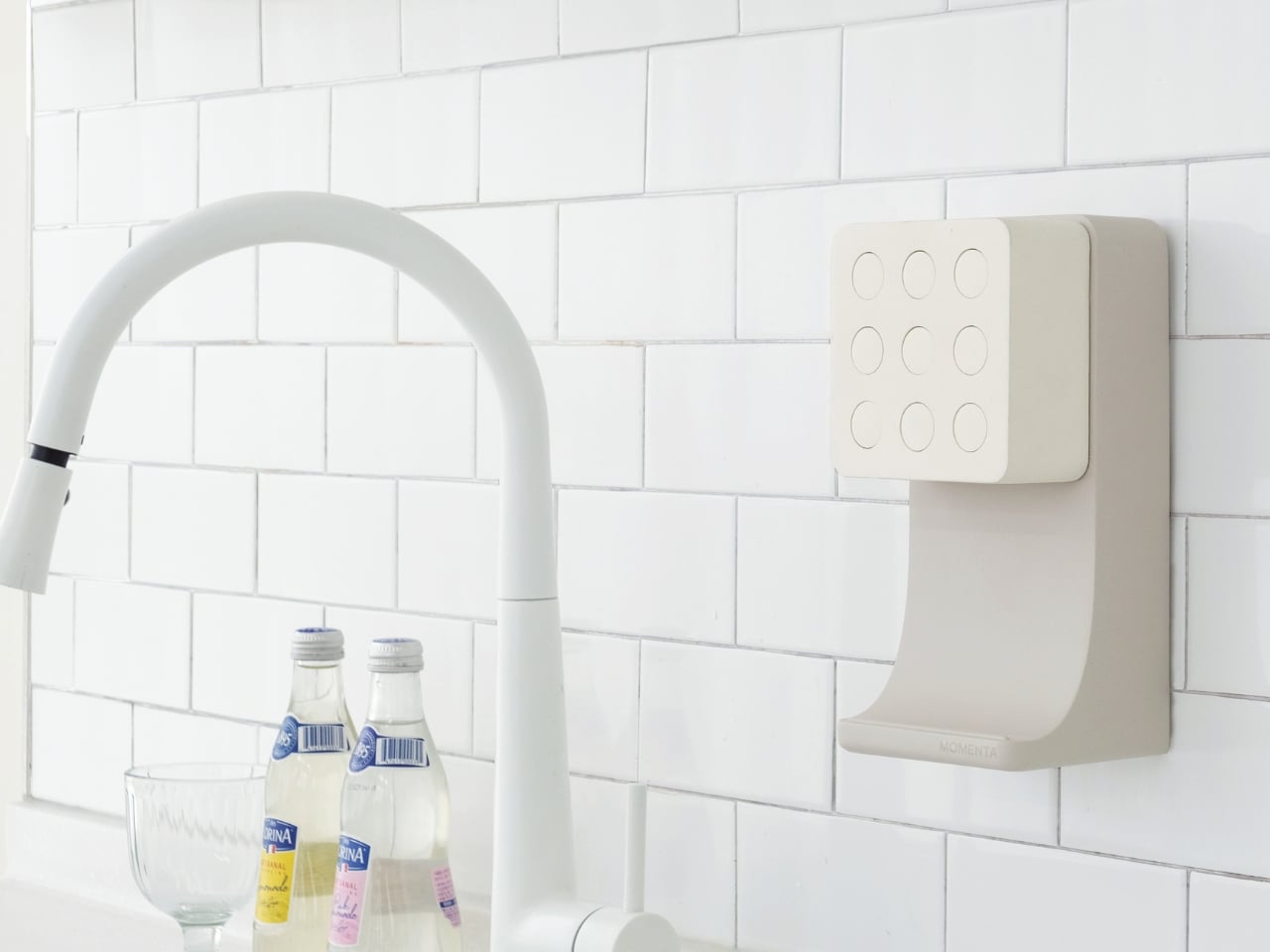
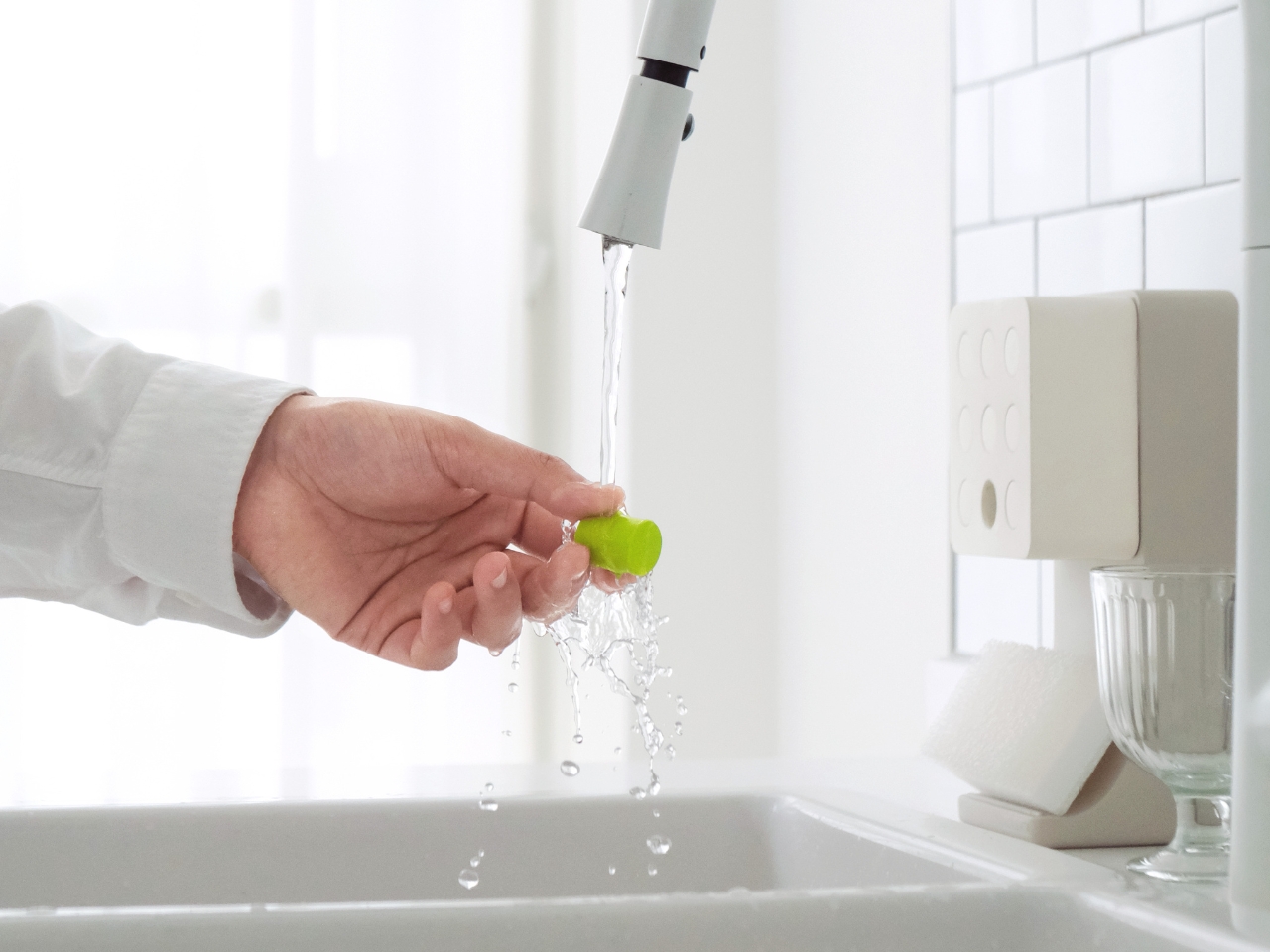
There’s something worth celebrating about design that works with human nature rather than against it. So much productivity culture is built on willpower and discipline, which, for most people on most days, is simply in short supply. Momenta sidesteps that entirely. It doesn’t ask you to be a better, more motivated version of yourself. It just places a small, fixable imperfection in front of you and trusts that your own psychology will do the rest.
Whether the full collection ever reaches production, the concept stands on its own as a compelling piece of design thinking. It makes you reconsider what household objects are even for. Maybe the best ones don’t just hold or clean or organize. Maybe the best ones know exactly how to get you started.