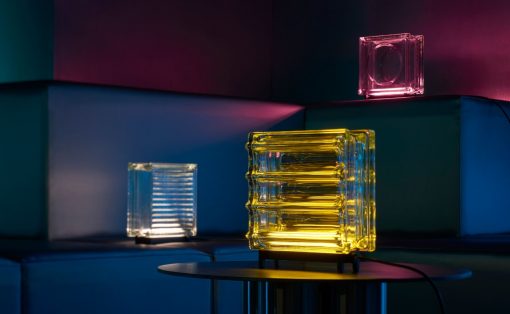
There’s something mesmerizing about watching objects move with intention. Not random chaos or frantic spinning, but deliberate, mechanical motion that feels almost choreographed. Kutarq Studio’s Totem de Luz captures that magic perfectly. It’s a kinetic lighting sculpture that sits somewhere between functional lamp and art installation, refusing to pick a lane and somehow being better for it.
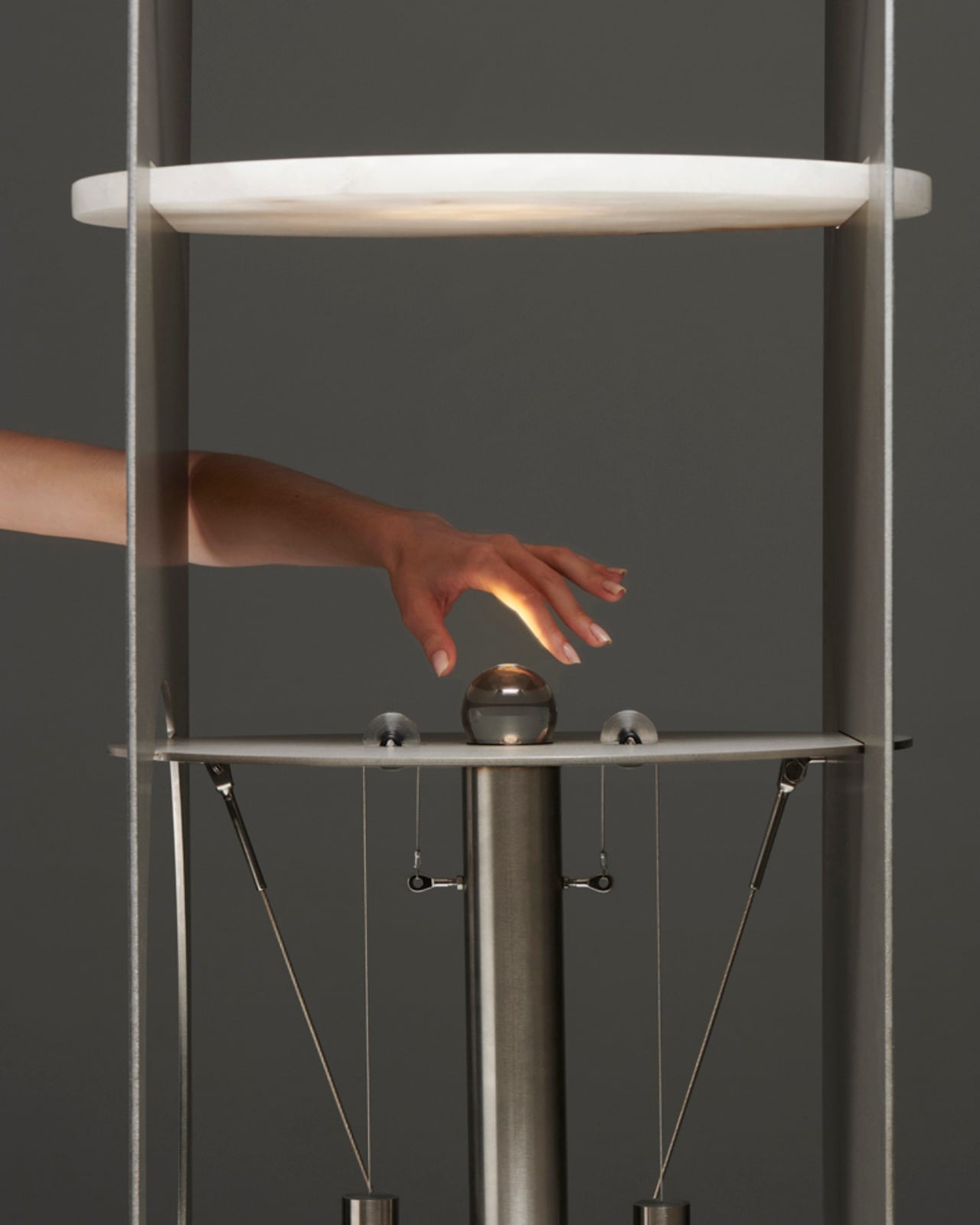
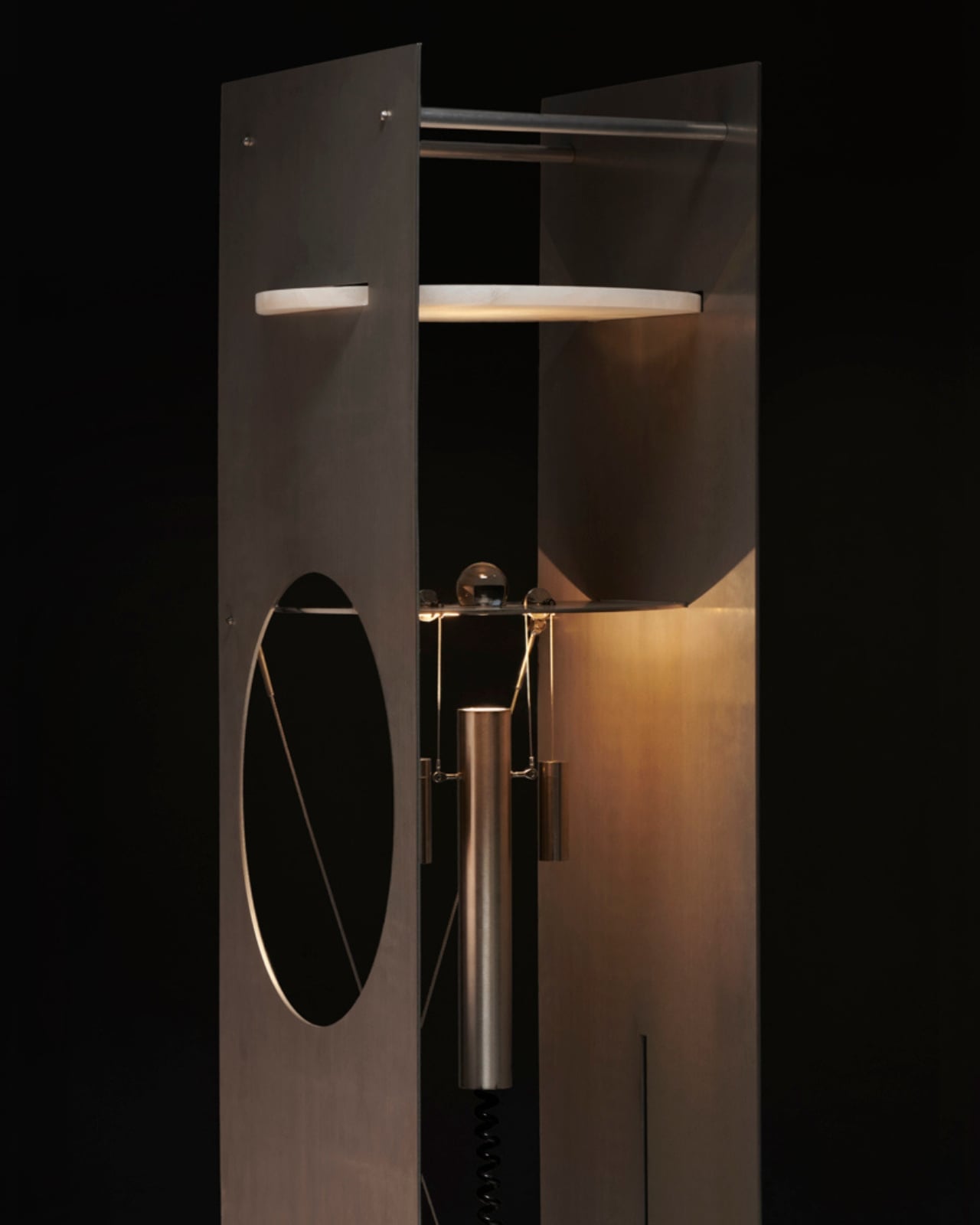
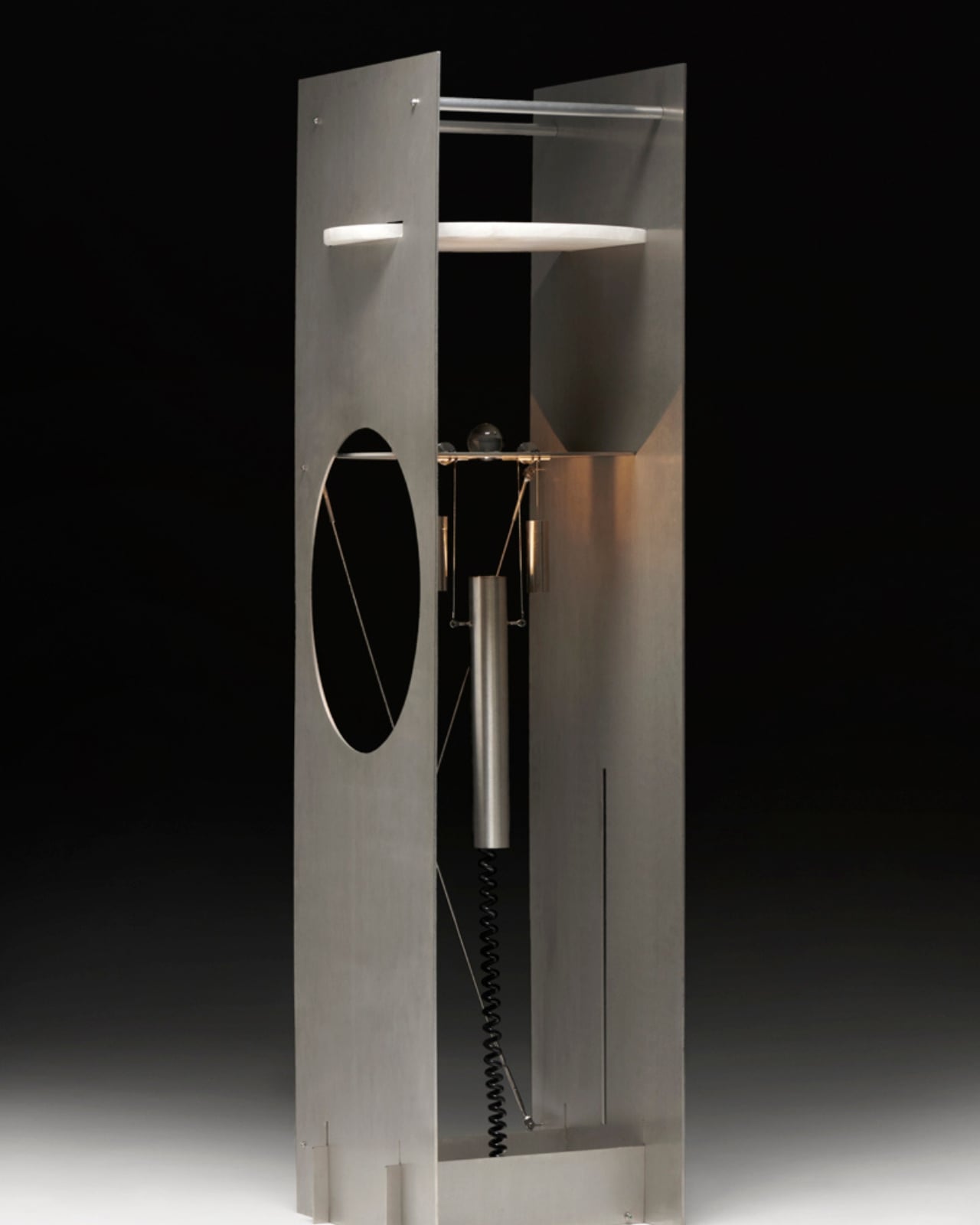
At first glance, Totem de Luz looks like a sleek vertical column made from stainless steel and glass. But the real show starts when you interact with it. The piece uses exposed mechanical components to move its light source up and down along the structure, transforming not just where the light goes, but how your entire space feels.
Designer: Kutarq Studio (photos by Iñaki Domingo)
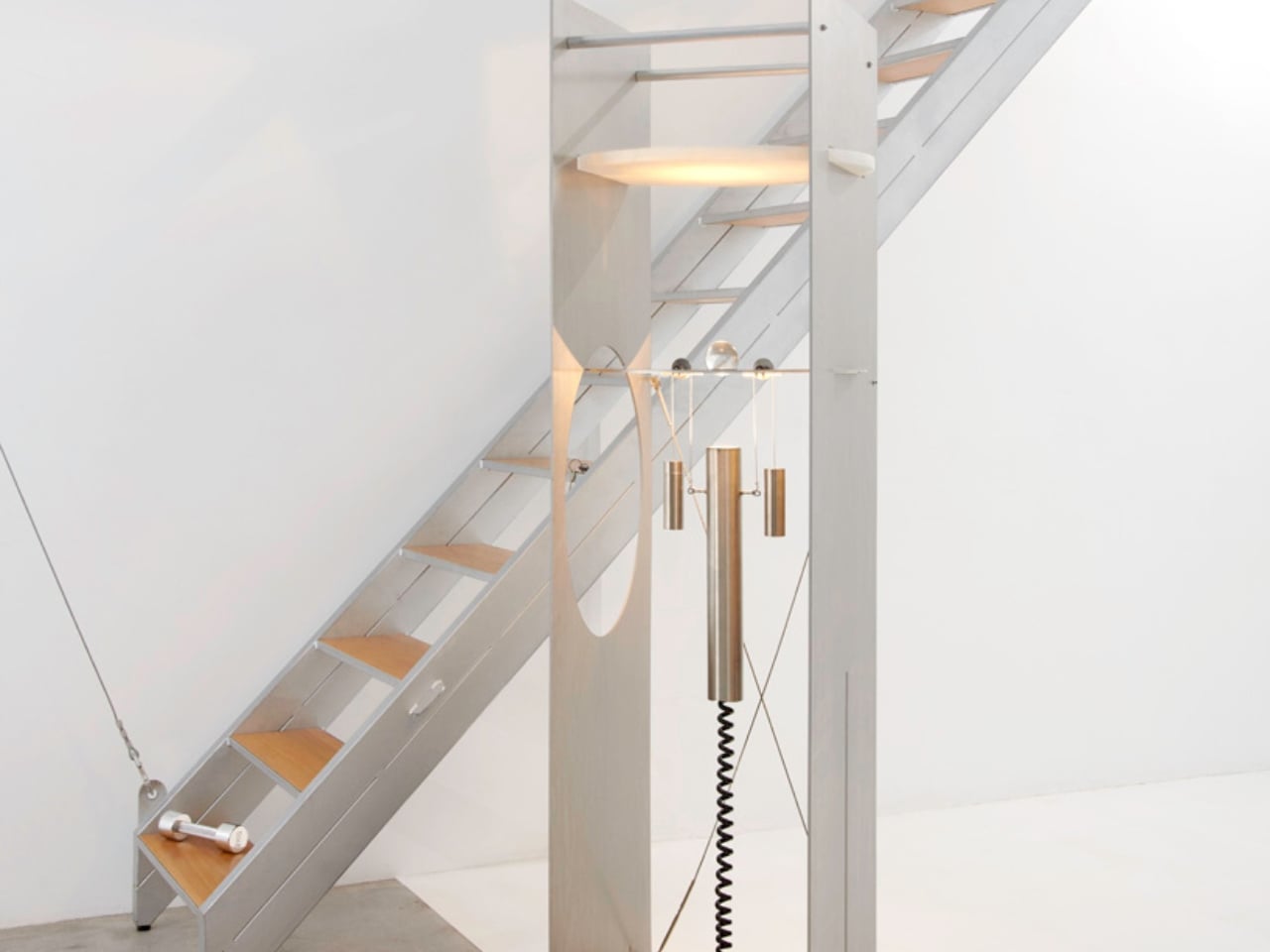
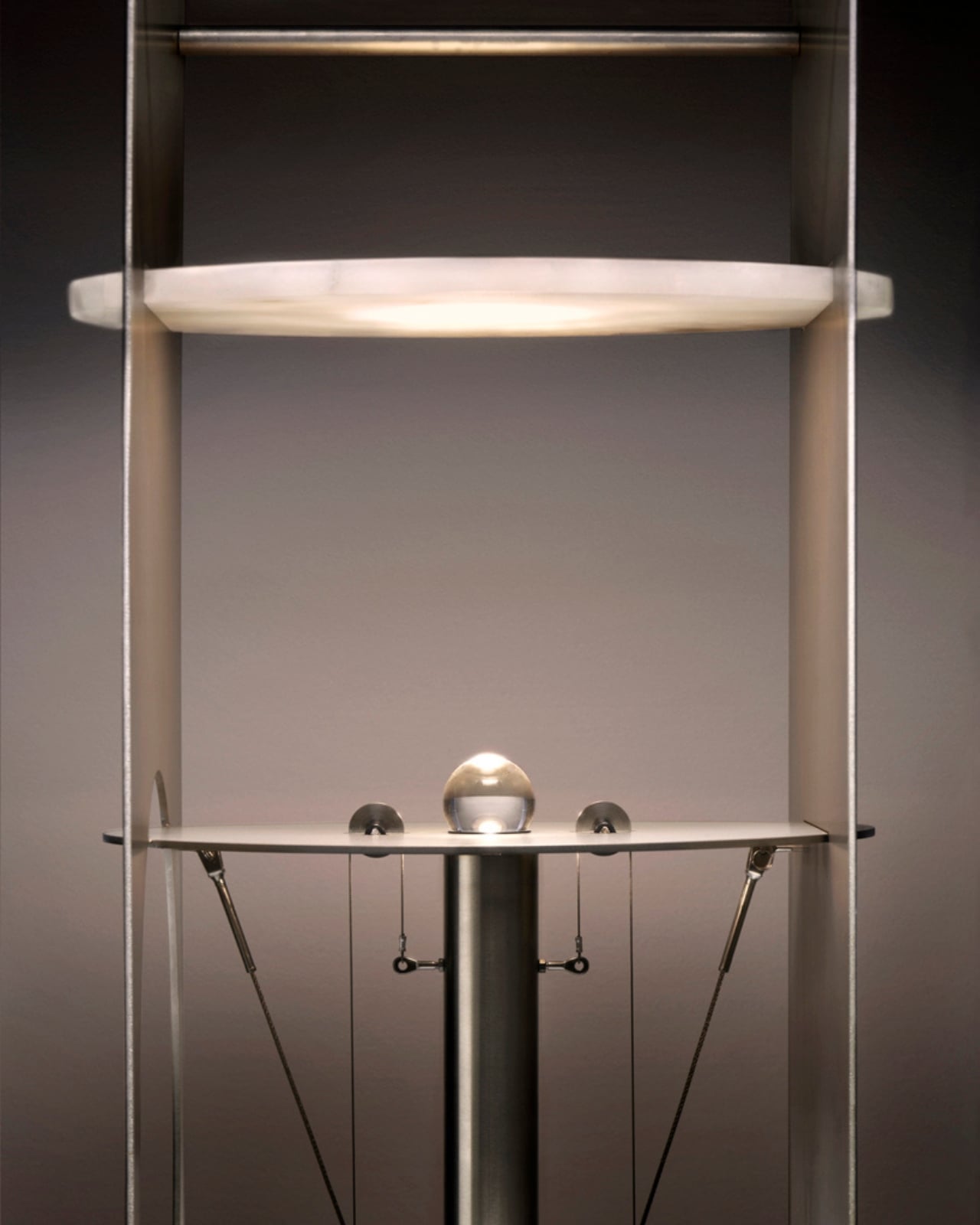
When the light sits in its upper position, it shines toward an onyx diffuser that softens and scatters the illumination upward, creating that warm, ambient glow perfect for winding down after a long day. Lower the light source, though, and everything changes. The beam redirects through an oval opening on the side of the structure, producing focused, concentrated light that’s ideal for reading or getting work done. It’s like having two completely different lamps in one sculptural package.
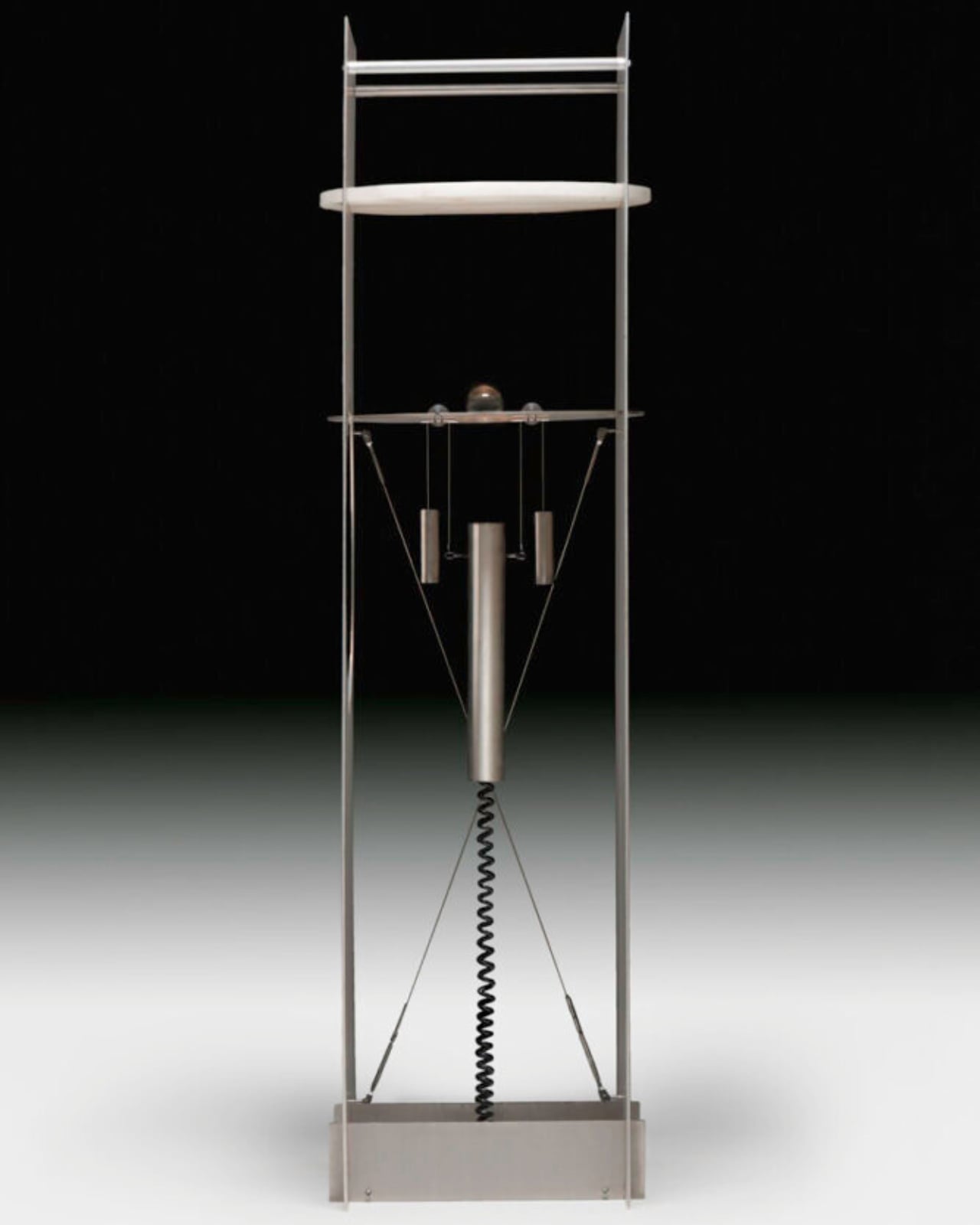
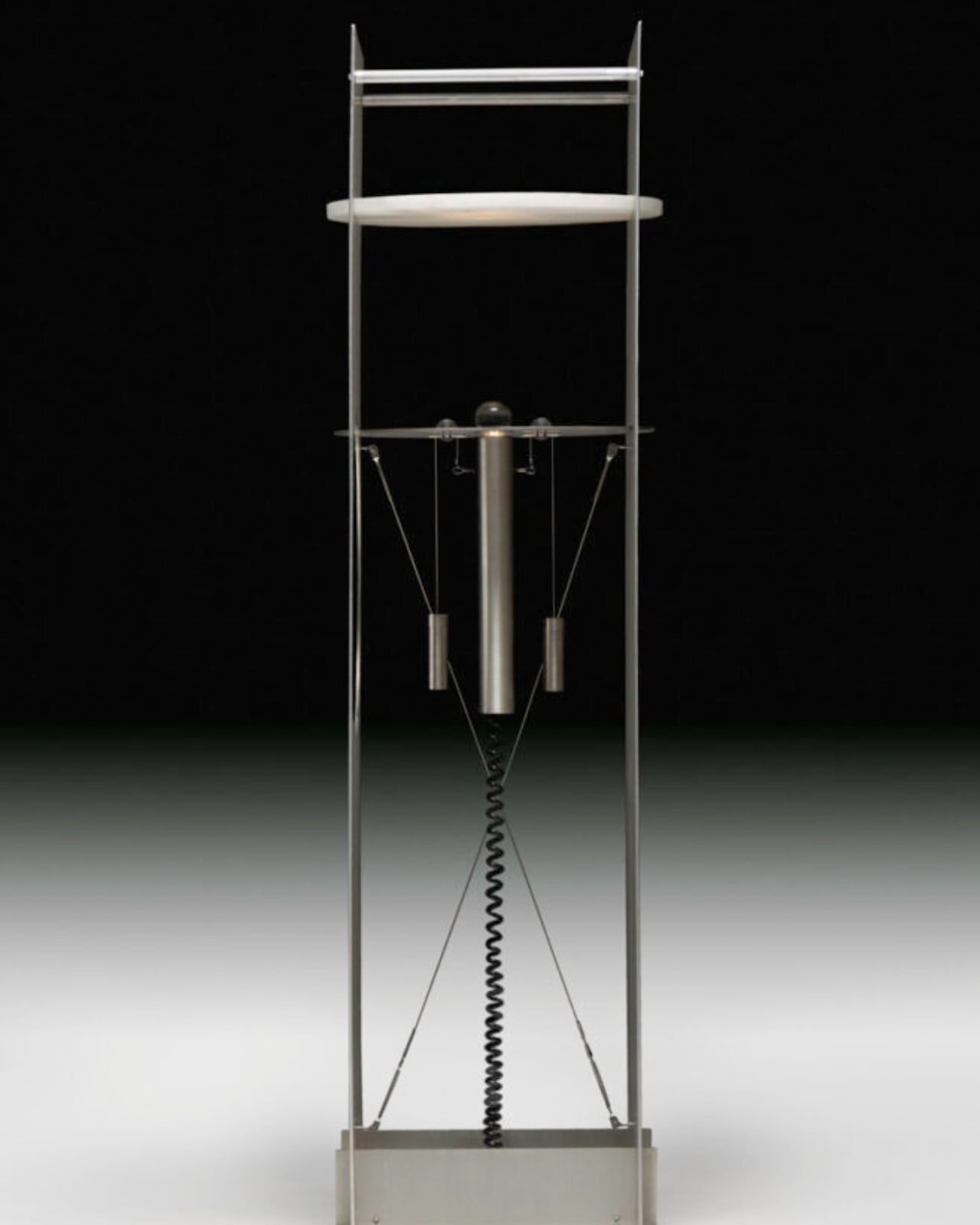
What makes Totem de Luz particularly compelling is how openly it wears its mechanics. Many contemporary designs hide their inner workings behind smooth casings, but Kutarq Studio, led by designer Jordi Lopez Aguilo, takes the opposite approach. The gears, pulleys, and mechanical systems that make the movement possible are all visible, transforming the technical aspect into part of the aesthetic experience. There’s a steampunk quality to it without leaning into that aesthetic fully. Instead, it feels industrial and refined at the same time.
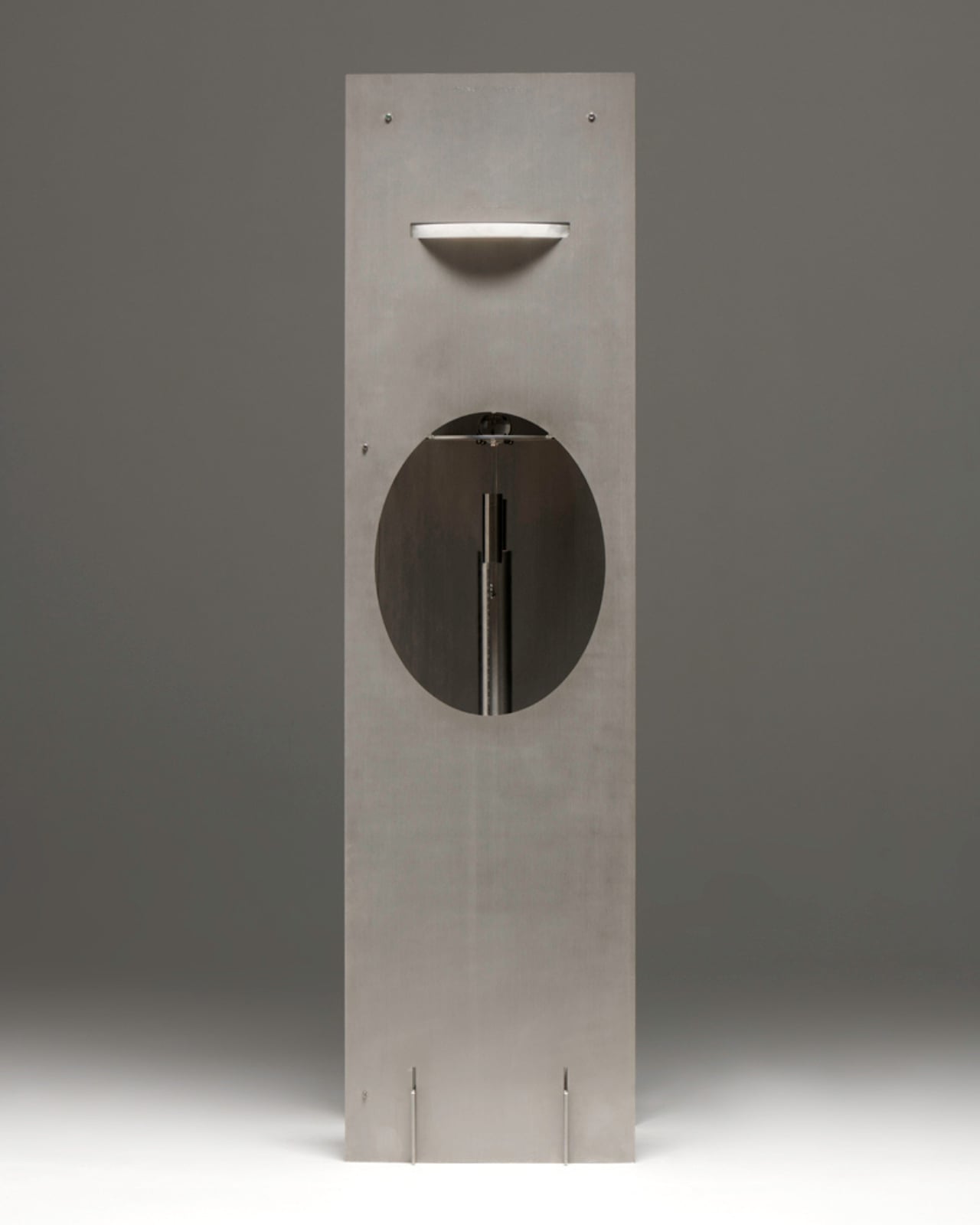
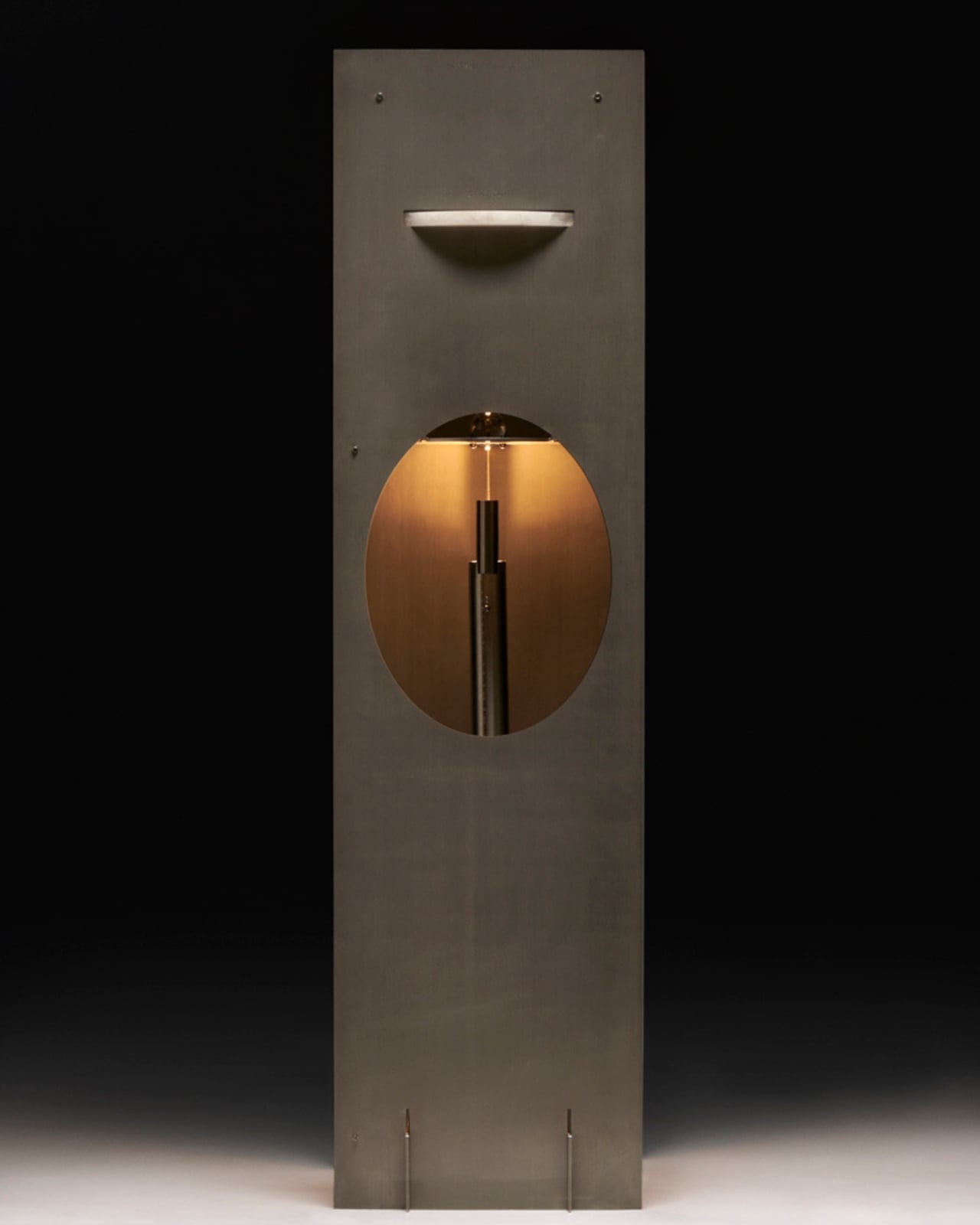
The materials tell their own story too. Stainless steel gives the piece its structural backbone and modern edge, while the glass components add fragility and elegance. Then there’s that onyx diffuser, a material choice that elevates the entire piece from “cool lamp” to “investment-worthy sculpture.” Onyx isn’t just pretty. It has natural translucent properties that interact beautifully with light, creating depth and warmth that cheaper materials can’t replicate.
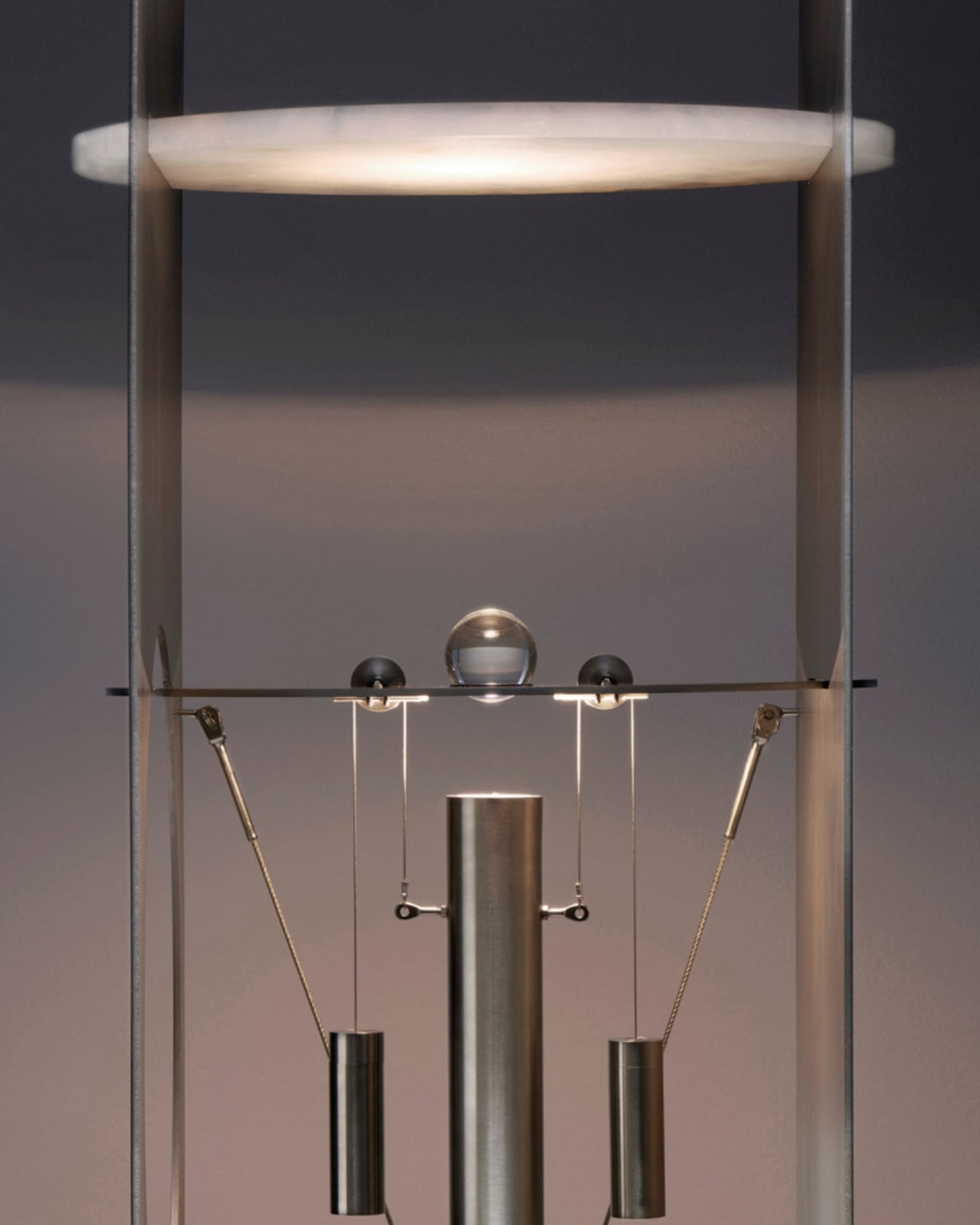
Beyond its obvious visual appeal, Totem de Luz raises interesting questions about how we interact with our spaces. In an era where everything is becoming smart, automated, and voice-controlled, there’s something refreshingly tactile about physically adjusting your lighting. The kinetic mechanism asks you to engage with the object, to participate in shaping your environment rather than just commanding it from across the room.
This kind of design philosophy feels particularly relevant right now. We’re surrounded by technology that prioritizes convenience over connection, efficiency over experience. Totem de Luz pushes back against that trend. It’s not trying to disappear into your smart home ecosystem. It demands presence and attention. You can’t ignore a six-foot kinetic sculpture in your living room, nor would you want to.
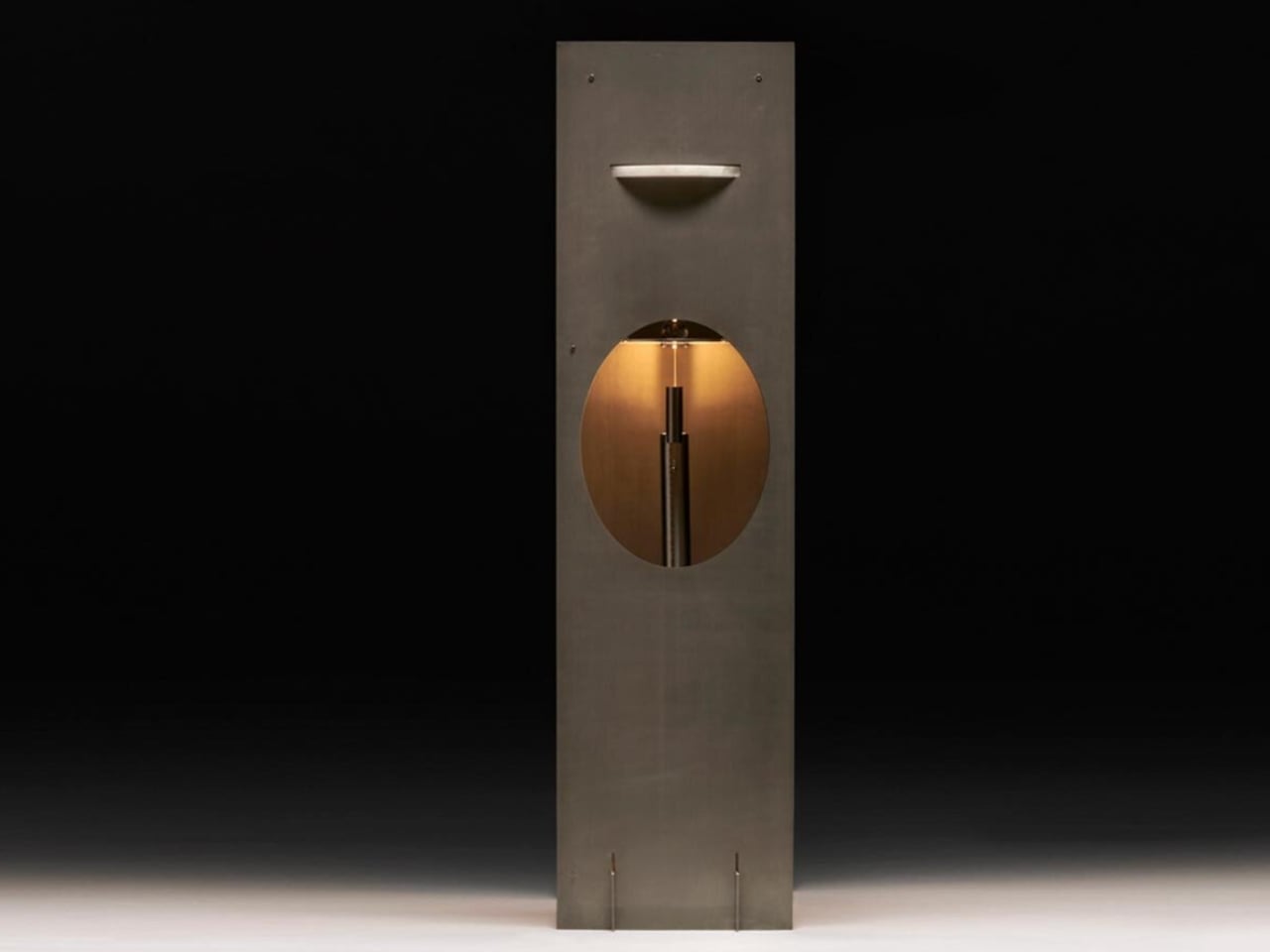
The piece also plays beautifully with how we perceive time and movement in interior spaces. Most lighting is static. You flip a switch, and that’s it. But with Totem de Luz, light becomes performance. The slow mechanical adjustment creates a transitional moment, a small ritual that marks the shift from one activity or mood to another. It’s meditative in a way that pressing a button never could be.
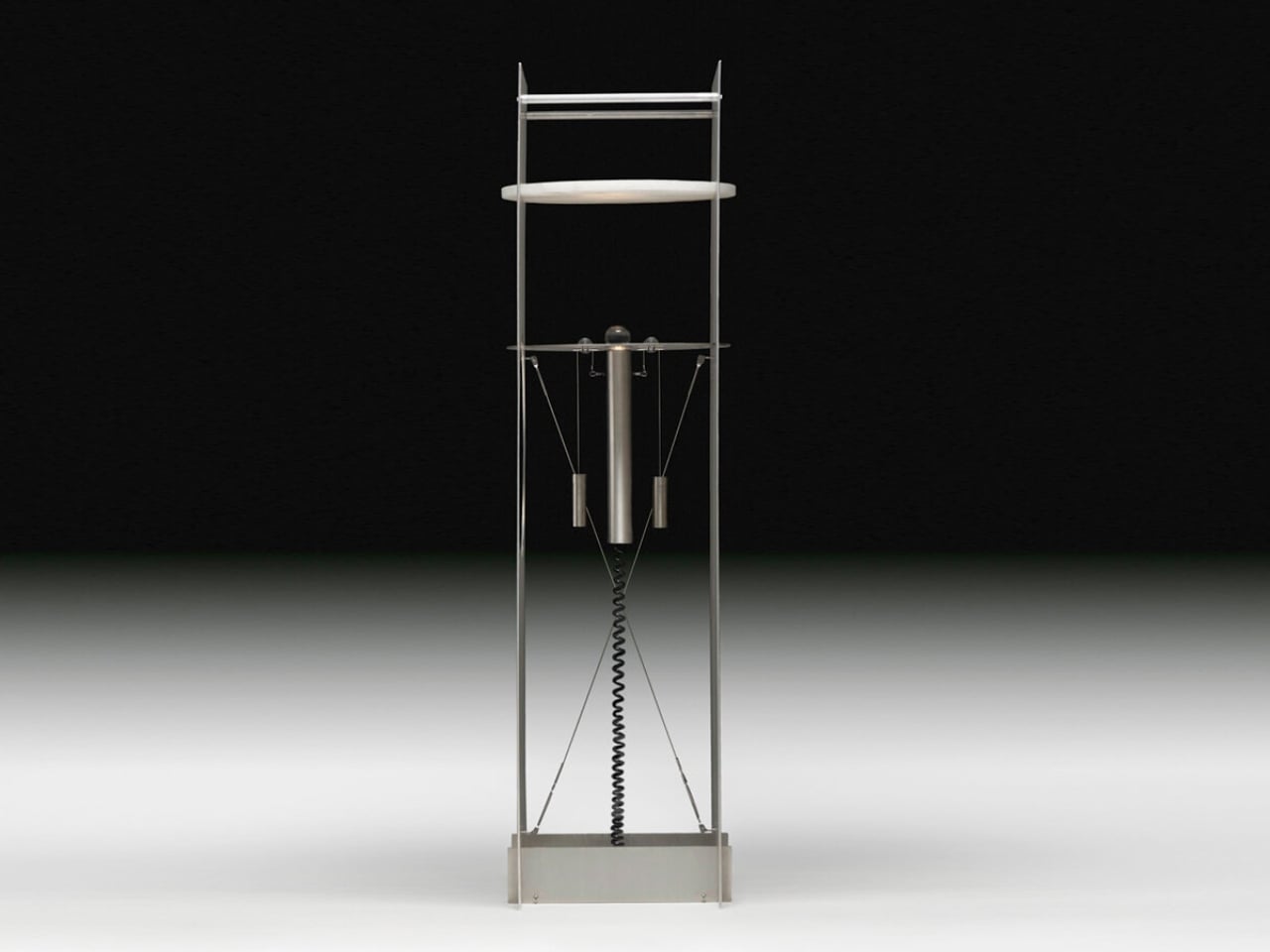
Kutarq Studio has created something that feels both timeless and thoroughly modern. The mechanical movement nods to pre-digital craftsmanship, while the sleek materials and minimalist form language speak to contemporary sensibilities. It’s the kind of piece that could sit comfortably in a loft apartment, a mid-century modern home, or even a more traditional space that needs a bold accent. Totem de Luz proves that lighting doesn’t have to choose between being practical or beautiful, functional or artistic. Sometimes the most interesting designs exist in the tension between categories, refusing easy classification and becoming something more interesting in the process.