Most people who move into a tiny house learn to accept certain realities. You’ll climb a ladder to bed every night. Your kitchen will be little more than a hot plate and a mini-fridge. Storage means shoving things under furniture. The English Garden, crafted by South Base Tiny Homes in New Zealand, refuses to accept any of this. This dwelling challenges every assumption about what compact living must entail, delivering a residential experience that feels remarkably unrestricted despite its modest footprint.
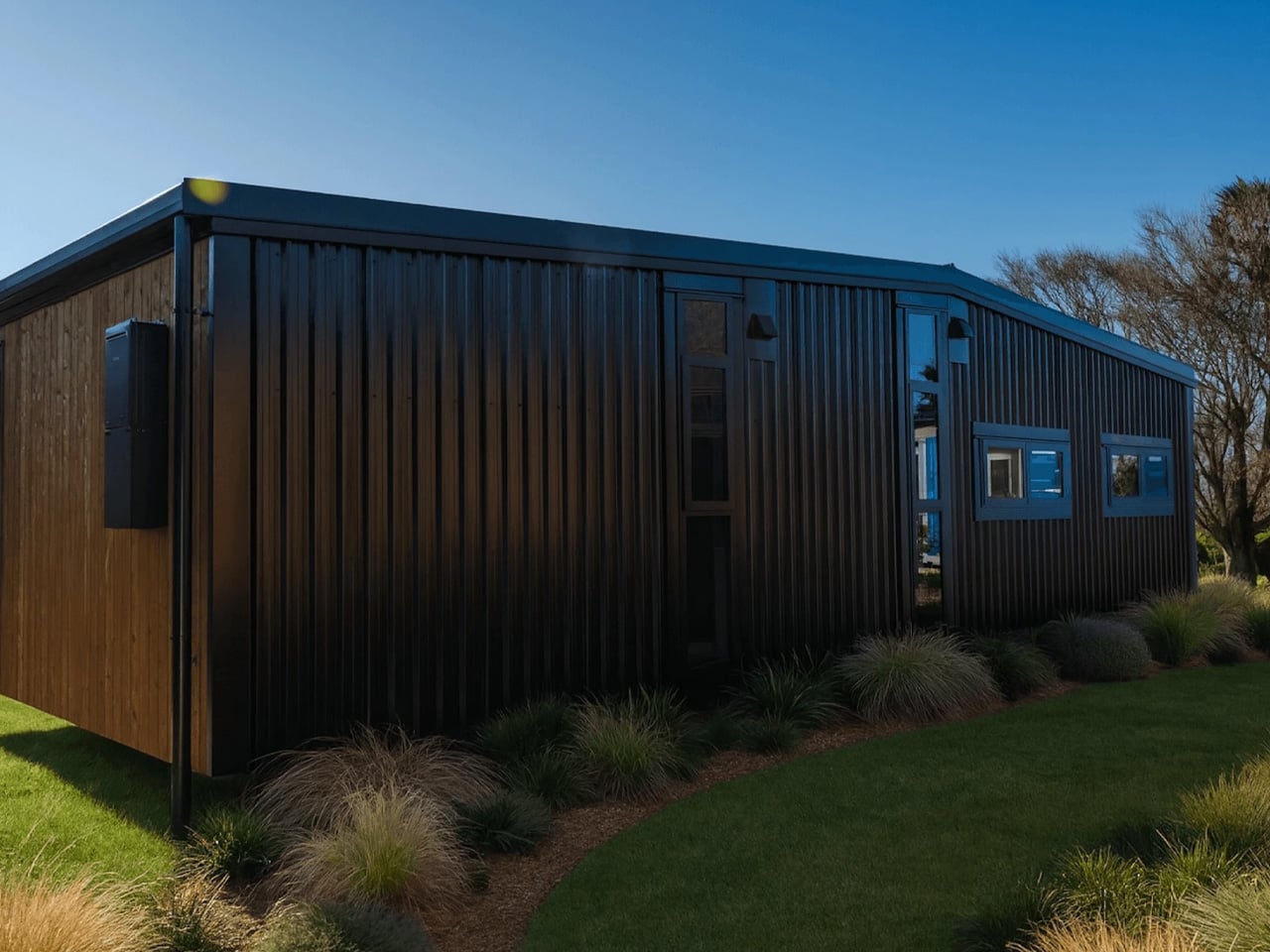
Stretching twelve meters in length and four meters across, this dwelling occupies a permanent spot along the New Zealand coastline. Unlike the majority of tiny houses built on trailers for mobility, this one stays anchored to its site. The homeowners drew inspiration from their British roots, seeking a design that would blend traditional English sensibility with the easygoing nature of coastal living in their adopted country. The exterior combines timber cladding with metal roofing, creating a cottage-like appearance that feels appropriate for both its heritage inspiration and its beachside setting.
Designer: South Base Tiny Homes
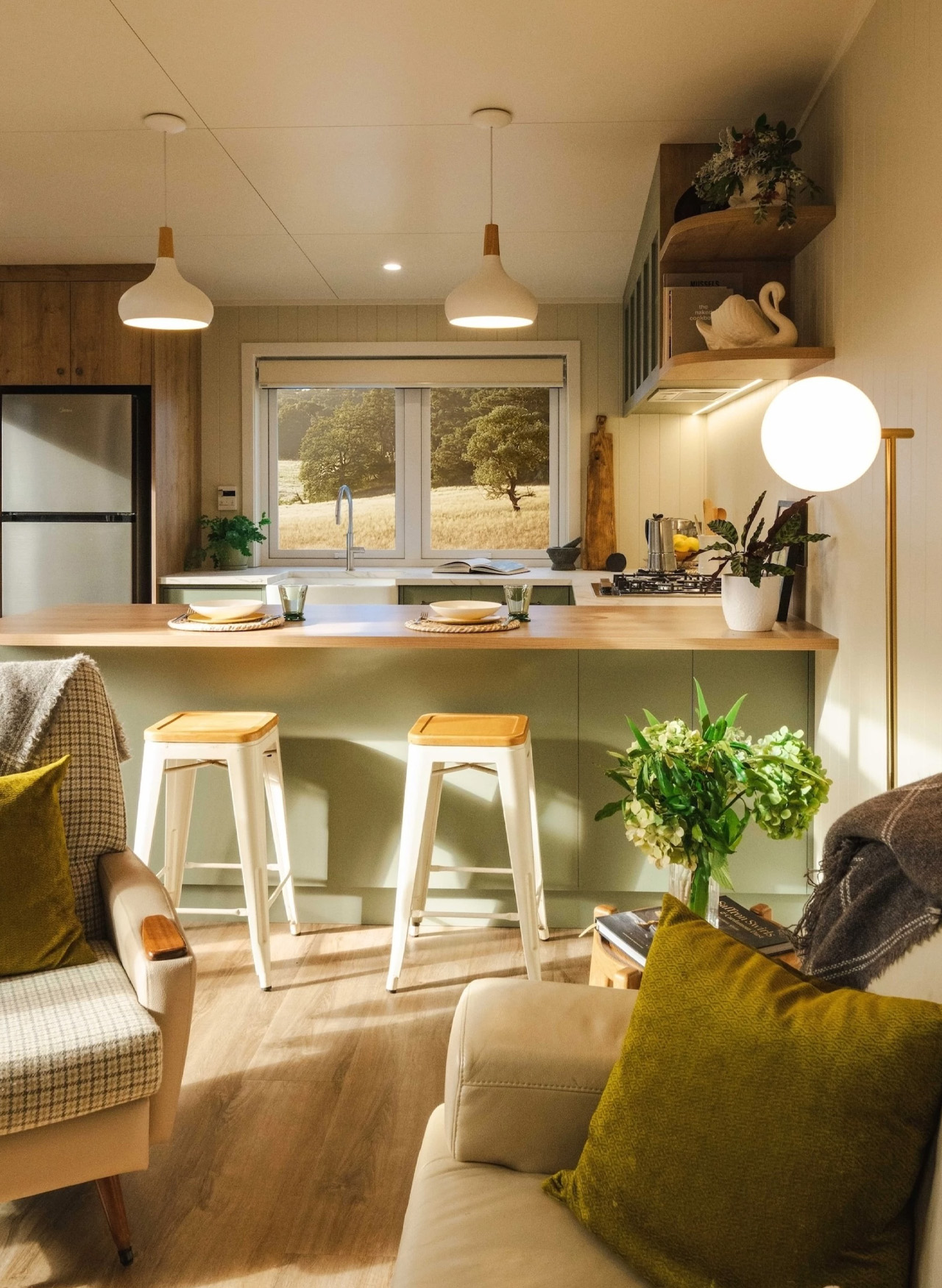
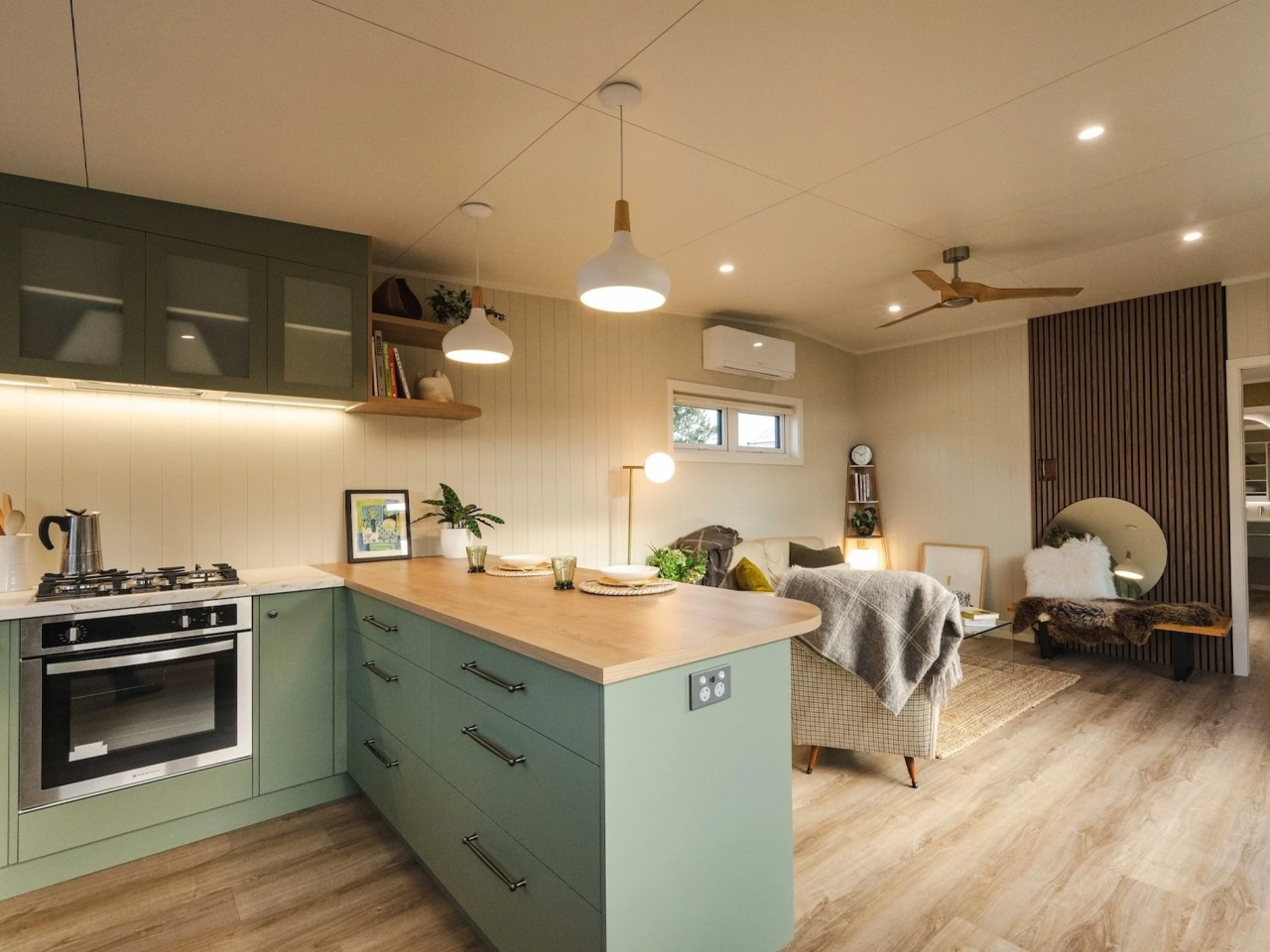
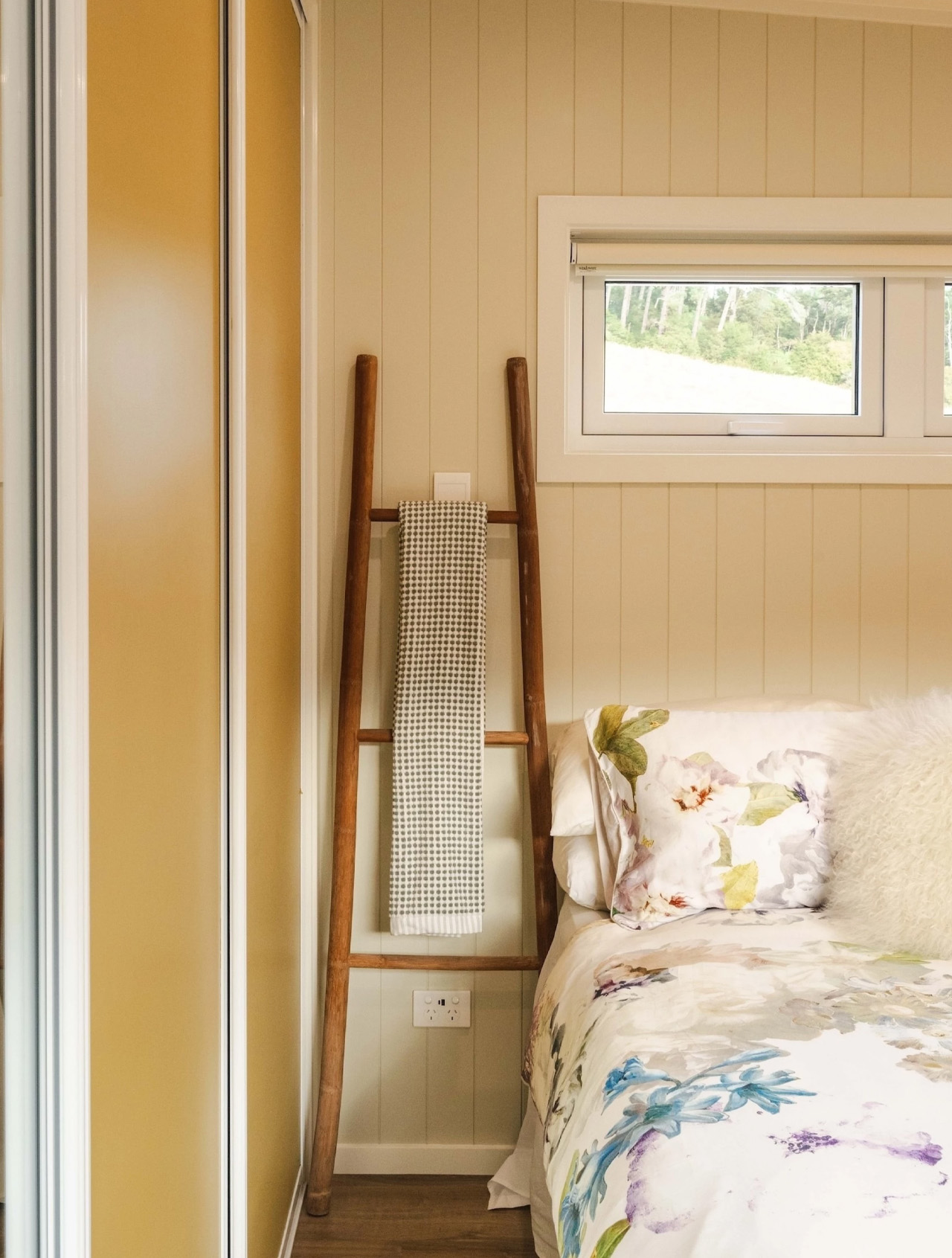
Step inside and you’ll notice something immediately different. Everything exists on a single level. No loft bedrooms requiring acrobatic climbs. No steep staircases eat up precious floor space. The layout flows naturally from one area to the next, creating sight lines and openness that smaller homes typically can’t achieve. Sunlight filters through well-positioned windows, warming timber surfaces and highlighting the careful attention paid to material selection. The openness throughout makes the interior feel more like an apartment than what most people imagine when they hear “tiny house.”
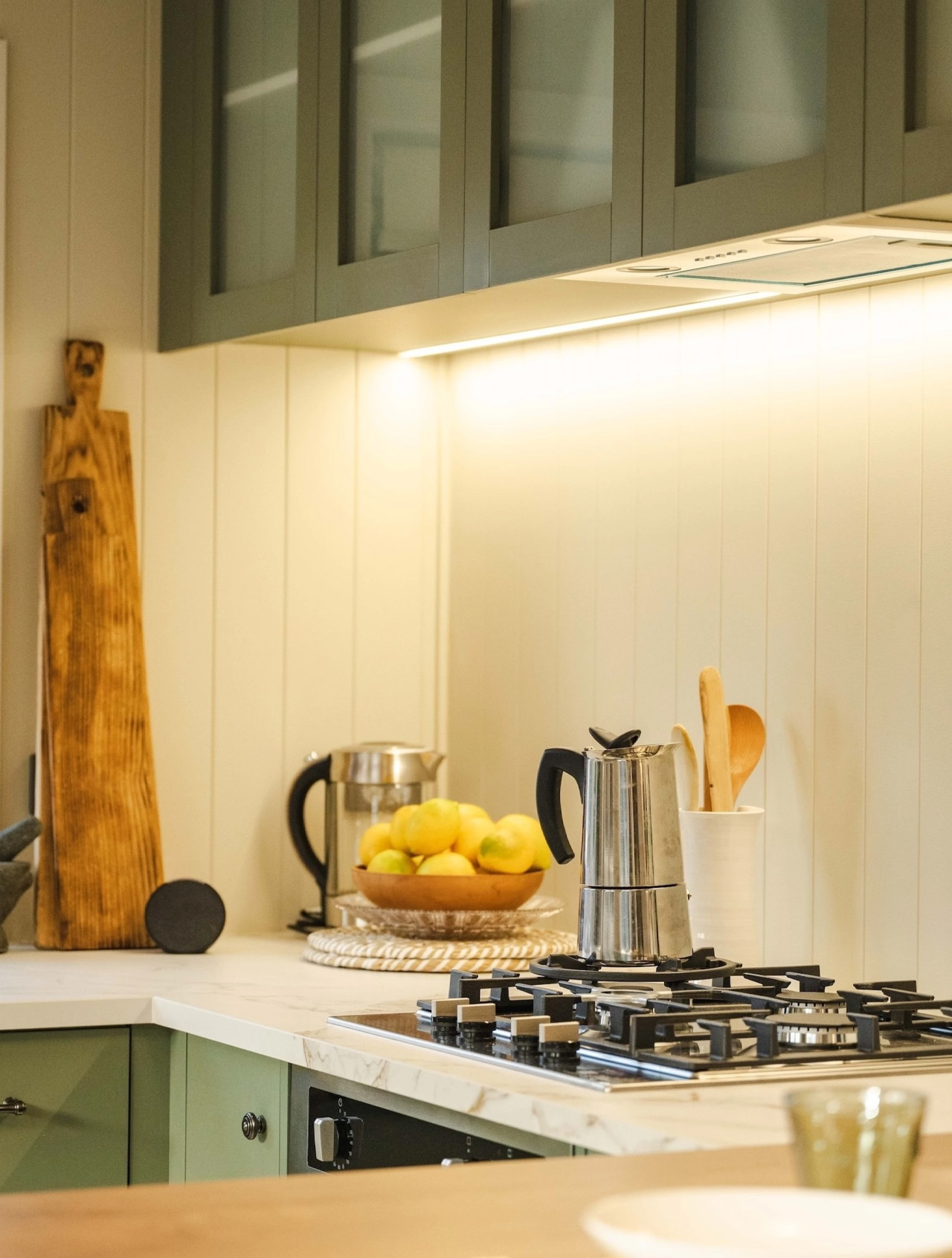
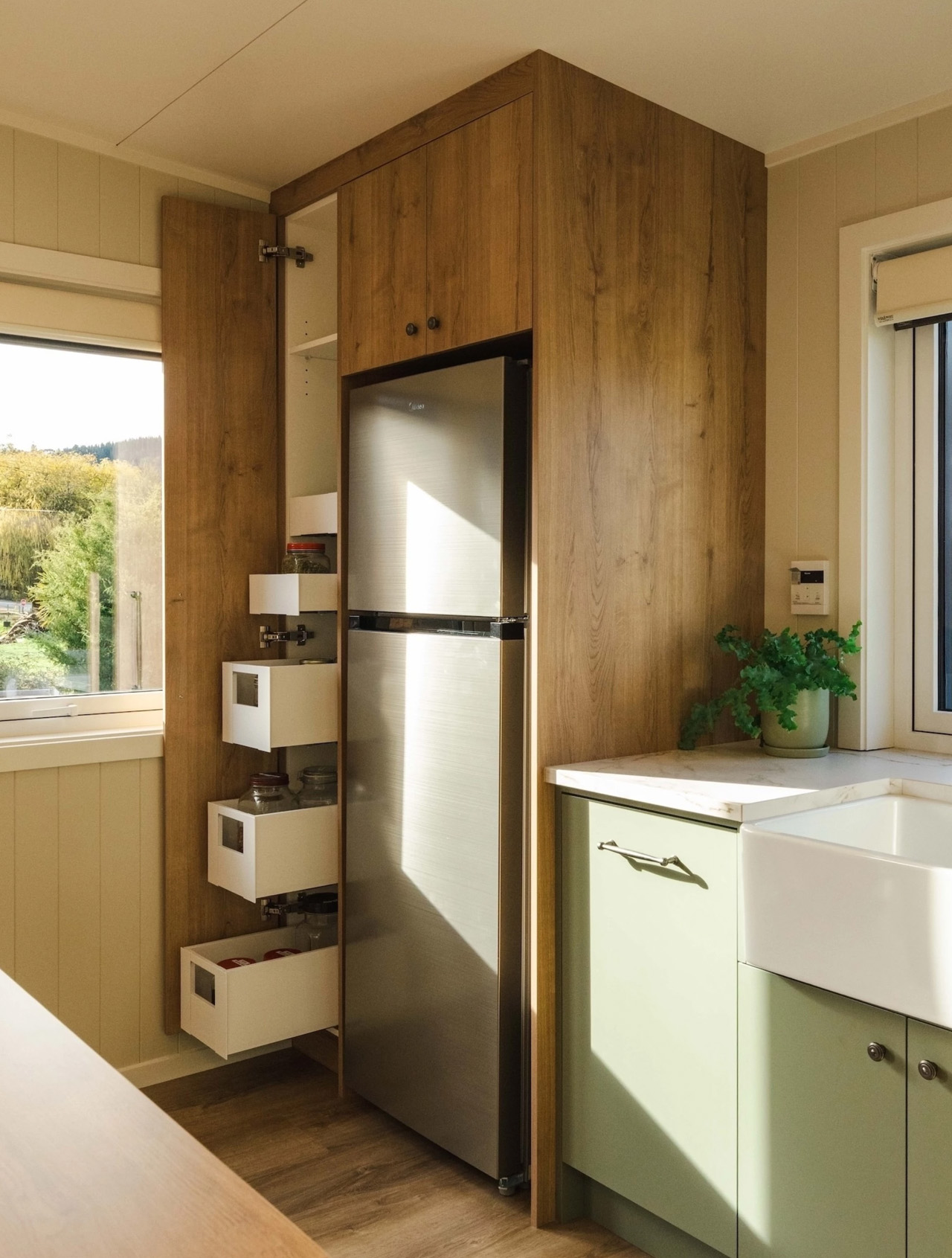
The kitchen operates as a genuine cooking space rather than an afterthought. A breakfast counter accommodates two people comfortably, while the cooking zone includes a full oven beneath a gas-powered stovetop. The farmhouse sink adds character without sacrificing functionality, and a proper refrigerator-freezer combination means you can actually stock groceries for more than a day or two. Cabinet space lines the walls in quantities that would surprise anyone expecting tiny house minimalism. This isn’t a space where you warm up takeout and call it dinner. It’s designed for people who actually cook.
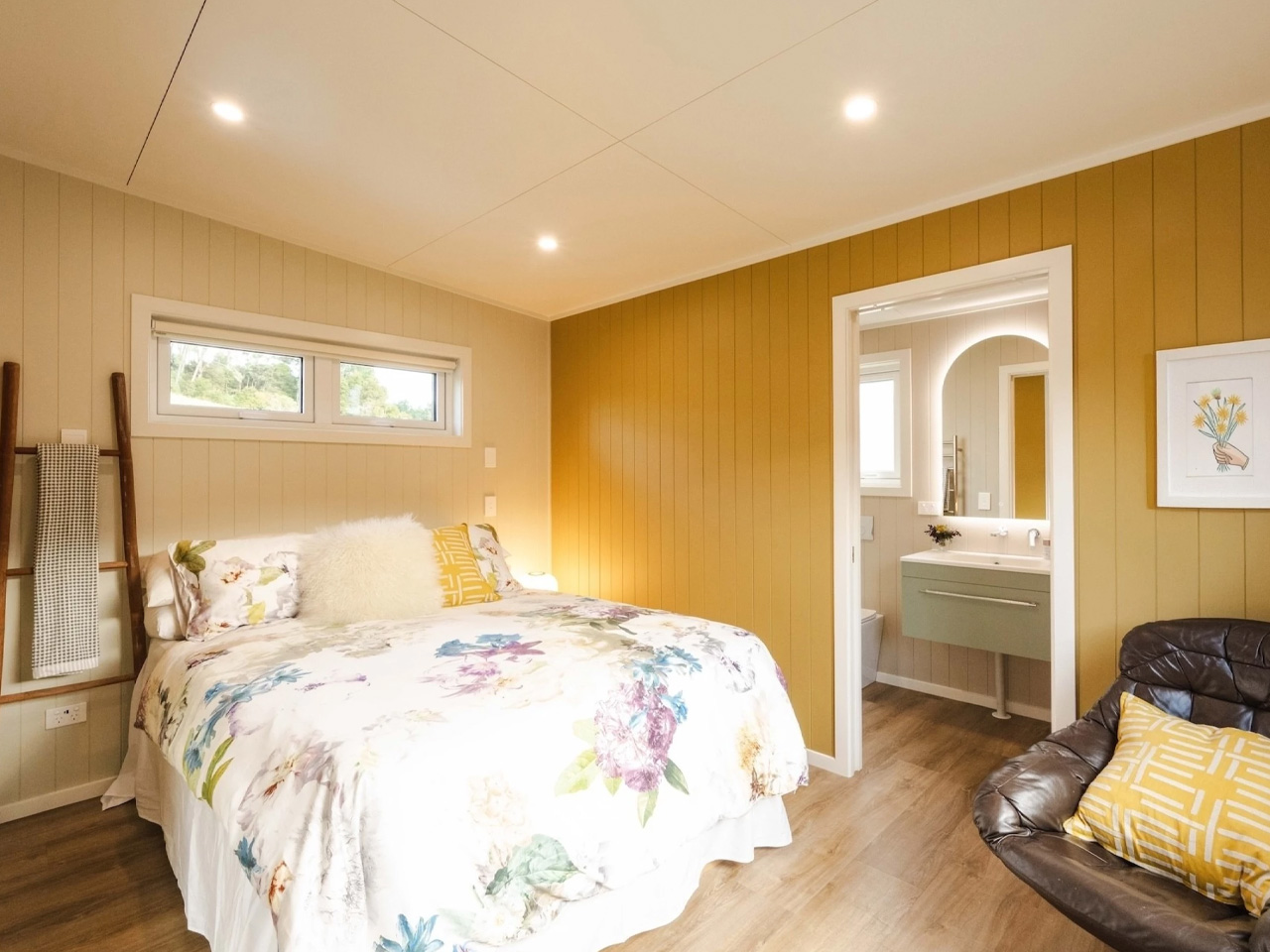
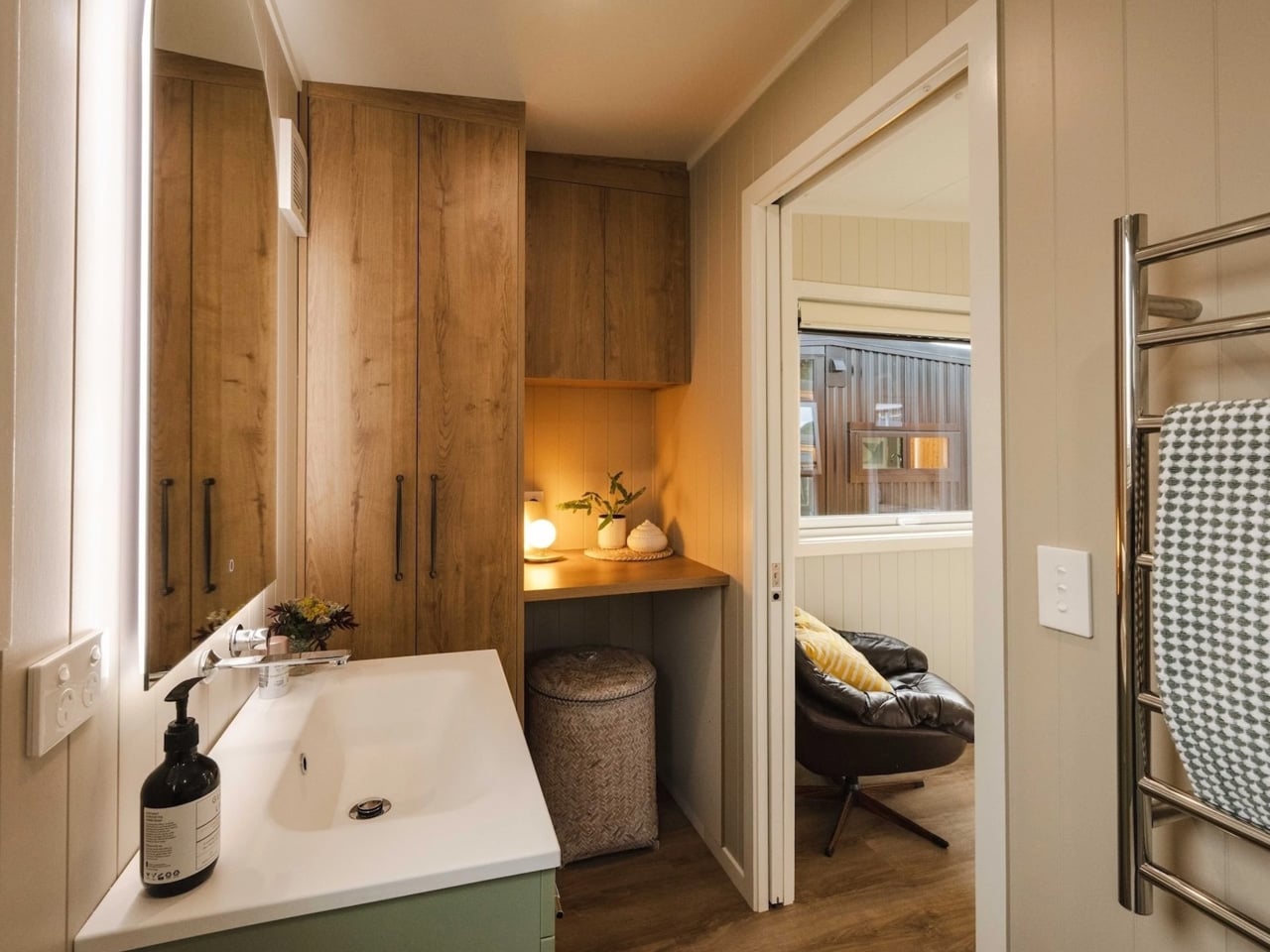
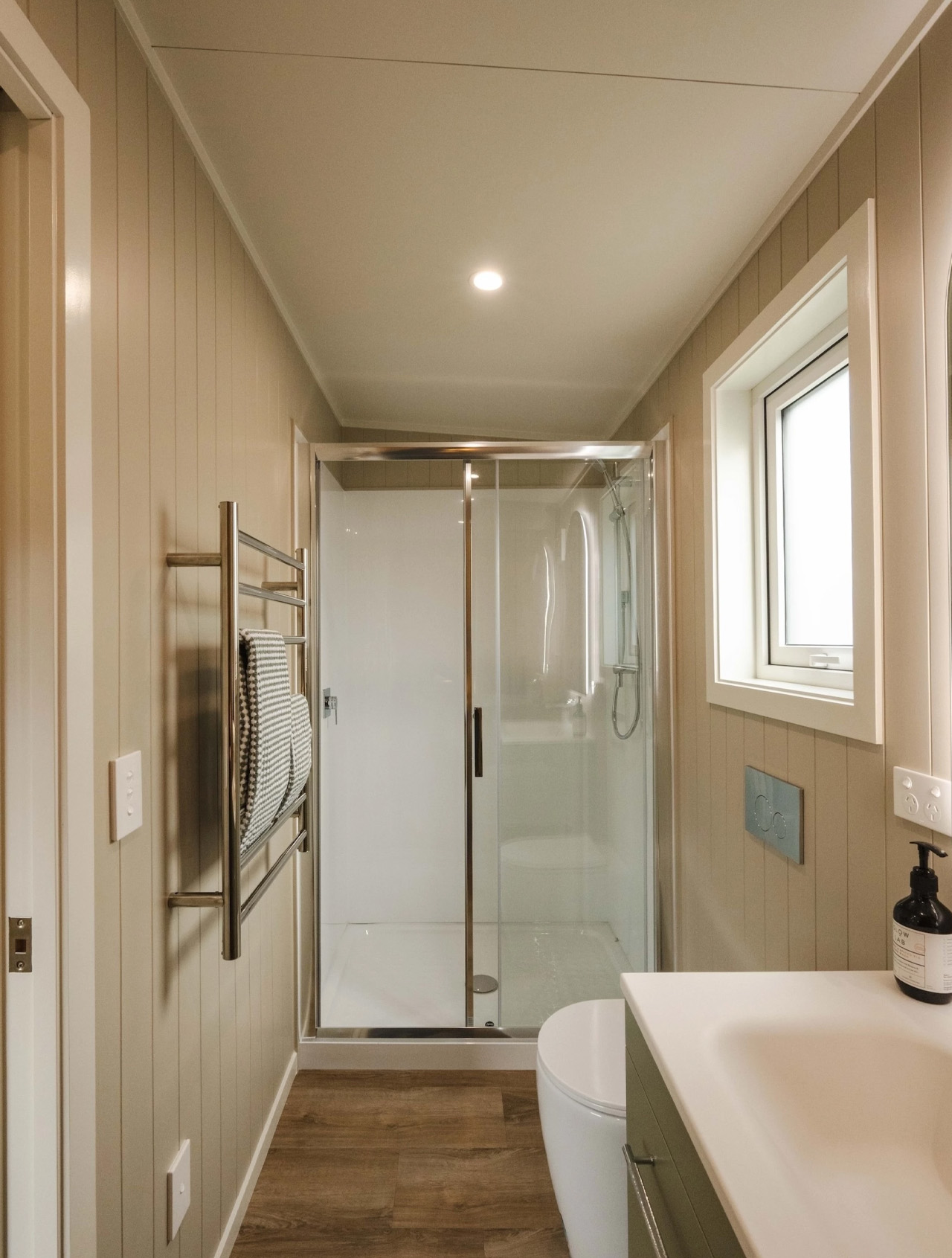
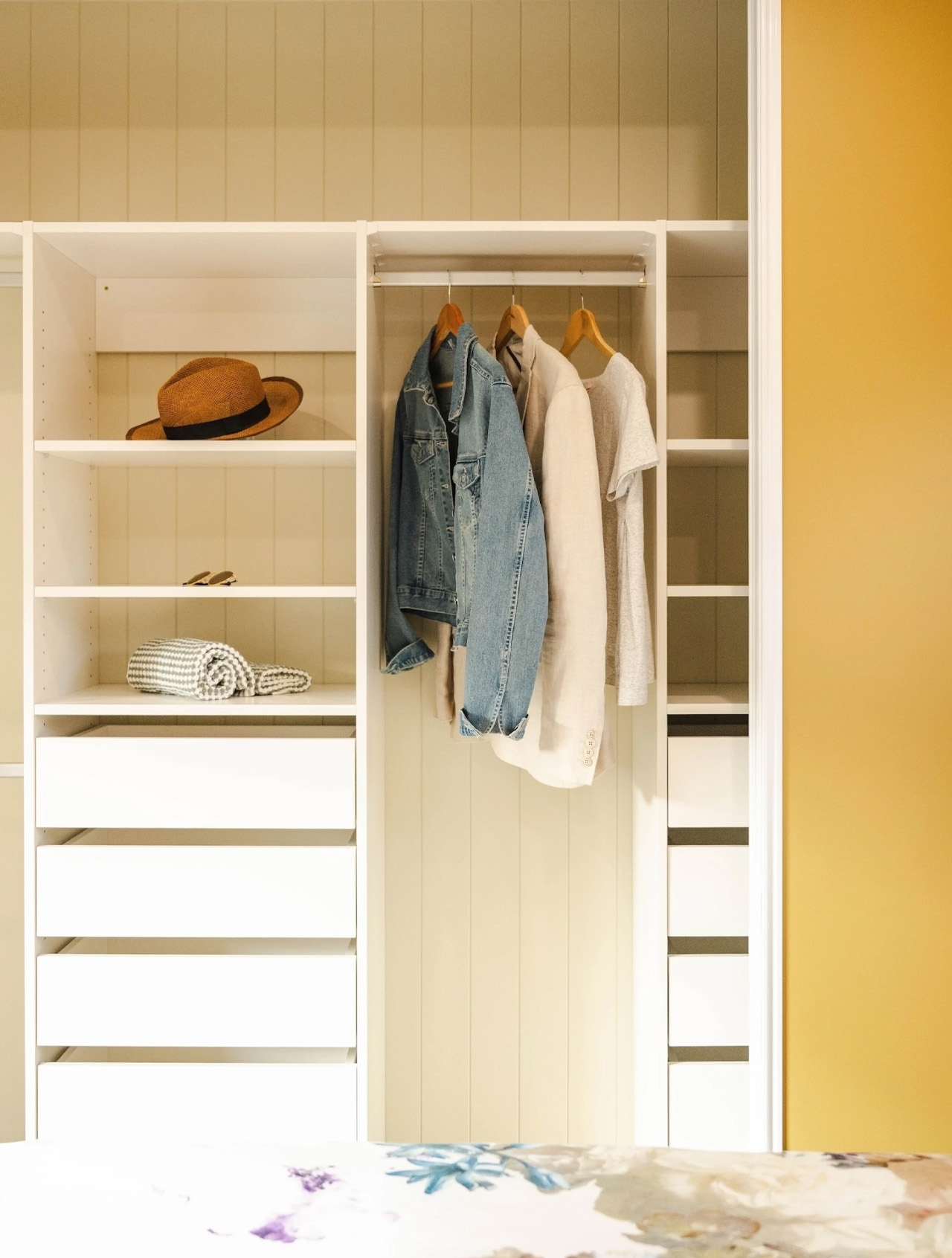
Down at one end, the bedroom provides genuine separation from the shared living areas. The owners made a specific request during design: they wanted the bathroom accessible only from the bedroom, creating a private suite arrangement similar to what you’d find in a hotel or upscale apartment. Their bathroom includes a fully enclosed glass shower, a vanity with integrated storage, and standard flush plumbing. Everything functions exactly as it would in a conventional home, without composting toilets or cramped wet rooms that serve multiple purposes.
This design draws from South Base Tiny Homes’ Abel model series, with pricing beginning around two hundred thirty thousand New Zealand dollars, or roughly one hundred thirty-seven thousand American dollars. That represents the higher end of the tiny house market. What makes the English Garden noteworthy isn’t its size but its philosophy. Many tiny houses treat limitation as a design virtue, celebrating cramped quarters and asking residents to adapt their lives around spatial constraints. This home reverses that equation entirely. It treats compact dimensions as a design challenge requiring intelligent solutions, not romantic sacrifice. Each room serves its intended purpose without asking occupants to compromise their daily routines. The space might measure smaller than average, but the living experience doesn’t feel diminished.