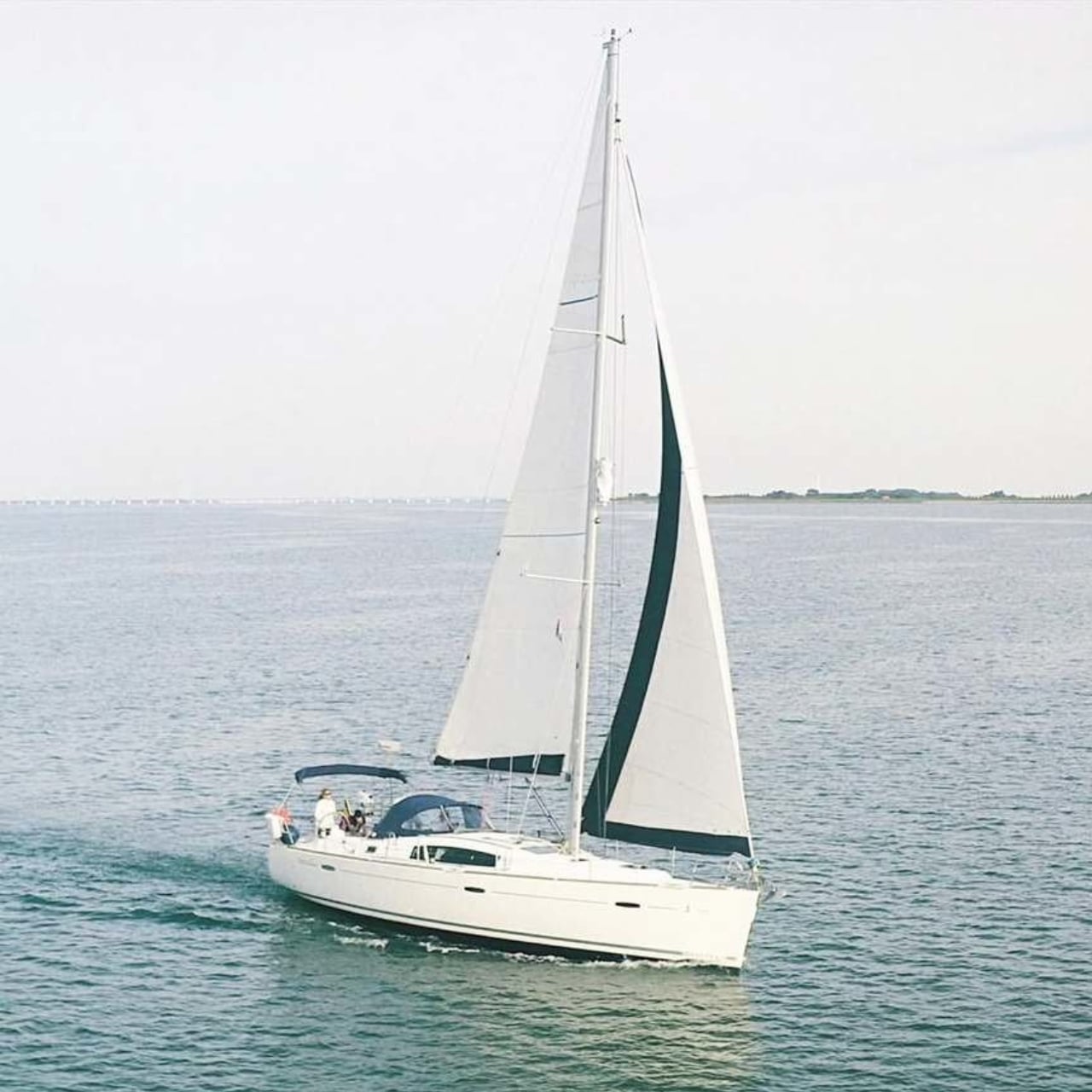
There’s something romantic about sailboats that still speaks to us in this hyper-connected age. The idea that you can harness nothing but wind and water to glide across the ocean feels almost magical. But here’s the reality check: even the most old-school sailor needs power these days. Your GPS has to stay on, your radar needs juice, those navigation lights aren’t optional, and let’s be honest, nobody wants to lose their phone charge mid-voyage.
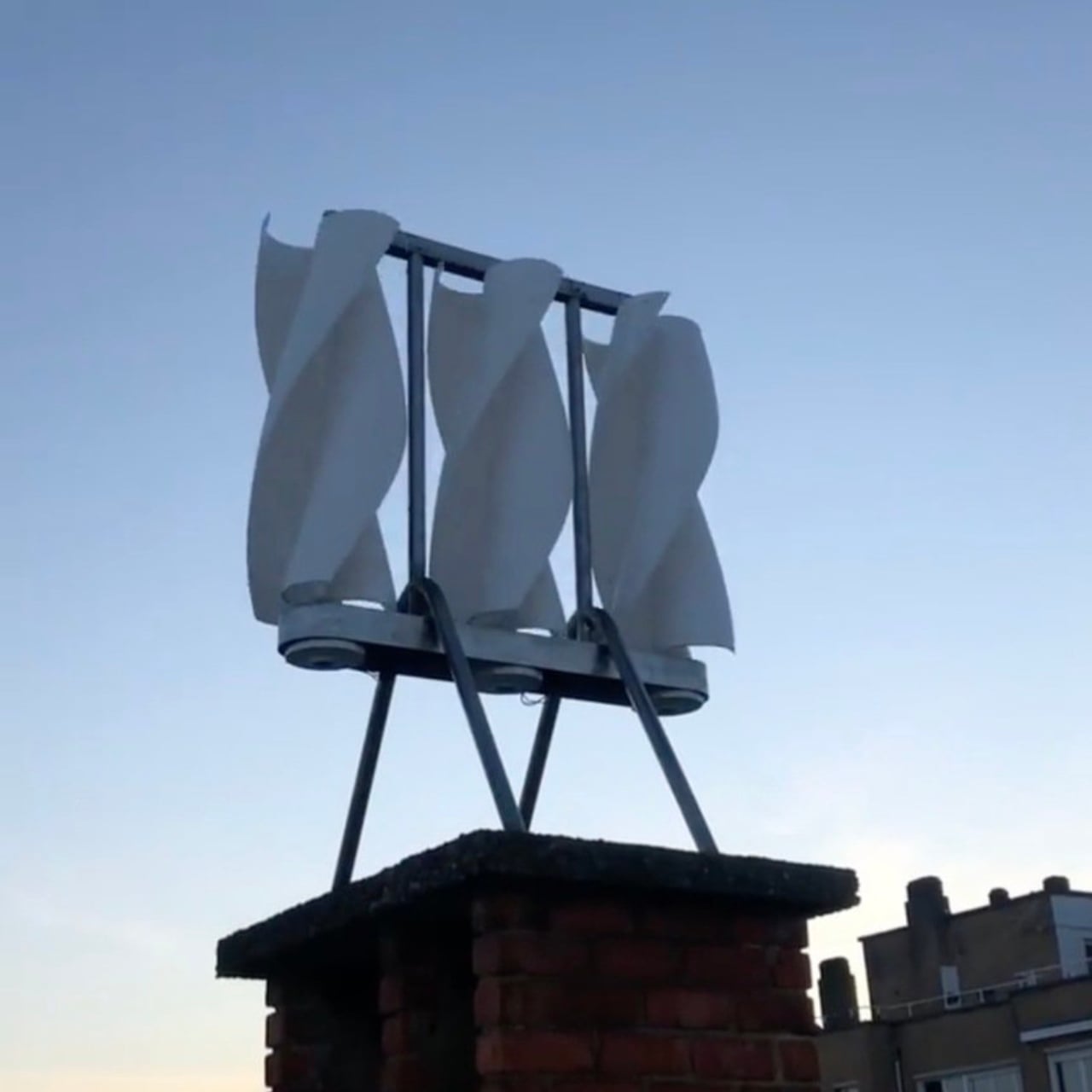
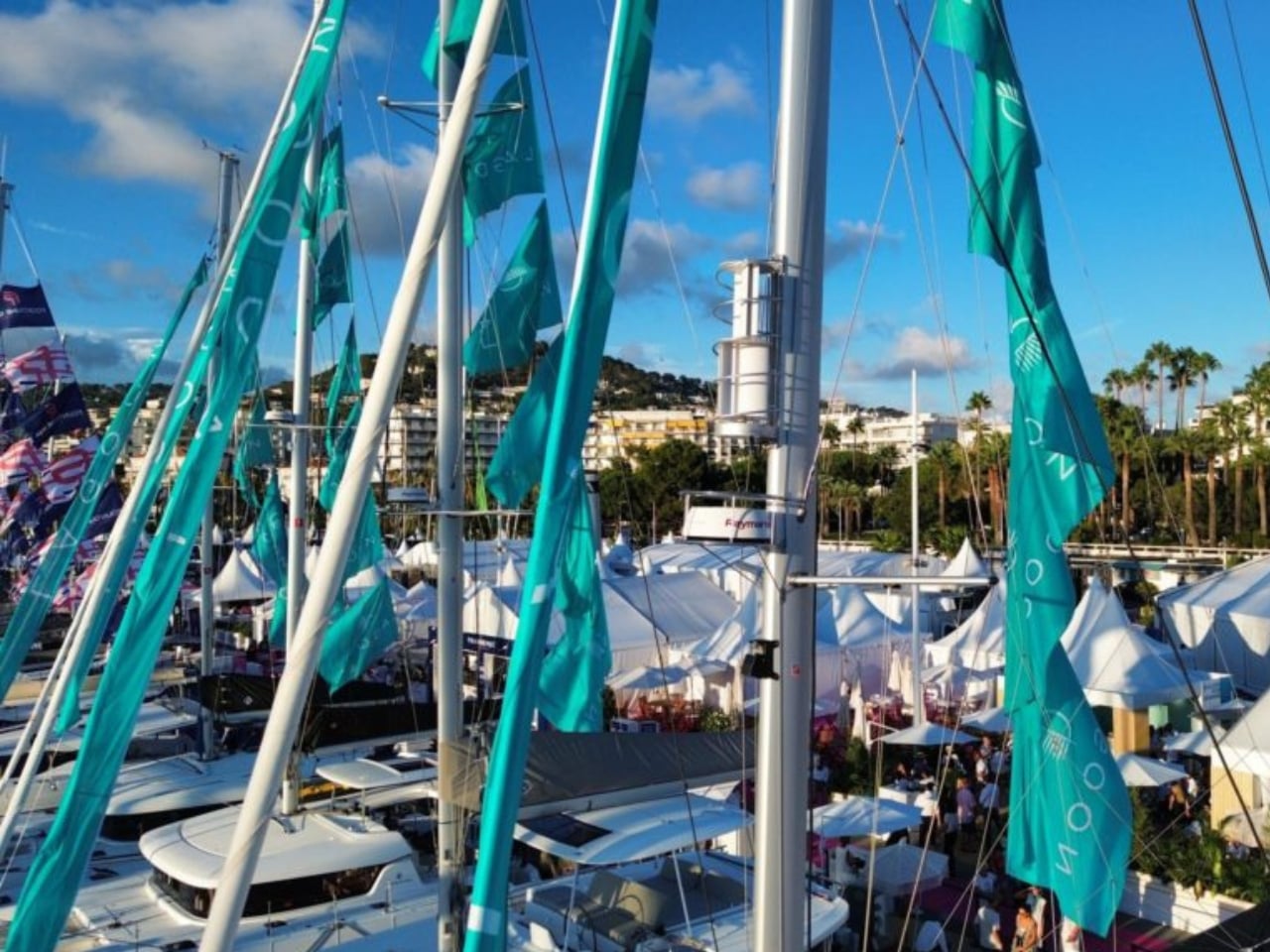
Traditionally, sailors have dealt with this in less-than-ideal ways. You can run an auxiliary motor to charge your batteries, which kind of defeats the whole wind-powered romance. Or you plug in at the dock and hope you remembered to charge everything before casting off. Neither option is particularly elegant, and both leave you dependent on fossil fuels or shore power. Enter the Grain Blanc, a clever little wind turbine from Belgian startup Phileole that’s rethinking how sailboats stay powered. This compact vertical turbine bolts right onto your mast and does something that feels almost too obvious in hindsight: it uses the very wind that’s already moving your boat to generate electricity for everything onboard.
Designer: Phileole

The design itself is refreshingly simple. Standing about 100 centimeters tall and 45 centimeters in diameter, it’s compact enough not to get in your way but substantial enough to actually do something useful. The vertical orientation is the key here. Unlike traditional horizontal wind turbines that need to pivot to face the wind, this thing captures air from any direction. When you’re out on the water and wind direction changes constantly, that’s a huge advantage.
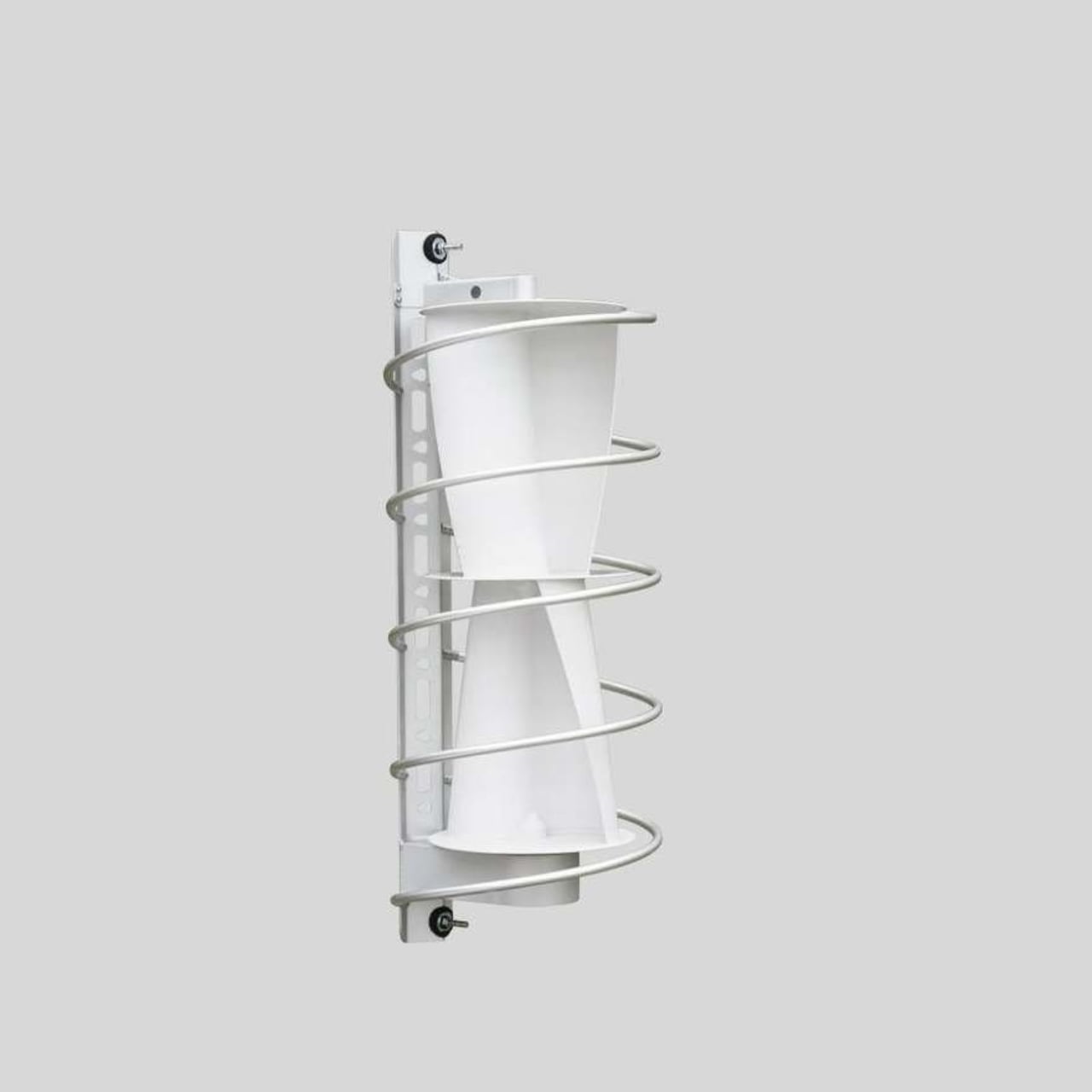
What really makes the Grain Blanc stand out is how quiet it operates. Anyone who’s been around conventional wind turbines knows they can sound like an angry mechanical bee convention. This one? Silence. That’s not just nice for your peace of mind while you’re trying to enjoy the ocean; it’s better for marine life too. Phileole designed it to produce no vibration or disturbance to biodiversity, which feels increasingly important as we become more aware of how our technologies impact ecosystems.
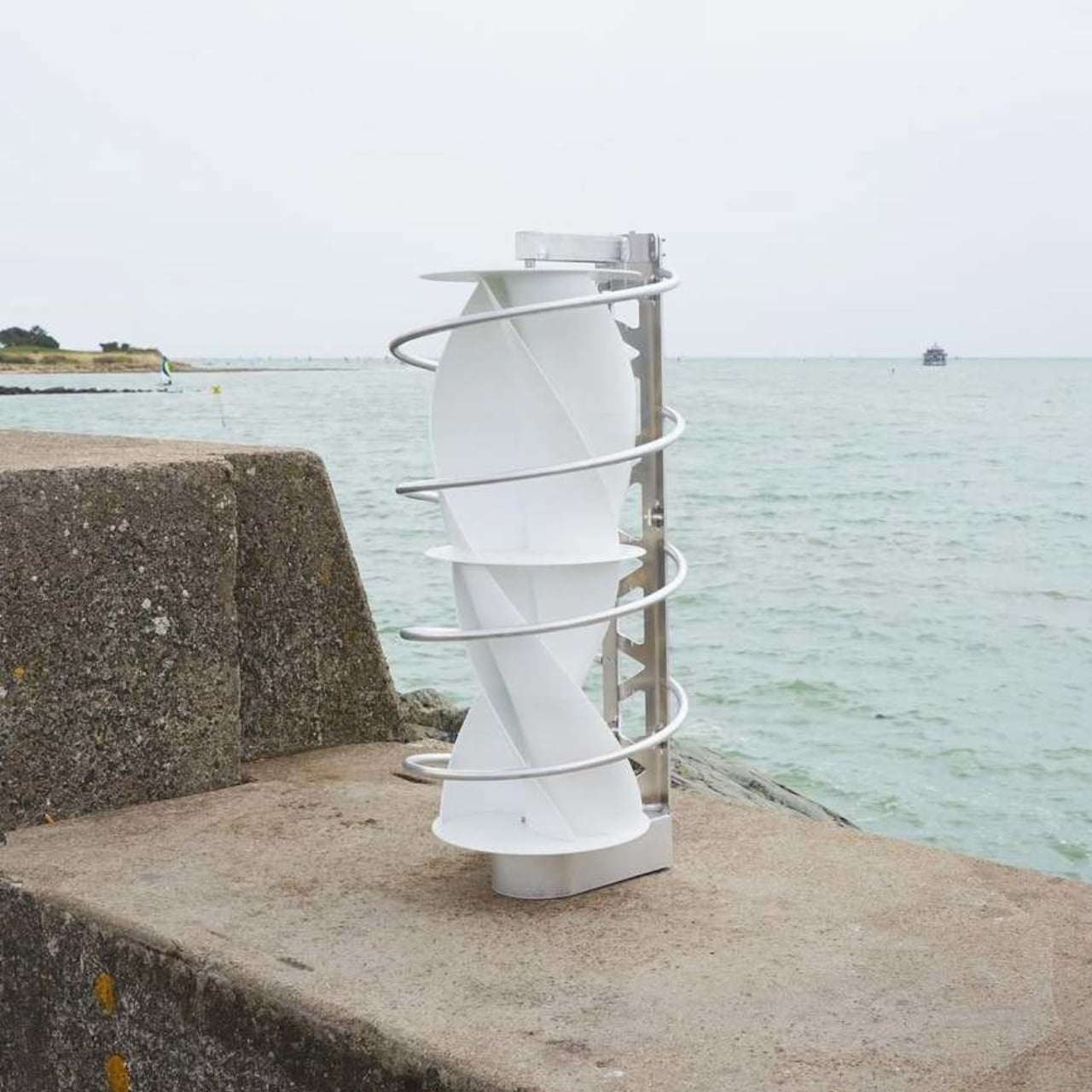
The turbine handles all your essential navigation needs: keeping your lights on, your radar scanning, your VHF radio crackling, your GPS tracking, and your navigation console powered. Basically, all the stuff that keeps you safe and legal out there. But the utility doesn’t stop when you dock. Throughout winter, when your boat is sitting at the marina, the Grain Blanc keeps your batteries topped off and can even power a dehumidifier. Anyone who’s dealt with musty boat interiors knows that’s worth its weight in gold.
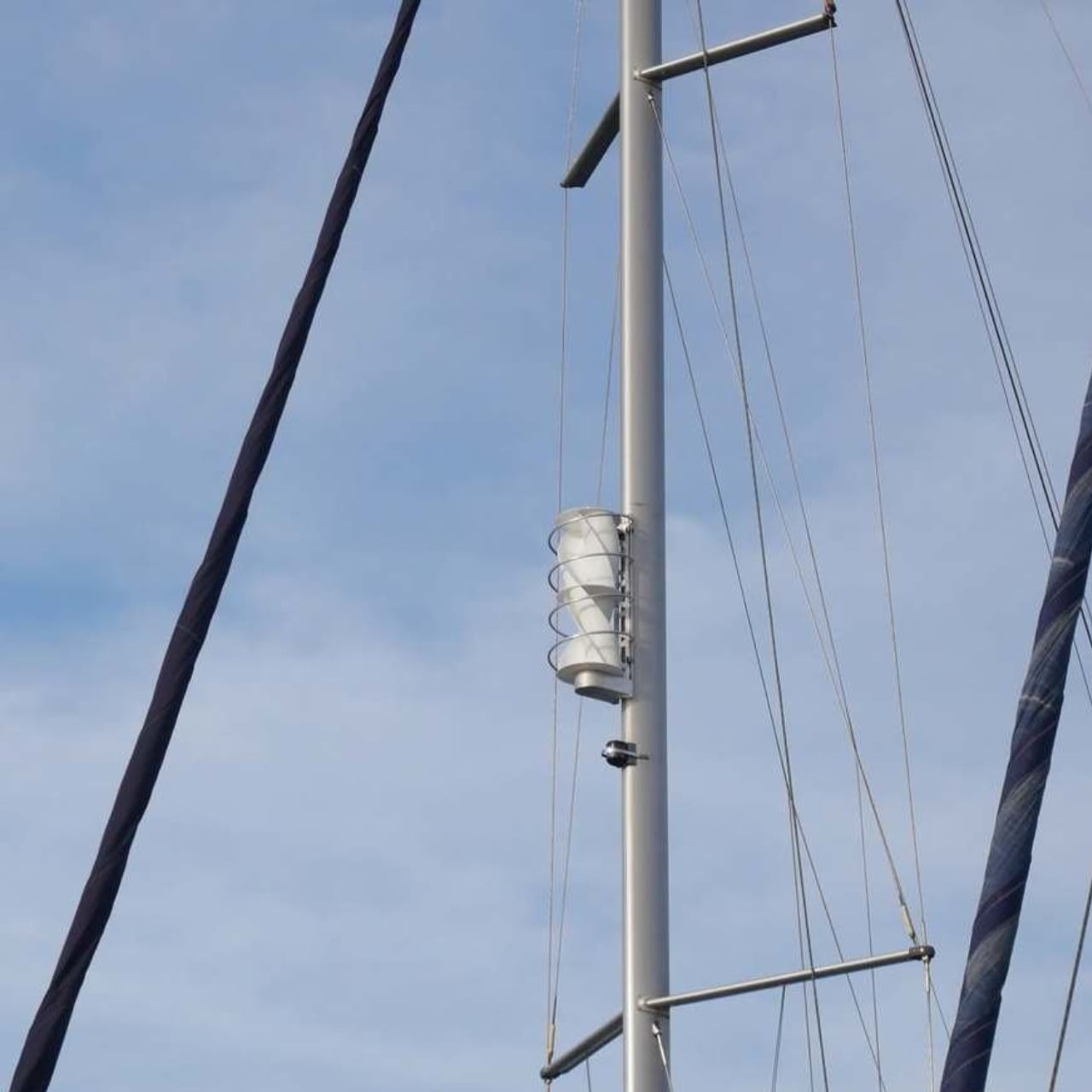
The environmental credentials here are genuinely impressive. The units are made primarily from recycled polypropylene and are themselves 95 percent recyclable. In an industry that’s historically generated mountains of waste, that circularity matters. It’s also worth noting that the turbine comes with a smart regulator that requires zero manipulation after installation. It automatically keeps your batteries charged and shuts itself down during storms. That kind of set-it-and-forget-it reliability is exactly what you want when you’re dealing with the unpredictability of ocean conditions.
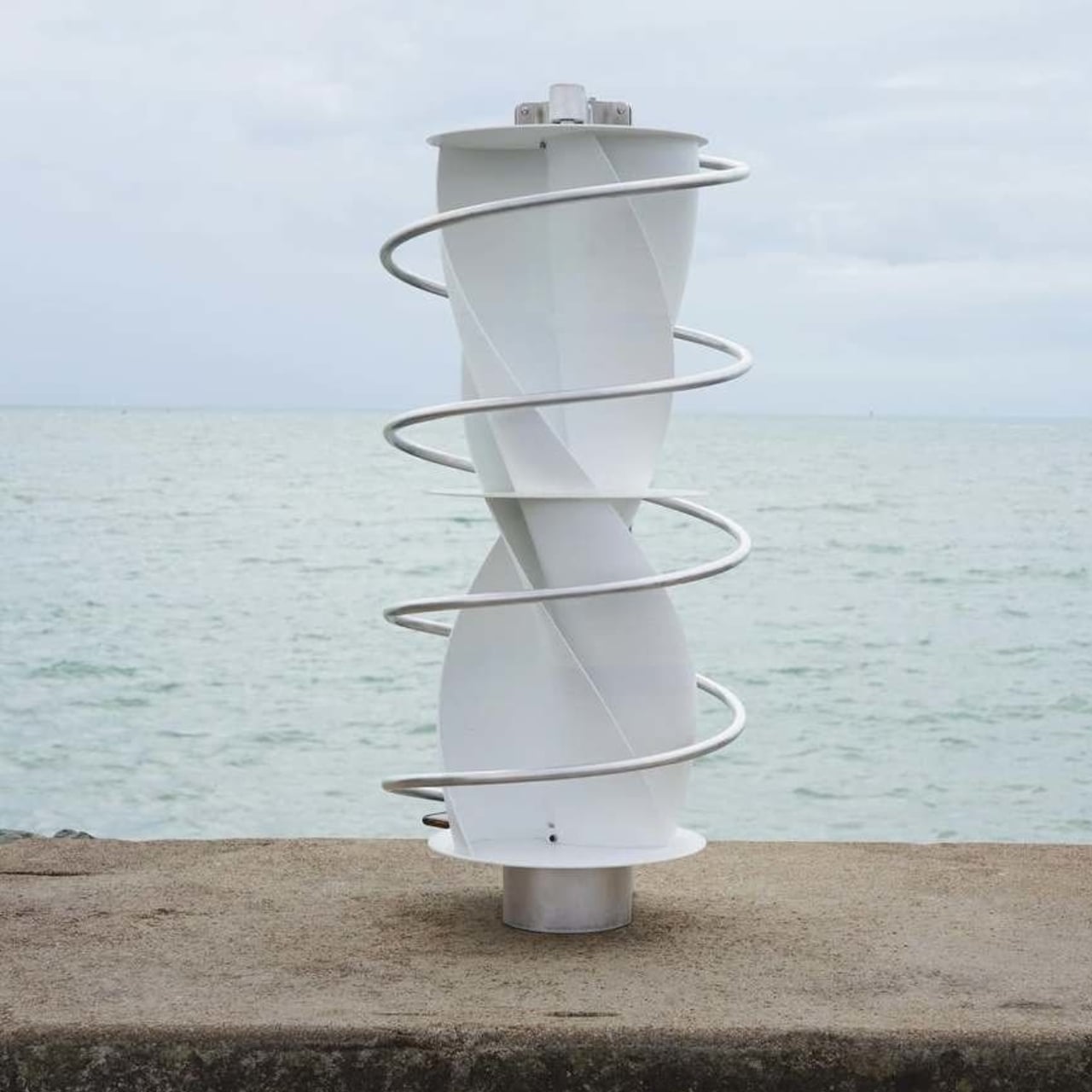
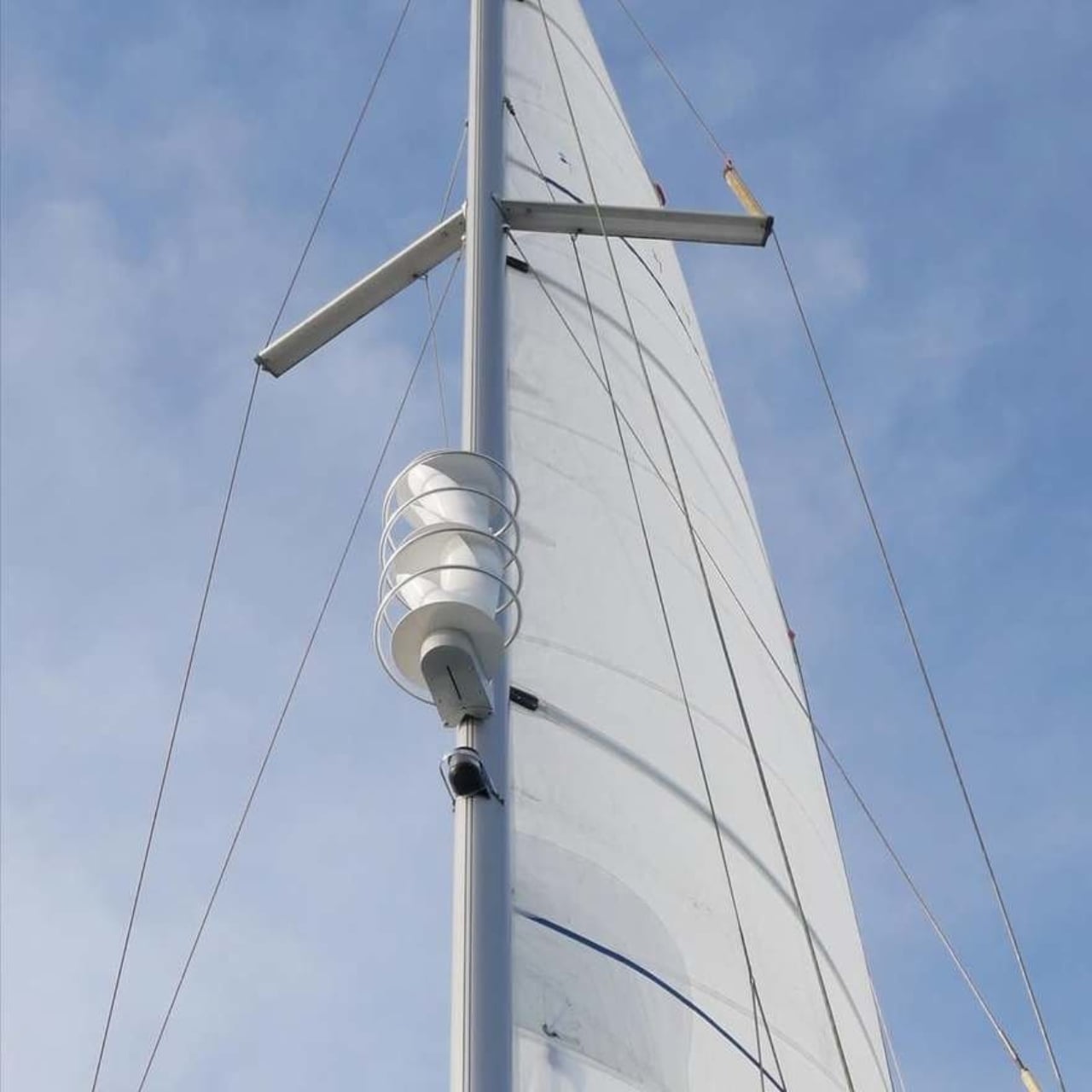
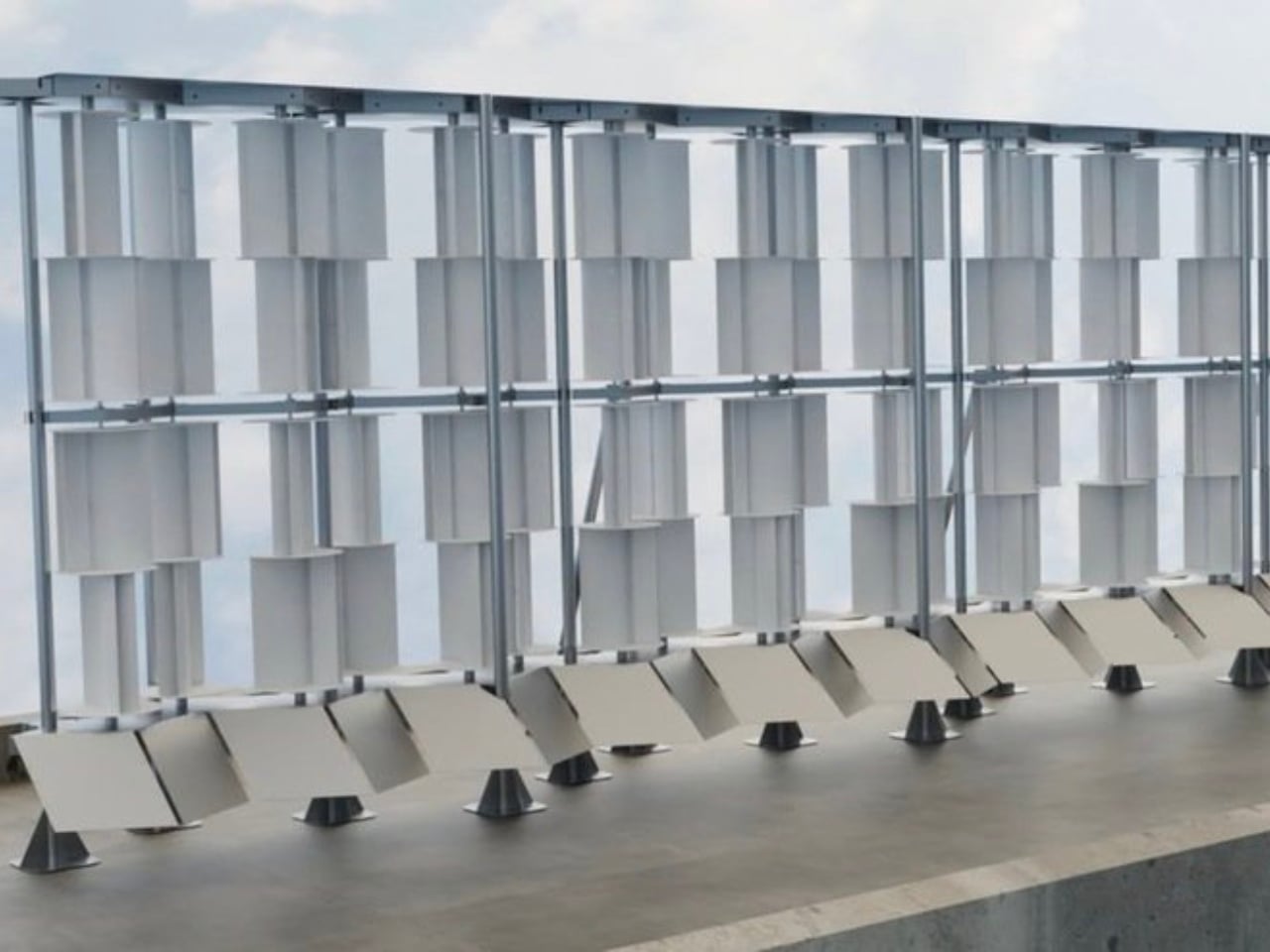
While Phileole designed the Grain Blanc specifically for sailboats, the technology has broader implications. The same principles that make it work on a mast could potentially apply to other scenarios where you need compact, omnidirectional wind power. Urban balconies, remote cabins, mobile installations: anywhere traditional turbines are too bulky or finicky, vertical designs like this could fill the gap.
What strikes me most about the Grain Blanc is how it represents a shift in thinking about renewable energy. We often imagine clean power requiring massive infrastructure: sprawling solar farms or towering wind turbines dominating landscapes. But sometimes the most effective solutions are small, quiet, and fit seamlessly into existing systems. This little turbine doesn’t try to revolutionize sailing or make grand promises about saving the world. It just solves a real problem elegantly, using the resources already at hand. And honestly? That’s the kind of practical innovation that actually changes how we live.