Remember when technology felt magical instead of invisible? When gadgets had personality, and your favorite album came with artwork you could actually hold? The ’90s gave us tactile experiences that today’s sleek minimalism often forgets. Now, designers are bringing back the spirit of that era with products that blend nostalgic forms with modern capabilities. These aren’t dusty relics pulled from storage bins. They’re reimagined essentials that capture what made the ’90s special while delivering the performance we expect in 2026.
Millennials grew up straddling two worlds: an analog childhood and a digital adulthood. These seven products speak directly to that experience, offering familiar shapes and rituals wrapped in contemporary functionality. From music players that look like mixtapes to flame lamps crafted with instrument-making techniques, each piece proves that nostalgia and innovation make better partners than we realized. Whether you’re rebuilding your retro haven or just want technology that sparks joy instead of anxiety, these designs deliver that perfect balance.
1. Samsung AI OLED Cassette and Turntable
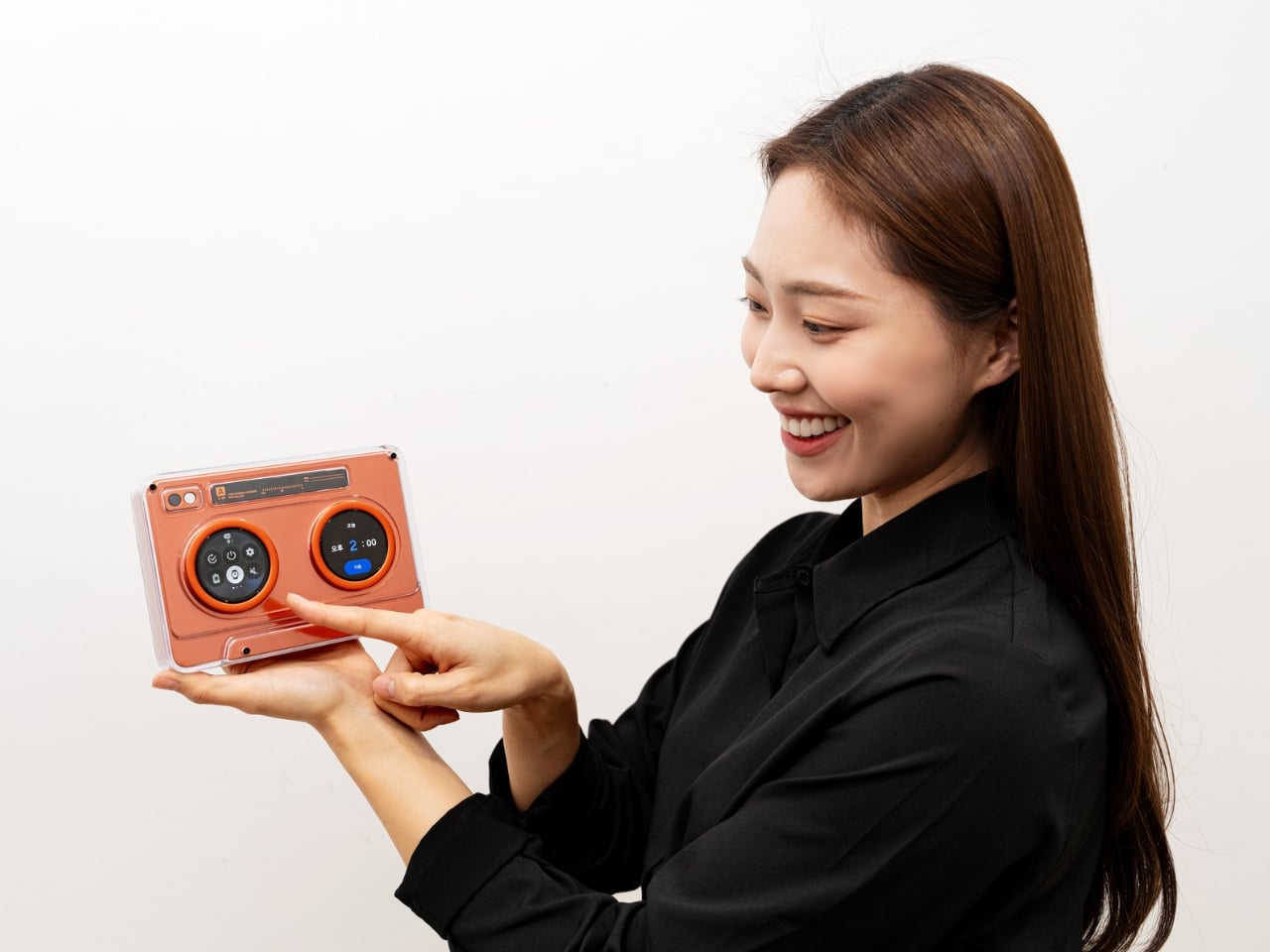
Samsung Display dropped two conversation starters at CES 2026 that blur the line between tech demo and actual product you’d want in your living room. The AI OLED Cassette takes the classic tape deck silhouette and transforms it into a smart speaker with two tiny 1.5-inch circular OLED displays sitting exactly where those spinning reels used to hypnotize you. The left screen handles playback controls while the right displays a digital waveform that dances with your music. Both screens respond to touch, so you can skip tracks or adjust settings without fumbling for your phone.
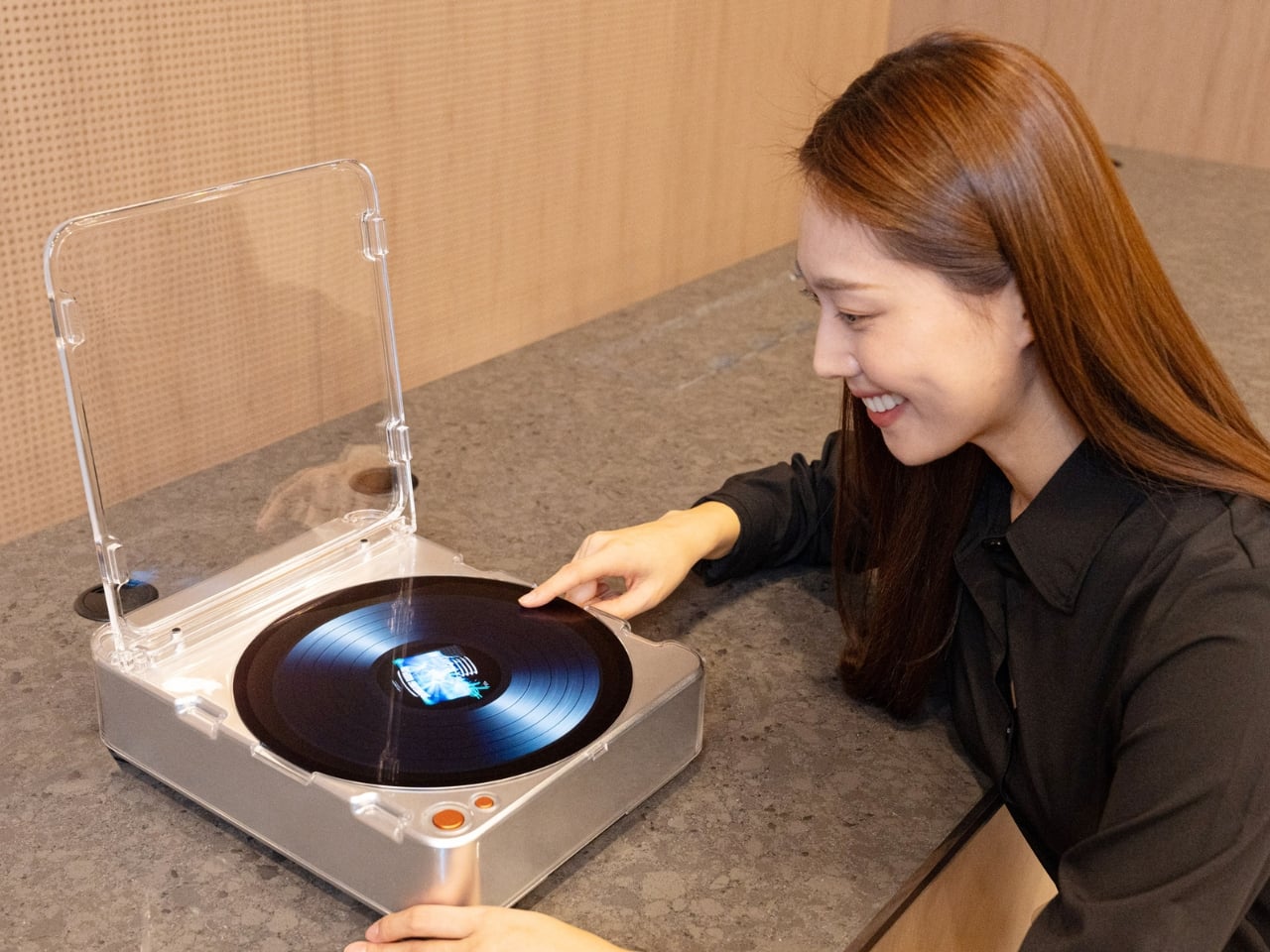
The Turntable goes bigger with a 13.4-inch circular OLED touchscreen that mimics an actual vinyl record player. This isn’t just about displaying album art. The screen becomes an ambient art piece, showing visuals that match your playlist’s mood. Picture hosting friends while your turntable displays swirling colors that sync with jazz or geometric patterns that pulse with electronic beats. The AI integration suggests new music based on what you play, learning your taste over time. These aren’t production models yet, but they showcase where display technology could take us when designers stop making everything a black rectangle.
What We Like
- The cassette’s standalone functionality means you can discover and control music without an external device.
- The touch-sensitive displays offer direct interaction that feels intuitive despite the retro packaging.
- AI-powered recommendations built into the device eliminate the need for phone connectivity.
- The turntable’s 13.4-inch display transforms any room into a visual experience.
- Ambient visuals that match your music create an atmosphere impossible with traditional speakers.
- The circular OLED technology opens creative possibilities beyond typical flat screens.
What We Dislike
- These remain concept devices without confirmed production plans.
- Pricing would likely put them in premium territory beyond typical smart speakers.
- The cassette’s small 1.5-inch display might prove difficult for detailed control.
- Relying on AI recommendations could frustrate users who prefer manual curation.
- The turntable’s large circular display demands significant surface space.
- Without physical media playback, purists might question calling it a turntable.
2. Harmony Flame Fireplace


Real fire indoors sounds risky until you see how this brass lamp handles it. Craftsmen who typically make musical instruments apply those same meticulous techniques to create a safe fireplace that fits on your dining table or patio. The brass box burns bioethanol, an eco-friendly fuel that produces actual flames without smoke, odor, or the mess of traditional fireplaces. Light reflects off the polished brass surface, creating shifting patterns as the flames dance. This turns functional lighting into moving art that changes throughout the evening.
The connection to musical instrument craftsmanship shows in the details. Each lamp gets hand-finished, ensuring the brass develops its signature warm glow. Bioethanol burns clean enough for indoor use while providing the psychological comfort of genuine fire. No installation means you can move it wherever the mood takes you. The flame’s unpredictable movement offers something screens can’t replicate: organic beauty that never repeats itself. This addresses a specific ’90s memory: when gathering around fire pits or candles created natural gathering spots before everyone retreated to separate screens.
Click Here to Buy Now: $239.00
What We Like
- Handcrafted by musical instrument makers ensures premium build quality.
- Bioethanol fuel burns clean without smoke or unpleasant odors.
- Safe for indoor use brings real fire into spaces traditional fireplaces can’t reach.
- No installation required means portable ambiance anywhere you want it.
- The brass surface creates mesmerizing light reflections as flames move.
- Eco-friendly fuel choice aligns with modern environmental consciousness.
What We Dislike
- Bioethanol fuel requires ongoing purchases, unlike electric alternatives.
- Open flames still demand attention and caution around children or pets.
- The brass construction places it in a higher price bracket.
- Fuel consumption costs add up with regular use.
- Limited heat output makes it more about ambiance than warmth.
- Brass requires occasional polishing to maintain its signature shine.
3. RetroWave 7-in-1 Radio

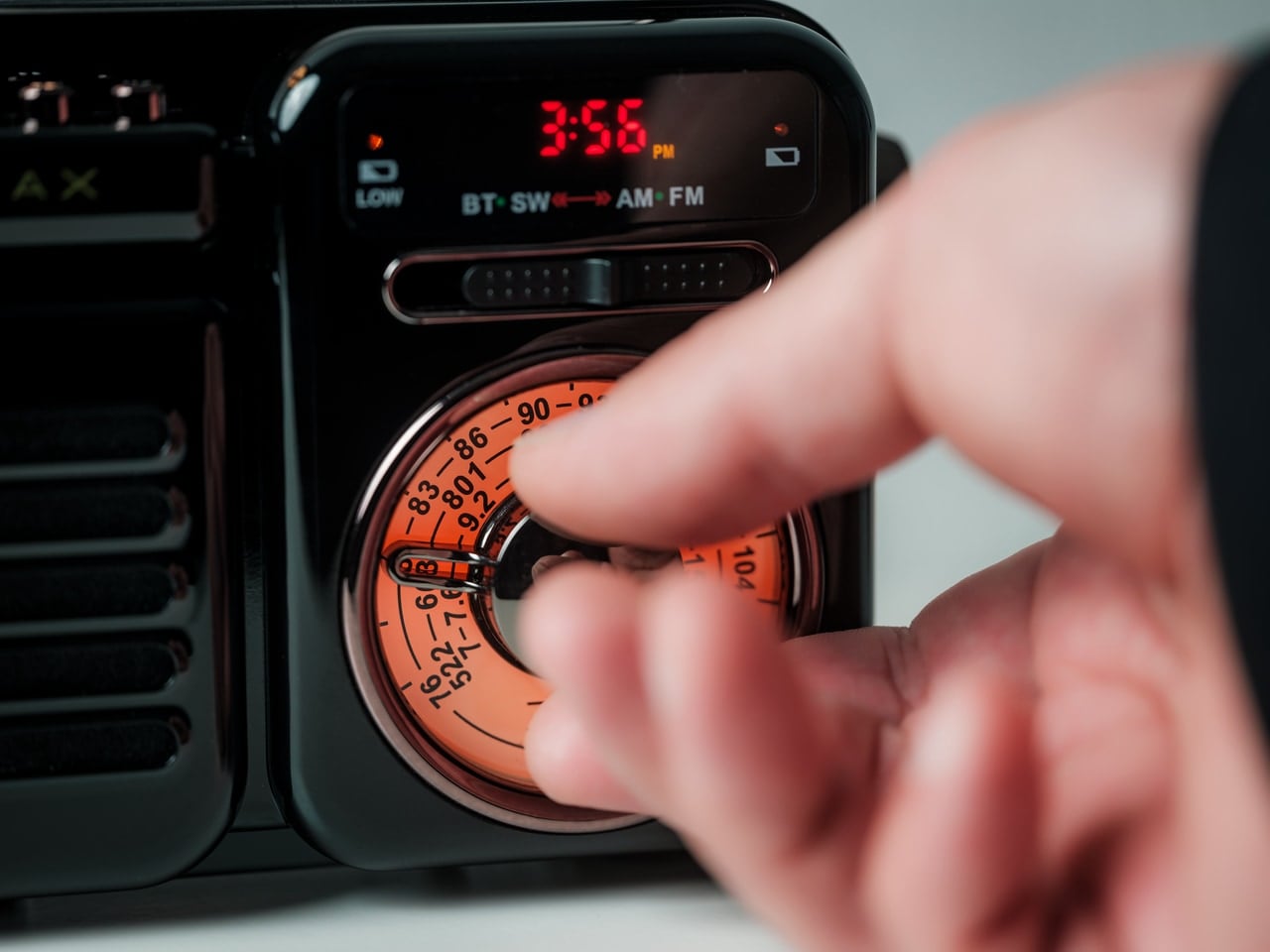
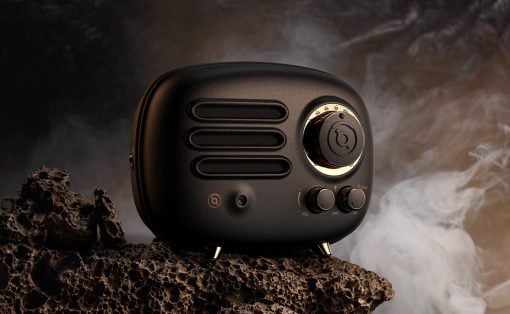
This radio looks like something you’d find in a ’90s camping supply catalog, but its capabilities extend far beyond FM stations. Seven functions pack into one device: Bluetooth speaker, MP3 player, AM/FM/shortwave radio, flashlight, clock, power bank, and SOS alarm. That combination addresses both daily listening and emergency preparedness, making it relevant whether you’re hosting a backyard party or riding out a power outage. The retro aesthetics make it attractive enough to keep visible instead of buried in an emergency kit.
Bluetooth connectivity lets you stream modern playlists while the USB and microSD slots enable offline playback. The shortwave radio capability feels especially ’90s, when scanning international stations offered a window into distant cultures. Hand-crank and solar charging mean it works when the grid doesn’t. The built-in flashlight and SOS alarm complete the emergency features. This versatility reflects the ’90s ethos of multipurpose tools before planned obsolescence became standard. One device replacing seven separate gadgets creates less clutter while ensuring you’re covered for various scenarios.
What We Like
- Seven functions in one device reduce clutter and redundancy.
- Hand-crank and solar charging provide power independence.
- Shortwave radio access connects you to international broadcasts without the internet.
- Bluetooth and MP3 playback bridge nostalgic form with modern features.
- Emergency SOS alarm and flashlight add genuine safety value.
- The nostalgic design makes it attractive for daily display.
What We Dislike
- Multiple functions mean compromises compared to specialized devices.
- Hand-crank charging requires significant effort for limited power.
- Solar charging depends on the weather and sunlight exposure.
- The retro aesthetic might feel too utilitarian for some home styles.
- Shortwave reception quality varies dramatically by location.
- Seven functions create a learning curve for optimal use.
4. Perpetual Orrery Kinetic Art
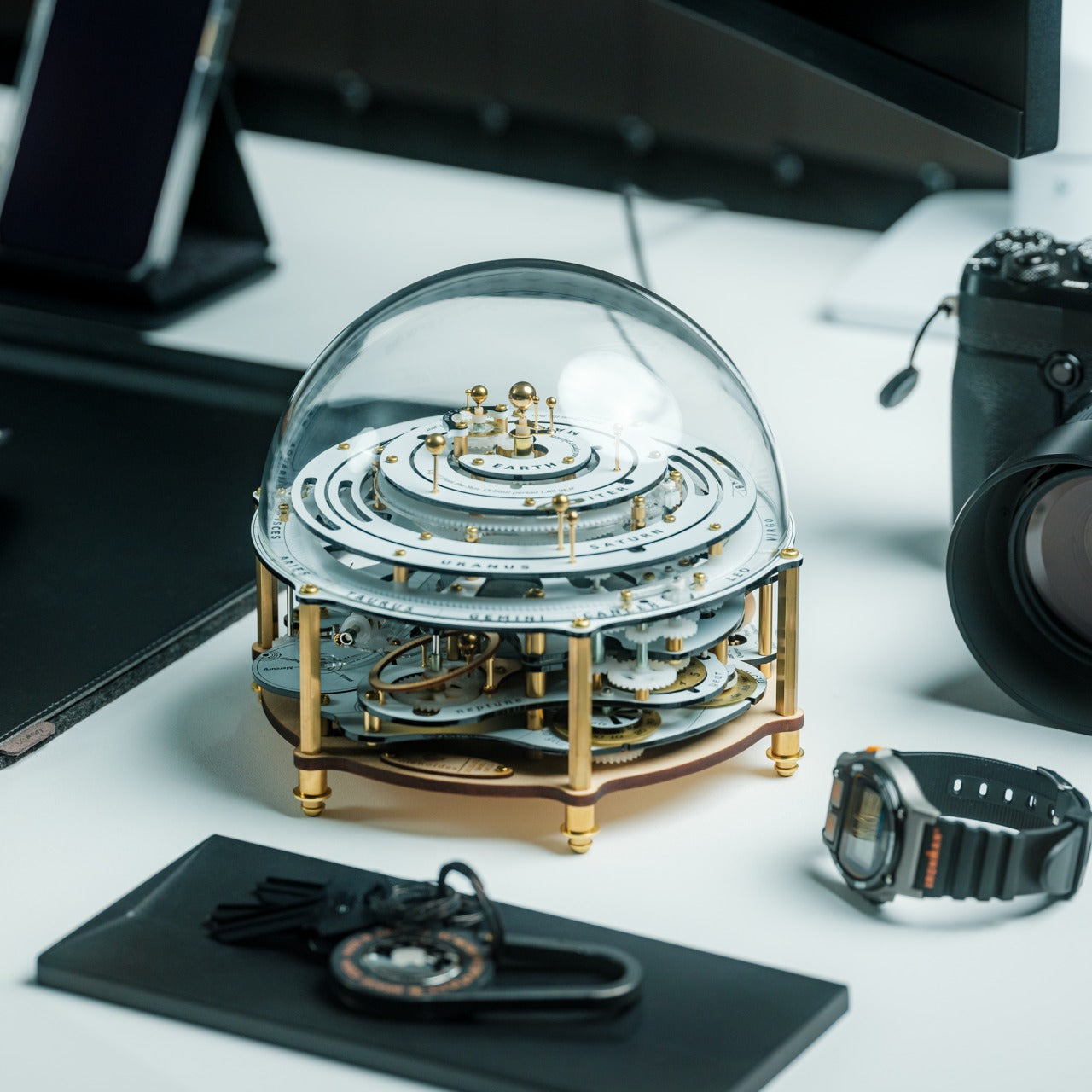
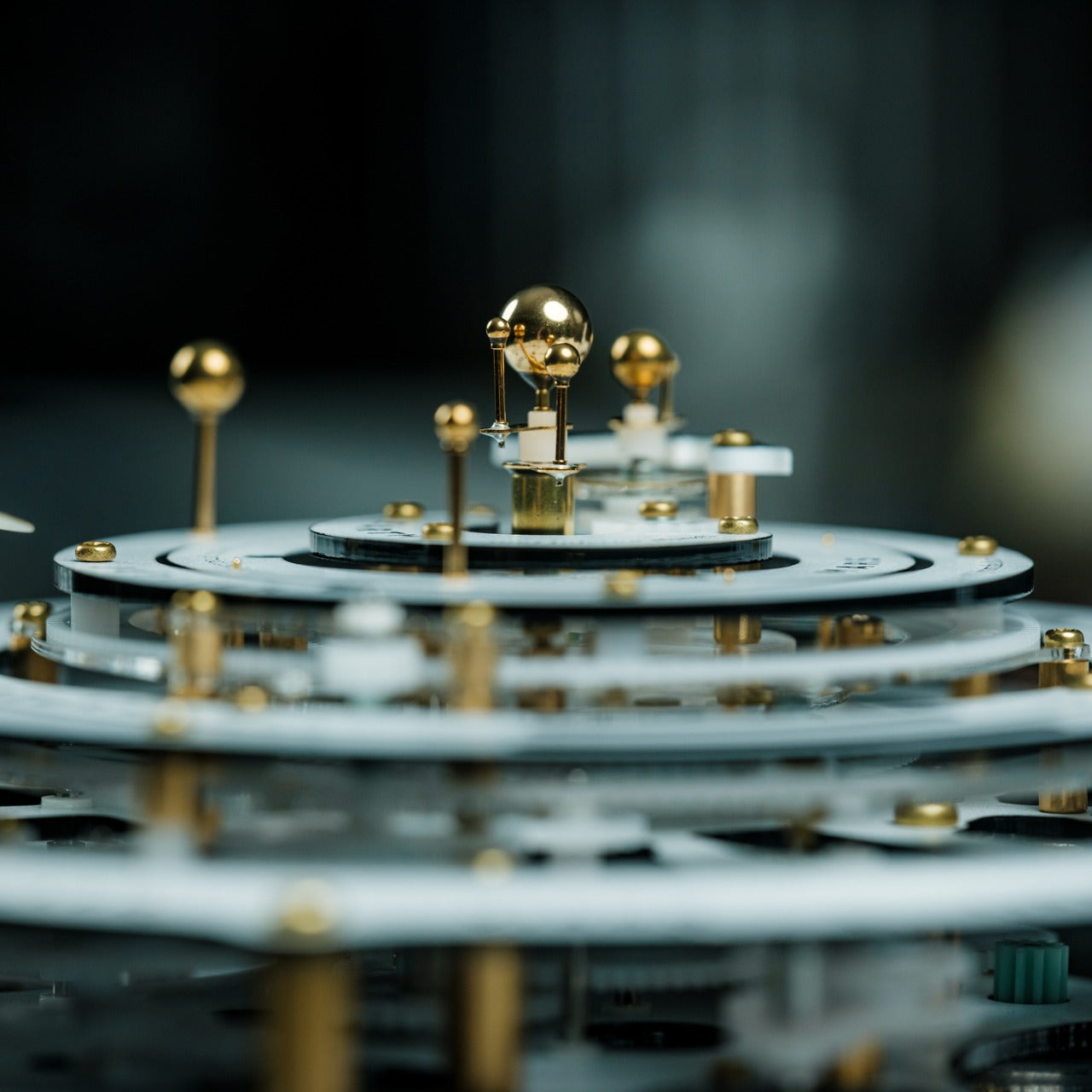
This mechanical solar system model channels the elegance of 18th-century European craftsmanship into a desktop sculpture that never stops moving. Inspired by grand orreries that once graced aristocratic libraries, this version uses intricate mechanisms similar to sophisticated wristwatches to recreate planetary orbits. Planets circle the sun at their relative speeds while the moon goes through visible phases. Even the Tempel-Tuttle comet makes its elliptical journey, appearing periodically like its celestial counterpart.
The kinetic aspect transforms this from static decoration into living art. Watching planets trace their paths provides the same meditative quality as observing aquarium fish, but with educational value built in. The mechanical movement connects to ’90s educational toys that made learning tangible rather than screen-based. Every gear and orbit gets carefully calibrated, turning astronomy into something you can observe daily at arm’s reach. The brass and metal construction gives it substantial weight and permanence, qualities often missing from modern tech gadgets designed for planned replacement.
Click Here to Buy Now: $449.00
What We Like
- Perpetual motion creates ever-changing visual interest, unlike static art.
- Mechanical movement provides educational value about celestial mechanics.
- The 18th-century-inspired design brings historical elegance to modern spaces.
- Intricate gearing mirrors sophisticated wristwatch craftsmanship.
- No batteries or power required for operation.
- Watching planetary orbits offers meditative, calming effects.
What We Dislike
- The premium craftsmanship commands a significant investment.
- Delicate mechanisms require careful handling and placement.
- Dust accumulation on moving parts needs occasional attention.
- The large footprint demands dedicated display space.
- Mechanical complexity means difficult repairs if something breaks.
- Some might find it too ornate for minimalist aesthetics.
5. Side A Cassette Speaker


This Bluetooth speaker disguises itself as a transparent mixtape, complete with Side A labeling and visible “reels” inside the clear shell. The cassette shape isn’t just cosmetic nostalgia. It comes with a clear case that doubles as a display stand, letting you prop it up like you once displayed your most treasured mix. Bluetooth 5.3 handles wireless connectivity while a microSD slot allows offline playback of MP3 files. The sound tuning deliberately evokes the warm, slightly compressed character of actual tape playback rather than clinical digital precision.
At under fifty dollars, this hits the sweet spot between genuine functionality and affordable nostalgia. The transparent shell reveals internal components, mimicking see-through electronics that defined ’90s youth culture. You can actually read the Side A label, adding to the mixtape illusion. The compact size fits easily in bags or pockets, making it practical for travel or outdoor use. This succeeds because it doesn’t try to be an audiophile device. It embraces the cassette’s original purpose: sharing music you love in a format that carries emotional weight beyond pure fidelity.
What We Like
- The transparent shell and Side A label nail the mixtape aesthetic.
- Bluetooth 5.3 provides reliable wireless connectivity.
- microSD playback works offline without phone dependency.
- Warm sound tuning captures cassette character instead of sterile precision.
- The clear case converts into a functional display stand.
- Under fifty dollars makes it an impulse purchase or an easy gift.
What We Dislike
- The small size limits bass response and overall volume.
- Tuned warmth might frustrate those wanting a flat frequency response.
- The microSD slot only accepts MP3 format, not lossless files.
- Battery life likely won’t match larger speakers.
- The novelty factor might wear off after initial excitement.
- Compact dimensions mean less impressive sound than larger alternatives.
6. Portable CD Cover Player
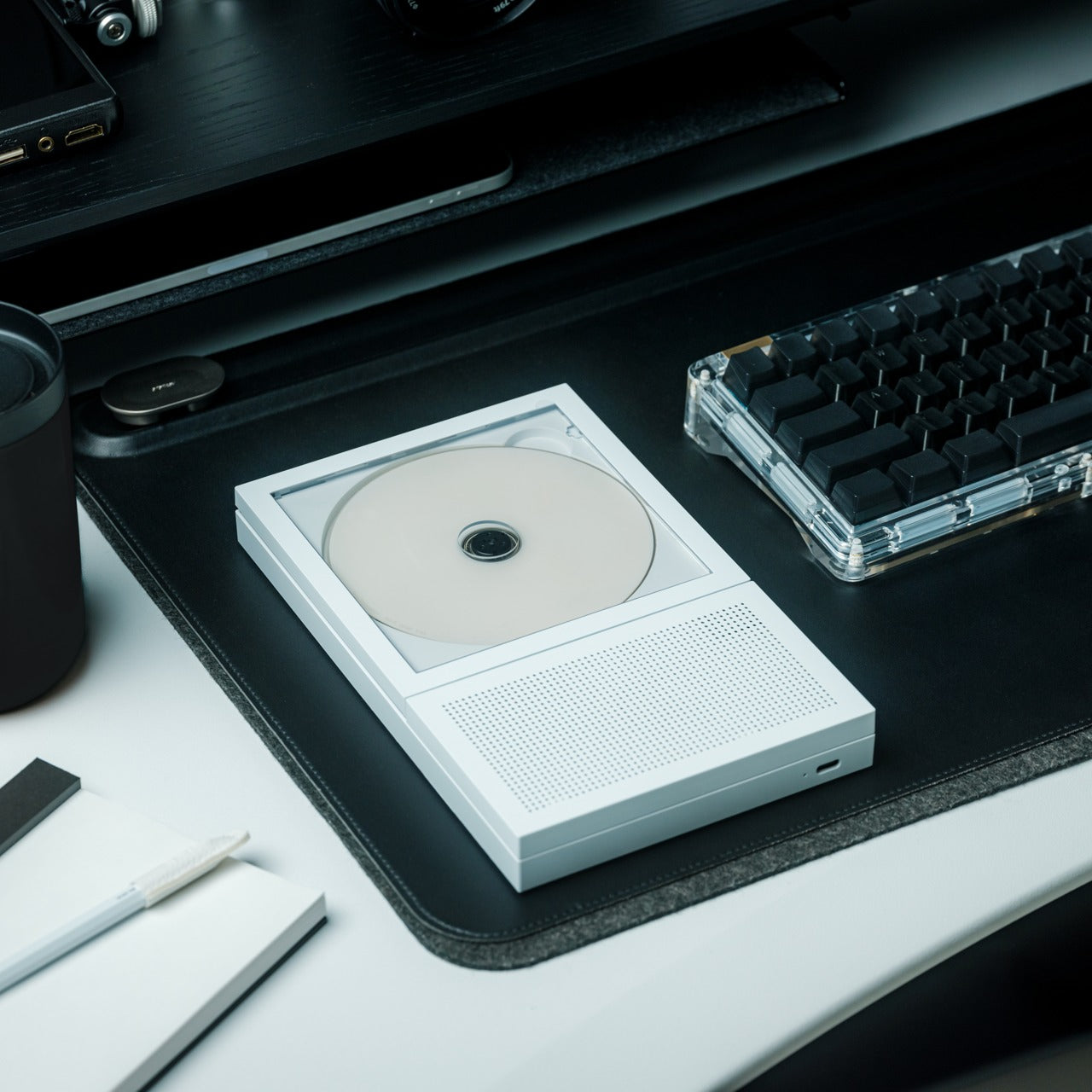
This device solves a problem streaming services created: what do you look at while listening to music? It plays audio CDs while displaying the album artwork in a dedicated pocket, reuniting the visual and auditory experience that made physical media special. The built-in speaker and rechargeable battery mean it goes anywhere, but the minimalist design also makes it worthy of permanent display. You can even mount it on the wall, turning it into a rotating art gallery that changes with your listening mood.
The combination of portability and display functionality sets this apart from typical CD players. Album artwork wasn’t just decoration in the ’90s. It provided context, told stories, and often became iconic imagery tied to the music itself. This player acknowledges that streaming thumbnails can’t replace holding a jewel case while listening to a new album for the first time. The built-in speaker eliminates setup complexity. Just insert a CD, position the artwork, and press play. That simplicity reflects the ’90s plug-and-play mentality before every device demanded app downloads and account creation.
Click Here to Buy Now: $199.00
What We Like
- Dedicated artwork display reunites visual and audio elements of albums.
- Built-in speaker provides true portability without additional equipment.
- A rechargeable battery eliminates cord clutter for placement flexibility.
- Wall mounting capability transforms it into a rotating art display.
- Minimalist design works as decoration even when not playing.
- Playing physical CDs forces intentional listening instead of endless skipping.
What We Dislike
- CD collections take up storage space; streaming eliminates.
- Built-in speaker quality likely can’t match dedicated audio systems.
- The format limits you to CDs you actually own or purchase.
- Wall mounting requires an additional bracket sold separately.
- Physical media scratches and degrades over time.
- Younger users might not own any CDs to play.
7. Invisible Shoehorn
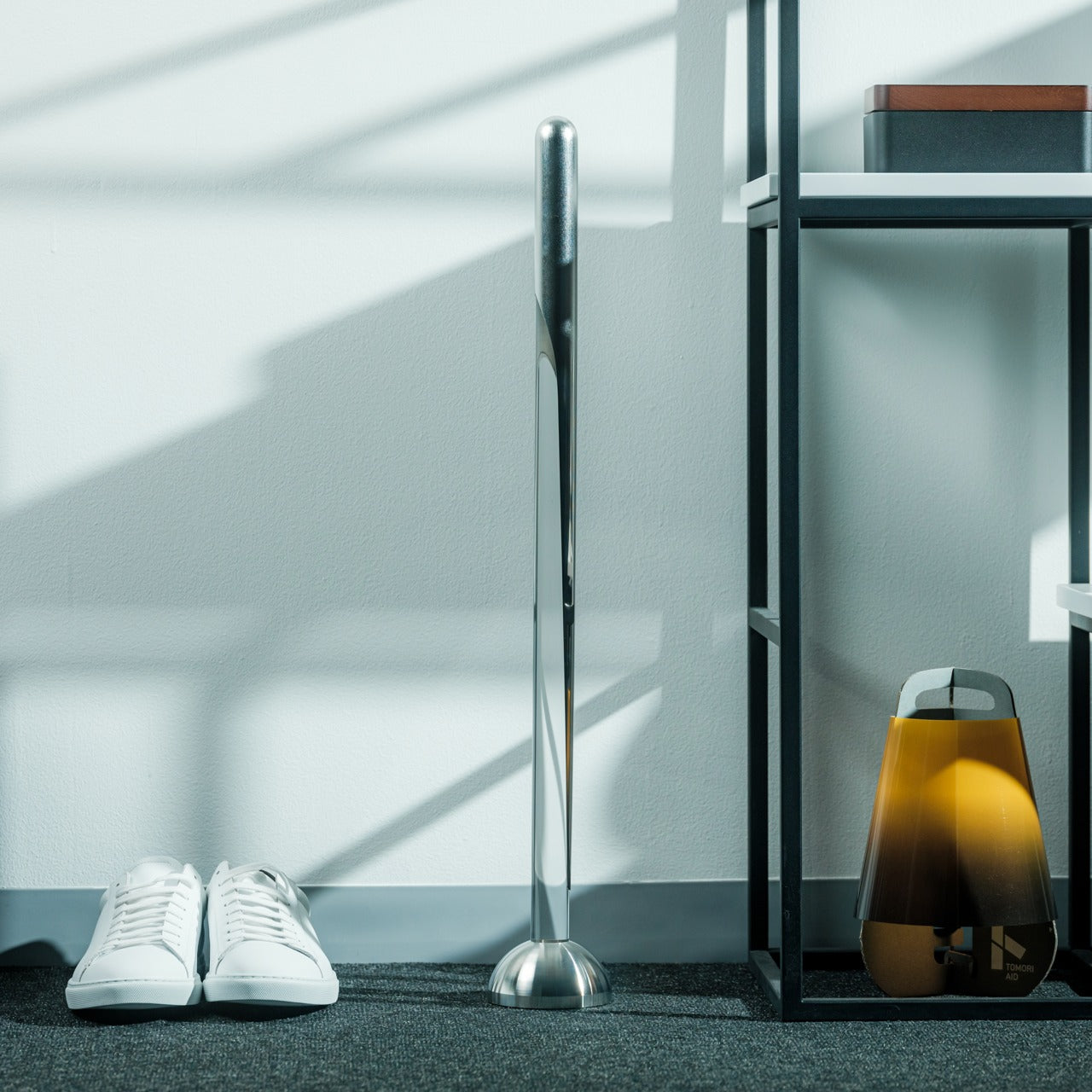
This stainless steel shoehorn with transparent stand brings utilitarian elegance to something usually hidden in closets. The long handle eliminates back strain when putting on shoes, a small relief that compounds over the years of daily use. The polished steel surface glides smoothly without snagging socks or stockings. When placed in its clear acrylic stand, the shoehorn becomes sculptural, looking nothing like its typical function. It hides in plain sight as an attractive decoration rather than an obvious utility.
The transparent stand concept reflects ’90s fascination with revealing function through form. See-through electronics, skeleton watches, and visible mechanics all shared this philosophy: showing how things work makes them more interesting. A shoehorn seems mundane until you consider how many people strain their backs daily because they don’t have one handy. The long stainless steel construction ensures durability measured in decades rather than years. This represents the opposite of disposable culture: buying something once and using it daily for life.
Click Here to Buy Now: $299.00
What We Like
- The long handle protects lower backs from repeated strain.
- Polished stainless steel prevents sock snags and tears.
- The transparent stand creates a sculptural display from mundane objects.
- Durable construction ensures decades of reliable use.
- Unique aesthetic makes it acceptable for visible placement.
- The smooth surface glides effortlessly for easy shoe wearing.
What We Dislike
- The minimalist aesthetic might be too subtle for those wanting obvious function.
- Stainless steel shows fingerprints and requires occasional cleaning.
- The transparent stand adds bulk compared to wall-mounted options.
- Higher price point than basic plastic alternatives.
- The long design requires dedicated storage or display space.
- Some might find the “invisible” concept pretentious for a shoehorn.
Bringing It All Together
These seven products share a common thread beyond ’90s aesthetics: they make technology feel approachable again. Each one prioritizes tactile interaction and visible personality over disappearing into seamless ecosystems. You can actually touch controls, see mechanisms working, and display these devices proudly instead of hiding them. That philosophy defined ’90s product design before everything became black glass rectangles designed to vanish into backgrounds.
Millennials bridge generations that experienced distinct technology eras. These products honor that position by combining familiar forms with modern capabilities. Whether you’re streaming through a cassette speaker or watching planets orbit on your desk, you’re participating in design that values presence over absence. The ’90s taught us that objects could spark joy and conversation. These seven products prove that the lesson still resonates in 2026, offering alternatives to invisible technology that serves function while sacrificing soul.