Everyone is racing to build the next great AI gadget. Some companies are betting on smartglasses, others on pins and pocket companions. All of them promise an assistant that can see, hear, and understand the world around you. Very few ask a simpler question. What if the smartest AI hardware is just a better pair of earbuds?
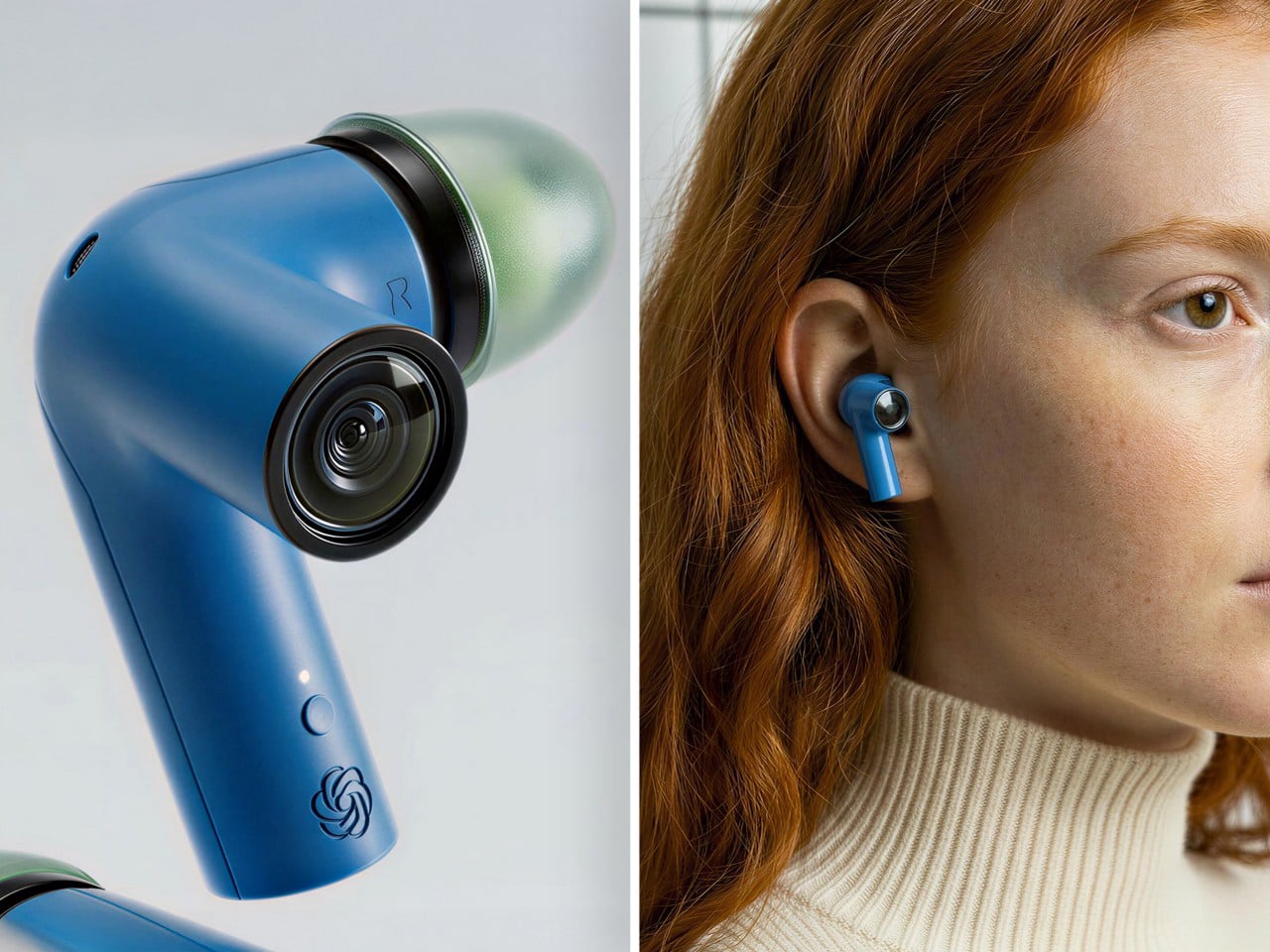
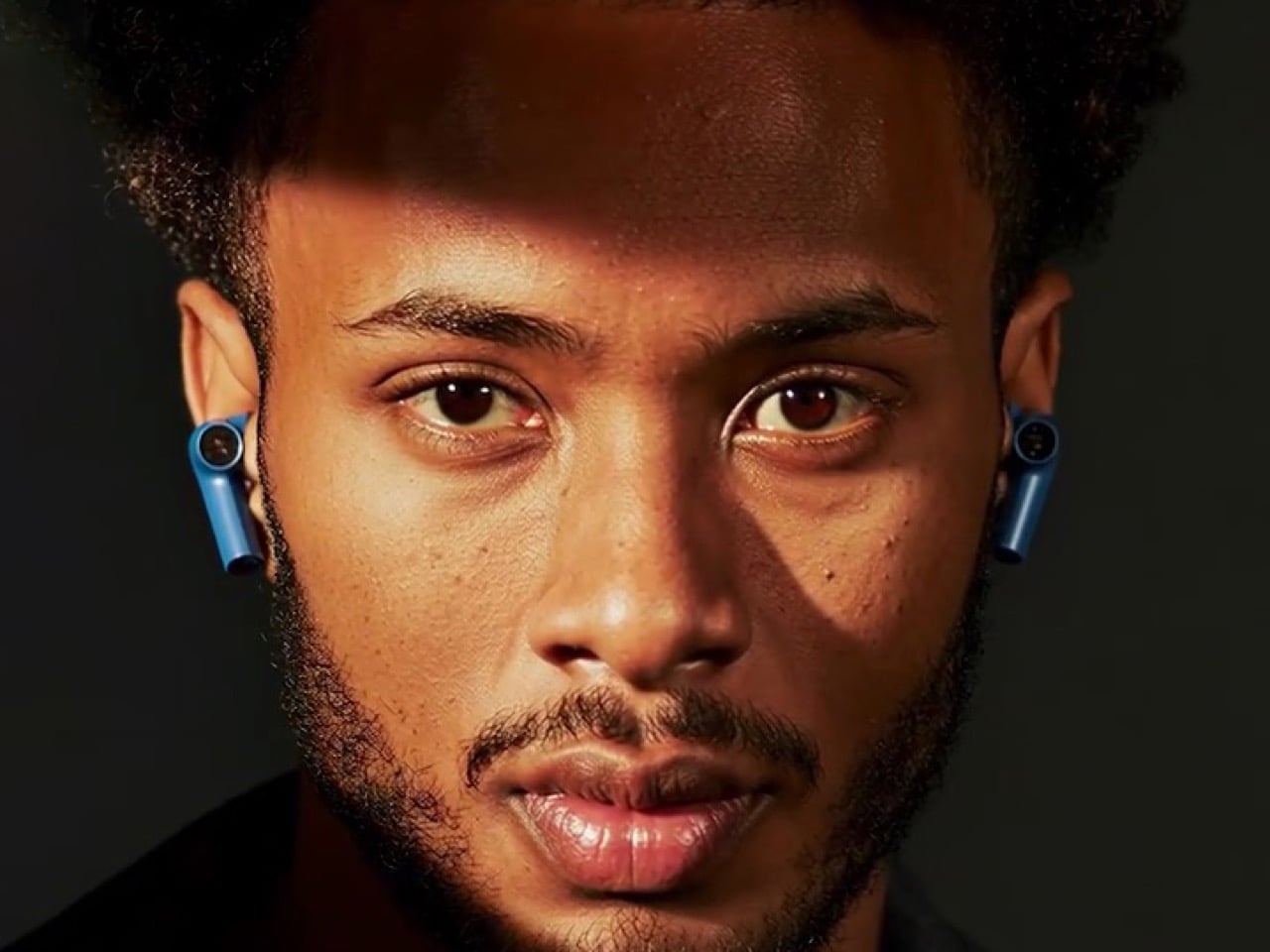
This concept imagines TWS earbuds with a twist. Each bud carries an extra stem with a built in camera, positioned close to your natural line of sight. Paired with ChatGPT, those lenses become a constant visual feed for an assistant that lives in your ears. It can read menus, interpret signs, describe scenes, and guide you through a city without a screen. The form factor stays familiar, the capabilities feel new. If OpenAI wants a hardware foothold, this is the kind of product that could make AI feel less like a demo and more like a daily habit. Here’s why a camera in your ear might beat a camera on your face.
Designer: Emil Lukas
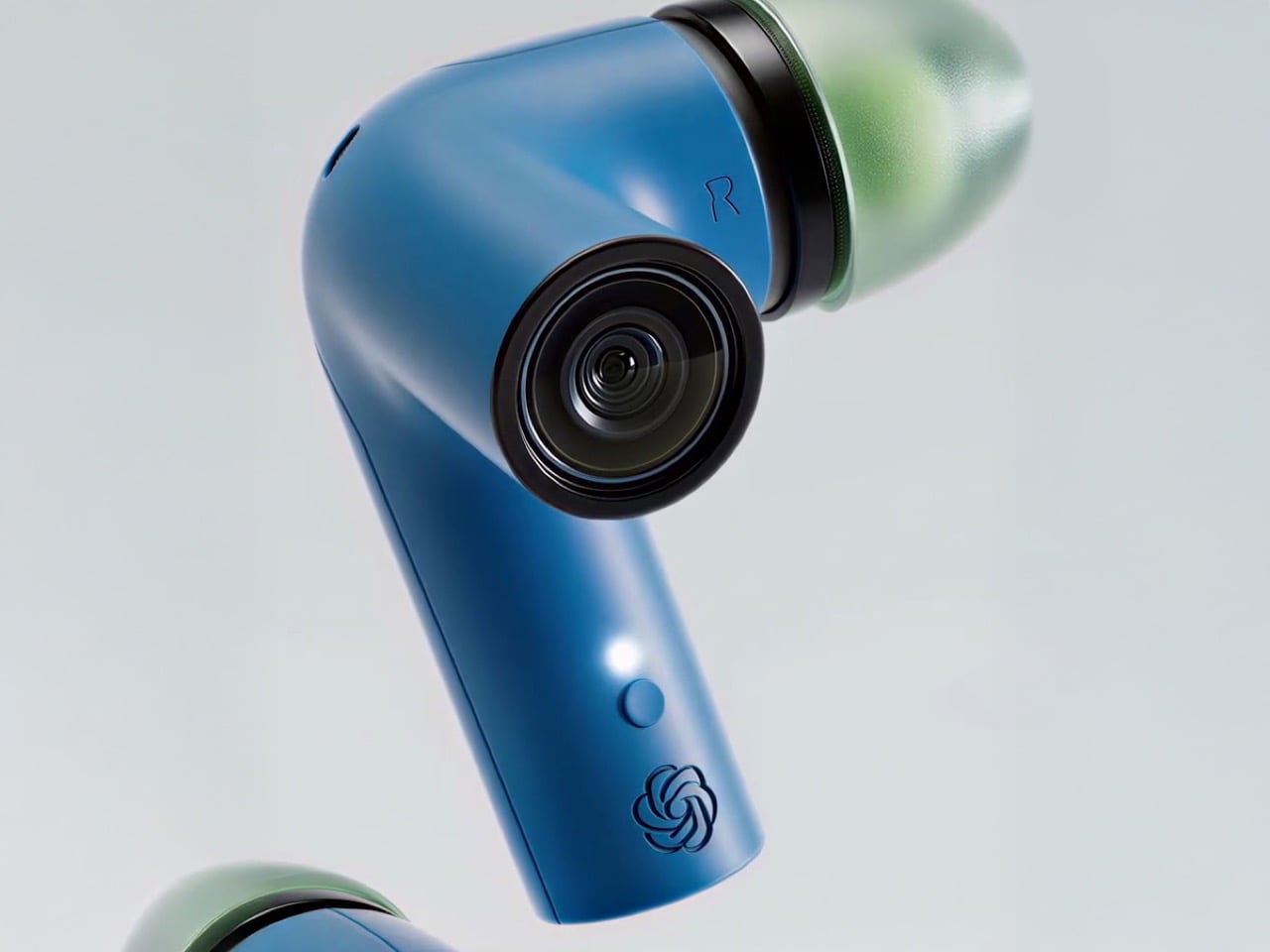
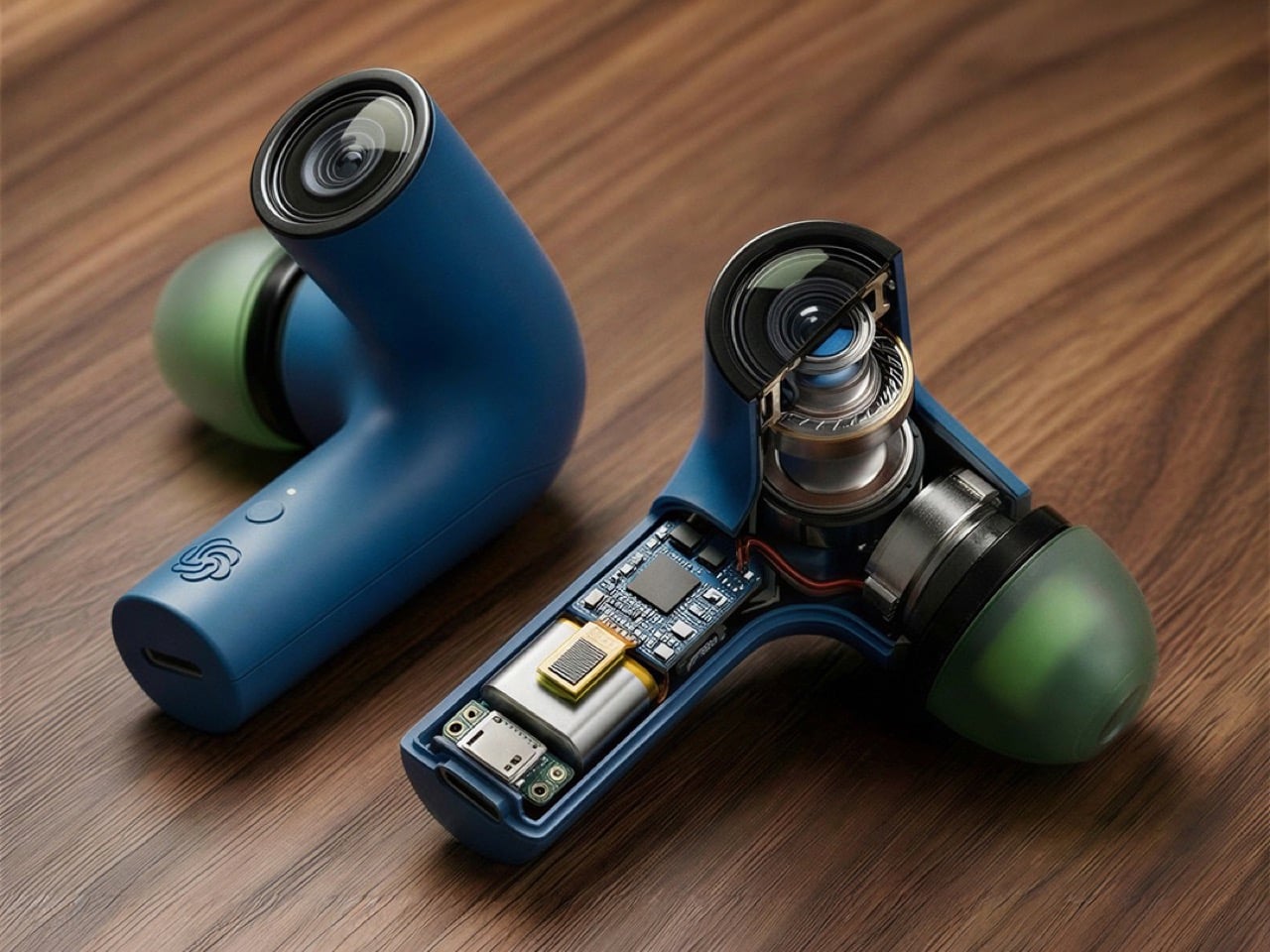
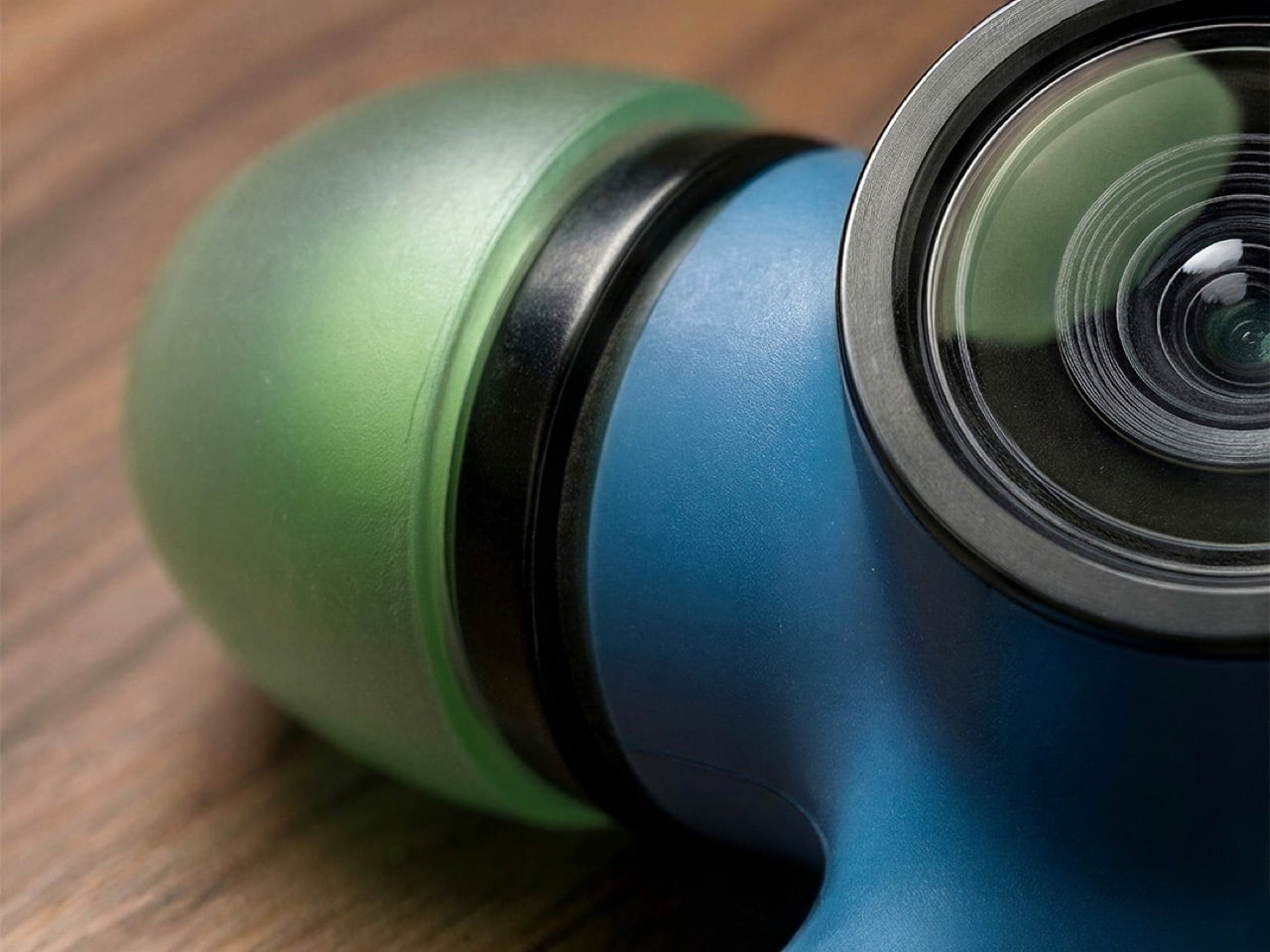
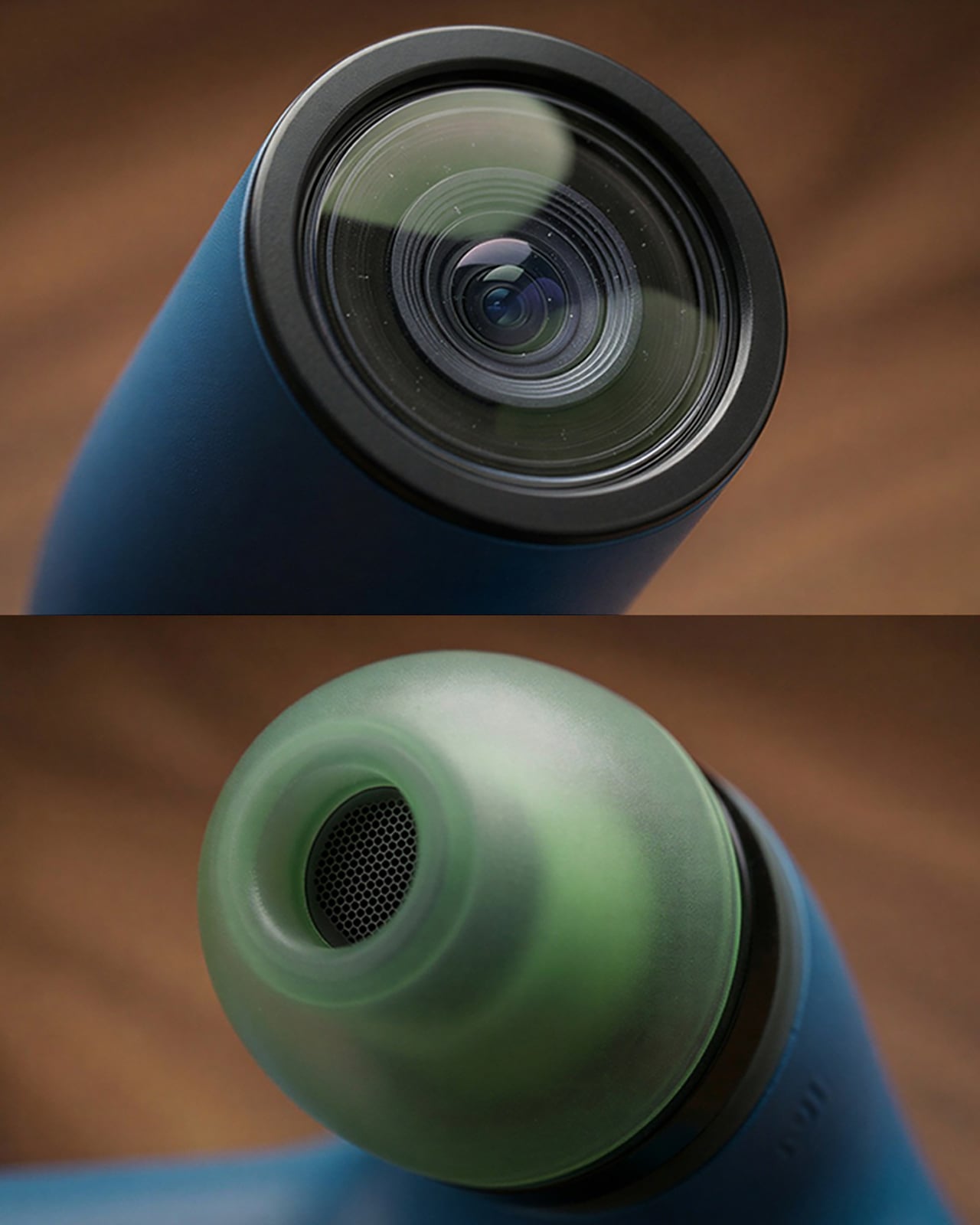
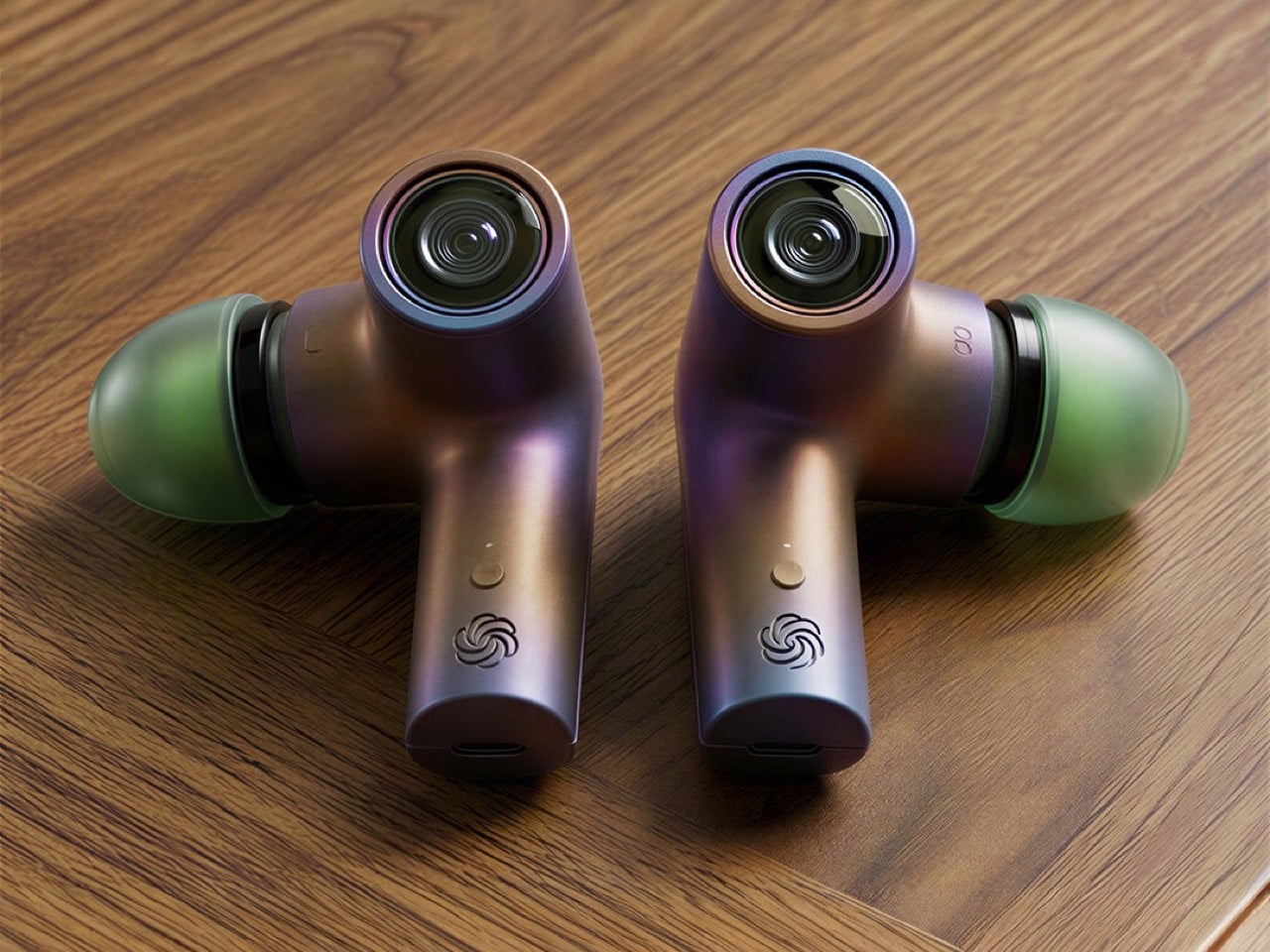
The industrial design has a sort of sci fi inhaler vibe that I weirdly like. The lens sits at the end of the stem like a tiny action cam, surrounded by a ring that doubles as a visual accent. It looks deliberate rather than tacked on, which matters when you are literally hanging optics off your head. The colored shells and translucent tips keep it playful enough that it still reads as audio gear first, camera second.
The cutaway render looks genuinely fascinating. You can see a proper lens stack, a sensor, and a compact board that would likely host an ISP and Bluetooth SoC. That is a lot of silicon inside something that still has to fit a driver, battery, microphones, and antennas. Realistically, any heavy lifting for vision and language goes straight to the phone and then to the cloud. On device compute at that scale would murder both battery and comfort.
All that visual data has to be processed somewhere, and it is not happening inside the earbud. On-device processing for GPT-4 level vision would turn your ear canal into a hotplate. This means the buds are basically streaming video to your phone for the heavy lifting. That introduces latency. A 200 millisecond delay is one thing; a two second lag is another. People tolerate waiting for a chatbot response at their desk. They will absolutely not tolerate that delay when they ask their “AI eyes” a simple question like “which gate am I at?”
Then there is the battery life, which is the elephant in the room. Standard TWS buds manage around five to seven hours of audio playback. Adding a camera, an image signal processor, and a constant radio transmission for video will absolutely demolish that runtime. Camera-equipped wearables like the Ray-Ban Meta glasses get about four hours of mixed use, and those have significantly more volume to pack in batteries. These concept buds look bulky, but they are still tiny compared to a pair of frames.
The practical result is that these would not be all-day companions in their current form. You are likely looking at two or three hours of real-world use before they are completely dead, and that is being generous. This works for specific, short-term tasks, like navigating a museum or getting through an airport. It completely breaks the established user behavior of having earbuds that last through a full workday of calls and music. The utility would have to be incredibly high to justify that kind of battery trade-off.
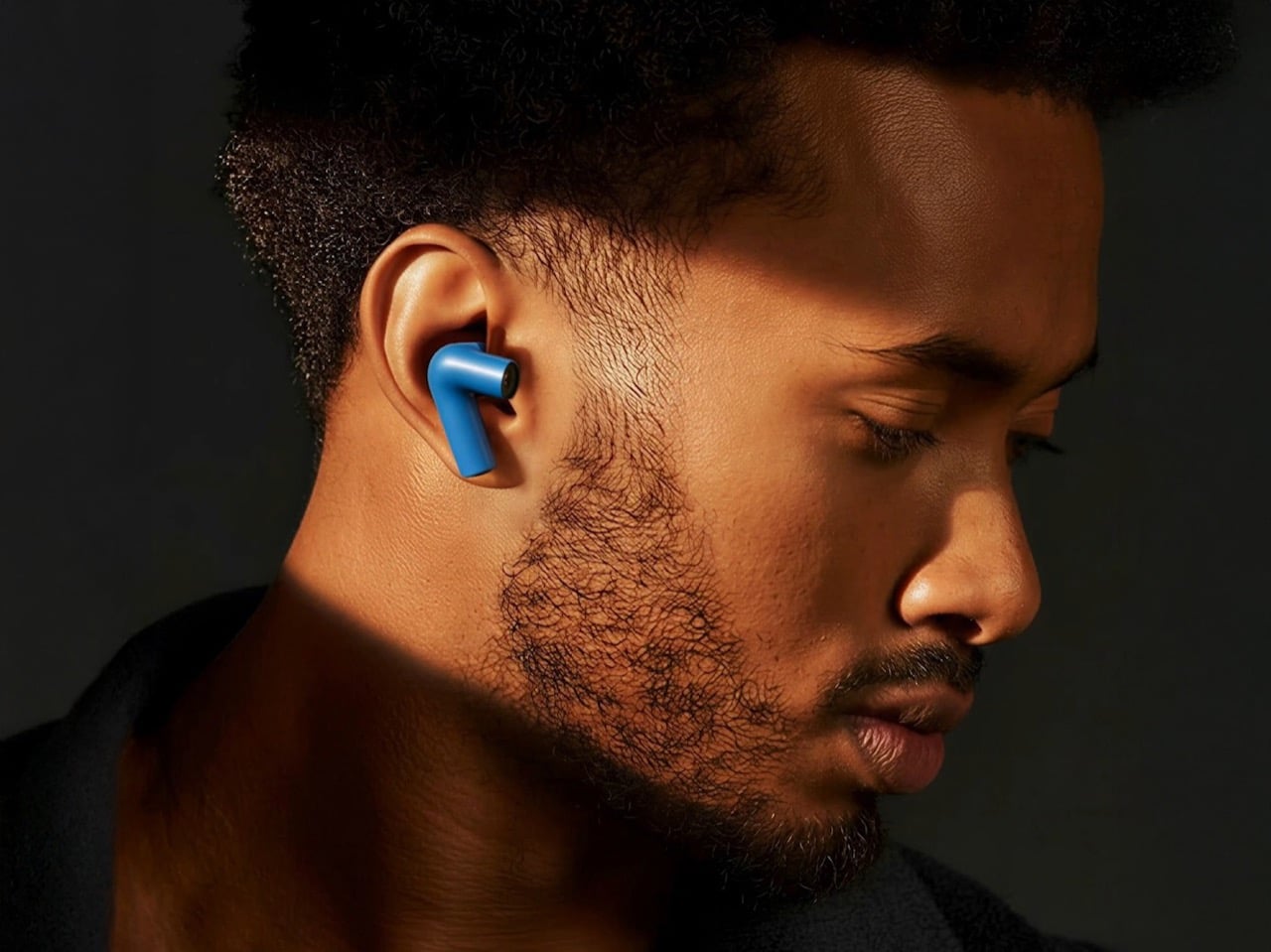
From a social perspective, the design is surprisingly clever. Smartglasses failed partly because the forward-facing camera made everyone around you feel like they were being recorded. An earbud camera might just sneak under the radar. People are already accustomed to stems sticking out of ears, so this form factor could easily be mistaken for a quirky design choice rather than a surveillance device. It is less overtly aggressive than a lens pointed from the bridge of your nose, which could lower social friction considerably.
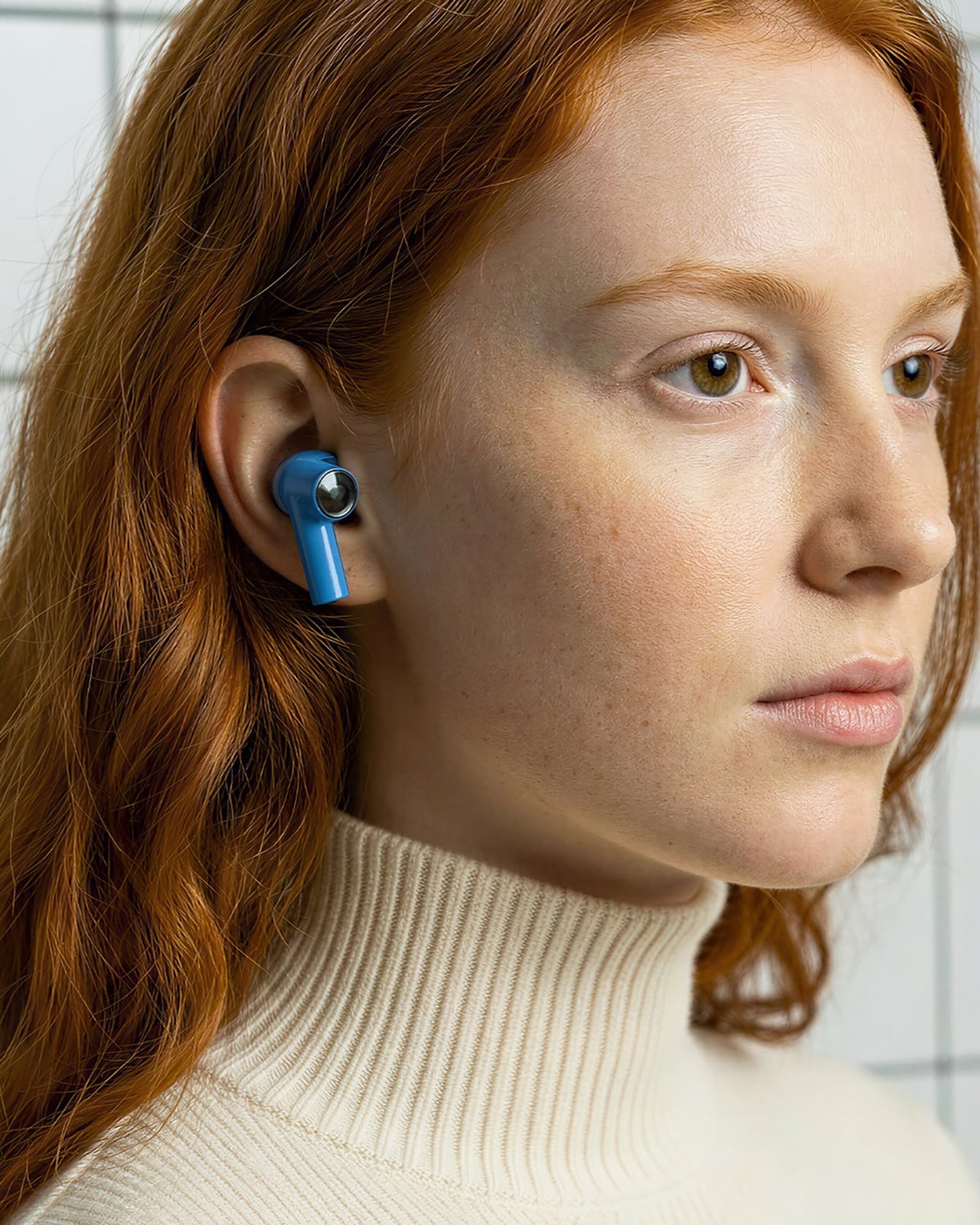
The cynical part of me wonders about the field of view. Ear level is better than chest level, but your ears do not track your gaze. If you are looking down at your phone while walking, those cameras are still pointed forward at the horizon. You would need either a very wide angle lens, which introduces distortion and eats processing power for correction, or you would need to train yourself to move your whole head like you are wearing a VR headset. Neither is ideal, but both are solvable with enough iteration. What you get in return is an AI that can actually participate in your environment instead of waiting for you to pull out your phone and aim it at something. That shift from reactive to ambient is the entire value proposition, and it only works if the cameras are always positioned and always ready.