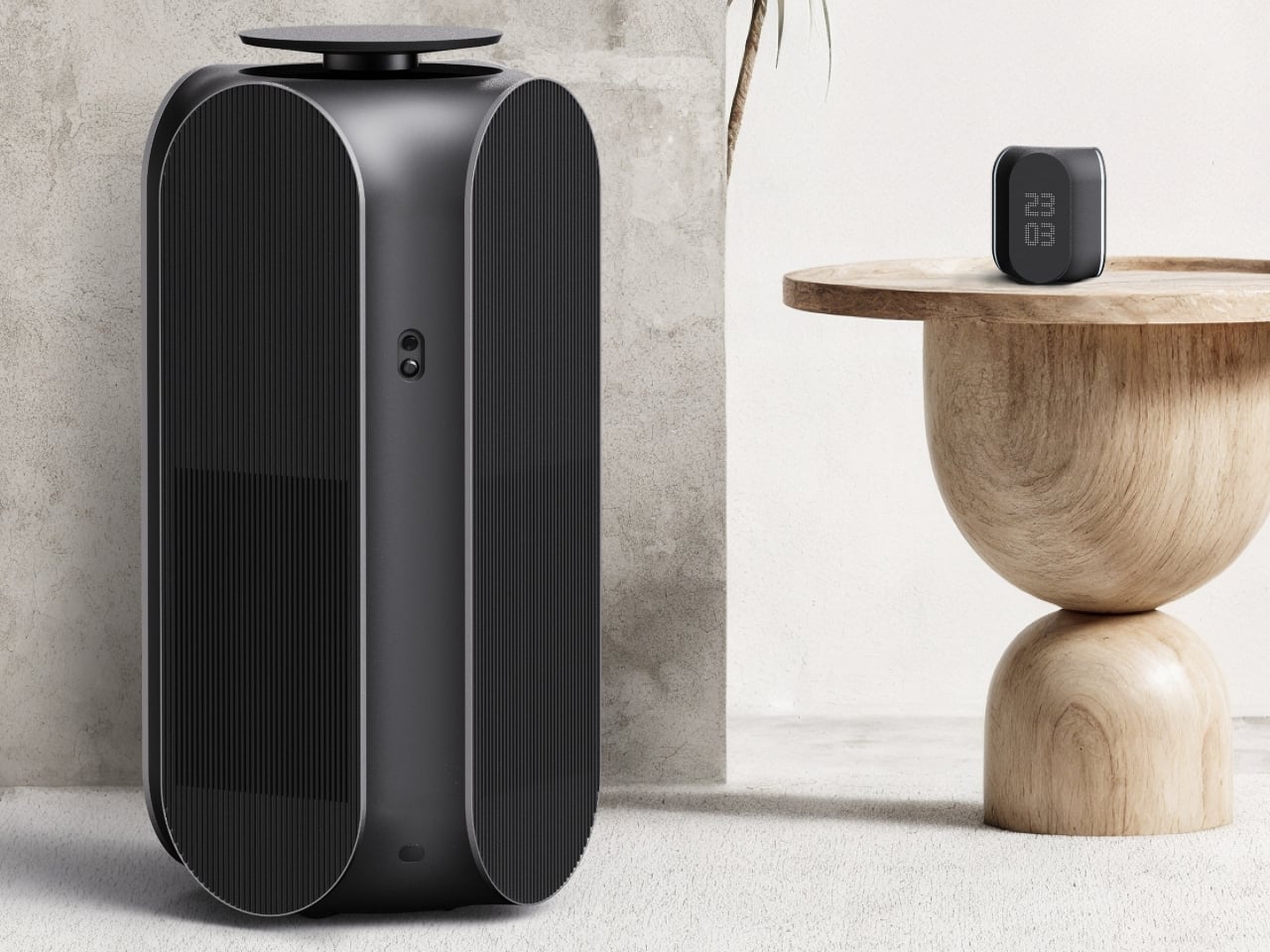
If you’ve ever felt frustrated by your air purifier sitting uselessly in the corner while your bedroom air gets stale, you’re not alone. Traditional air purifiers have a fundamental flaw: they camp out in one spot and hope for the best. But what if your air purifier could actually move to where the problem is? That’s exactly what MITO does, and it’s kind of brilliant.
Created by designers Yukang Seo, Kyuil Baek, Hakyoun Kim, and Semi Oh, MITO reimagines air purification as a living ecosystem rather than a static appliance. The name itself comes from mitochondria, those tiny powerhouses inside our cells that keep everything running. Just like its biological namesake, MITO acts as the energetic core of your home’s air quality, sensing changes and responding in real time.
Designers: Yukang Seo, Kyuil Baek, Hakyoun Kim, Semi Oh
Create your own Aesthetic Render: Download KeyShot Studio Right Now!
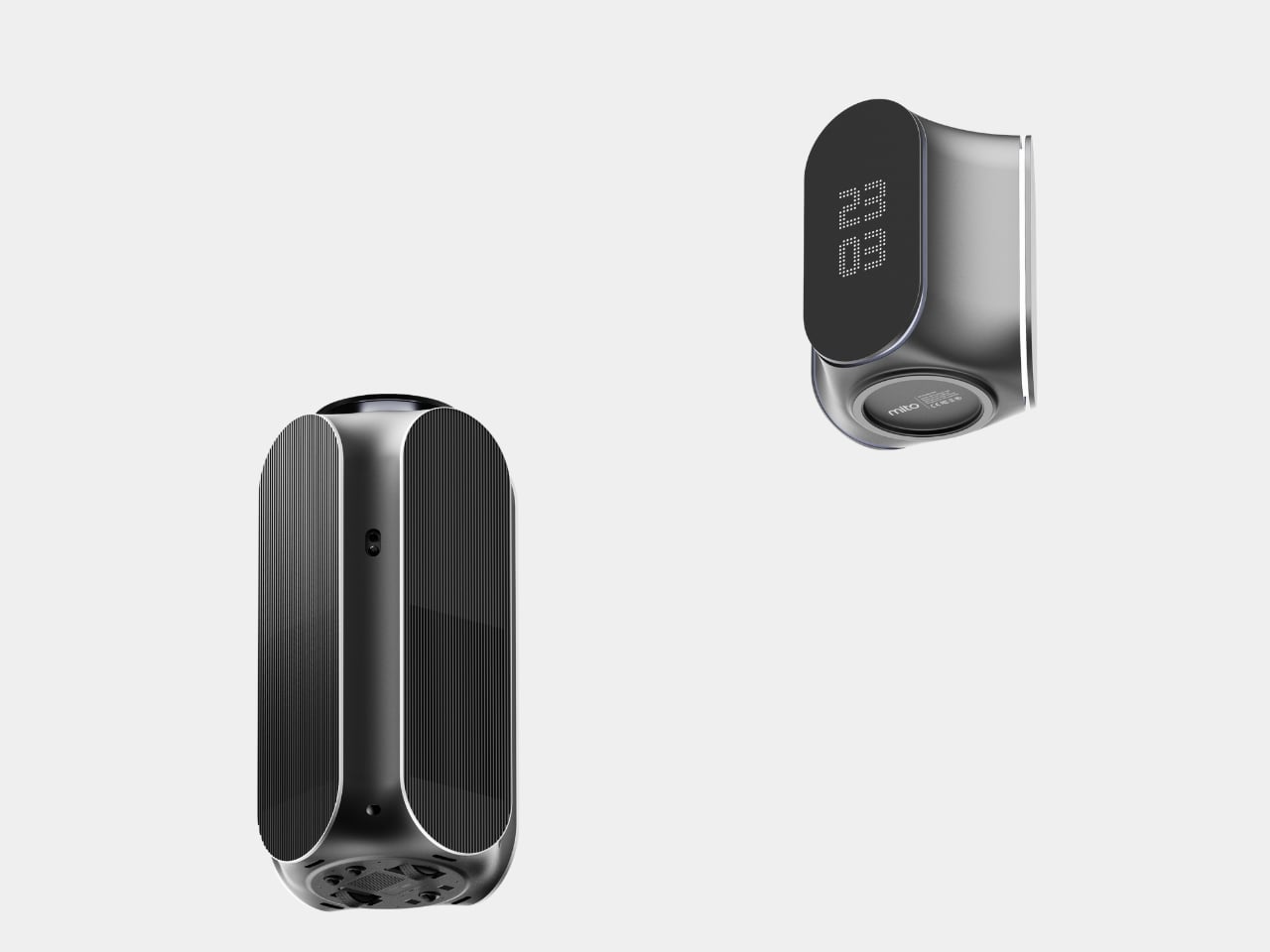
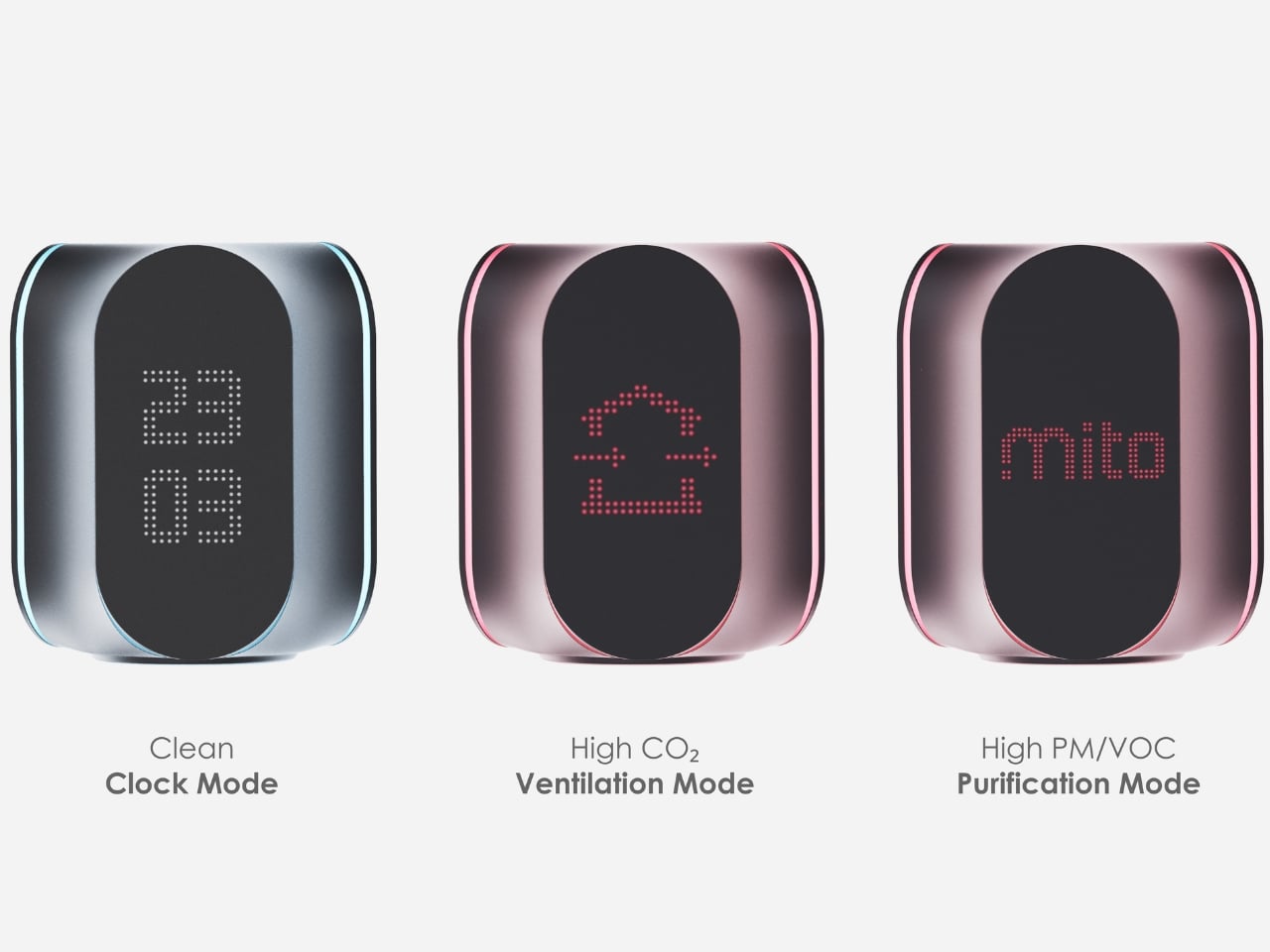
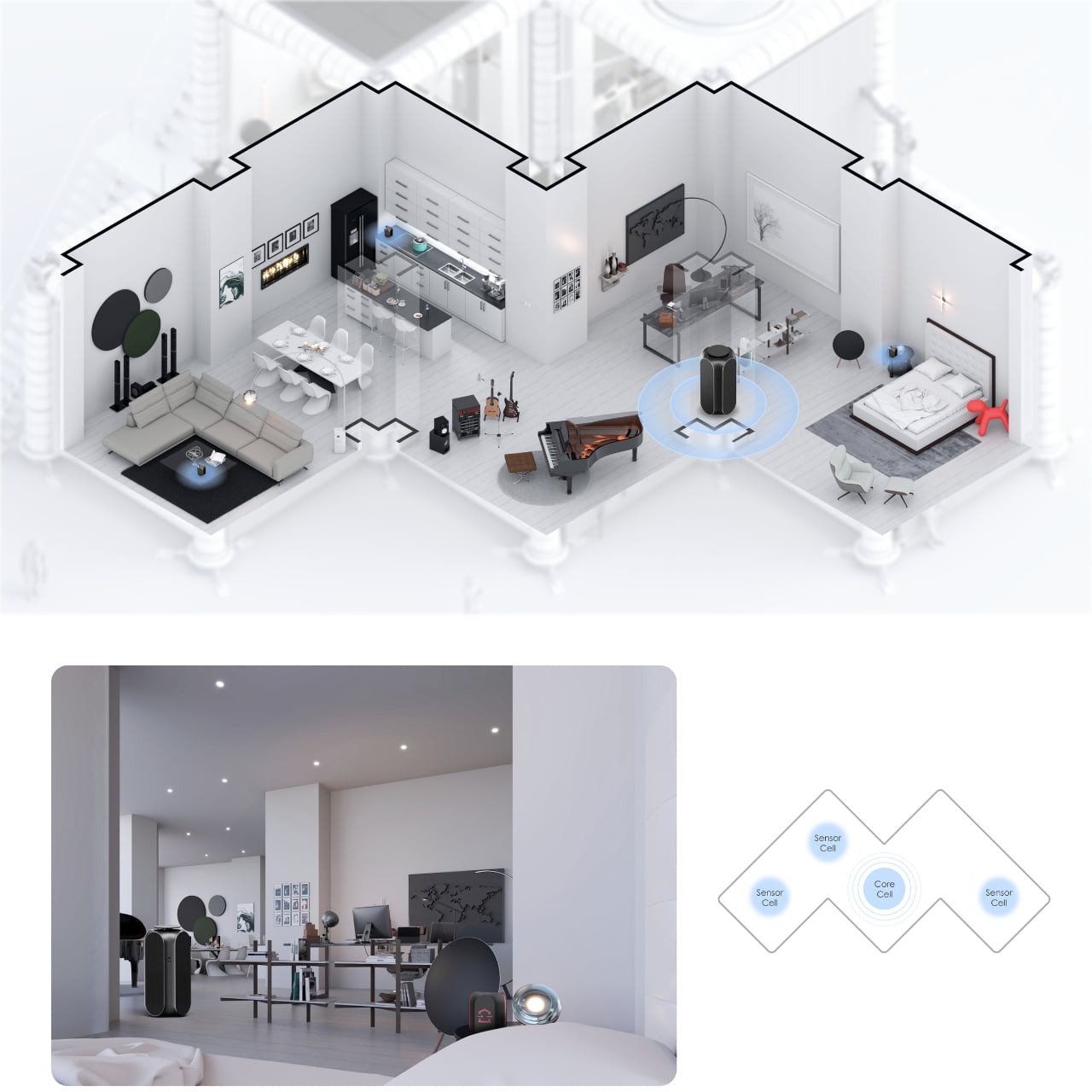
Here’s how it works: MITO consists of two components that communicate with each other. The Sensor Cells are compact air quality monitors you place in different rooms throughout your home. They’re constantly measuring CO₂, particulate matter, and volatile organic compounds. When the air quality drops below your set threshold, these little devices light up with red LEDs and display clear graphics telling you exactly what needs to happen. High CO₂? Time to open a window. Too much dust or VOCs? The purifier is on its way.
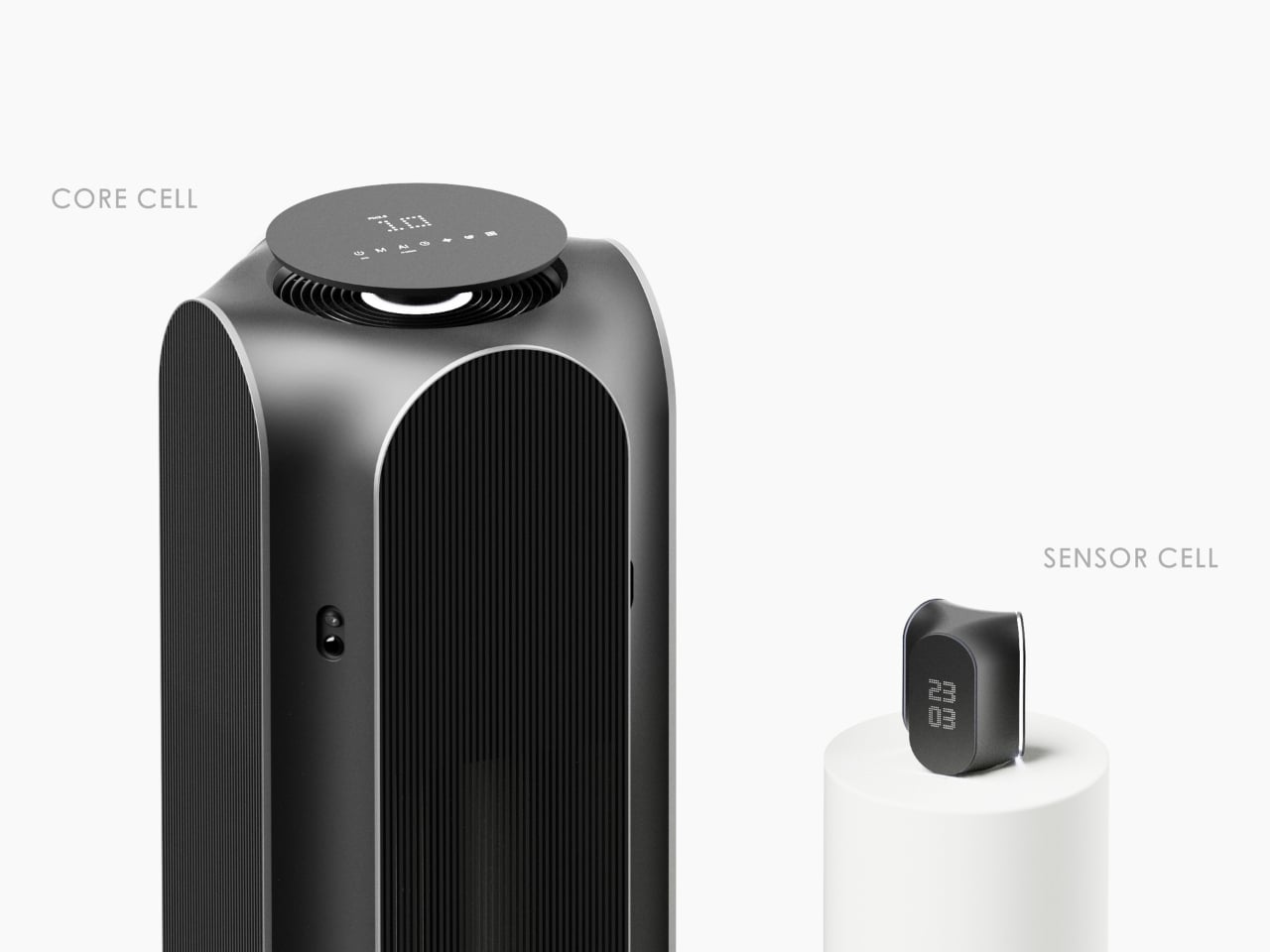
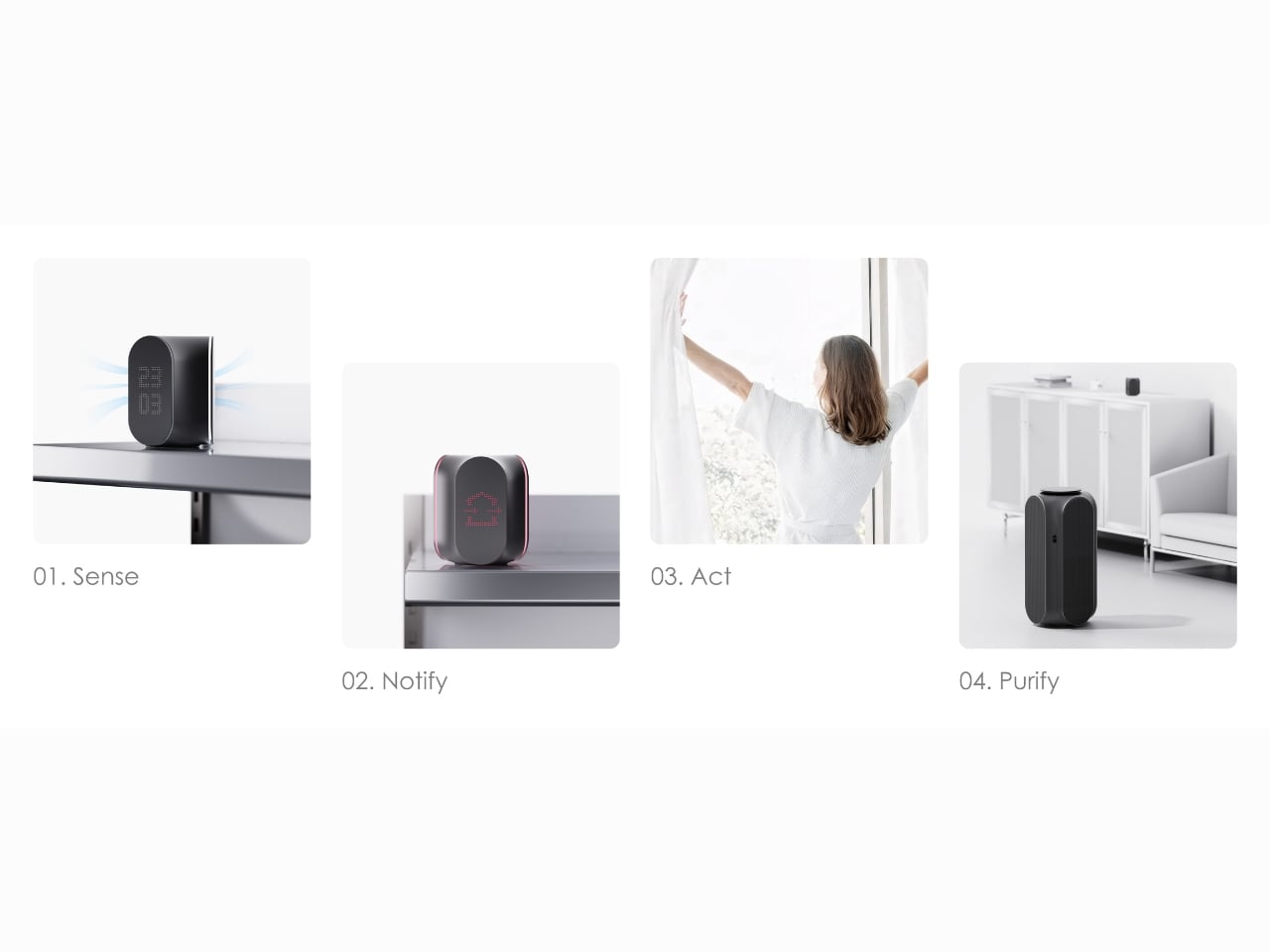
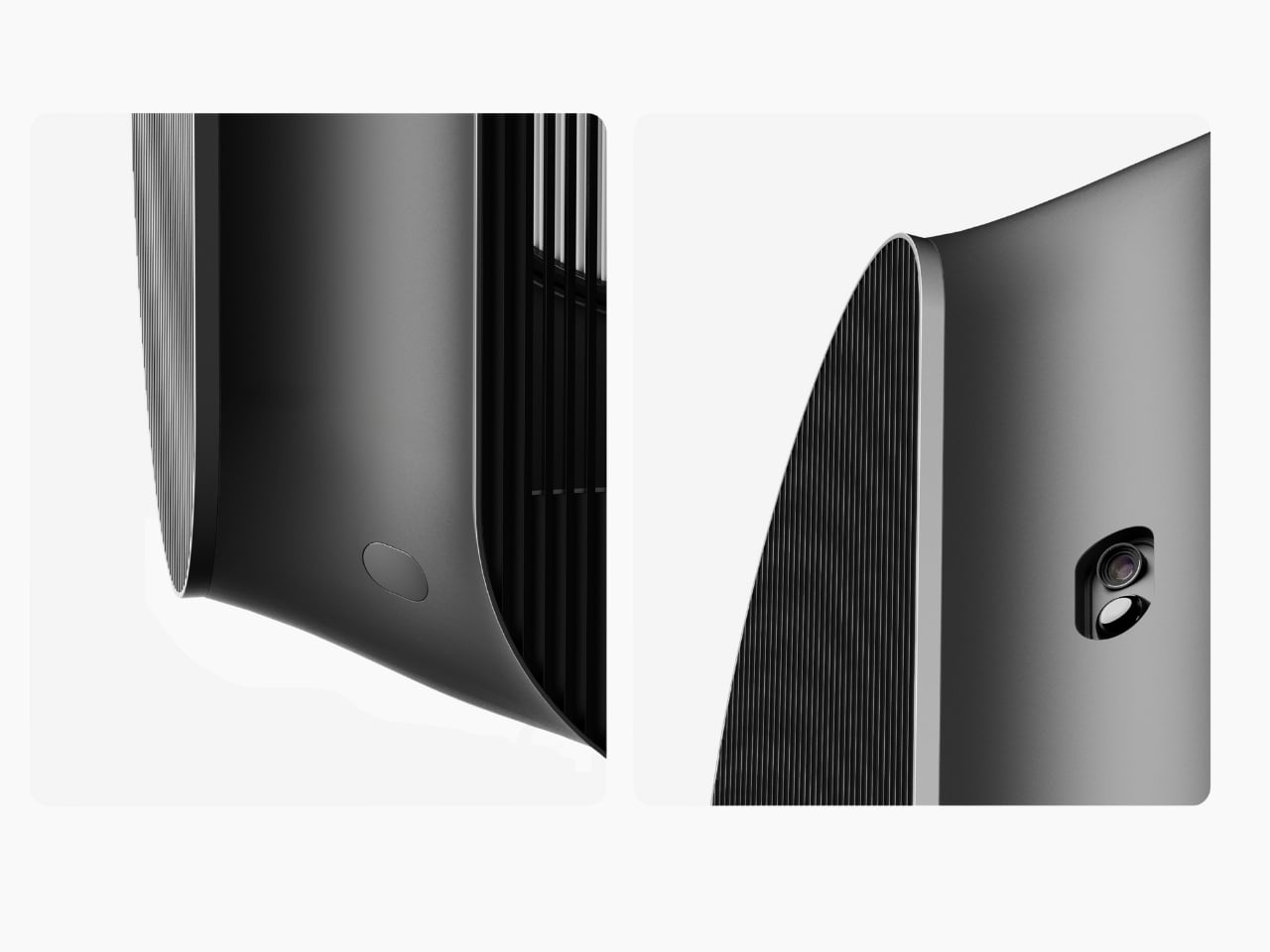
That purifier is the Core Cell, an AI-powered autonomous unit that literally drives itself around your home. Using LiDAR mapping, cliff sensors, and object recognition cameras, it navigates between rooms like a very sophisticated Roomba, except instead of cleaning your floors, it’s cleaning your air. When a Sensor Cell detects pollution in the bedroom, the Core Cell charts a course and heads there to handle intensive purification.
What makes MITO genuinely innovative is that it doesn’t pretend full automation is the answer. The designers recognized something most smart home products ignore: sometimes you actually need to open a window. No amount of fancy filtration can replace fresh air when CO₂ levels climb too high. So instead of promising to do everything for you, MITO creates what the designers call a “hybrid air ecosystem.” It tells you when manual ventilation is necessary, then steps in to purify once you’ve done your part.
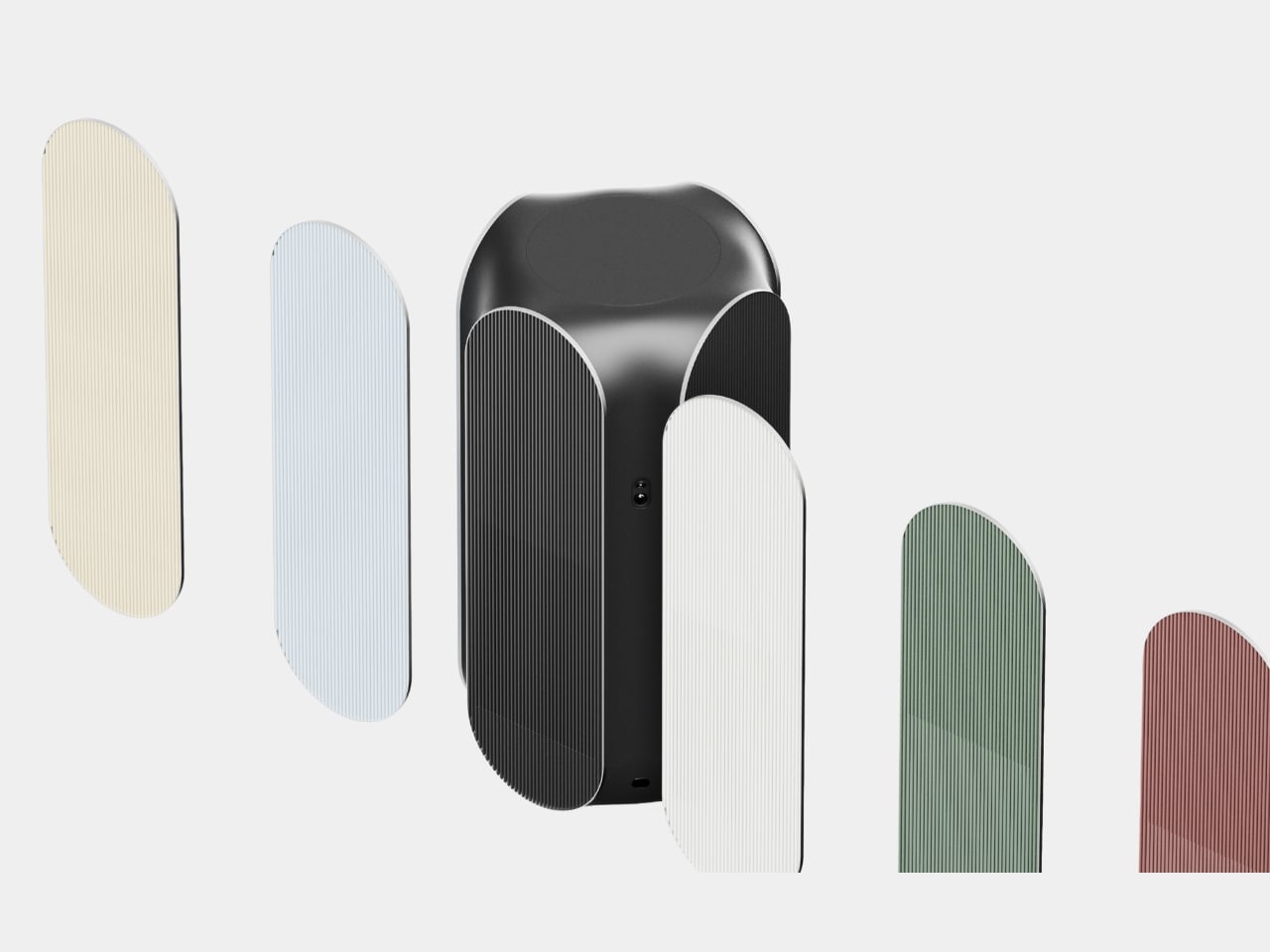
The design philosophy draws inspiration from 1960s Japanese Metabolist architecture, which viewed cities as living organisms that grow and transform with their environment. It’s a fitting reference for a product that literally adapts to your living space. The Core Cell even has magnetically attached housing panels you can swap out, letting it visually adapt to different rooms like an organism changing its outer layer.
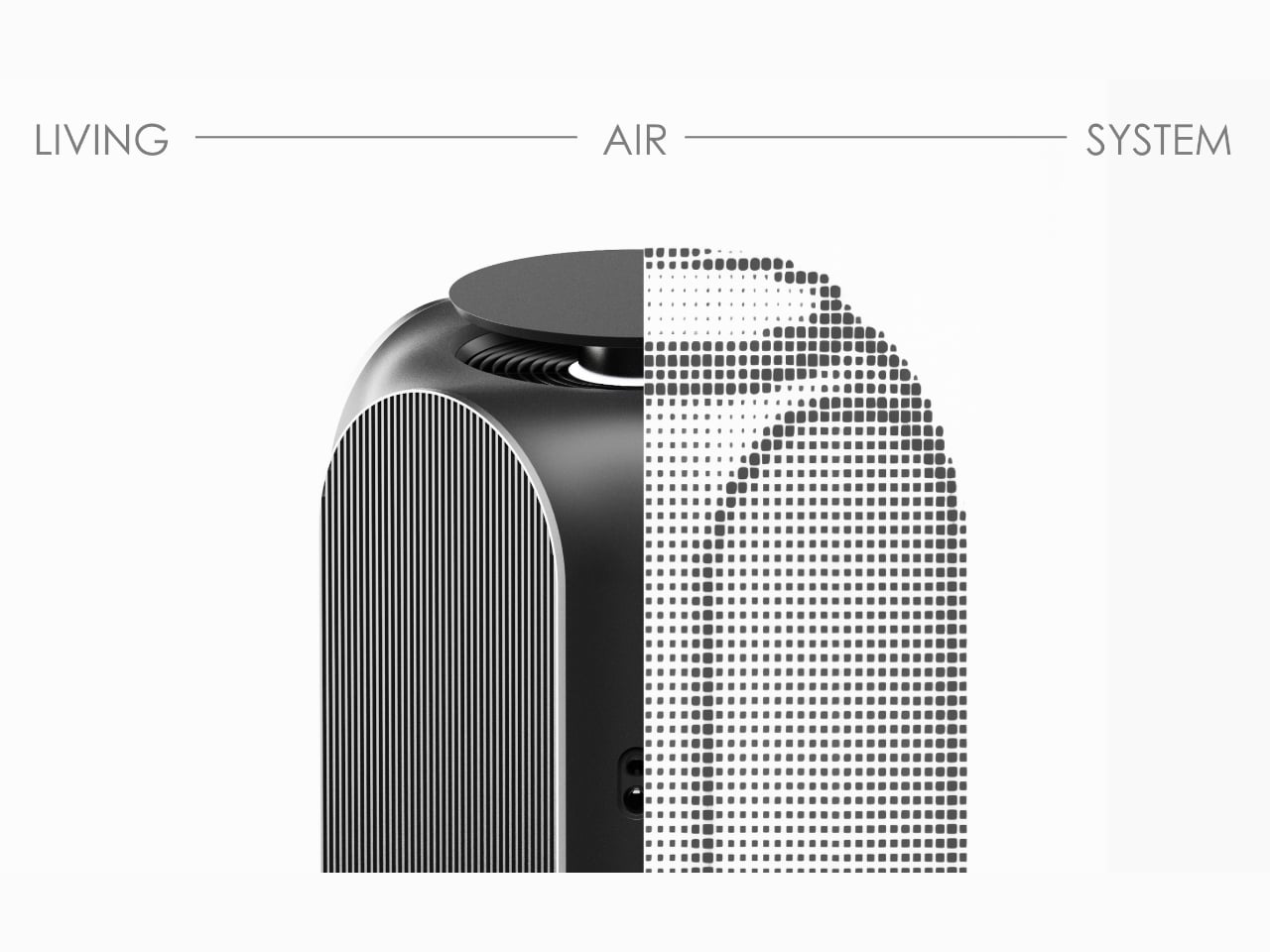
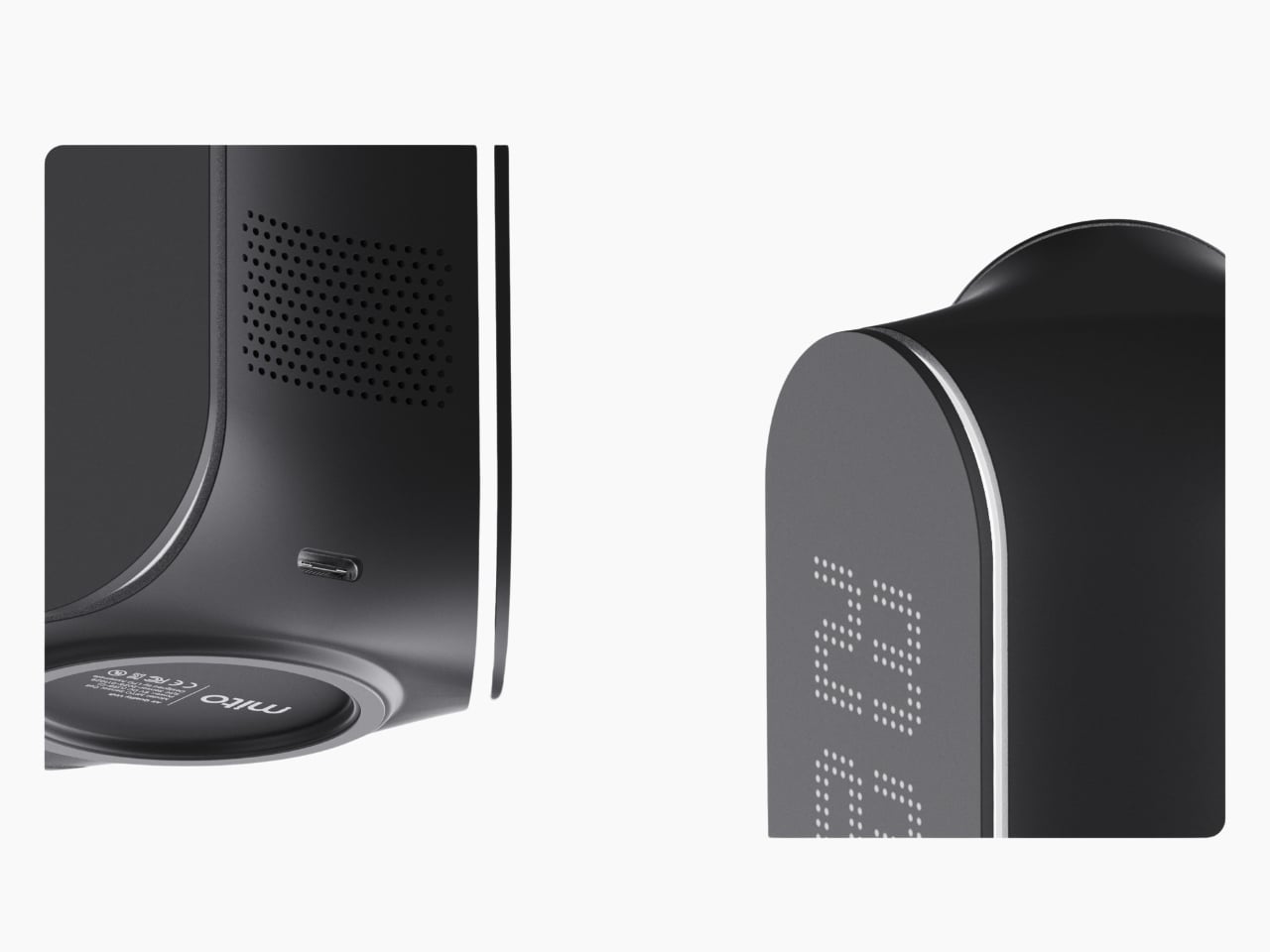
Aesthetically, MITO looks nothing like the clunky white boxes or fake wood grain towers cluttering most homes. The Core Cell has a sleek, organic form with ribbed side panels where air flows in and a circular top vent where purified air flows out. The Sensor Cells are compact, rounded rectangles with LED-lit displays that show everything from the time to cute house icons when ventilation is needed. When air quality is good, they quietly display a clock face and blend into your space like minimalist decor.
The system learns as it operates, building an understanding of your home’s airflow patterns and pollution habits. Maybe your kitchen always needs attention after dinner, or perhaps your home office gets stuffy by mid-afternoon. MITO picks up on these patterns and optimizes its route accordingly. It’s this combination of learning, reacting, and growing together with your habits that the designers built into the brand’s core values.
In multi-room scenarios, MITO really shows its intelligence. With three rooms on one floor, it uses data from multiple Sensor Cells to prioritize which space needs attention most urgently. While one room ventilates naturally through an open window, MITO might be intensively purifying another room’s air, all while the third Sensor Cell continues monitoring and waiting its turn.
It’s refreshing to see a product that doesn’t oversell the magic of automation. MITO acknowledges that smart homes still need smart humans. By clearly communicating what it can and can’t do, and by working in partnership with simple human actions like opening windows, MITO offers something that feels more realistic and ultimately more useful than products promising to handle everything invisibly. Sometimes the best technology isn’t the kind that does everything for you, but the kind that works with you, breathing and adapting like a living thing in your home.