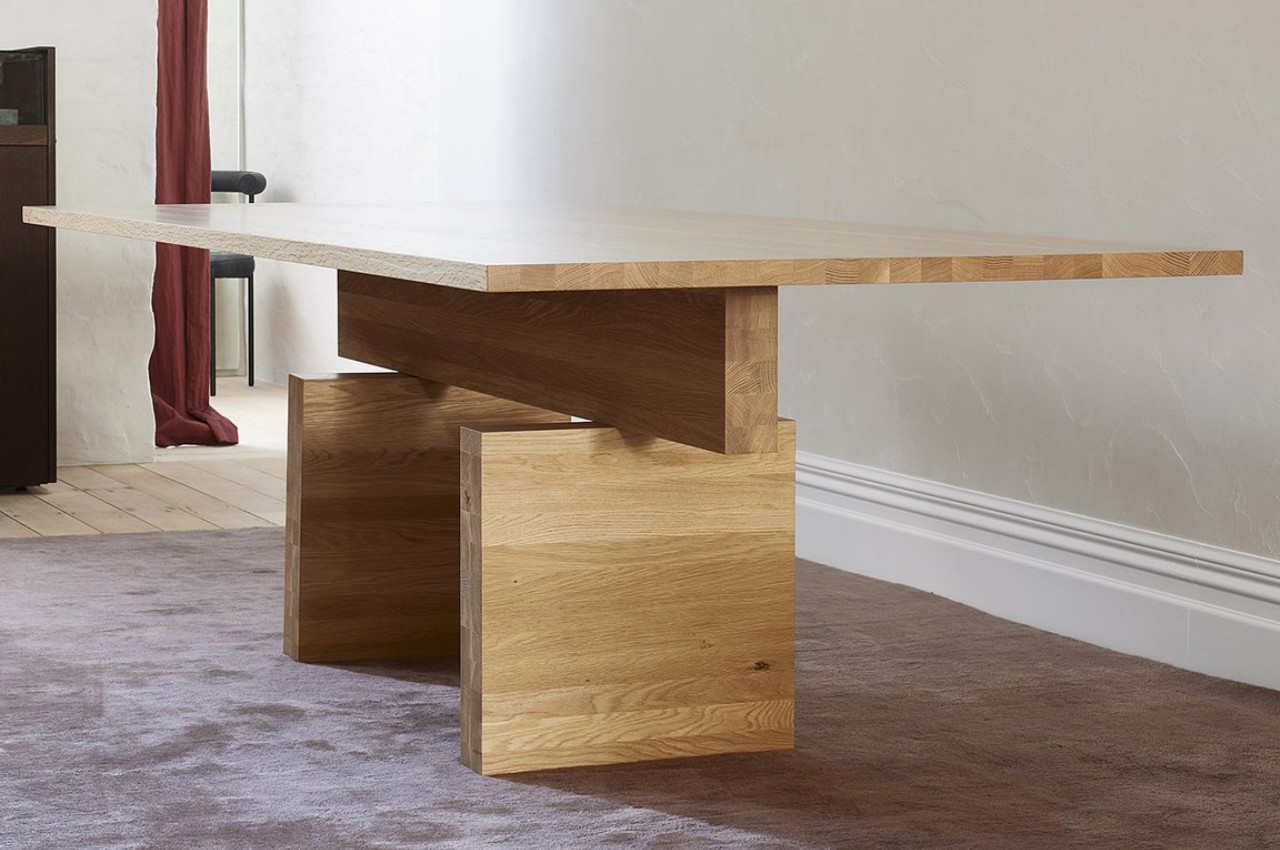

Dining tables are, of course, a place where we take meals, but some households also use the piece of furniture for work and sometimes even for play. Whatever the case may be, these tables are made to be able to bear the weight of many objects, and most designs try to convey that sense of stability and reliability. There are plenty of interesting table designs that fit this image, but there’s also plenty of room for ones that don’t. This minimalist dining table, for example, does the exact opposite and conveys an image of instability and risk, almost like a stack of wooden blocks that can topple over at any minute.
Designer: Jamie McLellan

The most basic form of a table is a flat plane standing on top of legs with the same height. There isn’t a hard prescription on how many legs there should be, but the most common number is four since it spreads out the weight equally and provides the best balance. Most of the time, there is also nothing in between that tabletop and the legs, and any intermediary element often distributes the weight evenly as well.
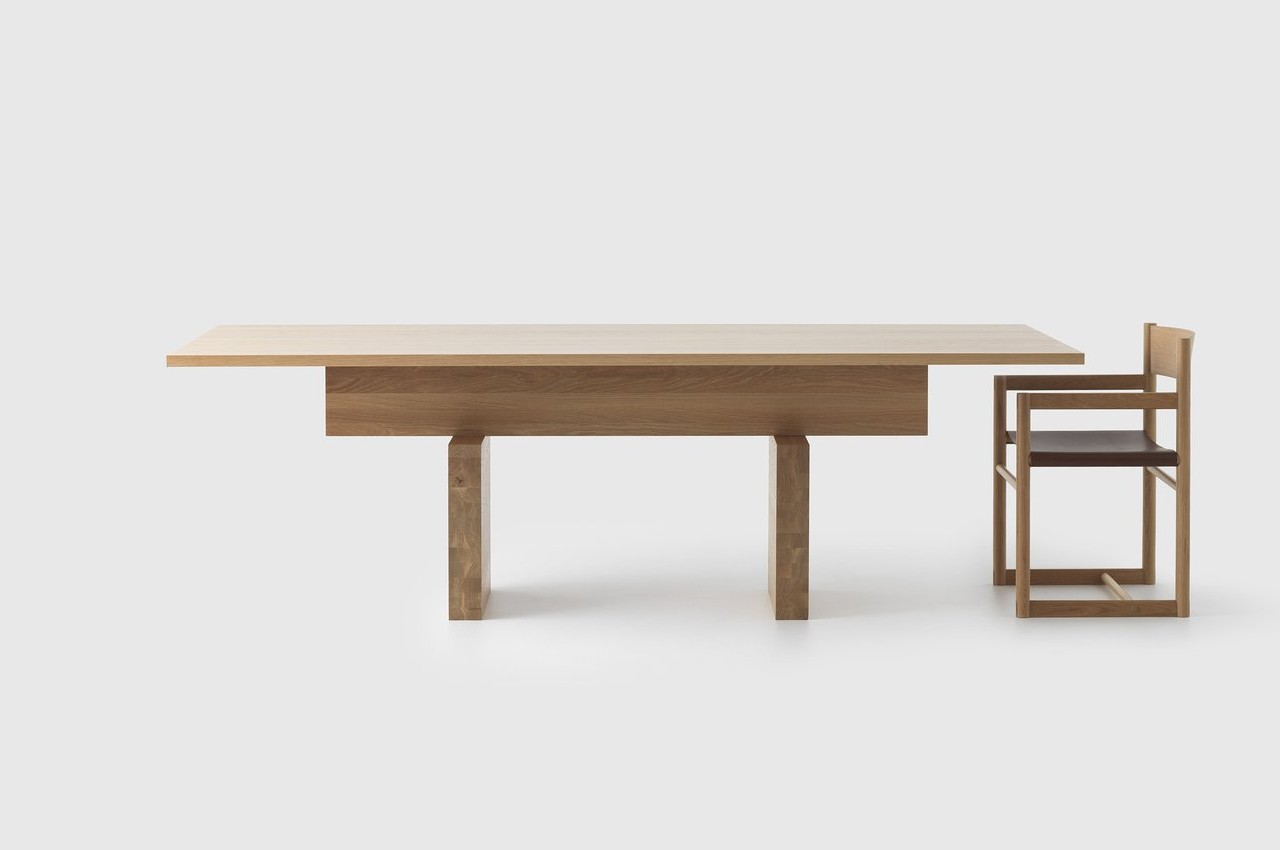
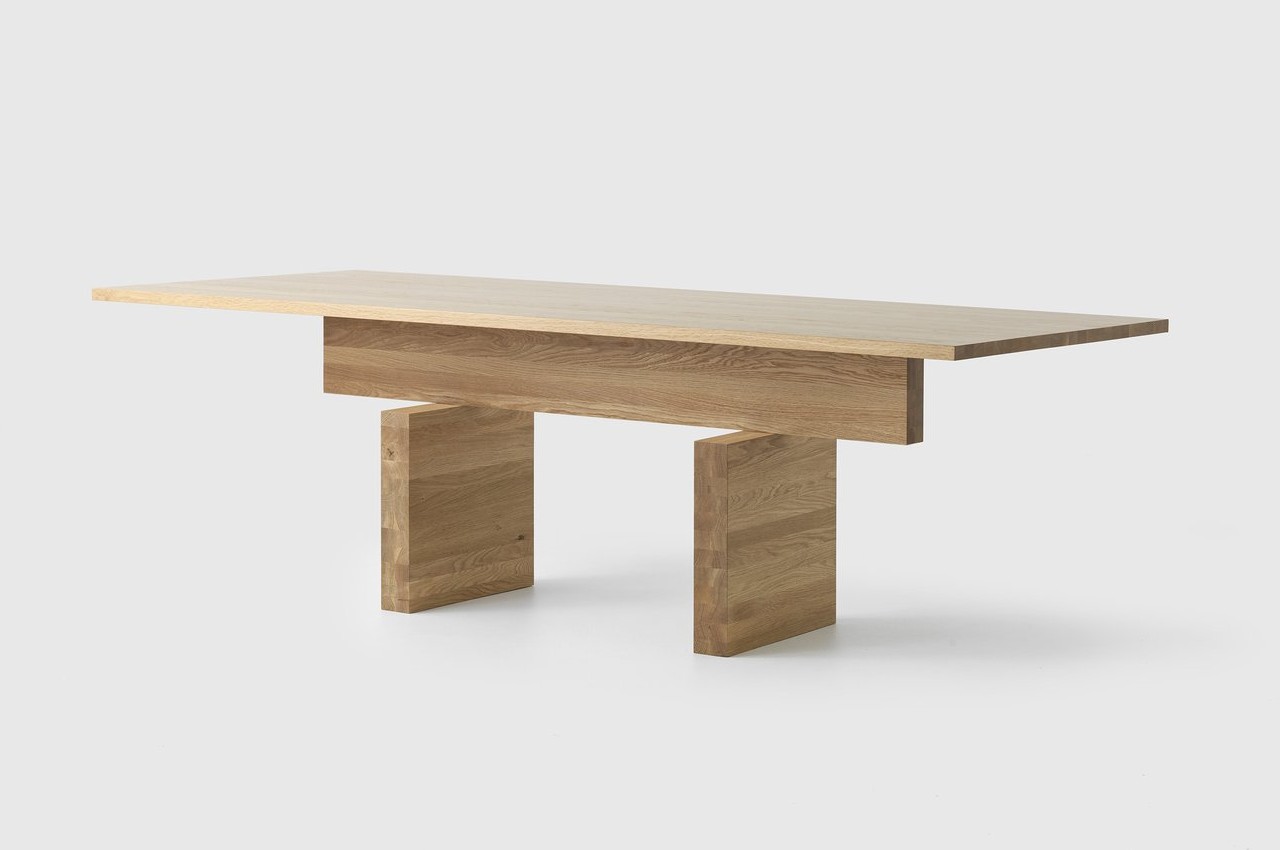
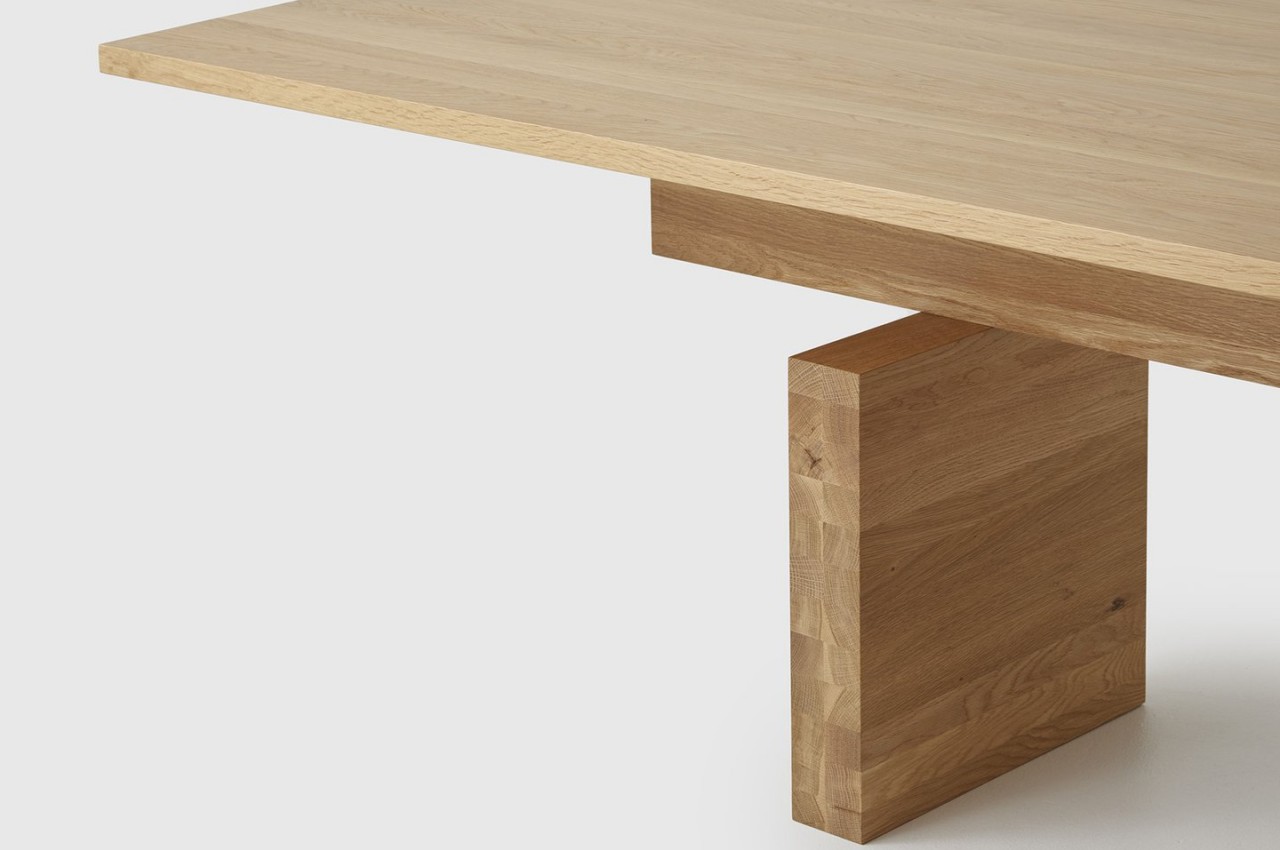
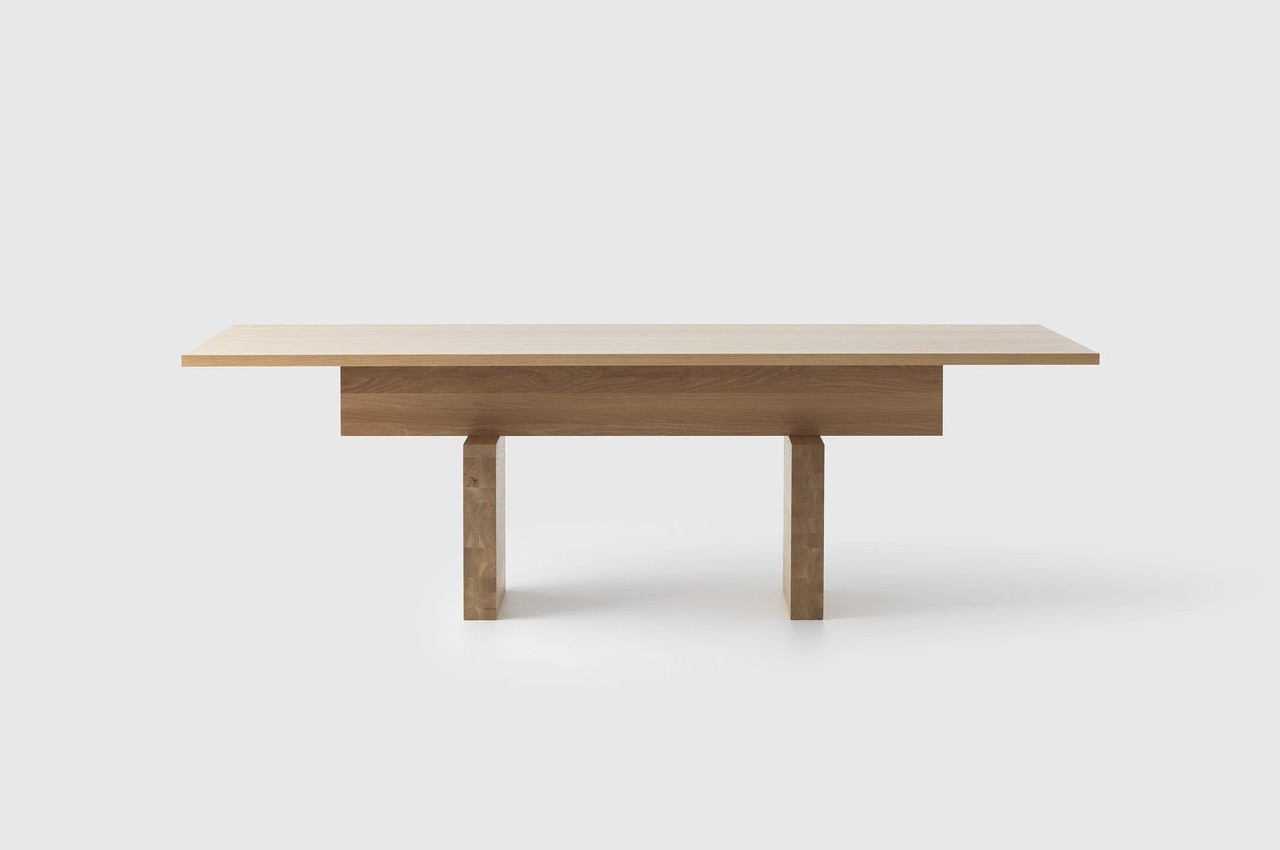
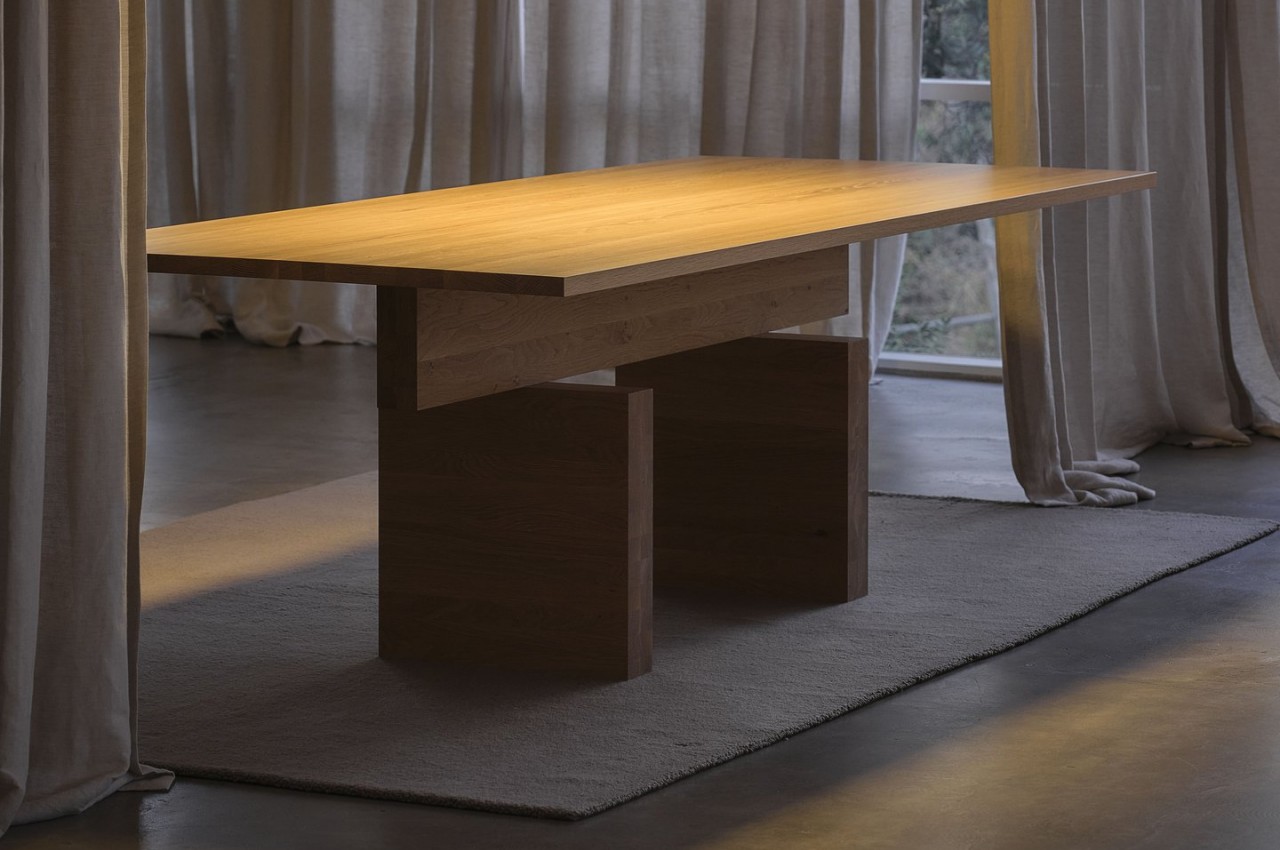
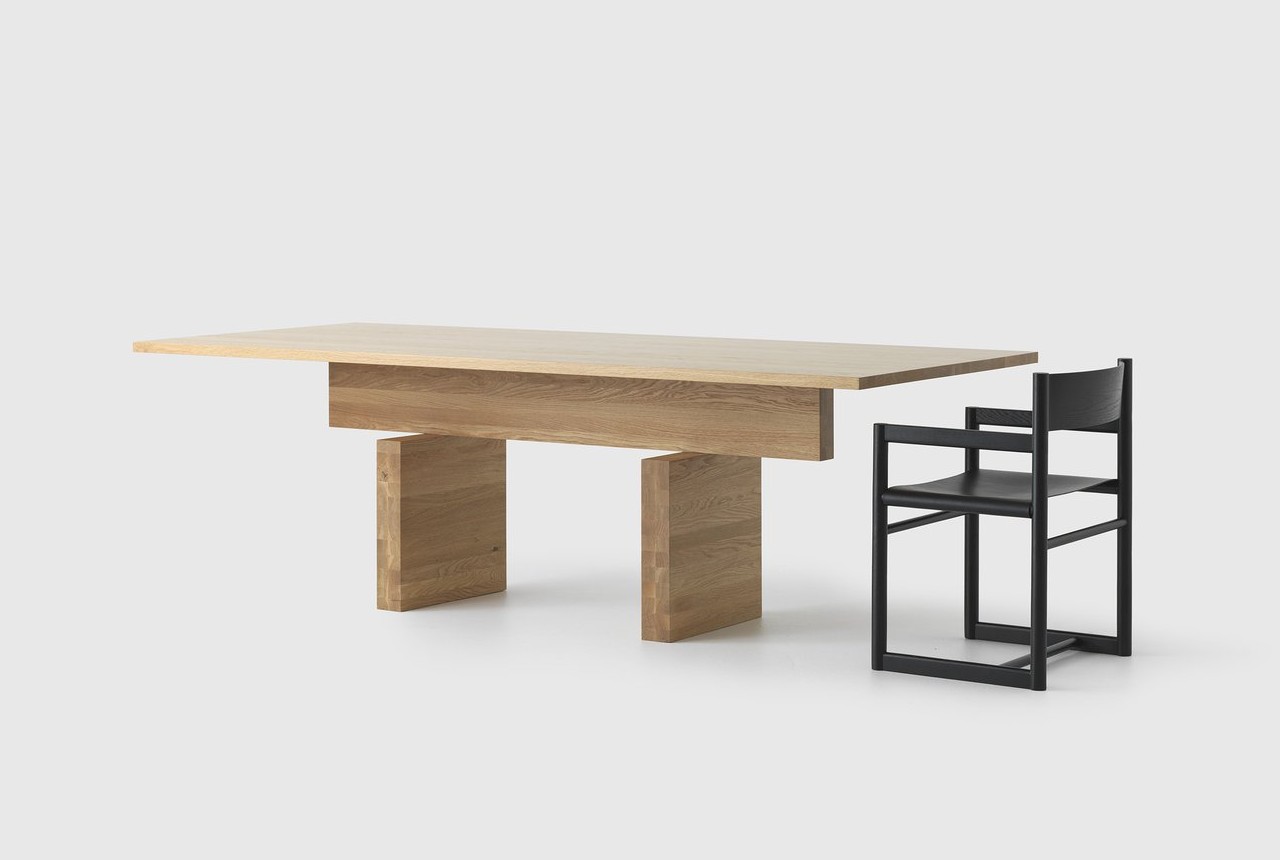
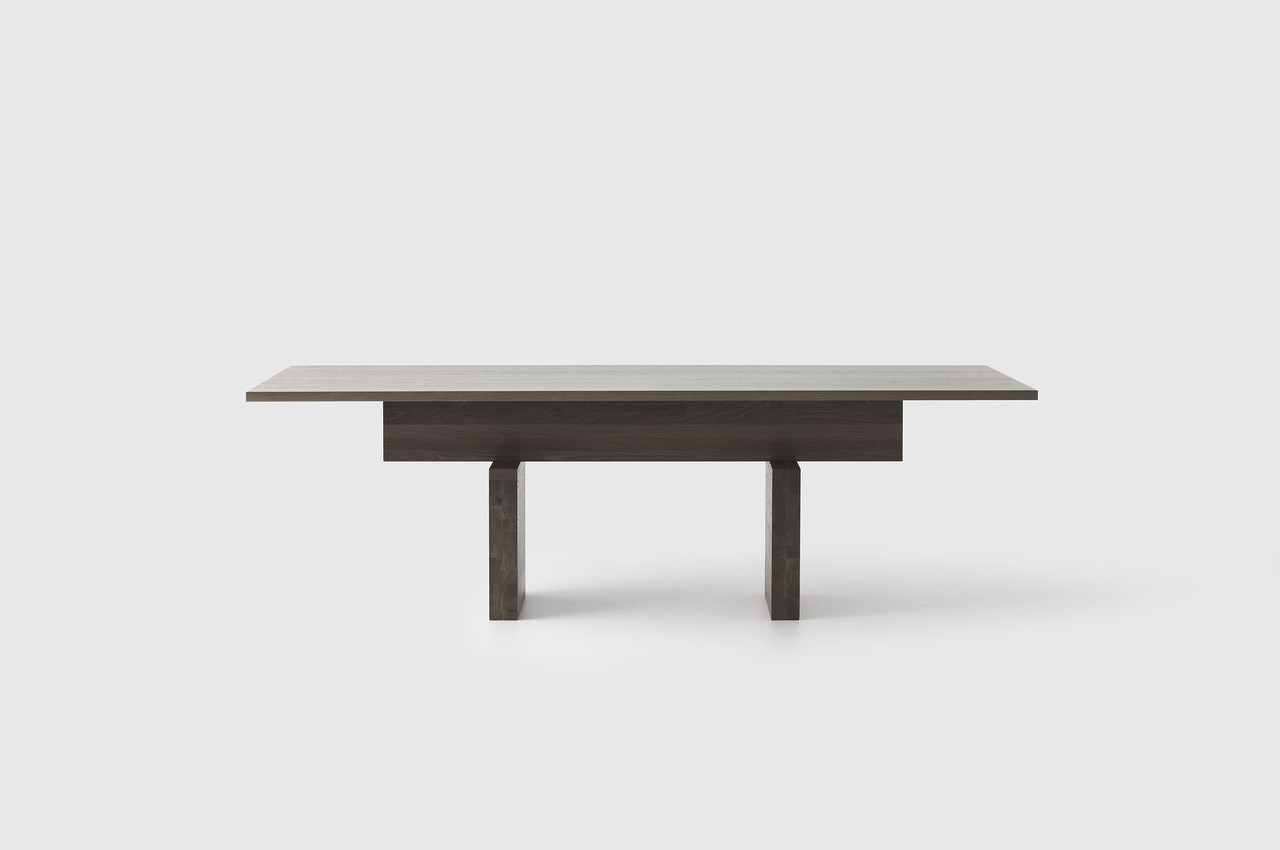
The Plane Dining Table almost throws conventions and common sense out the window. Rather than communicate stability, its design makes you feel it might fall over at the slightest push. Of course, it’s as stable as any dining table should be, but your brain can’t help thinking that way. It’s almost like an optical illusion, except one that’s expressed in solid three-dimensional form rather than just an image.
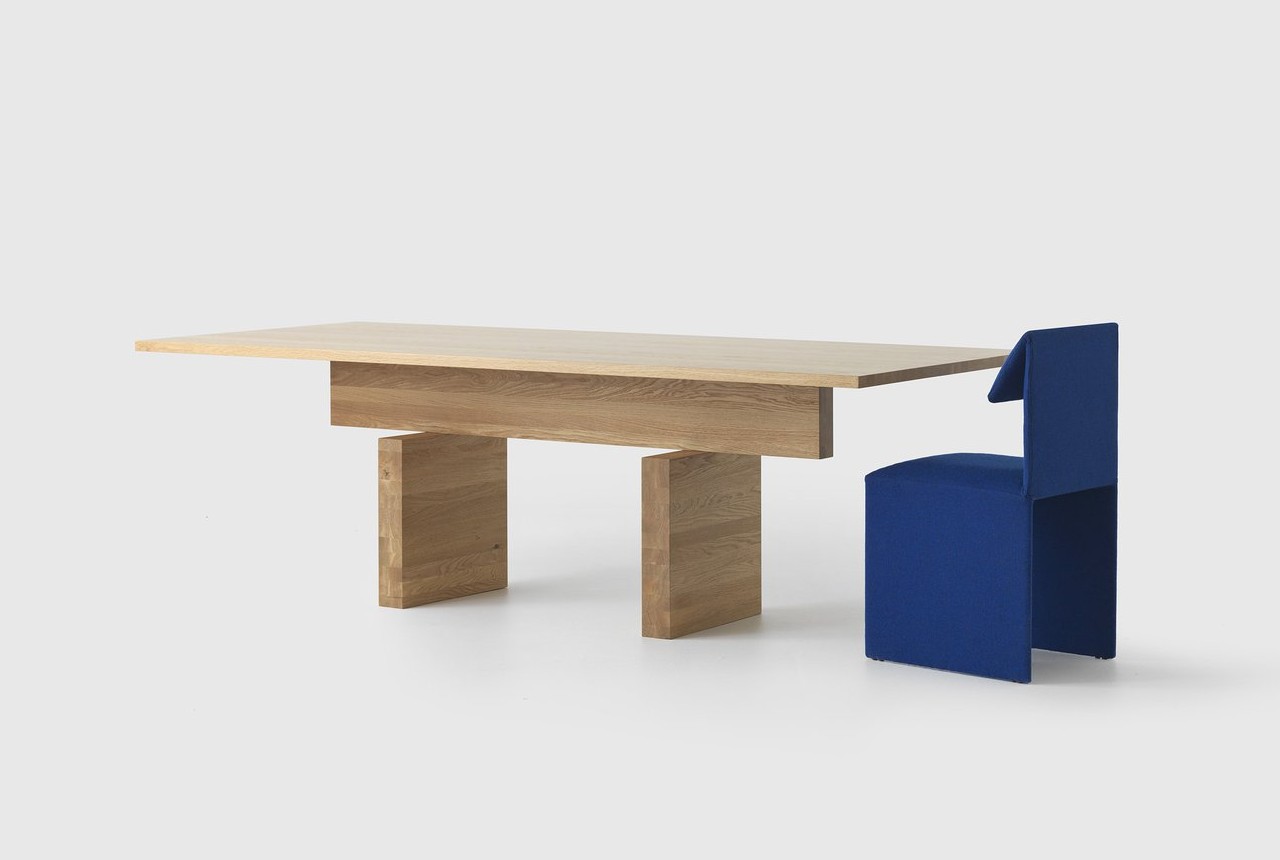
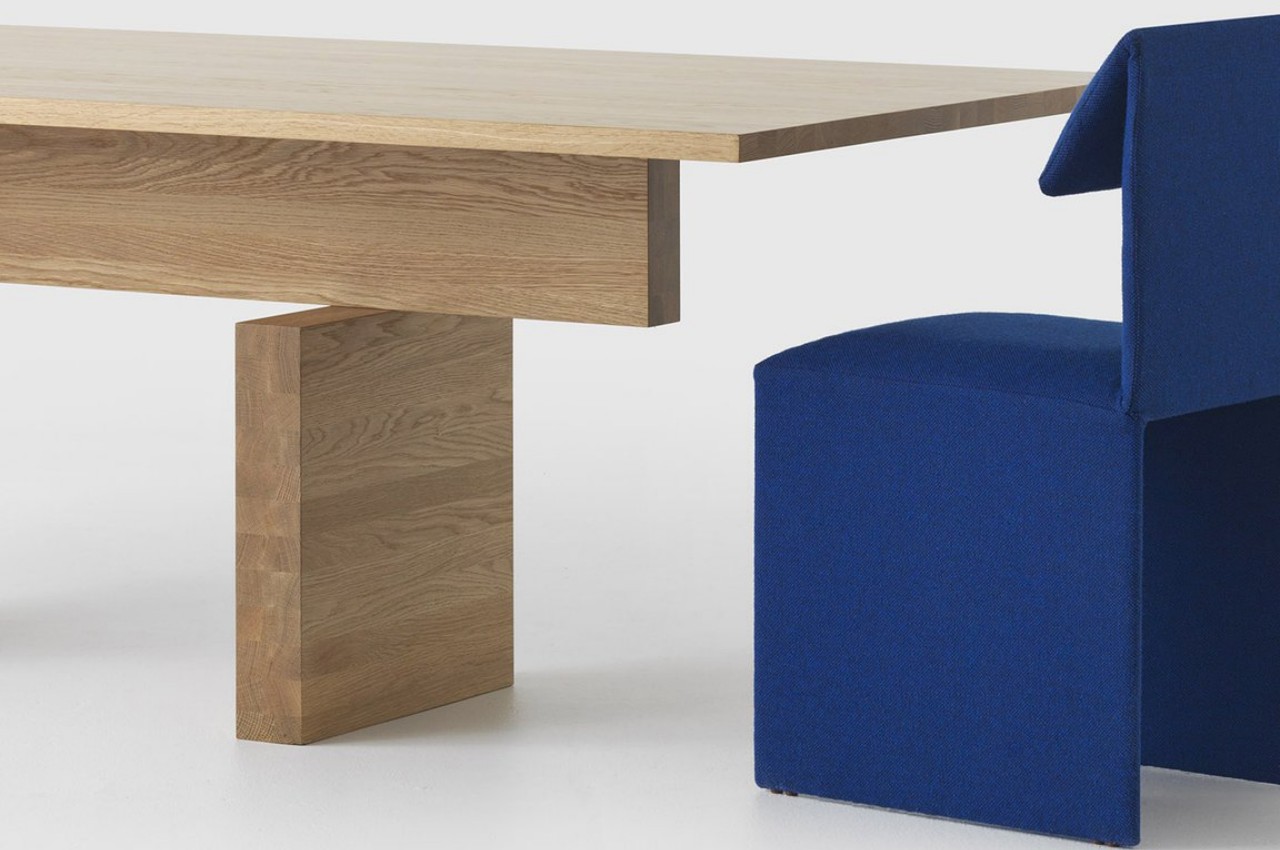
The table is pretty much made of four hefty slabs of wood that feel like they were haphazardly stacked on top of each other. It makes it feel like the table is always making a delicate balancing act or that it’s an engineering marvel right in the middle of your dining room. For some, it might even look like an altar or at least a work of sculptural art.
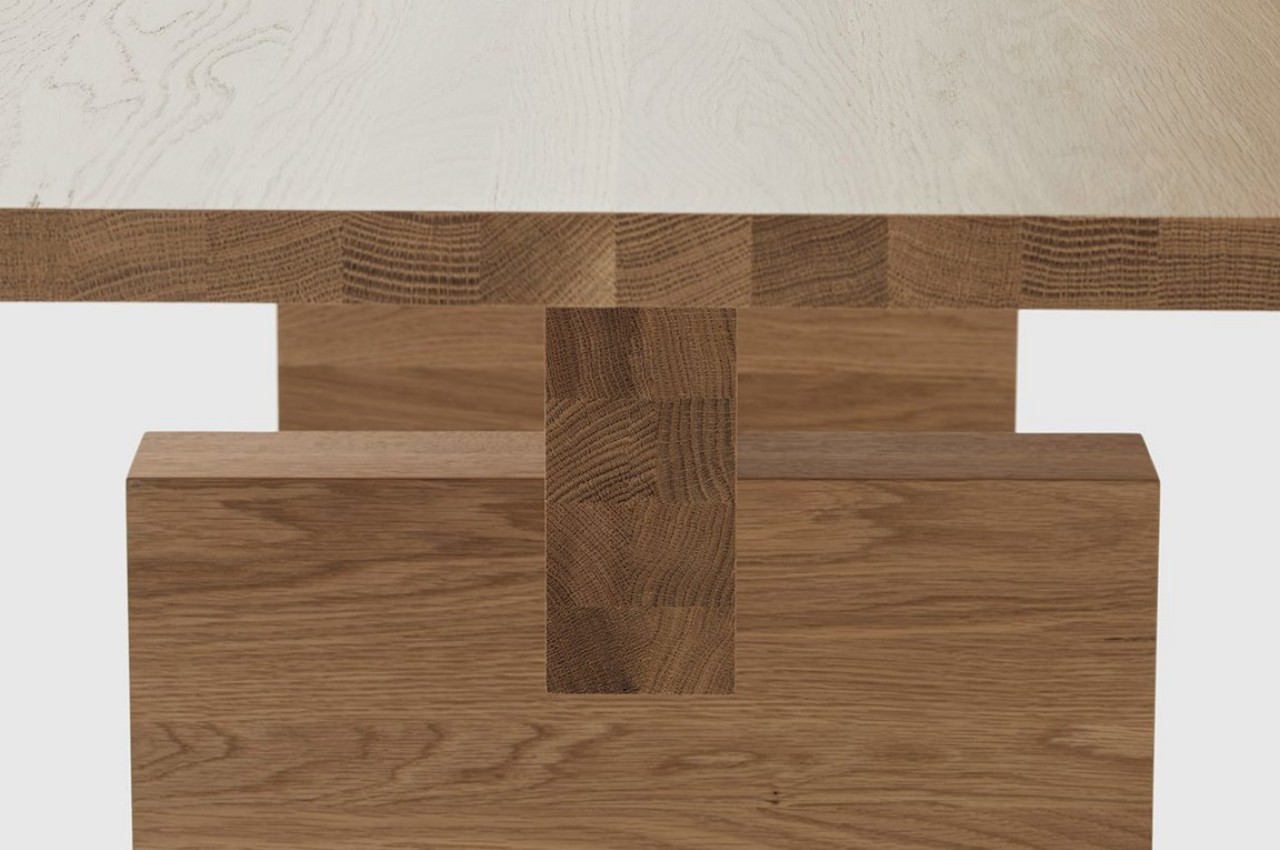
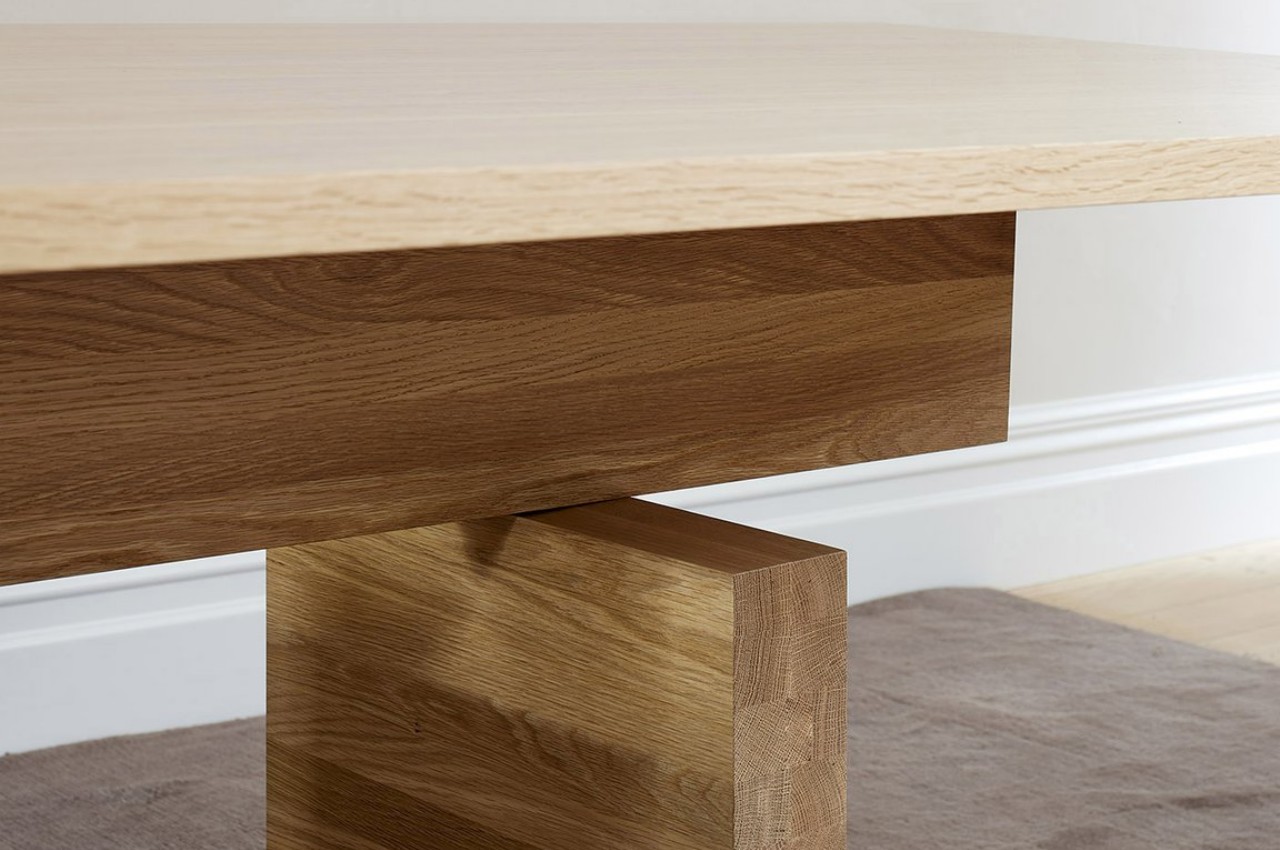
This simple design also comes with the benefit of simple packaging as well. The four parts can easily be flat-packed for more efficient storage and transportation. Metal connectors tie the parts together but are hidden from view, so there are practically no screws you might accidentally lose. It’s a simple design that makes a strong visual statement that could keep you at the edge of your seat, anxiously waiting if the table will suddenly come crashing down, along with your tableware or laptop.