 wim
wim
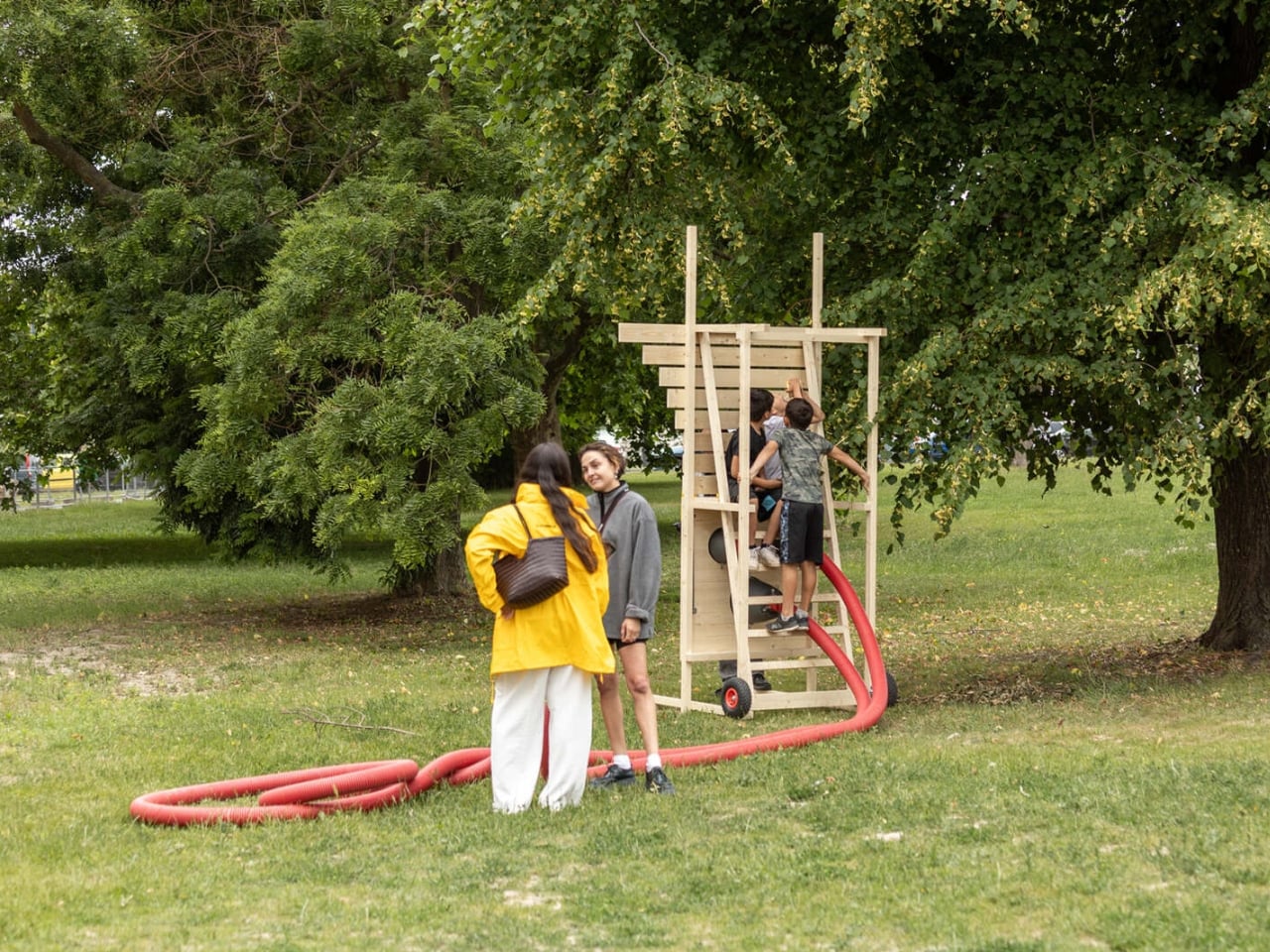
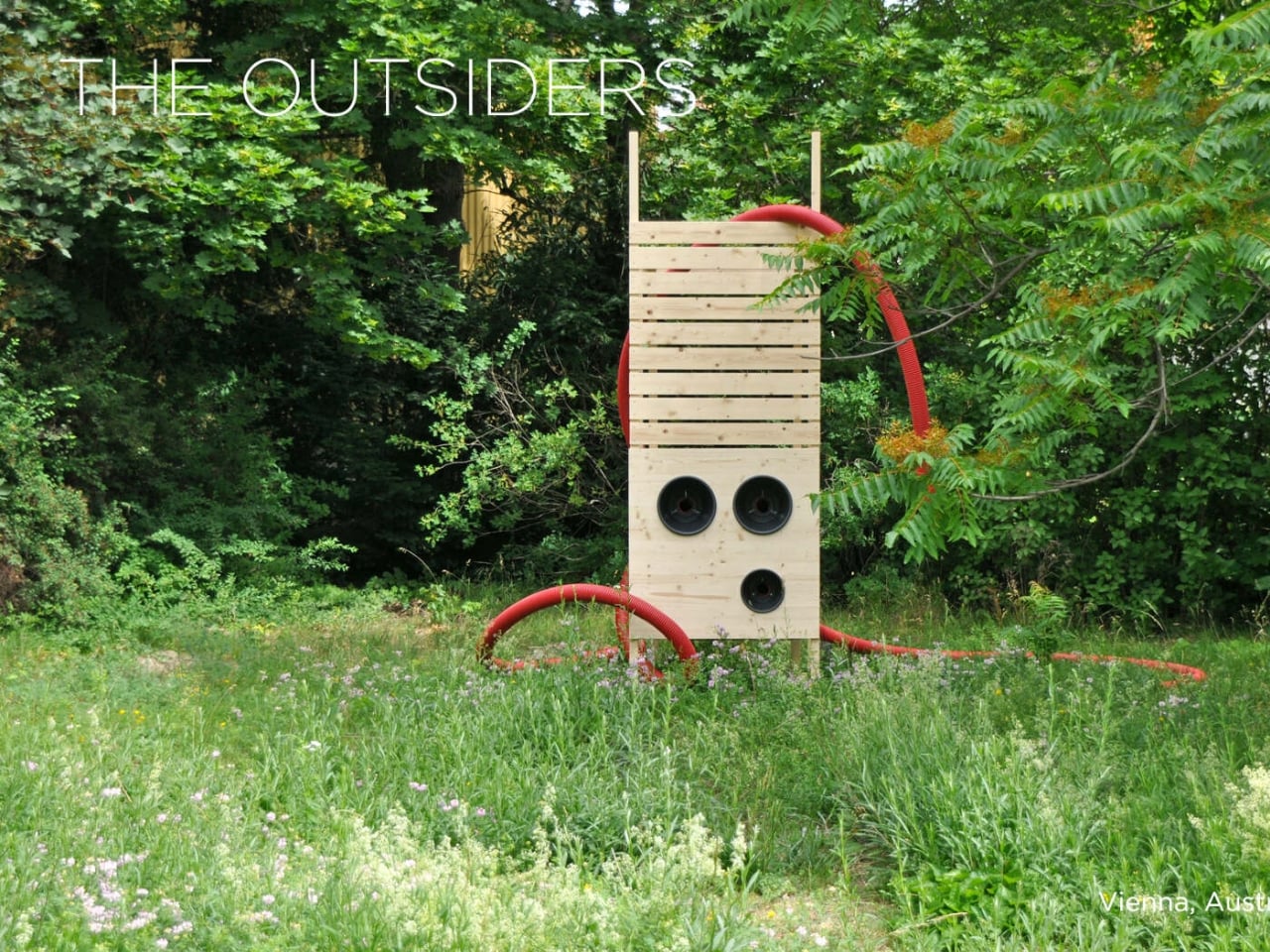
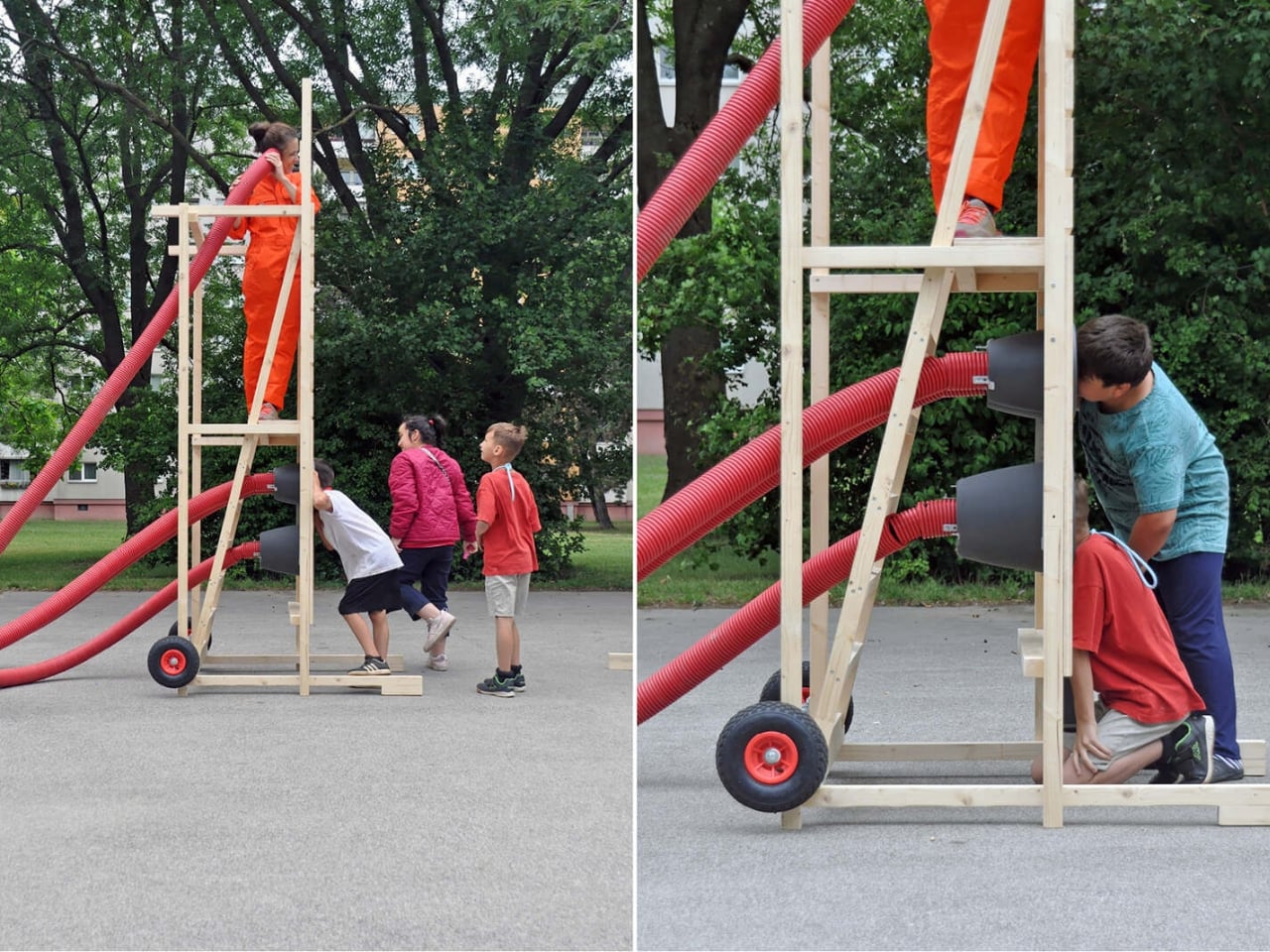
The first thing you notice is the red. A thick, corrugated red hose loops and curls its way through the Hirschstetten neighborhood of Vienna like something that escaped from a construction site and decided to stay. It pools on the ground. It arcs overhead. It feeds into wooden towers and snakes between them, connecting whoever happens to be on either end. That hose is the heart of The Outsiders, a set of mobile urban objects designed by collective Moradavaga for ROOMING INN’s neighborhood Living Lab, and it’s a smarter piece of design thinking than it initially looks.
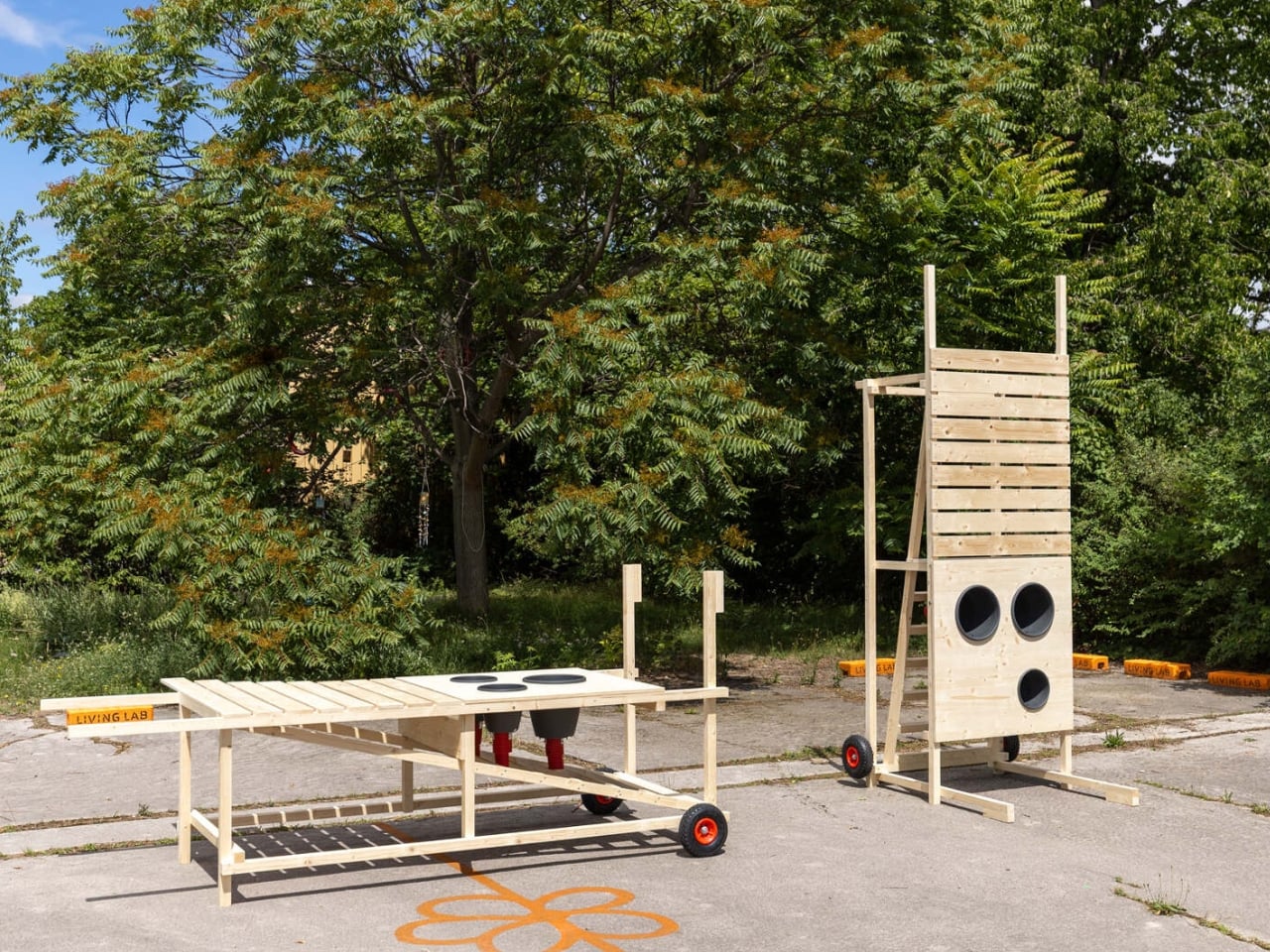
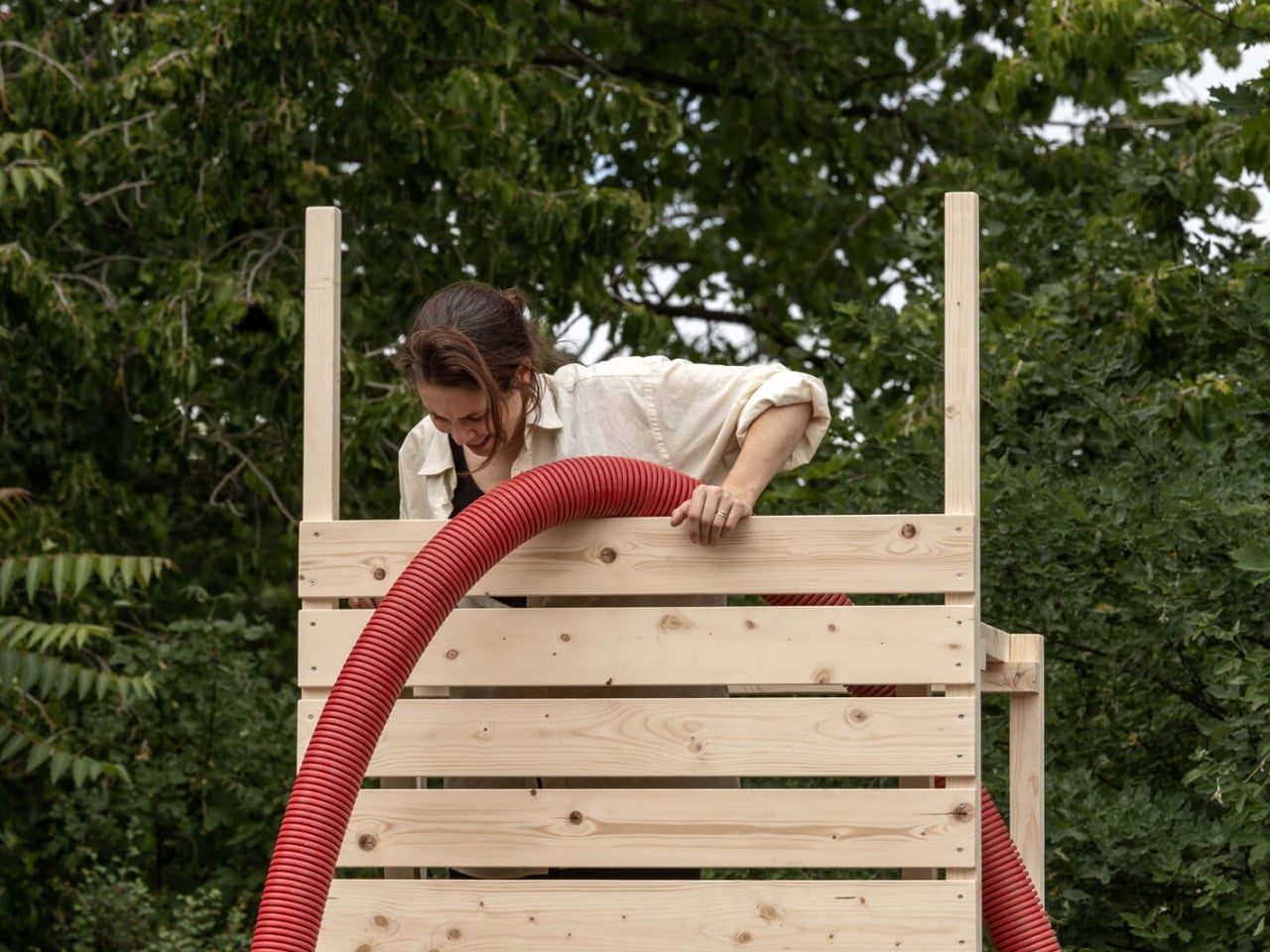
The objects themselves are built from pale, knot-studded pine, cut into wide slatted panels and assembled into structures that sit somewhere between a flatpack bookshelf and a scaffolding tower. The tallest units reach well above head height, with ladders built into their frames and enough structural openness to feel climbable and explorable. These are not delicate objects. They’re chunky, honest, and built to be handled. The wheels at their base, red-rimmed and pneumatic, reinforce that utility. Nothing here is trying to look expensive.
Designer: Moradavaga for Rooming Inn
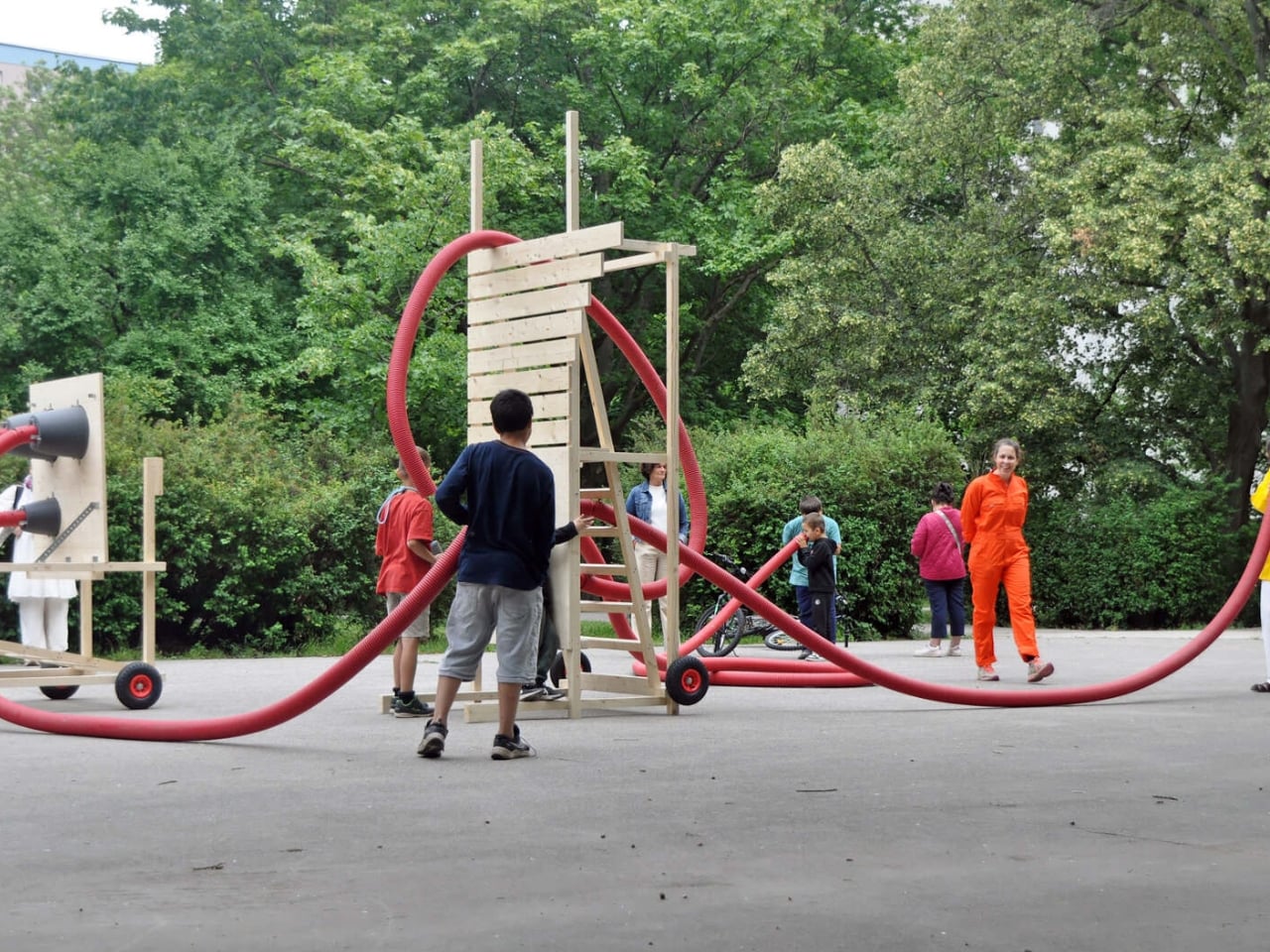
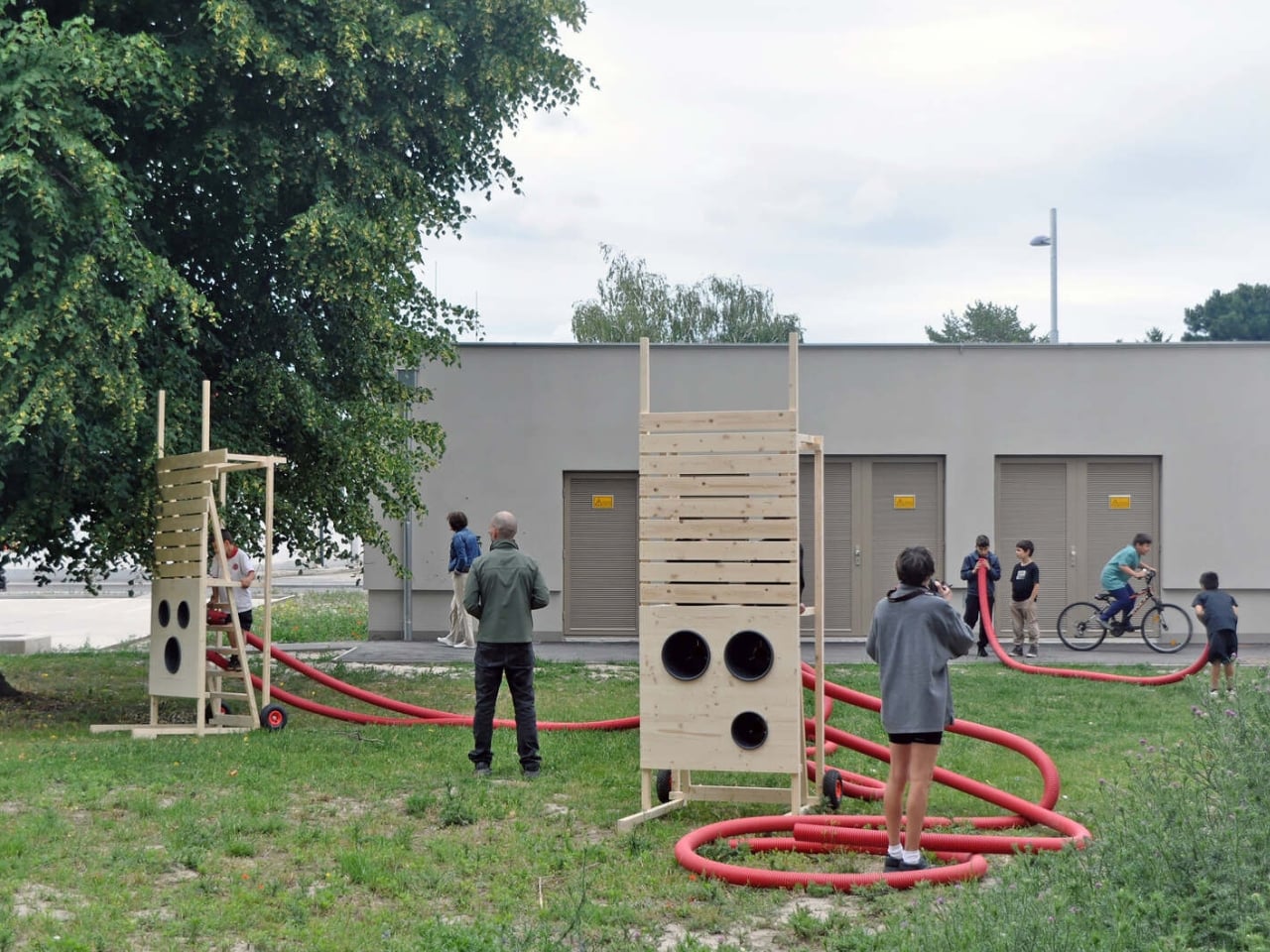
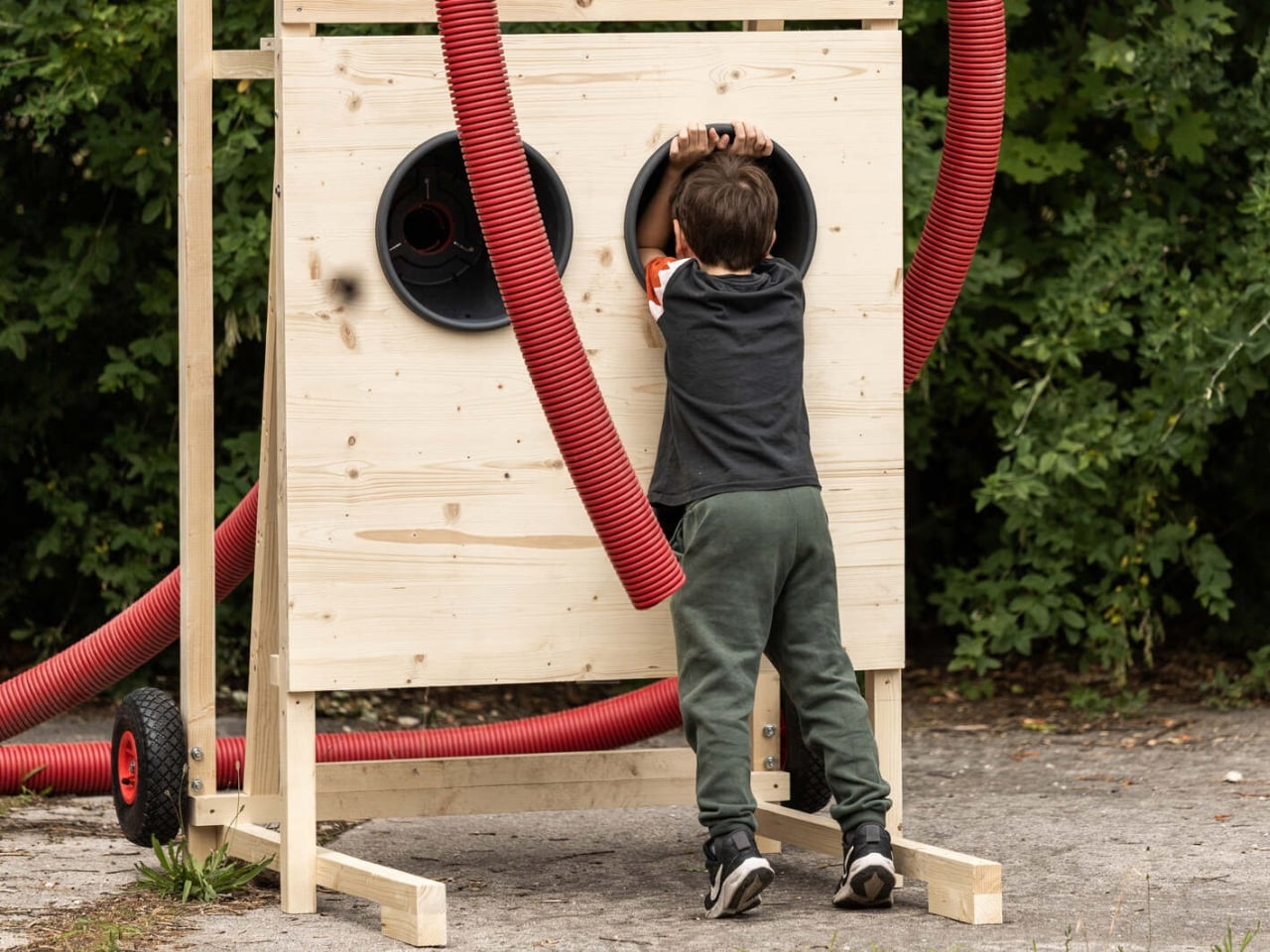
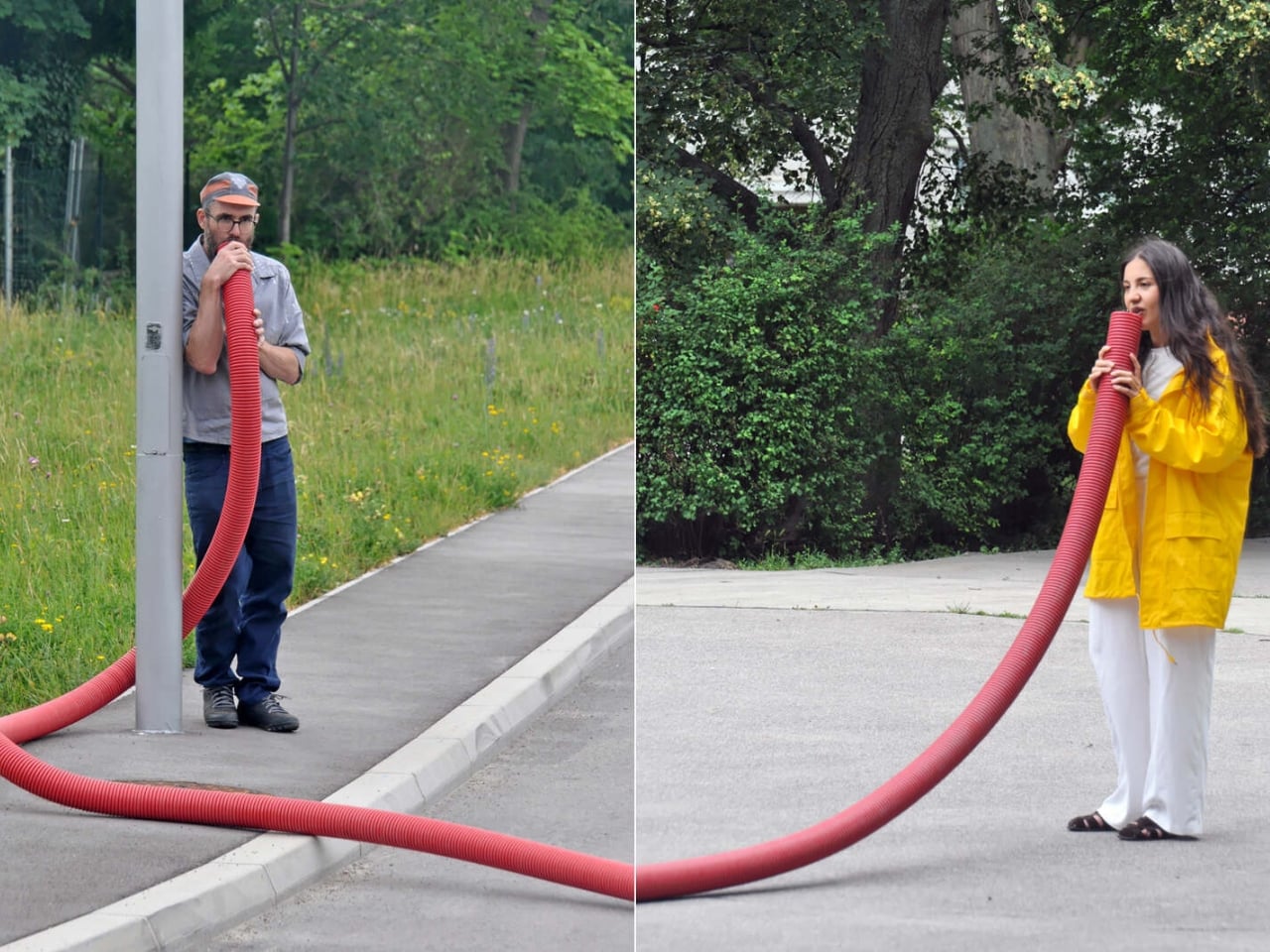
The circular openings punched into the wooden panels are where the design gets genuinely interesting. Each unit features two or three large black-rimmed circles, set at different heights, designed to accept the ends of those red corrugated tubes. From a distance, they give the structures an almost face-like quality, a pair of eyes staring out from a slatted wooden body. Up close, they’re speaking and listening ports, the endpoints of an acoustic communication system that requires no electricity, no app, no screen. You put the tube to your mouth and talk. Someone at the other end hears you. It’s as low-tech as design gets, and precisely because of that, it works on everyone instantly.
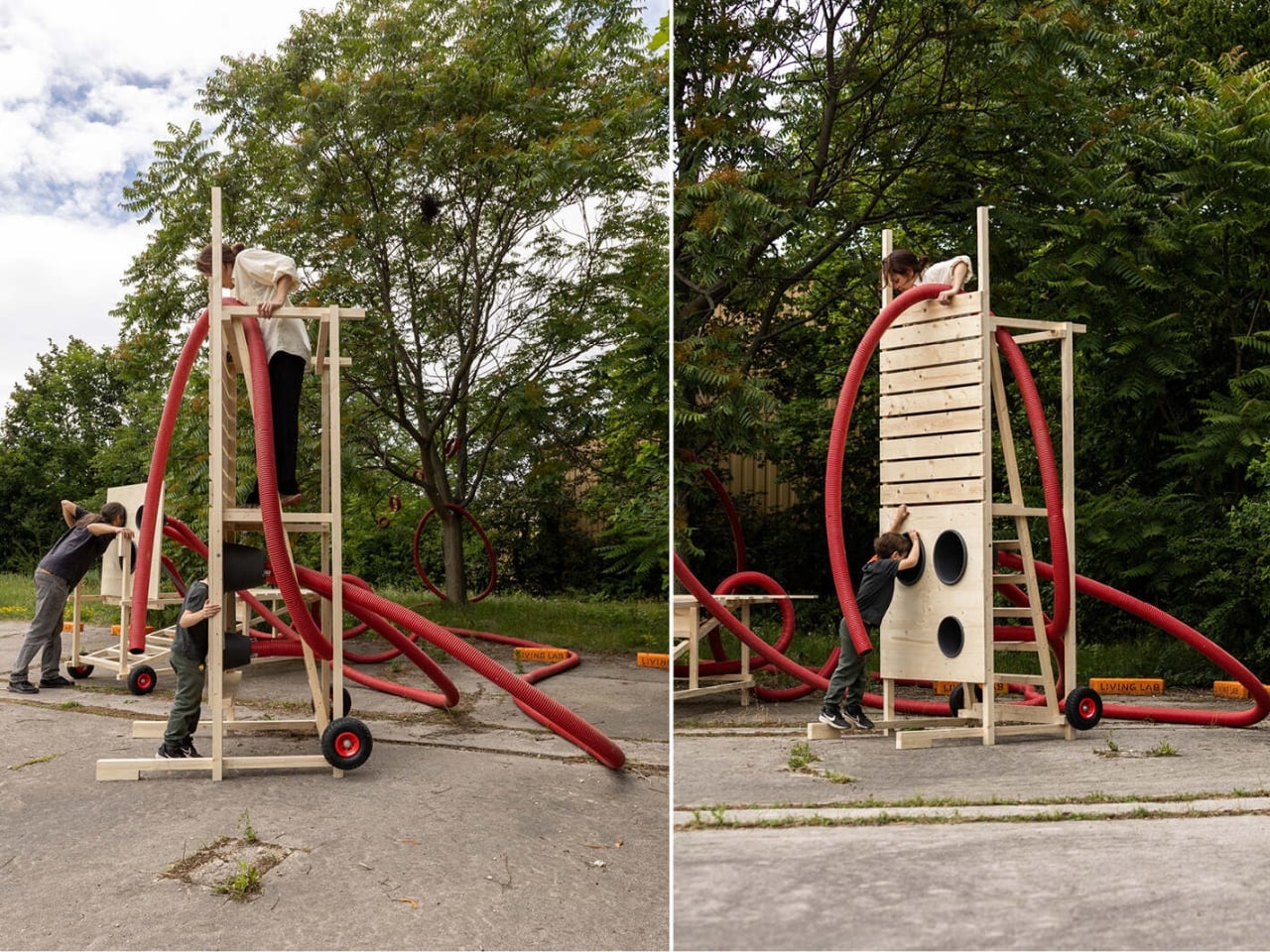
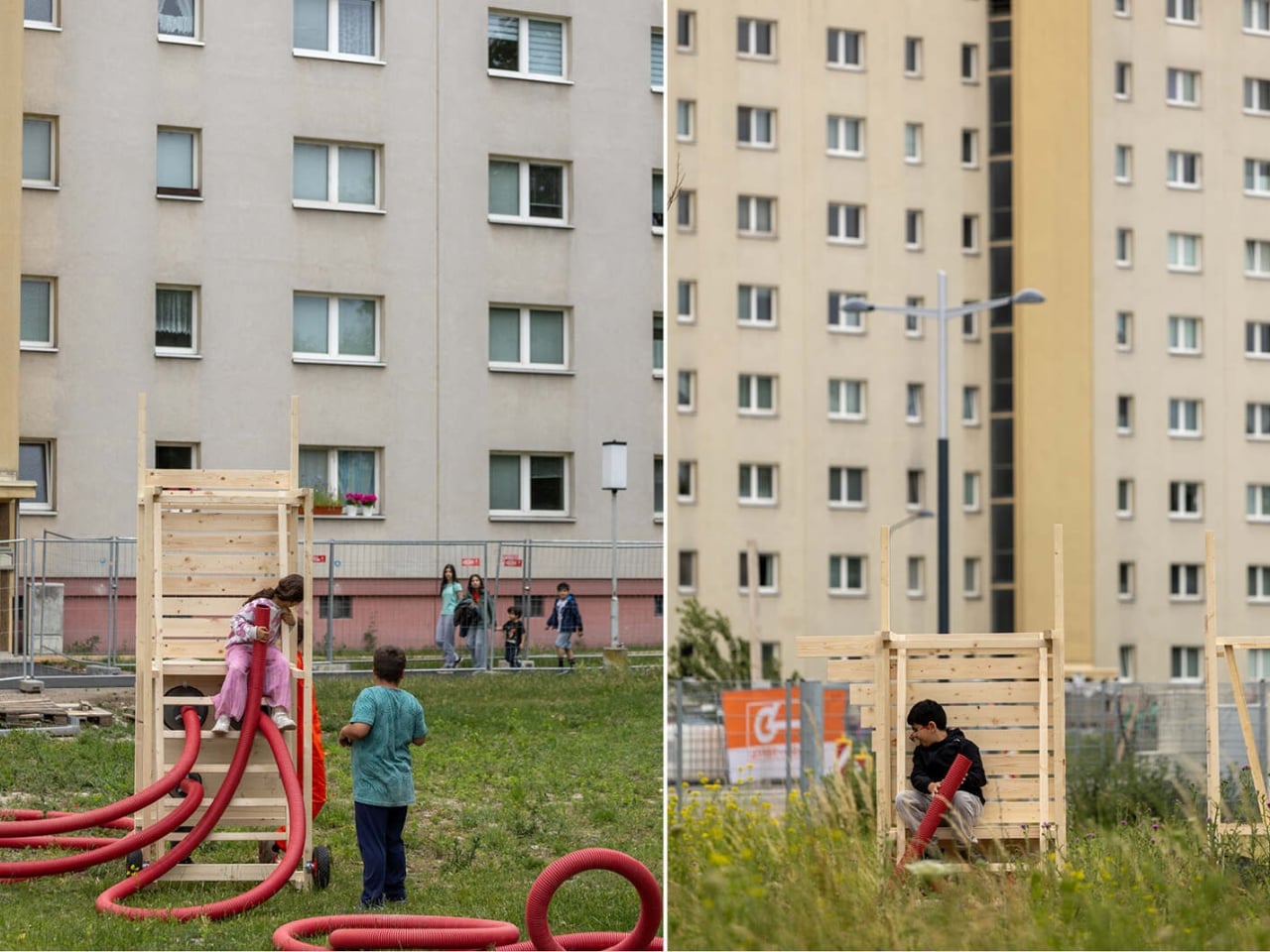
The corrugated hose itself deserves more attention than it typically gets. It’s a standard drainage pipe, the kind you’d find buried in a road trench, and that material choice is a deliberate design statement. Moradavaga didn’t reach for something beautiful or engineered-looking. They reached for something recognizable and repurposable, something that reads as industrial but behaves as playful. When the tube is stretched across a courtyard, held at arm’s length by one person while another crouches at the opposite end, it becomes a choreographic object, shaping how bodies move and position themselves in space.
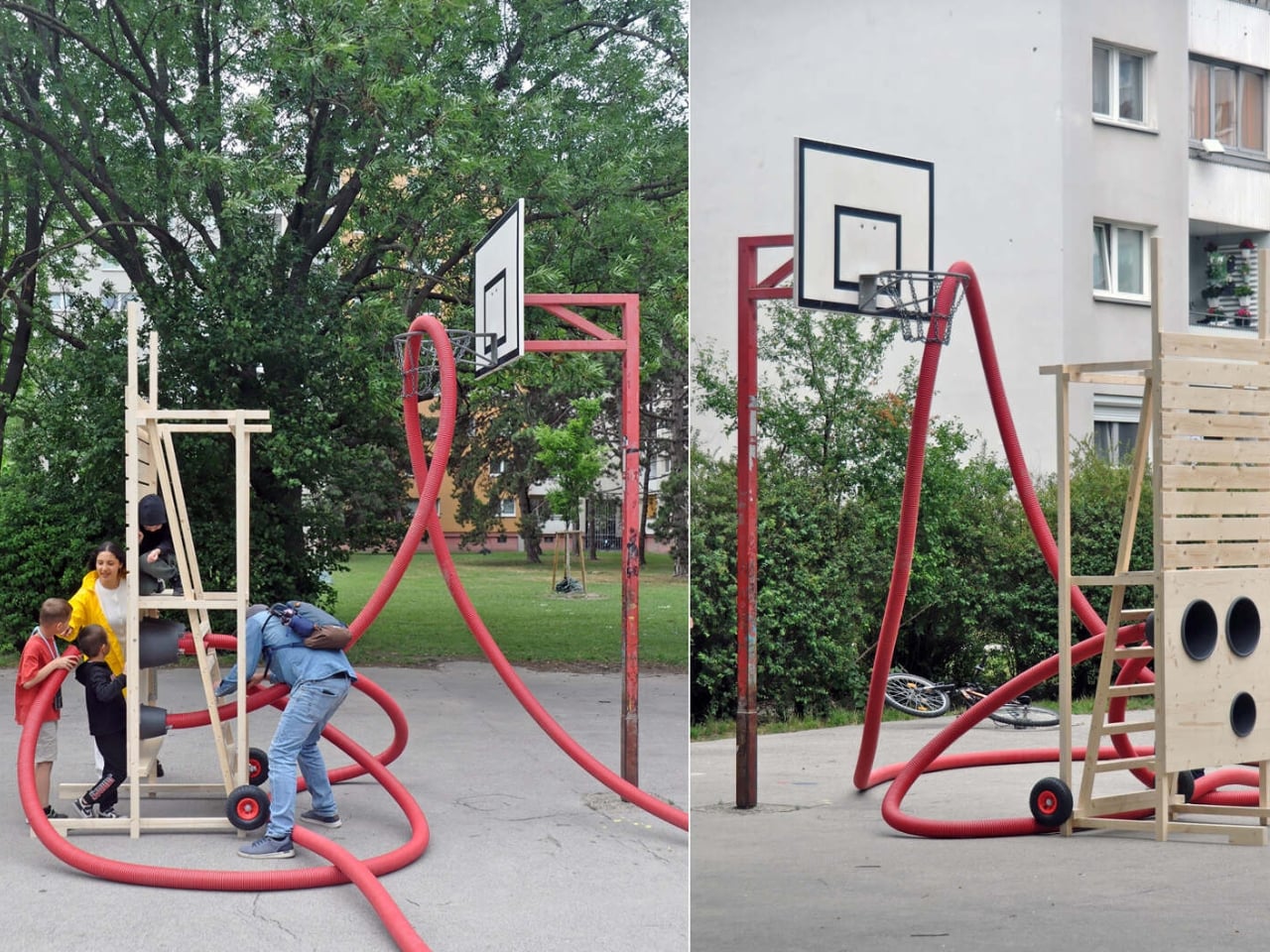
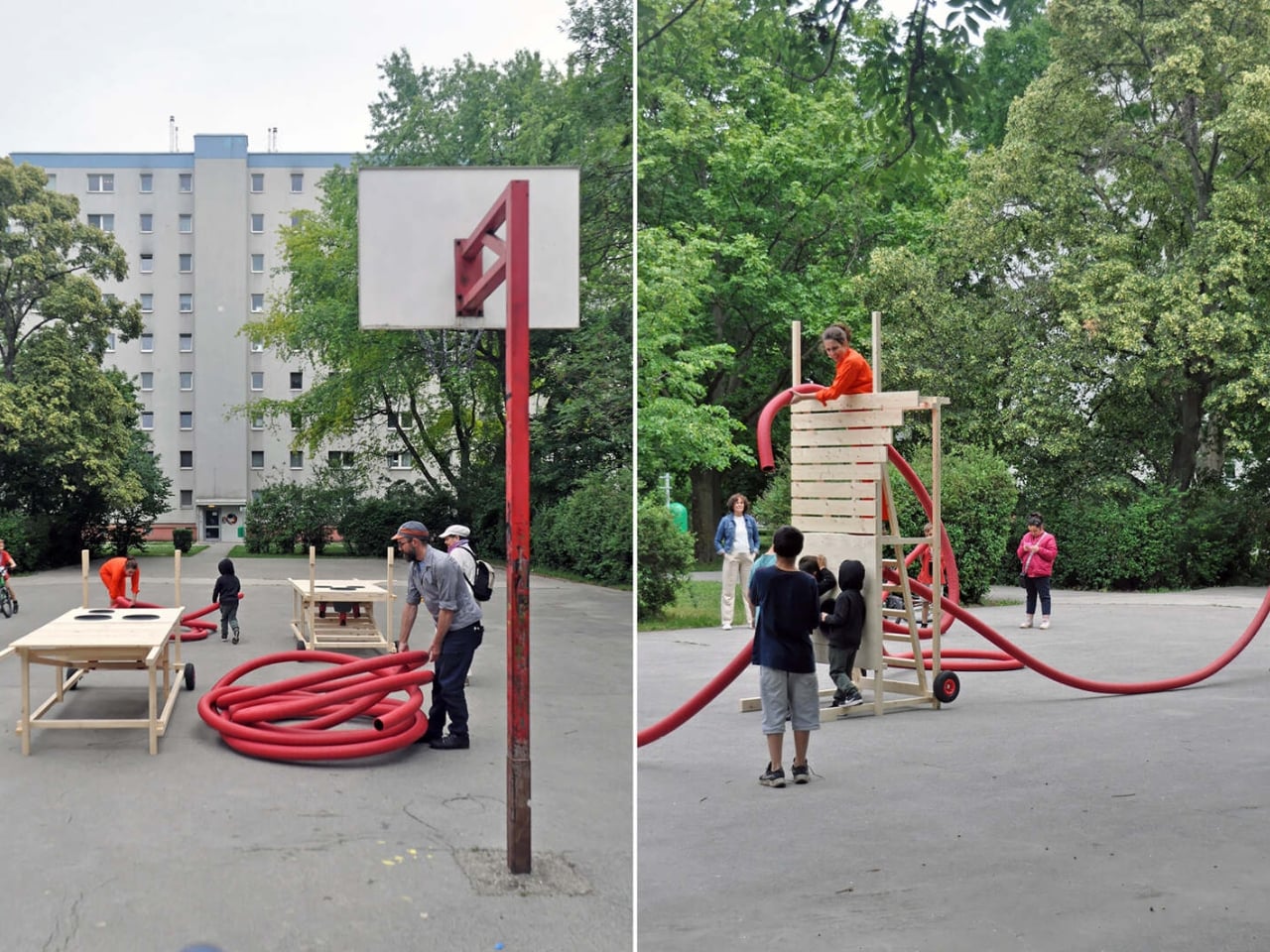
Each unit in the collection has a different scale and configuration. The lower, table-like structure with its speaking horns angled upward operates differently from the tall tower with its ladder and elevated panels. Set together, they create a small temporary landscape. Separated, each one holds its own presence in a street or park. The modularity isn’t just functional. It’s part of the visual language of the project, the sense that these objects are always mid-arrangement, never quite finished, always open to being moved somewhere new.
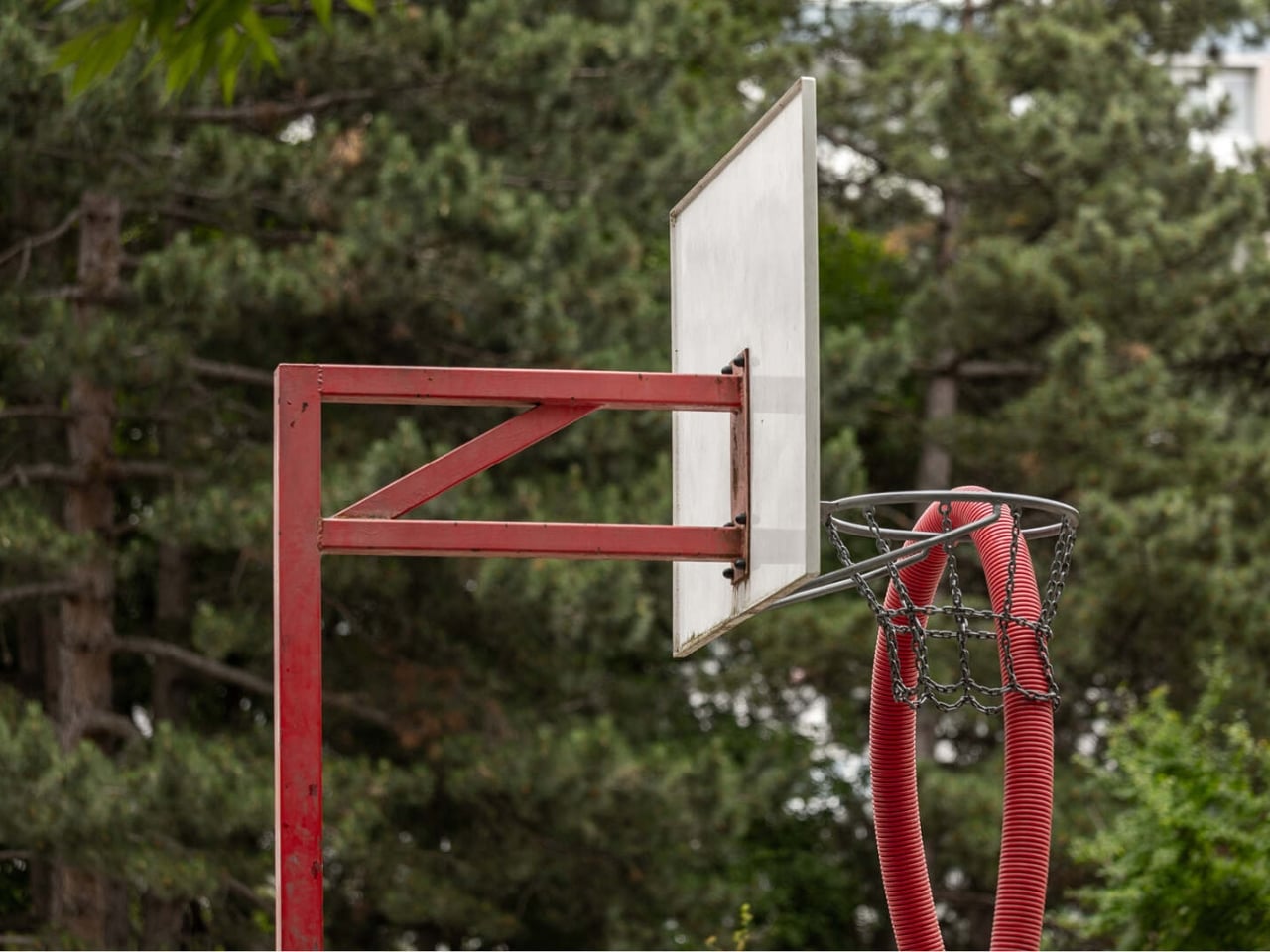
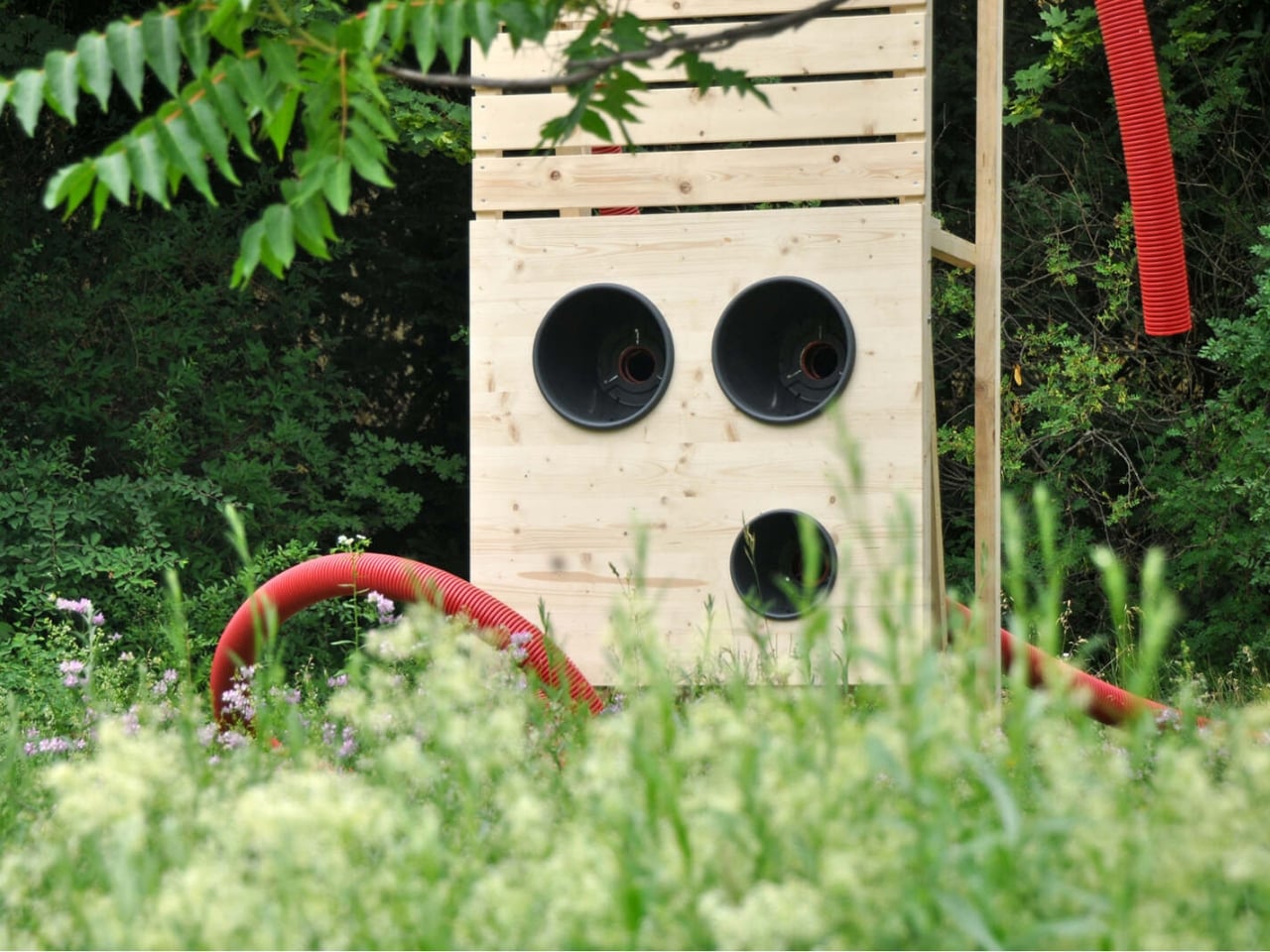
That mobility is embedded in the design from the ground up, literally. The red-wheeled casters aren’t an afterthought. They signal that these objects are not meant to settle. They belong to the ROOMING INN Living Lab, based in a former kindergarten, but the design brief was always for them to travel through the surrounding Hirschstetten neighborhood, showing up at workshops, events, and public squares. A piece of street furniture on wheels is a small act of formal rebellion against the logic of permanence that governs most urban infrastructure, and I think that’s worth appreciating on its own terms, separate from any community design agenda.
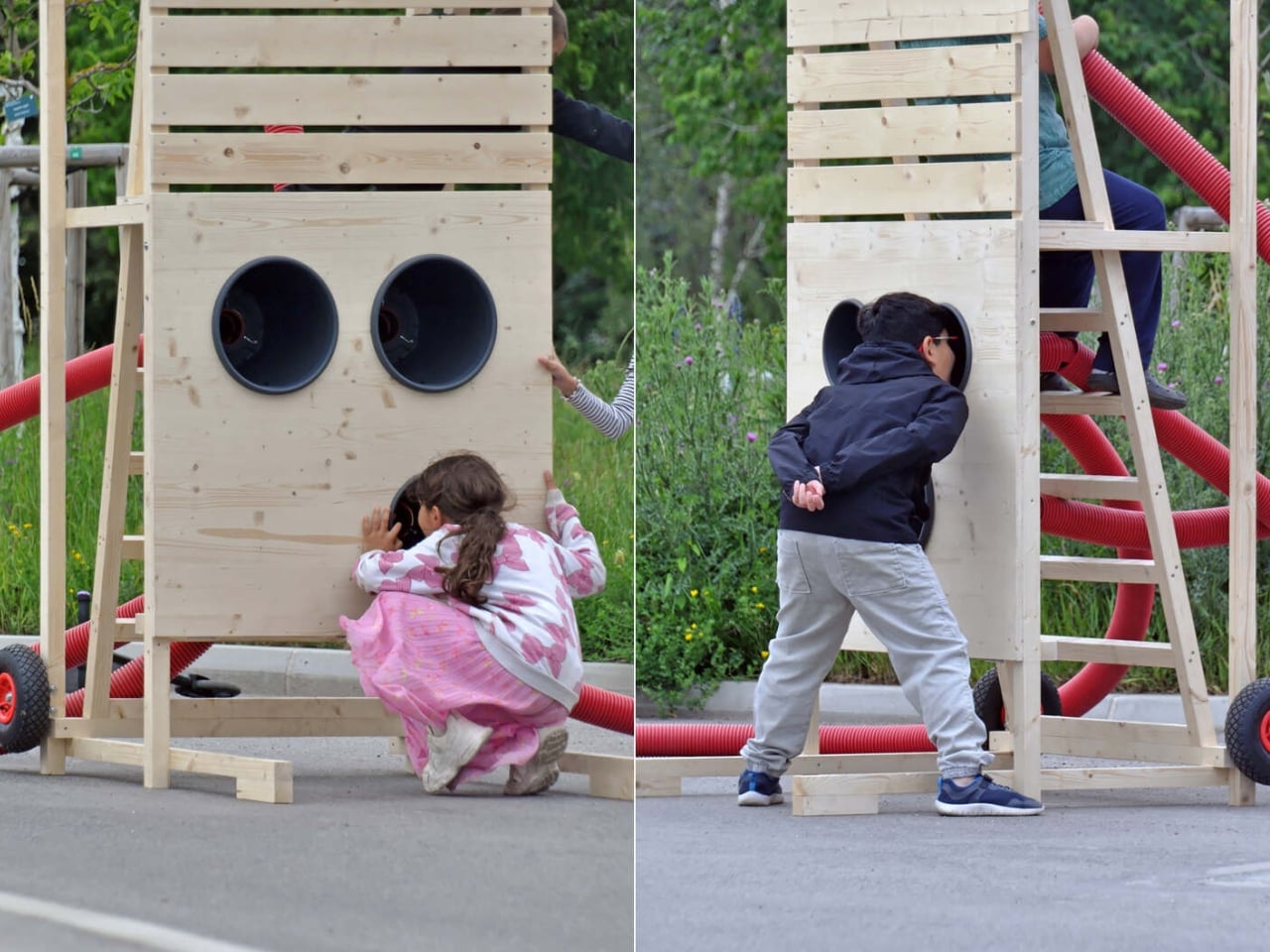
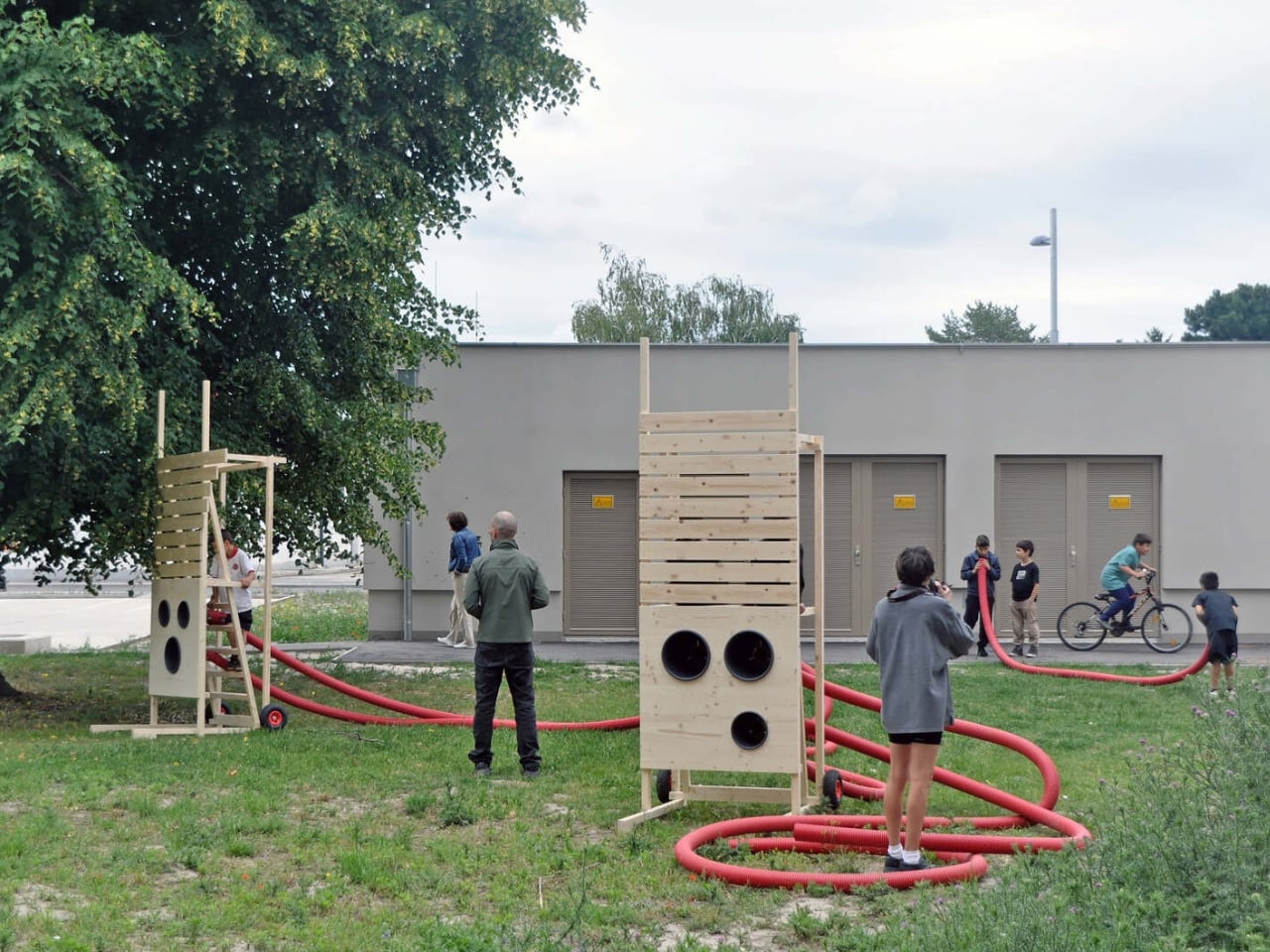
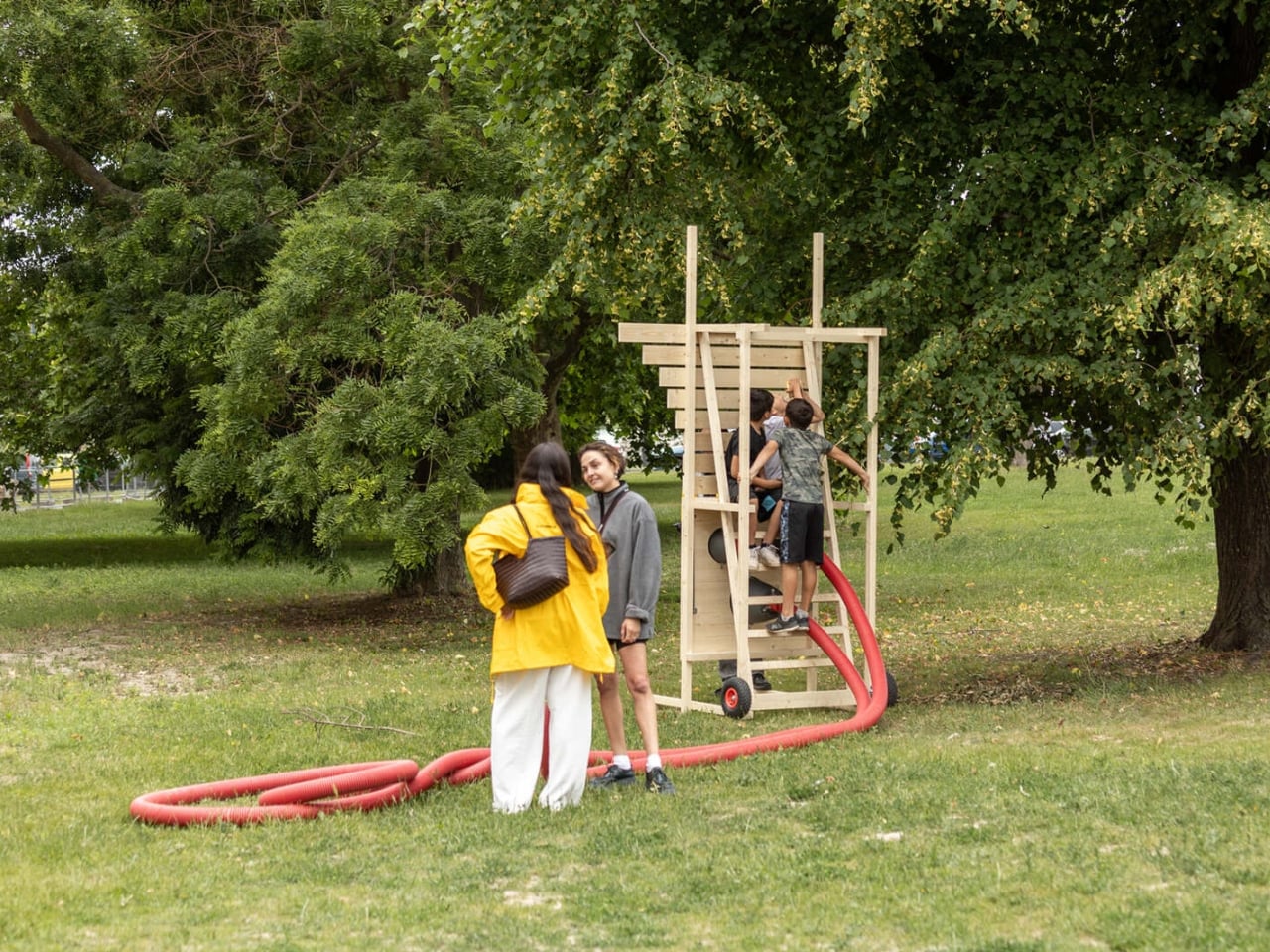
Moradavaga describes their goal as bringing “a little bit of surprise into people’s everyday life, making them look at space from different perspectives.” The Outsiders achieves this through form before it achieves it through function. The pale wood, the red tube, the circular eyes, the wheels at the feet: the objects read as characters before they read as furniture. They look like they arrived somewhere and are still deciding whether to stay. That tension, between object and presence, between furniture and installation, is exactly where the most interesting design tends to live.