There’s really no argument that all of the eXtended reality experiences available to us now are nothing but illusions. As believable as the visuals might be, it all breaks down when you try to take into account the other sense of the body. It isn’t just the sense of touch either, which is often what designers and inventors try to immediately address. Other senses, however, are even harder to recreate or fool.
Our sense of taste, for example, is very complex and sophisticated, even if we try to distill them down to basic groups like sweet, sour, salty, etc. Virtual reality makes that even harder because you don’t have the real thing in front of you to put in your mouth. In the future, however, that might not be much of a problem, at least if this rather odd-looking device becomes the standard for VR tasting.
Designers: Liu Yiming et al (City University of Hong Kong)
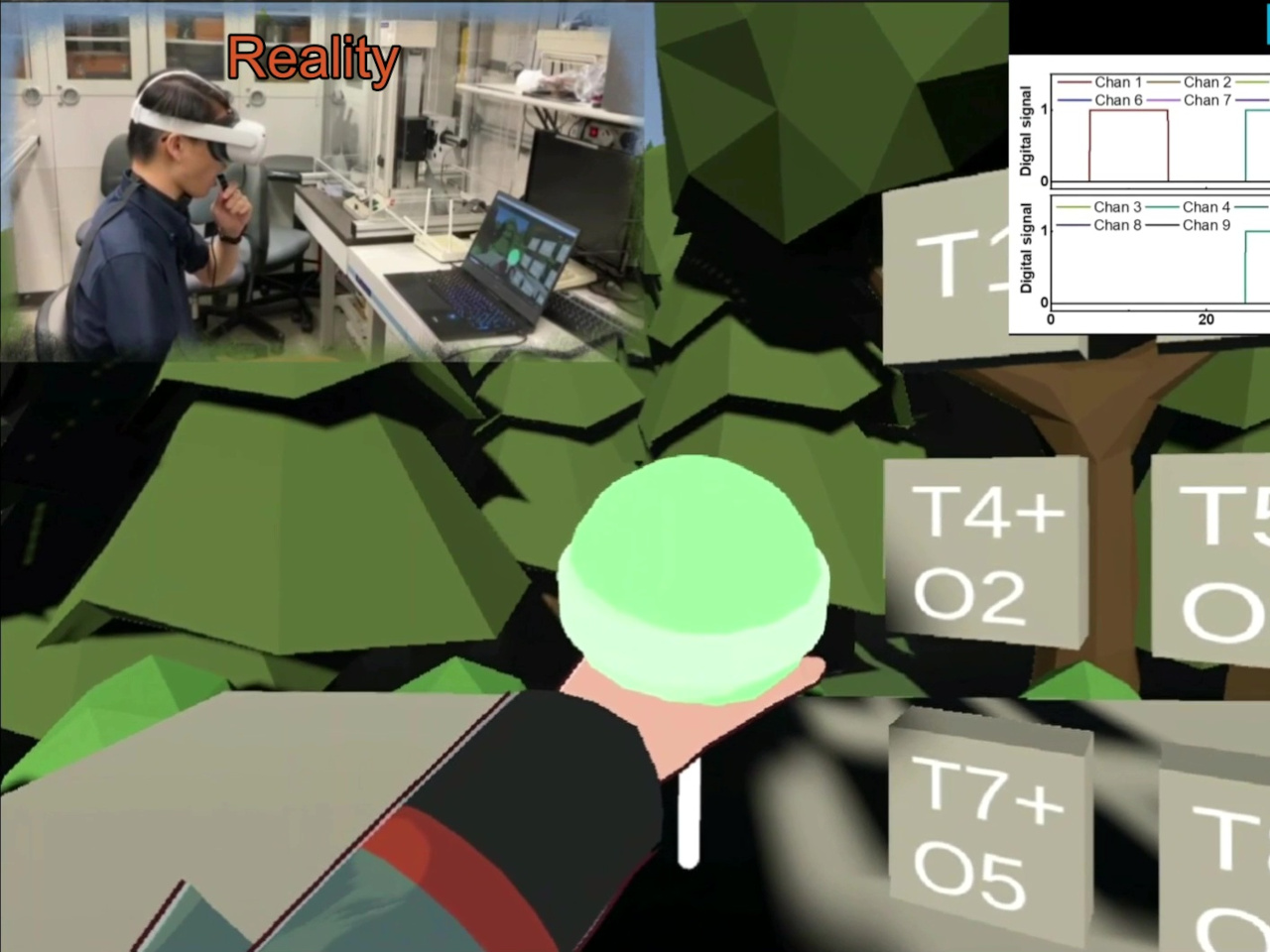
The idea of licking a device, much less putting one in your mouth, might sound not only weird but also unsettling, but short of having real food in your hand all the time, that’s the only compromise you can get in mixed reality environments. At the same time, however, it will be difficult to deliver every single flavor you might be able to taste in such an experience, but biomedical engineers from the City University of Hong Kong have designed a rather curious way of doing just that.
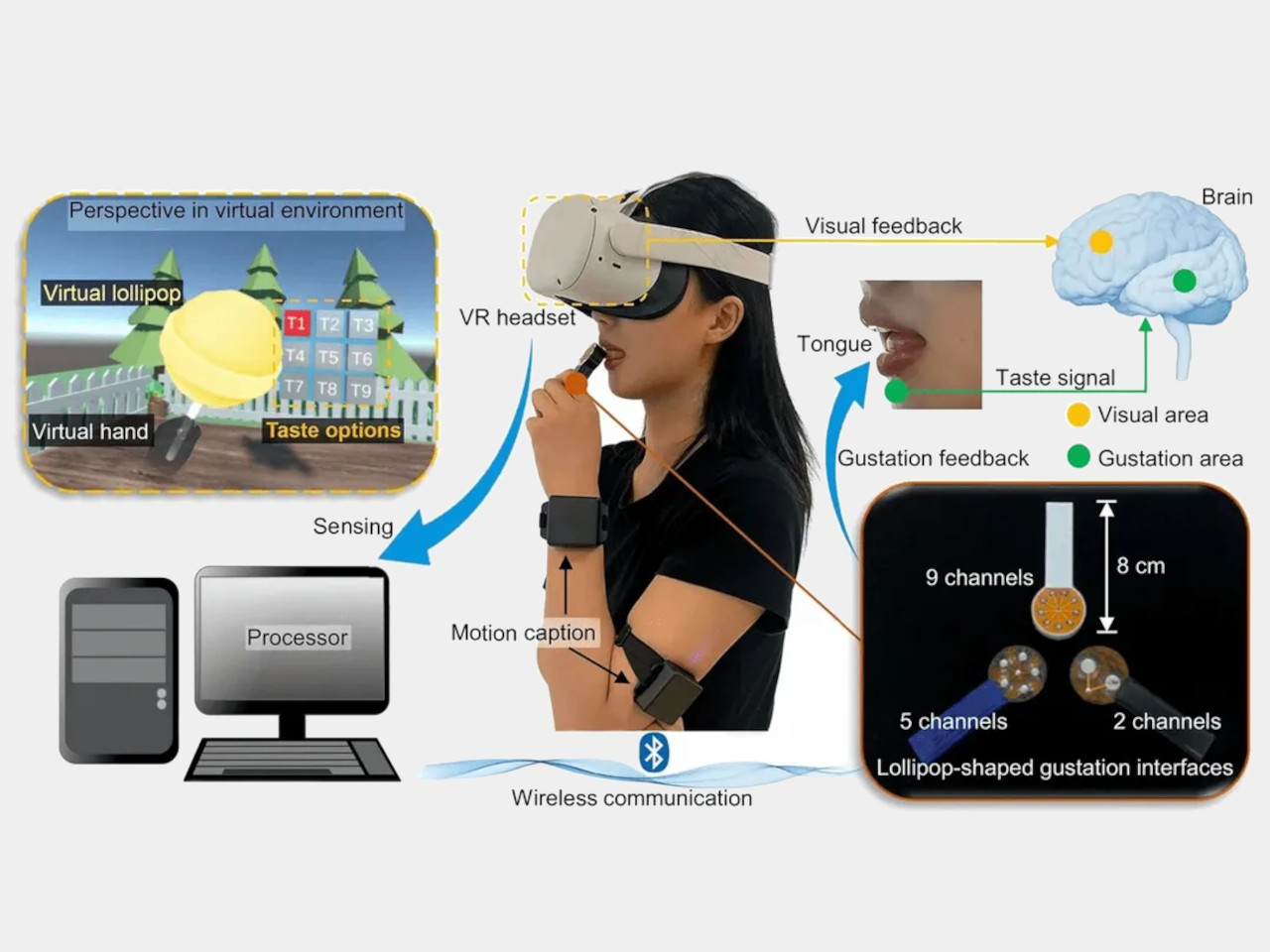
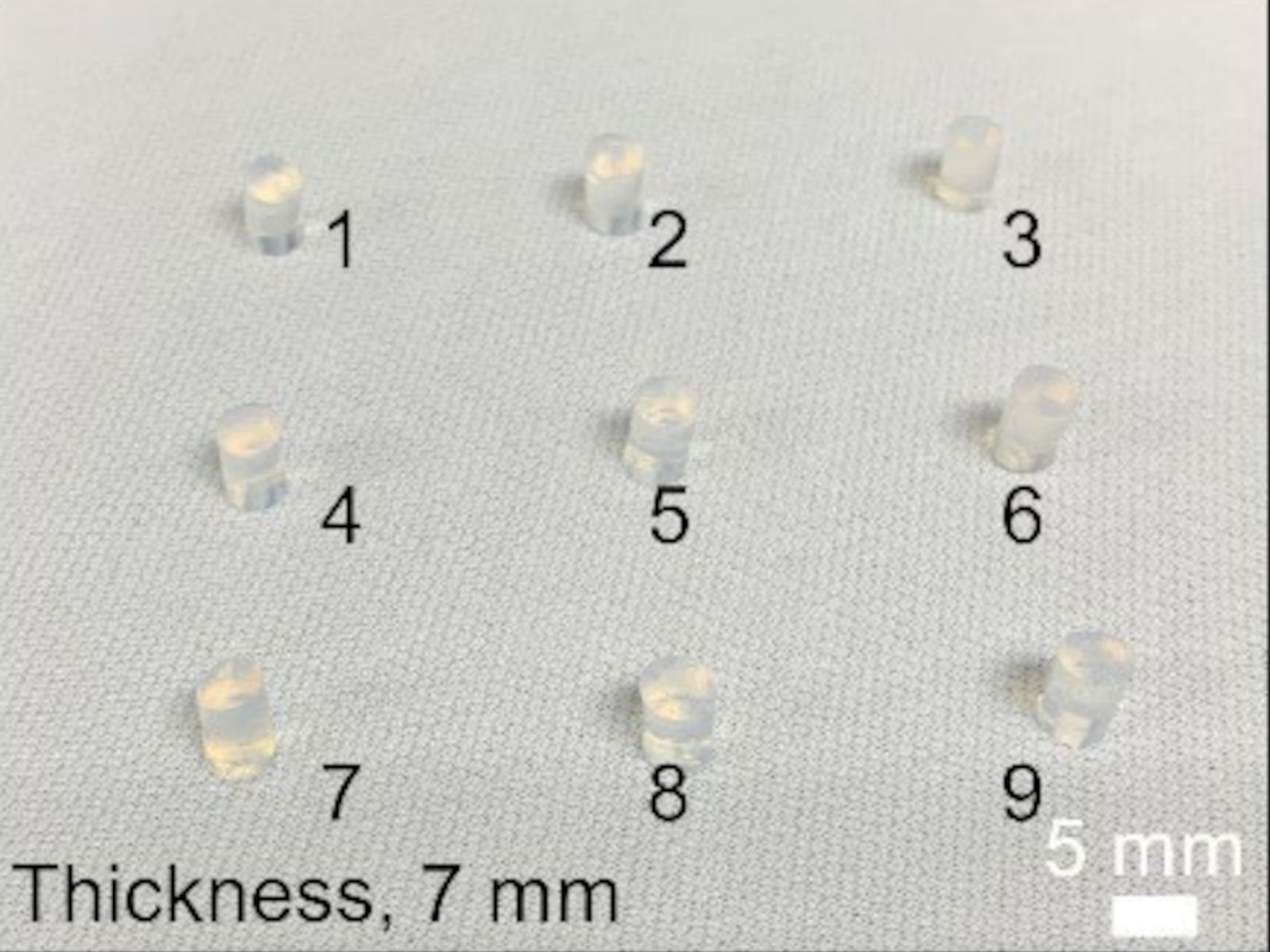
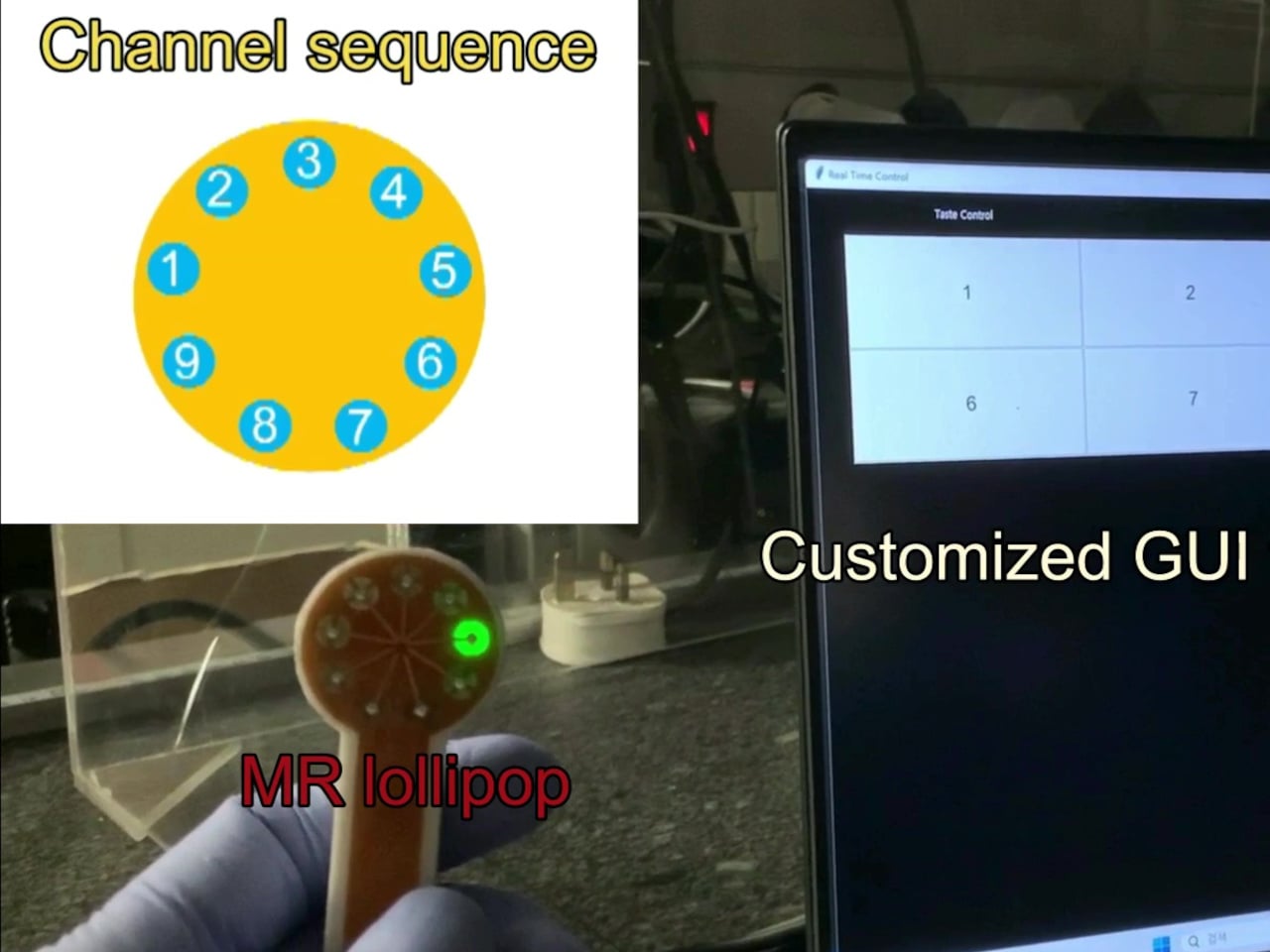
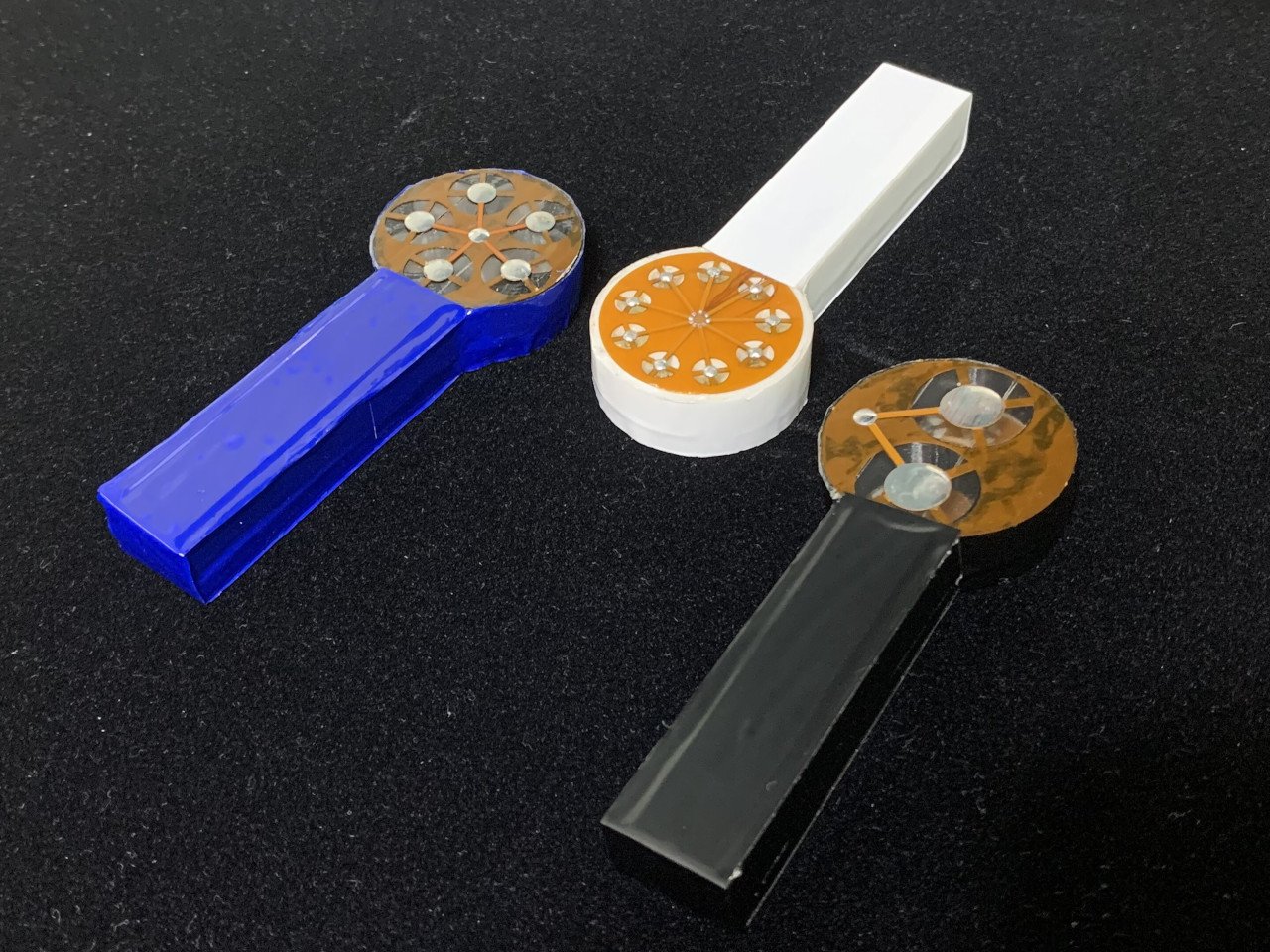
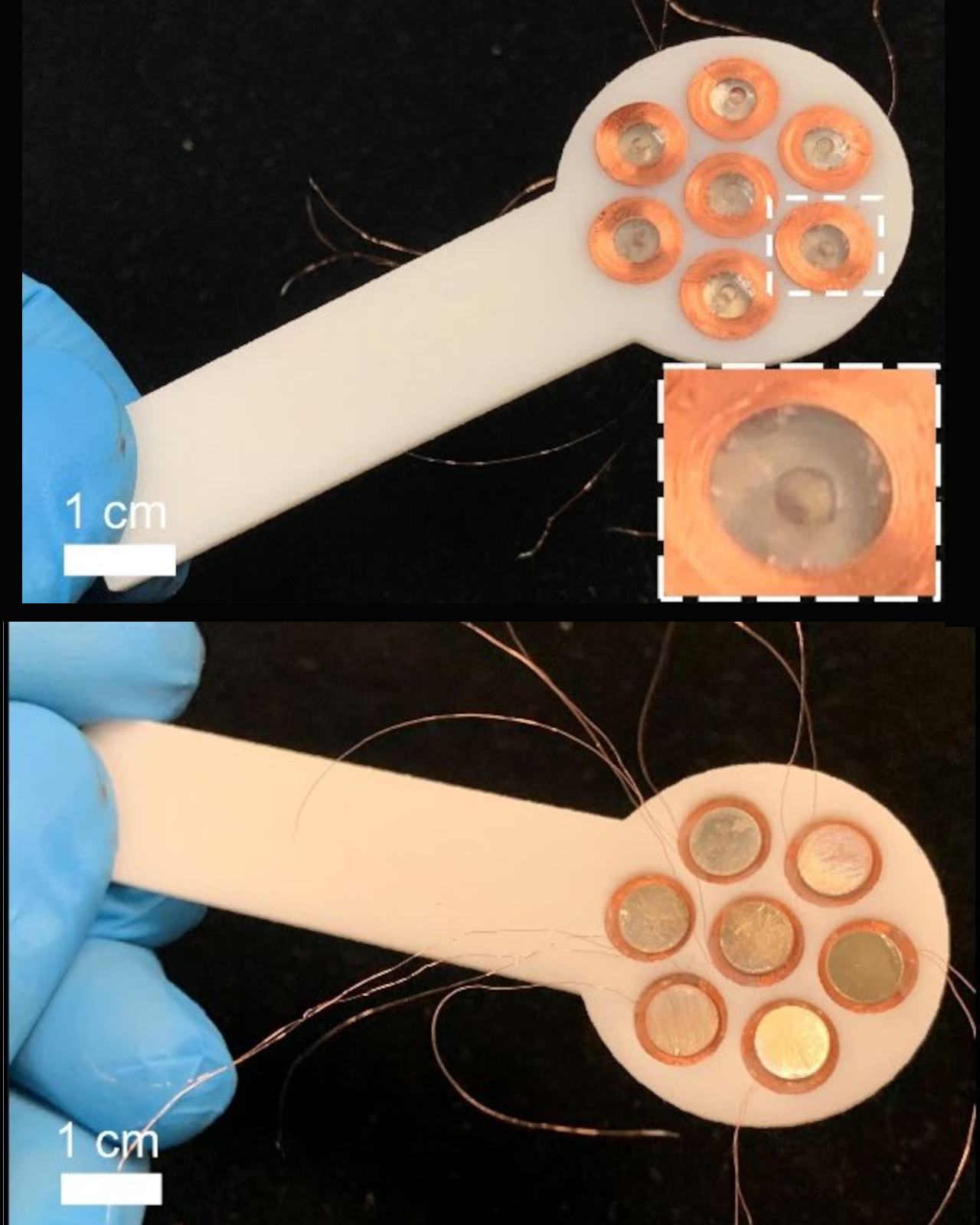
Shaped like very thick lollipops, the devices are meant to be licked and, depending on the scenario, induce a certain flavor in the person’s mouth. The secret, in a nutshell, is special tiny gels that get activated by a very low voltage of electricity. When the gel interacts with saliva, it produces an intended flavor, depending on the composition of the gel.
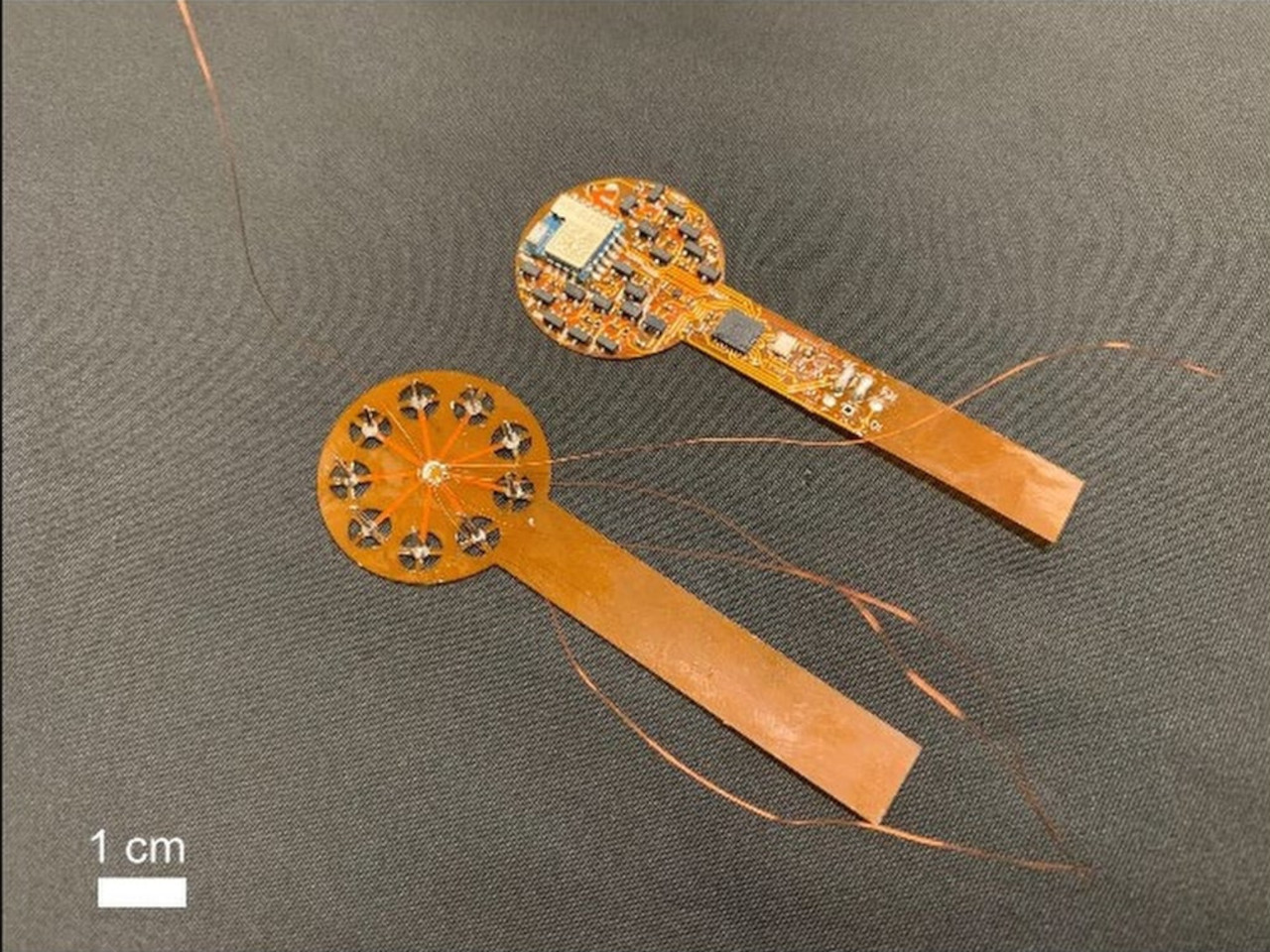
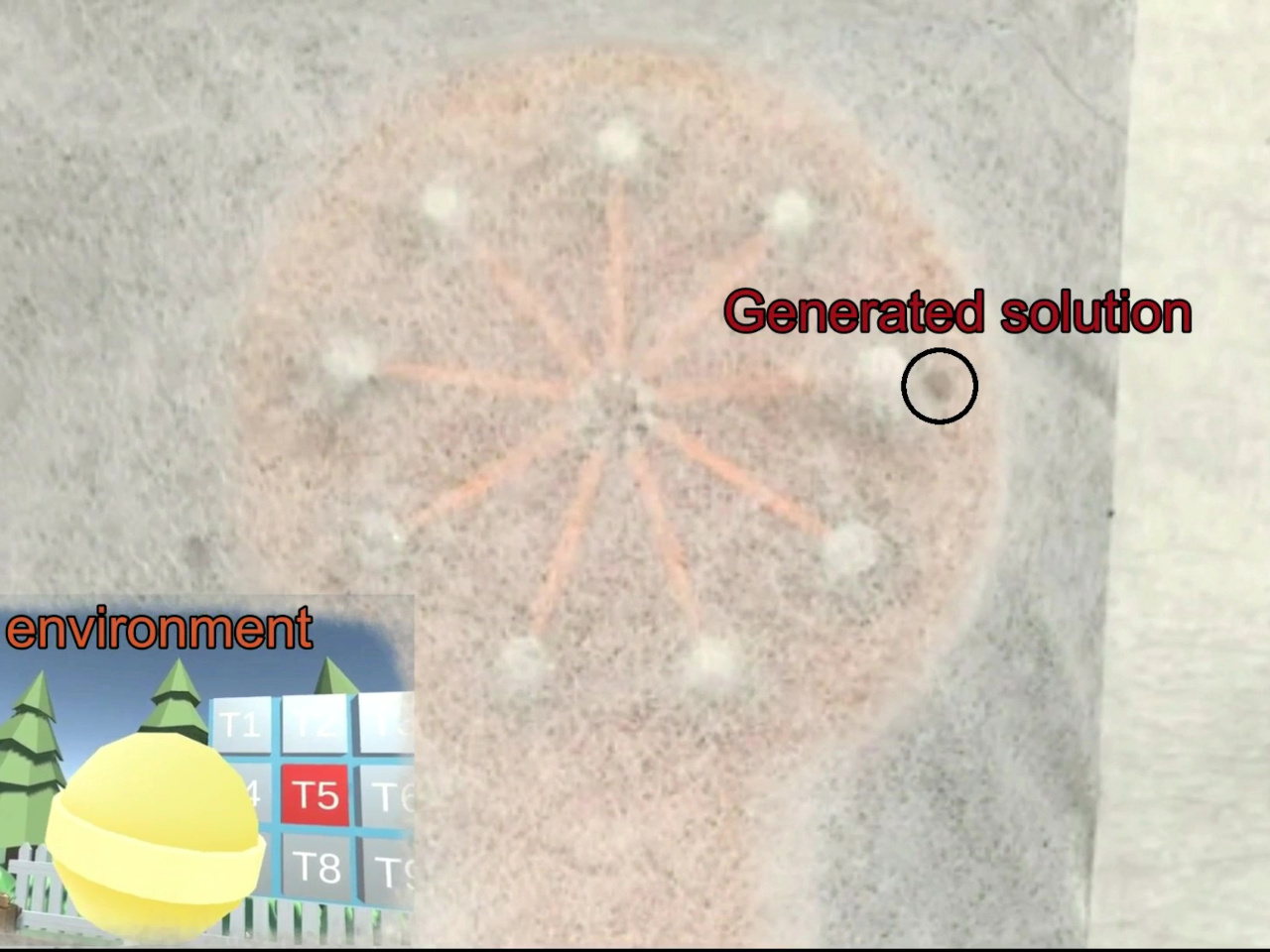
With the current form of this “VR Lollipop,” there are 9 gel pouches that each reproduce distinct flavors, including salt, sugar, milk, cherry, citric acid, green tea, passion fruit, grapefruit, and, strangest of all, durian. The intensity of these flavors depends on how much voltage is used to activate the substance, but the size of the lollipop limits each flavor to only one hour. Covering other flavors will probably depend on how well they can be recreated by these red algae gels.
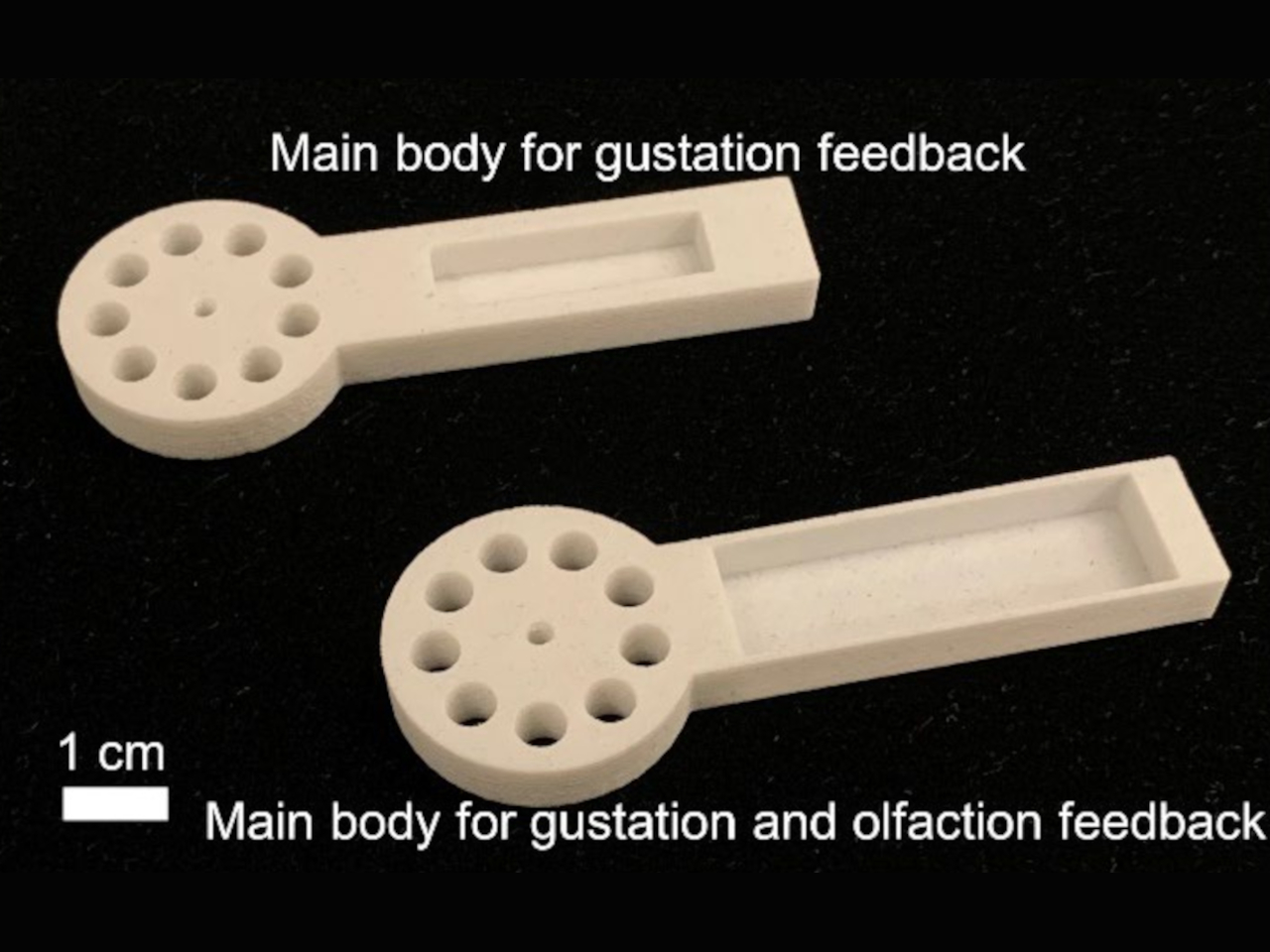
That said, taste isn’t actually a solitary sense and is largely impacted by our sense of smell. A runny nose, for example, could throw our sense of taste off, and a foul odor can very well ruin our appetite. The next step, then, would be to recreate and deliver the scents associated with these flavors, which would probably be an interesting exercise with durian involved.