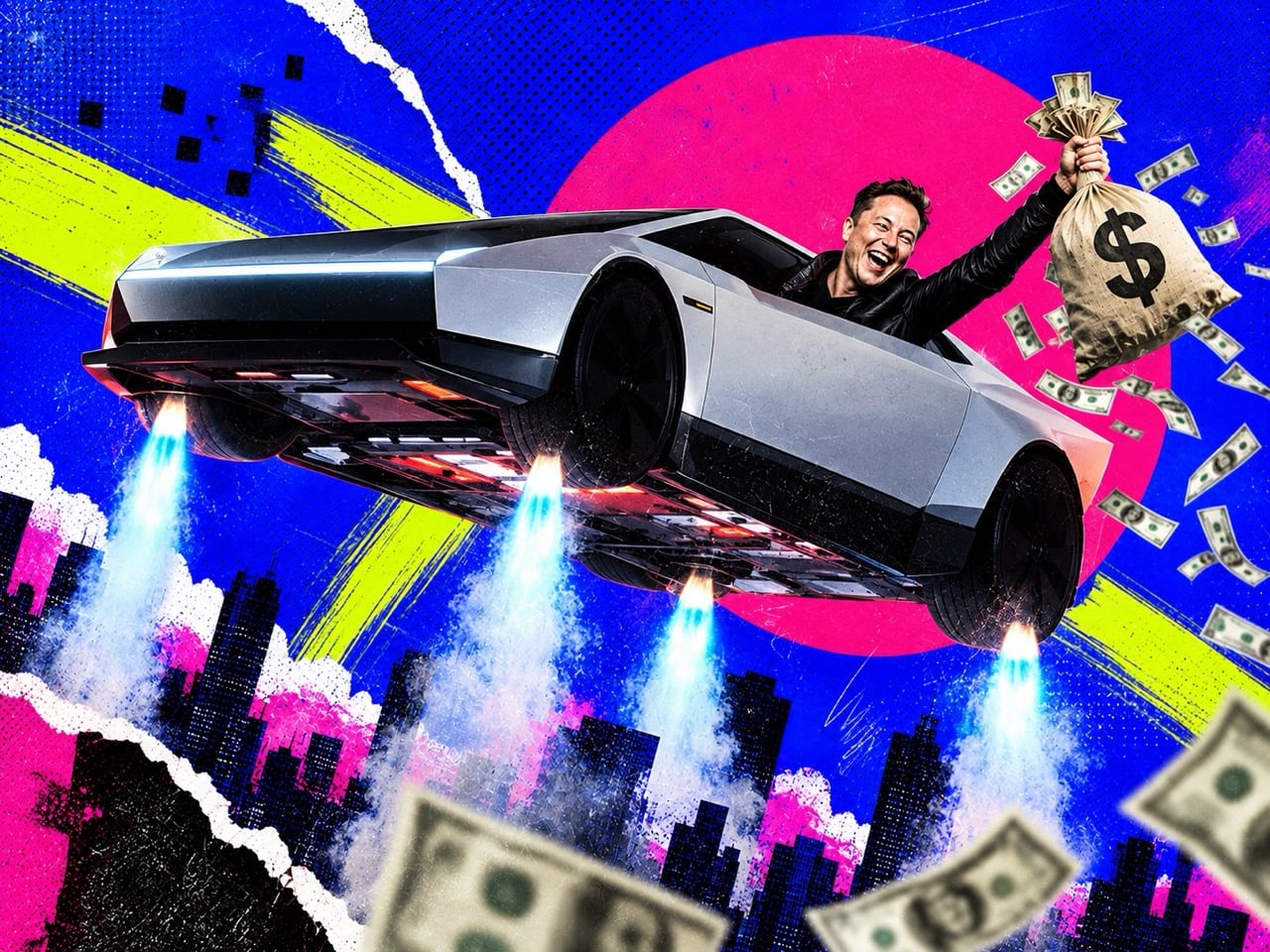

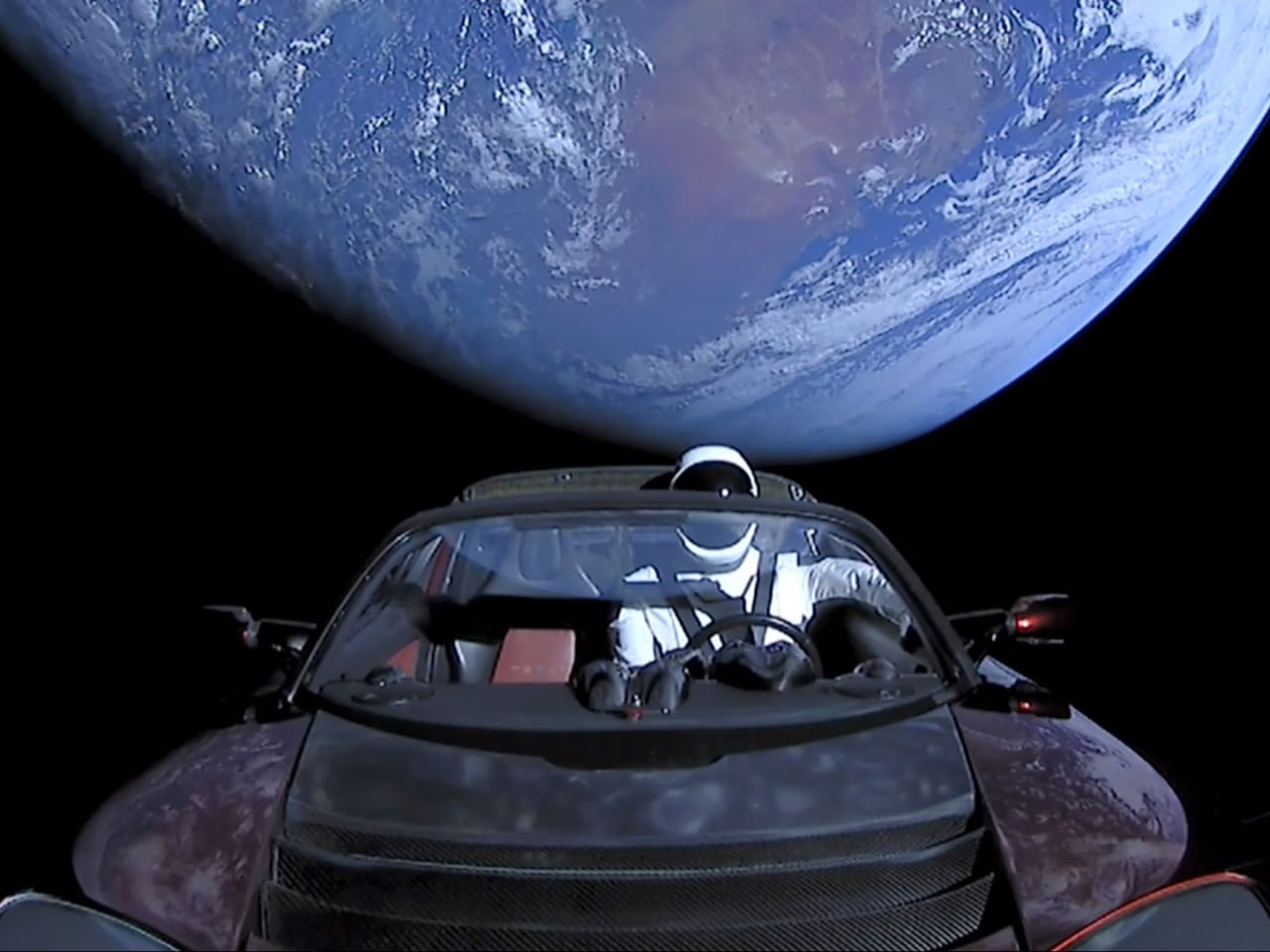
Nine years. It took Elon nine years to remember he was supposed to ship a Roadster. Announced in 2017, the second-generation car came with bold promises. Promises Elon made and conveniently forgot, like the crewed Mars mission he targeted for 2024, or the coast-to-coast self-driving demo he promised by the end of 2017. He’s a genius at moving the goalpost, and he has the attention span of a toddler. In those nine years, he moved Tesla HQ to Texas, launched a Roadster into outer space, bought Twitter, bankrolled a presidential campaign to the tune of $200 million, fronted DOGE, and folded xAI into SpaceX, whose IPO made him the world’s first trillionaire. Somehow, delivering the second Roadster never made the list.
On Thursday, he remembered the Roadster still had reservations sitting for nearly a decade. So he did what he always does: razzle-dazzle, fanfare, and a stunt big enough to bury nine years of broken timelines. The car Tesla showed on October 15 differs from the 2017 pitch, though not in ways worth cheering. Range drops from 620 miles to over 300, and seats drop from four to two at most. The 0-60 is better, with Tesla claiming under 1.6 seconds on the base car, under 0.9 on Thrust, and under 0.59 on Rocket, but the last two trims aren’t approved for road use. Impressive on paper, but just like the 2017 Roadster, all this is only on paper.
The flying trim has no reserve button and no road approval
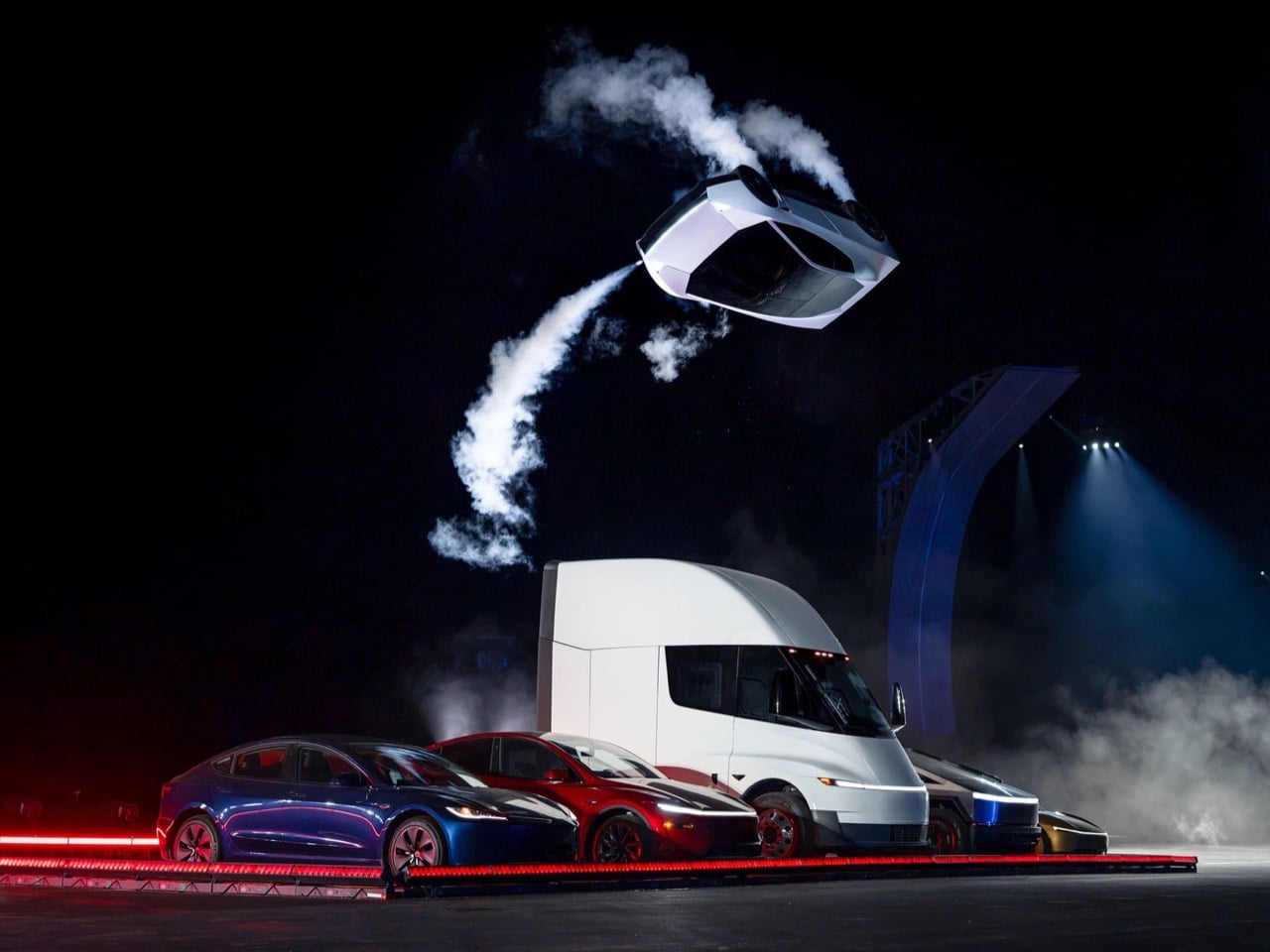
Tesla is selling the Roadster in three trims, and the one that flies is the one you can’t reserve. The Rocket trim seats one, runs ten cold-gas thrusters fed by 600 liters (roughly 158 gallons) of compressed air, and carries an invite only label where the reserve button should be. The $250,000 Thrust trim adds rear thrusters for sub-one-second launches (sort of like afterburners on a jet), meanwhile the $50,000 Performance trim reservation gets no thrusters. Tesla says none of the thruster packs are approved for road use, and no human was driving during the Waco demo. There’s still no price, battery size, or powertrain info for any trim. My bet is that Rocket ends up a mod a handful of invitees get 5-6 years after the base car.
Design school drills one question into you early: who is this for? A feature Tesla itself says isn’t approved for road use, offered to people who can’t even reserve it, answers with a shrug. Tesla credits the SR-71 and F-35, though the wedge owes a visible debt to the Lotus Esprit from The Spy Who Loved Me, which Musk owns and put on display. Every usable void in the car is packed with carbon fiber overwrapped pressure vessels, the same type behind multiple SpaceX rocket explosions. Musk has said safety is not the main goal, which at least explains the packaging. It’s like ordering a sofa and receiving a trampoline show: great theater, and still no price.
Nine years of slipped dates and a spec sheet that shrank
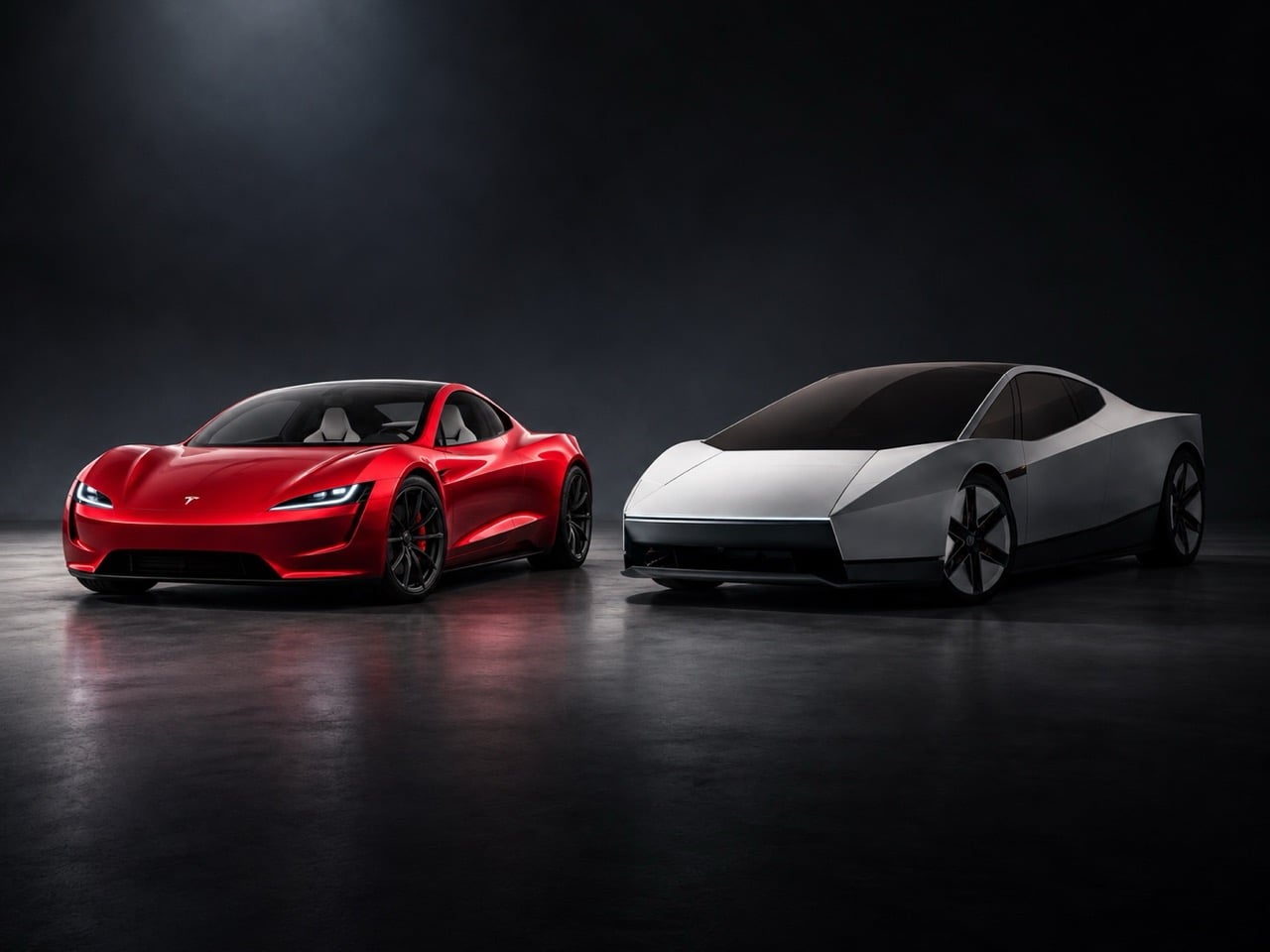
Tesla revealed this Roadster as a surprise at the end of the 2017 Semi event and promised deliveries within a few years. Buyers put down $50,000 deposits, and some paid $250,000 for one of 1,000 Founders Series cars. Musk then delayed the car in 2020, 2021, 2023, and 2024, while Tesla fought through Model 3 production hell and moved on to the Model Y and Cybertruck. Last year he promised a reveal by the end of 2025, then pushed it to April 1, 2026, saying an April Fools’ event would give him some deniability. Planning your own launch around deniability is a bold strategy. Severe weather bumped the October 1 date, and the real show finally happened October 15.
The 2017 pitch listed 620 miles of range, a top speed above 250 mph, four seats, and a $200,000 base price. Today’s version quotes over 300 miles of range (Tesla’s figure, with no test cycle named), over 230 mph, two seats at most, and no price at all. The deposit is still $50,000, so anyone holding a 2017 reservation has been lending Tesla that money interest free since before the Model Y existed. In fairness, the base car now beats the 1.9-second 0-60 promised in 2017, and the stunt car clearly works. Marques Brownlee, one of the customers vocal about the delays, summed up the mood by asking whether the whole thing was a prank.
Elon’s graveyard of dead promises
In 2016, Tesla told buyers every car it built had the hardware for full self-driving, and it later sold the package for up to $15,000. In April 2019, Musk promised over a million robotaxis on the road by 2020. He has since admitted that the HW3 computer in millions of those cars can’t deliver unsupervised driving. A California judge ruled the name itself misleading. The DMV gave Tesla 60 days to fix its marketing or face a 30-day sales suspension. Tesla now sells it as Full Self-Driving (Supervised), which is a lot of parentheses for a promise that began without any.
Musk targeted a crewed Mars mission for 2024, then floated an uncrewed 50-50 shot at late 2026, and in February SpaceX shifted its focus to the Moon. He said Mars would now take 20 years or more. On Optimus, he promised 1,000 or more robots working at Tesla in 2025, then said in January 2026 they were still R&D units doing no useful work. Robotaxis are the bright spot, since they now run without safety drivers in a few cities. That’s still a long way from the half of the country he promised. Each broken promise gets swapped for a bigger one, which is a handy way to keep the old ones from getting audited.
Why a flying car won’t change Elon’s true legacy
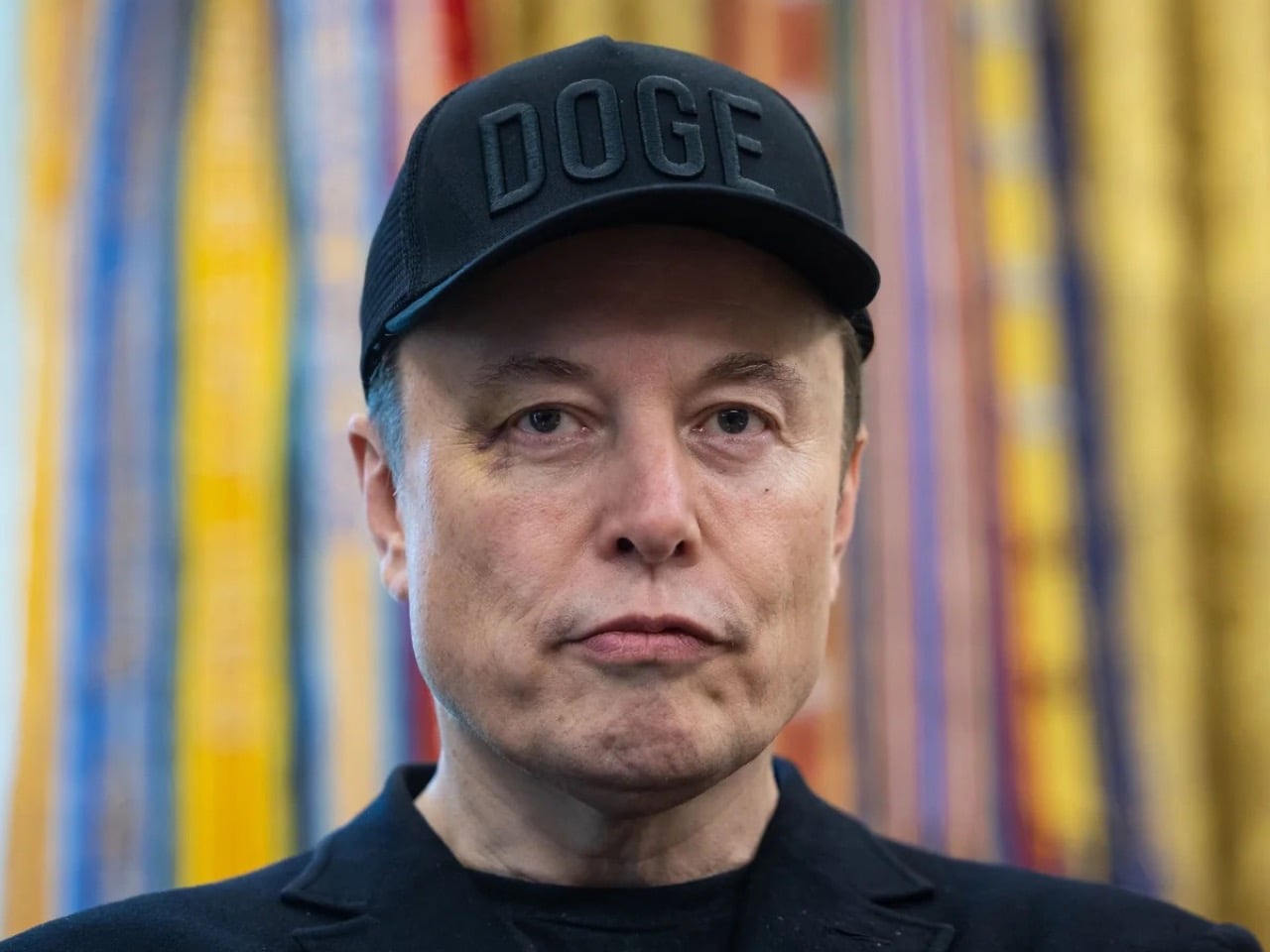
Back in December 2024 before DOGE officially existed, Musk and Trump attacked a bipartisan spending deal as bloated, and Republican leaders dropped it, resulting in the gutting of funding for pediatric cancer research. The casualties included an extension for the NIH’s Gabriella Miller Kids First program, named for a 10-year-old who died of a brain tumor. Nancy Goodman, who lost her own child to cancer at 10, asked how anyone cuts cancer research in the name of efficiency. The Senate passed a pared-back version two days later, but the Give Kids a Chance Act took until February 2026 to become law. Once DOGE got going, NIH announced a 15% overhead cap that Fred Hutch said would erase about $125 million a year for its cancer center.
USDA canceled about $660 million for Local Food for Schools and $420 million for a companion food bank program, just as the administration and DOGE said they were slashing waste. One school district lost $100,000 it had planned to spend on local beef and produce for student meals. The Waco crowd cheered a car leaping over a Cybertruck, and I sat there in admiration too. A good design improves someone’s life, and a stunt car with no price, no road approval, and a 2028 date hasn’t improved anyone’s yet. The Roadster can fly. Its CEO’s reputation stays on the ground, parked next to the cancer bill and the school food money.