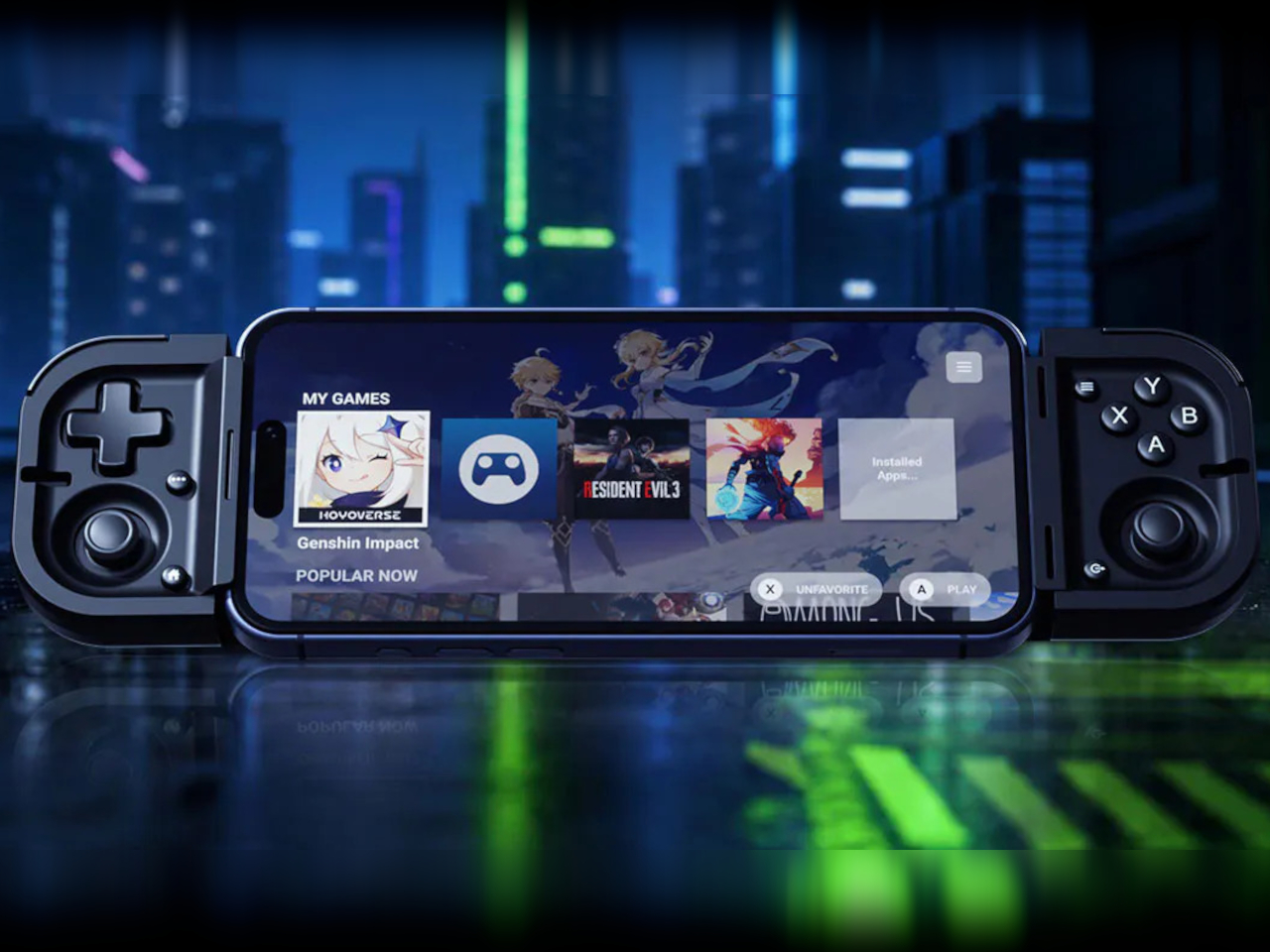
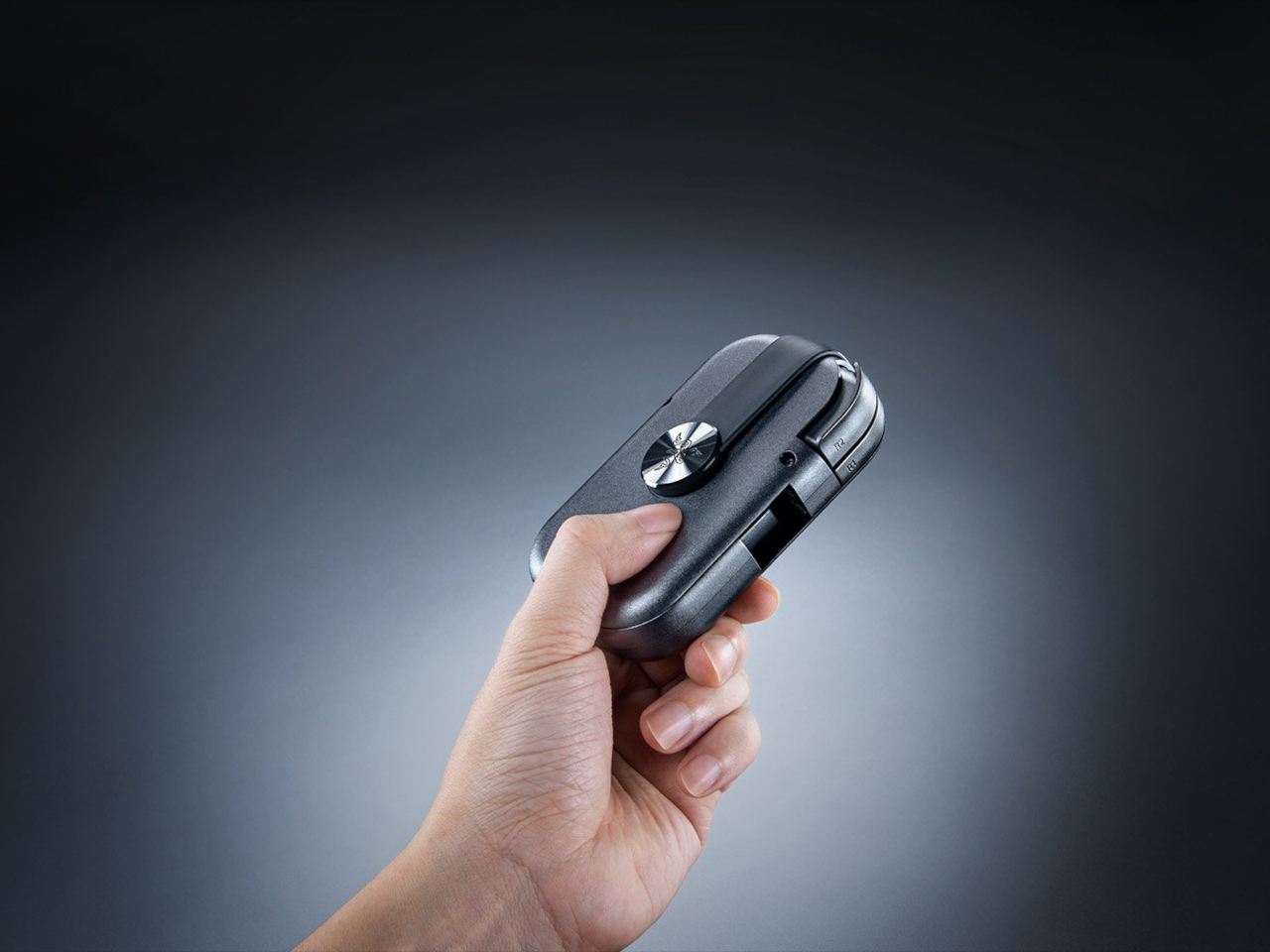
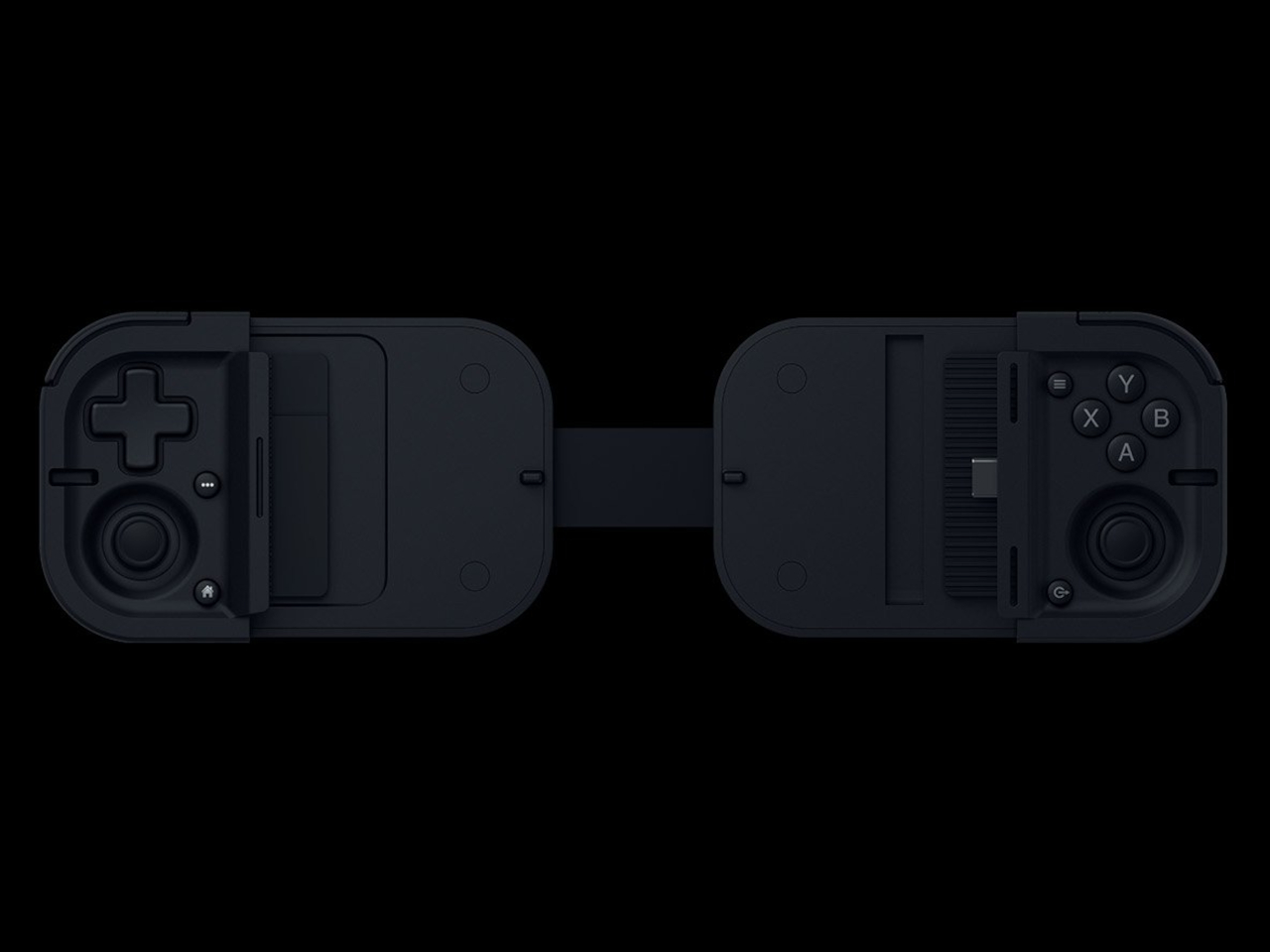
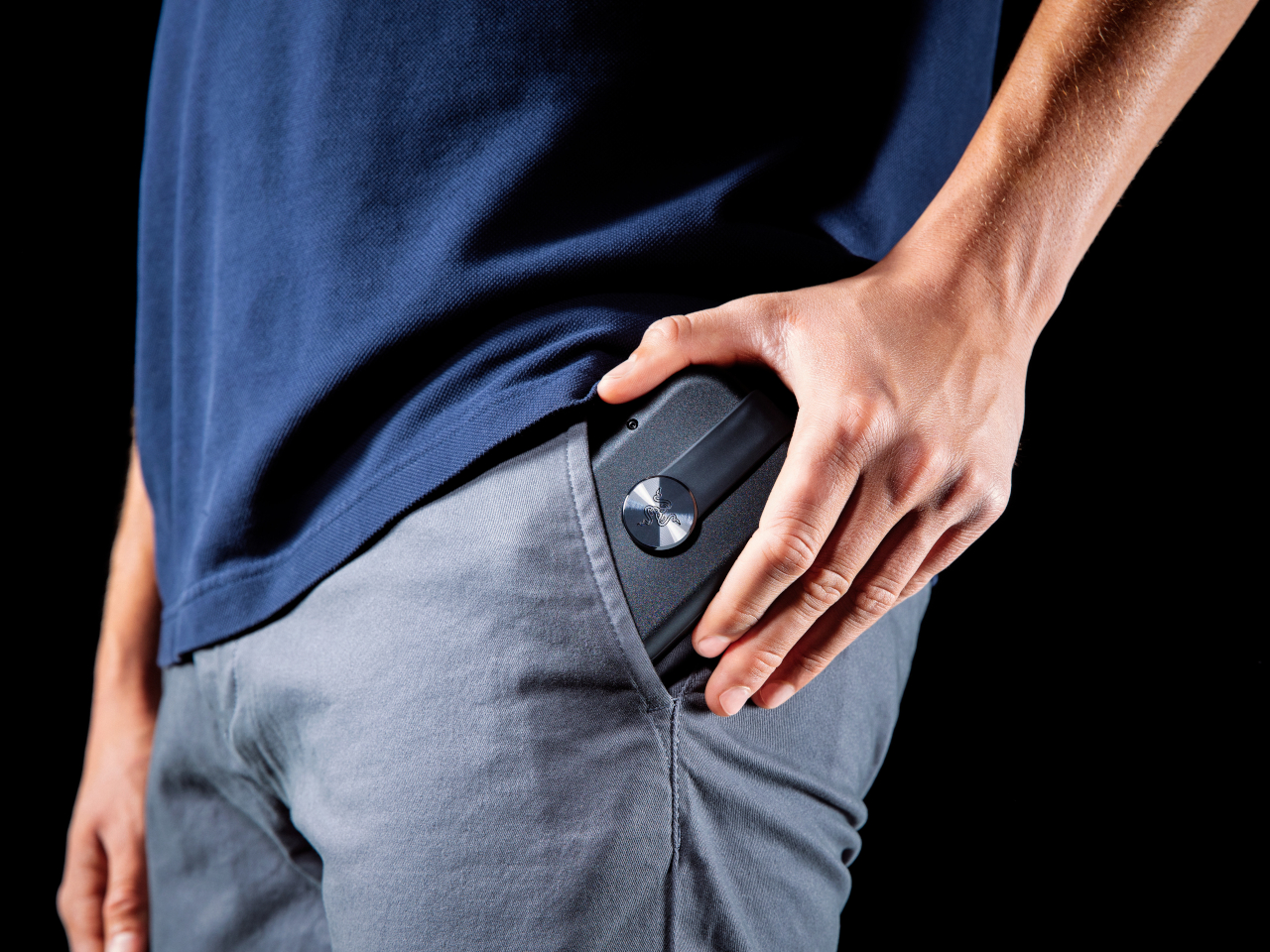
Mobile controllers have always faced the same awkward tradeoff: carry something bulky enough to feel like a real gamepad, or leave it at home and settle for touchscreen buttons. The Razer Prio picks neither option. It folds down to roughly the size of a credit card at 107mm x 67mm x 23mm, then twists open in one motion into a controller with a complete, full-sized button layout.
That twist-to-unlock mechanism is doing more work than it looks like on paper. Rather than hinging flat like a wallet or telescoping outward like most phone-bridge controllers, the Prio rotates its two halves apart, expanding from a dense 101-gram puck into something that spans phones up to 7 inches, including devices as large as the iPhone 17 Pro Max. The motion itself becomes the reveal.
Designer: Razer
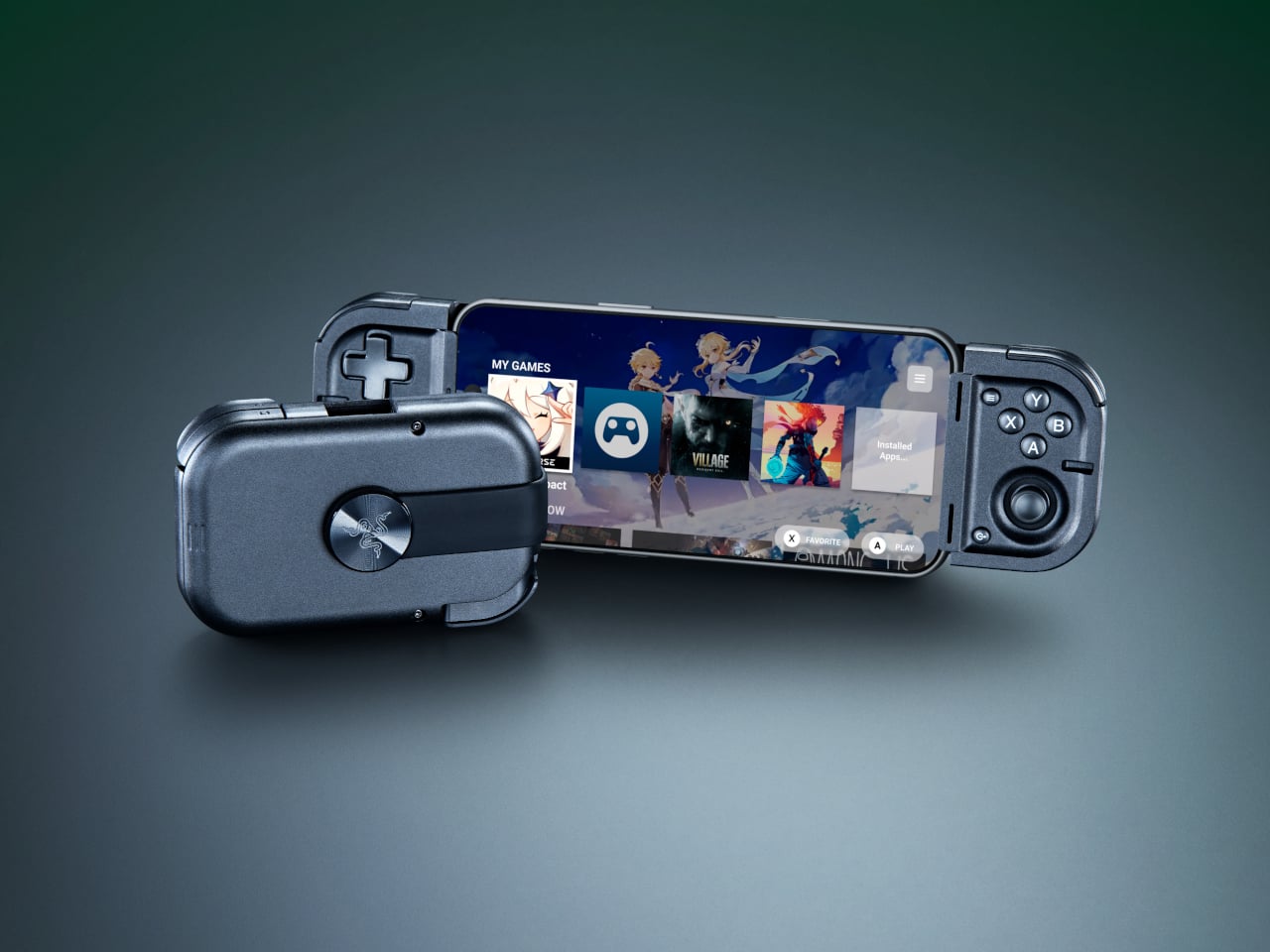

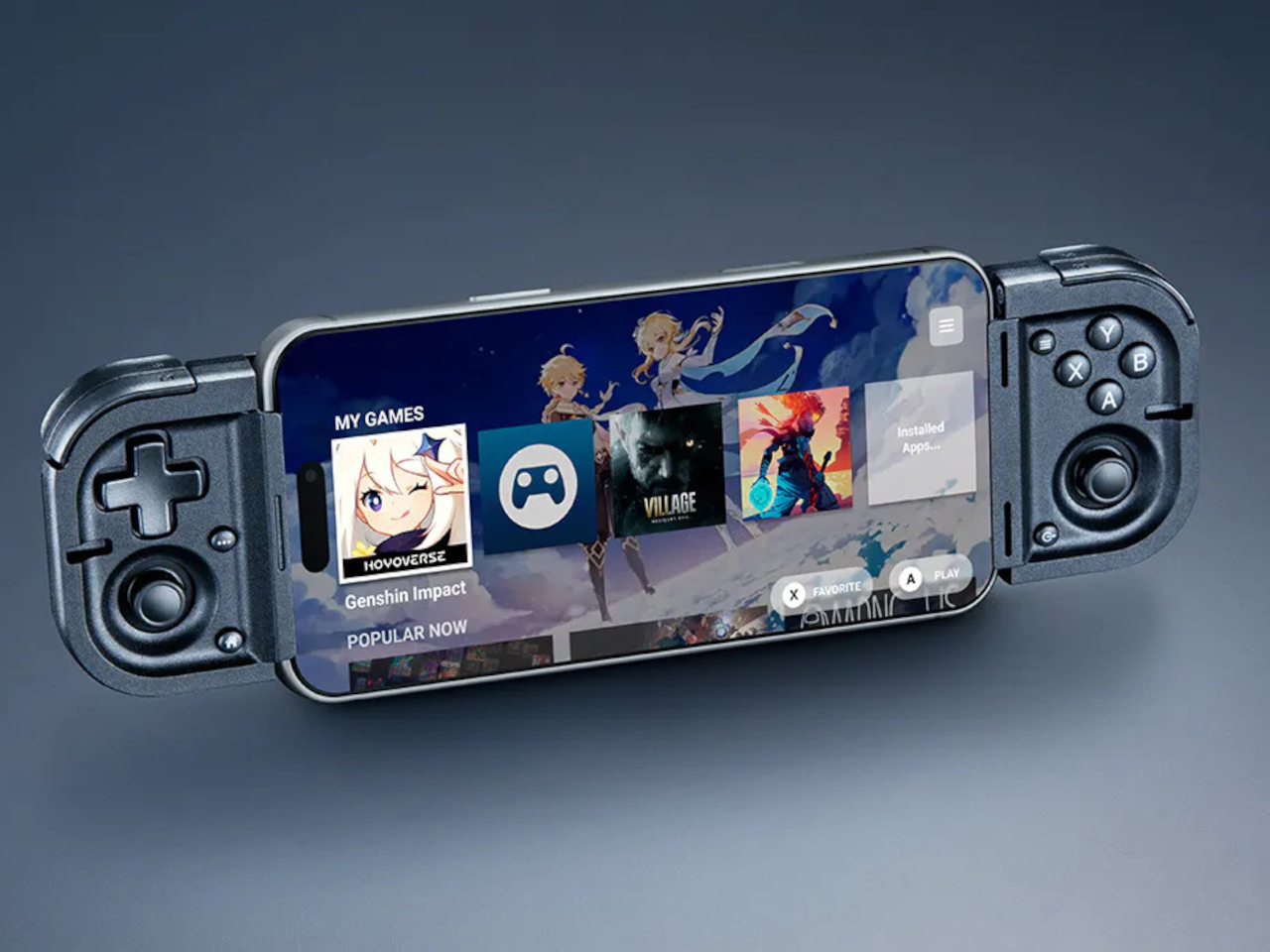
Once open, the control surface doesn’t feel like it compromised anything to get small. A tactile 4-way D-pad, full face buttons, bumpers, and triggers all made it into the layout, alongside thumbsticks built on capacitive sensing rather than the usual mechanical potentiometers. Removing physical contact points means there’s nothing inside to wear down over time, which addresses stick drift at the source instead of patching around it later.
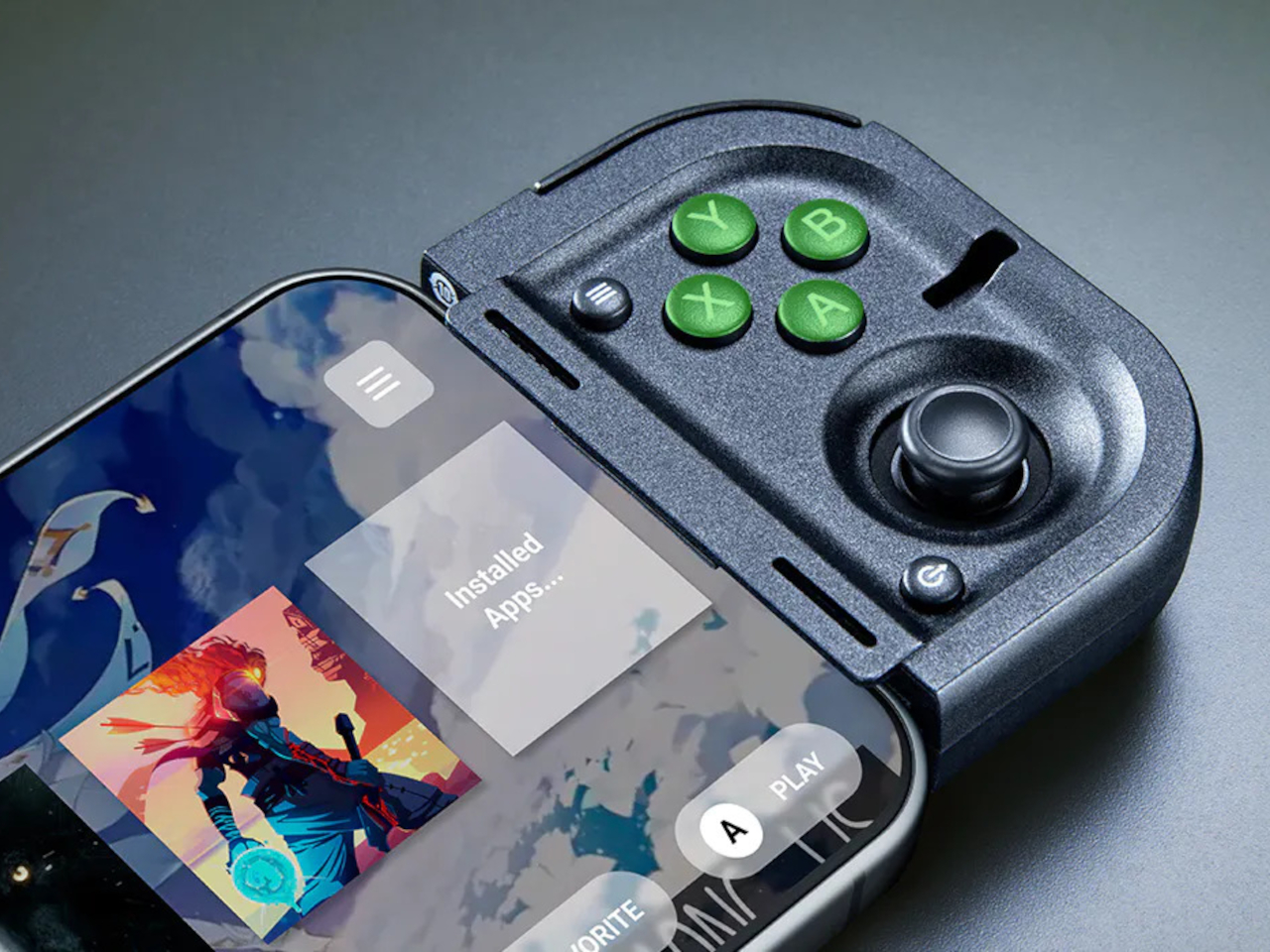
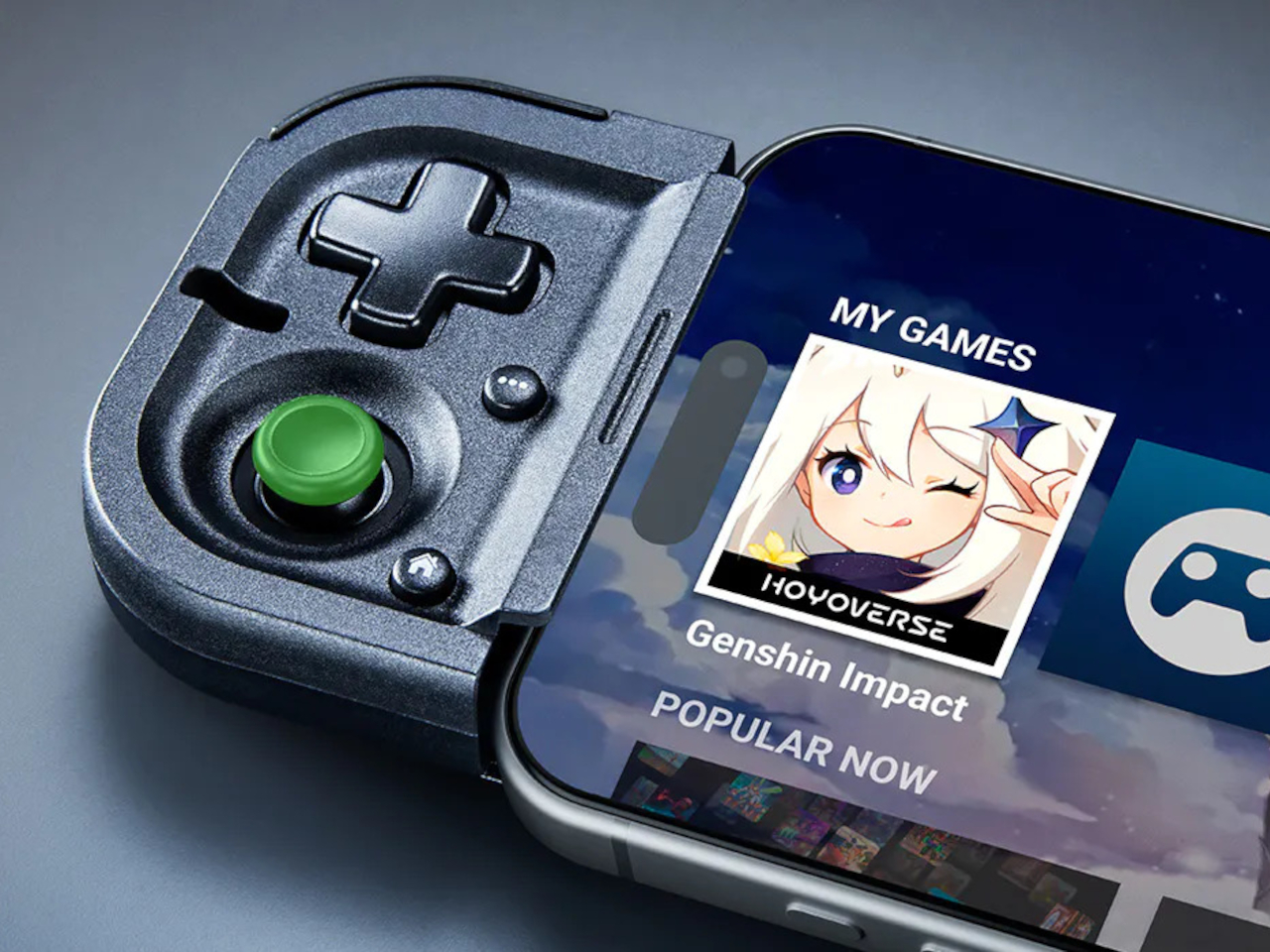
Picture a delayed train platform or the ten minutes between classes that usually gets wasted scrolling through a phone. The Prio exists specifically for that kind of narrow window, slipping out of a pocket, twisting open, and plugging directly into a phone’s USB-C port without any pairing screen or Bluetooth handshake standing between the moment and actually playing something worth playing.
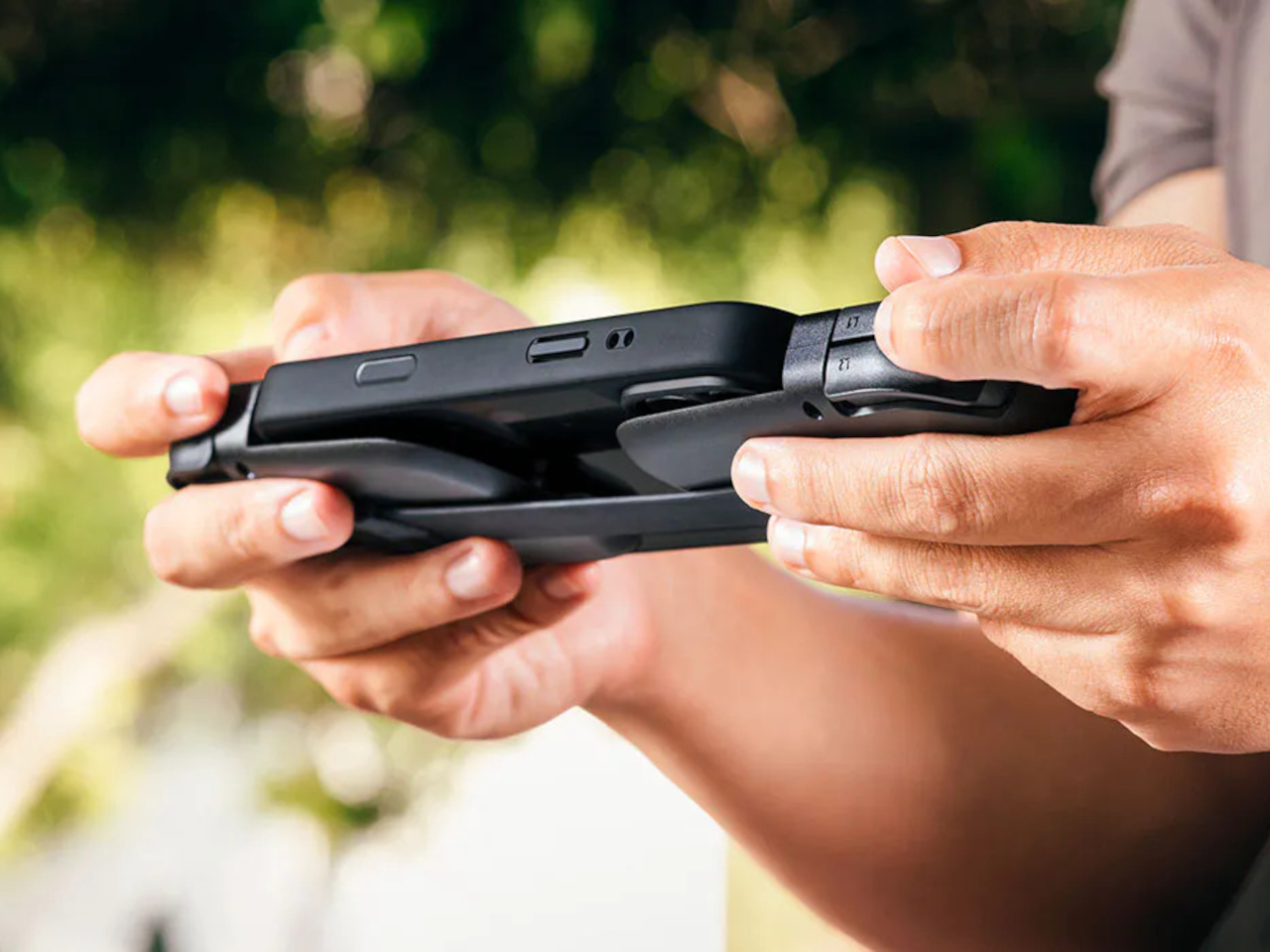
That direct USB-C connection matters beyond convenience. Skipping wireless pairing removes the input lag that makes touchscreen controls and some Bluetooth gamepads feel disconnected from what’s happening onscreen, which becomes especially noticeable in anything reaction-based. It also means never worrying about a dead controller battery separate from the phone it’s attached to, since the phone itself is supplying the power.
The Prio’s reach extends past native mobile games as well. It works across Xbox Cloud Gaming, PlayStation Remote Play, Steam Link, and Razer’s own PC remote play service, turning a phone into a display for console and PC libraries rather than limiting the controller to whatever’s built specifically for touchscreens. A pocket-sized accessory suddenly covers a genuinely wide range of what someone might want to play.
At $99.99, the Prio positions itself as the opening entry in what Razer describes as a broader line of ultra-portable controllers still to come. What it gets right immediately is treating portability as a mechanical problem worth solving properly, not just a matter of making something smaller and hoping the compromises go unnoticed once it’s actually in someone’s hands.