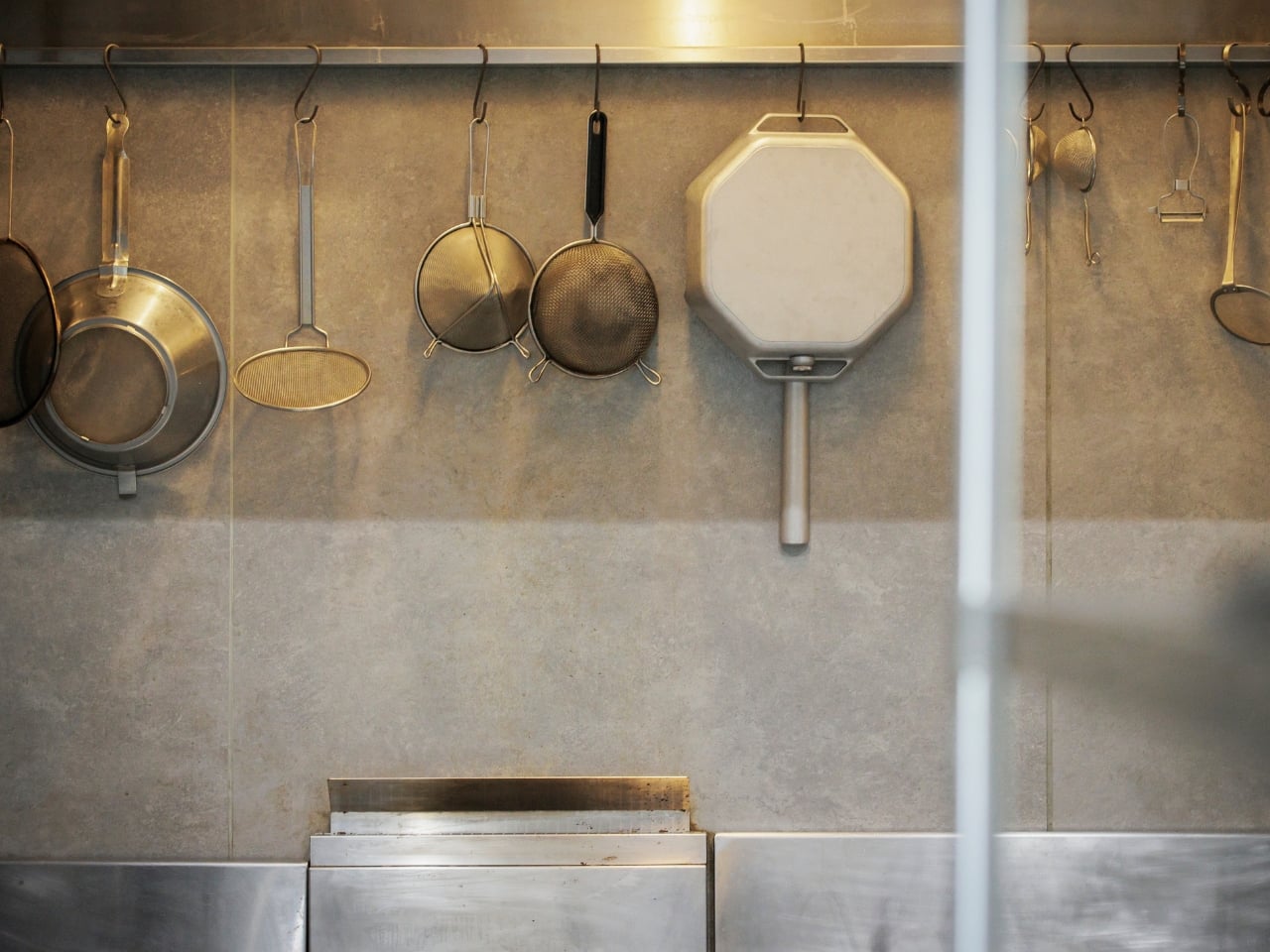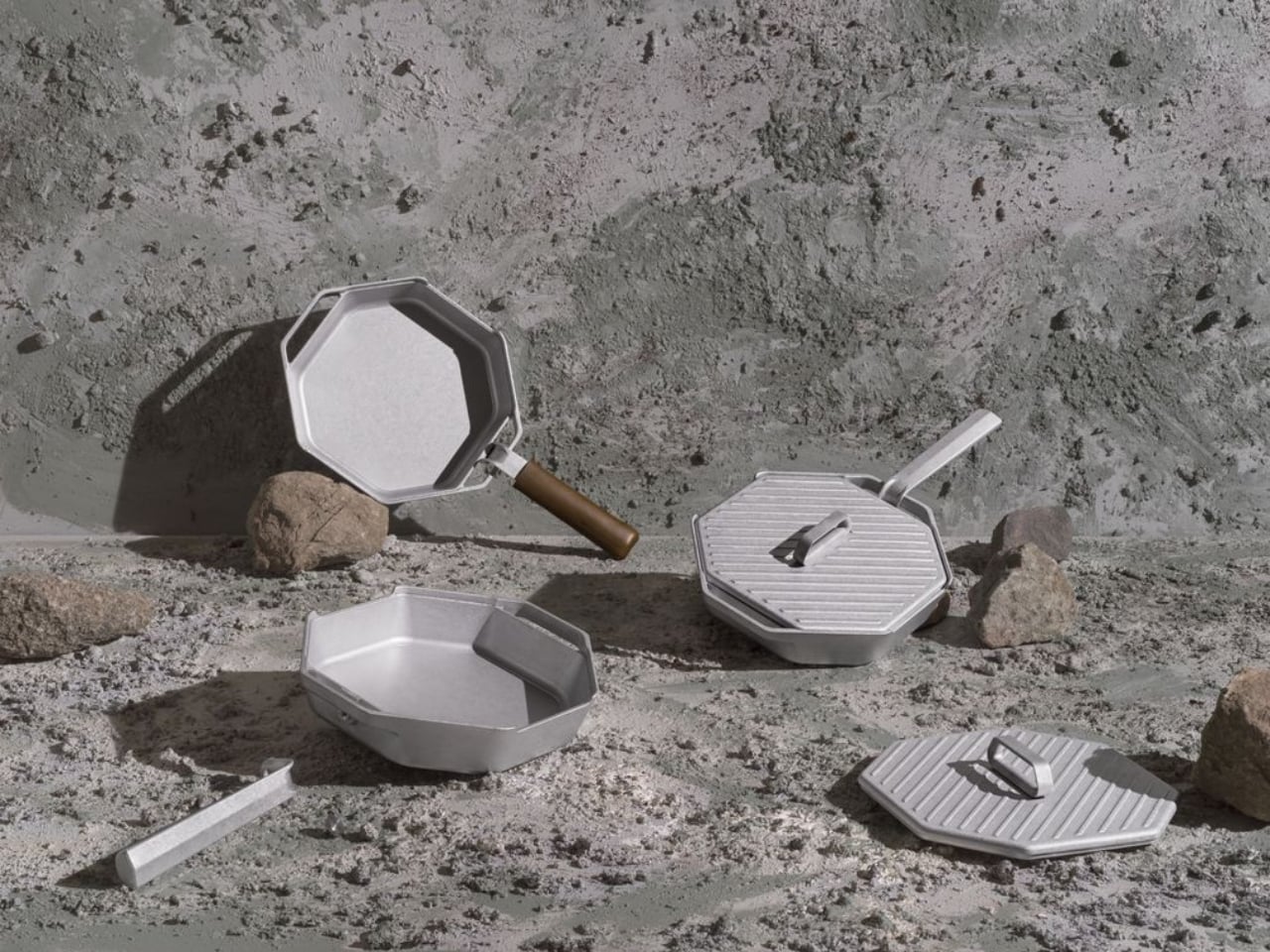

Most pans don’t ask you to think. They just sit there, round and unremarkable, doing what pans have always done. The STEKA sauté pan, designed by Swedish studio ADDI for Japanese cookware brand Mozambique, is different in the most deliberate way possible, and I mean that as a compliment.
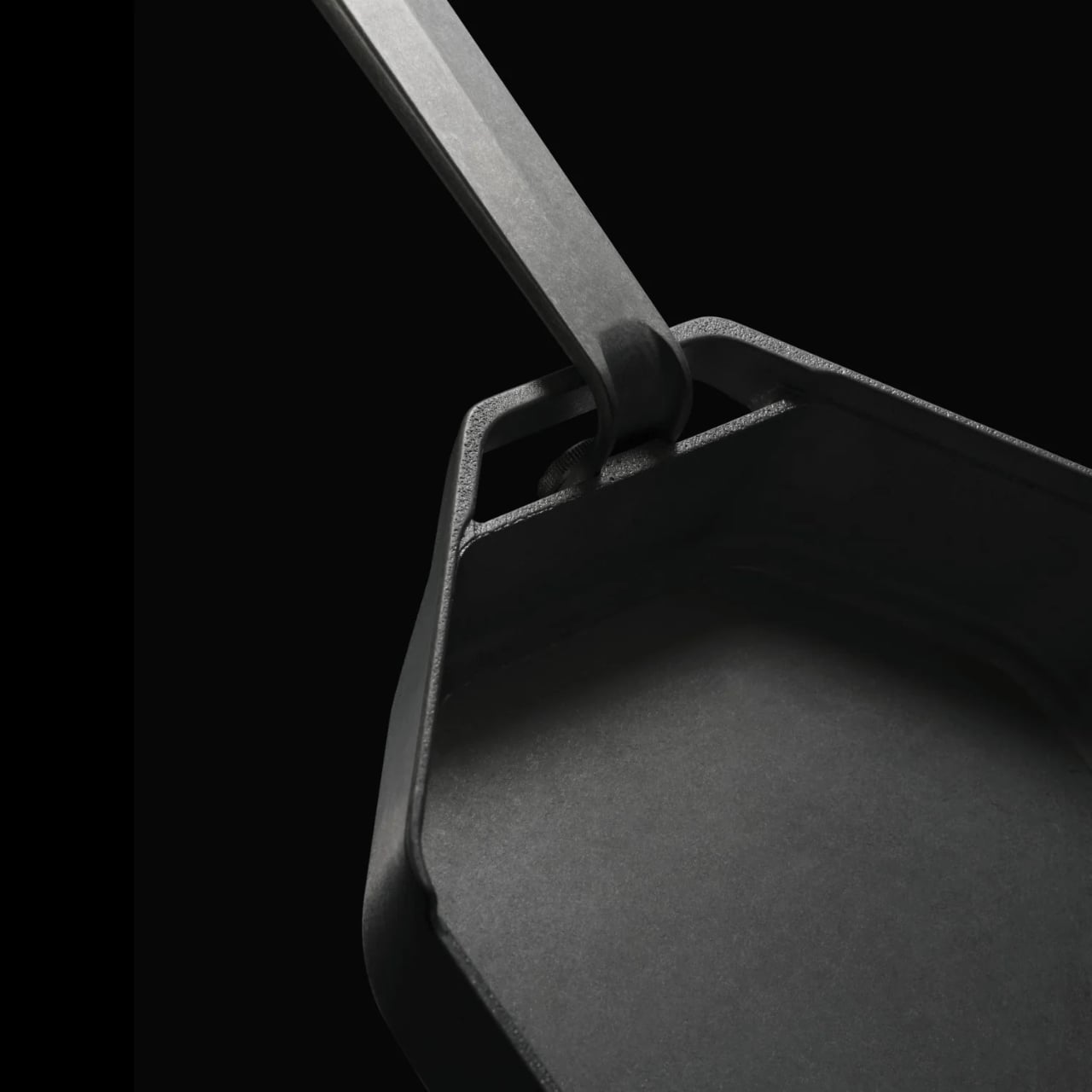
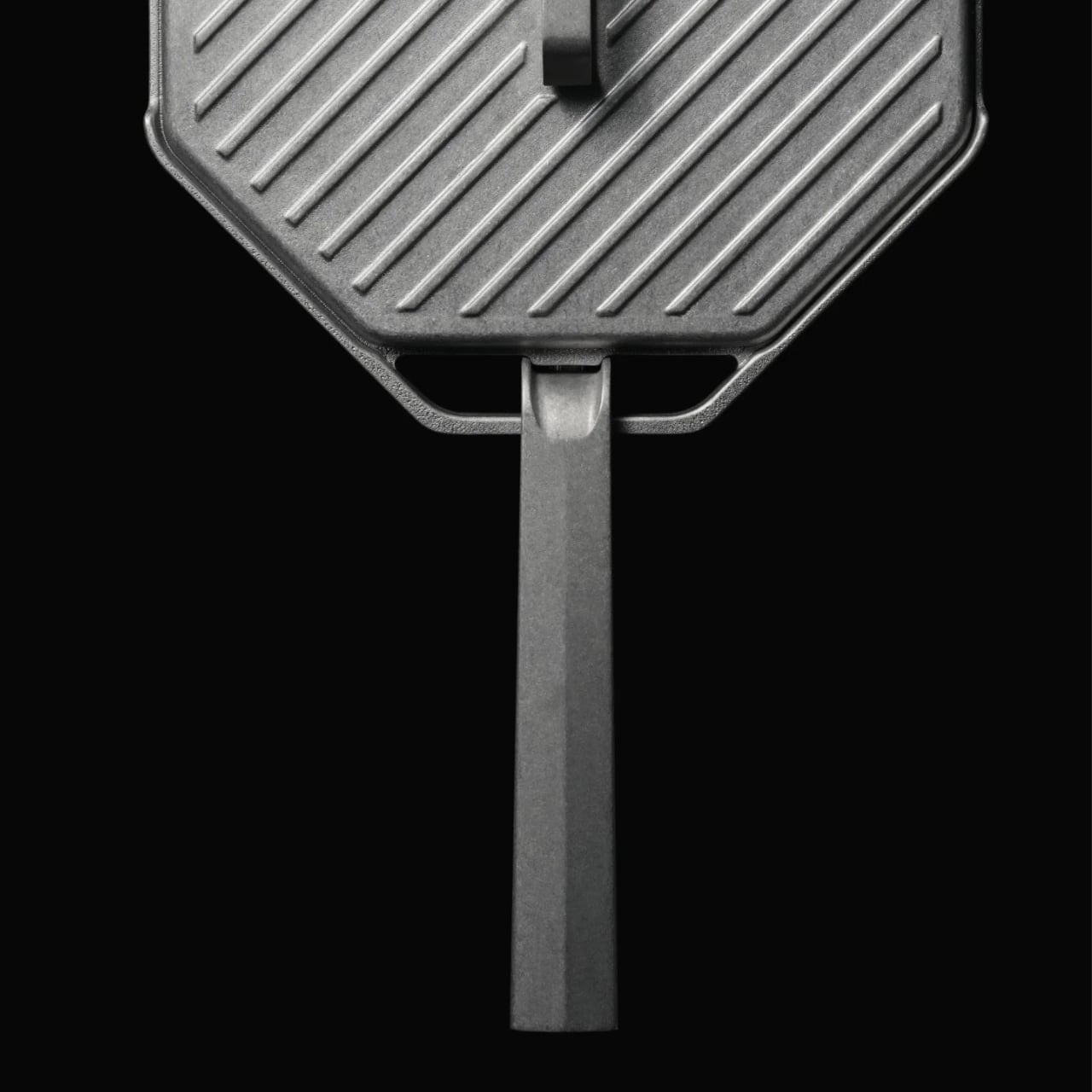
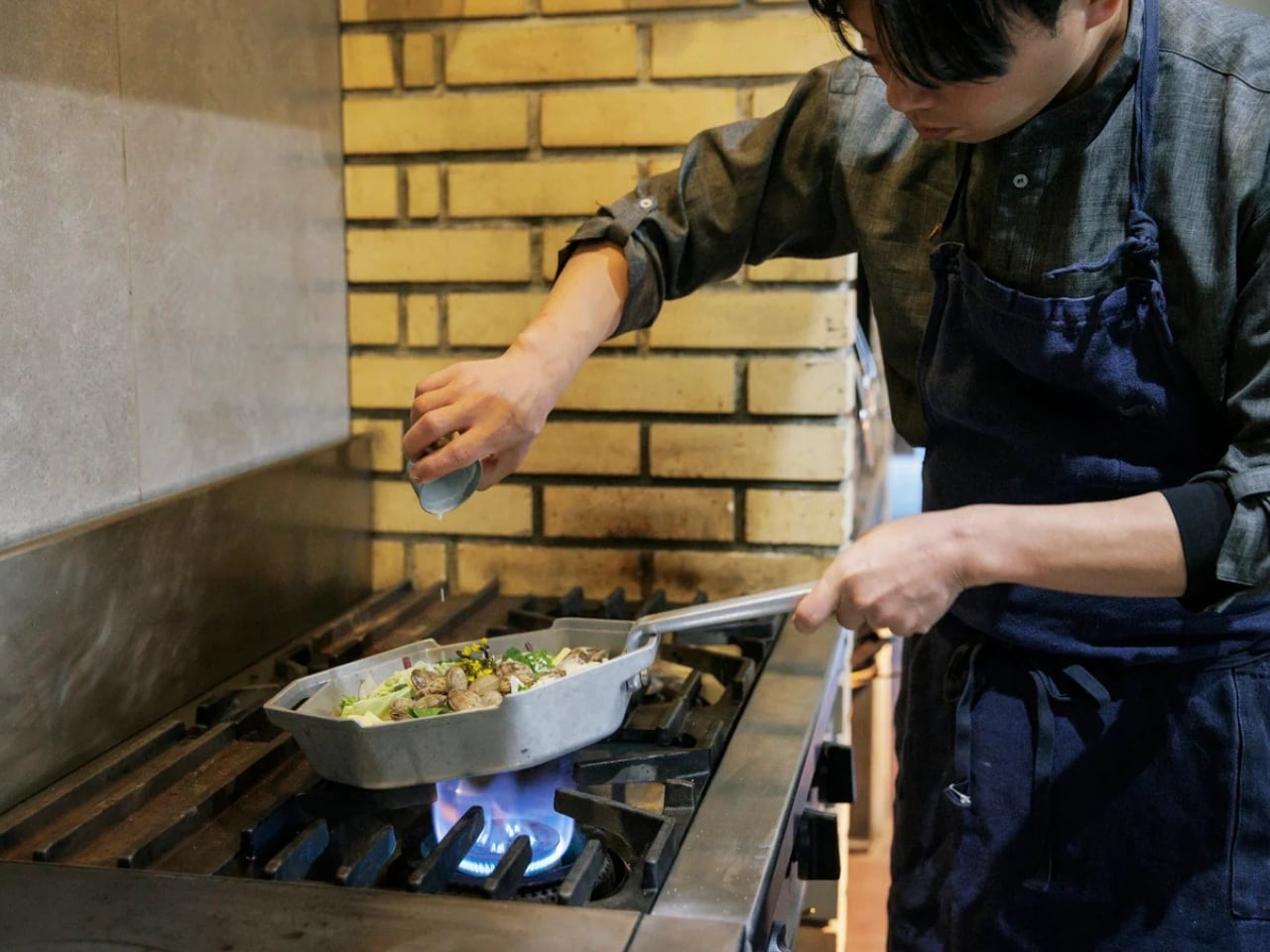
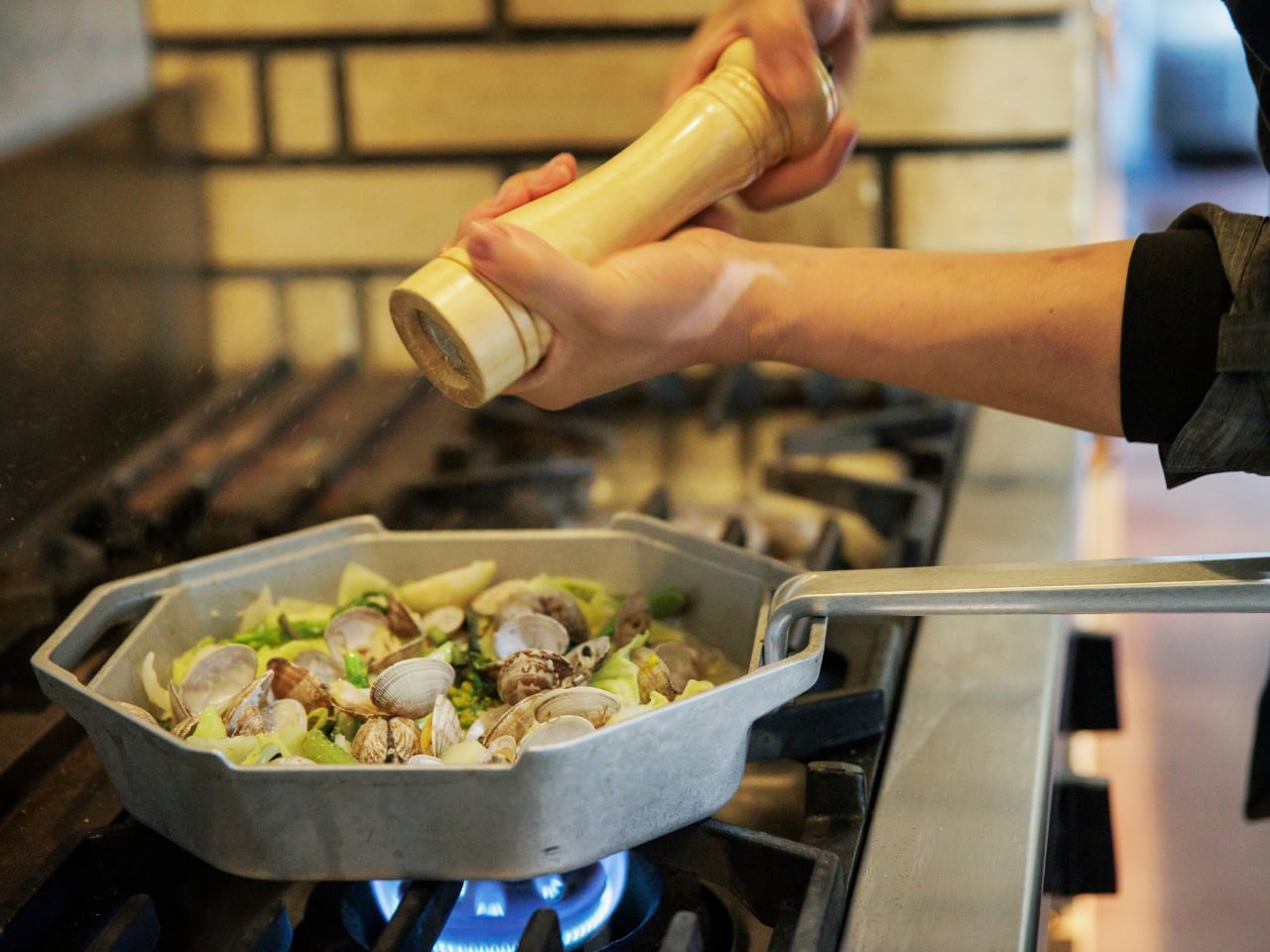
Let’s start with the shape. Eight sides. Not round, not square, but octagonal. It sounds like a design flex, the kind of decision that happens when a studio wants attention more than function. But the reasoning holds up. Most cookware is round because round is the easiest shape to cast and the most forgiving in production. ADDI chose the octagon because it offers distinct flat edges that make sense in practice, whether you’re working over a kitchen burner or sitting a pan directly over an open fire. The geometry earns its place.
Designer: ADDI Design Studio for Mozambique
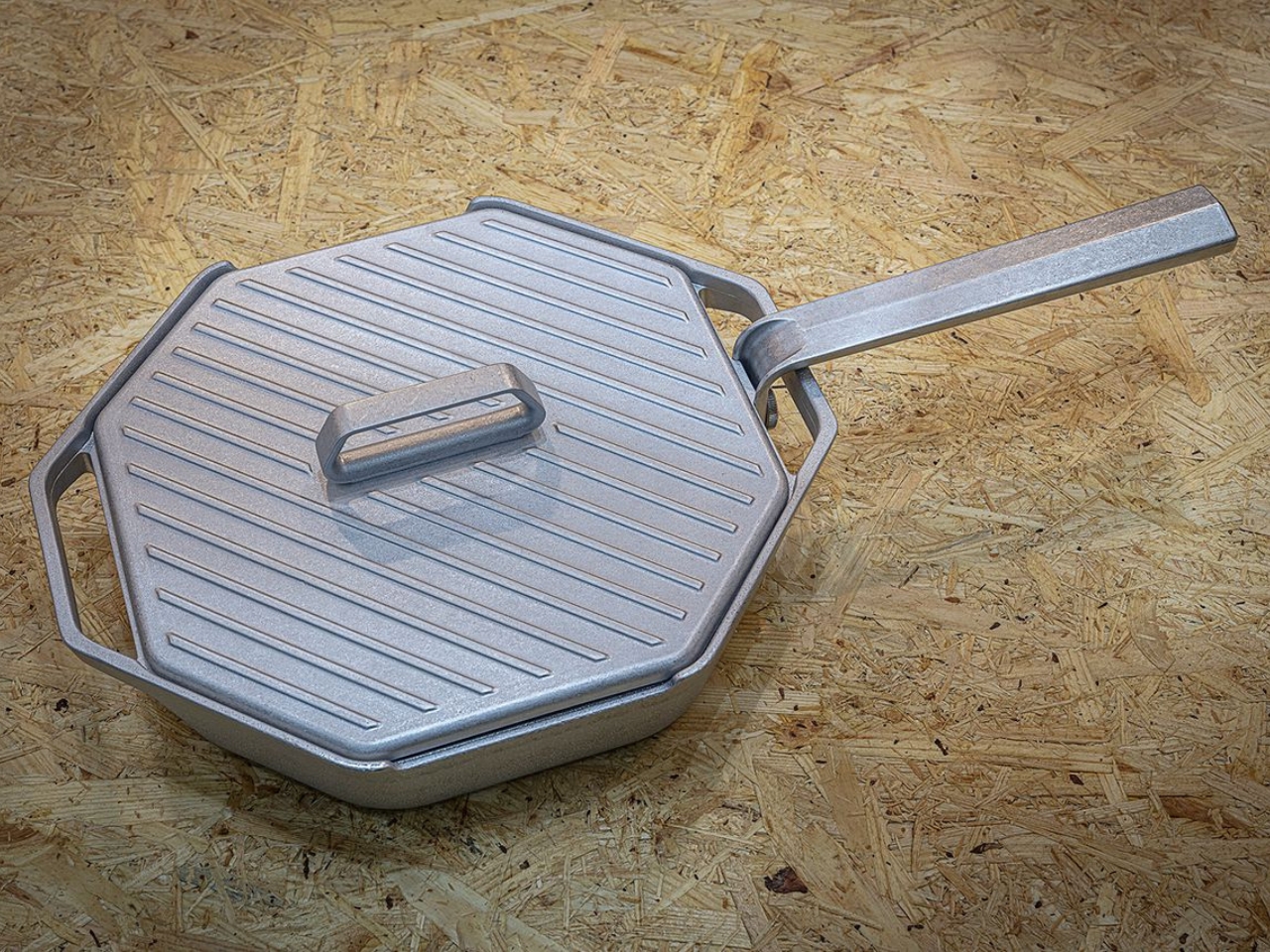
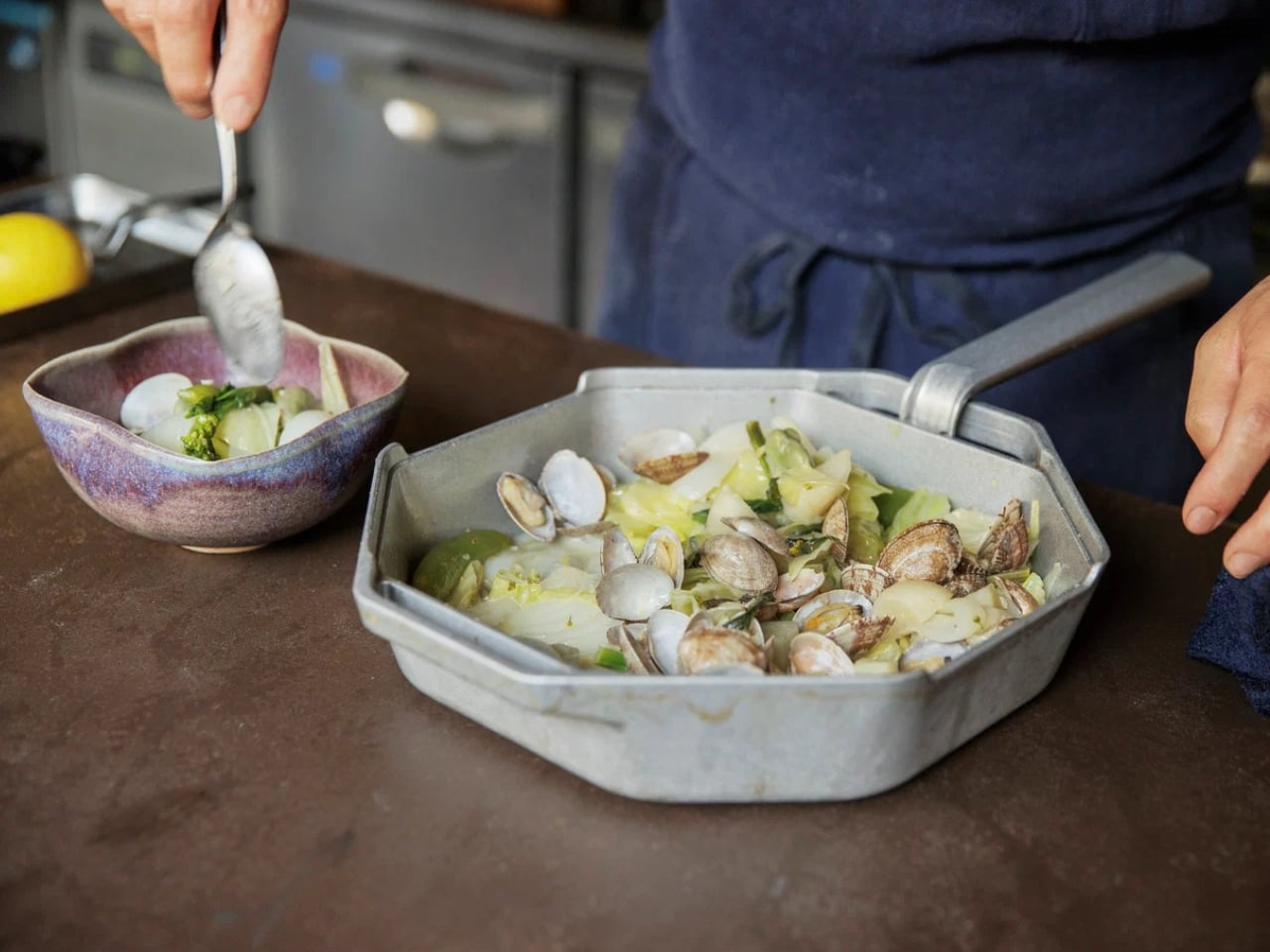
The material choice is just as deliberate. STEKA is cast from 5mm solid aluminum, hand-poured and gravity cast in Japan. That thickness gives it heat retention comparable to cast iron without the same punishing weight. The cooking surface is left completely uncoated, which I know immediately raises a few eyebrows. No non-stick. No ceramic layer. Nothing. Just bare aluminum that develops and seasons over time with use, much like cast iron does.
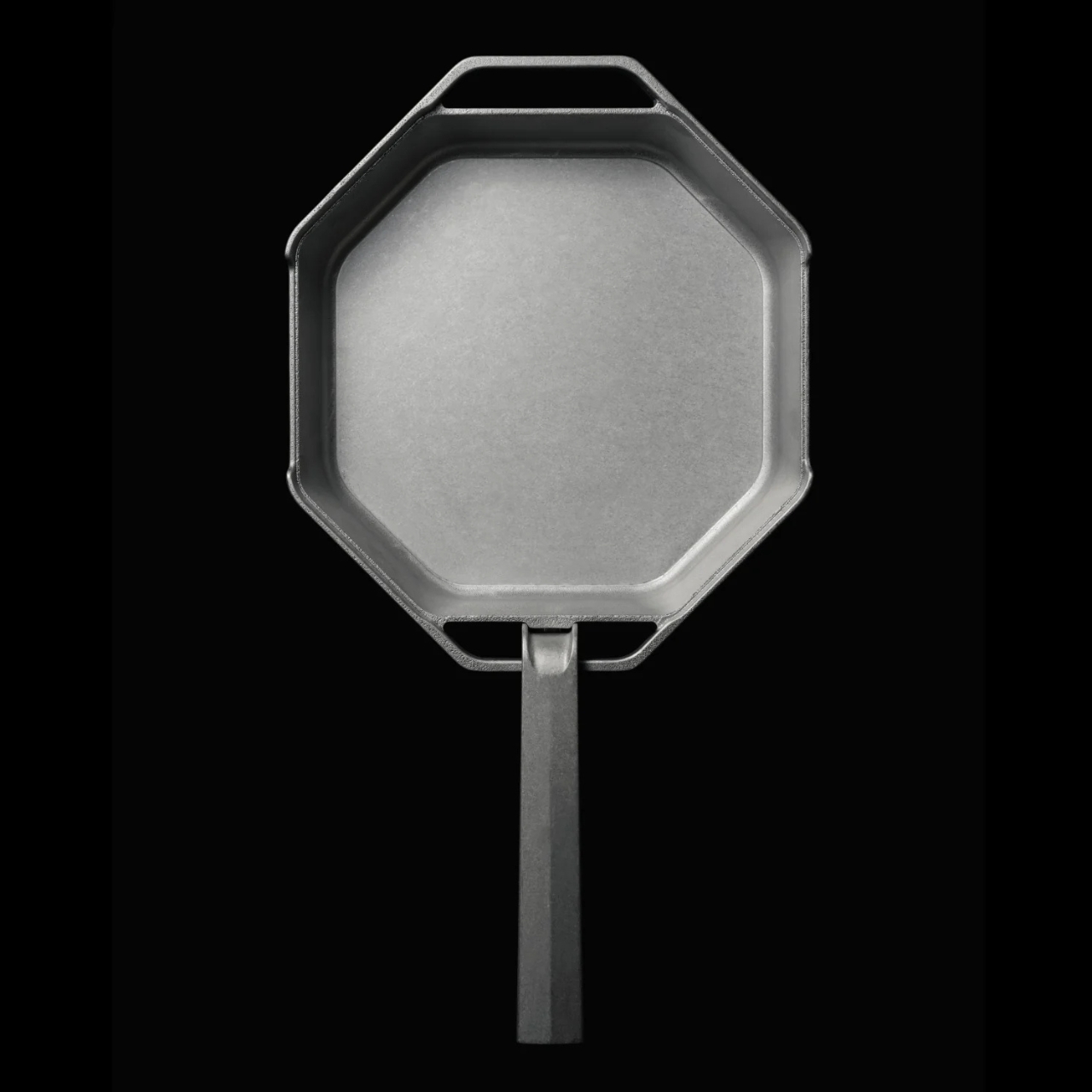

I’ll admit that for a lot of people, “no coating” sounds like a downgrade. We’ve spent years marketing cookware as a race toward the most non-stick, most frictionless, most idiot-proof surface possible. But coatings degrade. They scratch. They flake eventually. And when they do, the pan is done. There’s no recovering it. STEKA sidesteps this entirely by starting raw and letting time do the work. It’s a slower relationship with your cookware, but a longer one.
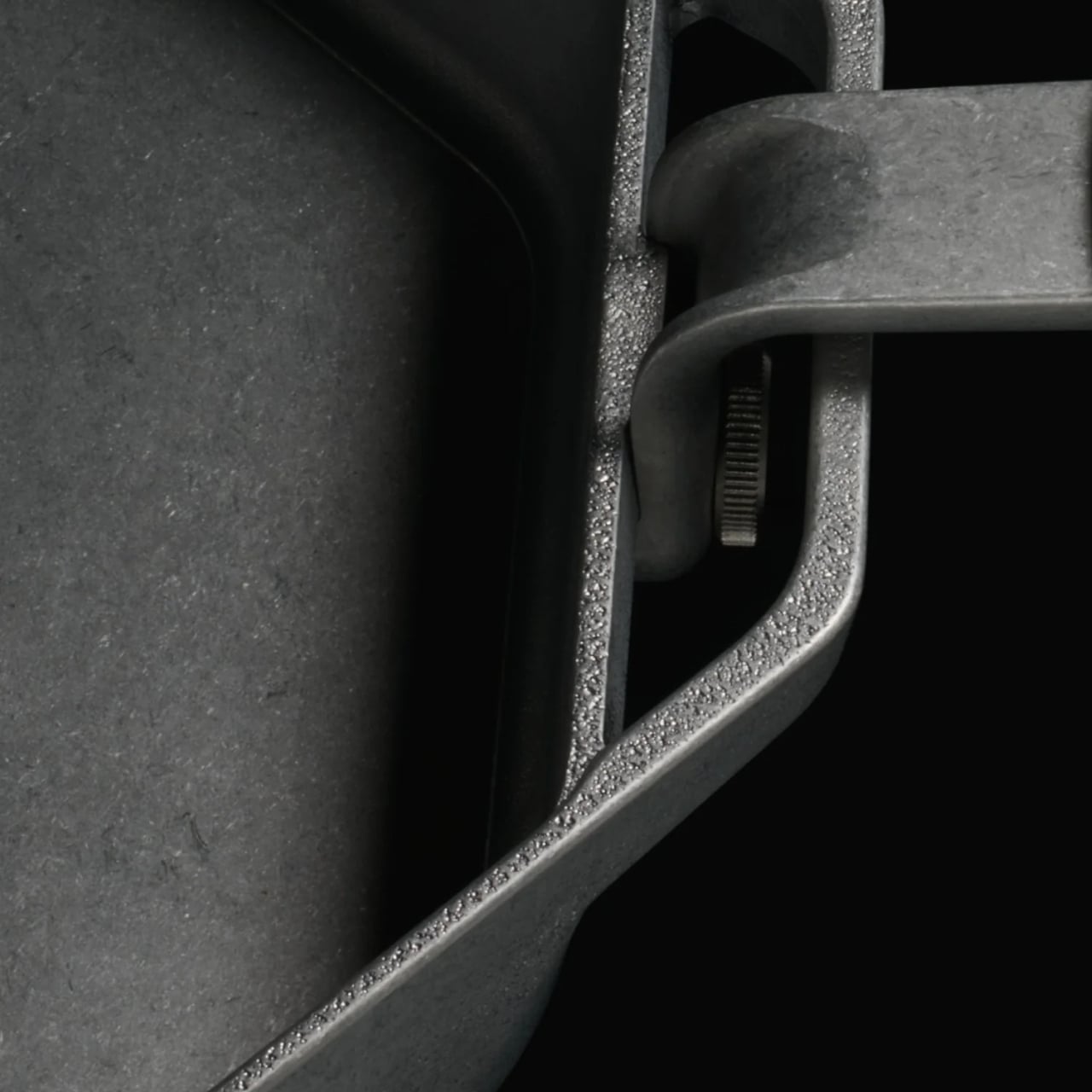
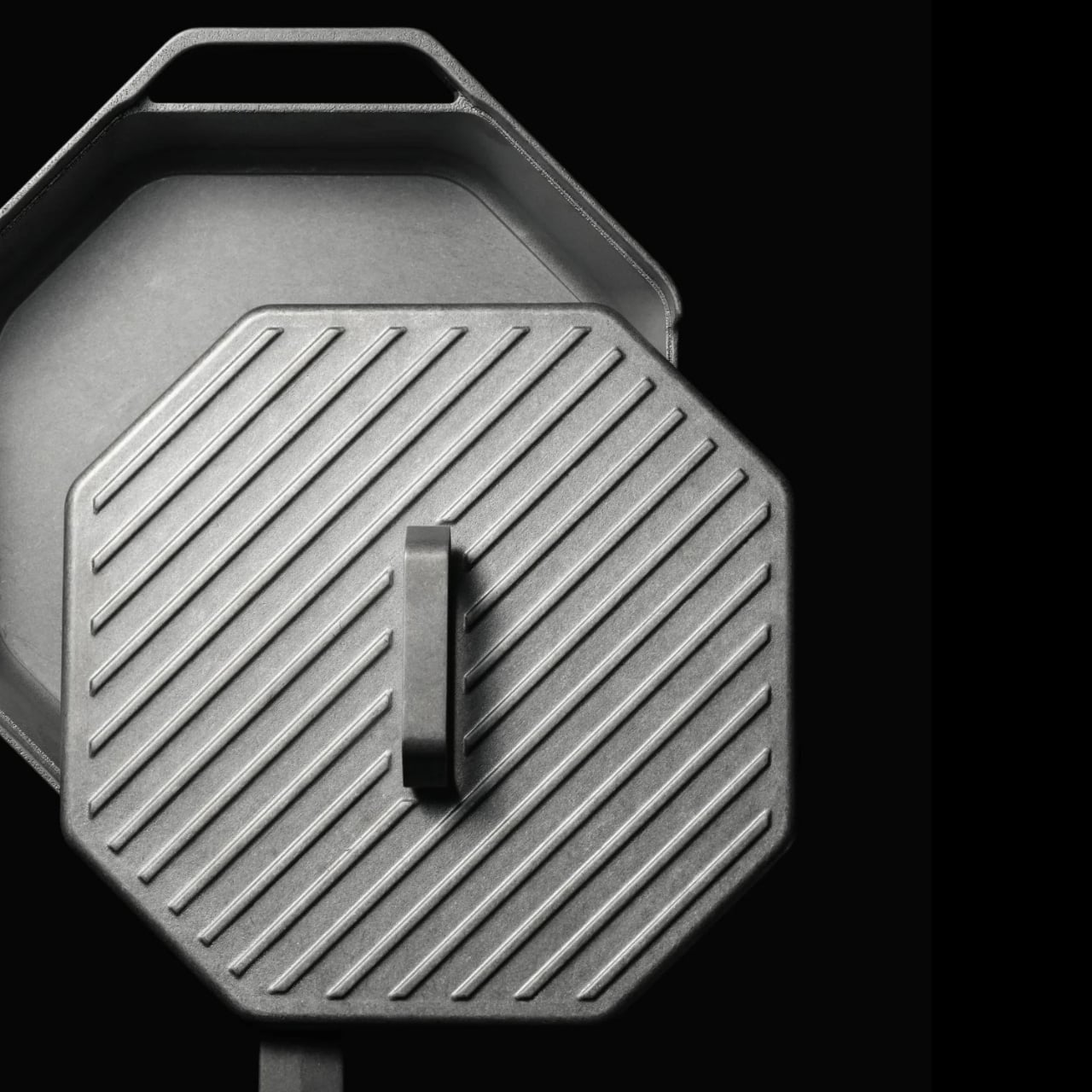
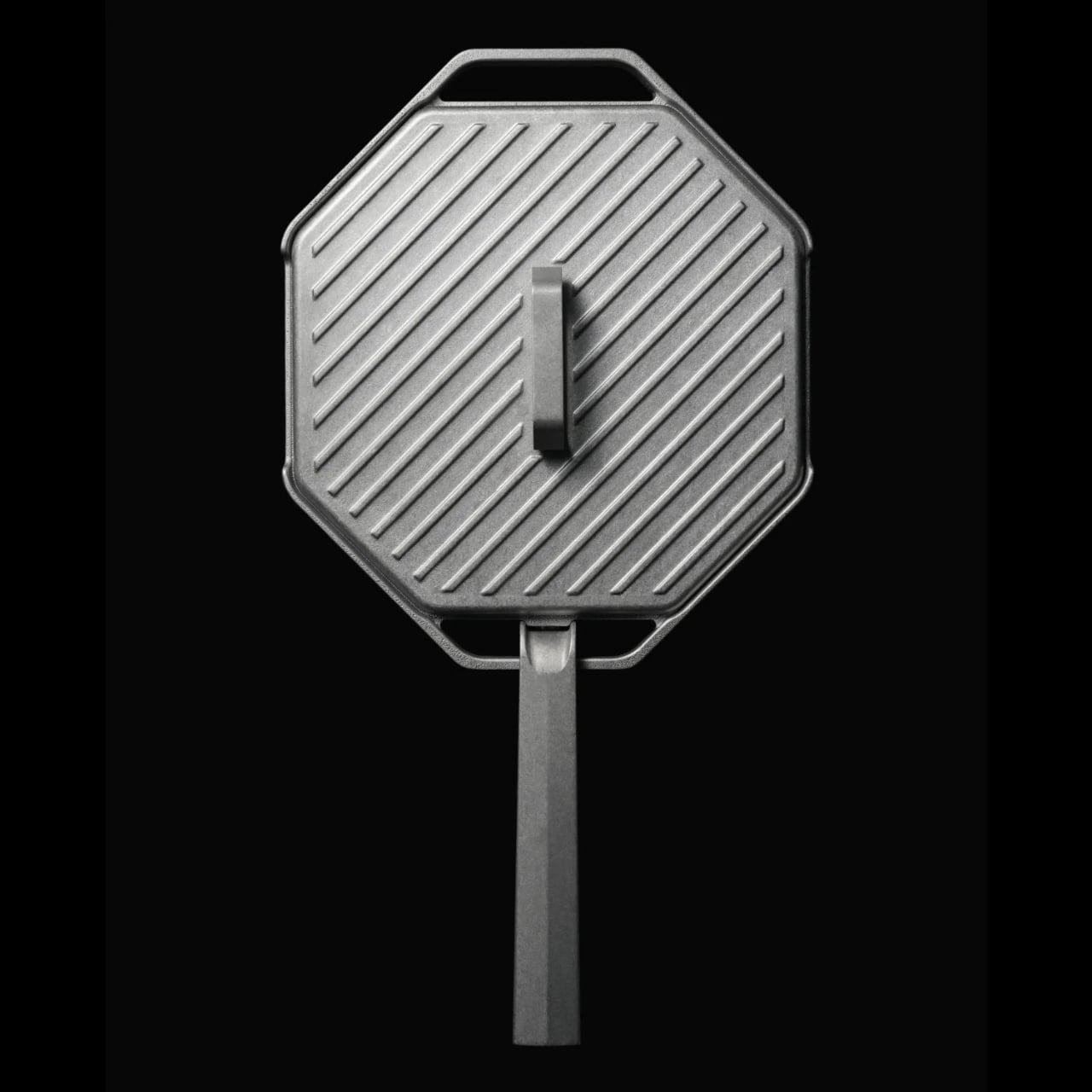
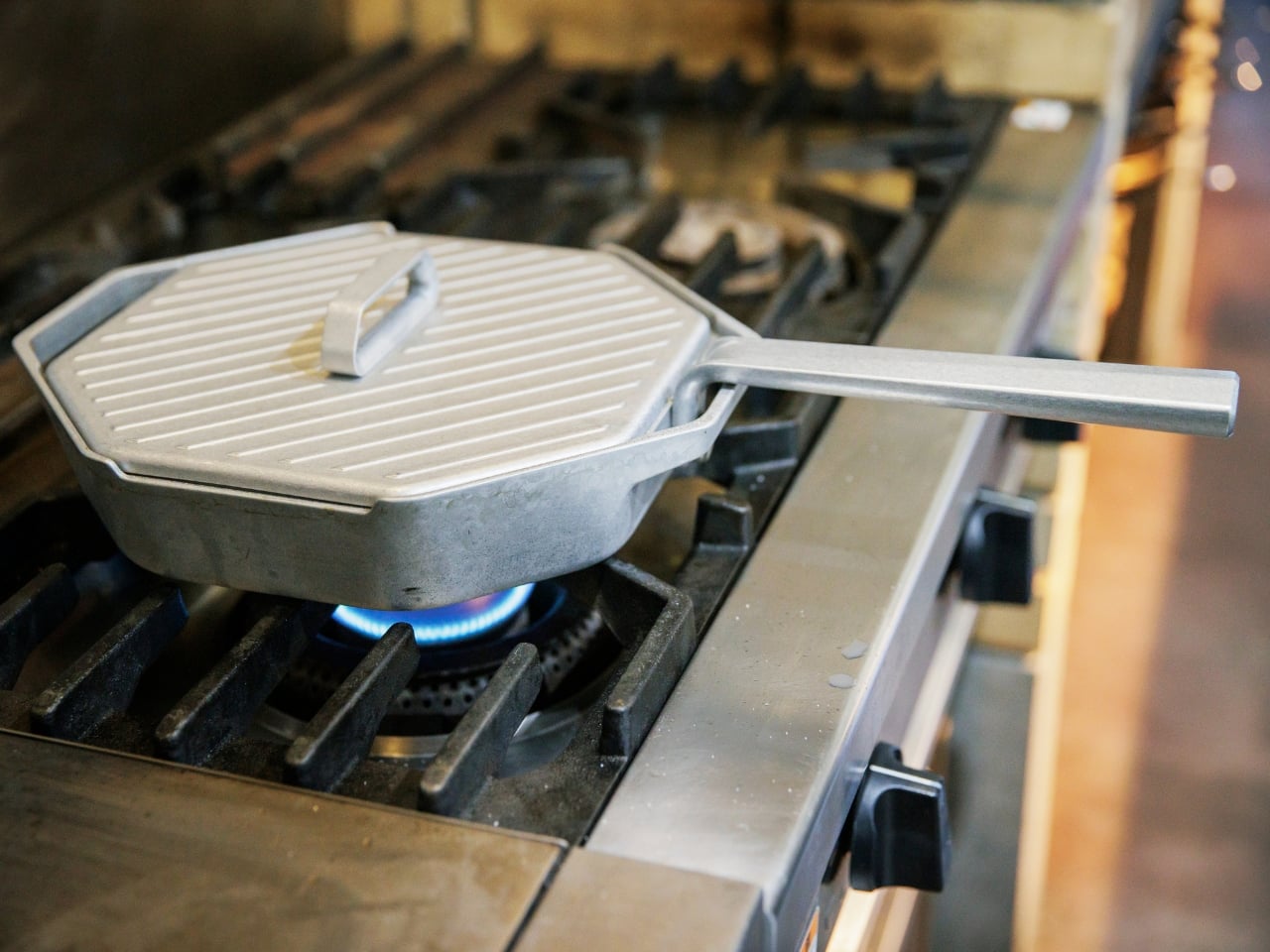
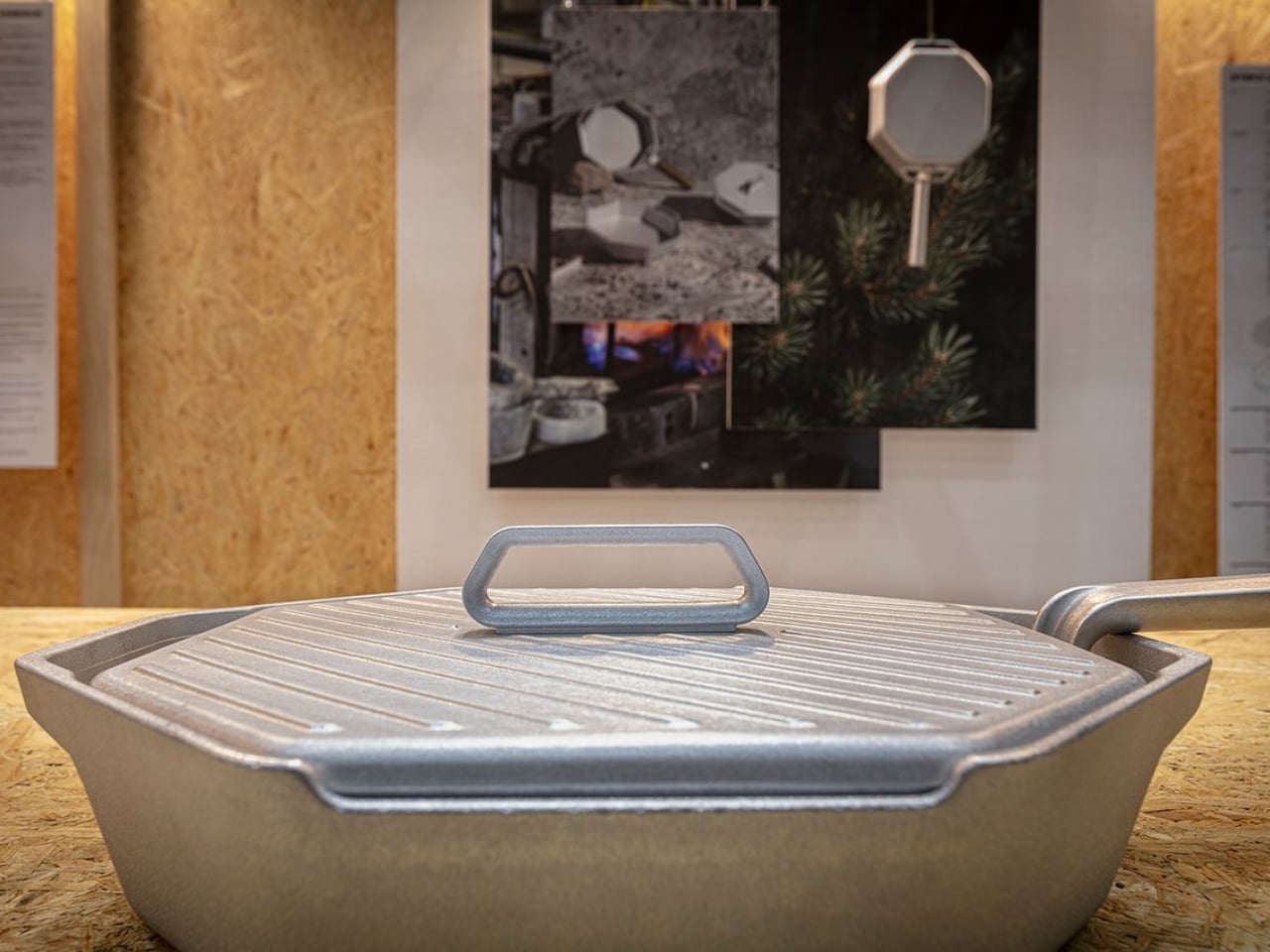
The handle is fixed with a single stainless-steel screw. That’s it. One screw. Which means if the handle ever wears out or breaks, you replace just the handle, not the whole pan. It also means the handle comes off, making STEKA compact enough to pack for camping or outdoor cooking without fuss. Paired with a drop-lid-inspired cover, the pan is genuinely built to move between environments.
The collaboration itself is worth paying attention to. ADDI is a Swedish design studio, and Mozambique is a Japanese cookware brand. The development process involved repeated rounds of testing and adjustment between Sweden and Japan, which is the kind of detail that sounds like a press release until you actually look at the result. The pan doesn’t feel like a compromise between two aesthetic traditions. It feels resolved. Scandinavian restraint and Japanese craft precision happen to want the same things, and STEKA is the proof.
At around $172 USD, it’s not an impulse buy. But it’s also not priced like a collector’s piece you’ll be afraid to use. It sits somewhere in the range of a considered investment, the kind of object you buy once and keep for a very long time. That’s clearly the intention. ADDI designed STEKA as a lifelong tool, not a product with a planned obsolescence timeline hiding inside the coating.
The thing about STEKA that sticks with me isn’t the octagon or even the aluminum. It’s the philosophy behind the decision-making. Every choice in this pan, the shape, the material, the screw-fixed handle, the uncoated surface, exists because it extends the object’s life, not because it makes the pan easier to sell. That’s a genuinely rare thing in cookware right now, where most launches are built around a proprietary finish or a celebrity name.
The STEKA pan is the opposite of that. It’s a refusal to add features that will eventually become liabilities. And for a category that has been iterating on the same basic object for centuries, that kind of restraint reads less like a design choice and more like a position.