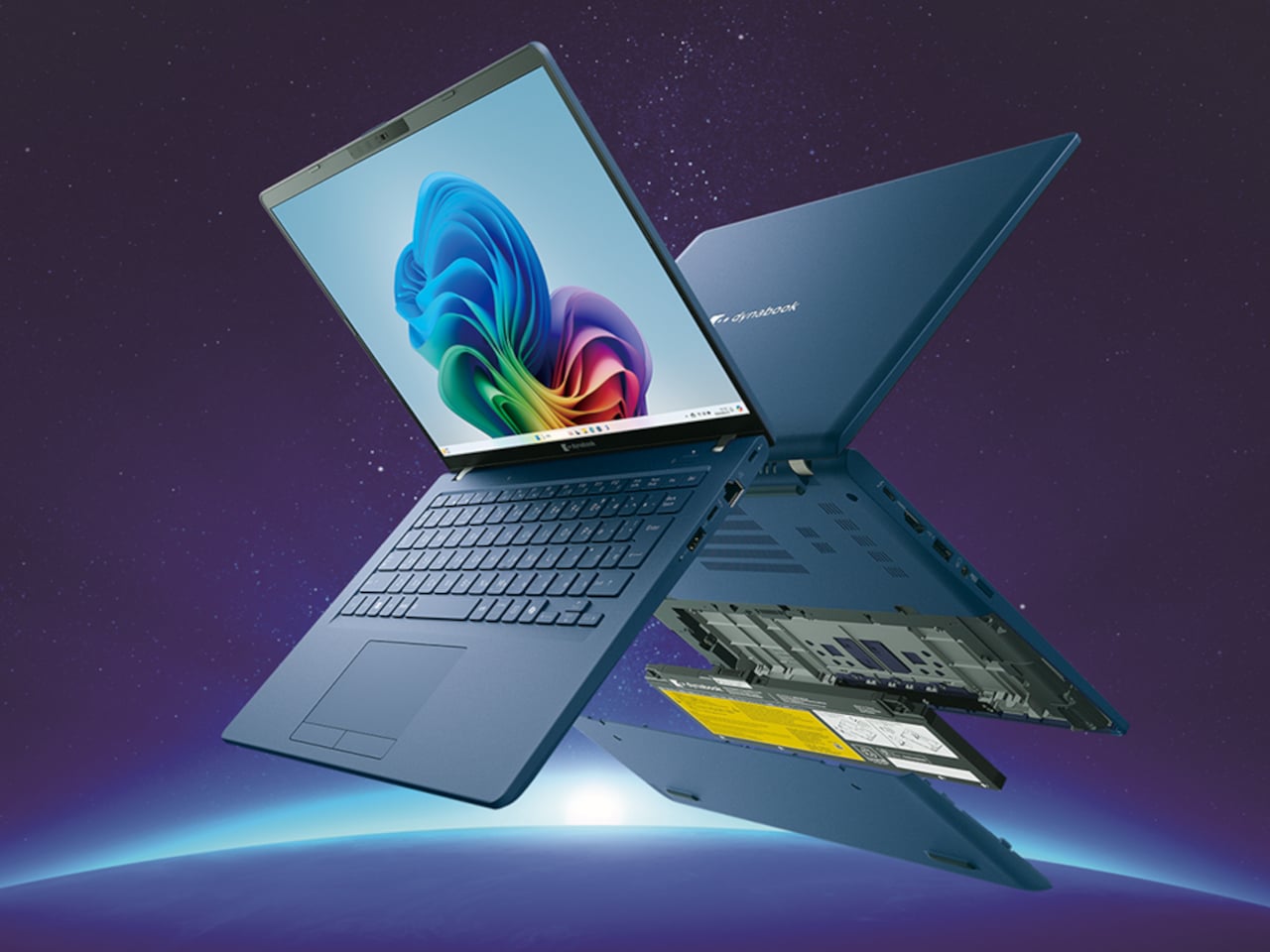

AI on laptops has created a new kind of battery problem. The promise of on-device AI processing, where the work stays local rather than routing through a cloud server, is genuinely useful for anyone handling sensitive data. But running a neural processing unit alongside everything else a laptop already juggles accelerates battery wear in ways that weren’t as much of a concern three years ago. The battery that comes with a new laptop today degrades faster than the hardware around it.
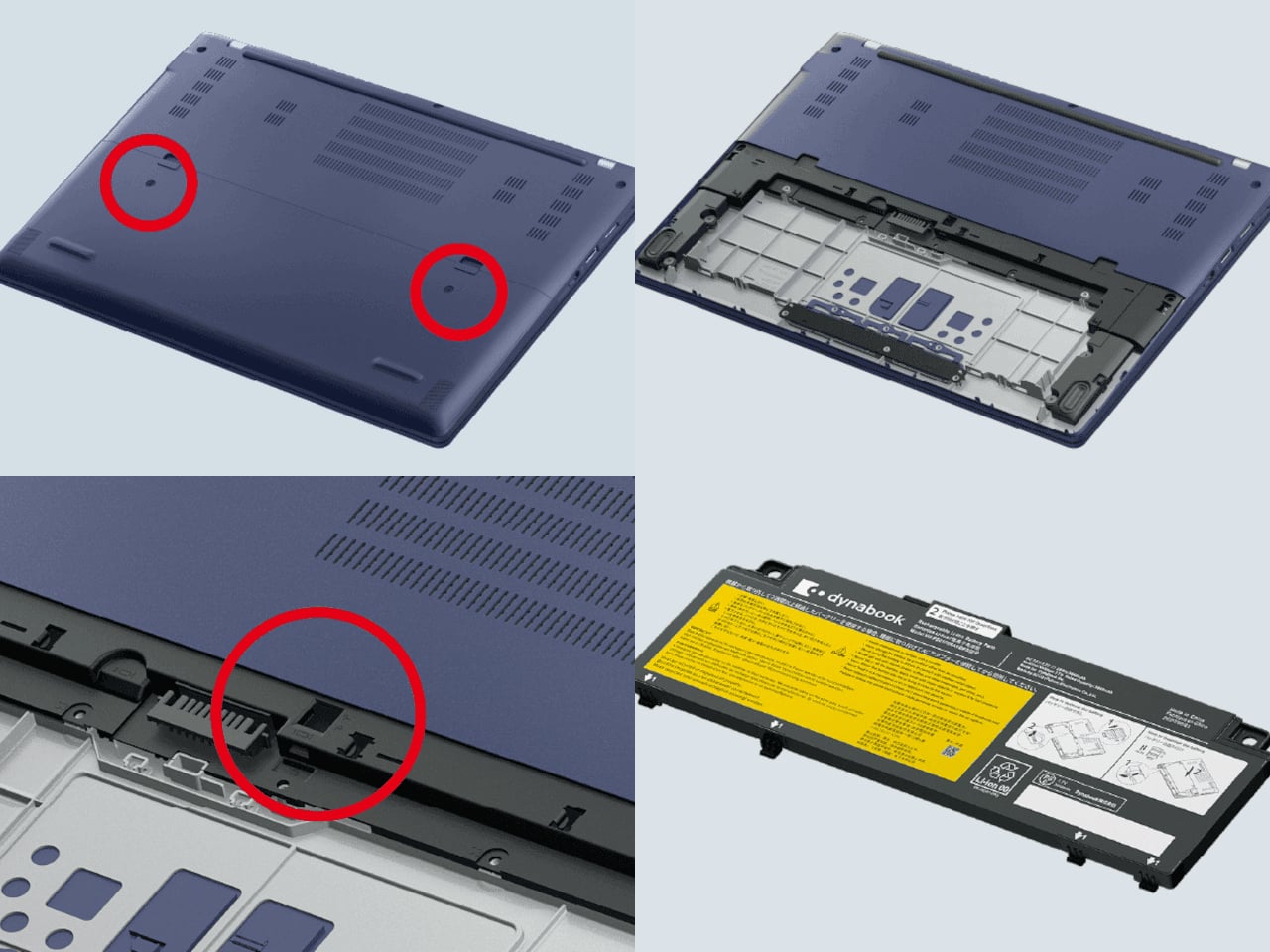
Most manufacturers solve this by designing the battery to be inaccessible. The result is that when a battery eventually loses capacity, it’s either a service center visit or a new laptop. Dynabook’s 2026 fall and winter lineup takes a different position by making the battery user-replaceable in two of its Panther Lake models, the 14-inch XP9/XP7 and the 13.3-inch X9/X7. A sliding panel lets owners swap it themselves without tools or a technician.
Designer: Dynabook
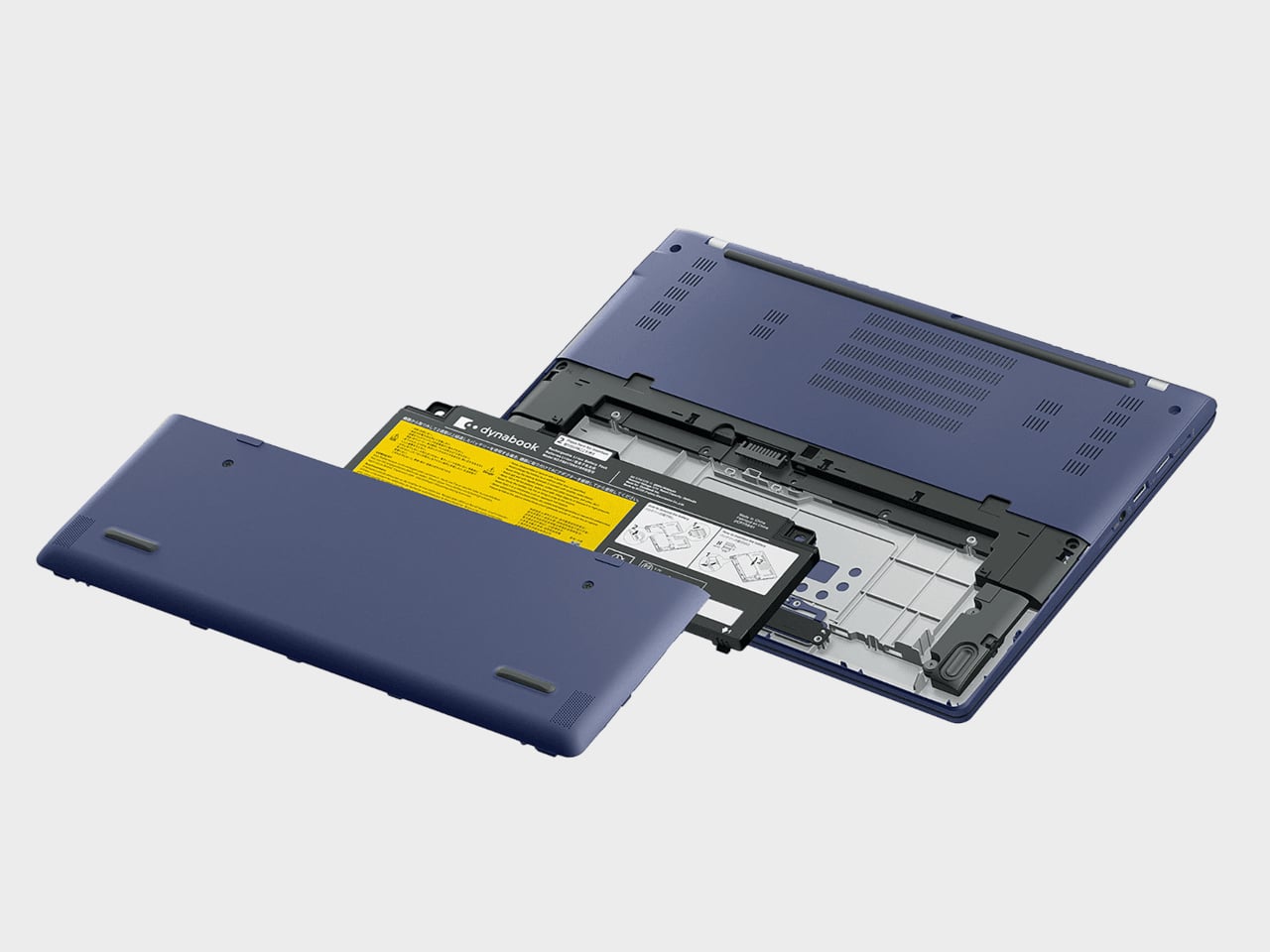
The reasoning is spelled out plainly in the press release: heavy AI use accelerates battery degradation, and forcing users to choose between repair costs and a full replacement creates unnecessary financial pressure and waste. A replacement battery sold separately as an optional accessory means the rest of the hardware, which is still perfectly functional, gets to stay in use longer. It’s a longevity argument that happens to line up with right-to-repair expectations at the same time.
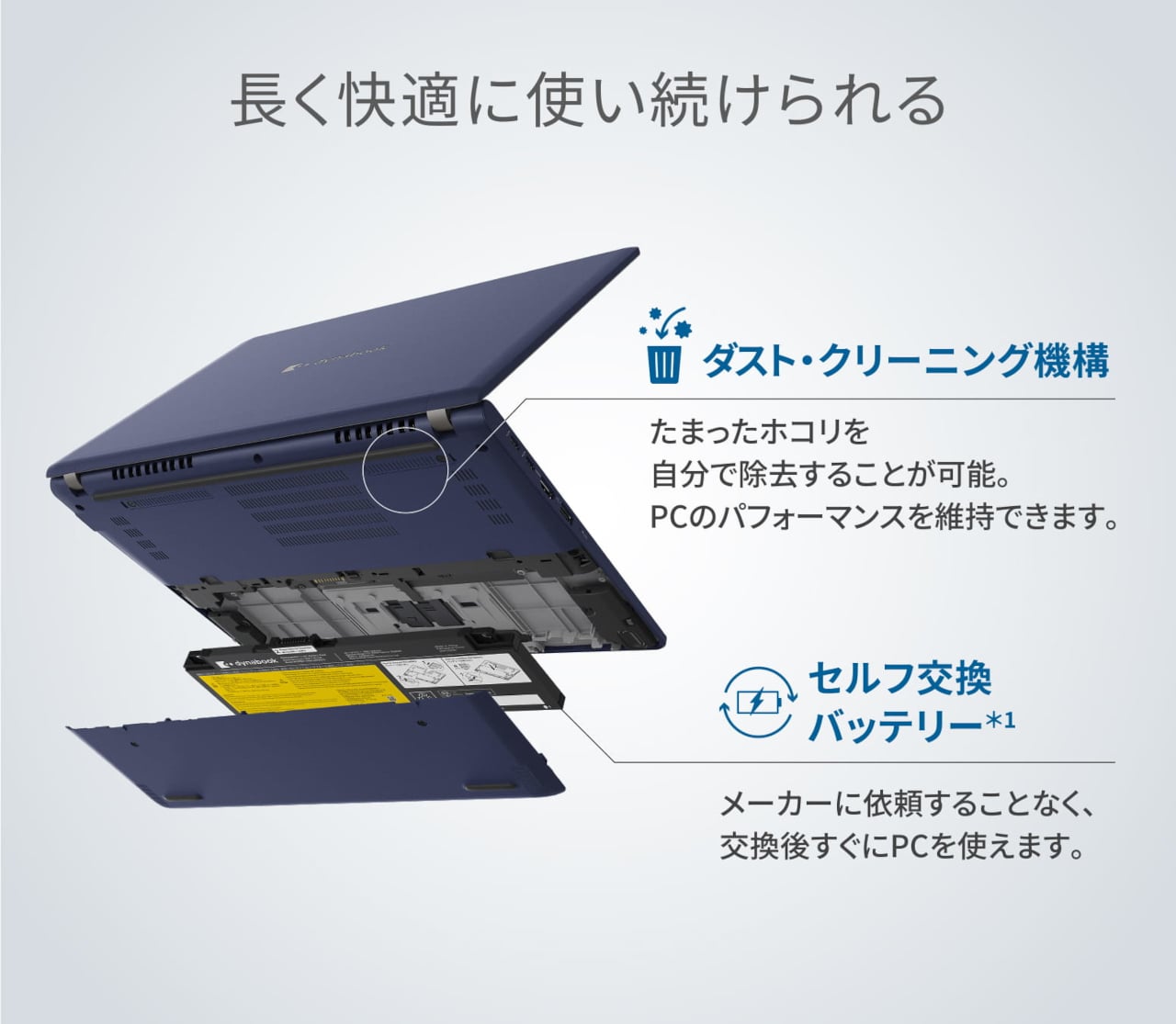

The XP9/XP7, a 14-inch Copilot+ PC, comes in at 999 g, while the X9/X7 at 13.3 inches checks in at 948 g. Both run Intel’s Core Ultra Series 3 Panther Lake processors. The X9/X7 claims up to 17 hours of video playback and up to 32.5 hours at idle, which is a considerable buffer for a machine that doubles as an on-device AI workstation. Both models pass MIL-STD-810H military-grade durability testing.
Connectivity is genuinely comprehensive for an ultra-light design. Thunderbolt 4 and USB 3.2 Gen 1 Type-A ports sit on both sides of the chassis, alongside HDMI output, a LAN port, and a microSD card slot. That’s a full professional port layout without a dongle in sight, which matters for anyone who has spent time hunting for the right adapter in a conference room. Dolby Atmos handles audio on both models.
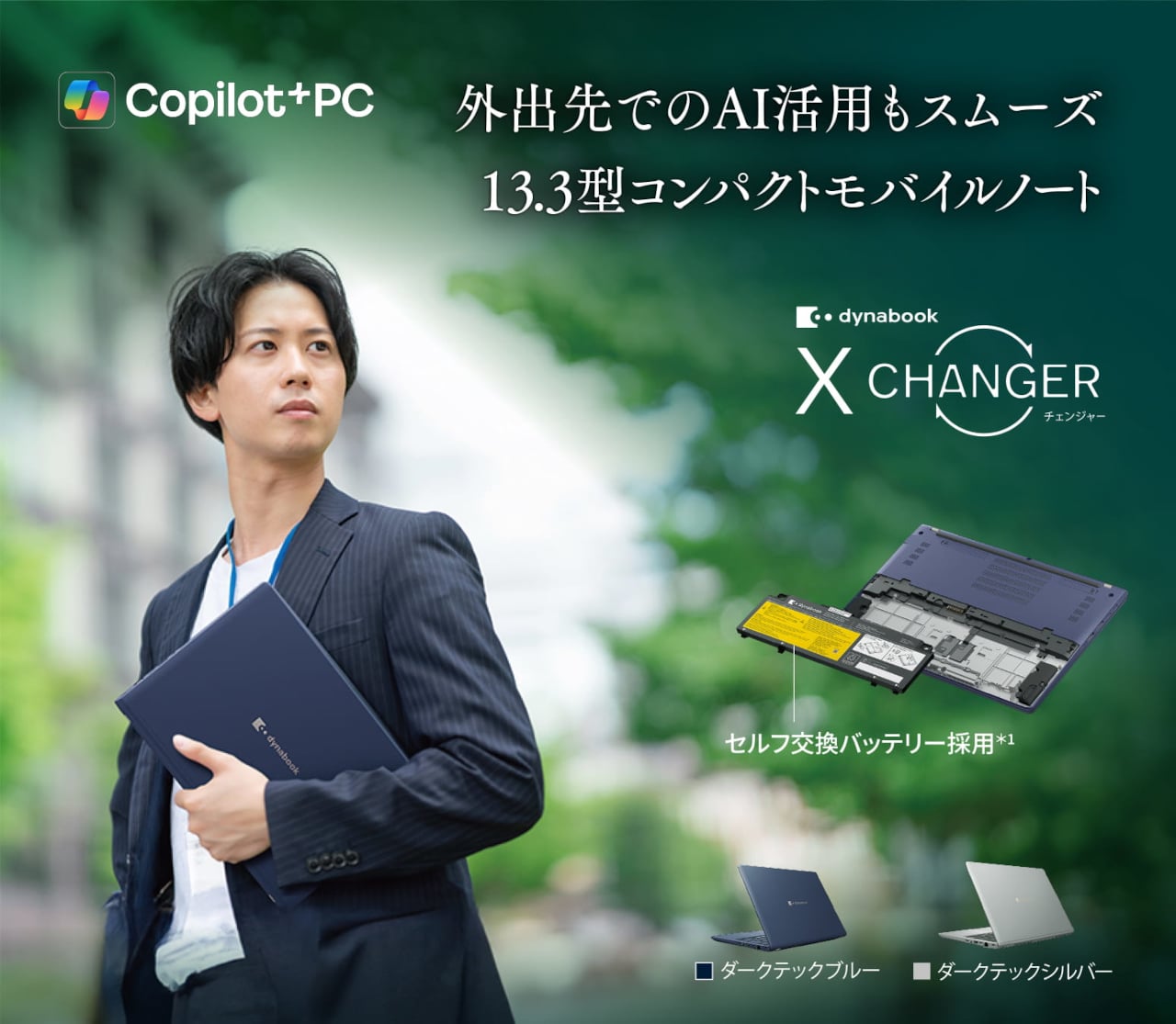
The on-device AI processing is the capability that sits behind the user-replaceable battery feature in a practical sense. Running local AI keeps private and sensitive data from leaving the machine, which the press release frames as a concrete advantage over cloud-dependent workflows. The AI privacy assist feature also detects attempts to view the screen from unintended angles, adding a physical layer to what would otherwise be a software-only privacy story.
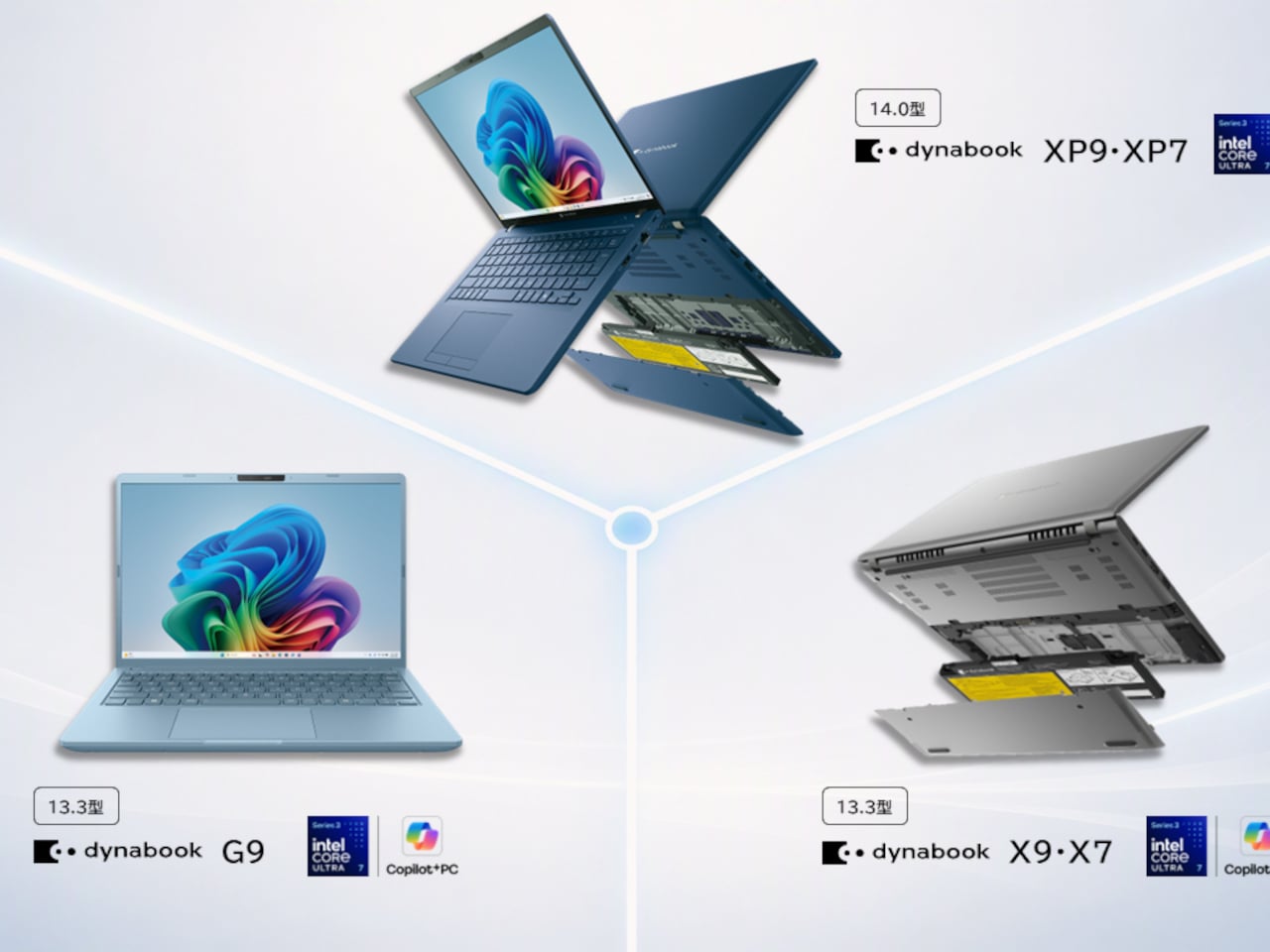
For those who want the same 13.3-inch form factor at the lowest possible weight, the G9 comes in at 899 g with the same Panther Lake processor and MIL-STD-810H certification. It doesn’t include the user-replaceable battery design, but it undercuts the X9/X7’s weight by nearly 50 g, which matters when the laptop travels daily. All models launched in Japan on August 7, with no global availability confirmed yet.

