
Every time I replace a battery, I think about where it ends up. A AA battery in a remote control, a watch battery in a smoke alarm, the little round one rattling around in a drawer because nobody knows what to do with it. We go through billions of them every year, toss them out without much thought, and then mine more lithium from the earth to make the next round. It’s a loop that’s hard to break, and harder still to look at clearly. But what if the alternative was something alive?
Bio-designer Lucia Giron, working alongside the University of Cambridge’s Department of Biochemistry and electrical engineer Lifu Tan, has developed prototypes of an algae-based battery alternative called a biocell. The science behind it is called biophotovoltaics, which works like a biological solar panel. Living microorganisms, specifically cyanobacteria (which most of us know as blue-green algae), carry out photosynthesis and generate an electrical current in the process. They take energy from sunlight and feed on carbon dioxide to grow. And crucially, the electricity keeps flowing even when it’s dark.
Designers: Lucia Giron and University of Cambridge’s Department of Biochemistry
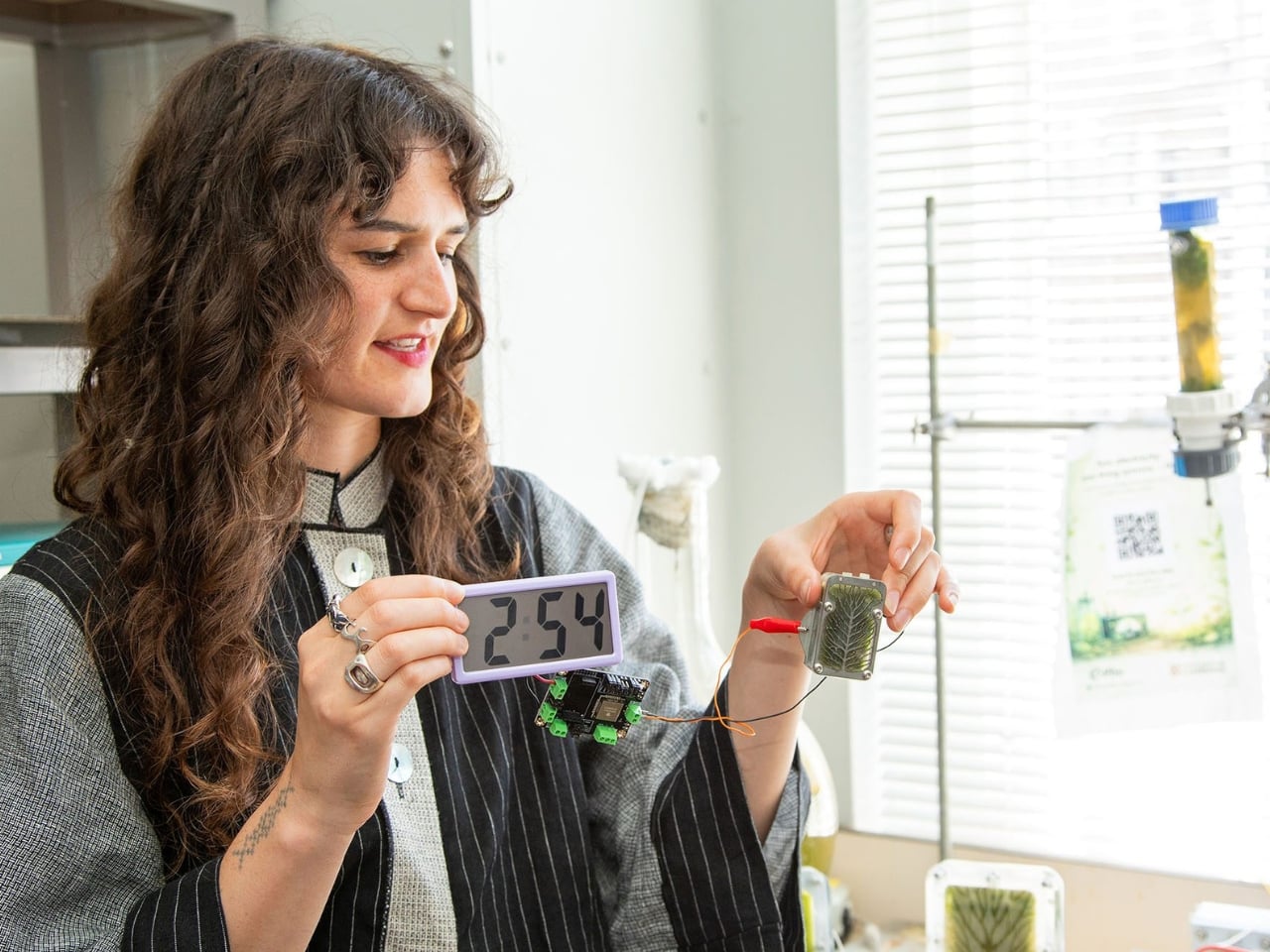
Cyanobacteria have been generating electricity in the Cambridge labs for over six years now. Not in theory. Actually generating. That number stopped me when I first read it. The potential scale of this is worth paying attention to. Professor Chris Howe, the project’s principal investigator, puts it plainly: disposable batteries are very bad for the planet. Conventional batteries are built with mined materials like lithium, which carry a range of environmental costs from extraction to disposal. The researchers believe biocells could one day eliminate the need for the small chemical batteries powering everyday devices like remote controls, smoke alarms, and sensors. Paolo Bombelli, one of the Cambridge researchers behind the project, has said their aim is to get rid of the need for batteries altogether.
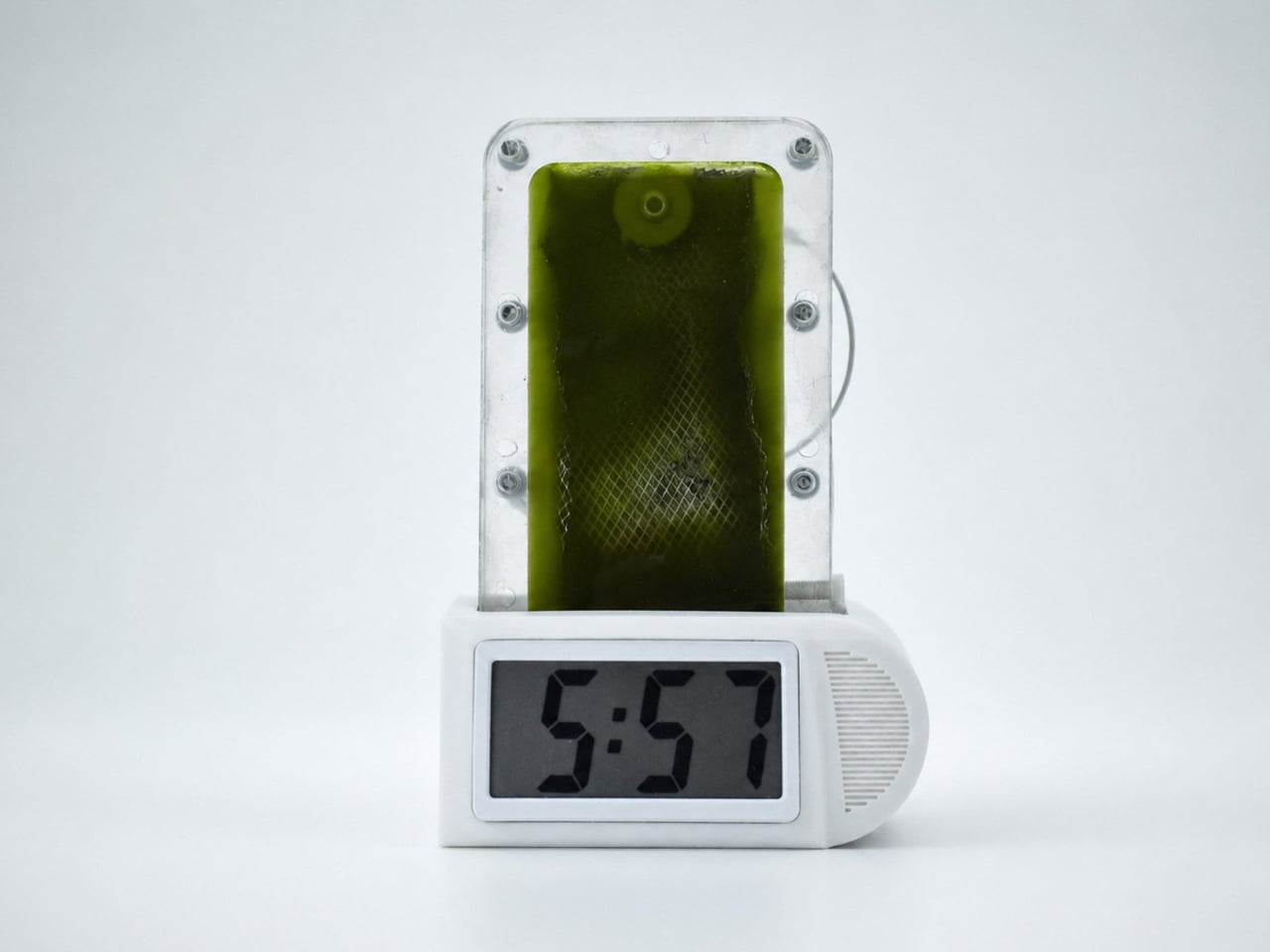
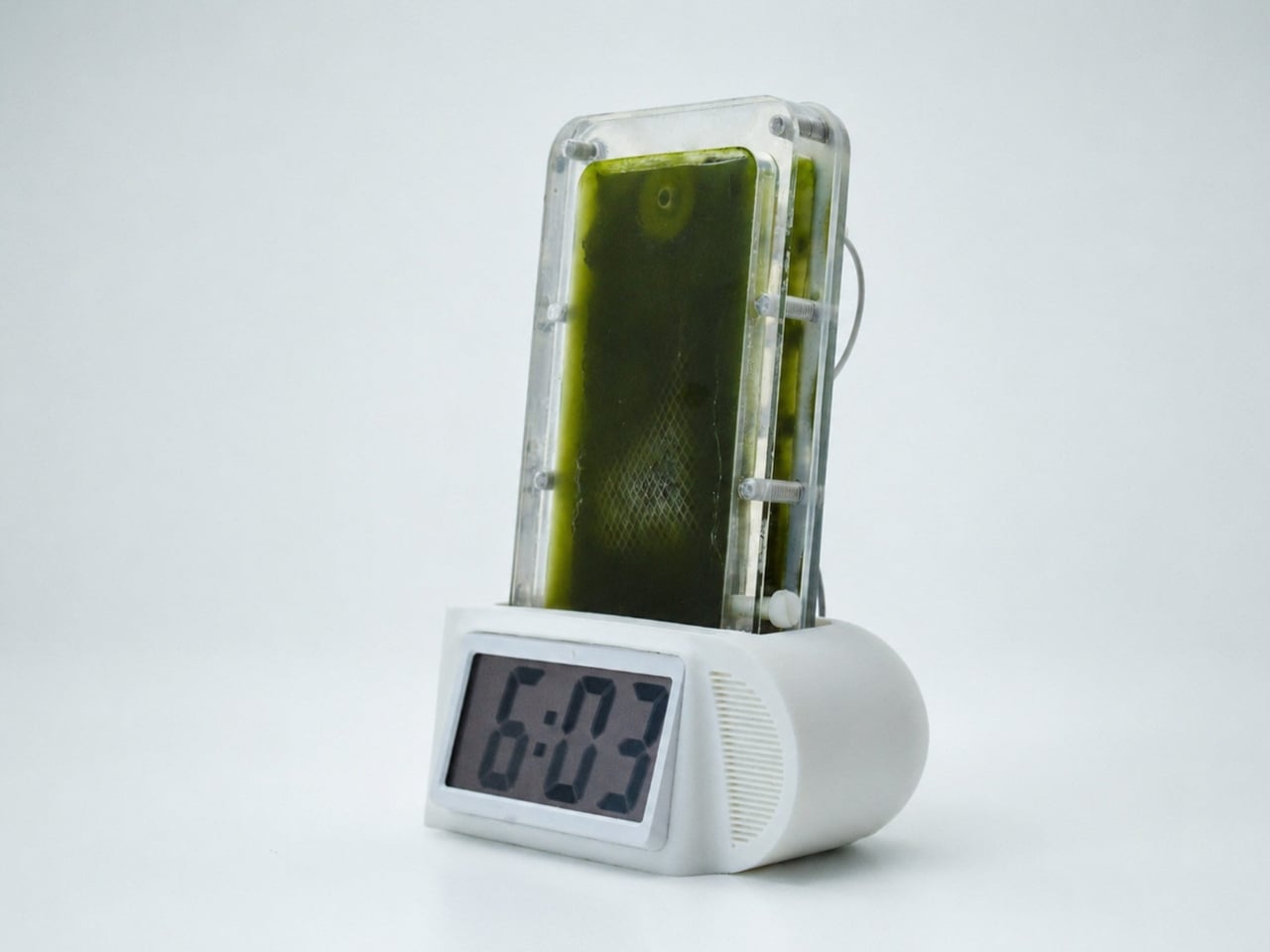
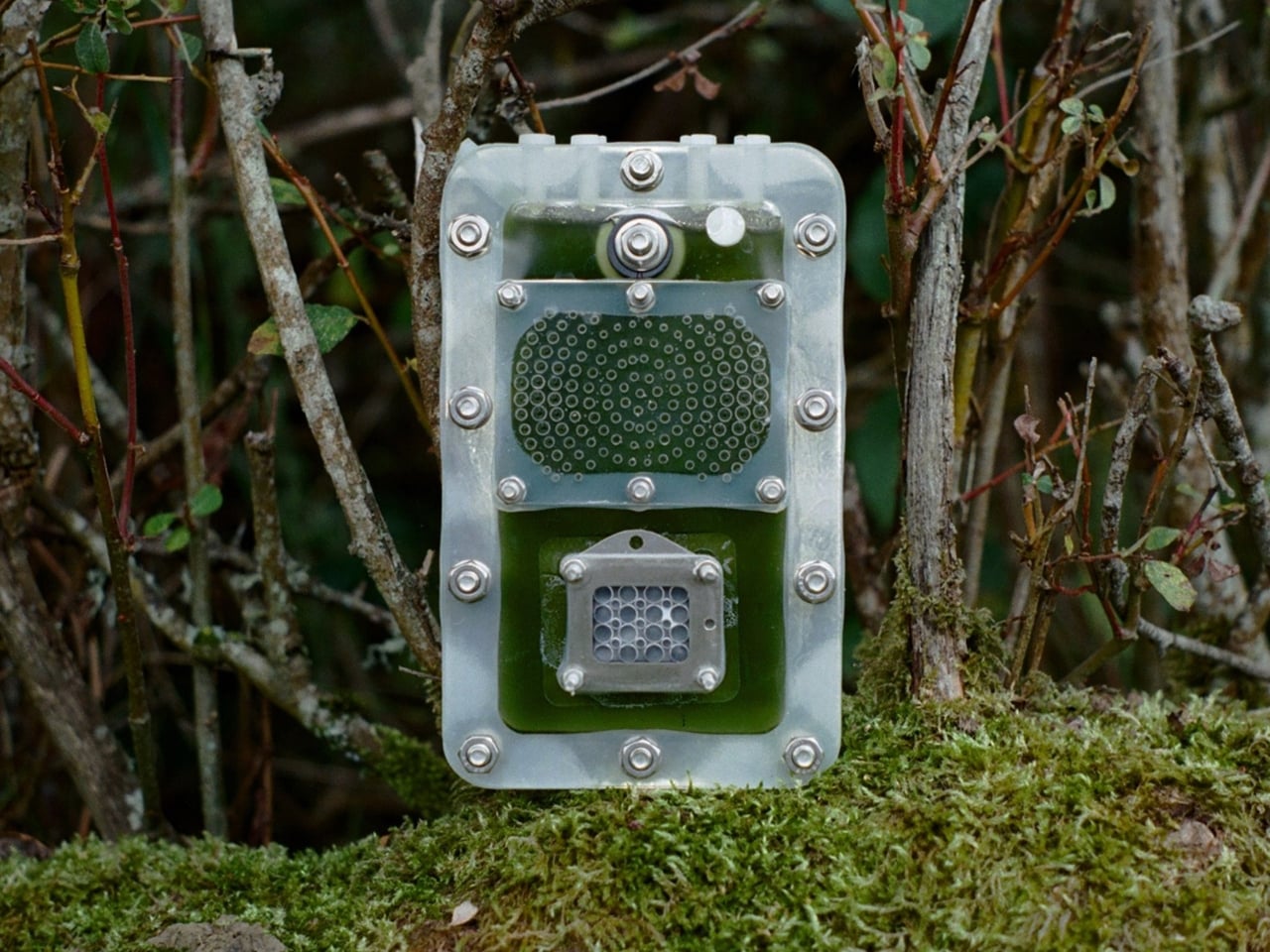
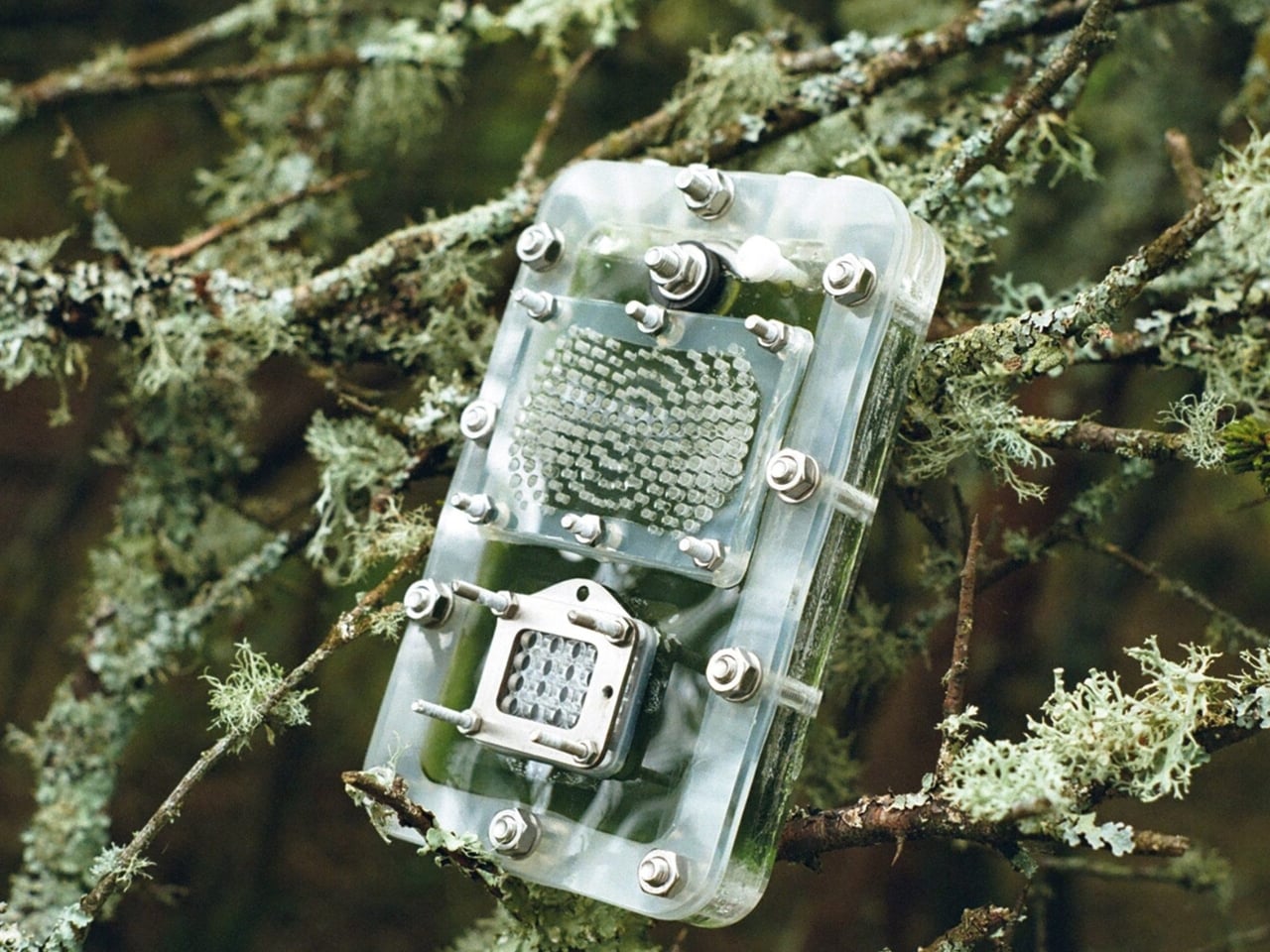
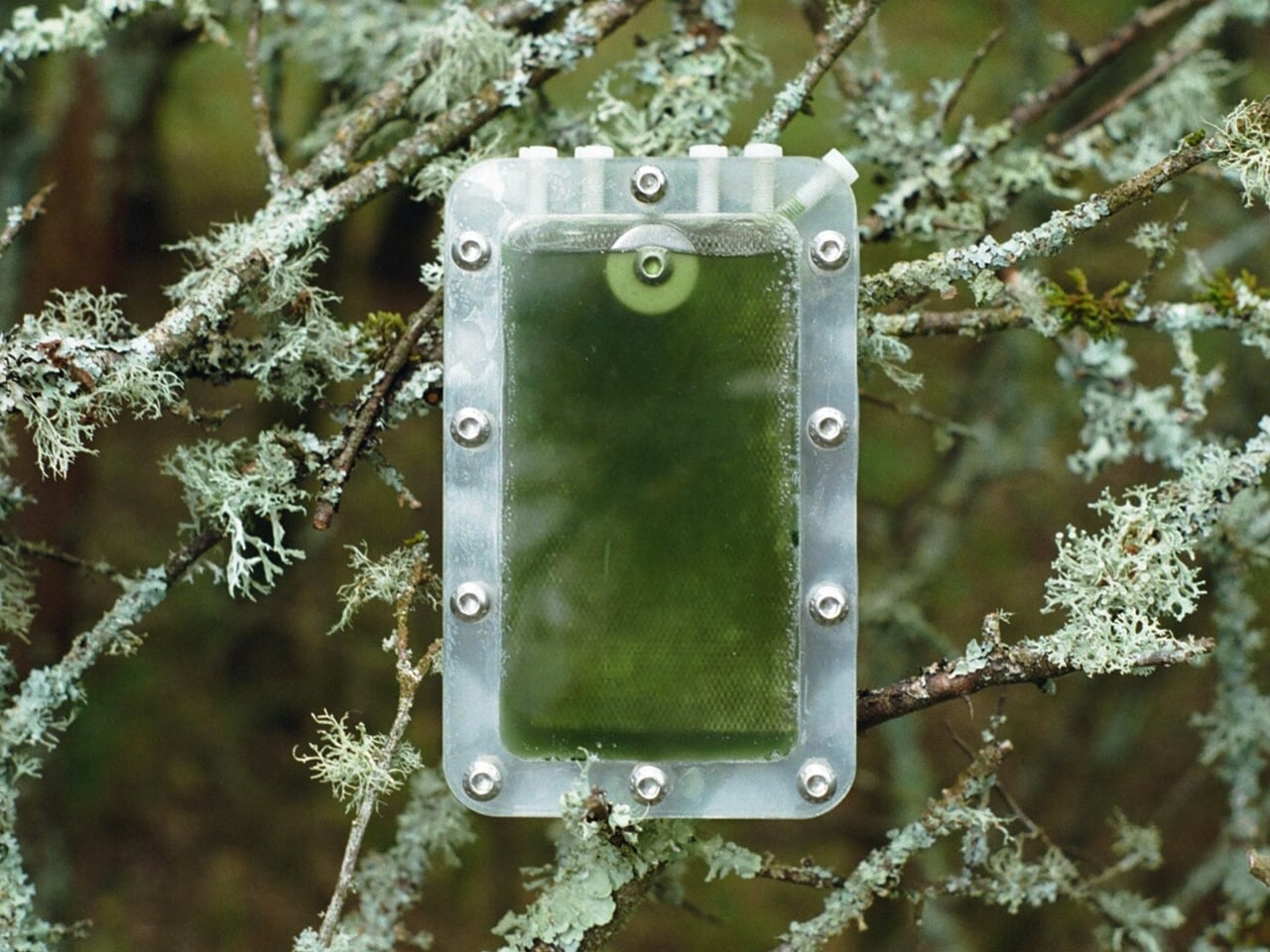
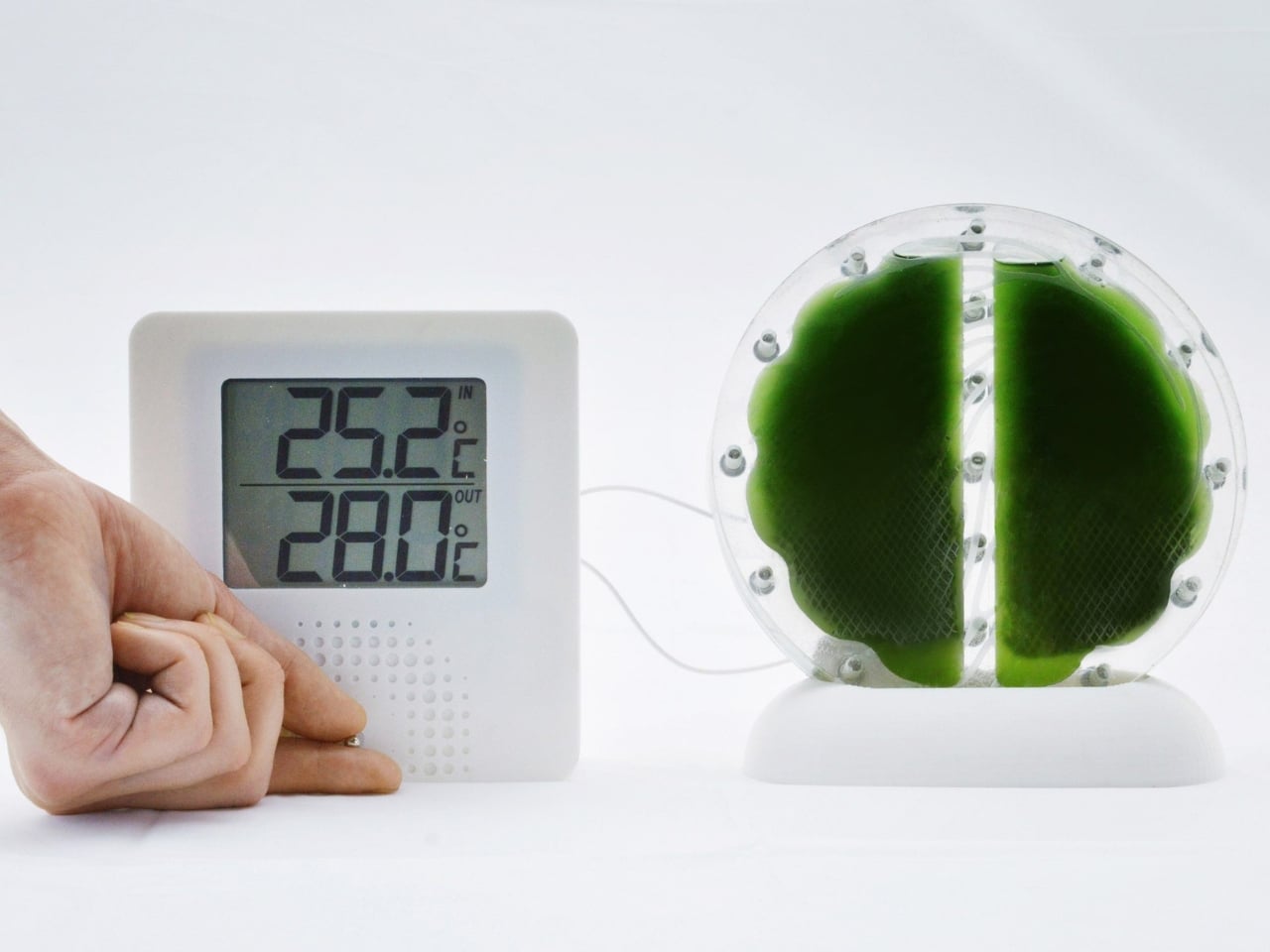
That sounds bold, but the team has already proven the concept beyond the lab. Giron designed a demonstrator cell (essentially a compact, transparent case filled with green-tinged cyanobacteria) as well as a clock radio and a temperature sensor, both powered by biophotovoltaic panels. There’s also a system that monitors a potted plant, reading light levels, air temperature, and soil moisture, all powered by the algae cells. The data feeds directly into a mobile app. It’s the kind of object that makes you look twice, because nothing about it reads as conventional technology.
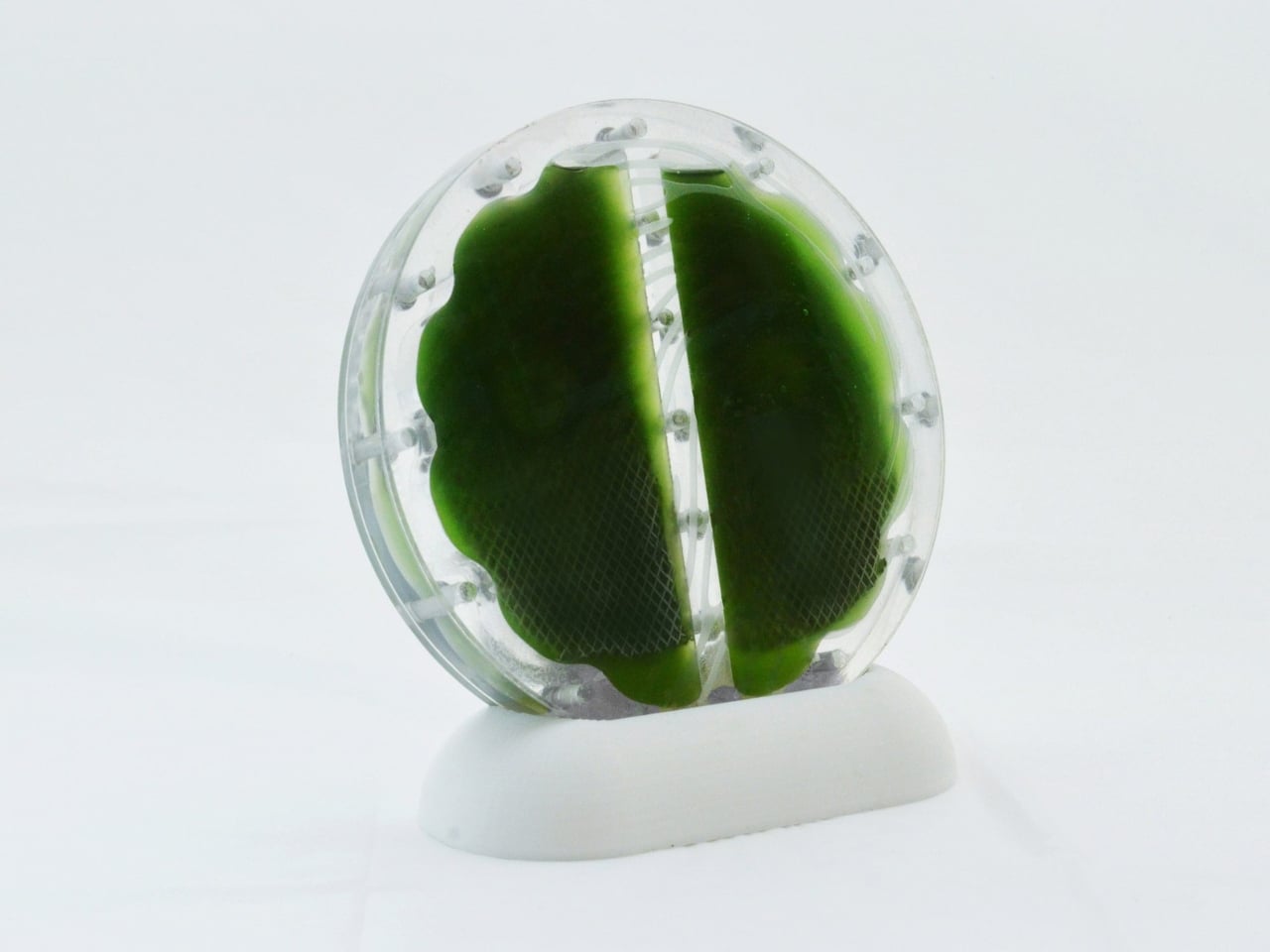
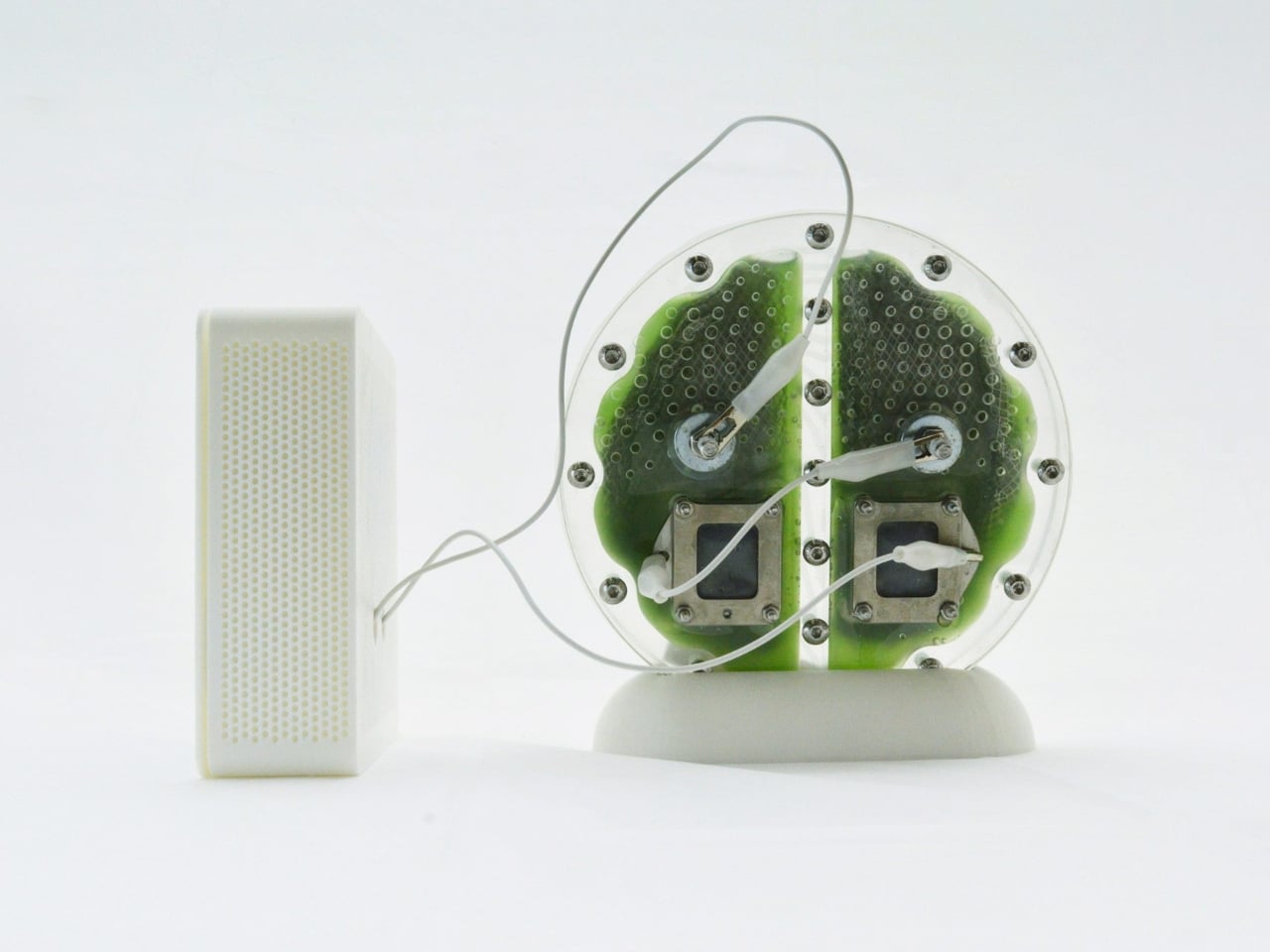
Giron’s role here is genuinely interesting. Coming from an art and design background rather than a science one, she was brought in specifically to translate the research into something legible to the rest of us. Her goal, as she’s described it, is to find ways of making these prototype living systems into real-world sustainable energy solutions. The demonstrator cell wasn’t designed to be hidden away in a lab. It was designed to communicate, to make biophotovoltaics feel tangible and approachable to a new audience.
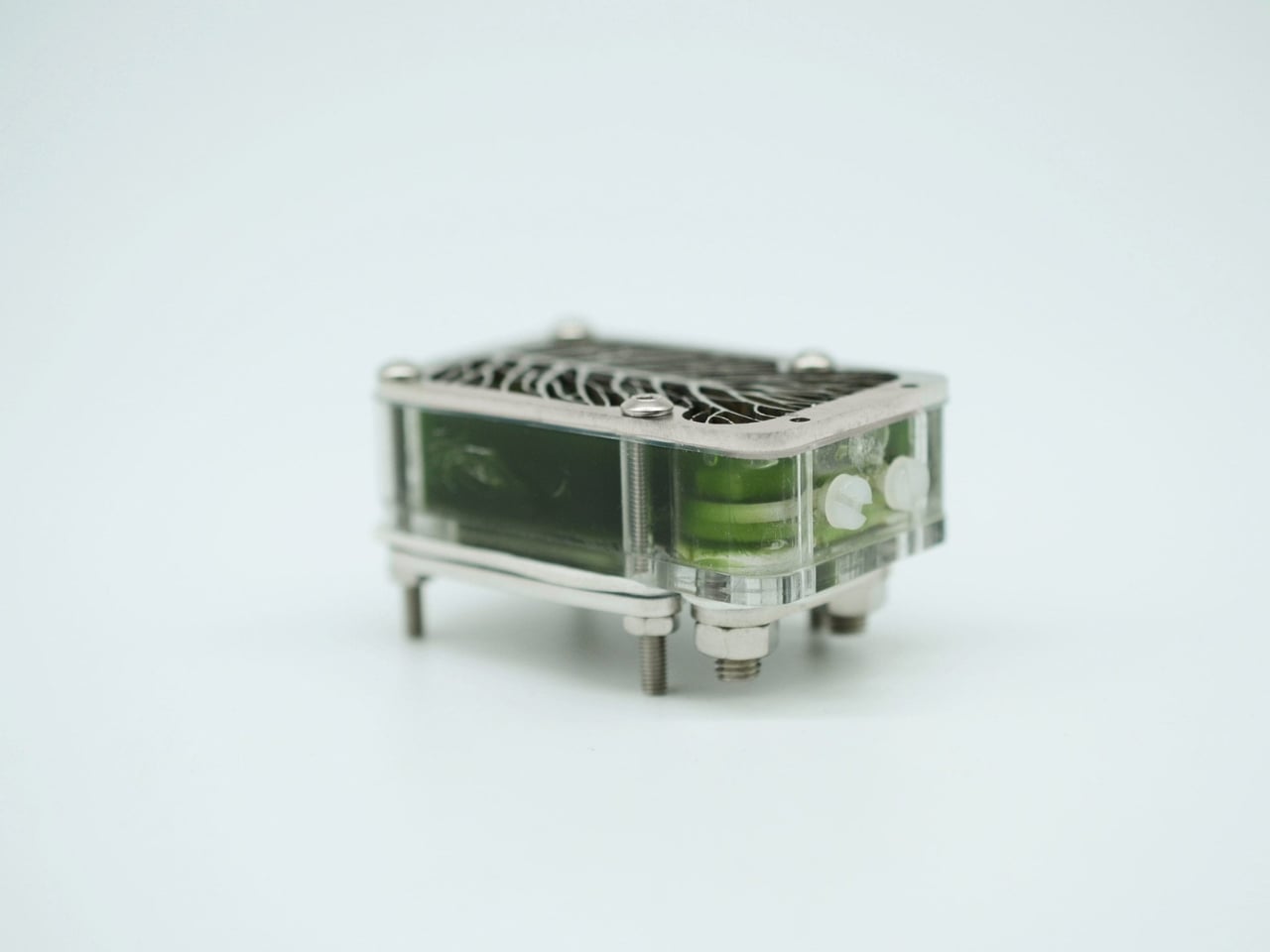
The team has since launched a startup, e-Pho, and is exploring commercial applications with prospective clients. They’ve also developed a classroom toolkit where students can grow algae, assemble biocells, and test how different materials affect performance. That last part feels significant to me. Getting a technology into classrooms before it reaches shelves is a way of building familiarity and, more importantly, building the next generation of people who don’t think twice about energy coming from something alive.

We’re at a stage where the biocell can power small, low-energy devices reliably. The researchers are clear that it’s not yet a replacement for your phone charger. But the trajectory is what matters, and it’s pointing somewhere genuinely different from where the battery industry has been going for the past century.
Algae is not the flashiest material to build a future around. It doesn’t have the gleam of a new chip or the cultural momentum of a wearable. But it eats light, feeds on carbon dioxide, and keeps going. For a technology, that’s a remarkably good résumé.