
Yanko Design’s Design Mindset continues to spotlight the thinkers, makers, and brands shaping the future of design. Now in Episode 23, the weekly podcast turns its attention to one of consumer tech’s most persistent frustrations: the smart home. What was meant to simplify daily life has often done the opposite, leaving users juggling apps, switches, hubs, and setup flows that feel more like maintenance than convenience. This episode, Powered by LIFX, asks a timely question: if smart homes still feel complicated, is the problem really the technology, or is it the way that technology has been designed?
The episode features three key voices from LIFX: Rachel Wilson, Creative Director; Mark Hollins, CTO; and Matthew Redding, Hardware Director. Together, they offer a layered view of the smart home from brand, engineering, and hardware perspectives, while unpacking how products like the Smart Mirror, Luna, and Smart Dimmer are being shaped around real behavior instead of feature overload. The result is a conversation about lighting, interfaces, wellness, and why the best smart technology may be the kind that quietly disappears into everyday life.
Explore LIFX Products here | Mirror | Luna | Dimmer

Why the smart home still feels harder than it should
The episode begins with a blunt acknowledgment that the smart home industry has not fully delivered on its original promise. For all the progress in connectivity and automation, many people still experience smart living as a patchwork of apps, ecosystems, and workarounds. Mark Hollins does not pin the blame on one side alone, saying, “I think it’s a mix of both,” when asked whether this is a technology failure or a design failure. His point is that the industry has spent years building around technical constraints, while users have continued to ask a much simpler question: does this actually make life easier?
That gap between capability and convenience becomes the foundation of the conversation. Hollins explains that products need to be tied back to use cases from the very beginning, rather than forcing people to adapt to whatever the technology happens to enable. It is a useful reframing, especially in a category that has often rewarded complexity as a sign of sophistication. LIFX’s position is that smart living should not feel like system management. It should feel natural, reliable, and worth having in the first place.
Designing for behavior, not just features
One of the strongest ideas in the episode is that smart home products have too often been shaped by enthusiasts rather than households. Early adopters were willing to experiment, troubleshoot, and spend time optimizing their spaces, but most homes are shared by people with very different comfort levels around technology. Hollins points out that “those users tend to have a high technical competency and a willingness to experiment,” but that often creates friction when everyone else in the home is expected to live with the result.
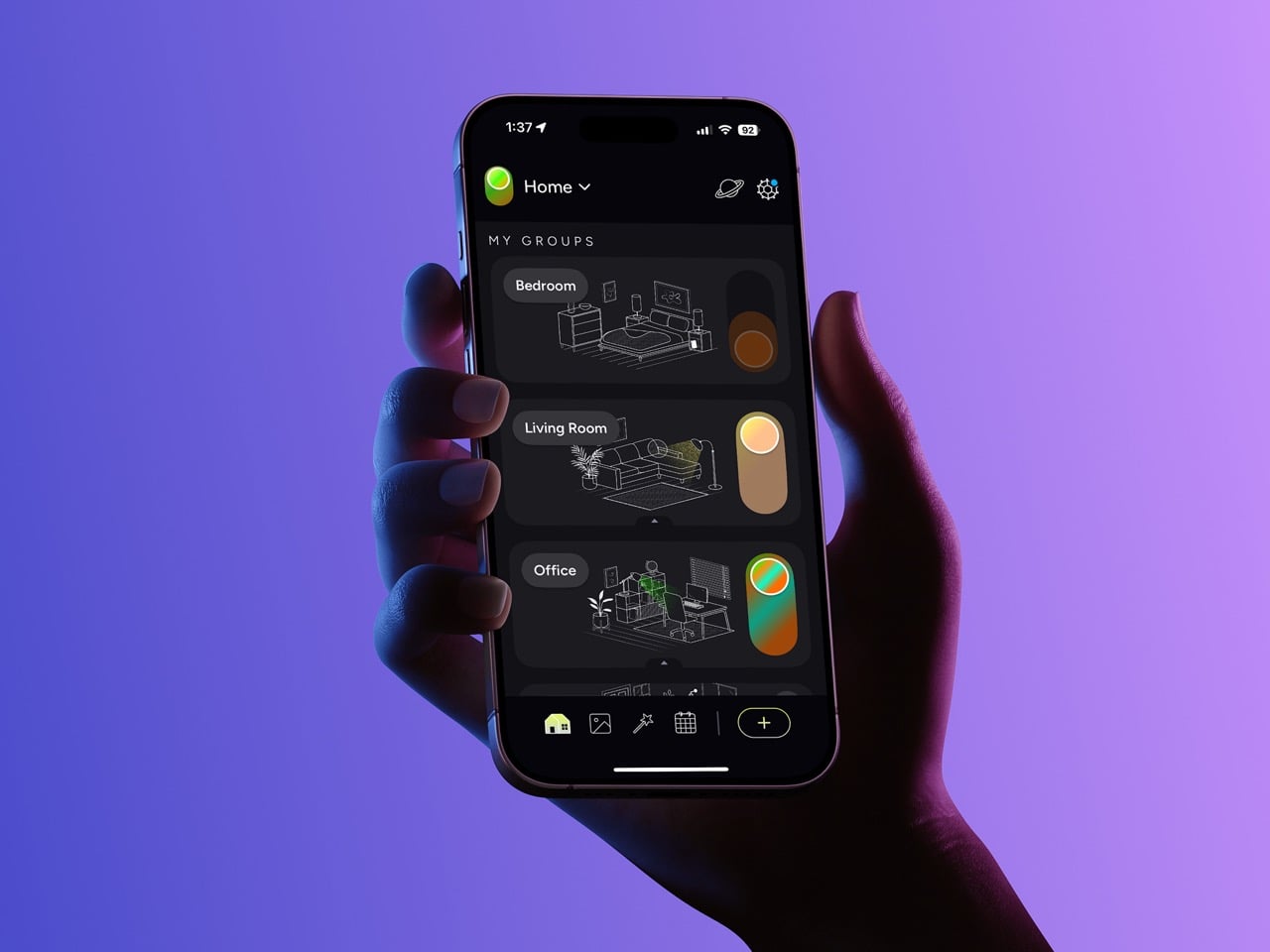
That is where the conversation becomes less about features and more about behavior. A connected home cannot be successful if it only works for the person who installed it. It has to make sense for partners, children, guests, and anyone else using the space. This is also why the return of physical controls matters so much. As Matthew Redding puts it, “It shouldn’t be the only way to turn on the lights,” referring to the app-first mindset that once defined the category. For LIFX, hybrid control through buttons, voice, schedules, and automation is not redundancy. It is simply better design for real life.
Why lighting needs a more emotional design language
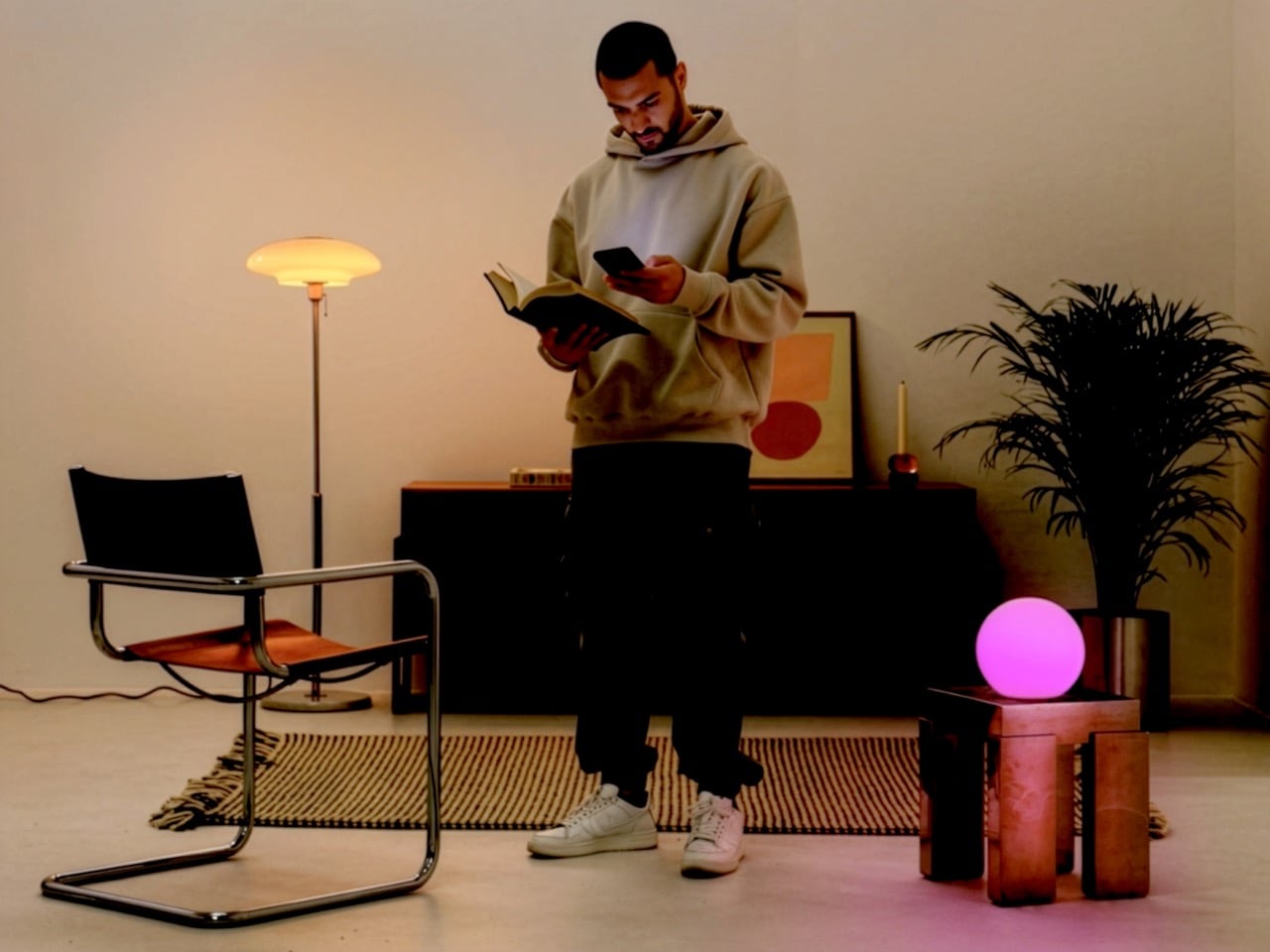
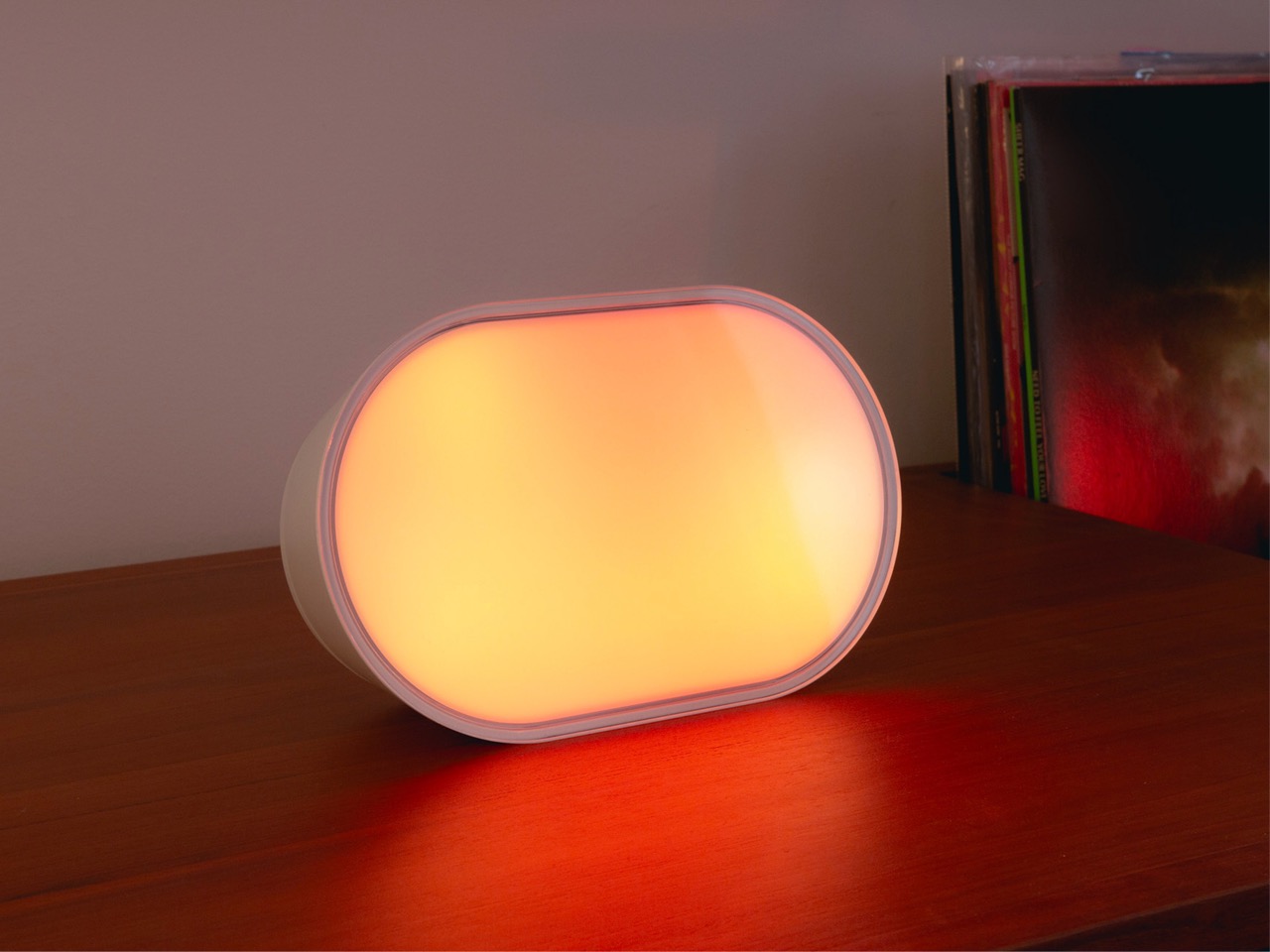
Rachel Wilson brings a different lens to the discussion by arguing that lighting should not be treated like just another piece of consumer electronics. Too often, tech brands focus on the object itself, trying to make it look futuristic or visually distinctive without considering the room it lives in. Wilson pushes back on that approach by saying, “It’s more about the effect of the product in the space that you are living in rather than the product itself.” In other words, the value of lighting is not just in the hardware, but in how it transforms the atmosphere around it.
That shift in thinking opens up a more emotional understanding of smart lighting. Wilson describes light as something that changes how people see the objects they love, the rooms they have built, and even themselves. She also points to its biological impact, which makes lighting one of the few smart home categories that is both functional and deeply personal. That is what separates it from many other connected products in the home. Done well, lighting does not just help a room work better. It changes how the room feels.
The Smart Mirror, Luna, and the return of tactile design
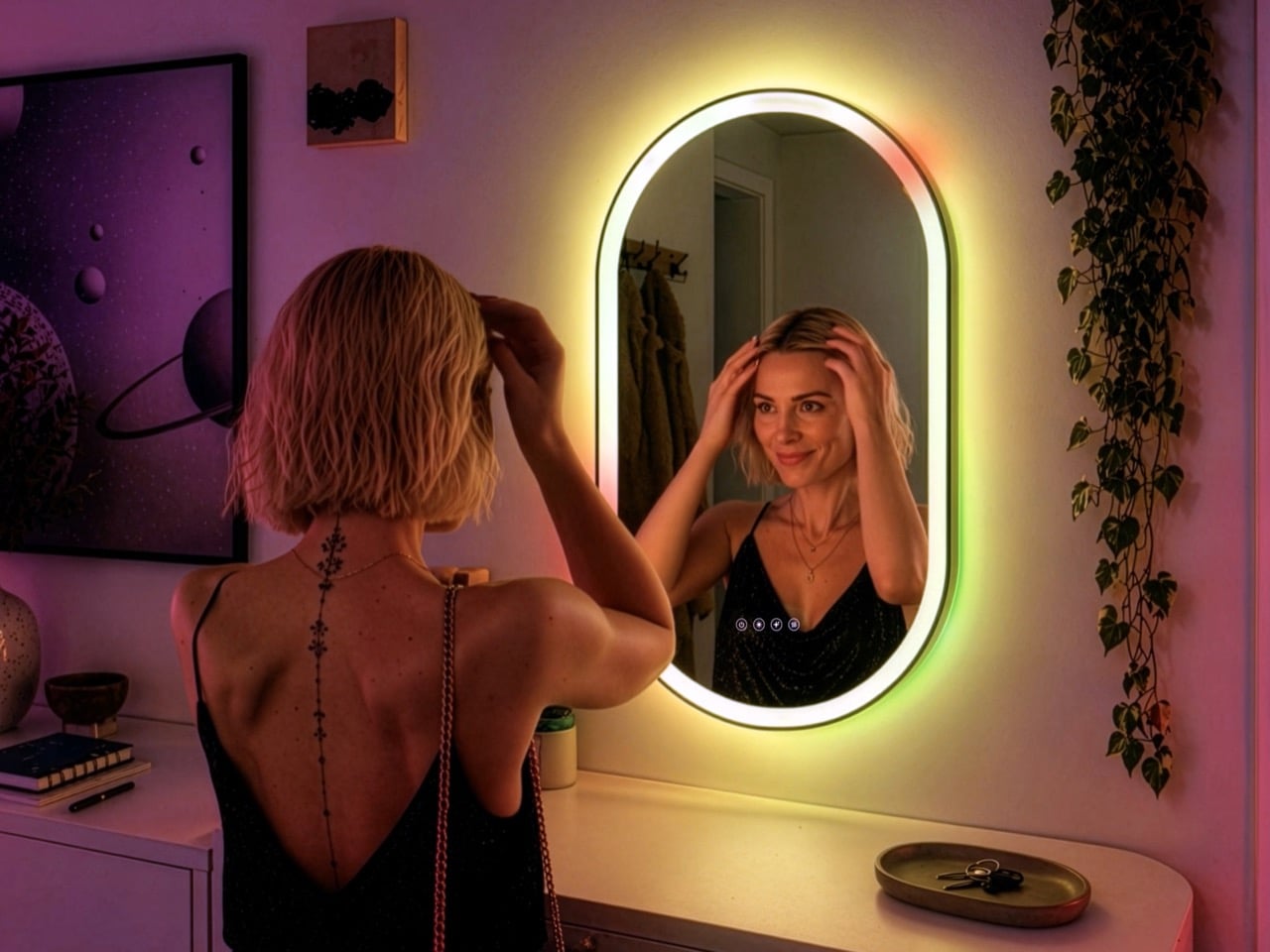
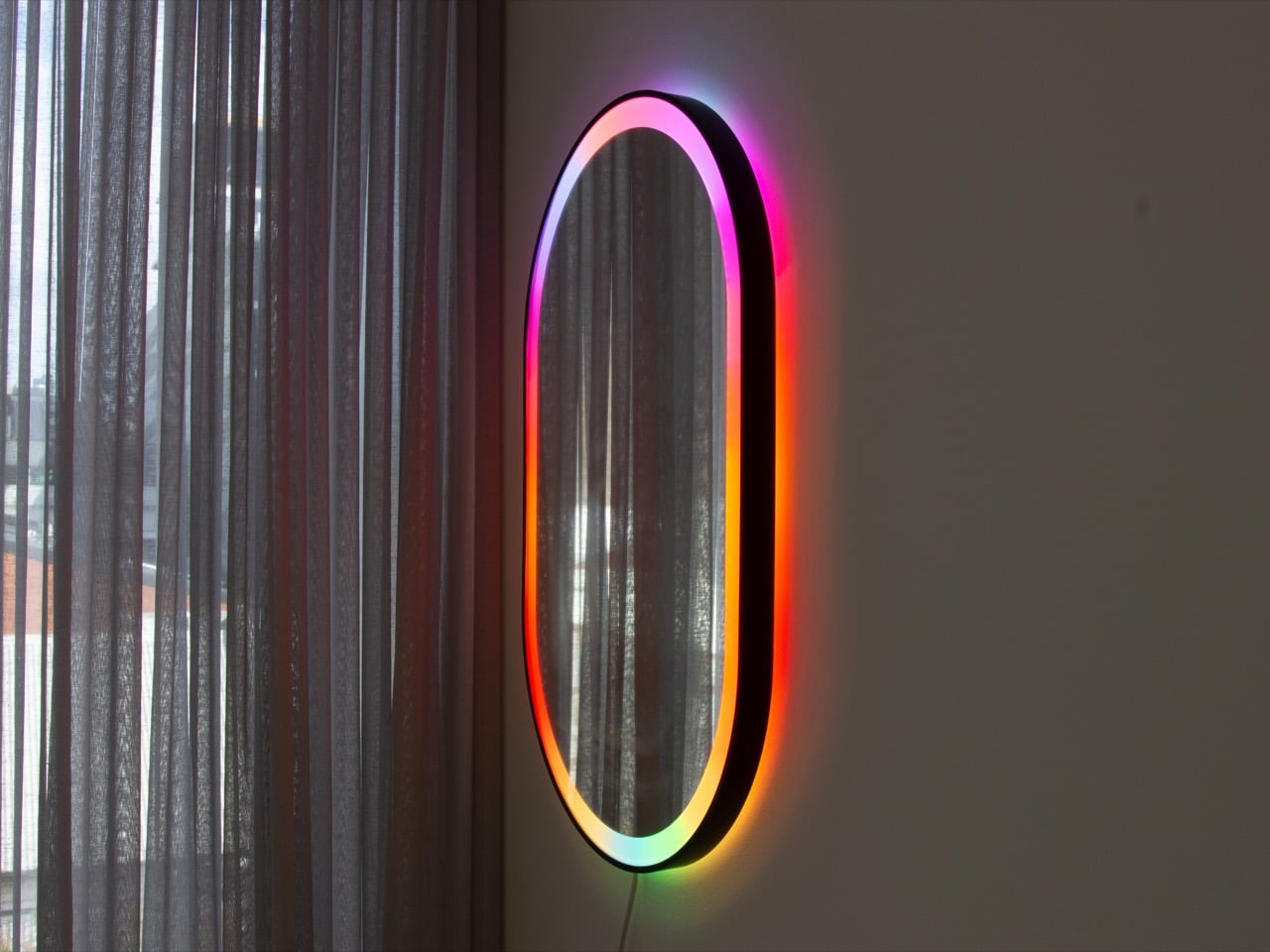
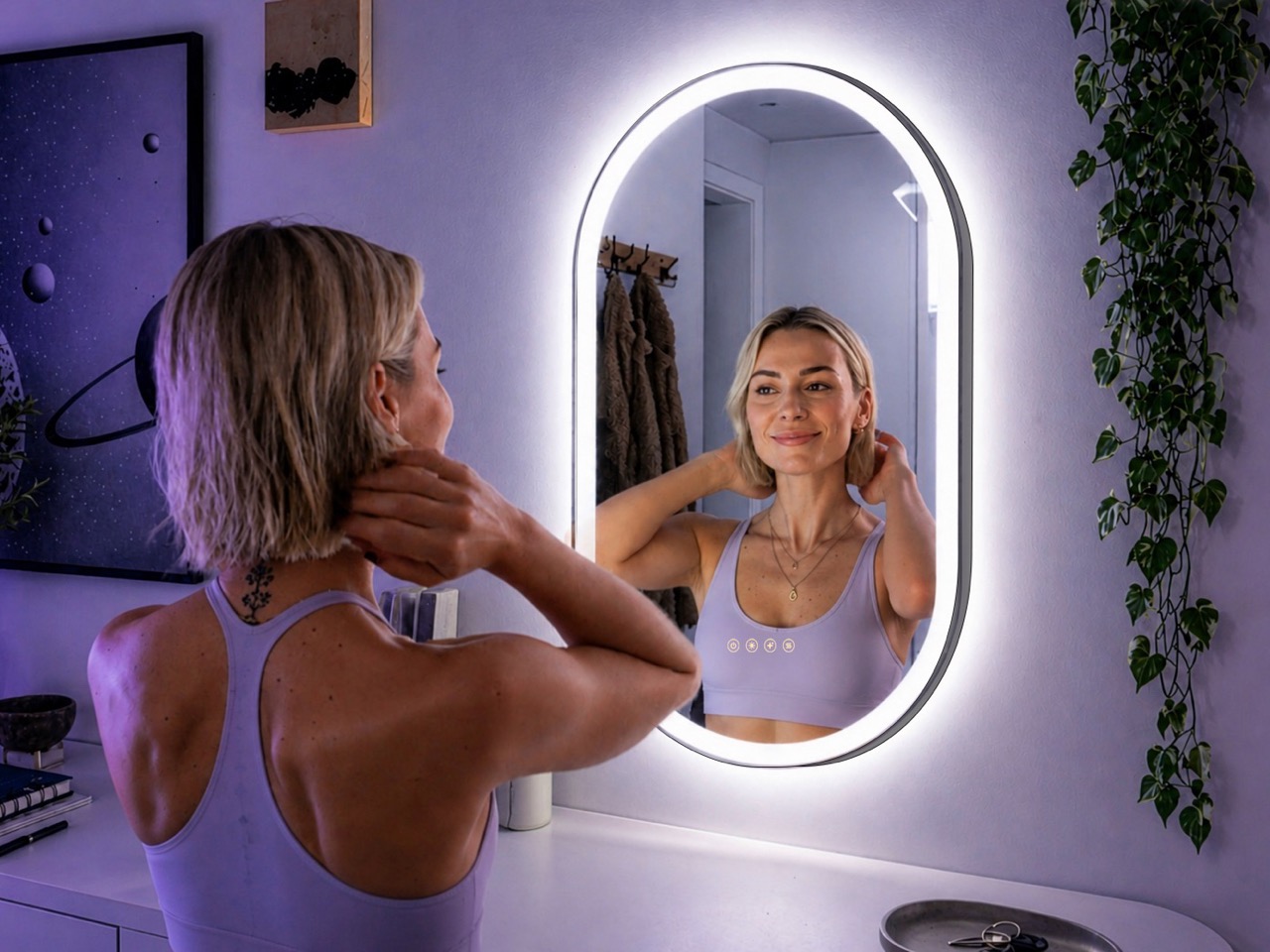
That philosophy becomes more tangible in LIFX’s newer products, especially the Smart Mirror and Luna lamp. Redding explains that these are products used at arm’s reach, often in moments when people are tired, distracted, or dealing with wet hands. In those situations, reaching for a phone is not elegant, it is inconvenient. “A button’s on the mirror, it’s not a step backwards, it’s just meeting the user where they are,” he says. It is a simple line, but it captures a more mature approach to smart product design, one that chooses the right interface for the context instead of forcing the newest one.
The Smart Mirror also reflects how LIFX is trying to turn lighting into a more personal and wellness-driven experience. Wilson highlights the mirror’s “makeup check” feature, which cycles through different Kelvin temperatures so users can see how they will look in varying light conditions before stepping out. That kind of feature is specific, but not gimmicky. It solves a real everyday problem while also reinforcing the idea that lighting can support routines, rituals, and self-perception in ways that go far beyond turning a bulb on and off.
Matter, fragmentation, and the limits of interoperability
No smart home conversation today can avoid Matter, and Hollins offers a measured take on what the standard really solves. He sees it as a meaningful improvement in interoperability, onboarding, and security, especially for brands that previously had to build separate integrations for multiple ecosystems. Matter helps simplify the common ground, making it easier for products to work together across platforms without duplicating effort. That alone makes it one of the most important shifts the category has seen in years.
At the same time, Hollins is careful not to frame Matter as a magical fix for every pain point. It is not, in his words, going to create “one app to rule them all.” Some features will always live outside a shared standard, especially when brands want to build differentiated experiences. That honesty is important because it keeps the conversation grounded. Interoperability matters, but it does not replace the need for thoughtful product design, especially when homes contain multiple users, multiple habits, and multiple expectations around what smart living should feel like.
What the future of smart living should actually look like
By the end of the episode, a clearer vision of the future begins to emerge. It is not a future filled with more visible tech, more dashboards, or more complicated layers of control. Instead, it is one where smart products become quieter, more contextual, and more responsive to everyday behavior. Hollins says a smart home has done its job when it “is invisible,” while Redding describes the ideal experience as one that “just does the work for you.” Both ideas point to the same goal: intelligence that fades into the background instead of constantly demanding attention.
Wilson extends that vision even further, suggesting that the habit of “pressing buttons all the time” may gradually disappear as sensors, voice, and other natural interfaces become more robust and more affordable. If that happens, the biggest change in smart homes over the next few years may not be about adding more technology, but about making interaction feel less technical altogether. Episode 23 of Design Mindset, Powered by LIFX, makes a compelling case that the next chapter of smart living will belong to brands that understand simplicity is not basic. It is the hardest thing to design well.
Explore LIFX Products here | Mirror | Luna | Dimmer