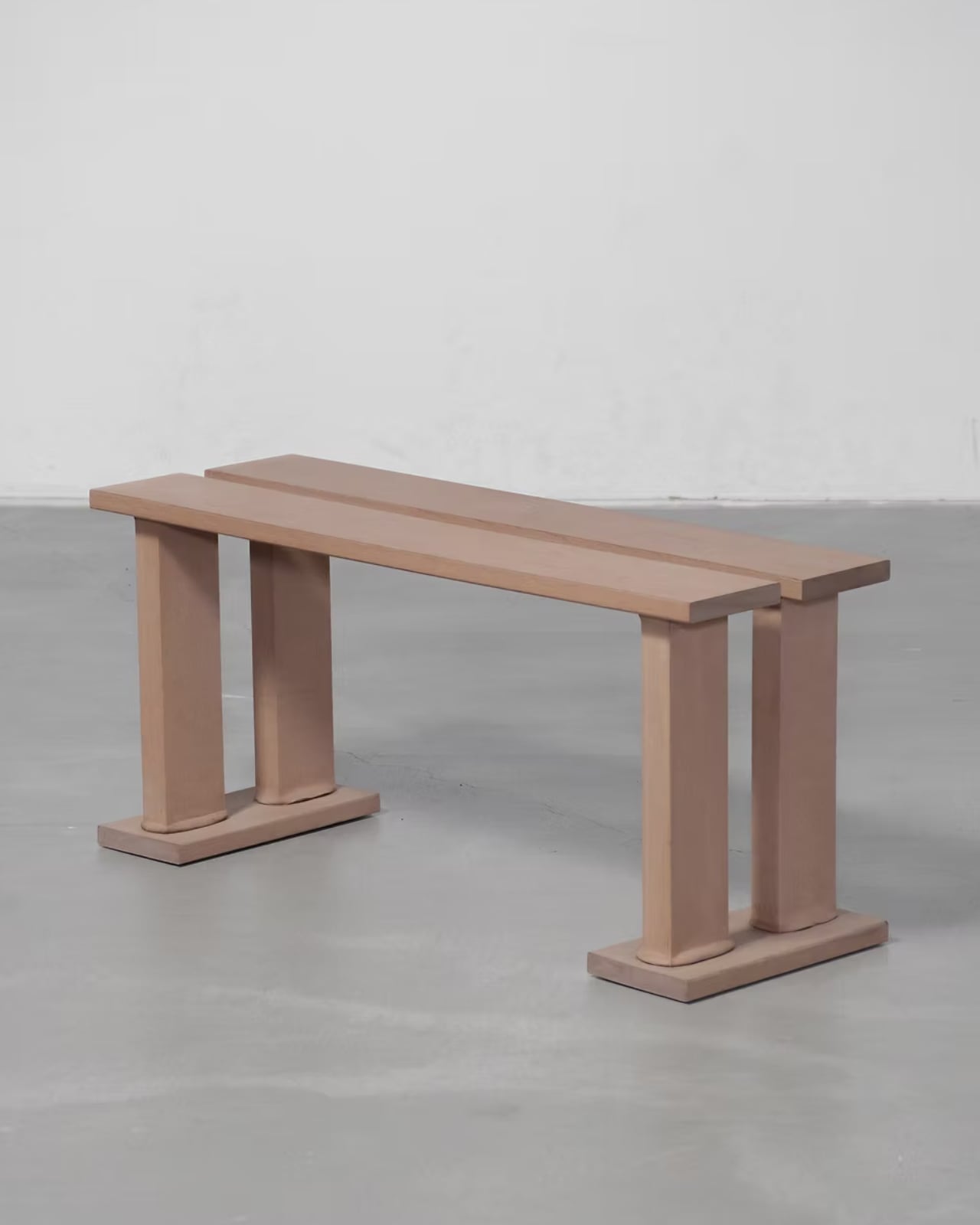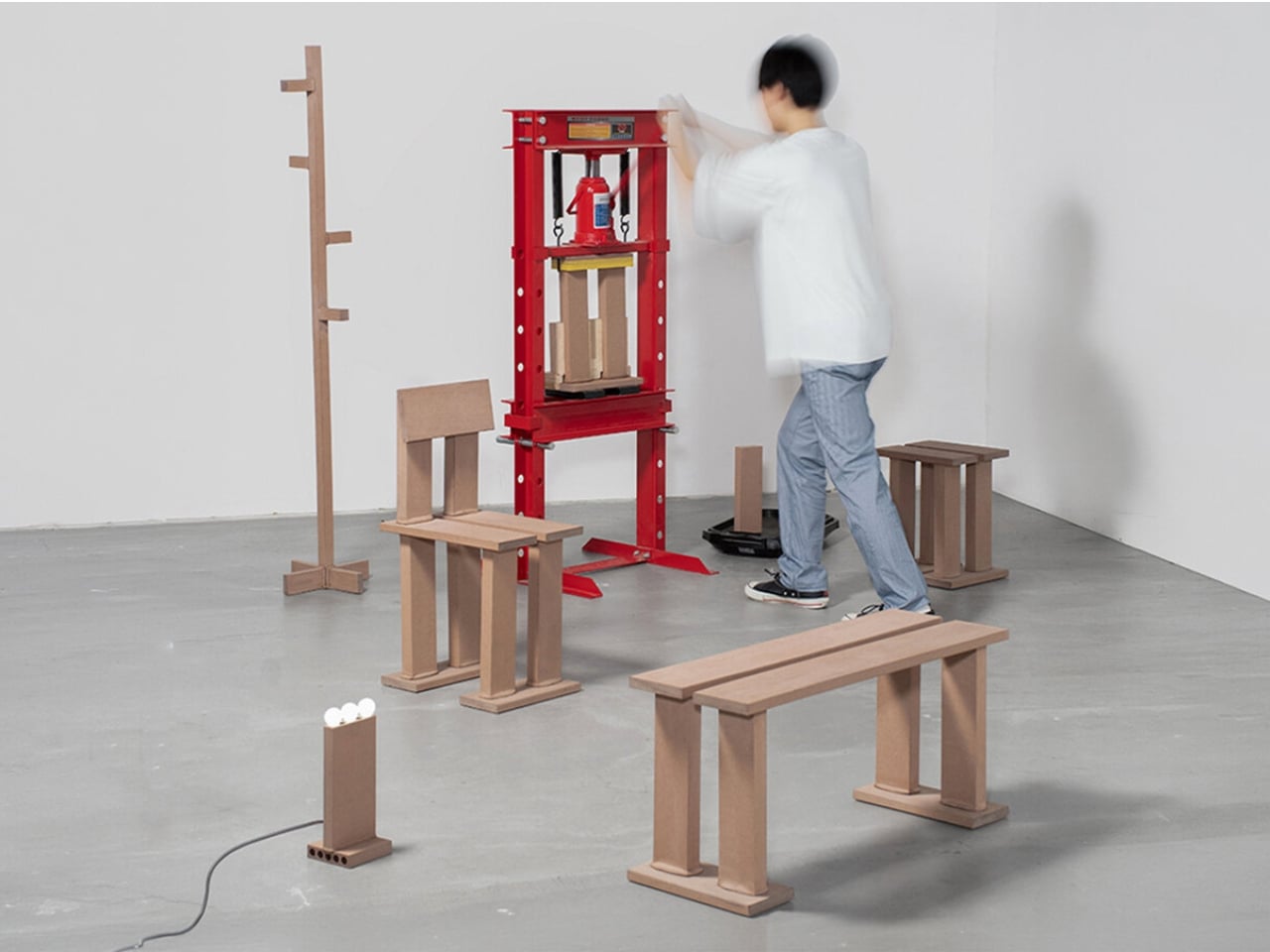

Most furniture is held together by things you can’t see. Mortise-and-tenon joints, steel brackets, wood glue applied in generous amounts before being clamped overnight. The craft of traditional joinery is genuinely impressive, and furniture historians will rightly tell you it’s one of the oldest engineering feats in human history. But a Japanese designer named Tact Inoue just asked a simple question: what if you didn’t need any of that?
His answer is Mocky, a furniture series that throws out conventional joinery entirely and replaces it with heat, pressure, and the natural behavior of a material most people walk past every day without a second thought.
Designer: Tact Inoue

The material in question is artificial wood, specifically the kind composed of wood flour and resin, commonly used in outdoor decking. It’s not a glamorous material by any stretch. You’ve probably seen it on a boardwalk, a backyard patio, or a poolside deck. It blends in, does its job, and gets credited with being “low maintenance.” Tact Inoue looked at that material and saw something different entirely.
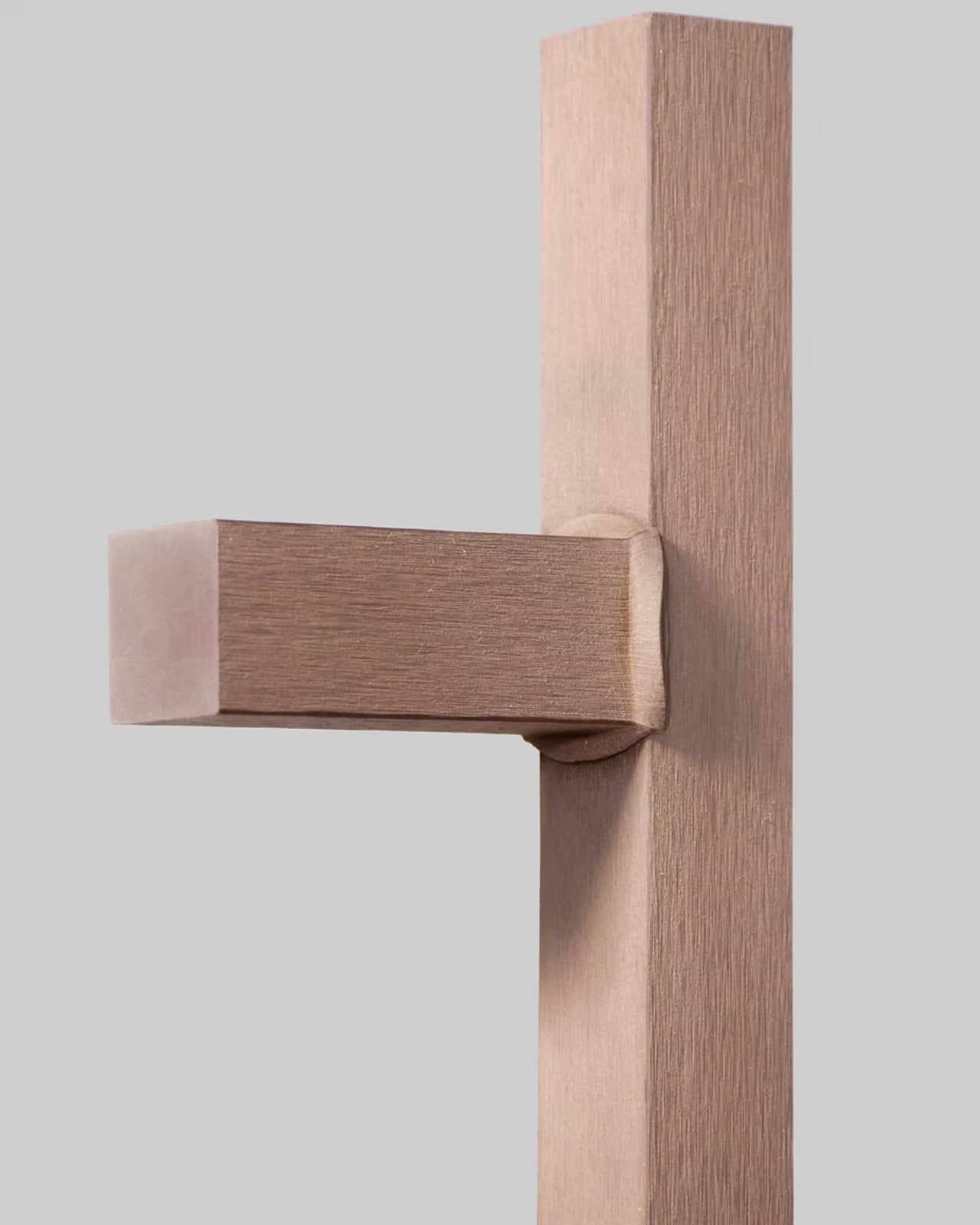
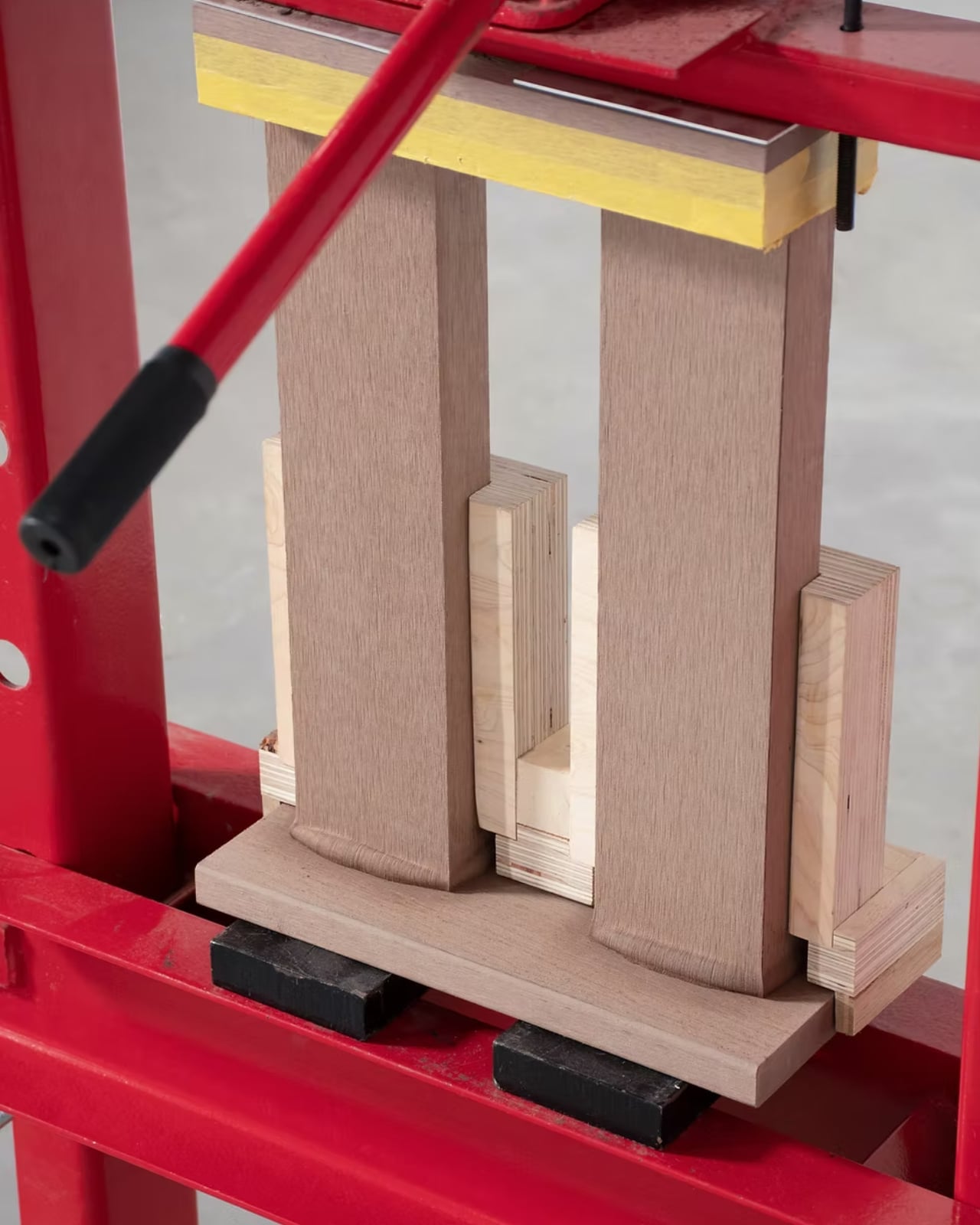
Because of its resin content, artificial wood can be heated until it softens. Inoue takes that softened state and presses the components together using a 20-tonne press machine. The heated surfaces fuse, adhering to each other as they cool. There are no fasteners, no glue, no mortise-and-tenon joints. The connection is the material itself. What comes out the other side looks nothing like what you’d expect from anything made of wood: warped surfaces, irregular joints, organic protrusions where two pieces met and merged under pressure.
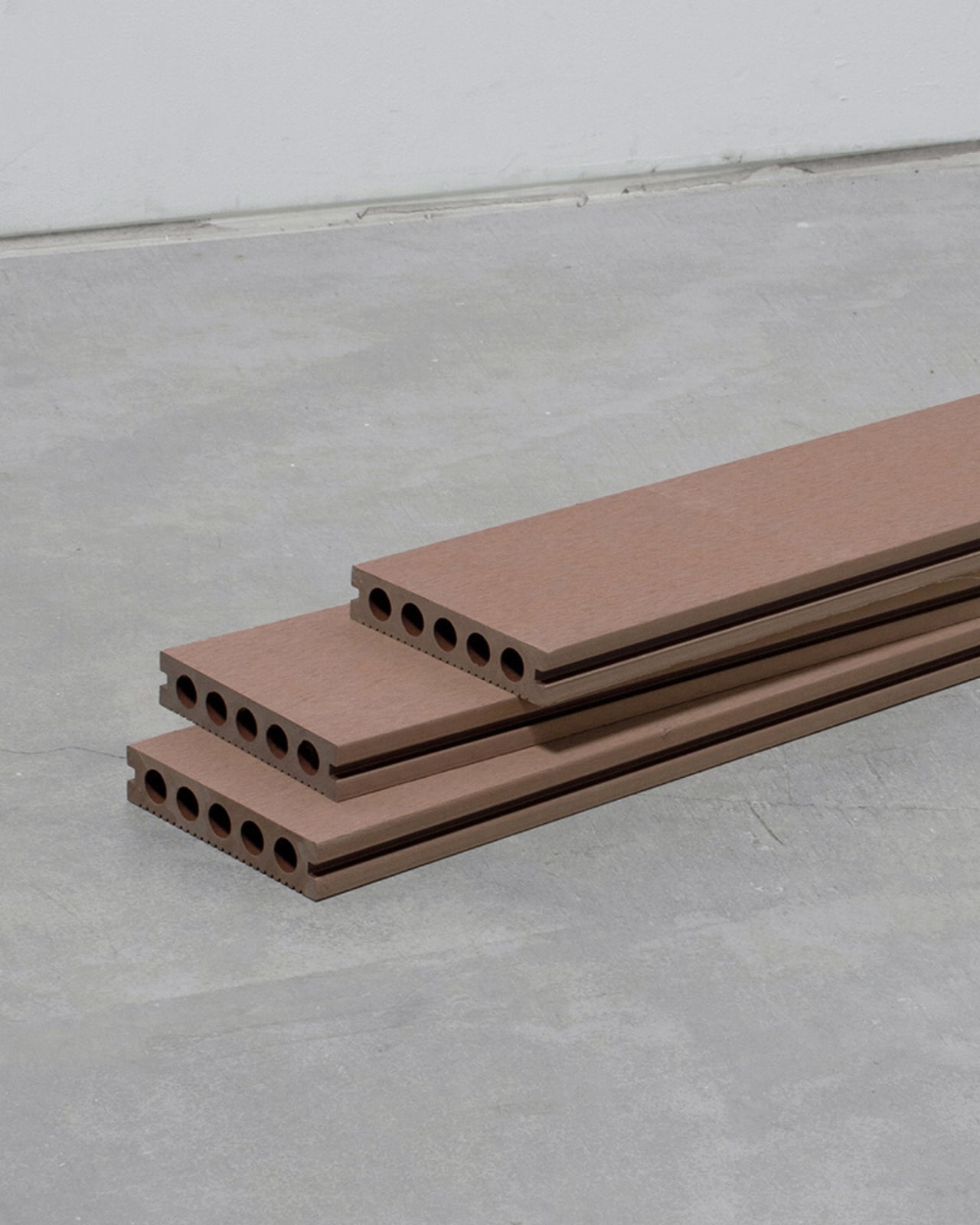
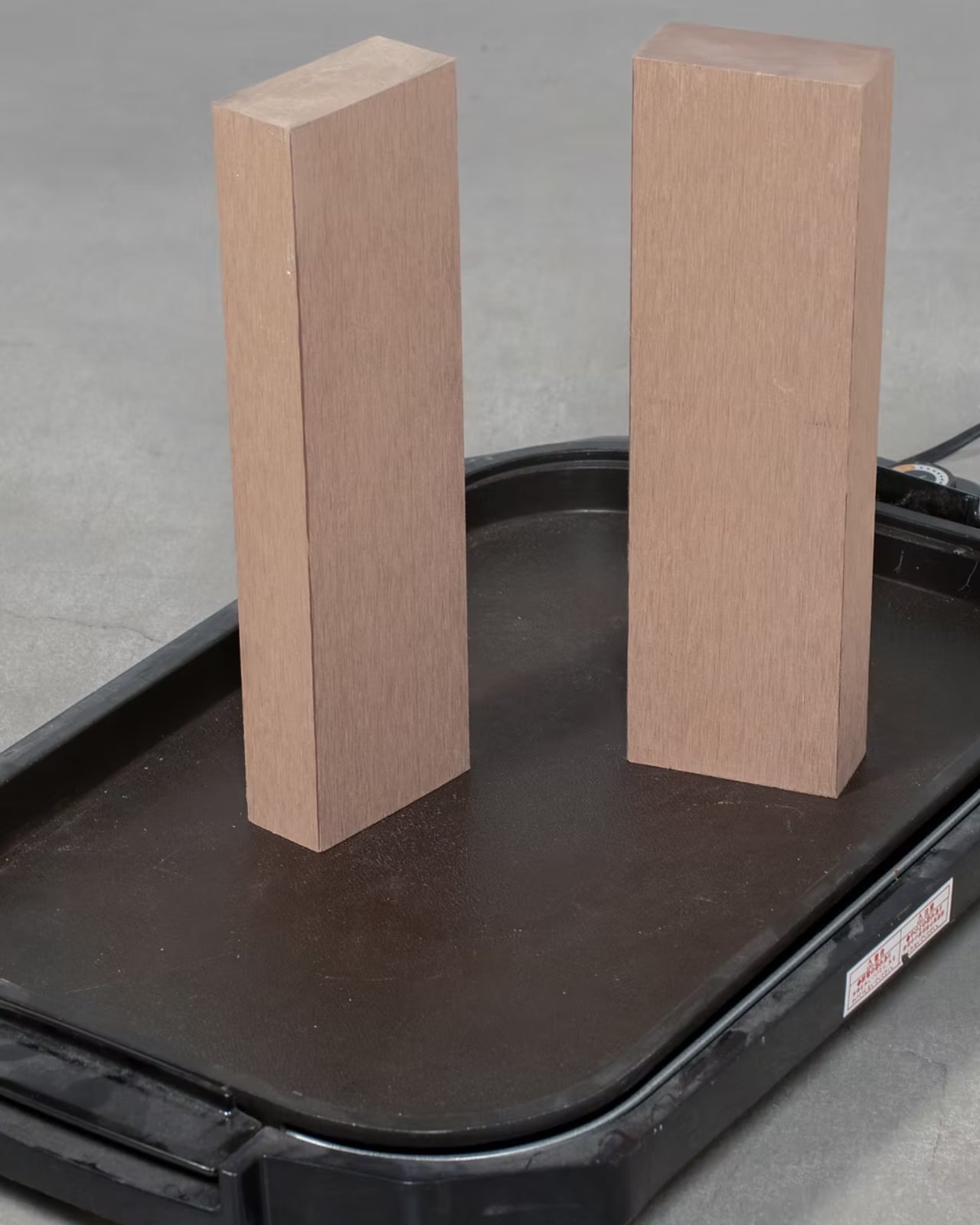
And the thing is, it looks extraordinary. The imperfections are the point. Inoue isn’t treating the irregularities as flaws to be corrected before the piece ships. The warping and distortion that happen during the heat-pressing process are built into the design language of Mocky from the start. Irregularity is an active part of the making, not an accident of it. Each joint emerges from the behavior of the softened material rather than from a pre-drawn spec sheet. That’s a genuinely different relationship between designer and material, one where control is shared rather than total.
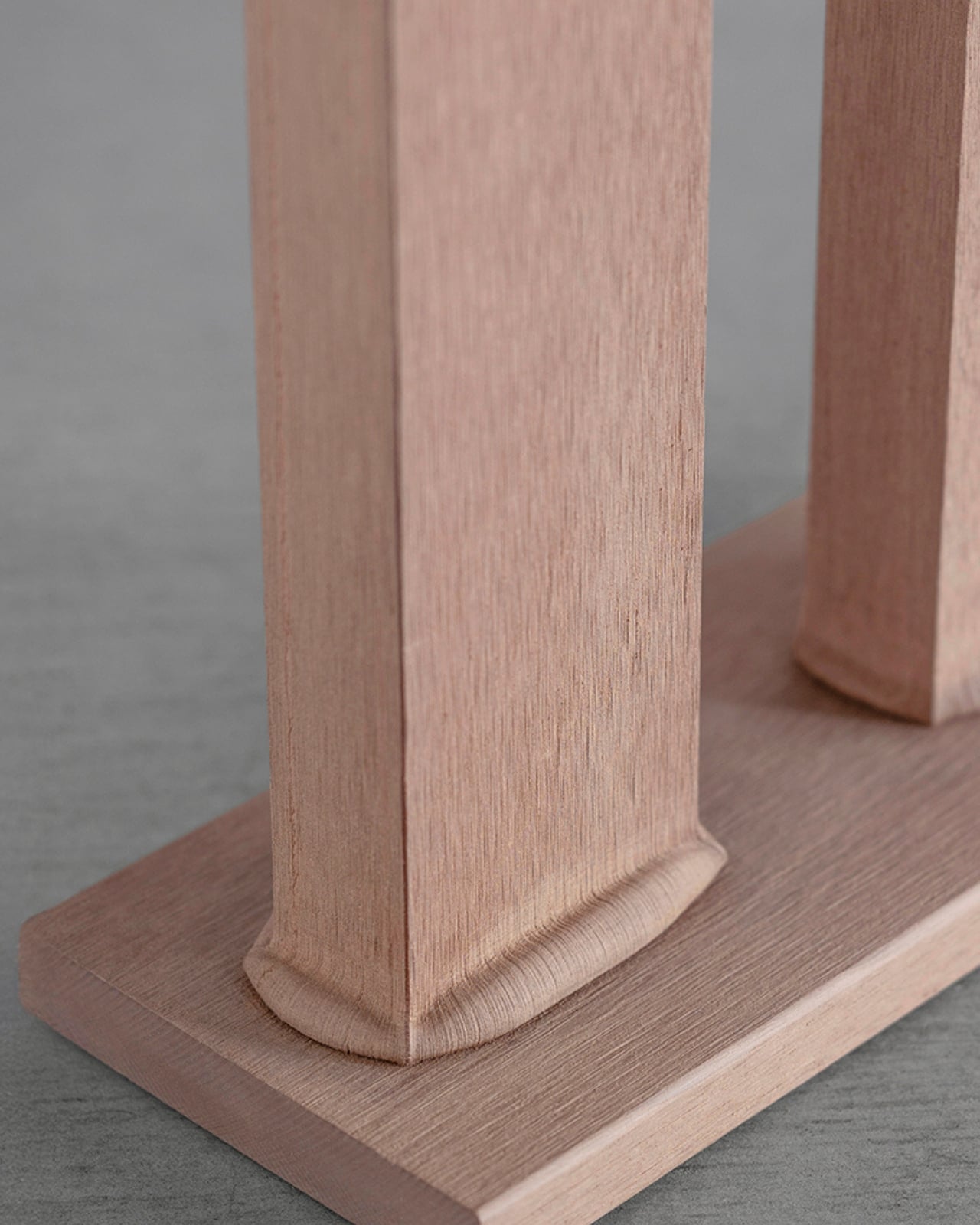
One of the standout pieces in the series is a bench that requires no aprons or stretchers to hold it together. The seat is made of two completely independent components that bond entirely through the fused connection. From a structural standpoint, that’s remarkable. From a visual one, it’s striking in the best way: a piece that looks grown rather than built.
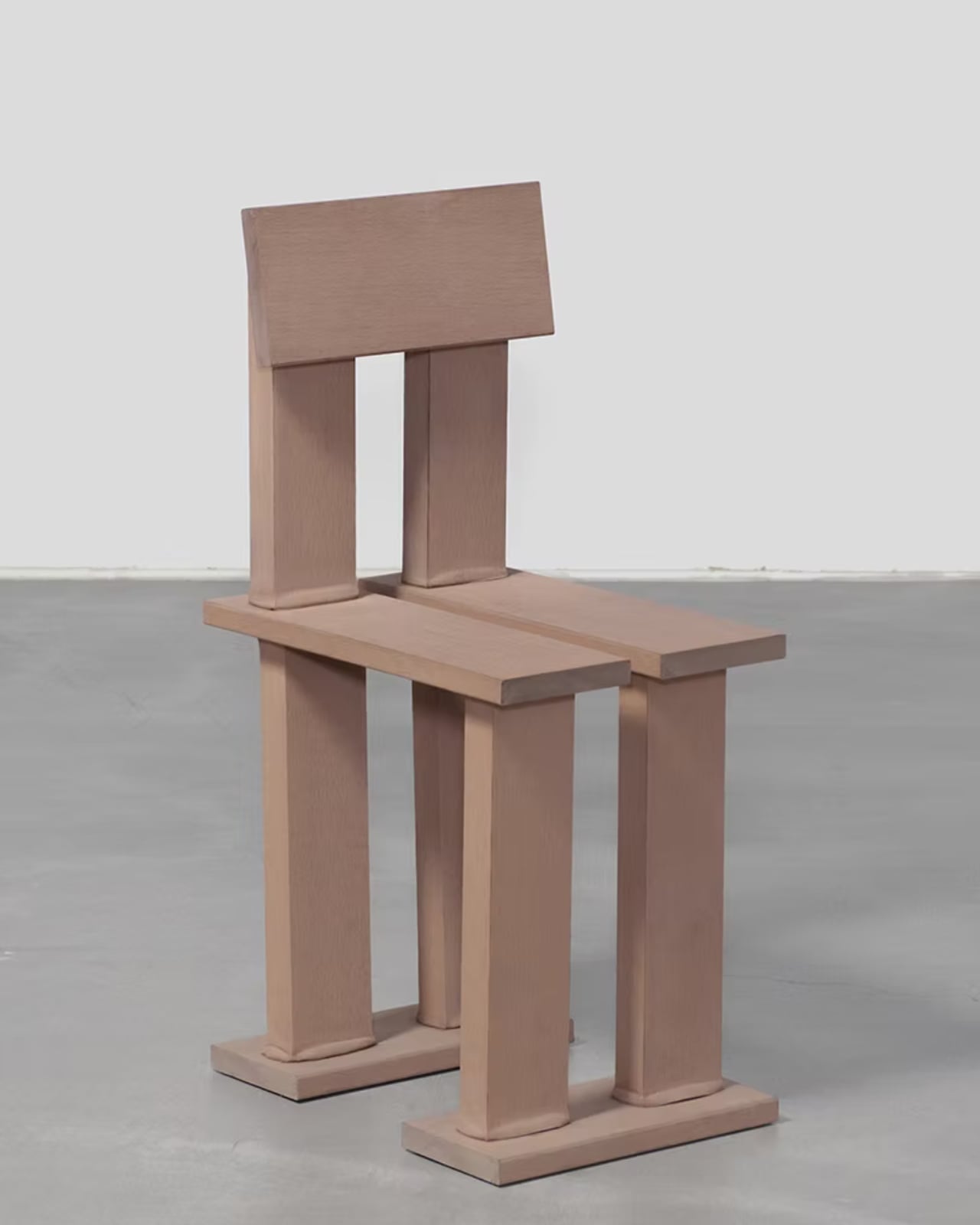
That distinction matters. So much furniture design right now falls into one of two camps: aggressively minimal, where the process is hidden and the object looks like it appeared fully formed, or intentionally handmade, where visible effort is treated as the point. Mocky doesn’t fully belong to either. The process is visible, but it isn’t precious. The irregularity is intentional, but it isn’t decorative for its own sake. It reads as material honesty, which is a rarer quality in furniture than we might assume.
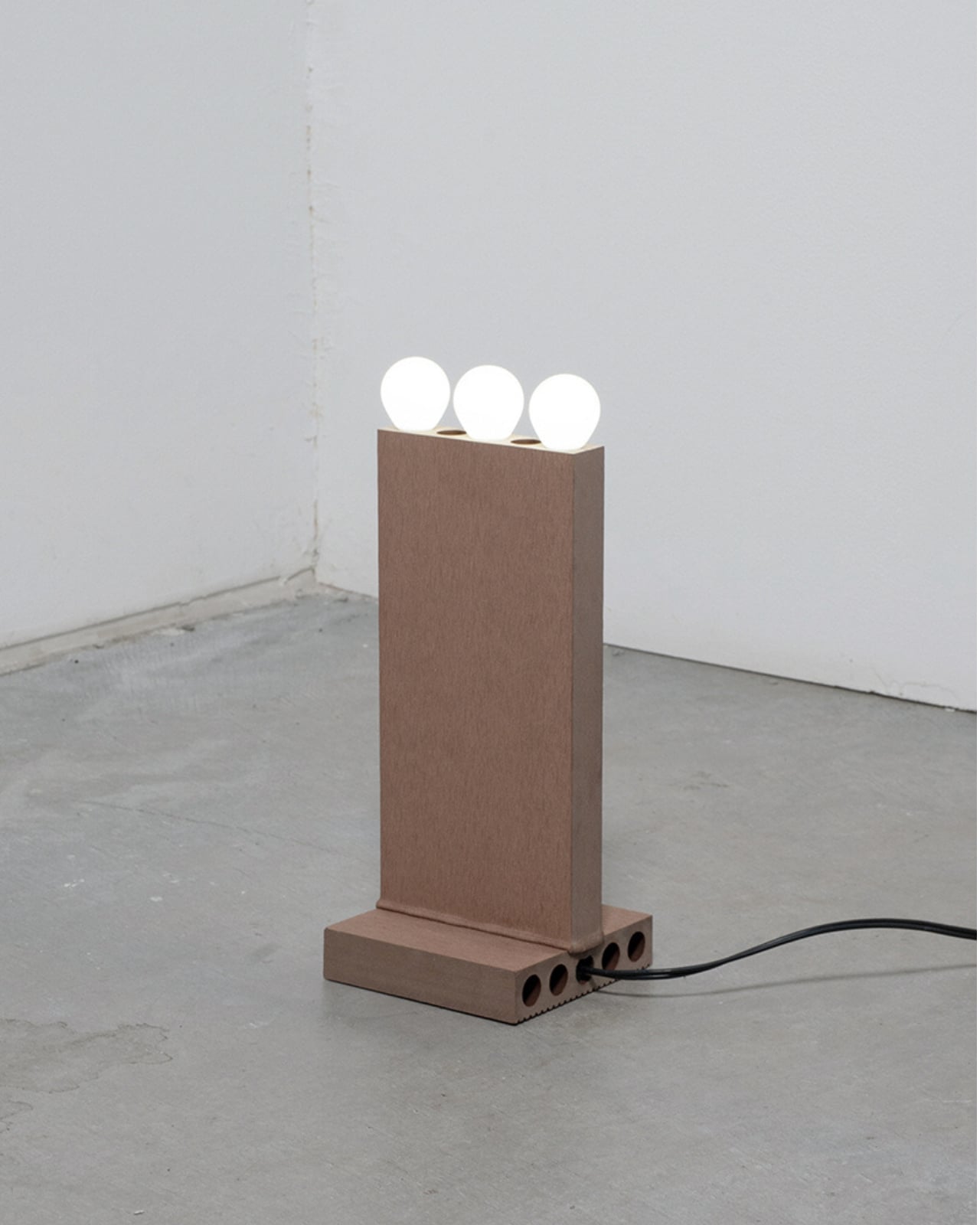
Inoue is also making a quieter argument about what artificial wood is for. It has spent its entire commercial life as a substitute, a stand-in for timber that doesn’t want to rot on your deck. Mocky pushes back on that framing. When you stop treating artificial wood as a replacement for something better and start treating it as a material with its own specific properties, it turns out it can do things natural wood never could. You cannot melt a solid oak leg into a joint. You cannot fuse cherry wood planks into each other using pressure alone.
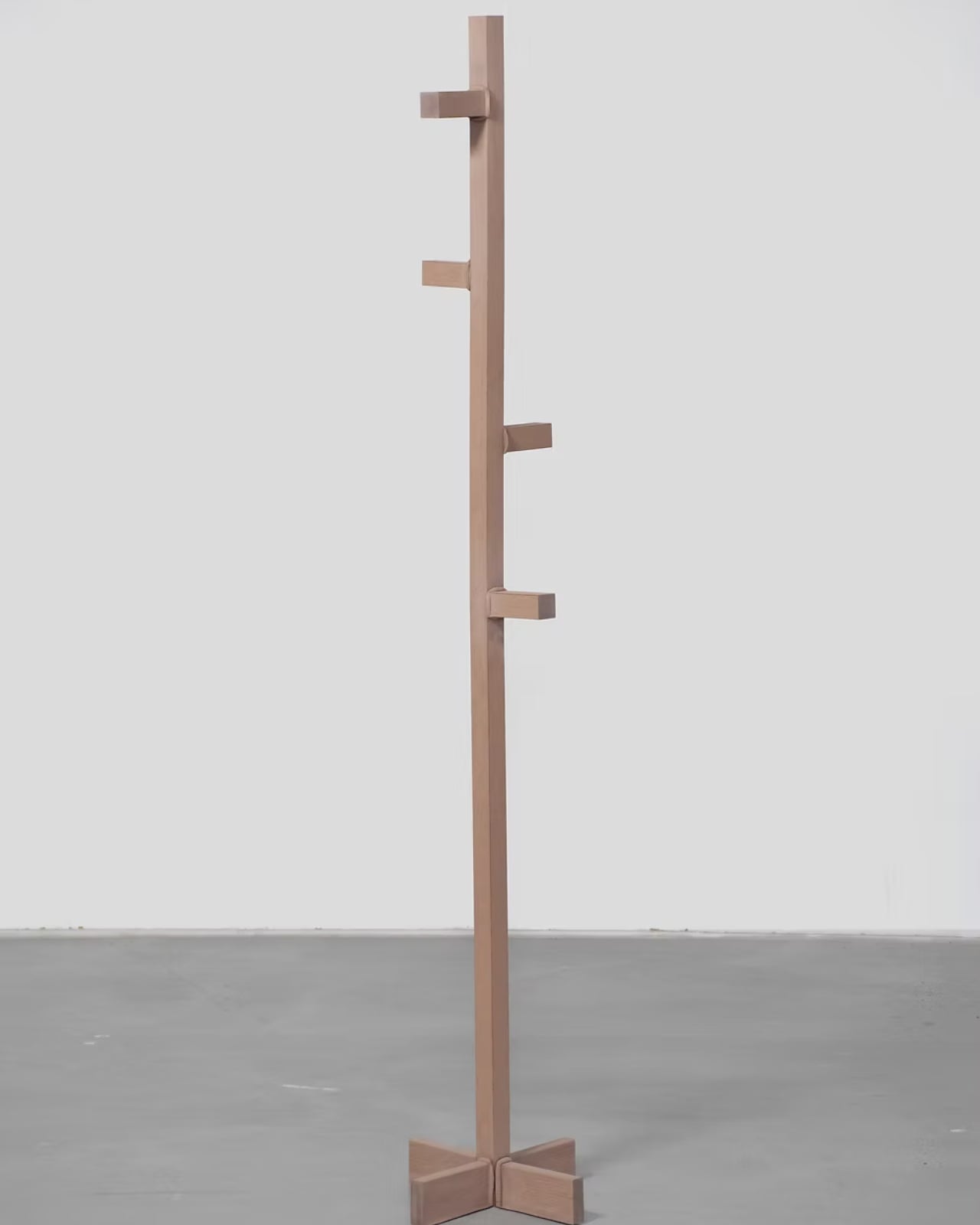
That shift in perspective, from material-as-substitute to material-on-its-own-terms, is what makes Mocky feel genuinely interesting rather than just visually surprising. It’s a reminder that designers often do their best work not when they reach for the expected material, but when they ask what a rejected or overlooked one is actually capable of. The answer, in this case, is quite a lot.