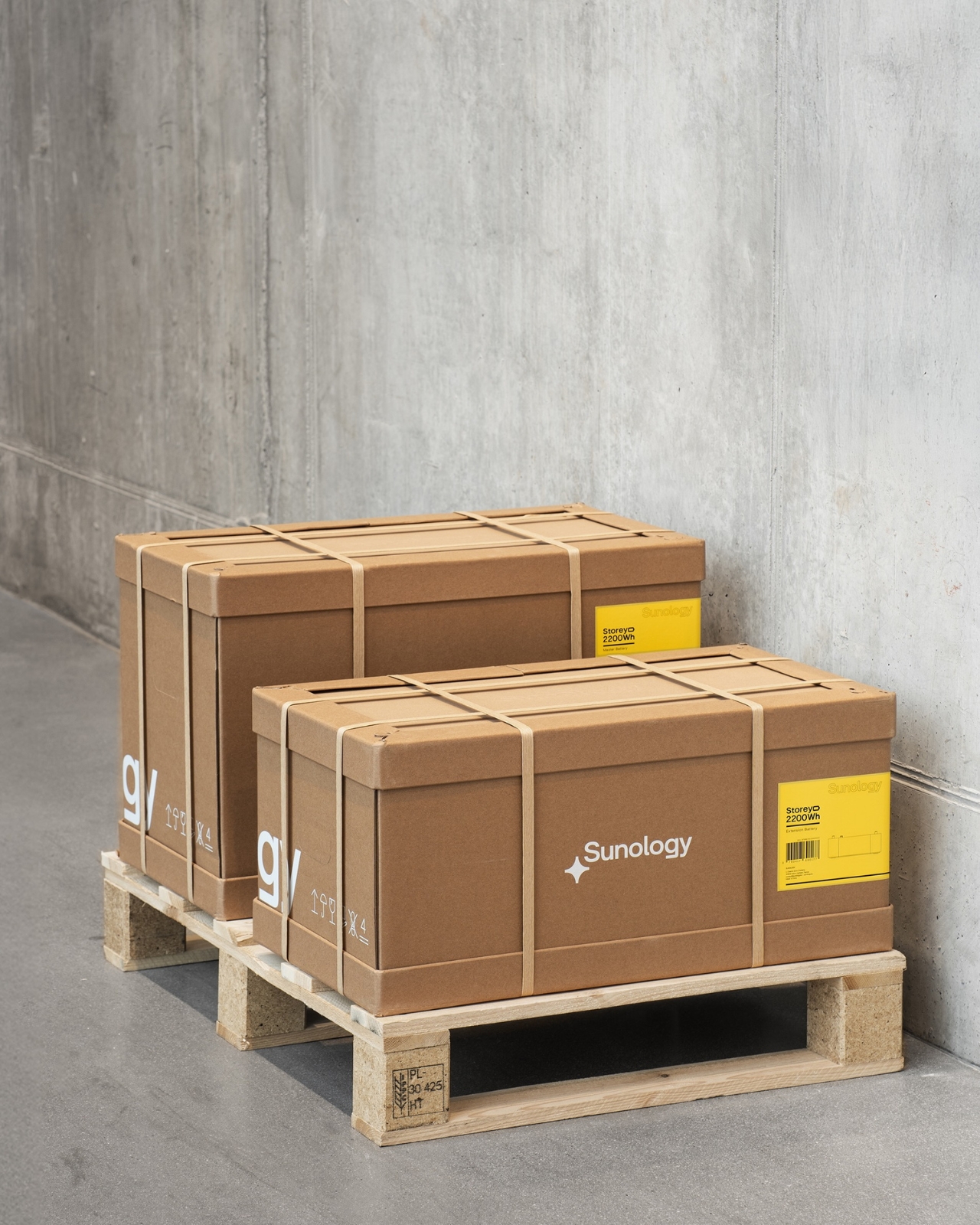

Most of us don’t give packaging a second thought. It arrives, we tear it open, and it goes straight into the recycling bin or, less nobly, the bin under the sink we keep telling ourselves we’ll sort through on a weekend. But every once in a while, a piece of packaging stops you mid-unbox and makes you think: someone really cared about this.
The Storey Battery by French solar tech company Sunology is a compact home energy storage unit, the kind that quietly stores power from your solar panels or the grid and releases it back when you need it most. It can run household appliances through an outage, reduce your electricity costs, and help you step a little further away from grid dependency. Plug-and-play clean energy, designed for the person who cares about both good design and their electricity bill. Swedish industrial design firm Propeller Design handled both the product and its packaging, and if you’ve seen the Storey itself, you already know this is a studio that doesn’t phone things in. The battery has soft, clean forms and an aluminum housing that belongs in a living room, not buried in a utility closet. It also won the BIG SEE Grand Prix 2026 Design Award, which feels entirely deserved.
Designer: Propeller Design

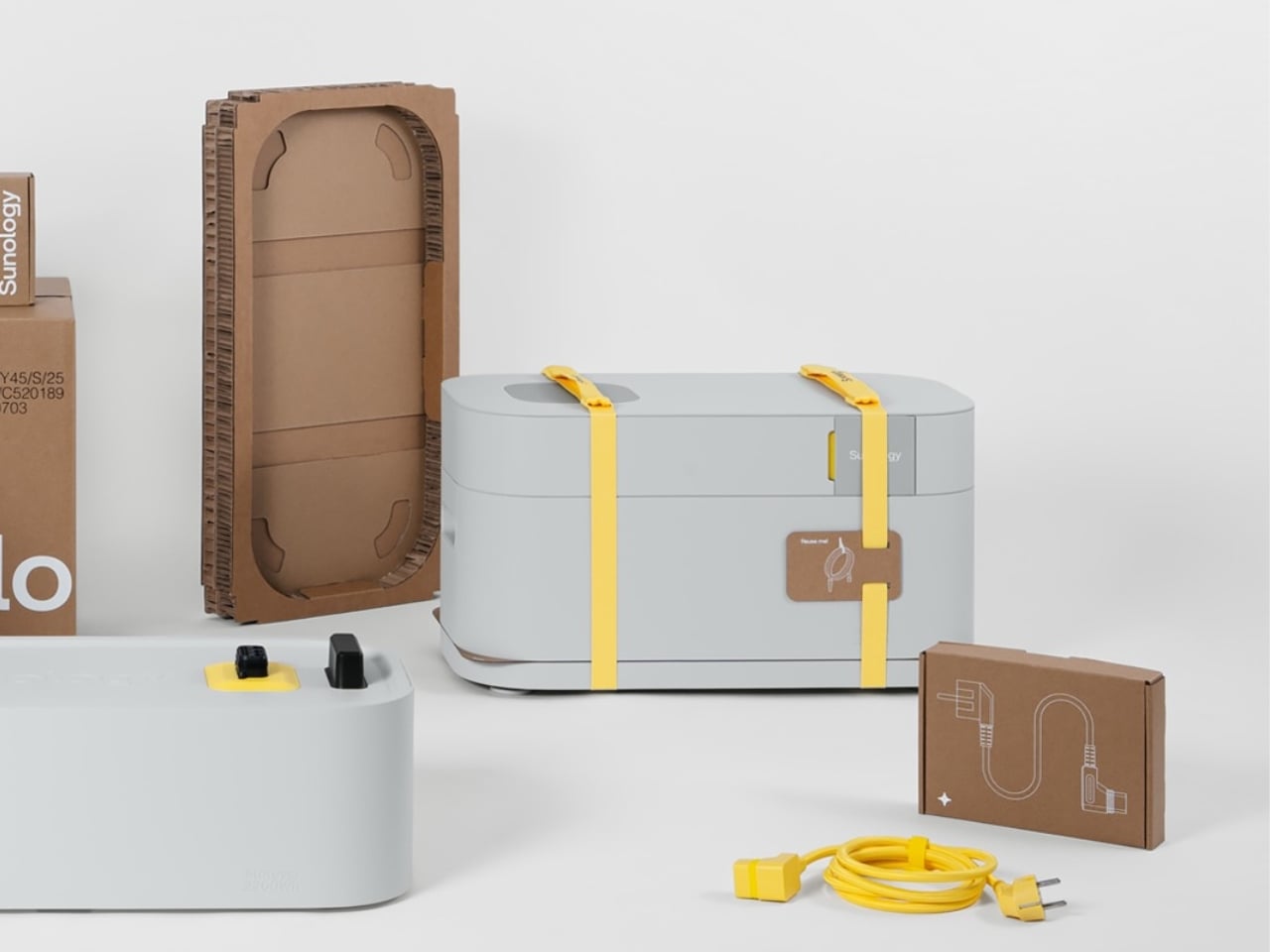
But the packaging is what I want to talk about, because the packaging is quietly extraordinary. The Storey weighs 30.5 kilograms. That’s serious weight for anything to withstand during shipping and freight, and for decades the default answer to that kind of engineering challenge has been foam, plastic, more foam, and maybe some more plastic just to be safe. Propeller went a completely different direction. The entire solution is fiber-based. No plastic. Not even a little bit.
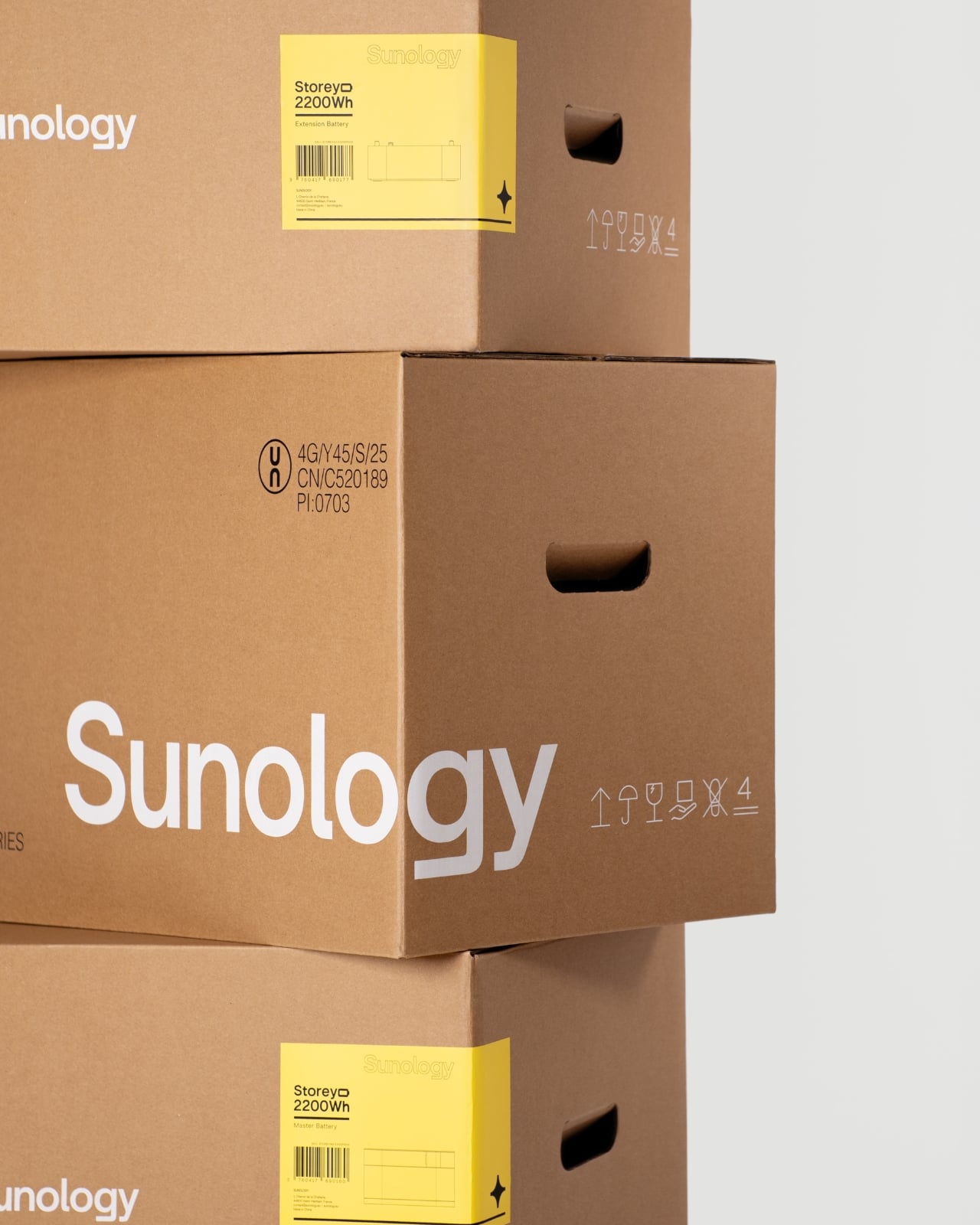
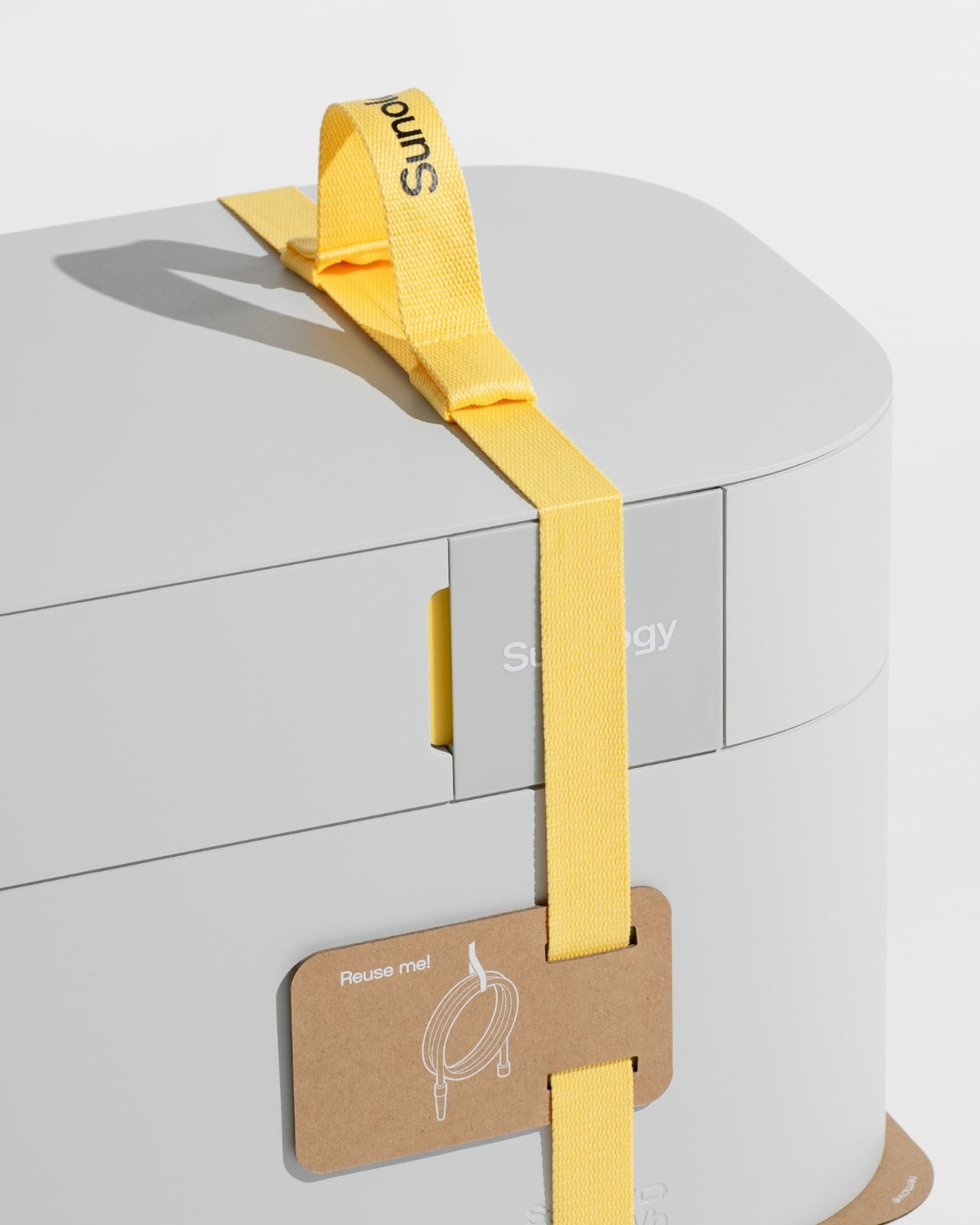
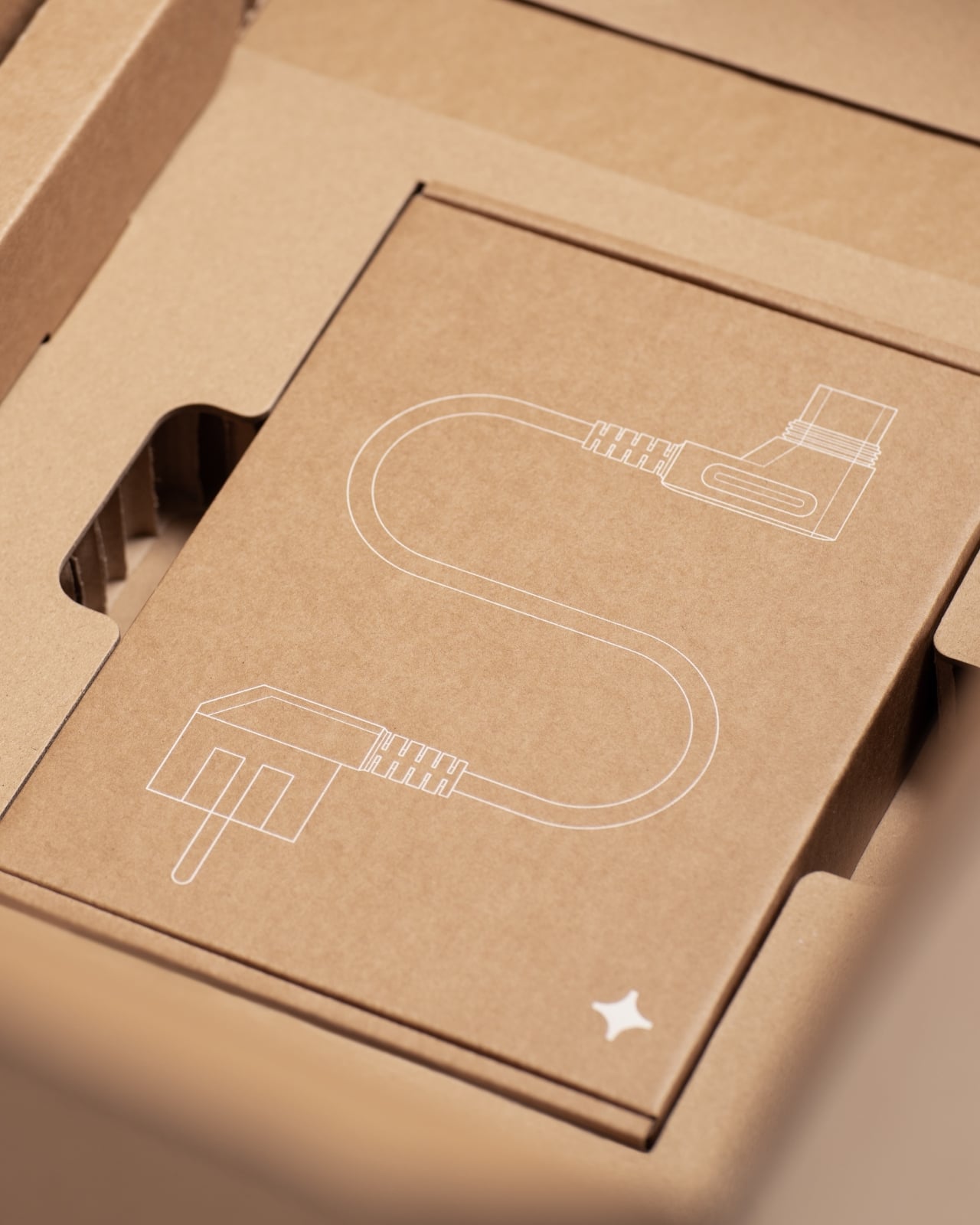
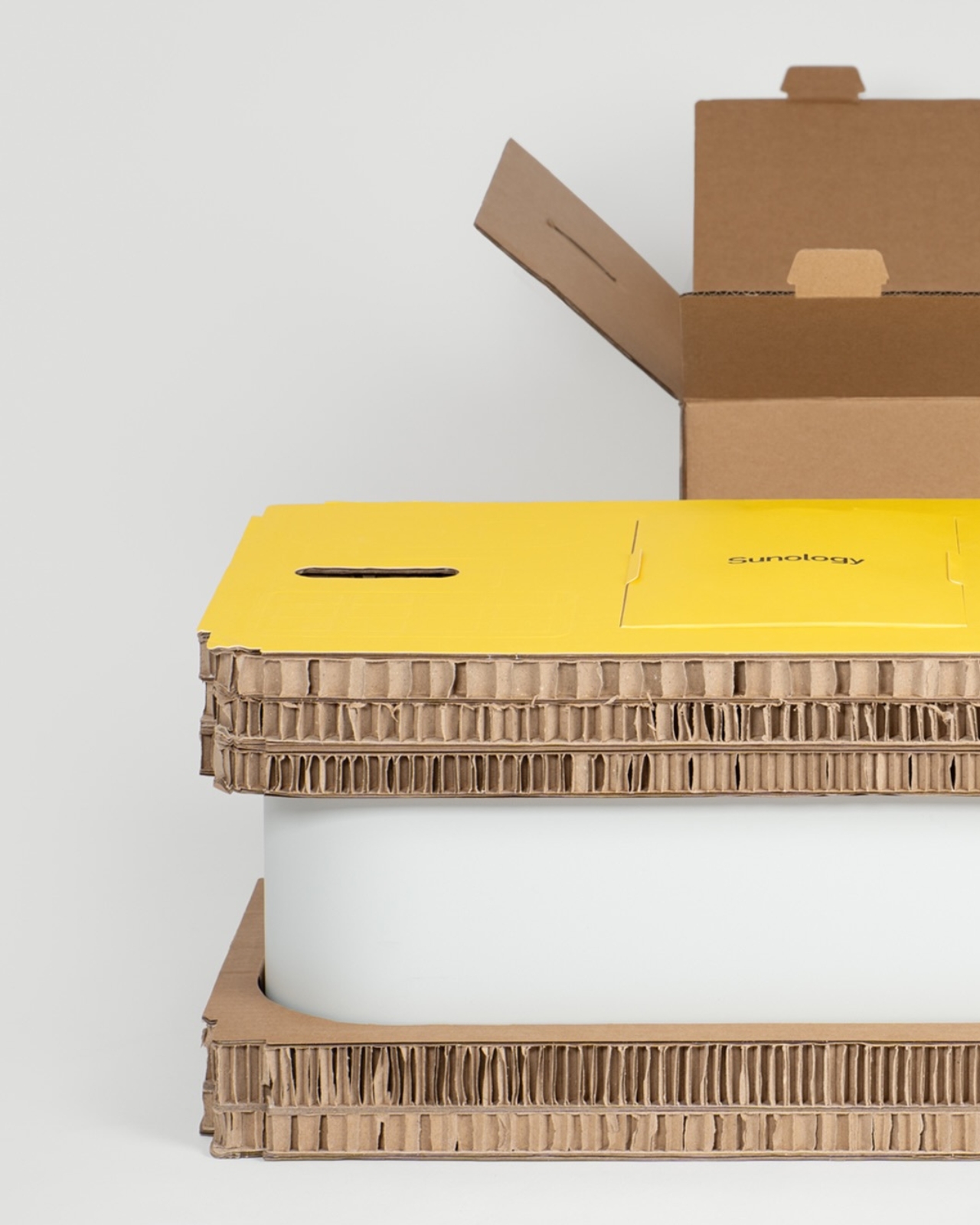
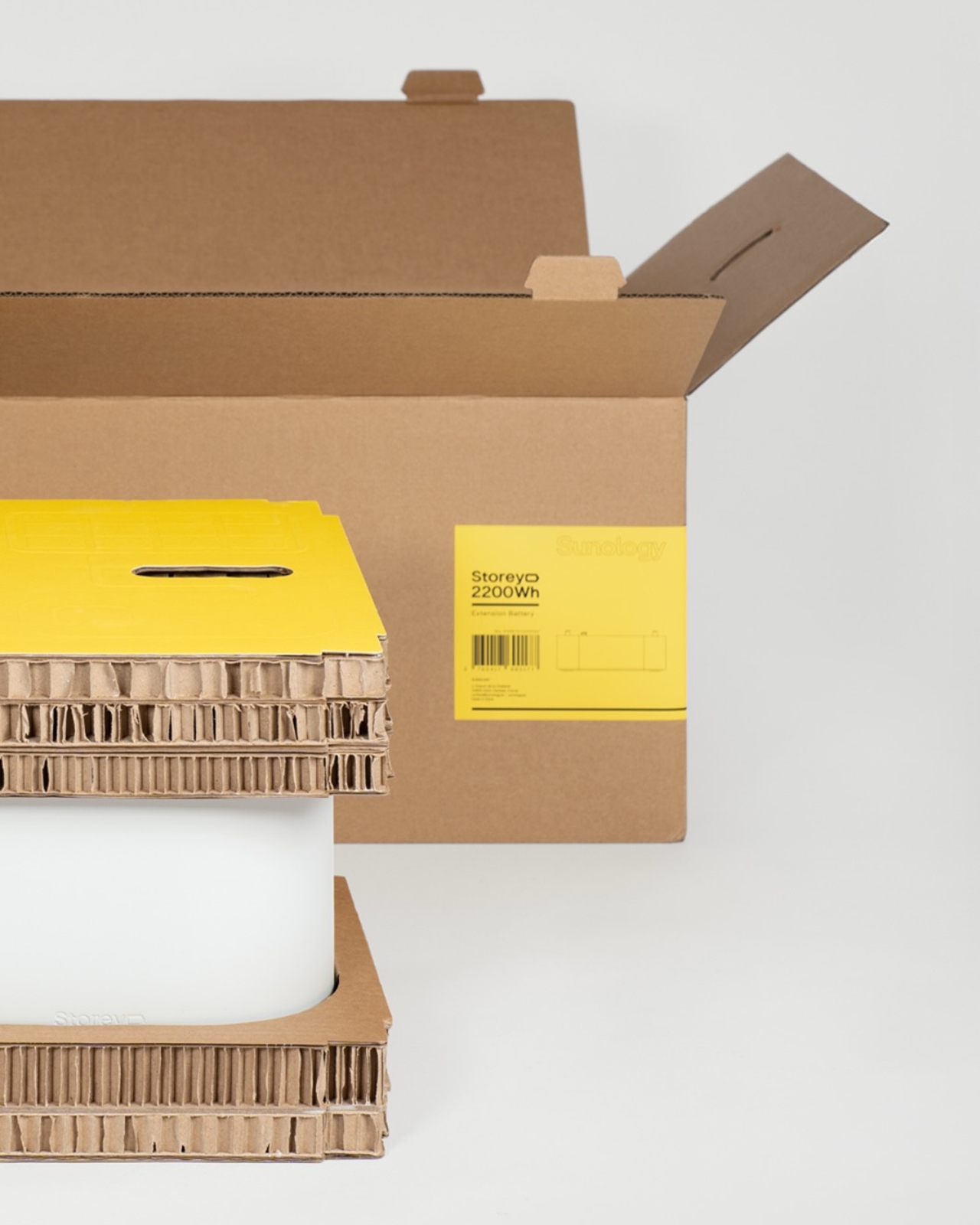
They built the structure around strong honeycomb board, paperboard corner reinforcements, and paper straps. If you’ve ever seen honeycomb board in cross-section, you’ll know it’s deceptively capable. The cellular geometry distributes weight in a way that makes it genuinely strong, the kind of structural work that plastic foam has been quietly getting credit for all this time. The paper straps wrap around the battery unit like a considered branding detail rather than an afterthought, and one of them comes tagged with a small kraft card that reads “Reuse me!” alongside a clean line illustration of a cable. It’s a small gesture, but it signals the right values without making a speech about it.
I think what Propeller understood here, and what a lot of packaging designers still miss, is that sustainable materials don’t have to mean a downgraded experience. There’s a quiet assumption embedded in a lot of eco-friendly packaging that you’re trading aesthetics for ethics, that paper means compromise. This design challenges that directly. The unboxing feels deliberate and considered. The honeycomb cradles the Storey like it was made for it, because it was. The yellow straps against the pale, soft form of the battery are almost gift-like in appearance. It’s the kind of opening experience that justifies being filmed, which, in 2026, is not a small thing to say about any piece of industrial packaging.
The industry conversation around plastic-free packaging has been going strong for years, but execution still tends to lag behind intention. Companies announce pledges and deliver on them for products where plastic-free engineering is relatively manageable. Designing out plastic on a 30.5-kilogram product that needs to survive freight conditions across a global supply chain is an entirely different engineering problem, and Propeller actually solved it rather than simply worked around it.
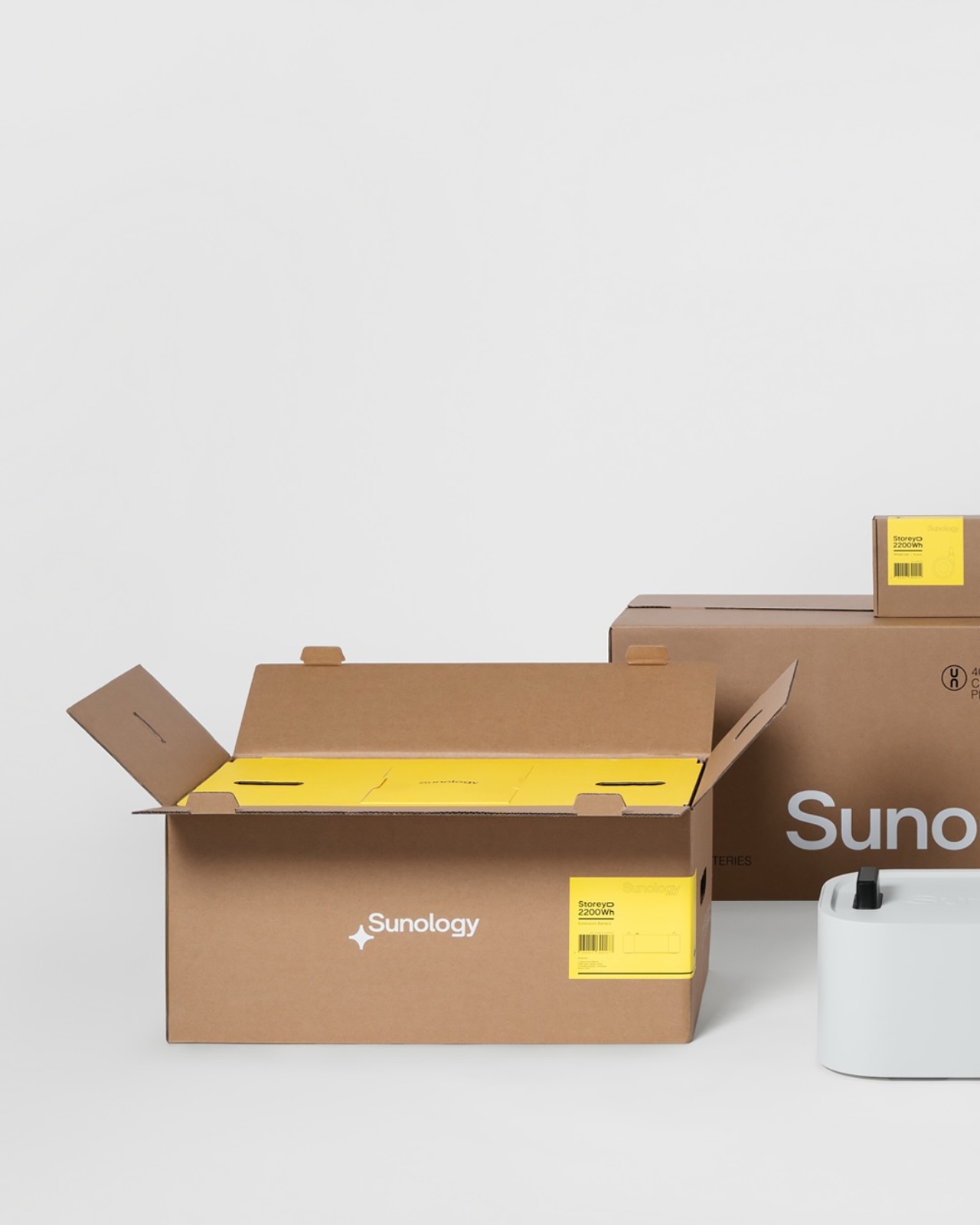
The Storey battery is built for a future where home energy storage becomes a normal part of domestic life. It follows that its packaging should feel like it belongs in that same forward-thinking vision. Paper strong enough to carry 30 kilograms of clean energy technology is not a small design win. It’s a proof of concept, and one that the rest of the industry probably needs to study closely.