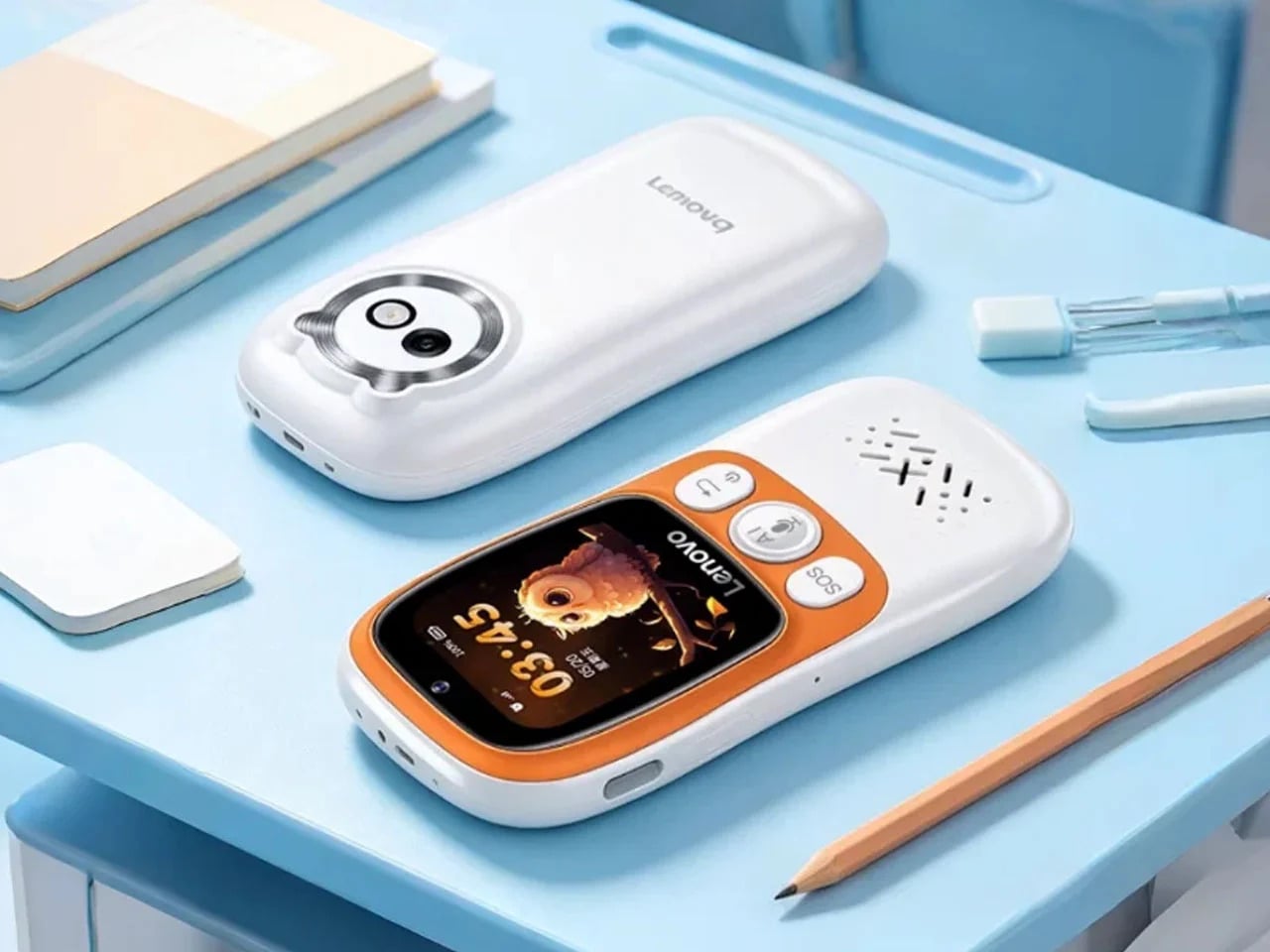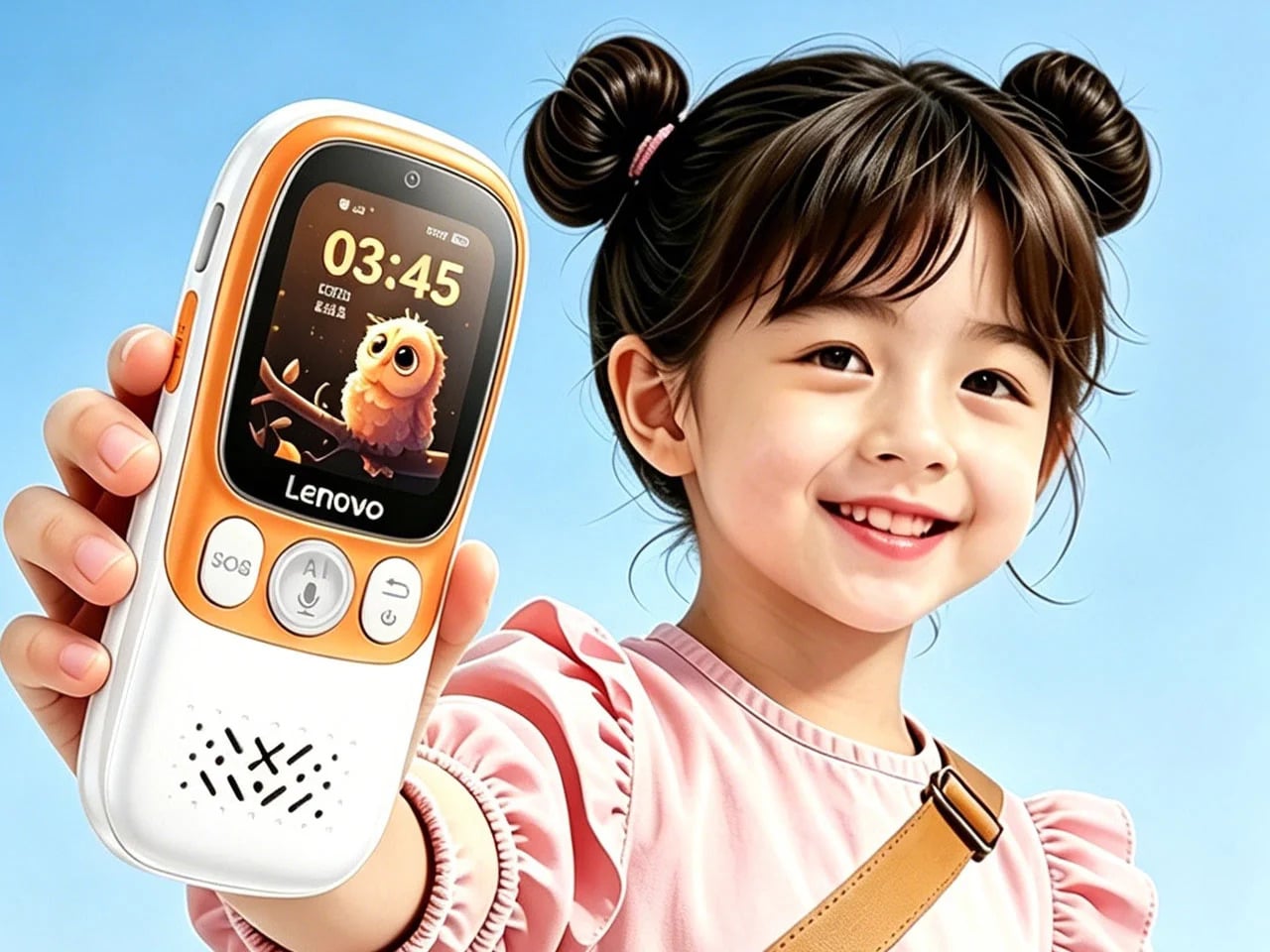

Most phones marketed at kids are really just smartphones in disguise, dressed down with monitoring apps and screen-time limits that parents set and children quietly find ways around. The tension between staying connected and staying focused has pushed many families toward patchwork fixes: a shared phone, an old handset with most apps deleted, or a prepaid SIM dropped into hardware never meant for the job.
Lenovo’s answer to that problem is the AI Student Phone L1, which we covered at launch in China in late June 2026 for 299 yuan, or about $44. It looks like a compact candy-bar phone with a 1.83-inch touchscreen and 4G connectivity, but it behaves far more like a purpose-built study companion. There’s no browser, no social media, no games, and based on current reporting, sideloading isn’t an option.
Designer: Lenovo
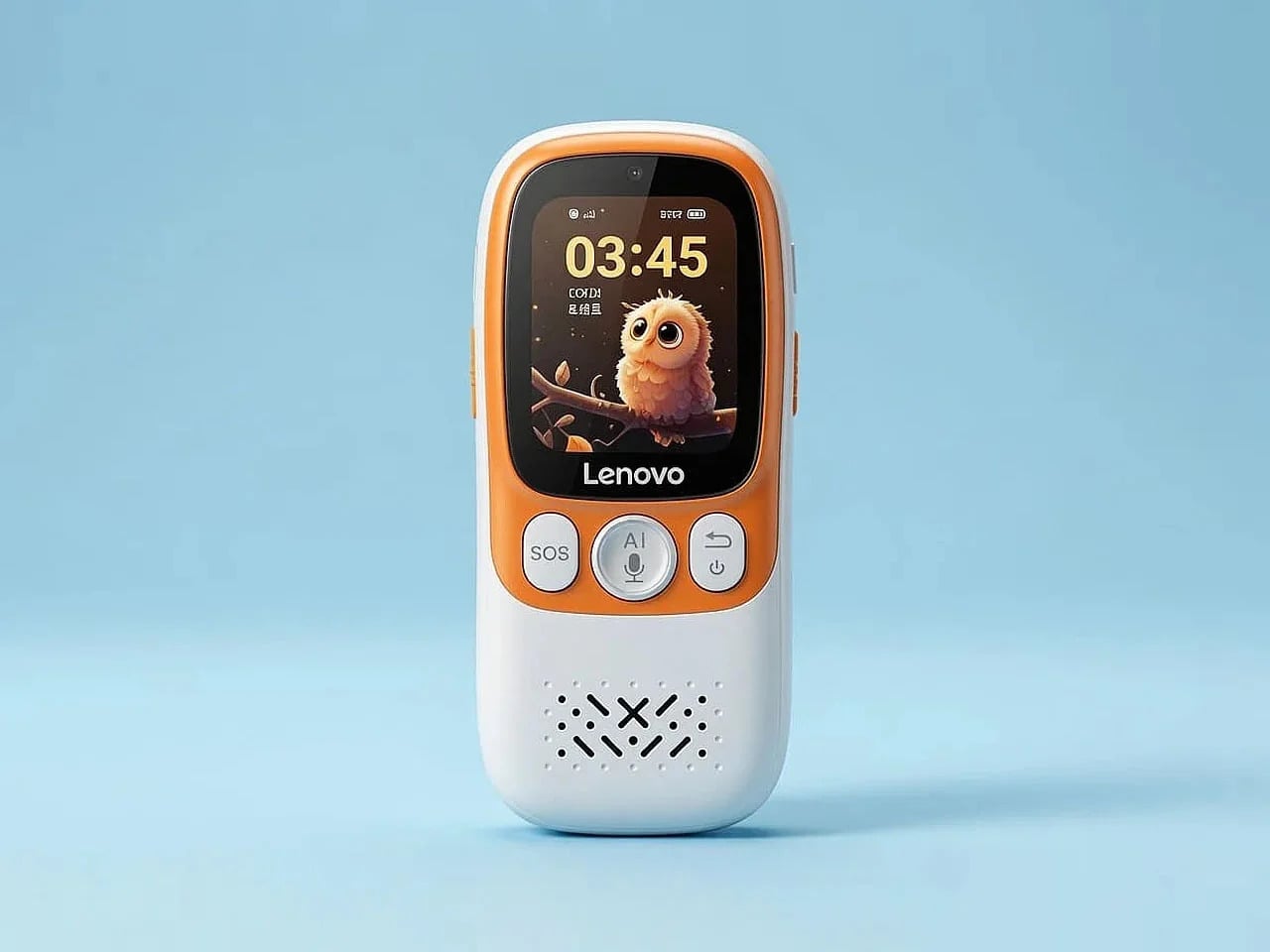
What makes the L1 interesting from a design standpoint isn’t what’s missing; it’s what Lenovo chose to keep and why. The phone reportedly features a compact body built with Panda glass, a material meant to handle the daily punishment a backpack full of school supplies tends to deliver. That choice isn’t a premium flourish; it’s a quiet signal about who this device is actually built for.
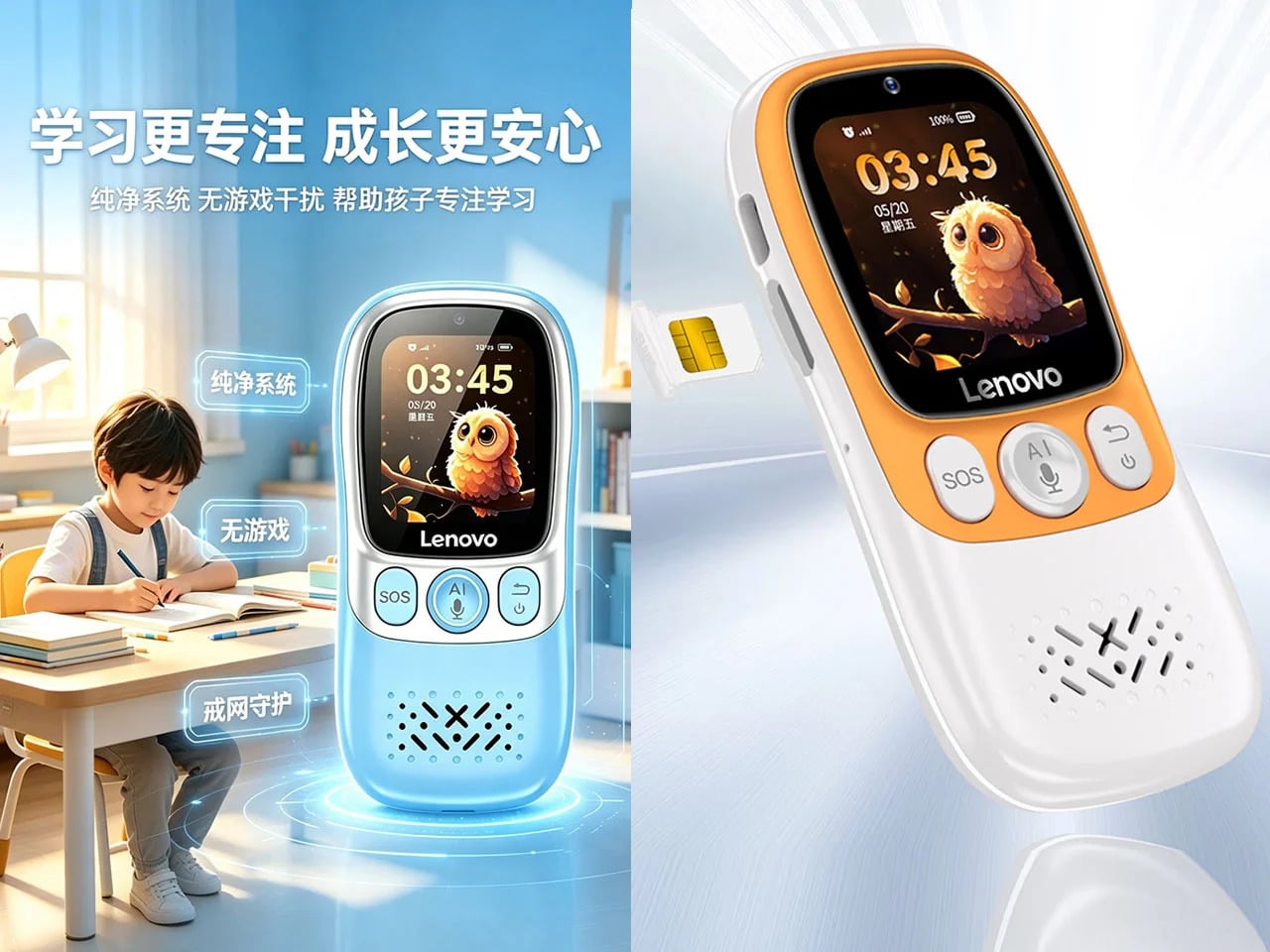
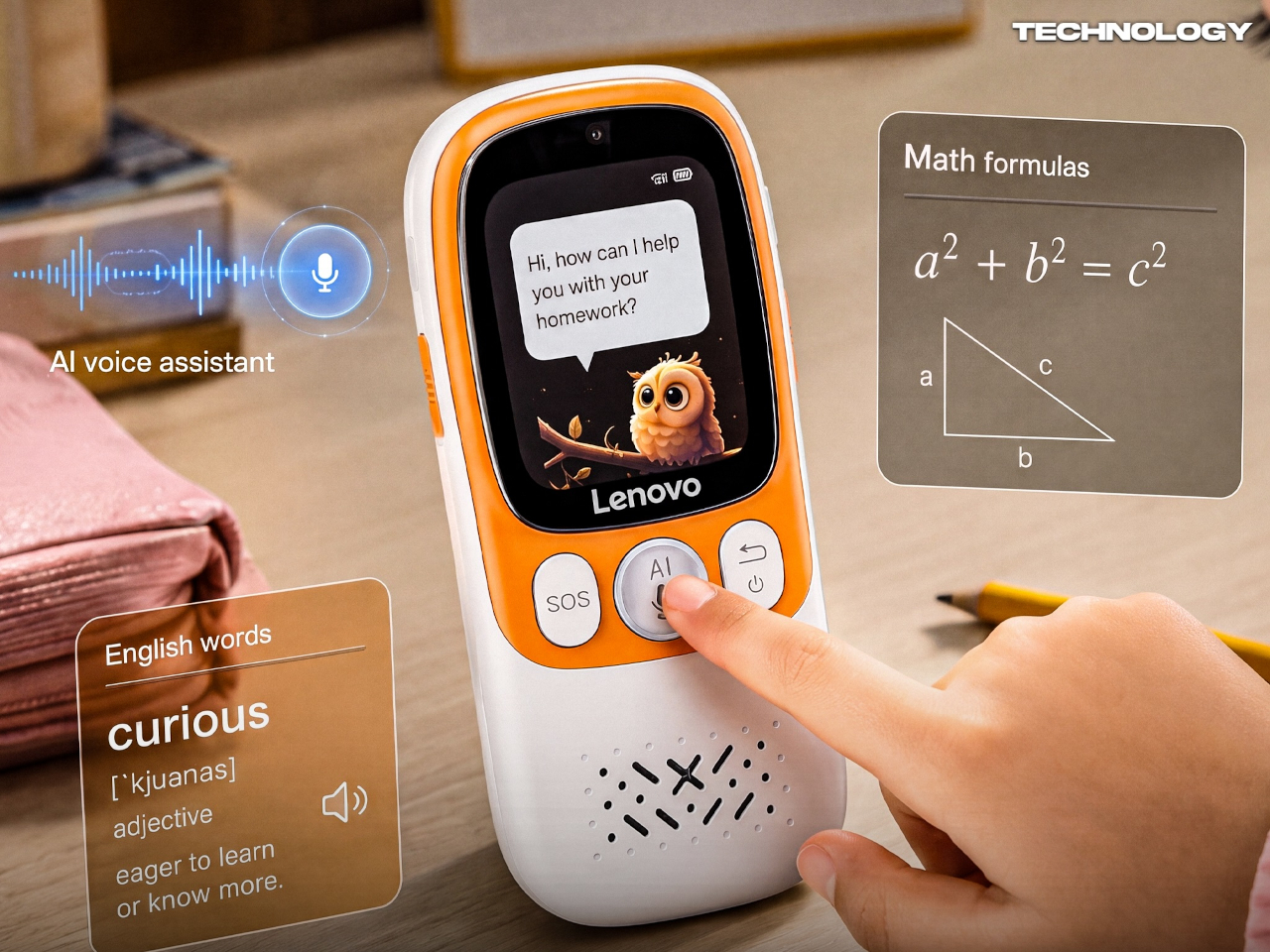
The most telling design decision is the dedicated physical AI button reportedly built into the side of the L1. In most other phones, the AI assistant lives inside software, hidden behind a long press or buried in settings. A hardware button changes that, making help a fixed and visible part of the object. A child doesn’t need to find the feature; the button is it.
Press it, and the L1 reportedly connects to an AI assistant that can help with homework, language learning, and subject lookups. The simplicity is the point. Instead of opening a browser and disappearing down a rabbit hole, the student gets a focused answer and moves on. The phone isn’t trying to replace a teacher; it’s trying to stay out of a teacher’s way.
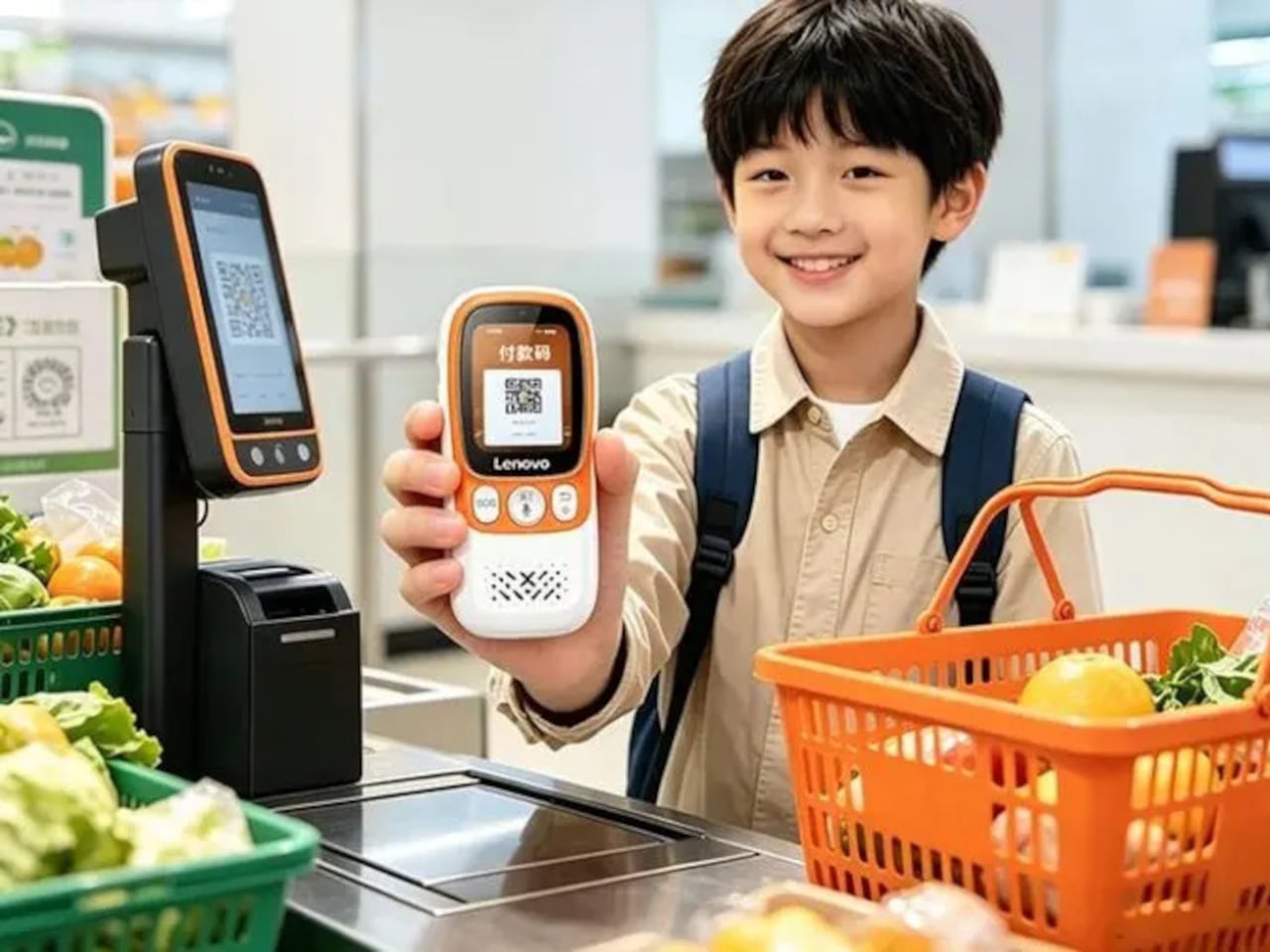
The feature most coverage tends to bury is the reported QR-code payment system with parent-set spending limits. A child can reportedly take the bus, grab lunch, or pay for a snack without a full smartphone or a physical wallet. GPS tracking and an SOS button reportedly keep parents in the loop. Parents set a cap, the child spends within it, and that’s the end of the negotiation.
That said, the L1 isn’t without its compromises. A 1.83-inch screen is genuinely small, and while that probably discourages mindless scrolling, it also makes extended interaction feel a bit cramped. If handwriting input is included, as some reports suggest, the novelty may wear off quickly. Restraint is a valid design philosophy, but it still has to feel comfortable enough to use every day.
For parents in the US or Europe, the L1 is unfortunately a China-only device for now. Products like the Gabb Phone, Pinwheel, and Bark Phone all tackle the same distraction problem, but by restricting a conventional smartphone from the inside. The L1 appears to start from a narrower behavioral premise, building limits into the hardware rather than patching them in through software.
That distinction is worth sitting with. Handing a child their first phone has always been about balancing independence and oversight, and software-based restrictions have always felt like a workaround. The Lenovo AI Student Phone L1 raises the question of whether you can get closer to that balance by designing the object differently from the start, and that’s probably the right conversation to be having.