Gaming peripherals have come a long way in terms of specialization, from mechanical keyboards tuned for competitive play to mice with adjustable DPI profiles and ergonomic grips. What hasn’t kept pace is hardware designed for players who can only use one hand. Existing options like gaming keypads only get so far, and none of them truly replace the keyboard and mouse combination that PC gaming has relied on for decades.
Joe Tomasulo found that out the hard way. After losing his right arm in a motorcycle accident, he’d tried everything to get back to PC gaming as he knew it. He adapted a Razer Tartarus, strapped a wireless mouse to it, and tweaked the software bindings endlessly, but nothing ever felt right. Rather than keep settling for workarounds, he eventually built something purpose-made, and the result is the Ercham MK1.
Designer: Joe Tomasulo (Adventurous_Tie_9031)
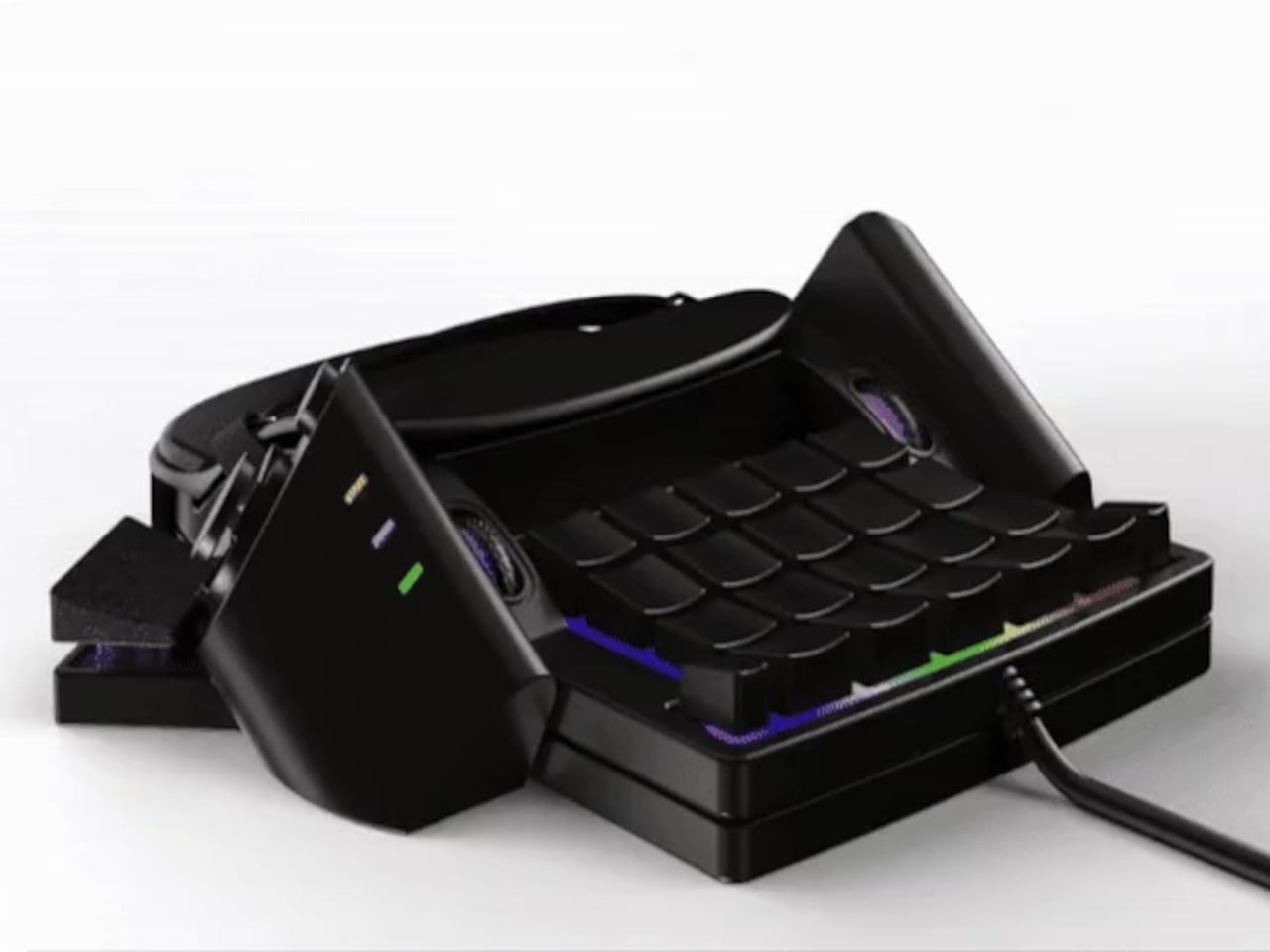
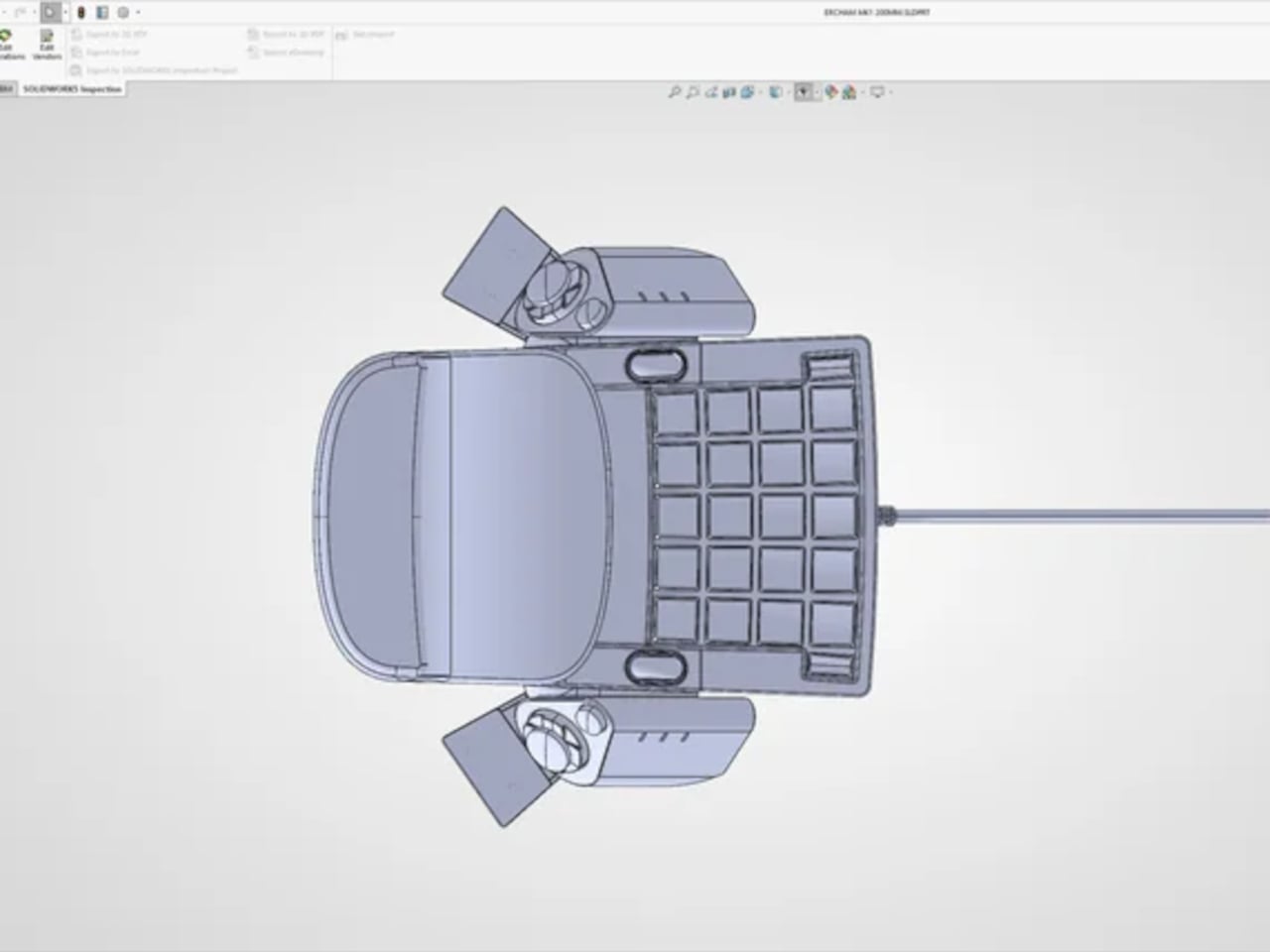
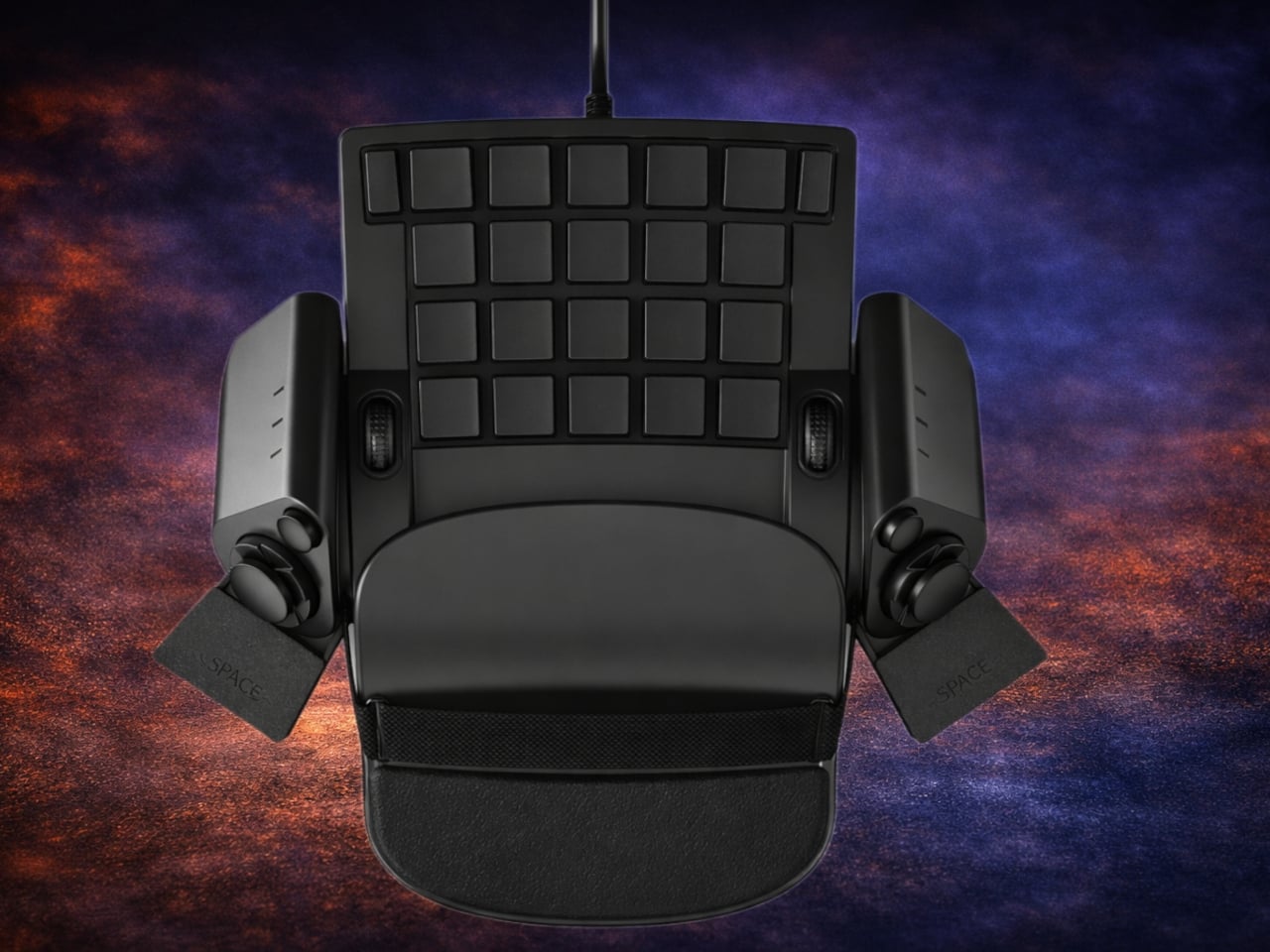
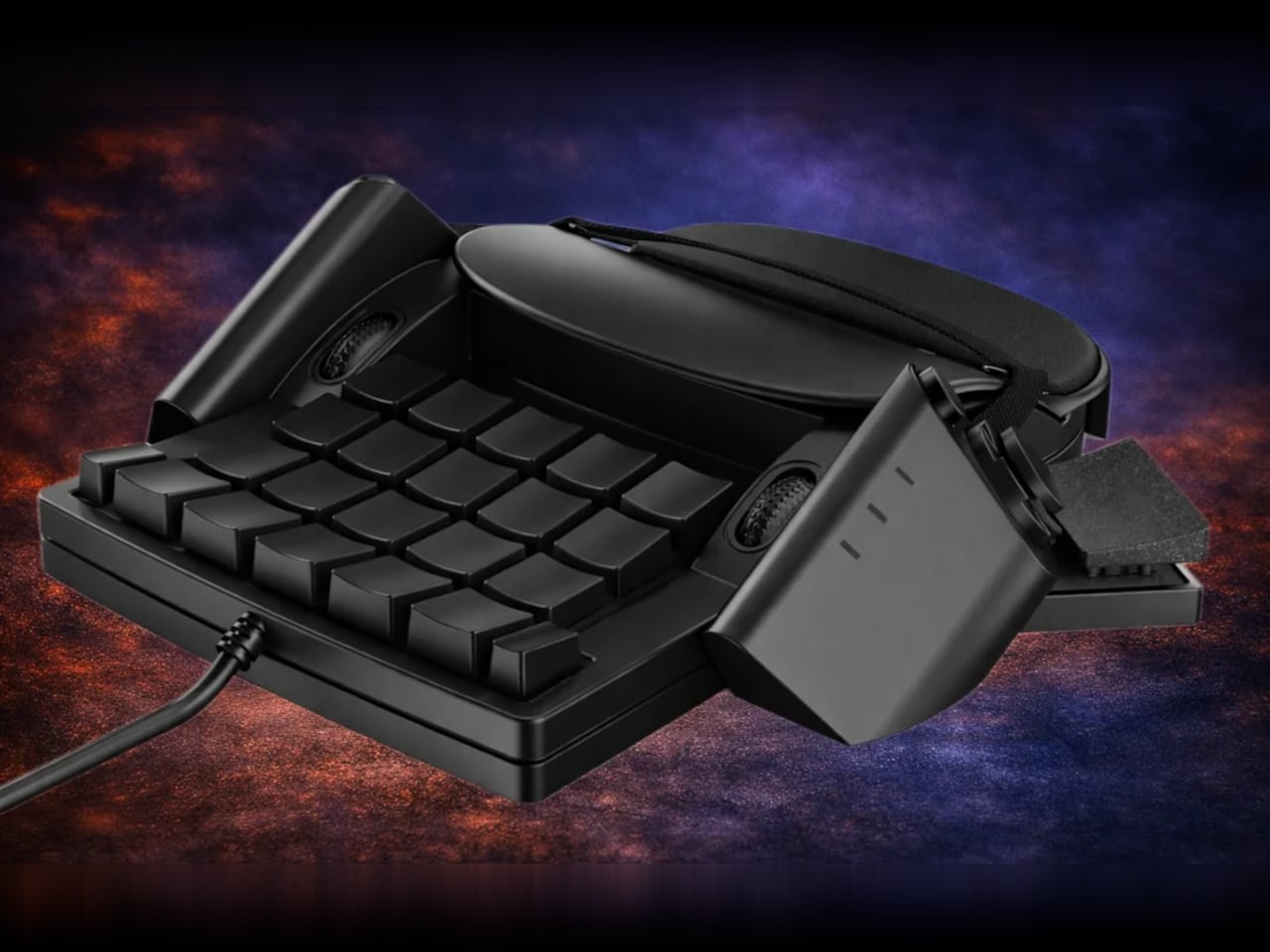
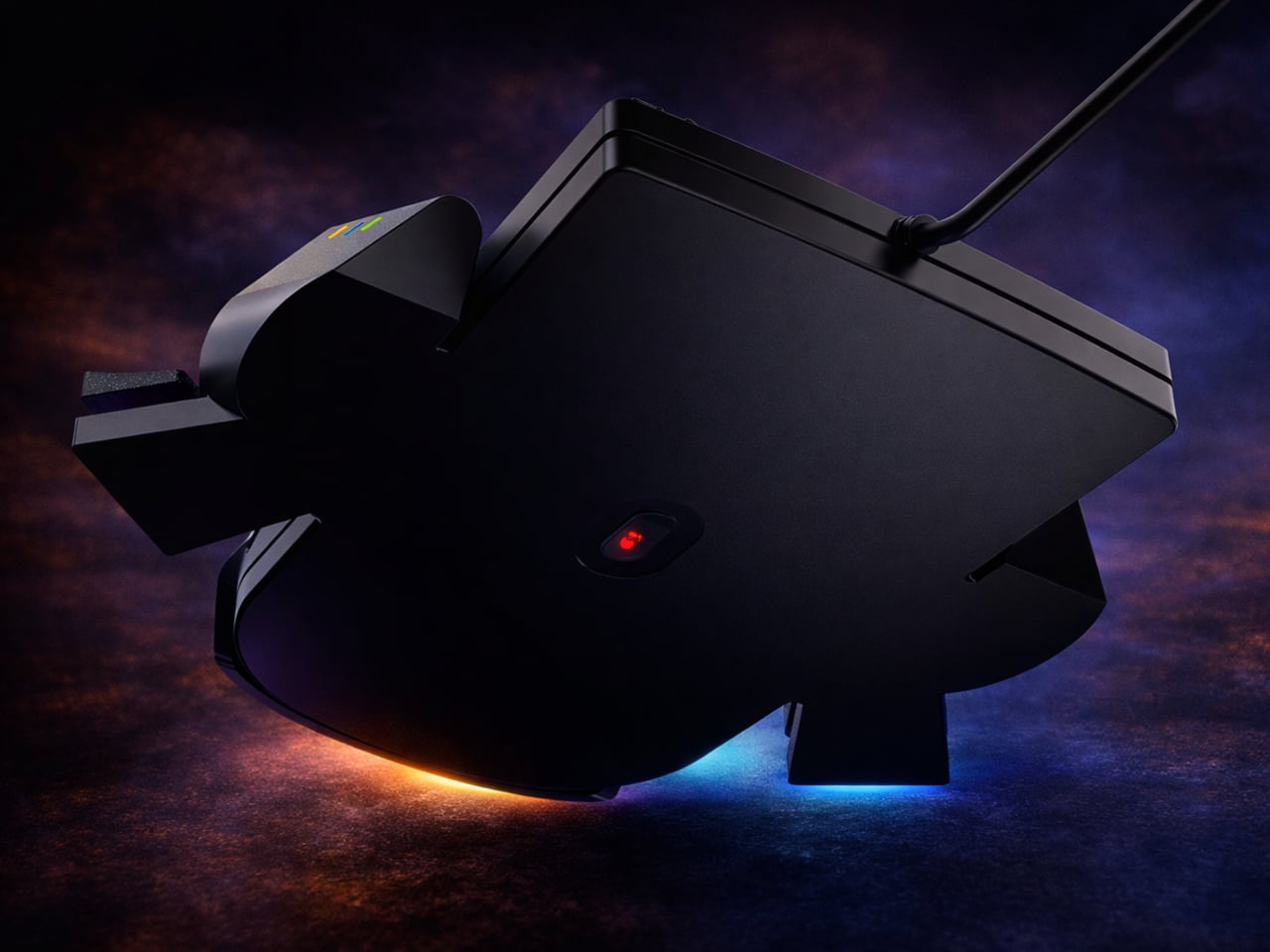
The core idea is to put the keyboard and the mouse into the same device so that one hand handles everything at once. The Ercham MK1 sits flat on a surface, and an optical sensor on its underside lets the entire unit glide like a conventional mouse. The hand resting on top can simultaneously press keys, scroll, and execute game commands without ever having to reach for a second peripheral.
The key section features more than 30 programmable inputs arranged in a compact grid within natural finger reach. A strap system runs across the top of the device, keeping the hand firmly in place during longer sessions without requiring a tight grip. That matters for players with limited hand strength or residual limb use, where maintaining position on a mouse-like surface for extended periods would otherwise be exhausting and imprecise.
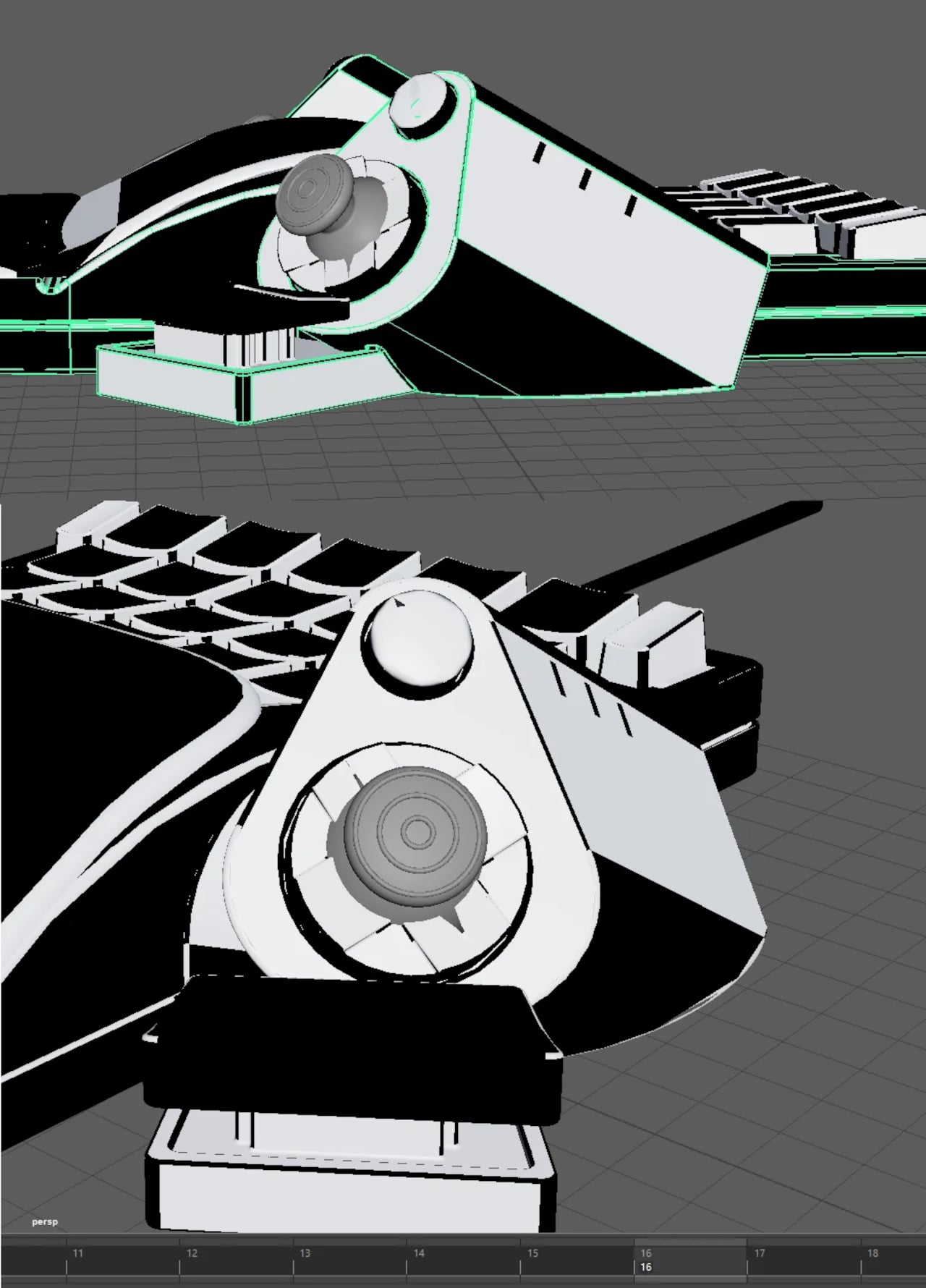
One of the more considered design decisions is that the Ercham MK1 works for either hand. Most gaming keypads aren’t built for both; they default almost universally to left-hand use, leaving right-handed amputees and players with right-side impairments without a natural fit. The fully ambidextrous layout, combined with angled control modules on both sides of the device, means the setup adapts to the user rather than the other way around.
Joe built the Ercham MK1 with amputees and stroke survivors specifically in mind, but its potential reach extends well beyond those two groups. Players dealing with RSI, brachial plexus injuries, and chronic pain face the same frustrations with two-device setups that don’t accommodate them, and so do power users and content creators. The programmable layout and macro support make it a genuinely useful tool for productivity work, not just gaming.
It’s come a long way from the hacked-together prototype he started with, and that origin gives it a kind of credibility that polished gaming accessories rarely have. It wasn’t designed in a studio; it was built by someone who genuinely needed it and couldn’t wait for anyone else to.