When a product wins a design award, the first instinct is to assume it looks incredible. That’s usually the point: sleek lines, a bold color story, a form factor that photographs well. QPearl does look beautiful, but what makes it genuinely worth paying attention to isn’t the way it sits on a shelf. It’s the audacity of what it’s replacing.
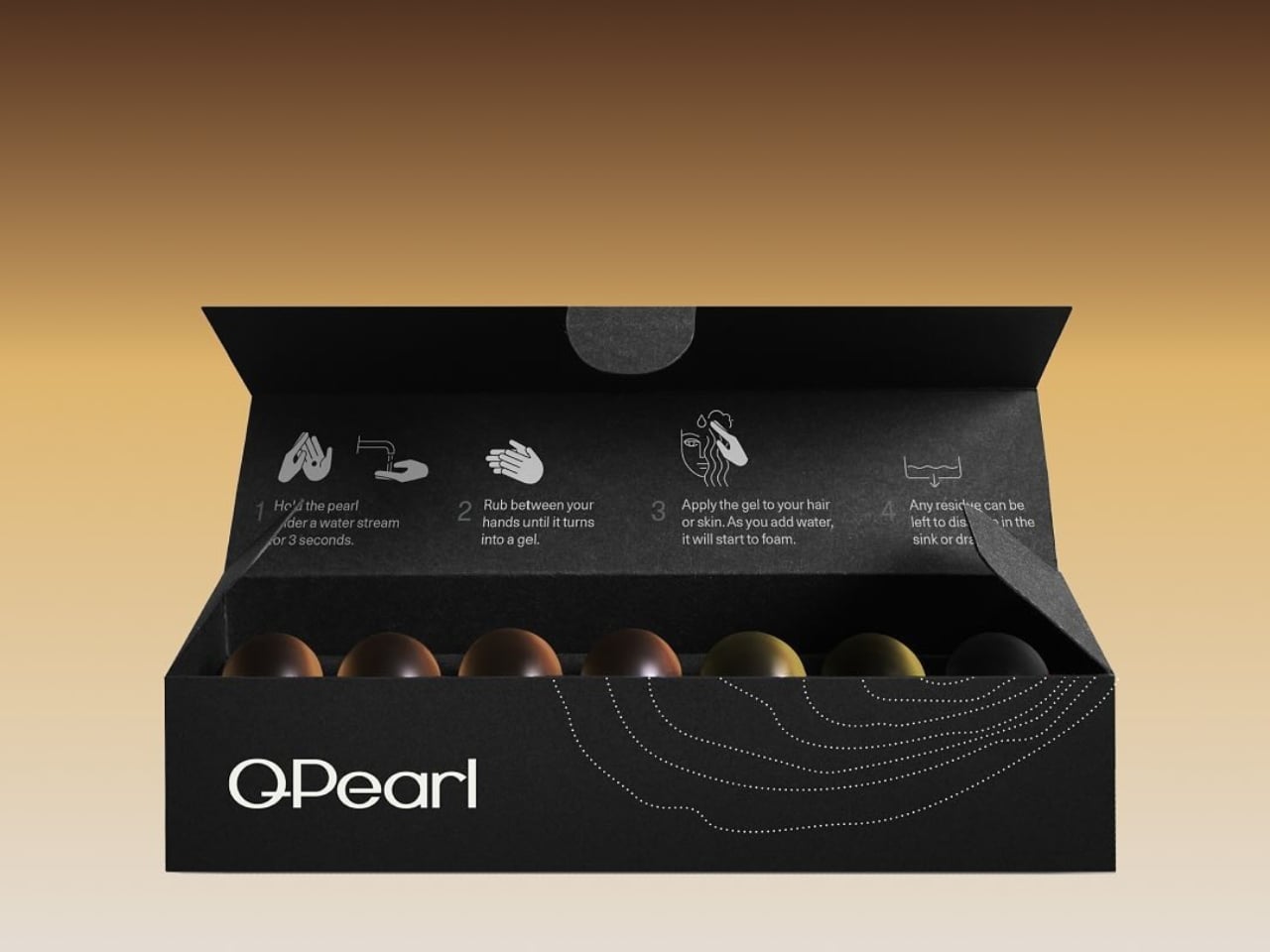
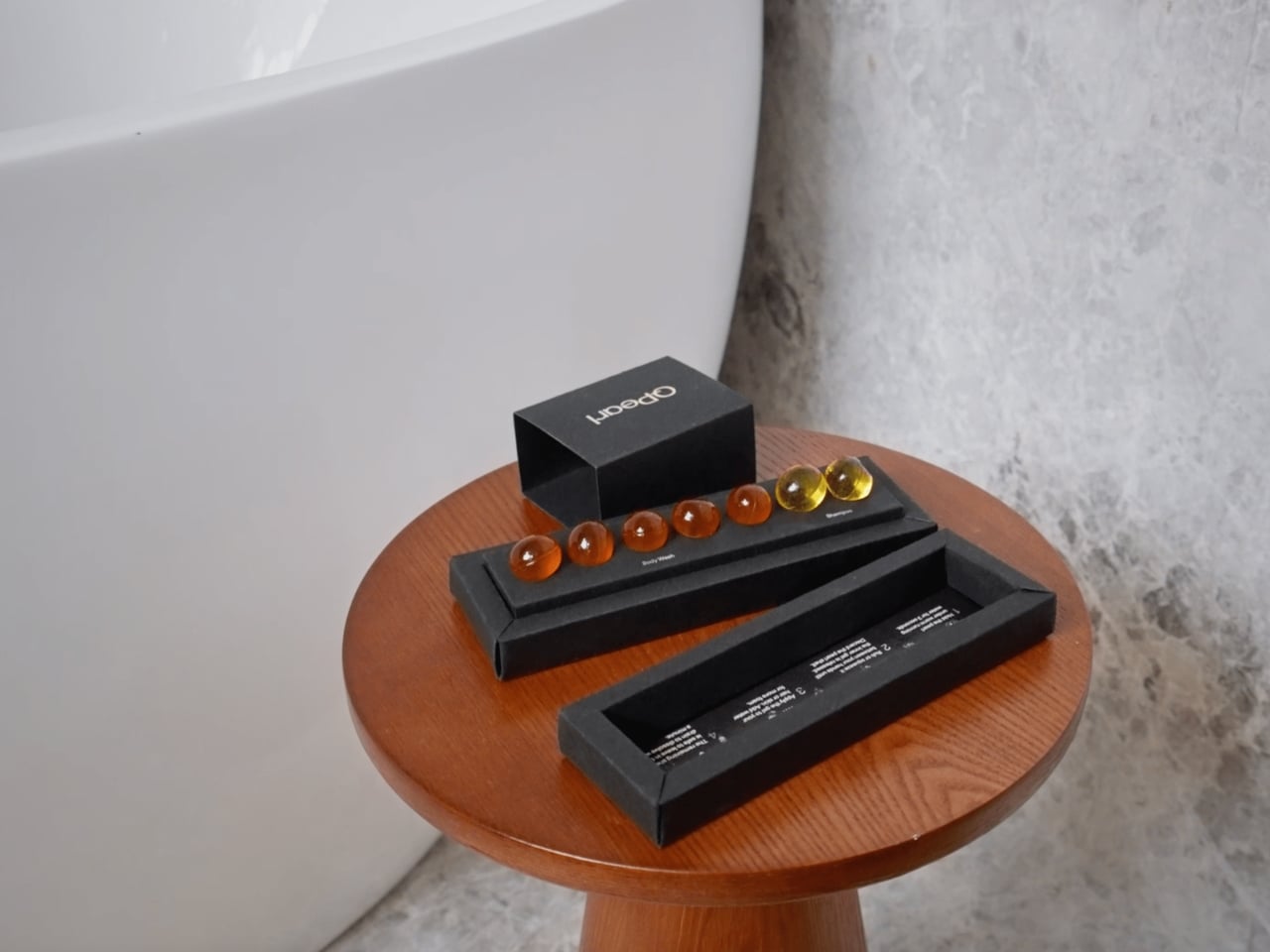
Designed by Severin Andrei under CAHM Europe, a Romania-based company, QPearl took home the Top Design honor in the ECO DESIGN/Sustainable: Packaging Design Products category at the European Product Design Award 2025. That’s a mouthful of a category name, but the product itself is almost impossibly simple: a small, luminous pearl that is your shampoo and body wash. No bottle. No pump. No cap you lose in the first week of owning it.
Designer: Severin Andrei
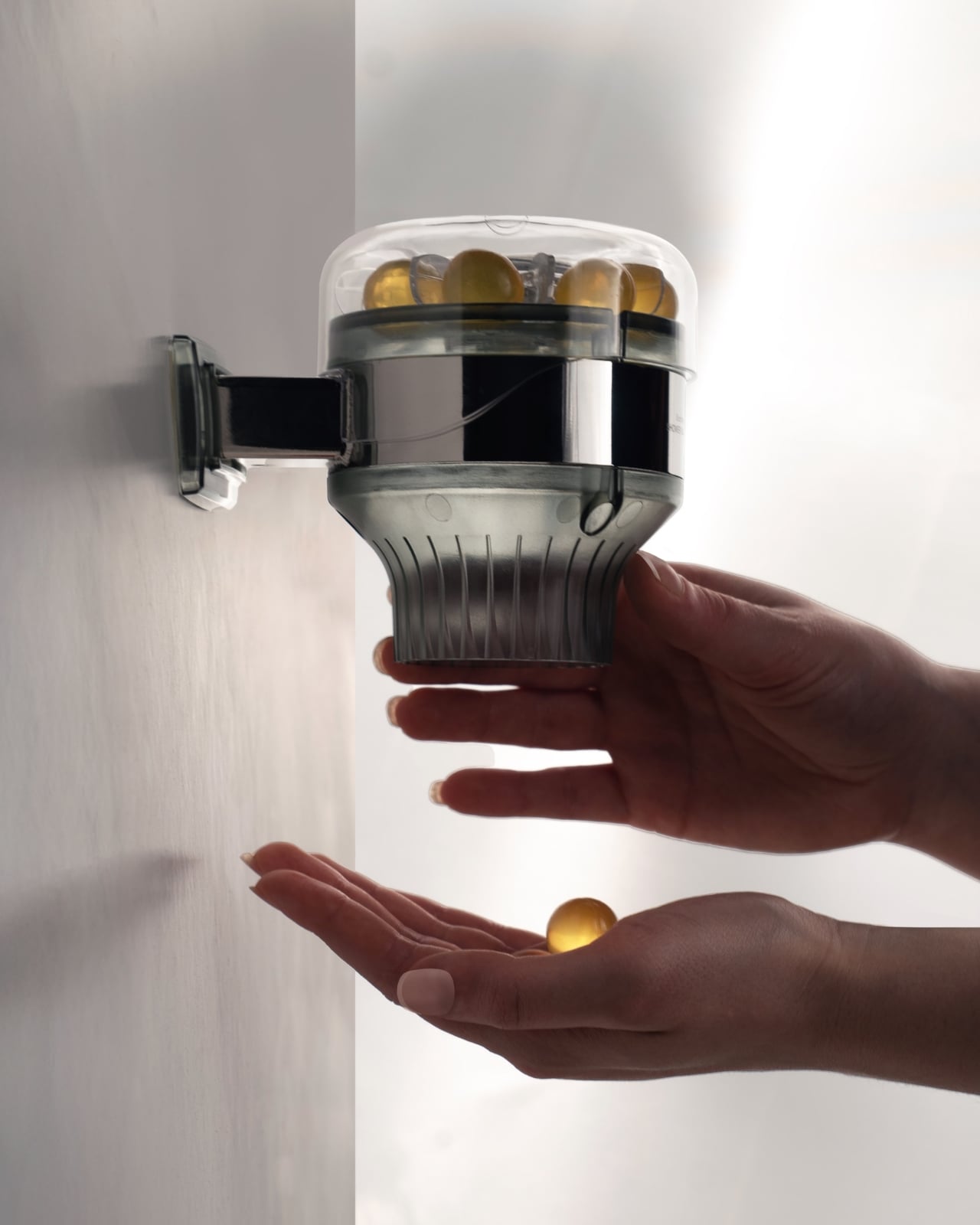
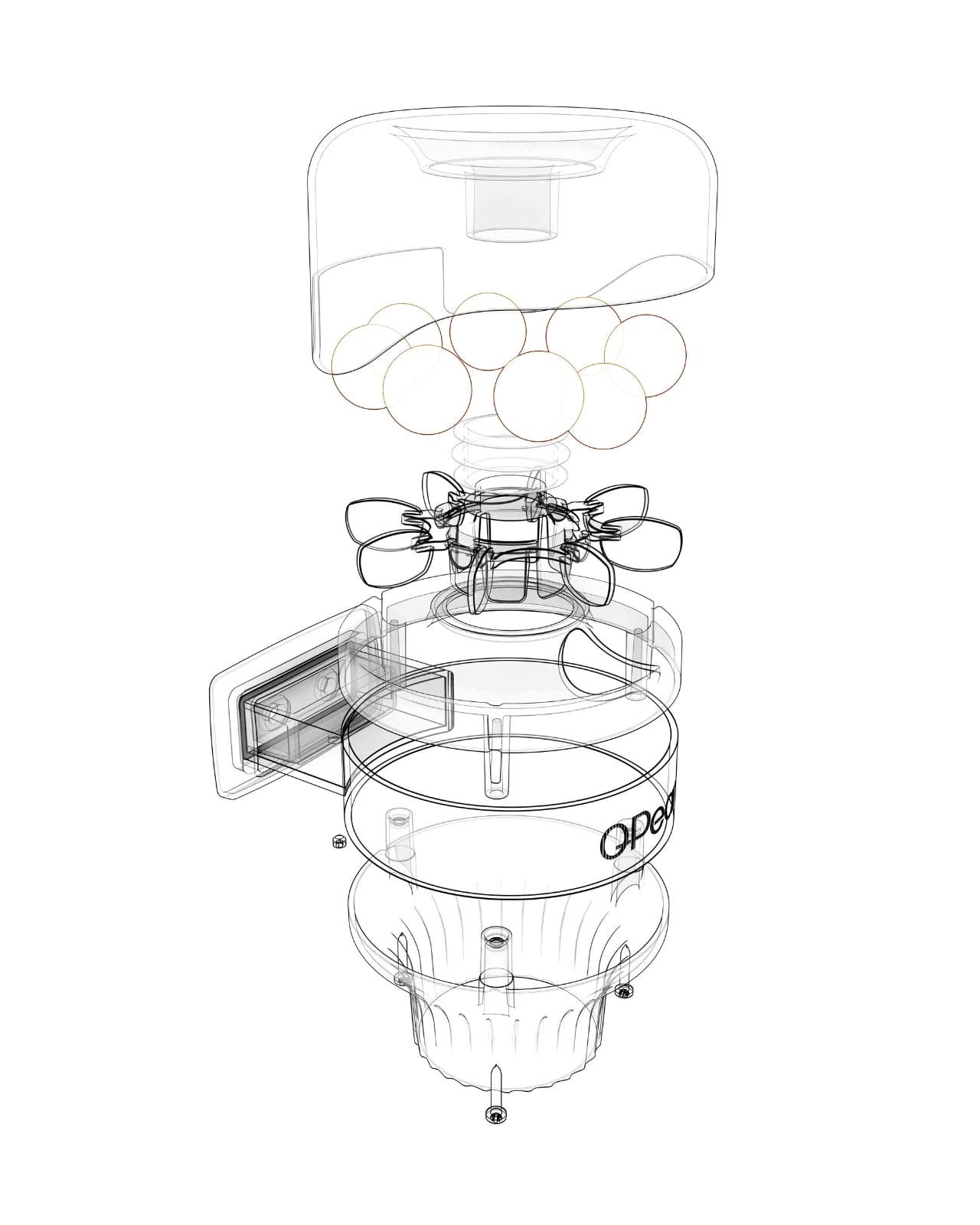
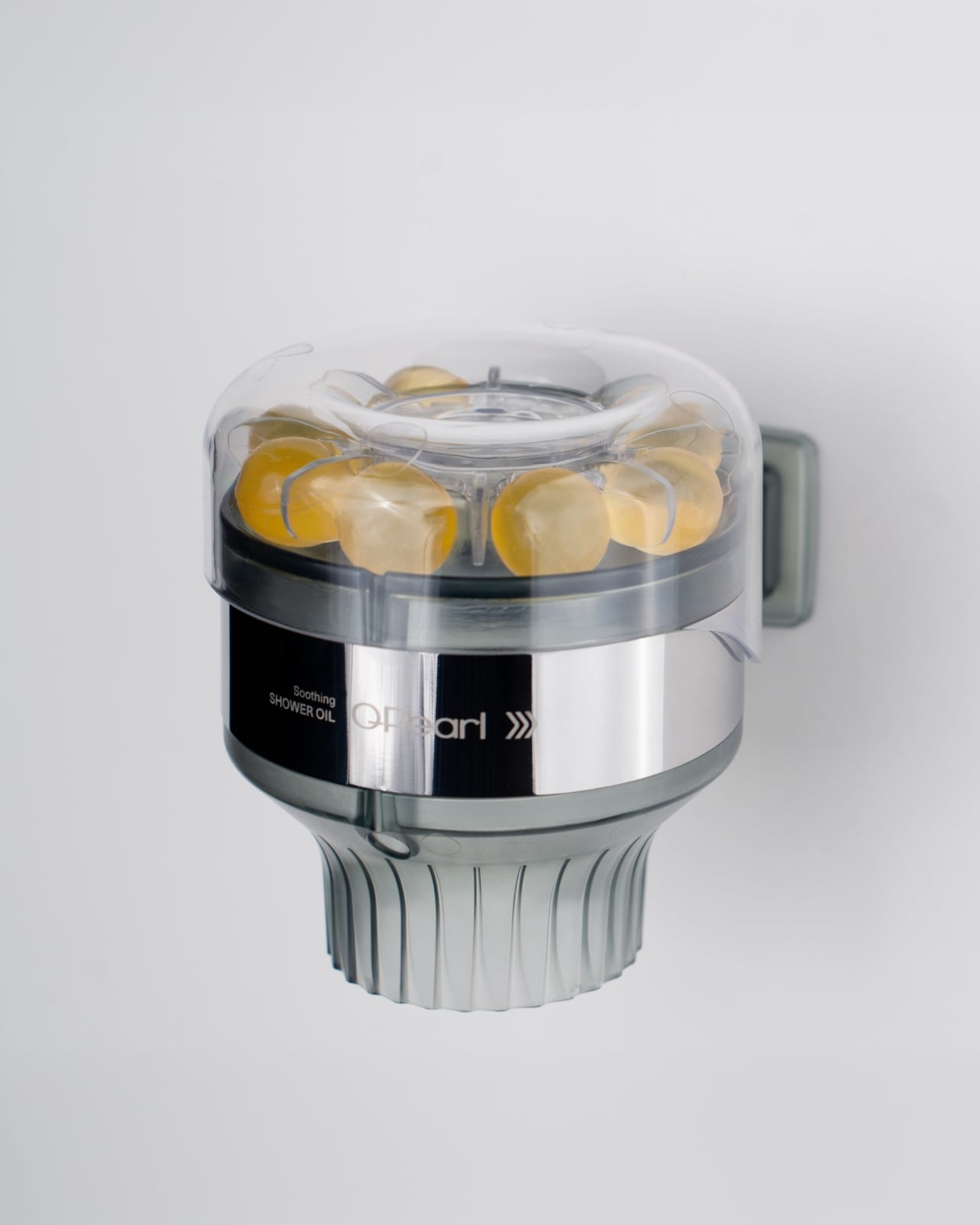
Here’s where it gets interesting. Each QPearl holds a 95.7% water-free concentrated body wash formula, encapsulated in a patented Smart BioMaterial that dissolves under warm running water. The outer layer is made from a chain of proteins derived from sources like maize, milk, or fish — no synthetic polymers, no plastic, nothing that’s going to sit in a landfill for the next four hundred years. The whole thing is double-patented and reportedly reduces CO₂ emissions by approximately 99% per pearl compared to conventional liquid bath products. Per pearl. That number is hard to absorb at first.
I’ll admit, the first time I came across this, I was skeptical. We’ve seen a wave of “sustainable” beauty products over the past few years that are more marketing than material innovation. Shampoo bars with palm oil in the ingredients list. Refillable bottles that require you to drive to a specialty store. Concentrated tablets that clump before you ever get to use them. The bar for what counts as sustainable has been so muddied that any new claim in that space feels suspicious.
But QPearl seems to be doing something structurally different. The design isn’t asking consumers to change their behavior in inconvenient ways. You still shower. You still hold something in your hand. The ritual is familiar; only the waste is removed. That’s a kind of design thinking that’s genuinely hard to execute, because it means working backward from how people actually live instead of forward from how we wish they would.
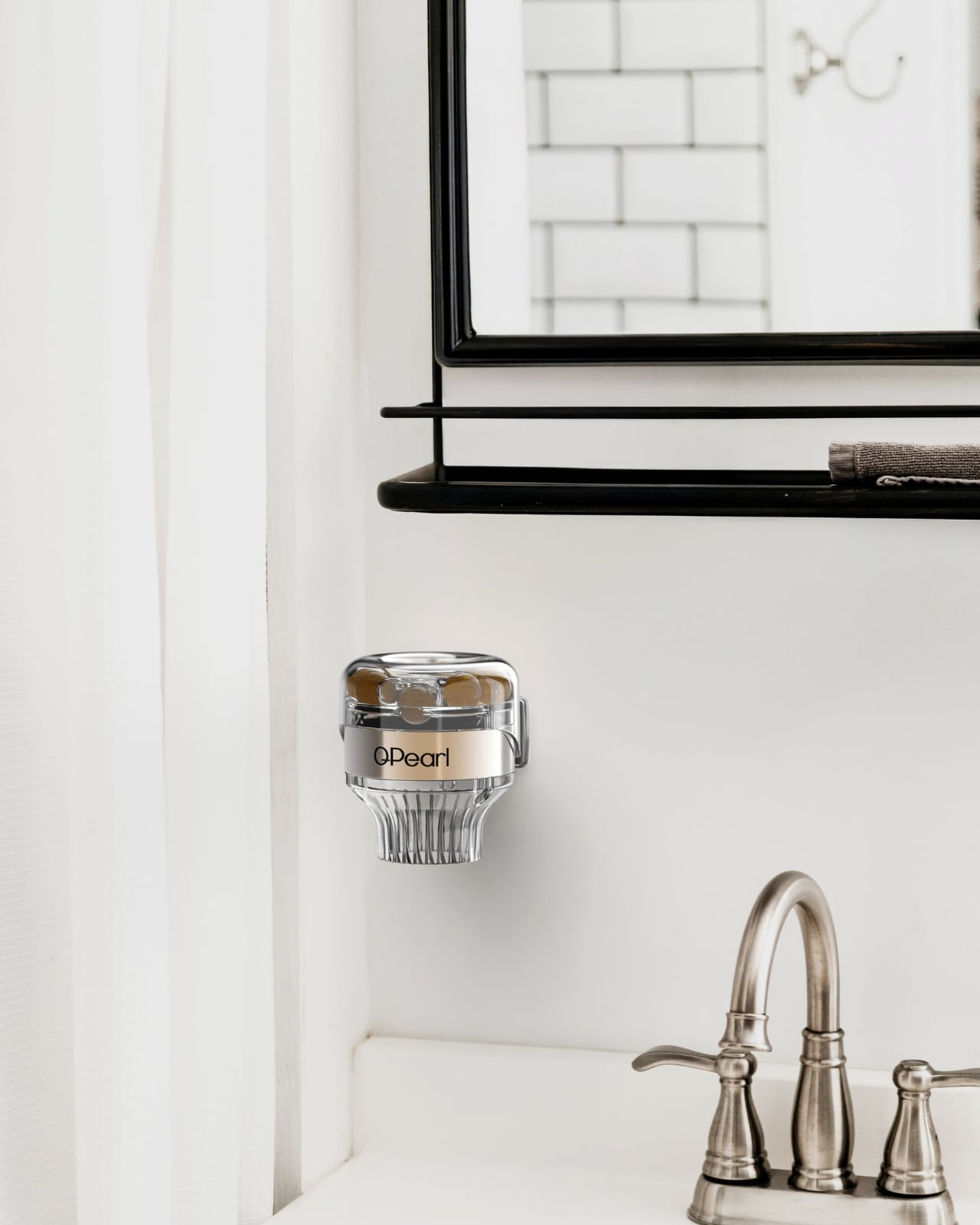
The product comes in a QPearl box, and there is also a tray holder and a hotel dispenser version, which points to an interesting commercial direction. Hotels are one of the biggest contributors to single-use toiletry waste globally, so the dispenser angle feels less like an afterthought and more like a strategic bet on where the real volume opportunity lives. If the hospitality industry moves on this, the impact scales quickly.
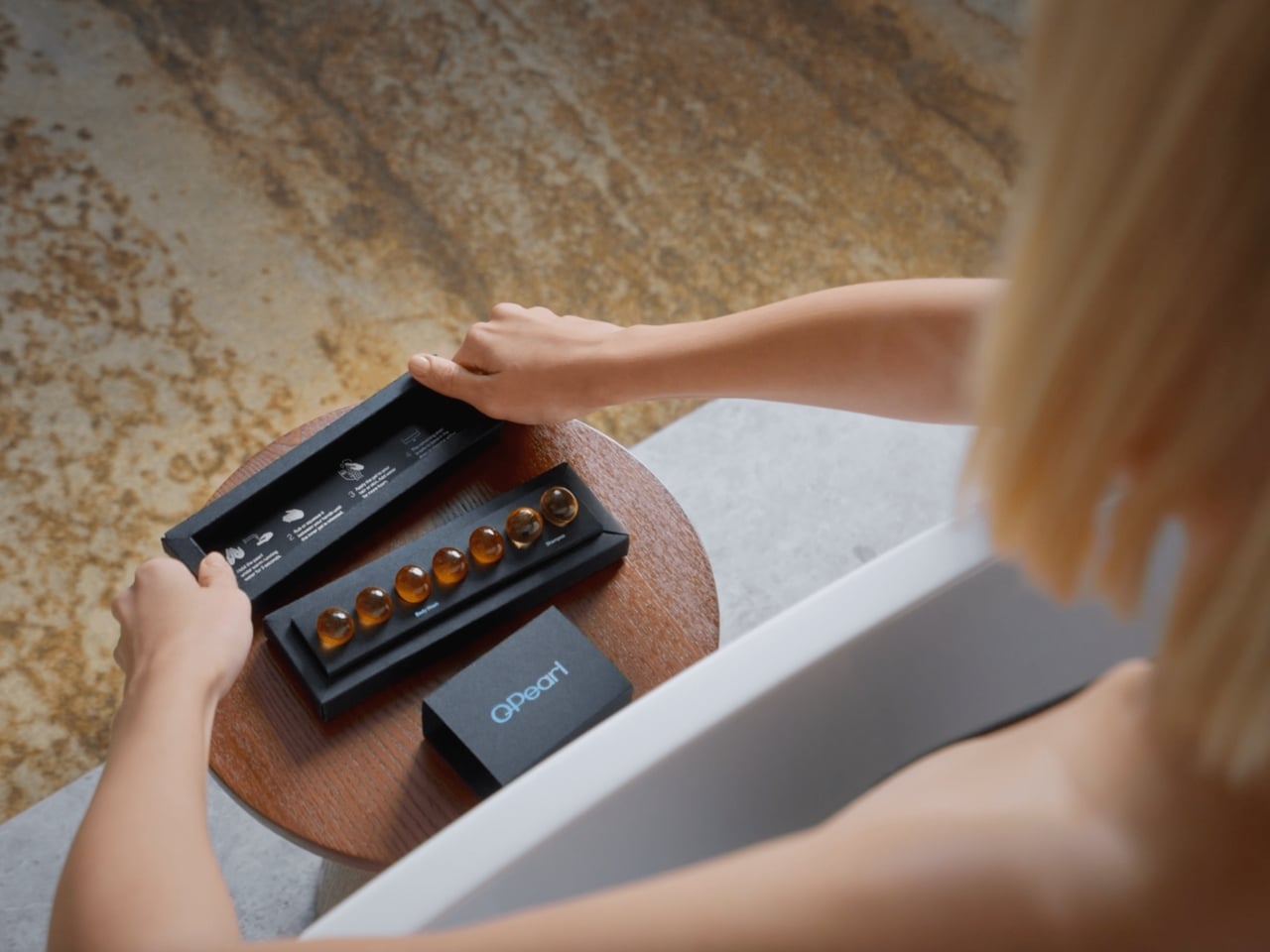
What I keep coming back to is how the form mirrors the concept. The pearl shape isn’t random. It’s the kind of design choice that communicates purity and precision without saying a word. You hold it in your hand and you immediately understand that it’s not a pill, not a tablet, not a capsule in the pharmaceutical sense. It’s something closer to a ritual object, and I think that distinction matters. Beauty has always been partly ceremonial, and QPearl leans into that instead of fighting it.
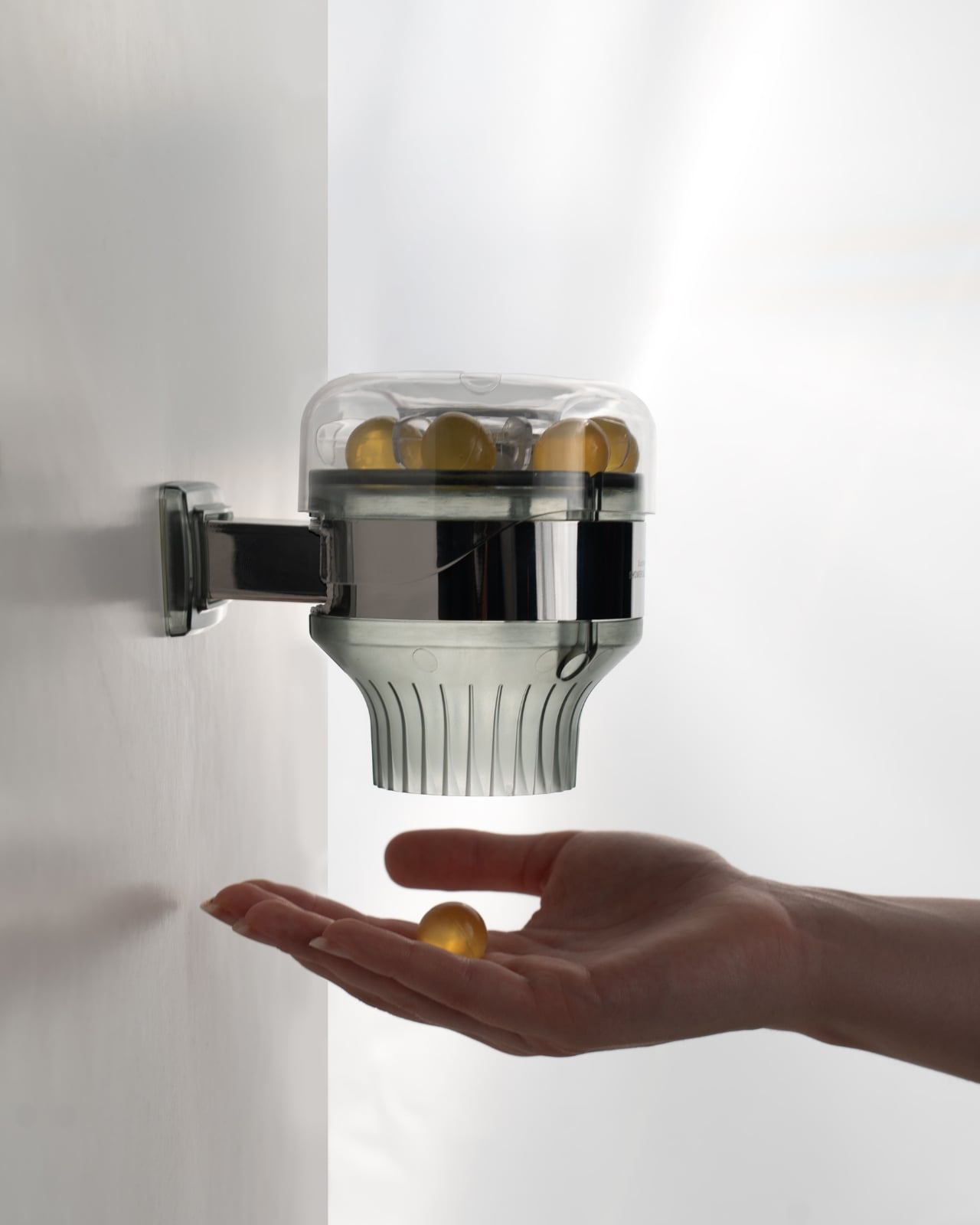
Whether QPearl becomes a mass market staple or remains a design darling is still an open question. It’s currently in the process of obtaining formal plastic-free certification, and sample ordering is available through the website, which suggests it’s still in a relatively early commercial stage. But the design recognition from a serious European awards platform signals that the industry is watching.
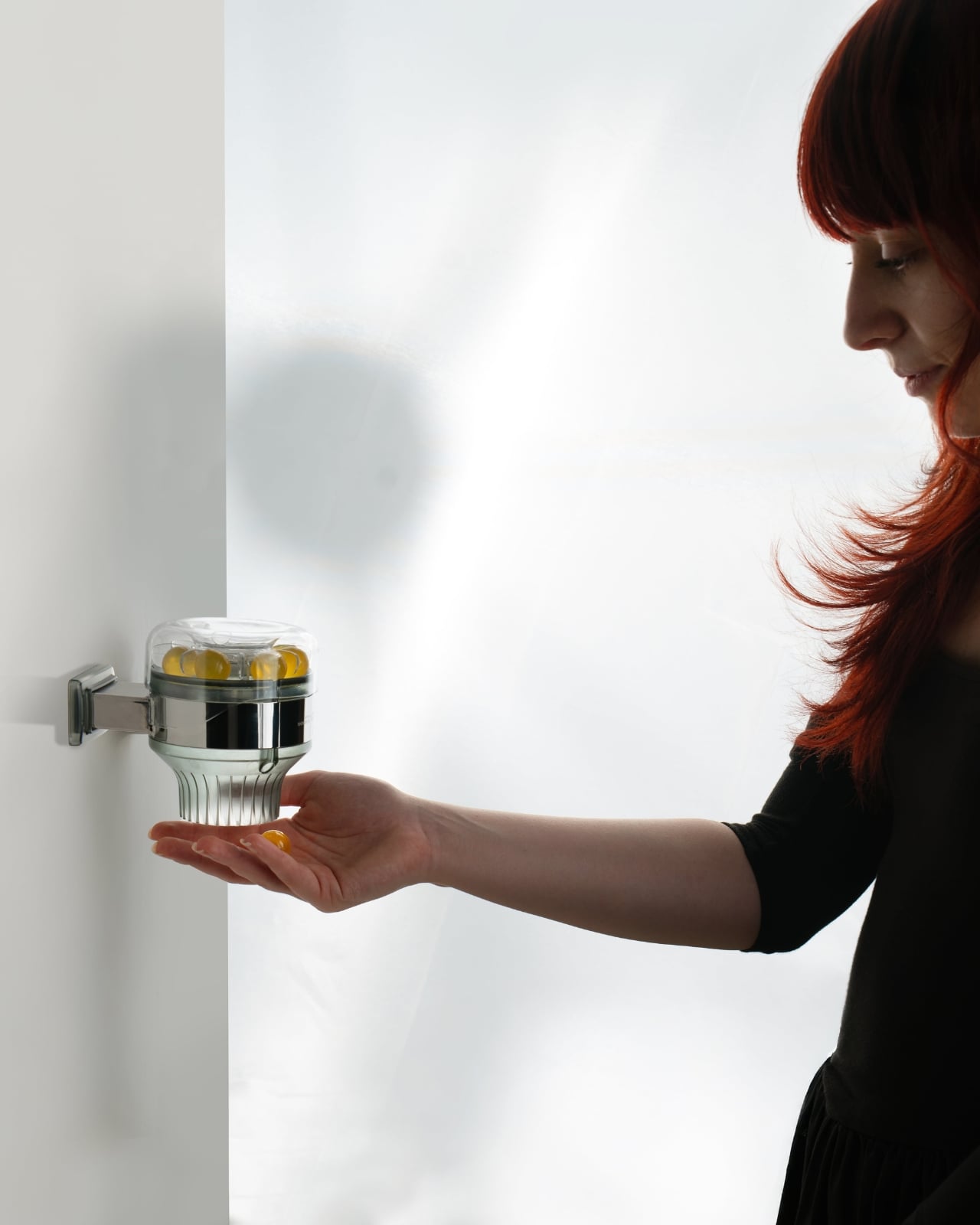
Good design doesn’t always mean the prettiest object in the room. Sometimes it means asking the most uncomfortable question about the object that’s already there. In this case, that question is: why are we still shipping water in plastic bottles? QPearl doesn’t just ask it. It dissolves the premise entirely.