We’re used to devices and gadgets that have all complicated buttons and controls. But what if it wasn’t that way always? The gesture is almost embarrassingly simple. Pull a zipper open and sound plays. Pull it shut and the room goes quiet. No tapping a screen, no asking a voice assistant, no hunting for a button that somehow always ends up on the wrong side of the device. Just the same physical action you’ve been doing since you were old enough to dress yourself.
That’s the entire premise of ZIP, a concept speaker designed by Korean designers Taeyang Kim, Dugyeong Lee, Yejin Na, and Gijeong Shin. It’s one of those ideas that, once you see it, makes you wonder why it took this long. The concept draws directly from the universal expression “zip your lips,” mapping the act of silencing onto the most tactile and satisfying closure mechanism we use in everyday life. The zipper isn’t decorative here. It isn’t a style nod or an ironic wink. It is the interface. And that commitment is what makes ZIP genuinely interesting rather than just aesthetically clever.
Designers: Taeyang Kim, Dugyeong Lee, Yejin Na, gijeong Shin
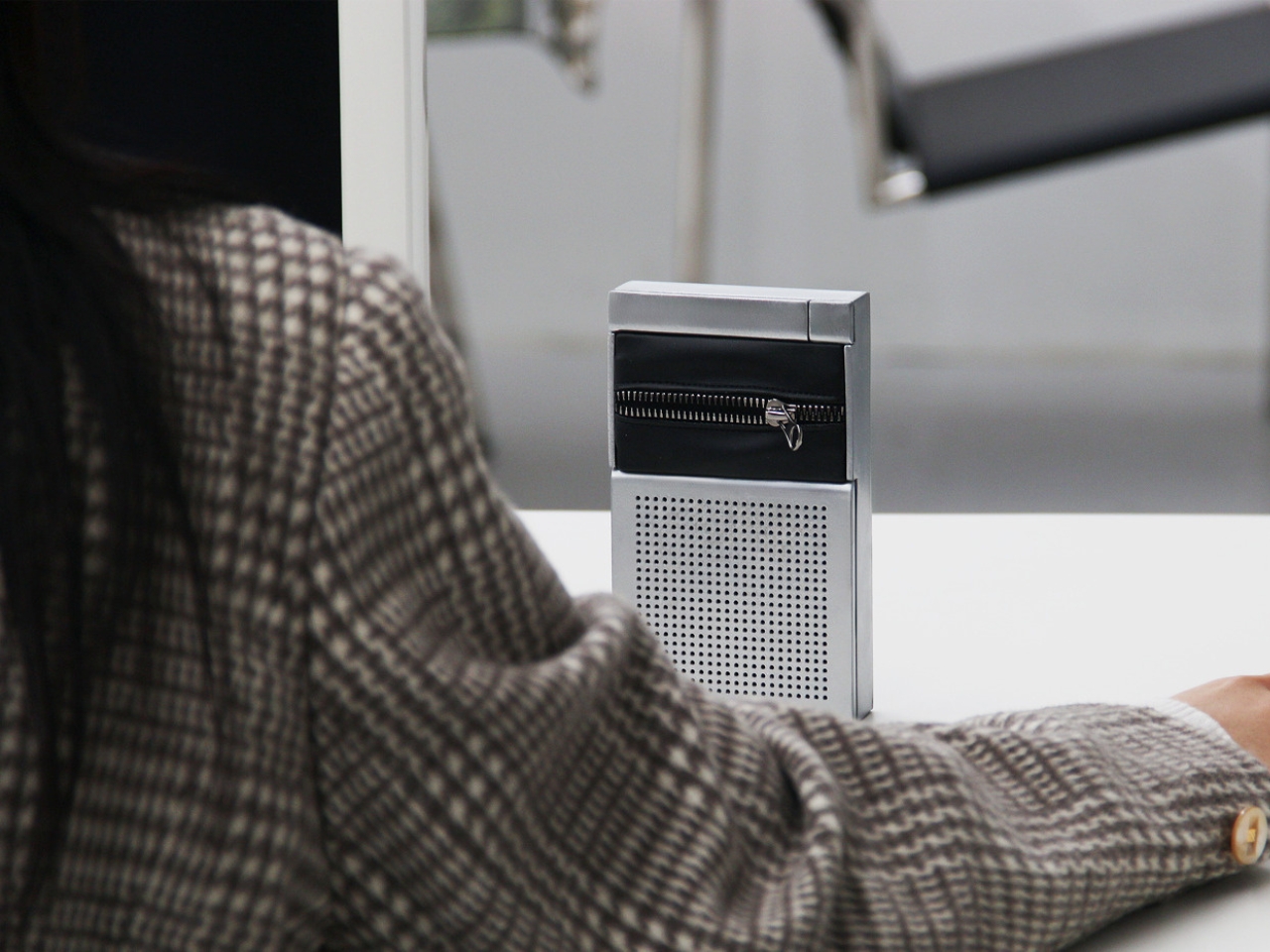
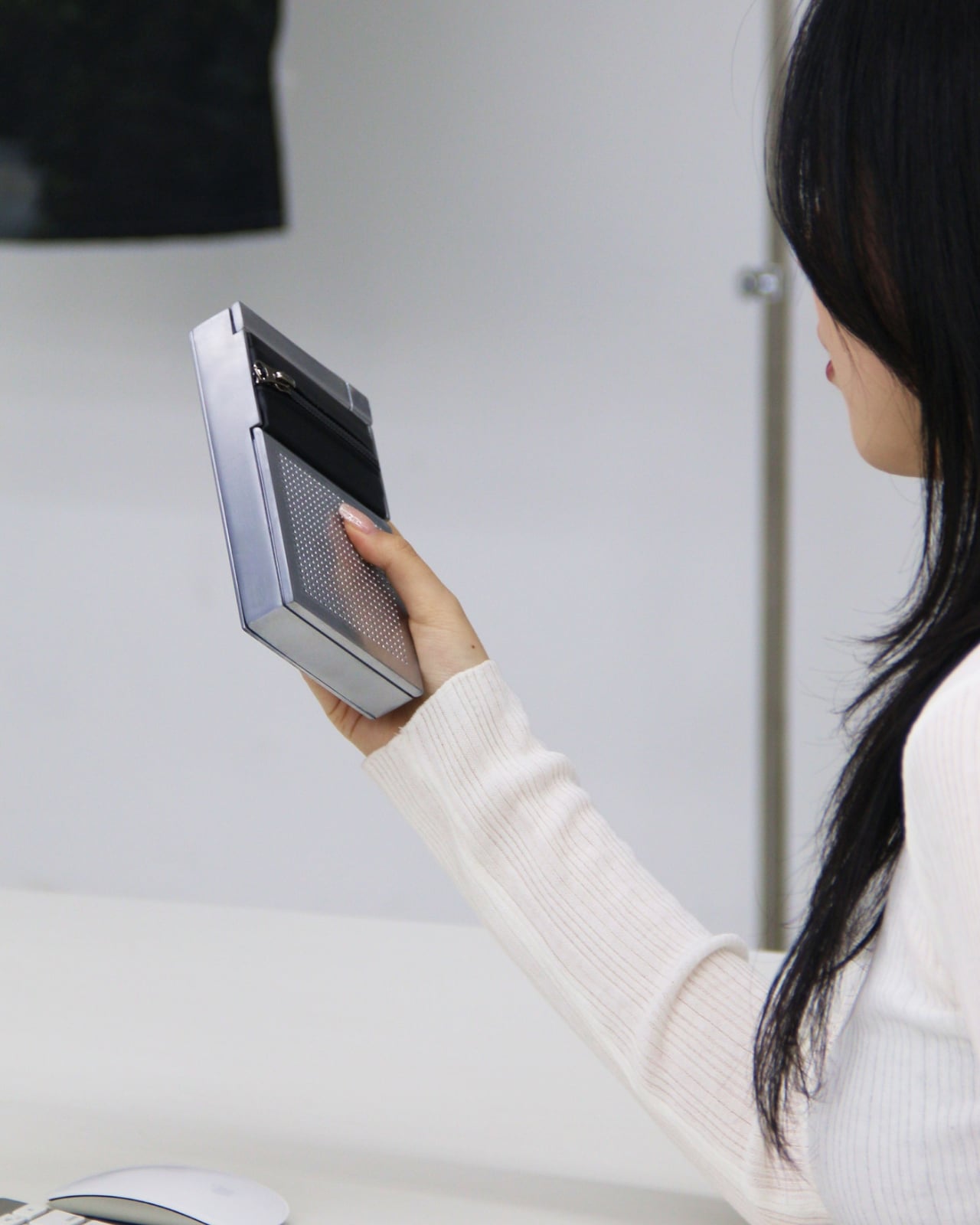
Physically, the object is composed and self-assured. A compact rectangular body in brushed silver aluminum sits below a band of dark fabric bisected by a metal zipper, the kind of heavy-duty hardware you’d find on a quality jacket, not a flimsy fashion detail. The lower half houses the speaker grille: a grid of evenly punched dots that reads like something out of a Dieter Rams archive, which is very much a compliment. The visual language is minimal without being cold, functional without being dull. It looks equally at home on a credenza beside art books and on a desk next to a keyboard.
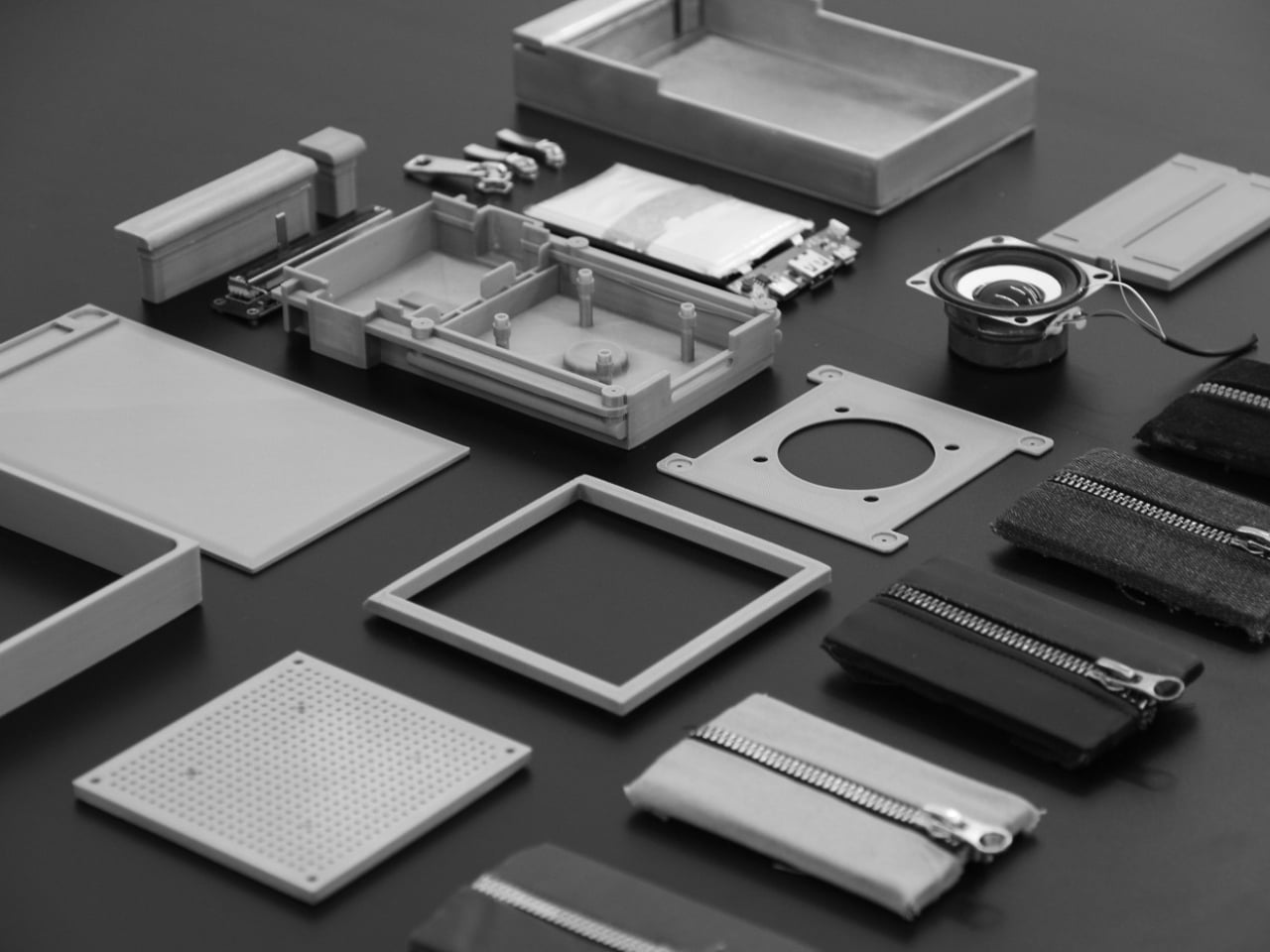
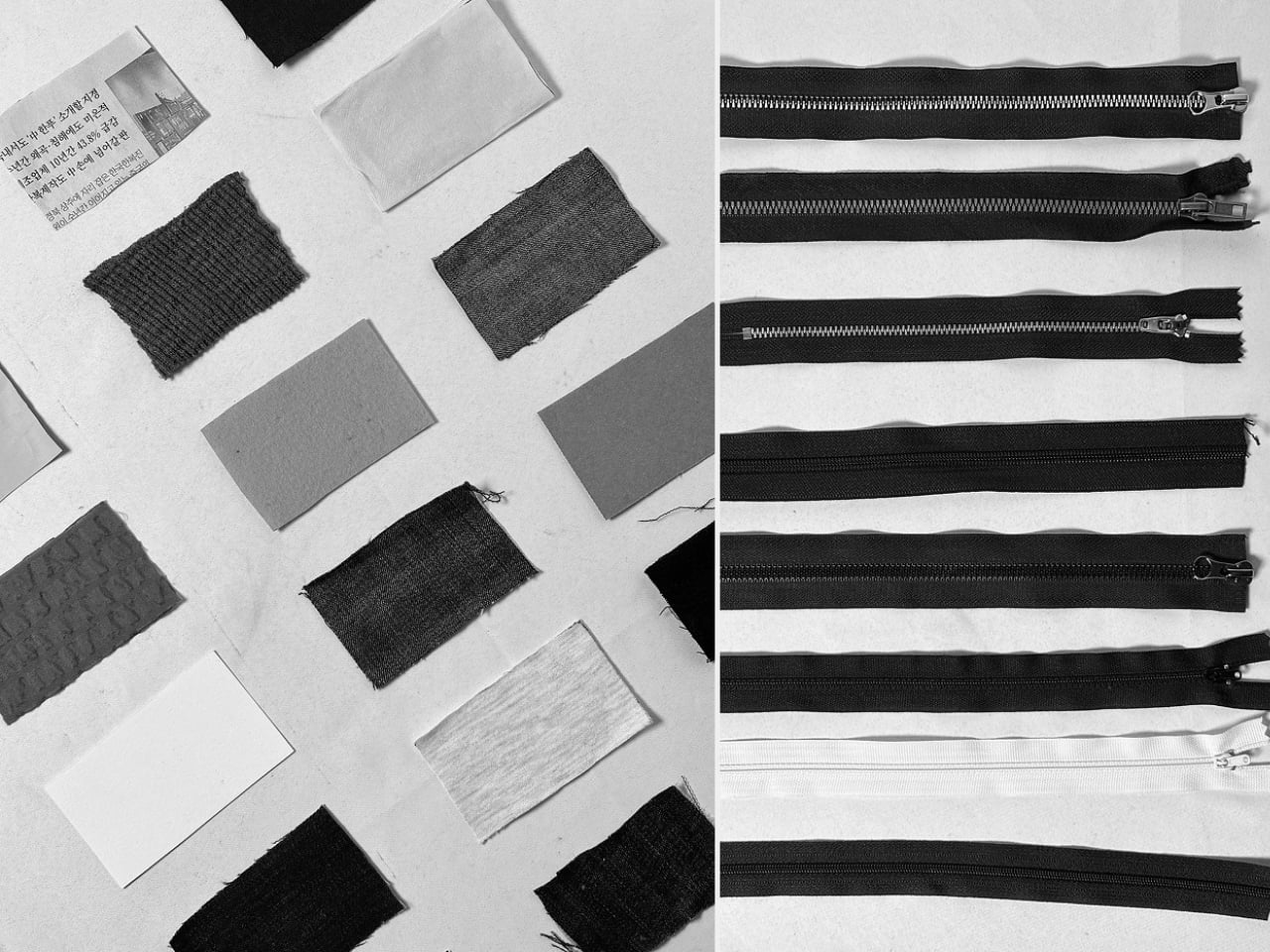
The prototype photos on Behance pull off something a lot of design projects fail to do: they make you feel the weight of the thing. The exploded component layout is especially good. You can see the actual speaker driver, the PCB, the battery, the zipper hardware, all laid out like a dissected argument for why this object should exist. It’s a working prototype, not a render, and that matters. Renders are promises. A functioning prototype is a proof.

What I keep coming back to is the conceptual integrity. A lot of tech and industrial design right now is obsessed with reducing interfaces to nothing: invisible touch surfaces, gesture sensing, proximity triggers. The instinct is understandable, but there’s a real cost to removing physicality from control. You lose feedback. You lose certainty. You lose the tiny neurological satisfaction of knowing you actually did a thing. ZIP goes in a different direction by betting that a familiar mechanical action can carry more meaning than a capacitive button ever will.

The “zip your lips” metaphor also does something a lot of design thinking misses. It’s cross-cultural in its clarity. You don’t need to read a manual to understand what zipping something shut means in relation to silence. The designers describe it as proposing “a new interface that controls sound, inspired by the gesture of closing your mouth.” That isn’t just product language. It’s a considered philosophical position on what intuitive design actually means. Intuitive doesn’t mean invisible. It means immediately understood.
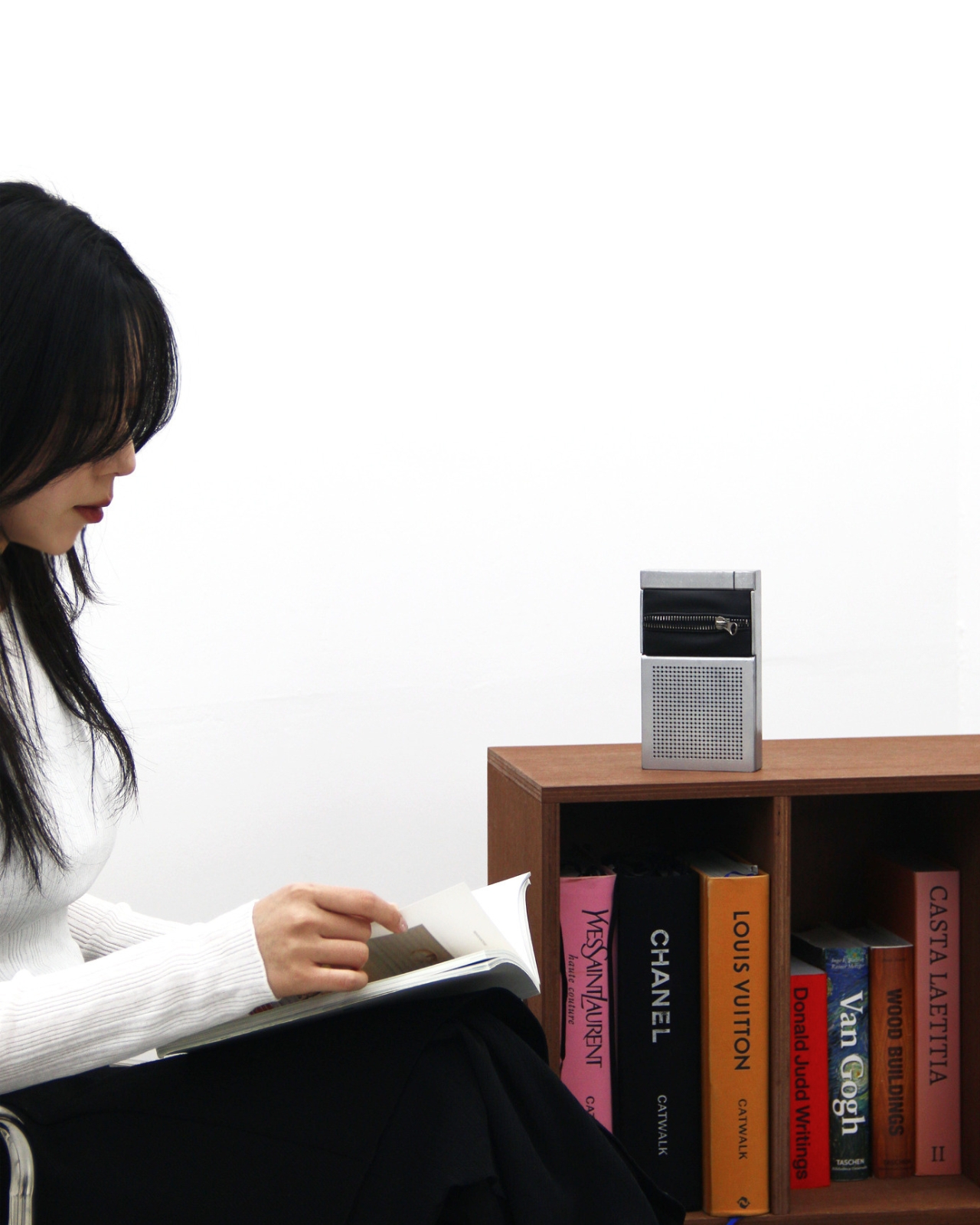
The styling throughout the Behance project reinforces this with a dry, confident visual wit. The image of someone holding the zipper module over their mouth says everything the project text says, but in about half a second. It’s the kind of visual shorthand that designers spend entire careers trying to achieve.
Whether ZIP ever becomes a commercially available product is, frankly, beside the point right now. What it demonstrates is a design team that understands the difference between novelty and concept. Novelty fades. Concept compounds. And the concept here, that the best interface is the one that already lives in muscle memory, is solid enough to carry a lot more than a speaker. It’s rare to look at a design concept and feel like the people behind it already know something important. ZIP is that kind of rare.