When you think of Belgian fashion designer Walter Van Beirendonck, you probably picture bold runway shows and provocative collections that push boundaries. As a member of the legendary Antwerp Six, the group that put Belgian fashion on the global map in the 1980s, Van Beirendonck has built a reputation for work that’s colorful, fantastical, and always thought-provoking. But his latest project isn’t something you can wear. Instead, it’s something you can climb, jump on, and explore.
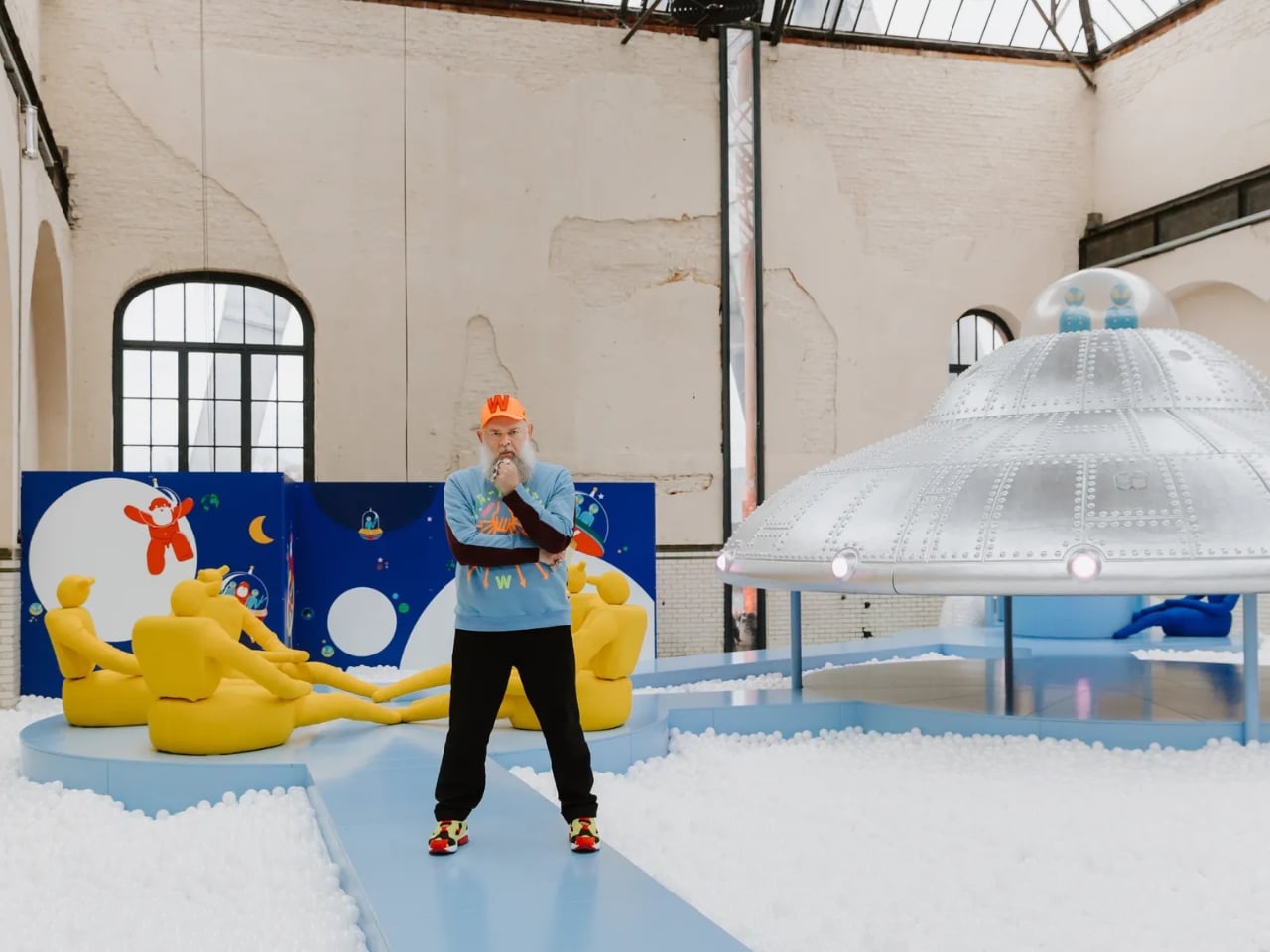
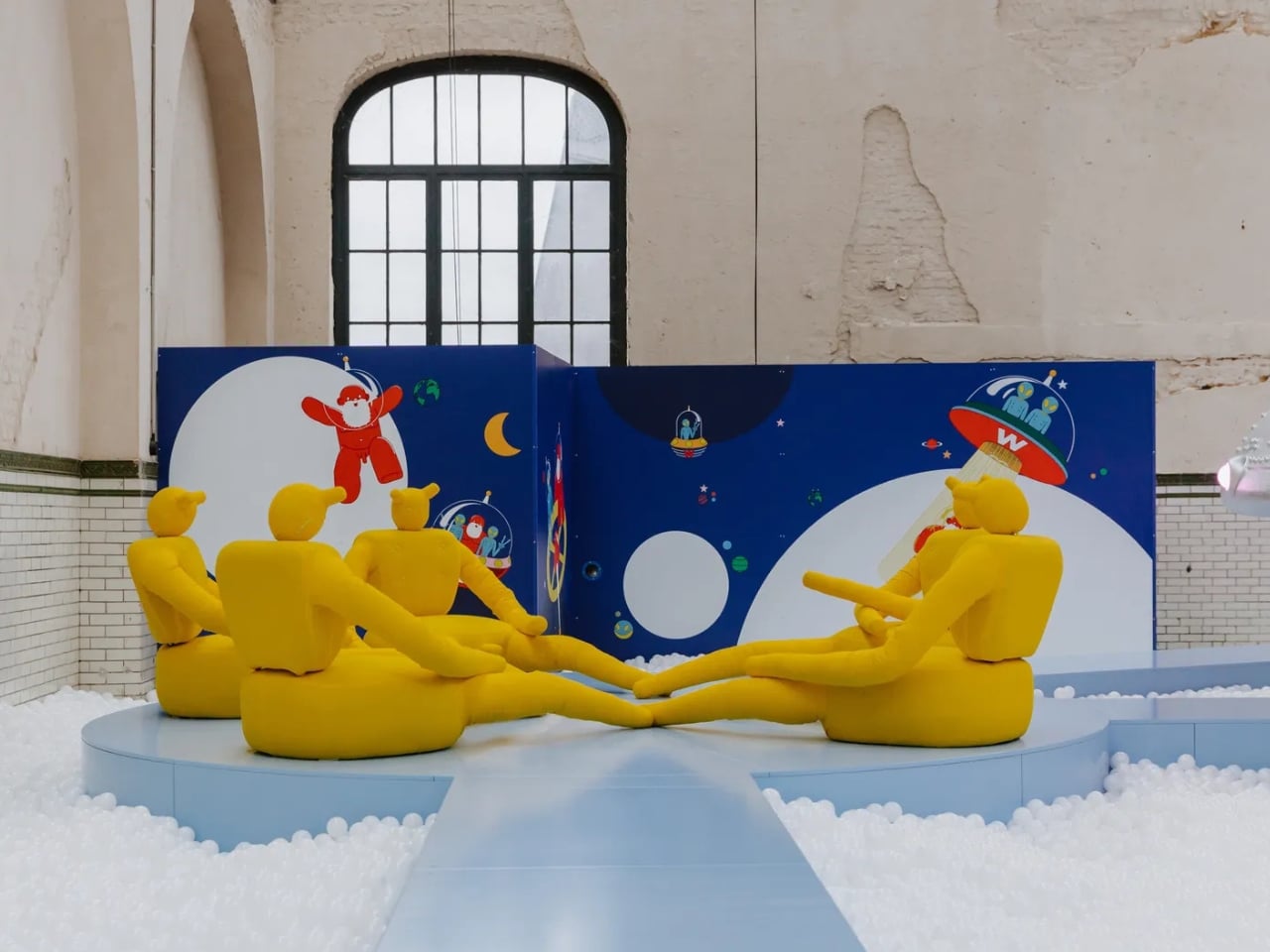
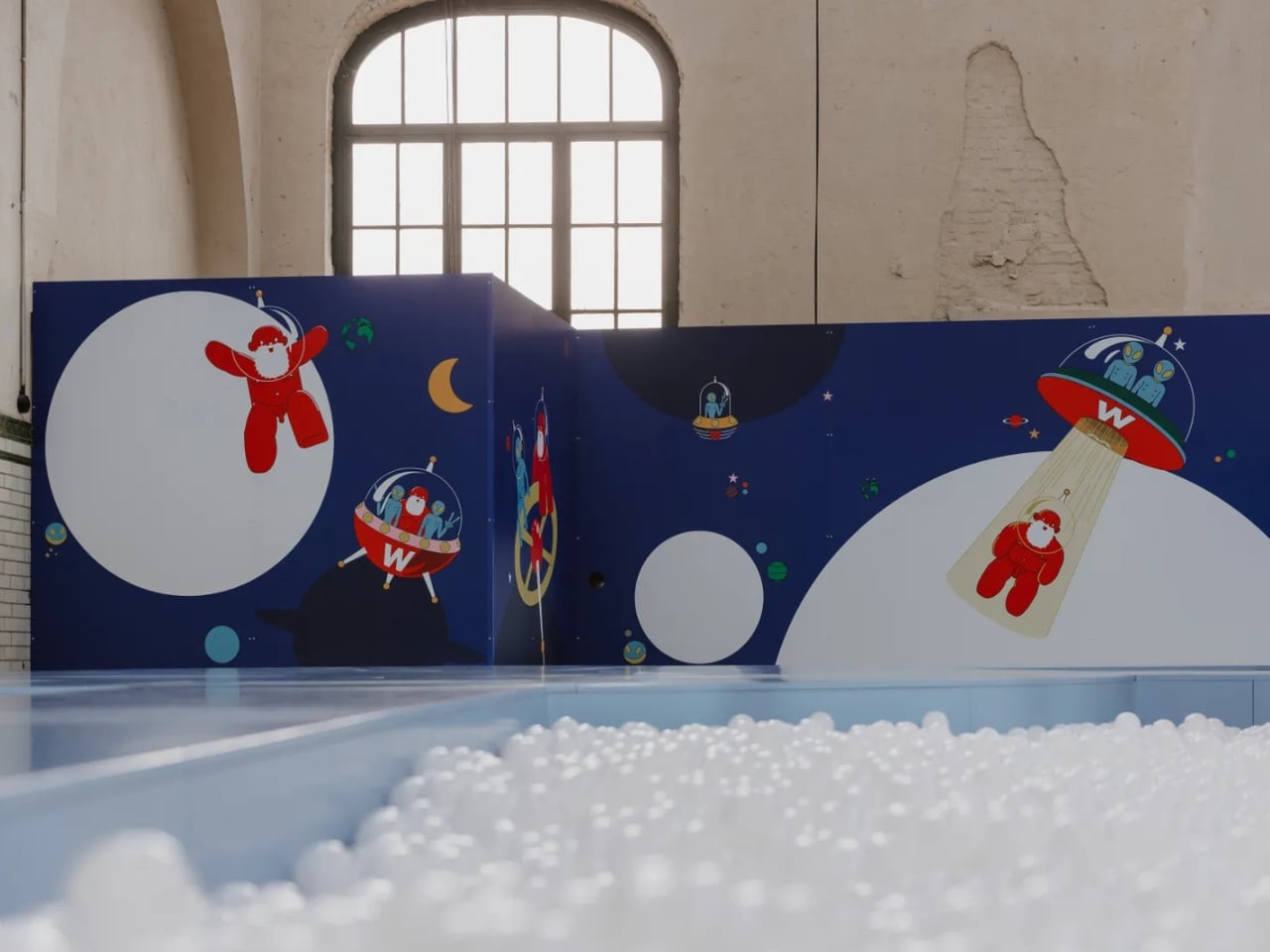
Welcome Little Stranger, which opened at C-mine in Genk, Belgium this month, marks Van Beirendonck’s first venture into interactive play design. The installation transforms an old industrial warehouse into an extraterrestrial playground where kids can meet a mysterious alien visitor through soft-play structures, vibrant colors, and immersive environments that feel like stepping onto another planet.
Designer: Walter Van Beirendonck (photos by Selma Gurbuz)
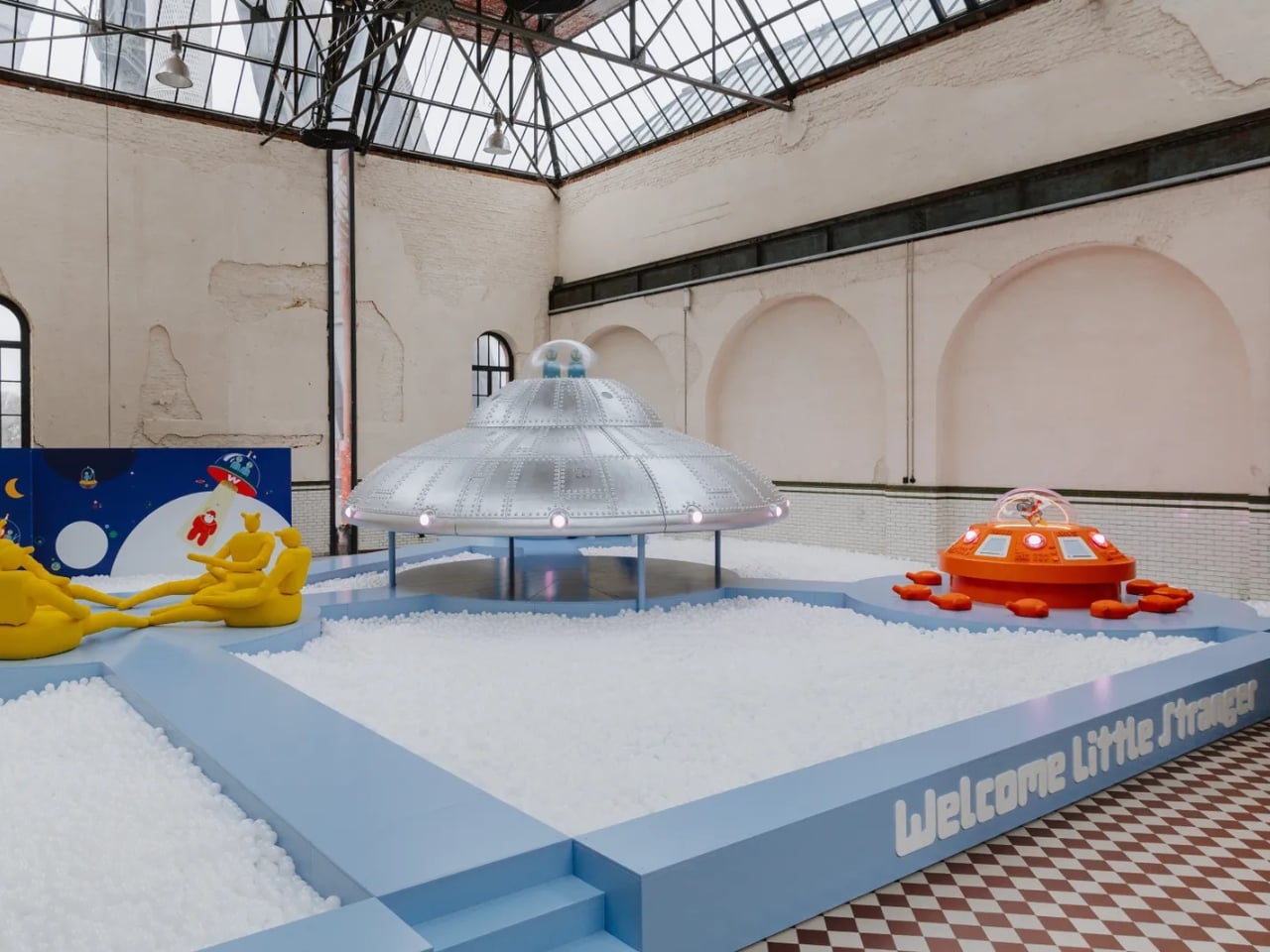
The project is part of C-mine’s new PLAYGROUND initiative, which invites artists to reimagine what play spaces can be. Rather than traditional playground equipment, these are designed as artistic environments where creativity and physical activity merge. For Van Beirendonck, this meant translating his signature aesthetic (think neon colors, fantastical creatures, and bold shapes) from fabric and runway to foam and physical space.
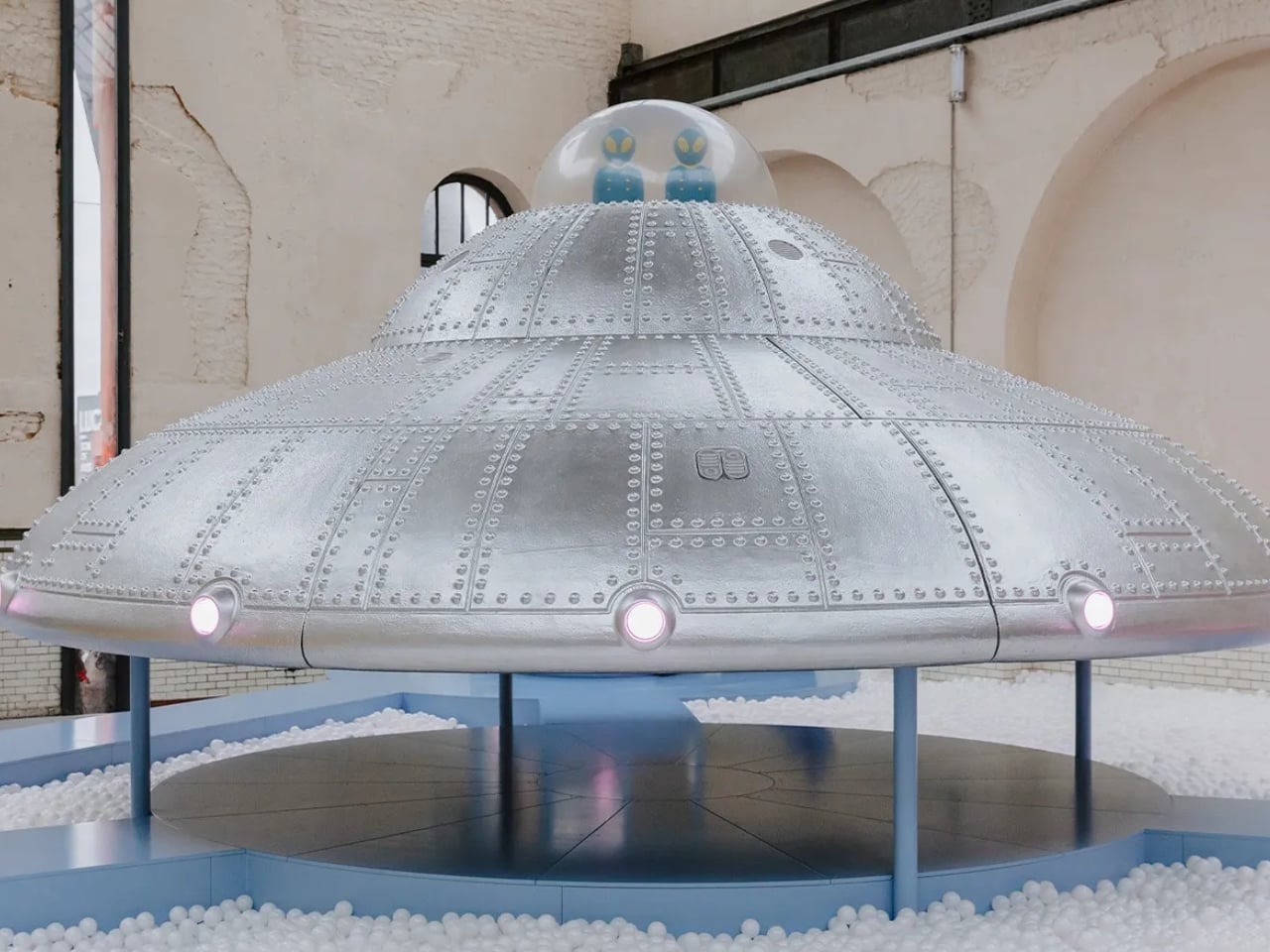
What makes this particularly interesting is Van Beirendonck’s stated motivation. He wanted to create an environment that encourages imagination without screens or digital distractions. It’s a refreshing stance from someone known for addressing contemporary themes like technology and identity in his fashion work. The space invites kids to wonder about the universe, discover new possibilities, and play together without boundaries.
The alien theme isn’t random. Van Beirendonck’s fashion work has long explored ideas about identity, diversity, and what it means to be different. By framing the playground around encountering a “little stranger” from another world, he’s essentially asking kids to think about otherness, curiosity, and welcome. These are heavy concepts, but they’re delivered through climbing structures and colorful shapes rather than lectures.
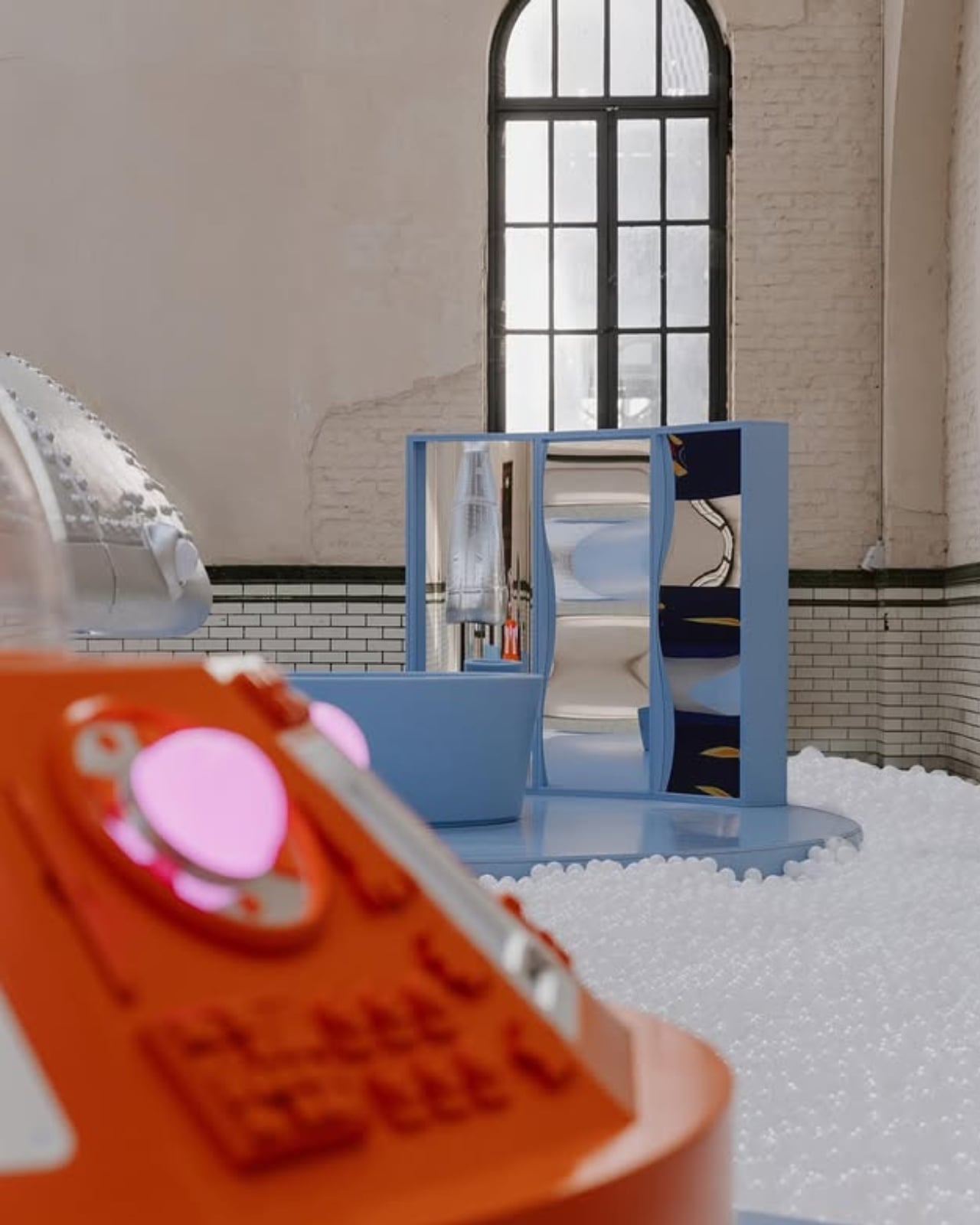
The design process itself was collaborative. C-mine worked with artist Emma Ribbens, an alumna of LUCA School of Arts, to run workshops where children from Genk contributed ideas and shared their thoughts. This participatory approach meant kids weren’t just the audience for the final product but had ownership in shaping what the space would become. It’s an increasingly common approach in public art and design, recognizing that the people who will use a space often have the best insights into what it needs.
Van Beirendonck’s visual language translates surprisingly well to this new medium. His fashion collections have always featured exaggerated proportions, vibrant patterns, and elements that feel like they could belong in science fiction or fantasy worlds. Those same qualities make for compelling playground design, where safety requirements mean everything needs to be soft and rounded anyway.
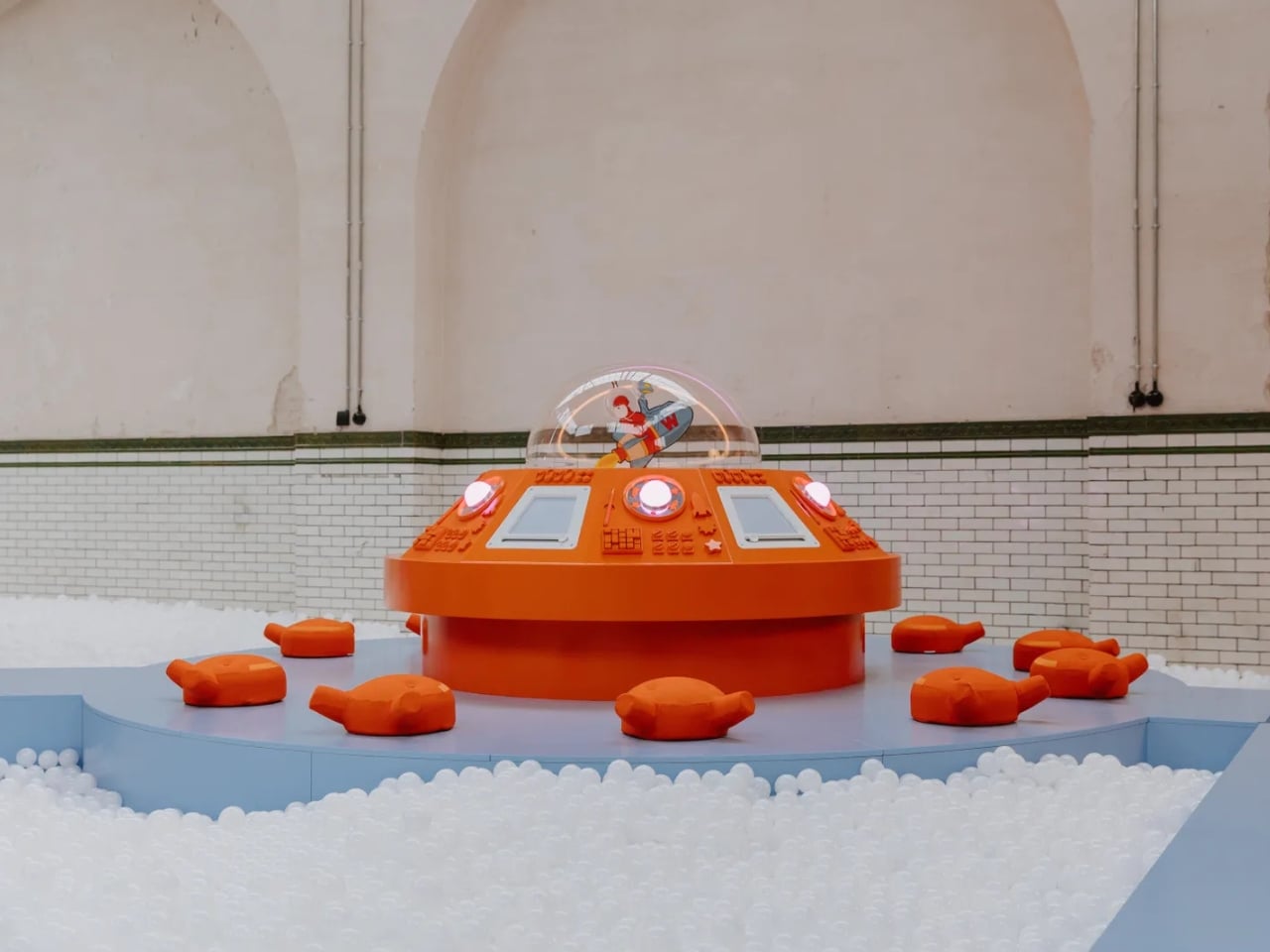
The location adds another layer to the story. C-mine is a former coal mining site in Genk that’s been transformed into a cultural and creative hub. It’s the kind of post-industrial regeneration project you see across Europe, where old warehouses and factories become galleries, theaters, and community spaces. Housing a whimsical playground in what was once an industrial building creates an interesting contrast between the building’s austere past and its colorful present.
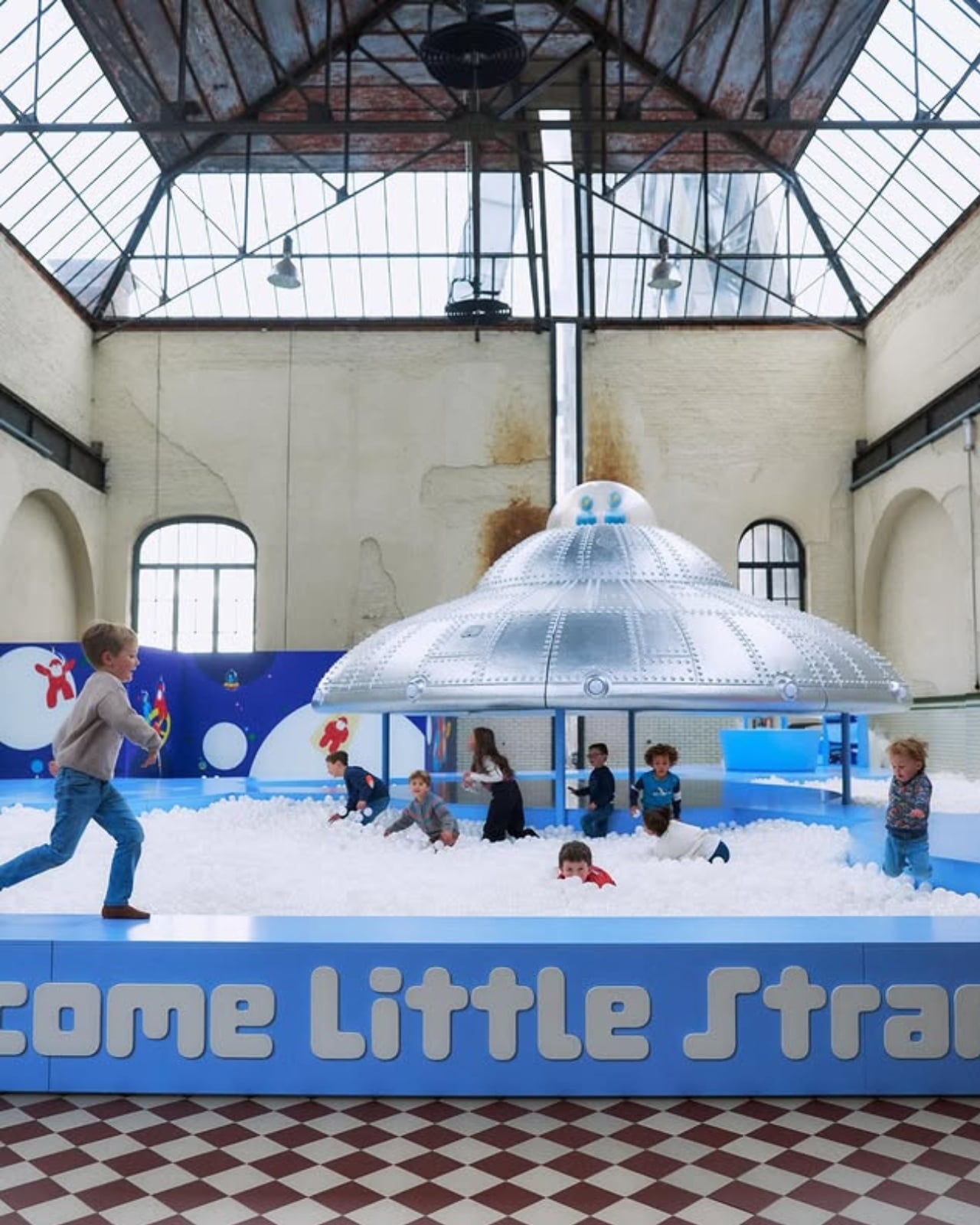
For Van Beirendonck, who’s known for work that balances playfulness with provocation, this project sits comfortably in his career arc. He’s done book illustrations, scenography, and various collaborations outside traditional fashion. Welcome Little Stranger just happens to be one you can physically inhabit rather than view from a distance. Genk’s mayor noted that the project positions the city as creative and innovative while giving families and schools from across the region a new destination. It’s the kind of cultural infrastructure that smaller cities increasingly use to attract visitors and define their identity beyond industrial heritage.
Whether Welcome Little Stranger becomes a model for future artist-designed play spaces remains to be seen. But it does suggest interesting possibilities for what happens when designers step outside their usual mediums and apply their vision to physical environments meant for pure, unstructured play. Sometimes the best design isn’t about making something look good but about creating spaces where imagination can run wild.