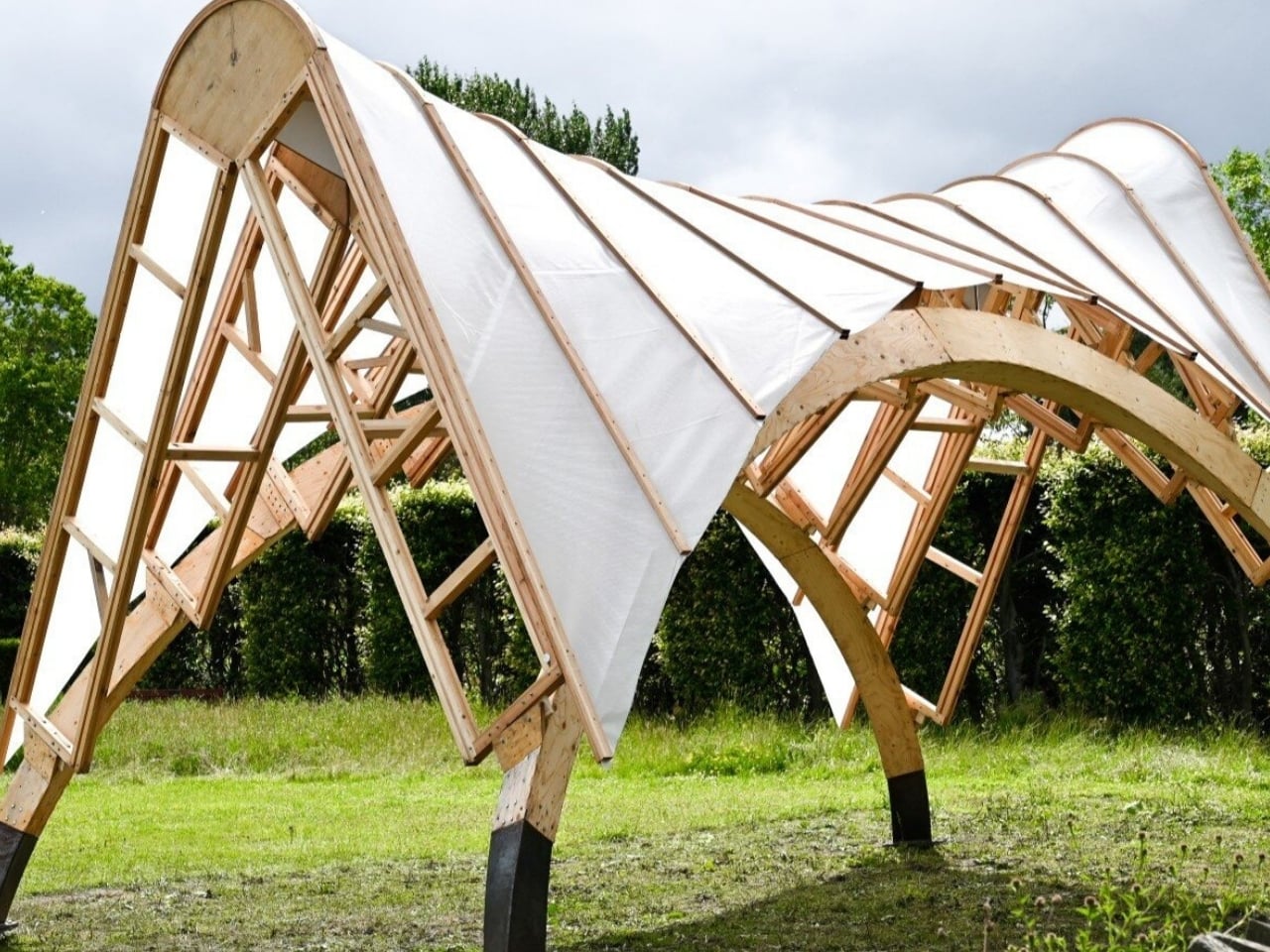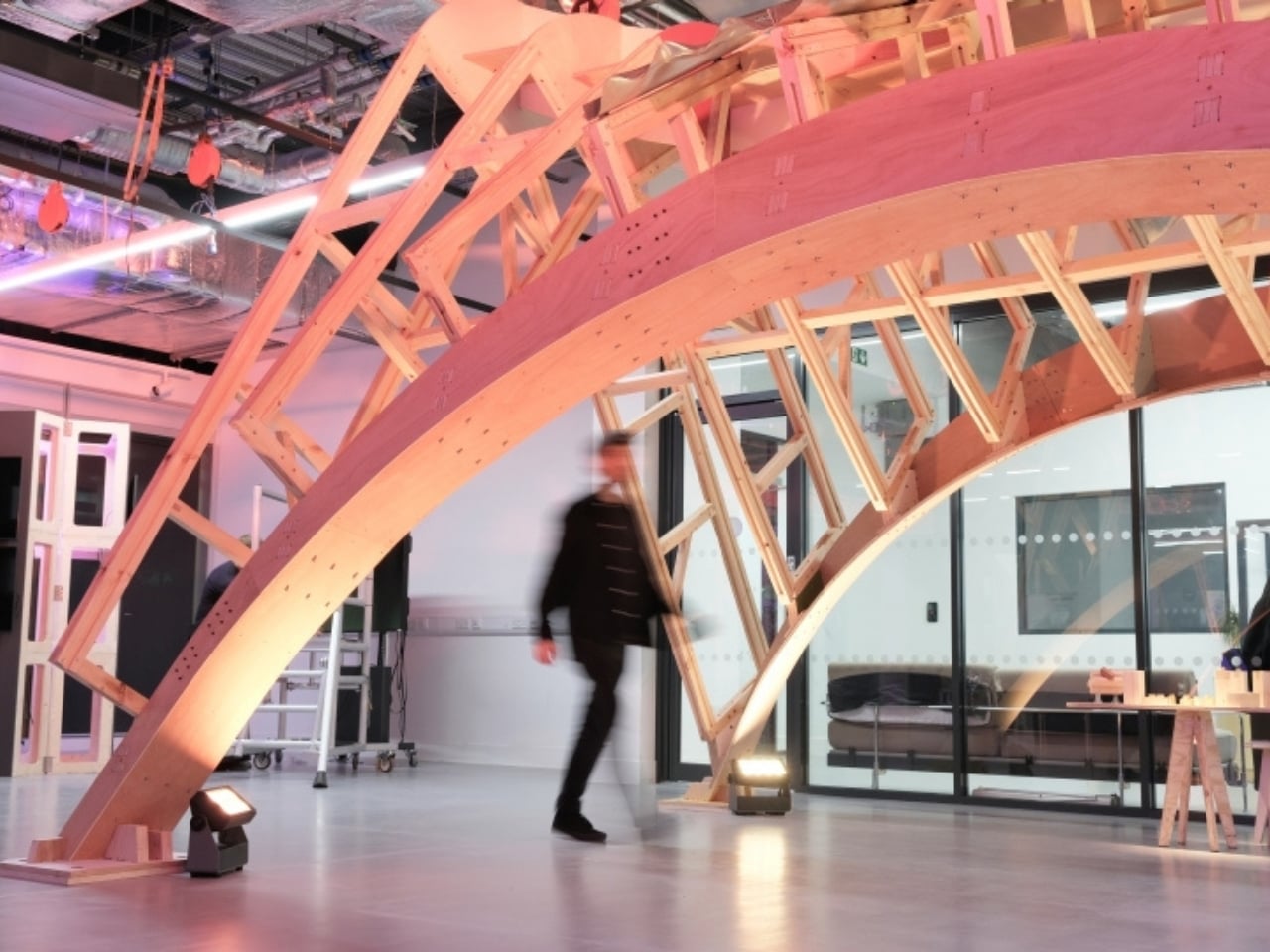
Here’s what I love about architecture that makes you stop and think: it’s not just about creating beautiful spaces anymore. It’s about imagining how we can build better, smarter, and in ways that don’t treat our planet like a disposable resource. That’s exactly what’s happening with Arkhive, a fascinating timber pavilion that’s part building project, part robotic experiment, and entirely rethinking how we approach construction.
Picture this: a wooden structure that looks like it could be straight out of a sci-fi movie, assembled entirely by industrial robotic arms with precision that human hands simply can’t match. But here’s the kicker. This isn’t just another flashy tech demo. Arkhive was created by students from University College London’s Design for Manufacture program, and it’s tackling one of construction’s biggest problems: waste.
Designers: Design for Manufacture, Bartlett School of Architecture, University College London
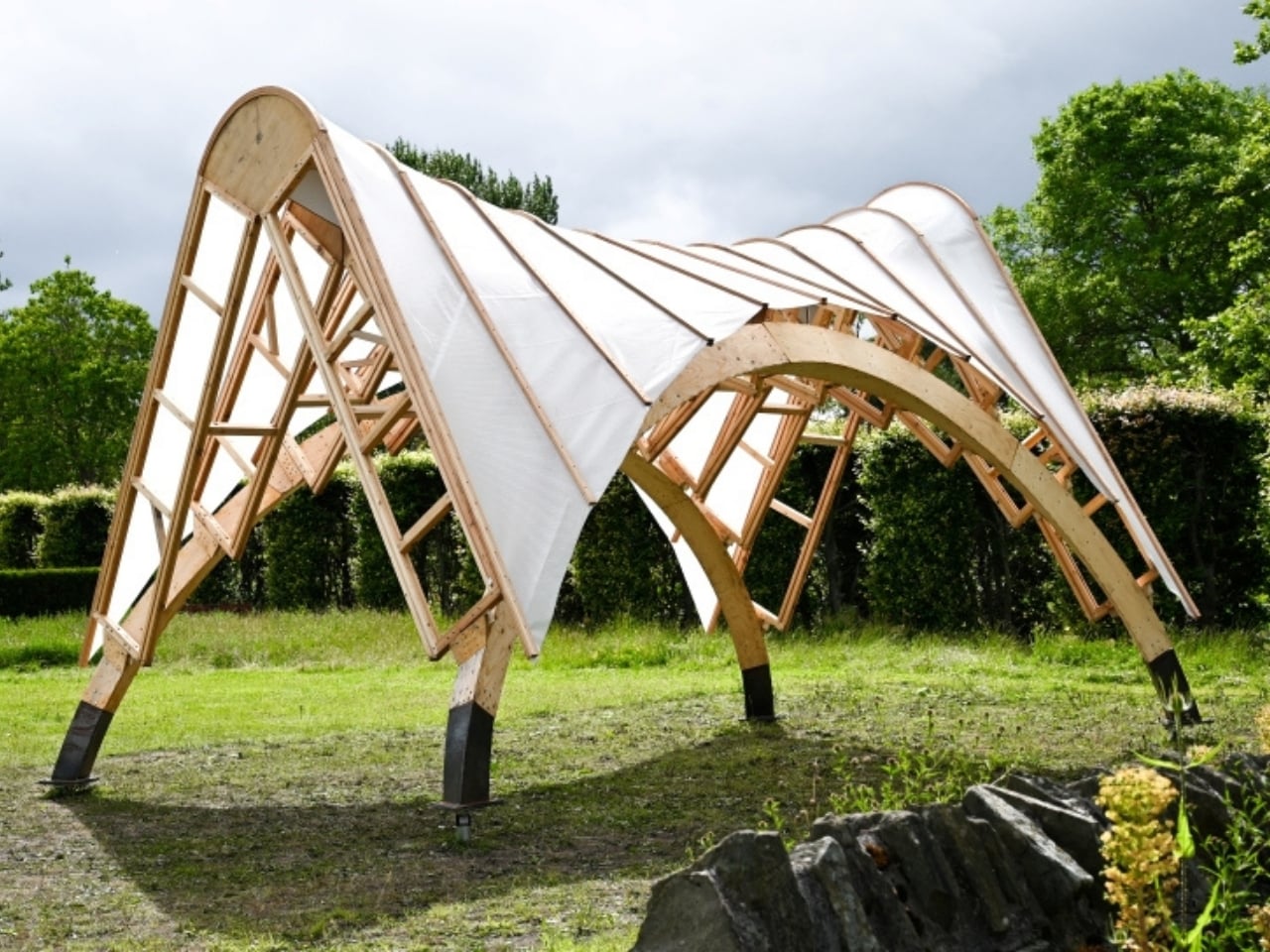
Think about how we typically build things. We design them, construct them, use them for a while, and then when we’re done, we tear them down and haul the debris to a landfill. It’s a pretty wasteful cycle when you actually stop to consider it. Arkhive flips that script entirely. Every single component of this pavilion can be taken apart and reassembled into completely different configurations without losing any material. It’s like architectural Lego blocks, but way more sophisticated.
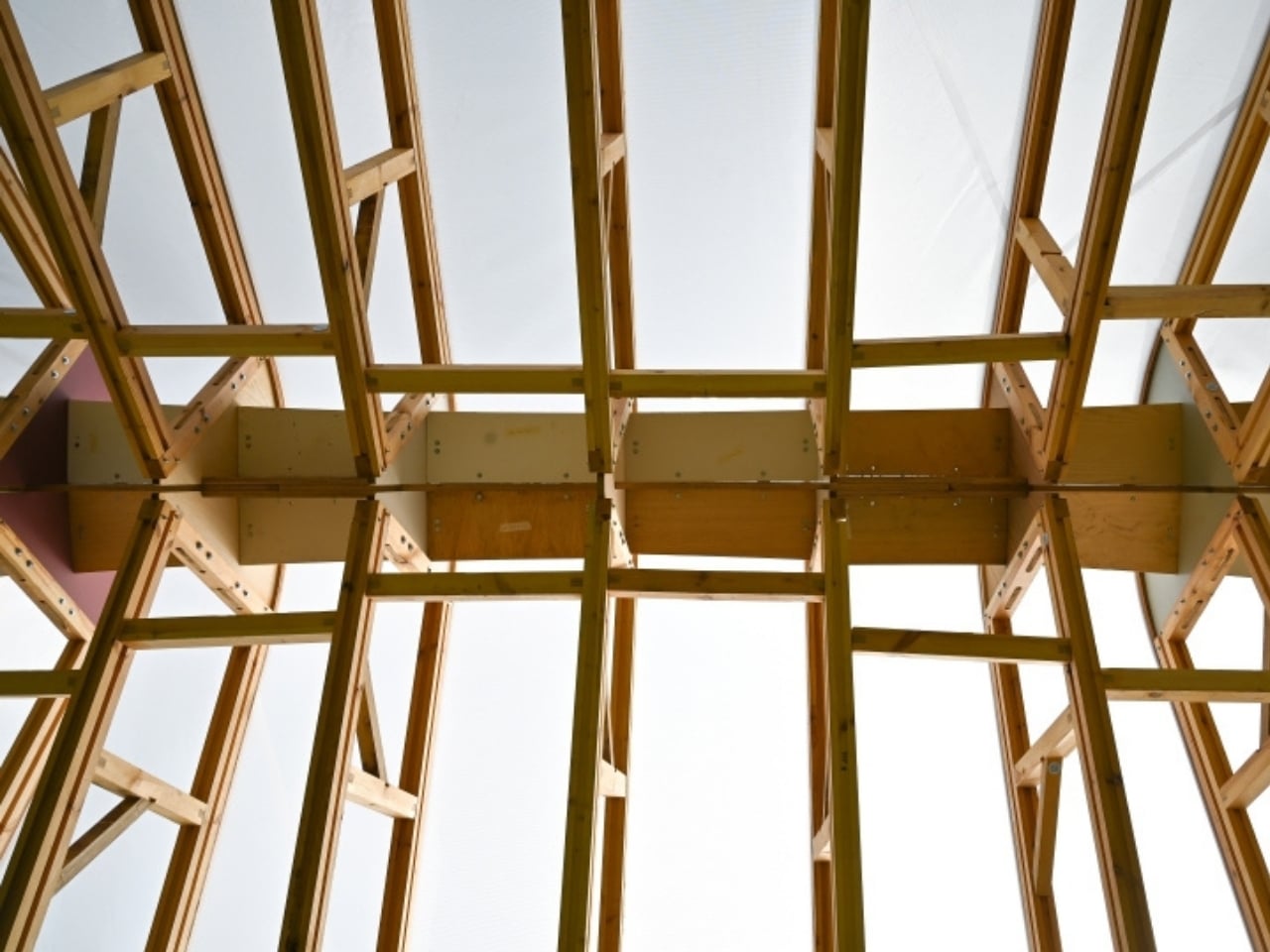
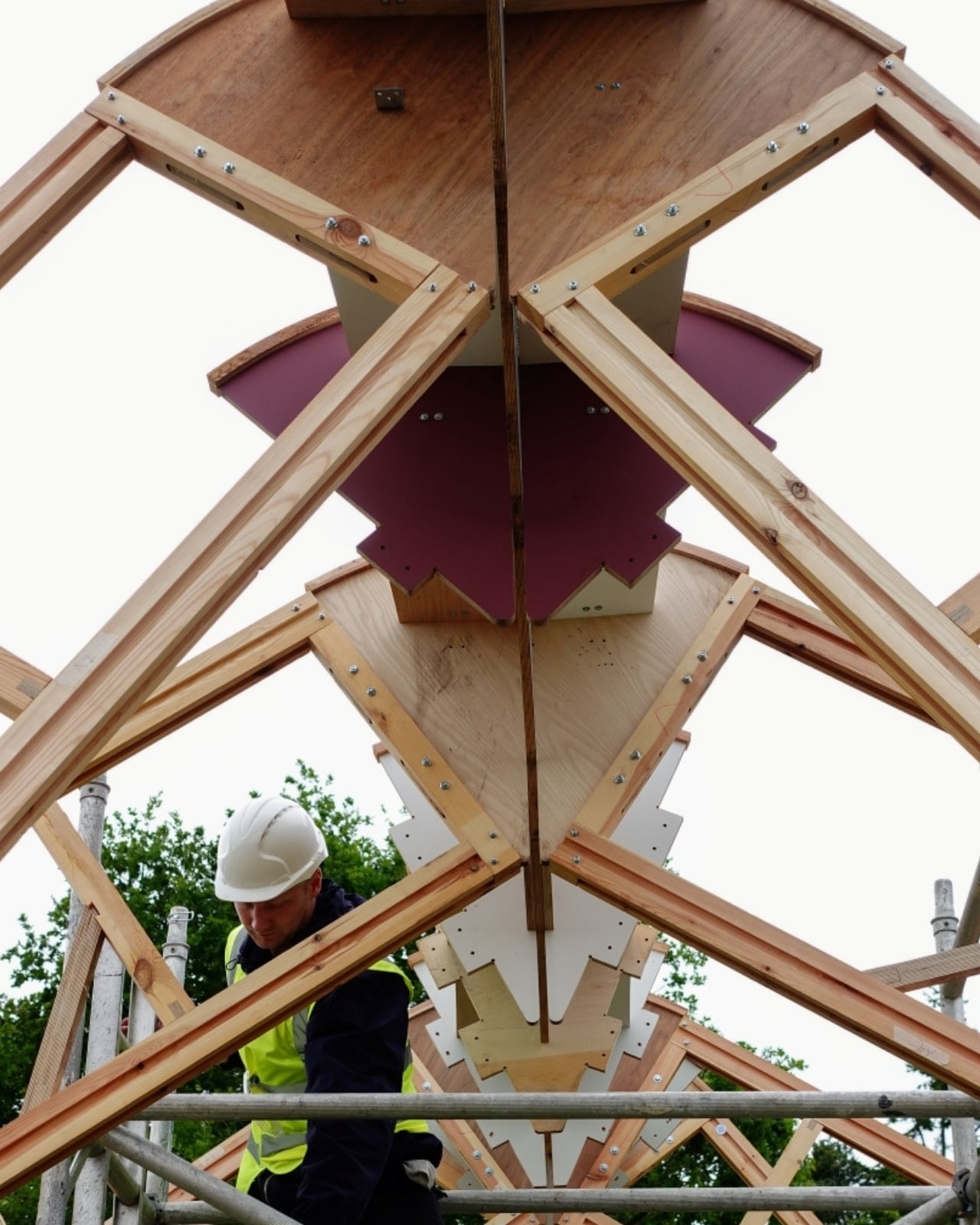
The magic happens through something called reversible joinery. Instead of nails, screws, or adhesives that permanently bind materials together, these connections can be undone and redone as many times as needed. The timber components fit together in a modular system that prioritizes adaptability over permanence. So when the structure has served its purpose in one location or configuration, it doesn’t become yesterday’s trash. It becomes tomorrow’s building material for something entirely new.
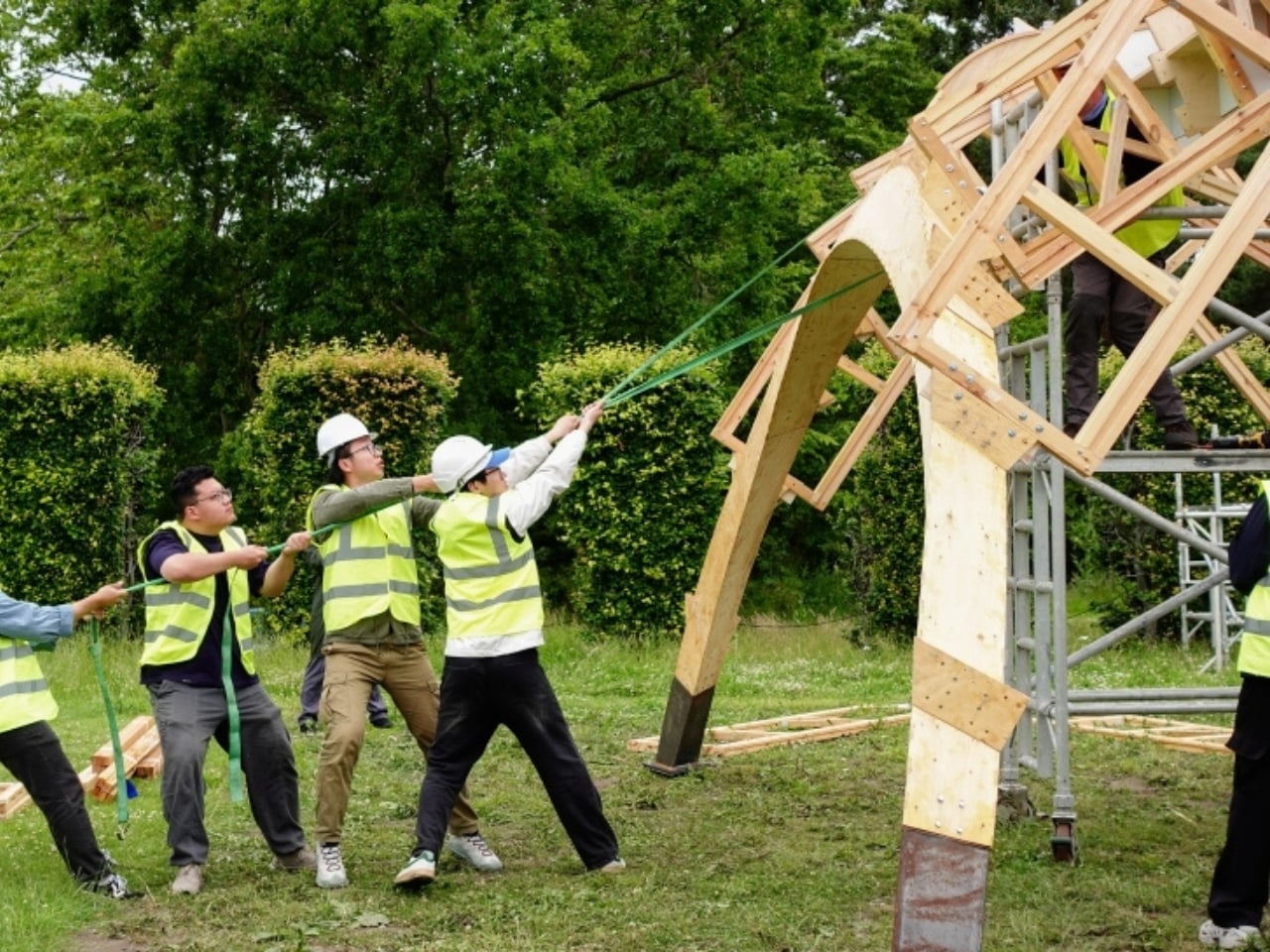
What really sets this project apart is the marriage of sustainable design thinking with cutting-edge robotics. UCL recently invested over £400,000 in developing robotics facilities specifically focused on low-carbon construction materials and innovative building practices. The Arkhive project is part of this larger movement where architecture schools aren’t just teaching students to draw pretty buildings. They’re teaching them to wrestle with real-world problems using technology that’s reshaping entire industries.
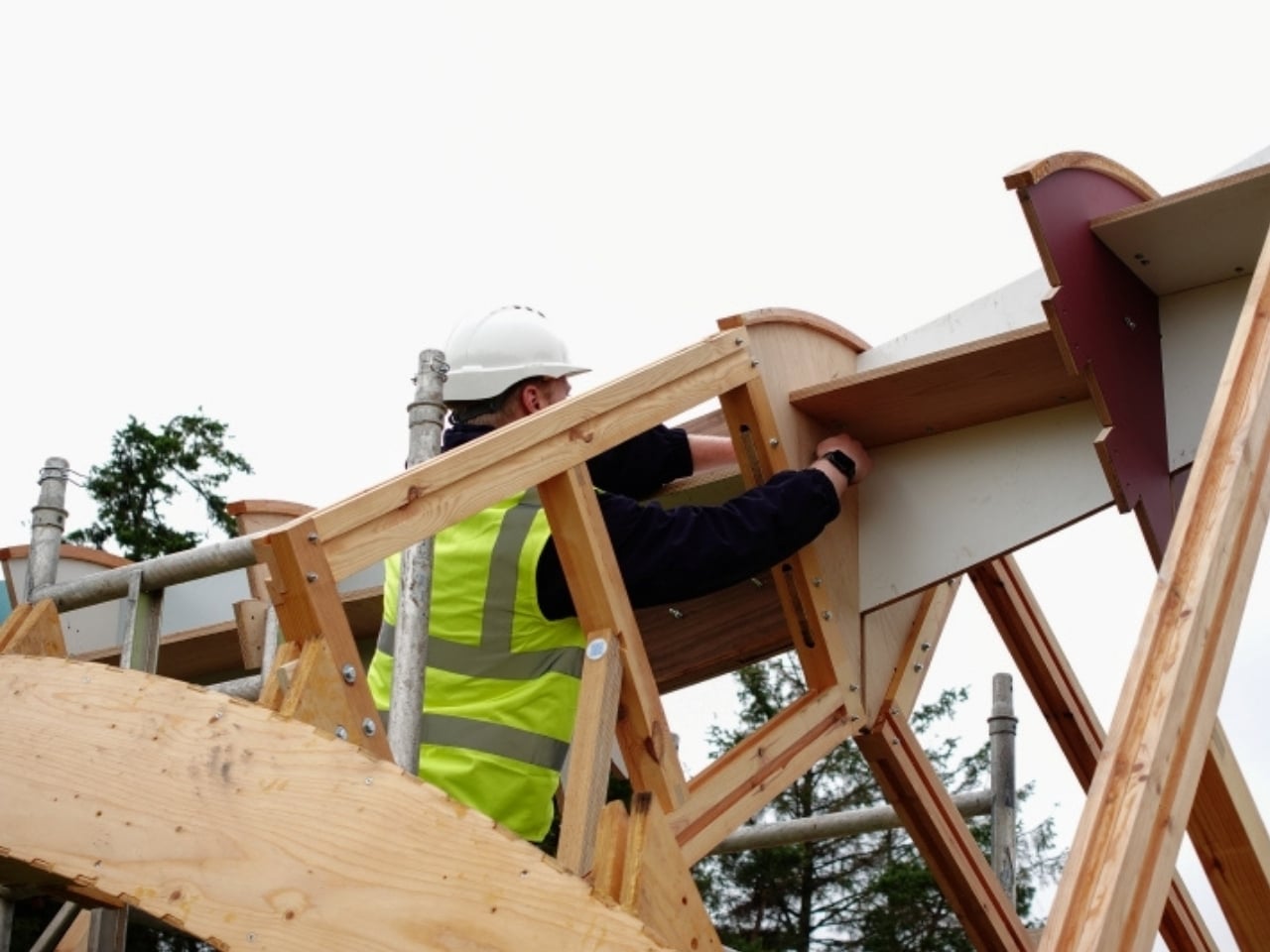
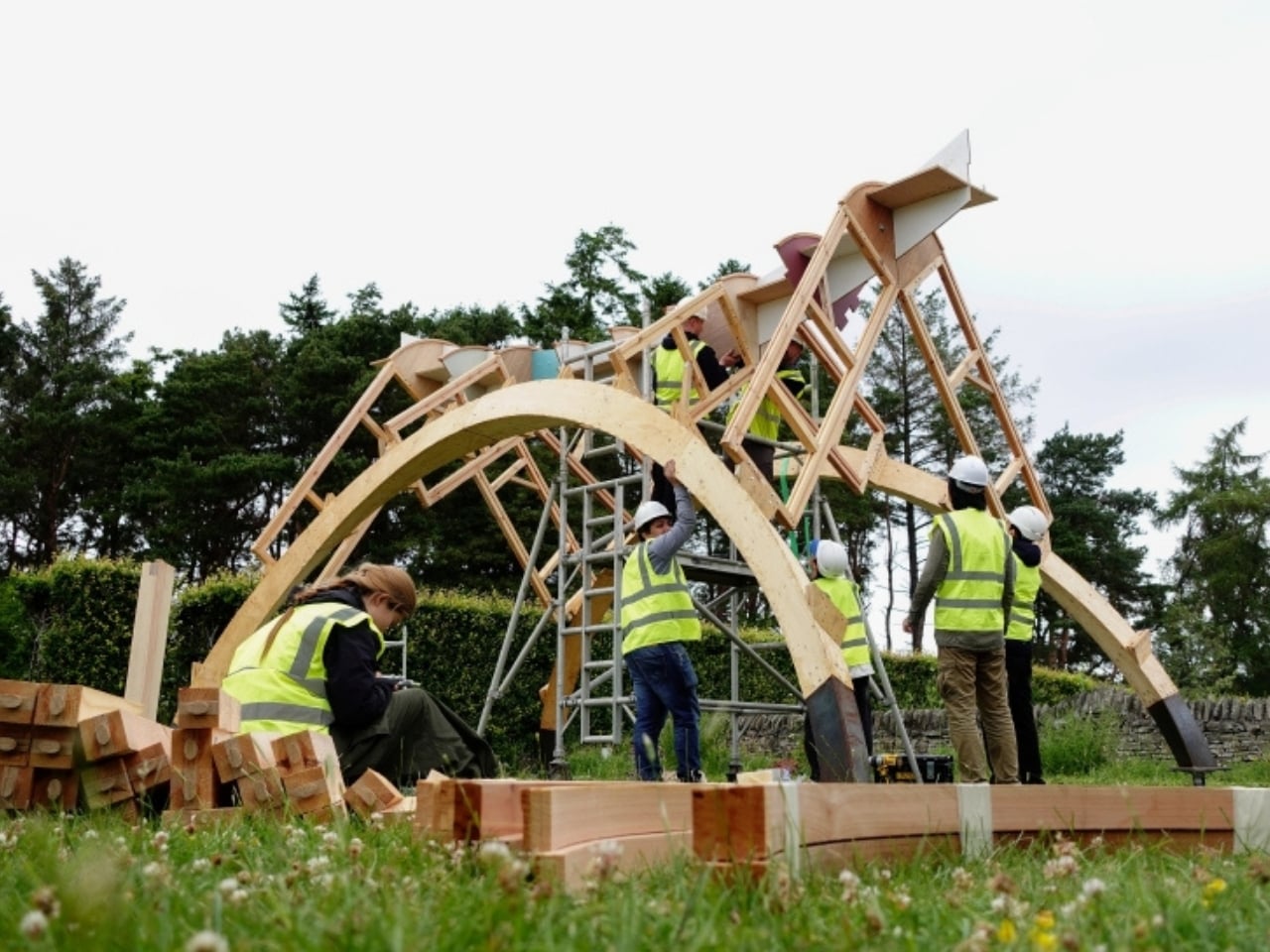
The pavilion itself was installed at St Andrews Botanic Garden in Scotland during summer 2025, where it served as a venue for public events. Imagine attending a lecture or community gathering inside a space that represents a fundamentally different approach to building. It’s not just a conversation starter; it’s a working prototype of what circular construction could look like at scale.
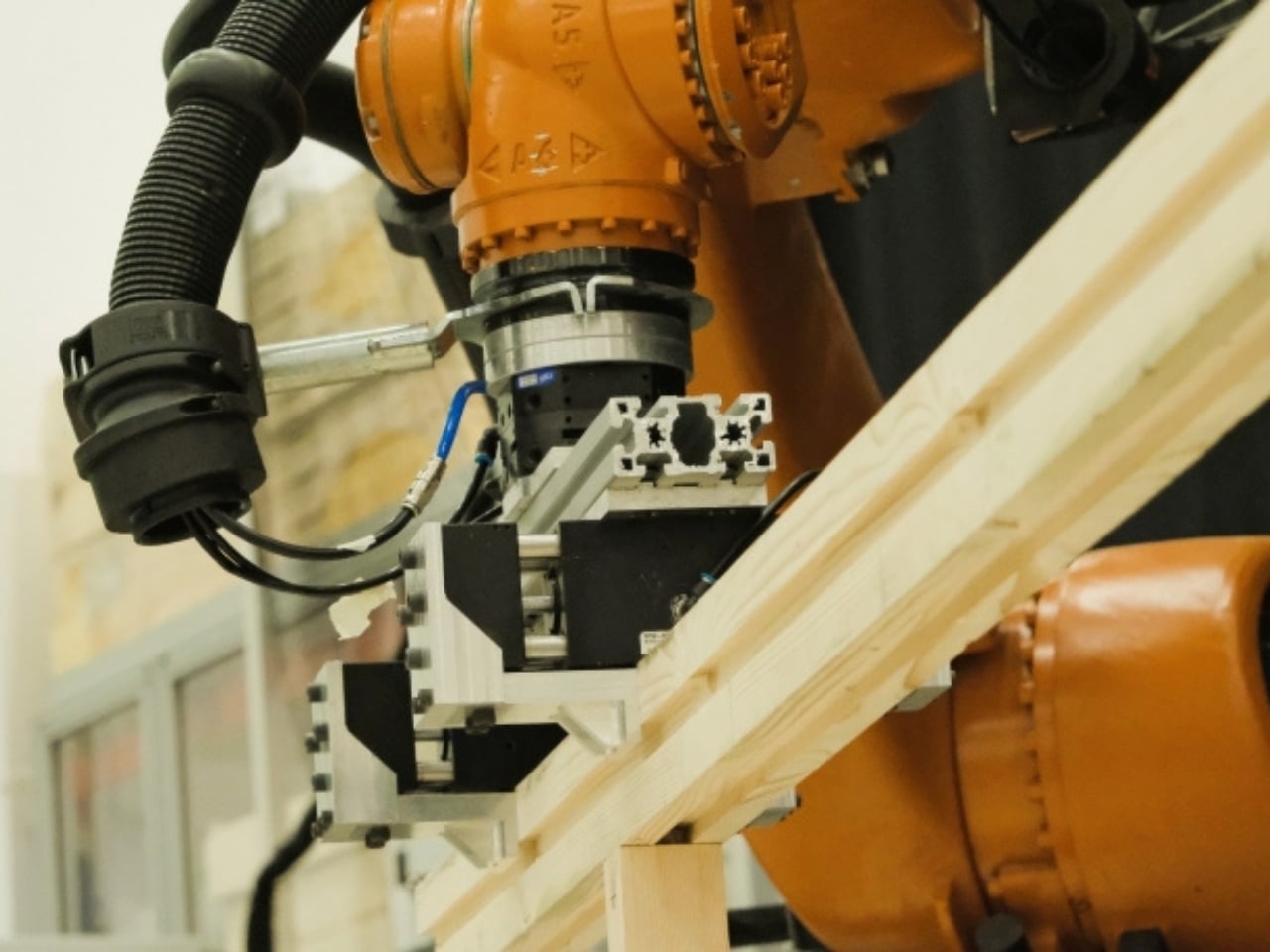
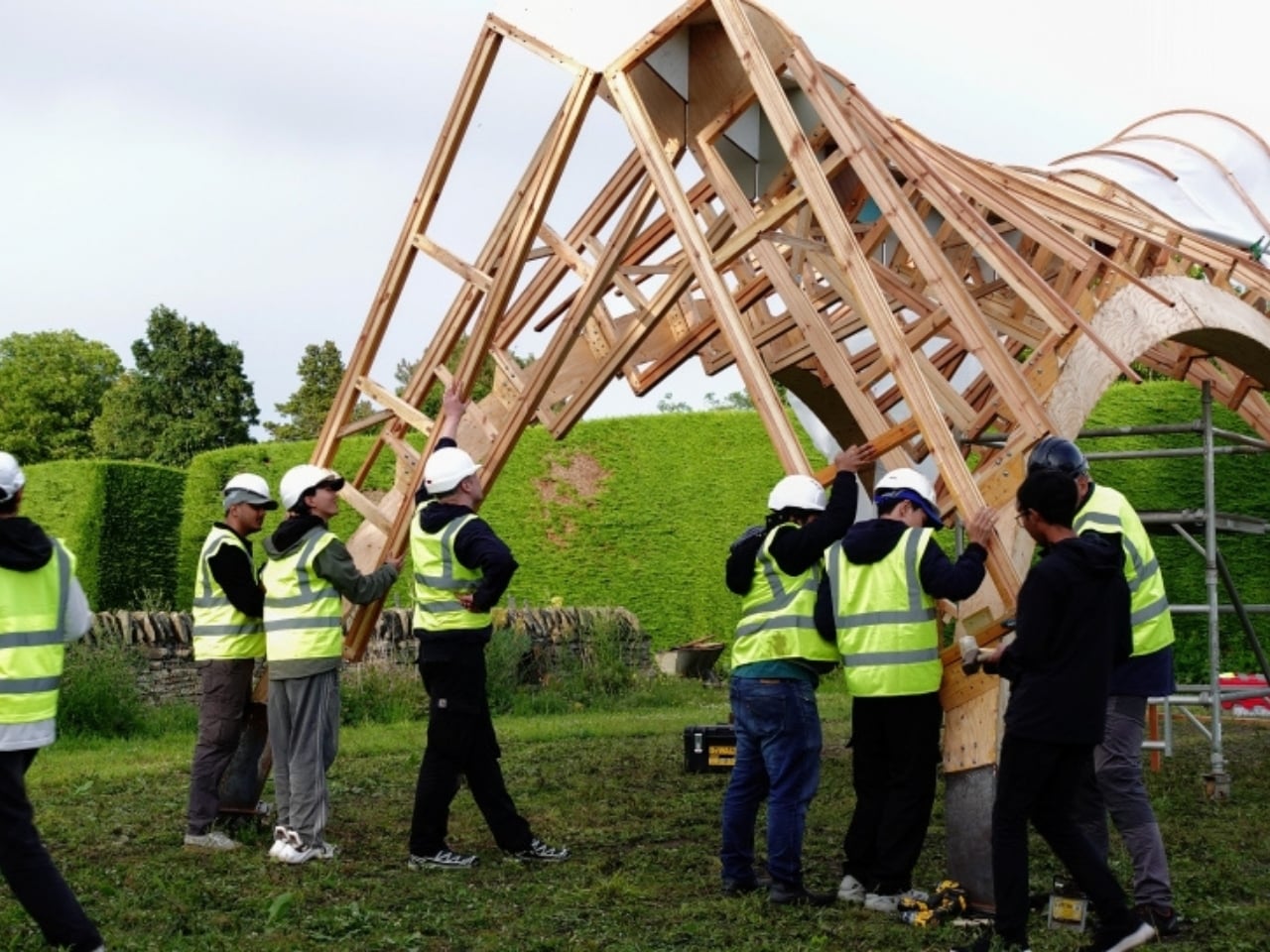
This kind of project matters because it addresses something crucial in our current moment. The construction industry is responsible for a massive chunk of global carbon emissions and waste production. If we’re serious about tackling climate change and resource depletion, we need to completely reimagine how we build. Not just what we build with, but how we think about the entire lifecycle of structures.
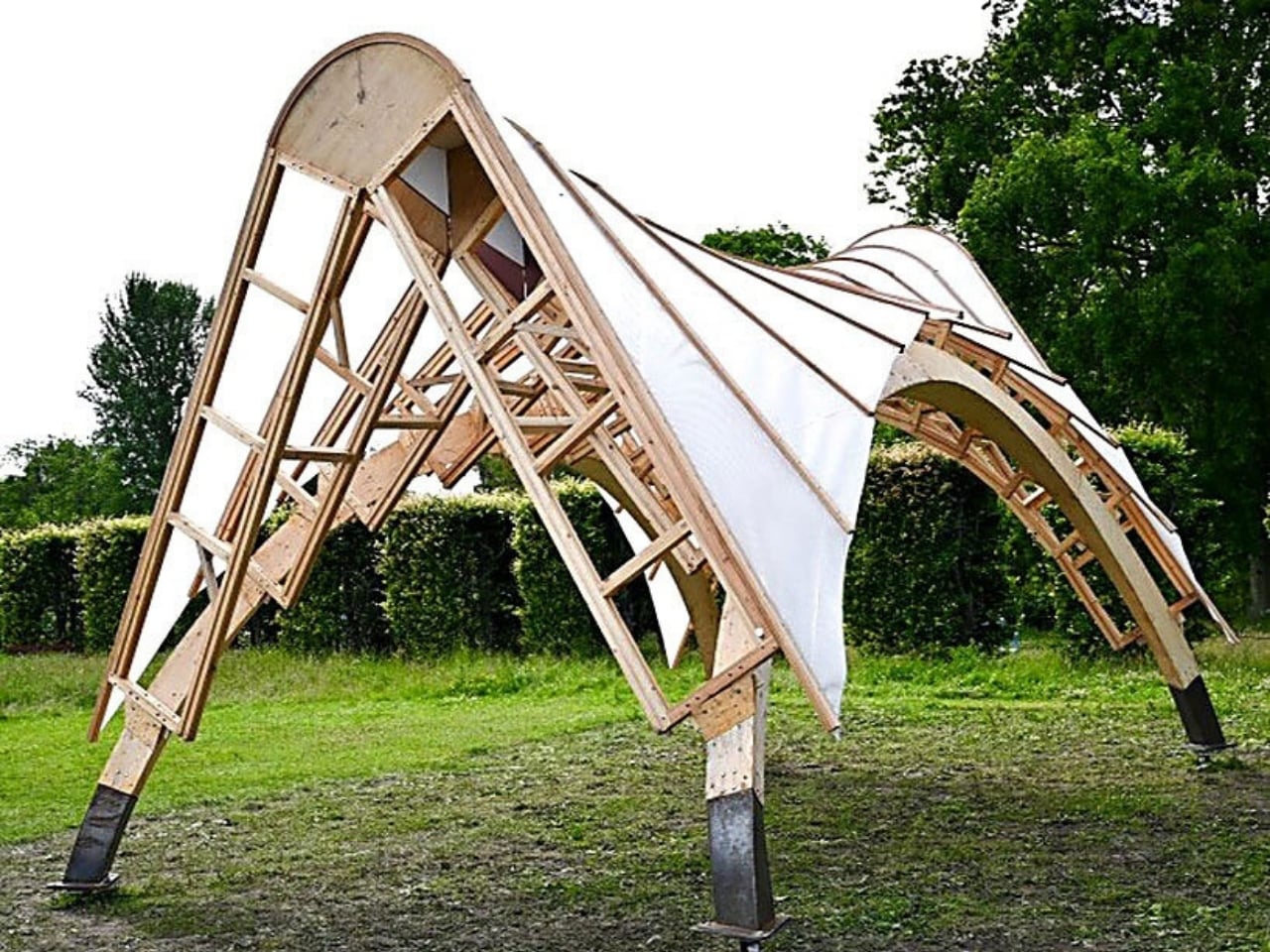
The students behind Arkhive aren’t just learning architectural theory in classrooms. They’re getting hands-on experience with industrial robotic systems, working through the messy reality of taking ambitious ideas from concept to full-scale construction. That’s the kind of education that actually prepares people to transform industries rather than just perpetuate existing practices.
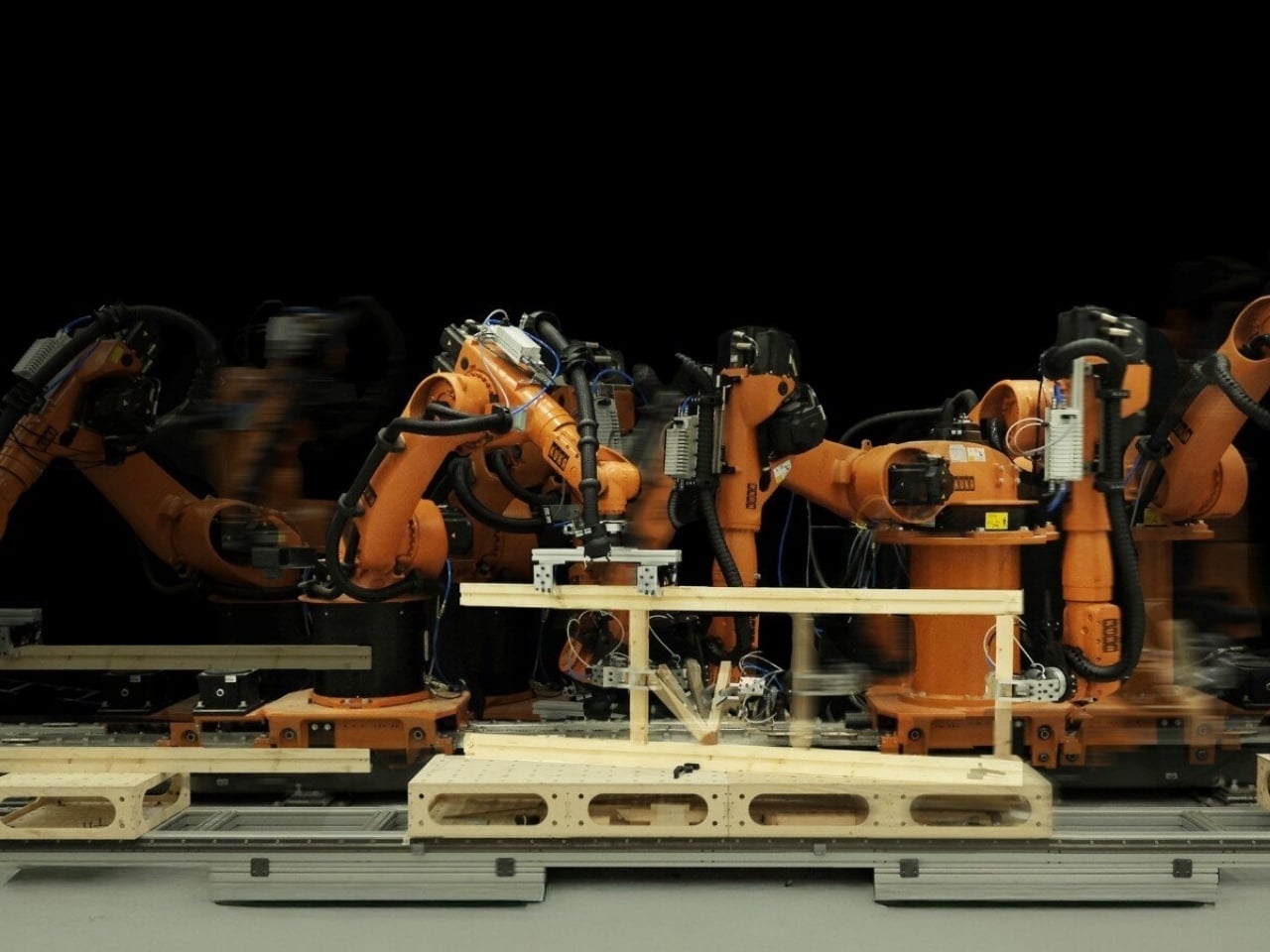
What excites me most about projects like this is how they make sustainable construction feel less like sacrifice and more like innovation. We’re not talking about settling for less sophisticated buildings in the name of sustainability. We’re talking about using advanced technology to create structures that are more adaptable, more efficient, and ultimately more intelligent than what we’ve been building for centuries. The future Arkhive points toward is one where buildings aren’t static monuments but dynamic systems that can evolve alongside our changing needs.