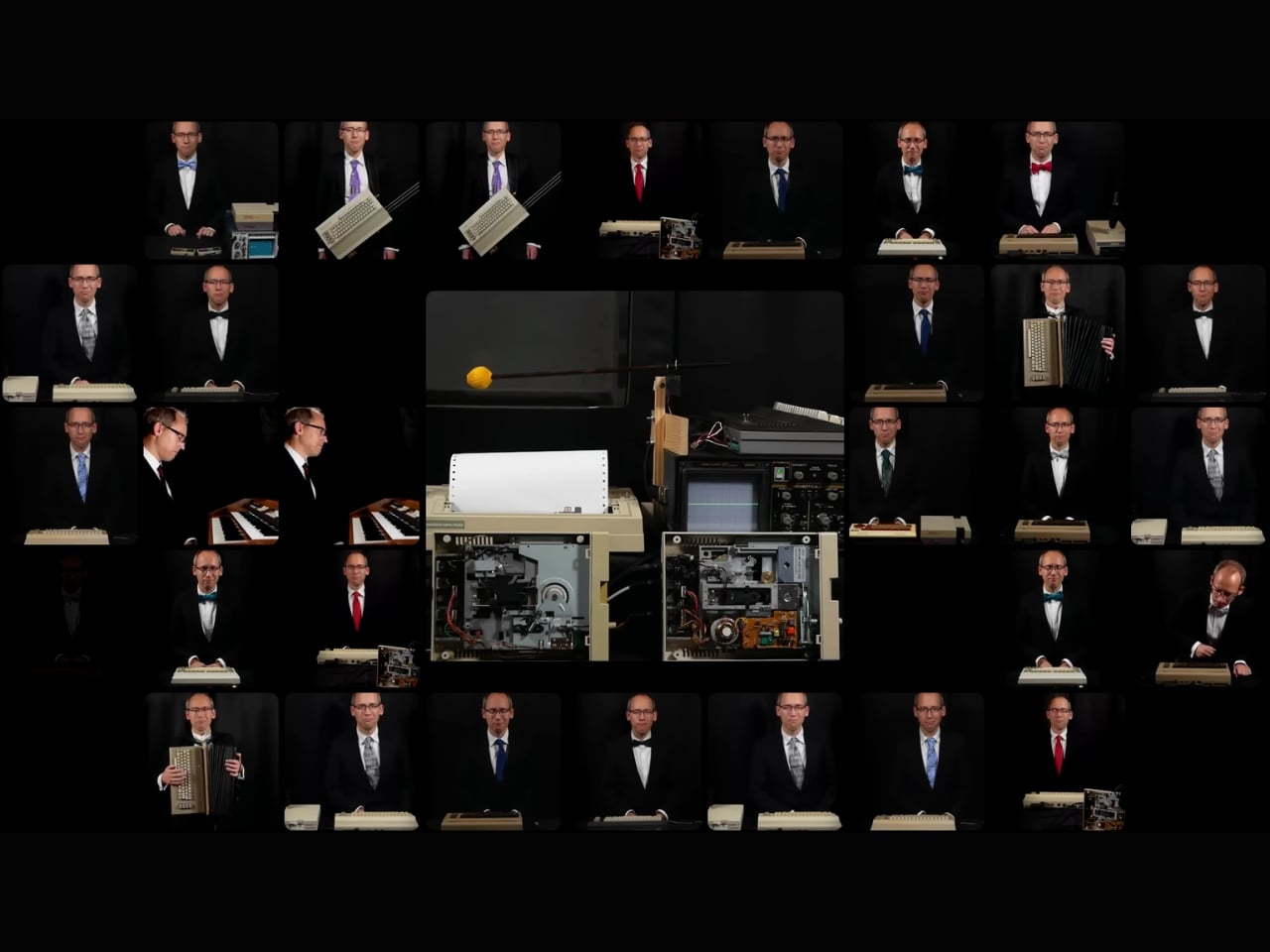
You know that moment when someone takes something impossibly complicated and makes it look like the most natural thing in the world? That’s exactly what happens when you watch Linus Akesson perform Maurice Ravel’s Boléro on nine homemade 8-bit instruments. And honestly, it’s the kind of thing that makes you stop scrolling and just stare.
Akesson isn’t your average musician or engineer. He’s both, which is probably the only way a project like this could exist. The Swedish creator has spent years building custom electronic instruments from vintage computer parts and retro gaming hardware, and this 15-minute performance might just be his magnum opus. We’re talking about a piece that required nearly 10 hours of footage and 52 mixer channels to capture. This isn’t just a fun weekend project. It’s a full-blown technical and artistic achievement.
Designer: Linus Akesson

Ravel’s Boléro is one of those classical pieces that you recognize even if you don’t think you know classical music. It’s hypnotic and repetitive, building slowly over 15 minutes with the same melody cycling through different instruments until it reaches this massive crescendo. It’s also notoriously difficult to perform because of how exposed every musician is. There’s nowhere to hide when you’re playing the same pattern over and over. Now imagine tackling that with a collection of beeping, blooping 8-bit computers that you built yourself.
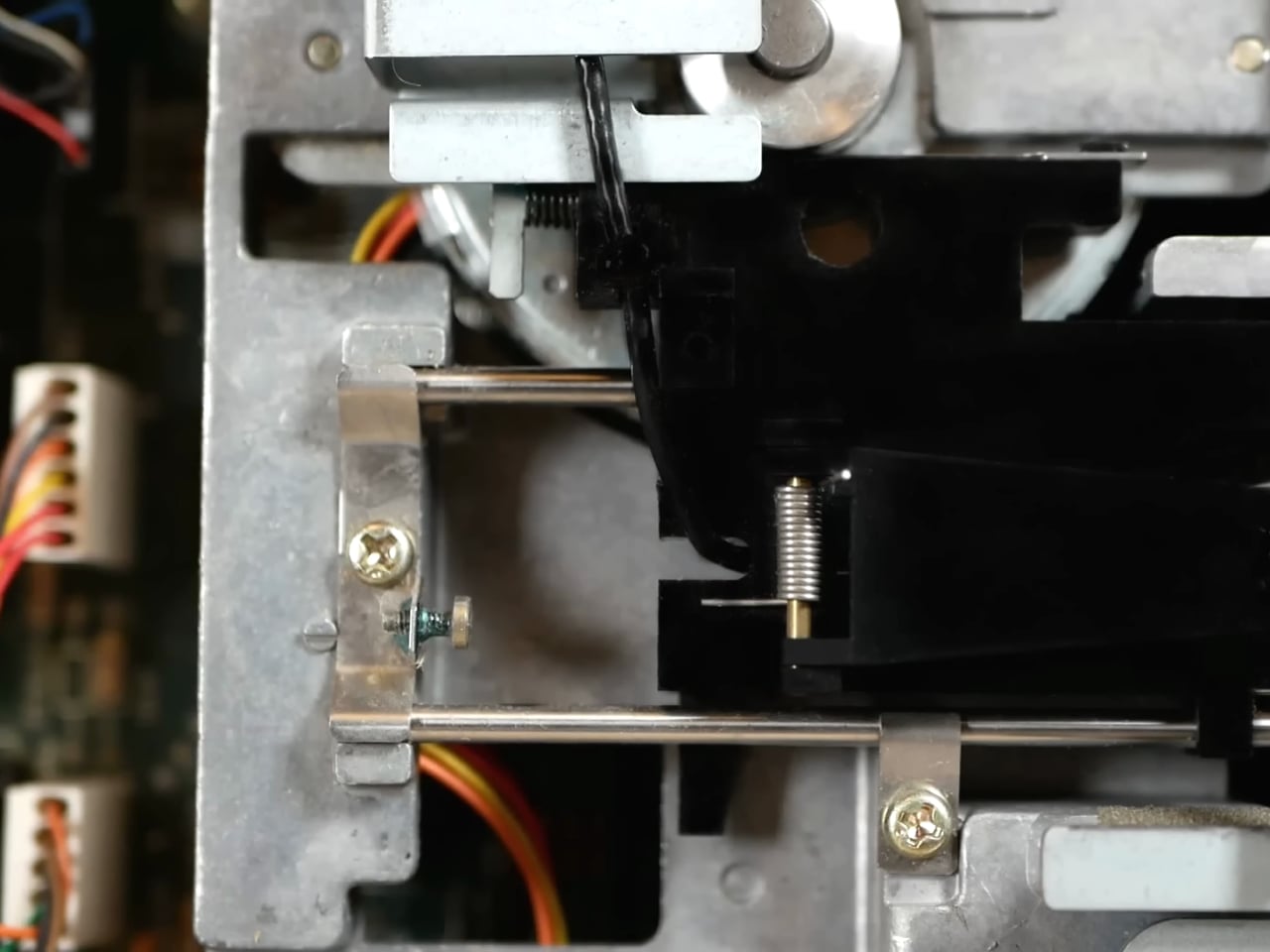
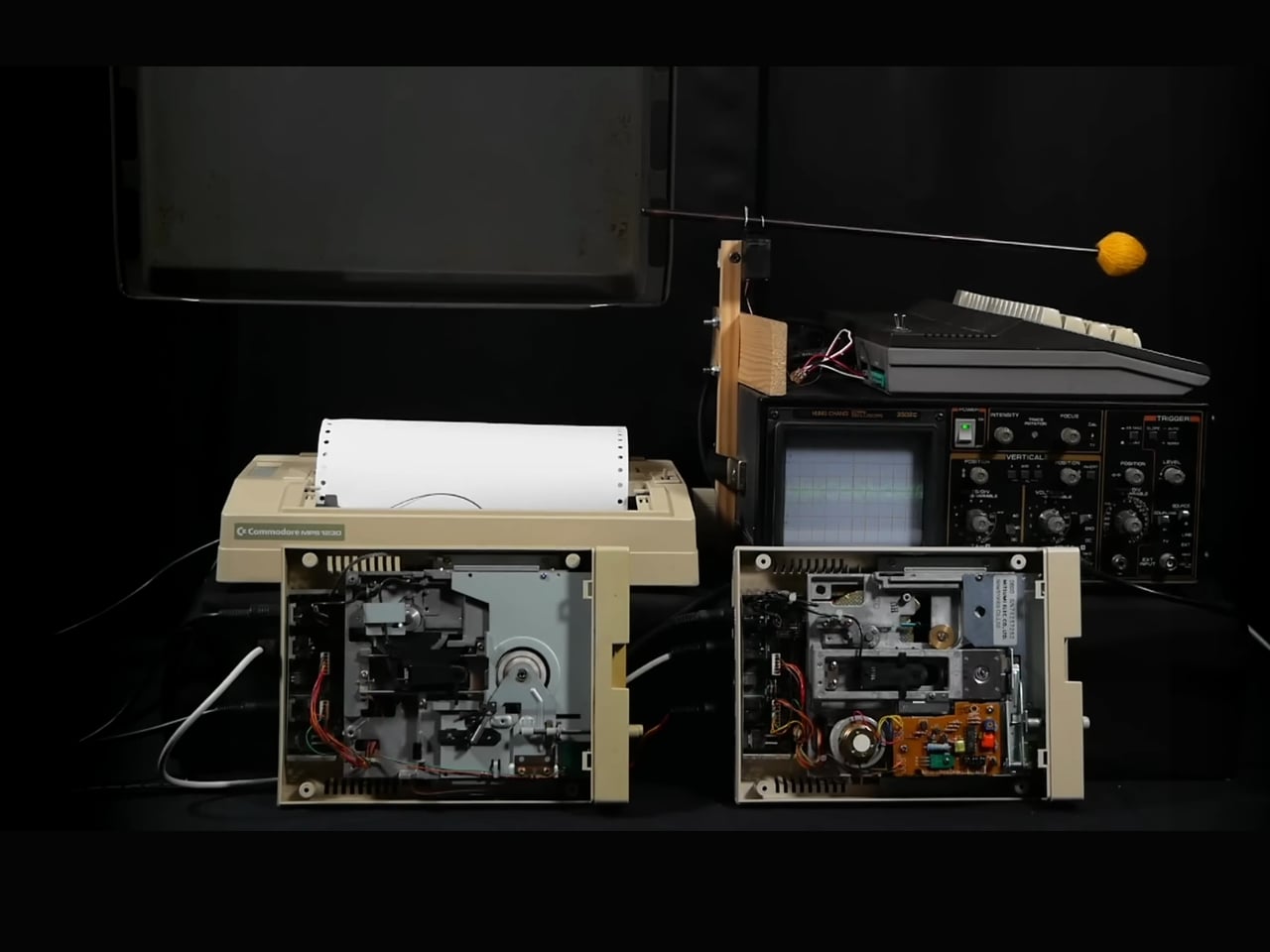
The instruments in Akesson’s arsenal include things like the Chipophone, an organ-like device that uses old computer sound chips, and the Commodordion, which is essentially a Commodore 64 turned into an accordion. Yes, you read that right. These aren’t instruments you can just buy off the shelf or even find in some obscure music shop. Akesson designed and built them from scratch, combining his deep knowledge of electronics with a genuine love for the aesthetic and sound of vintage computing.
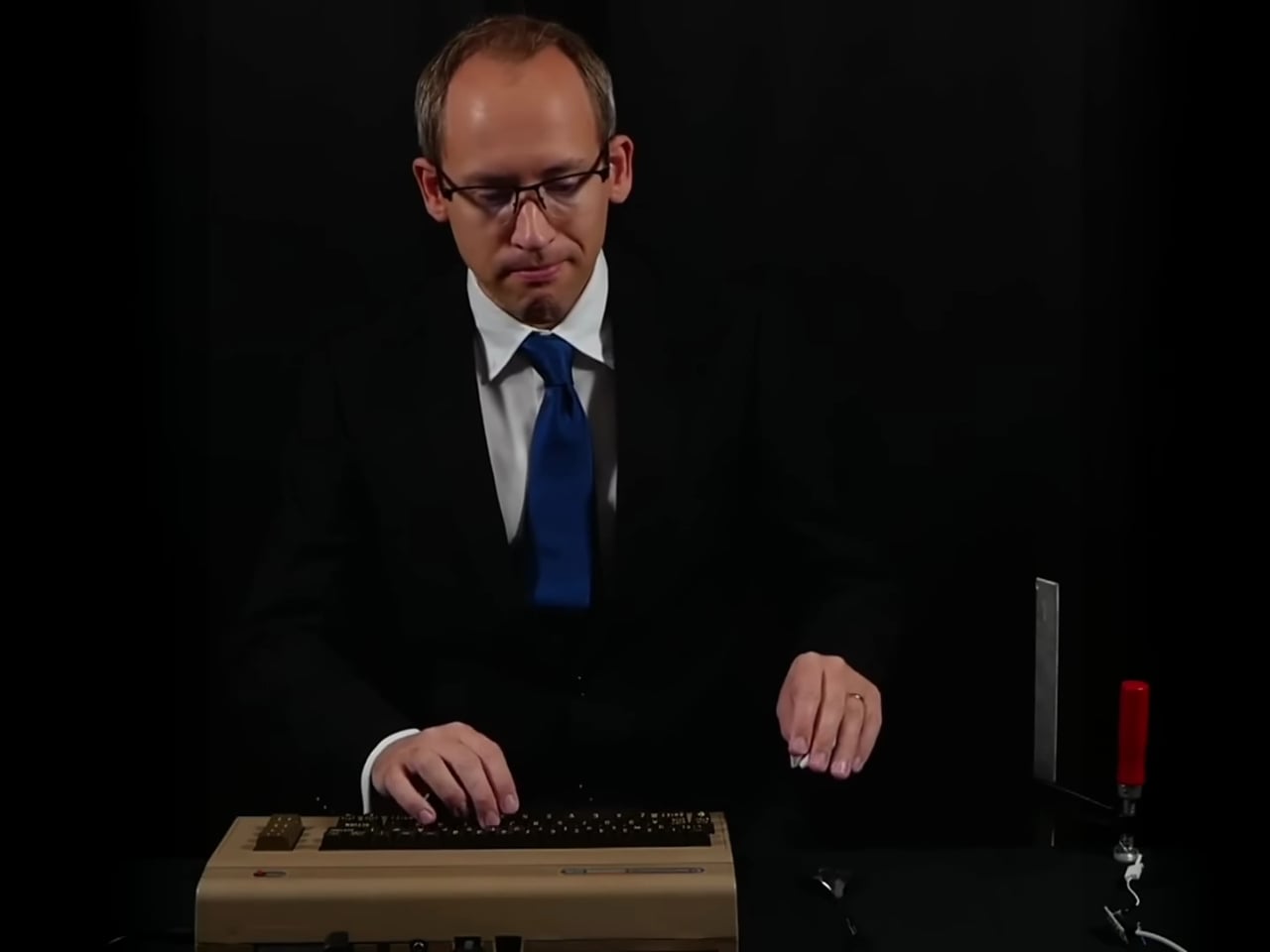
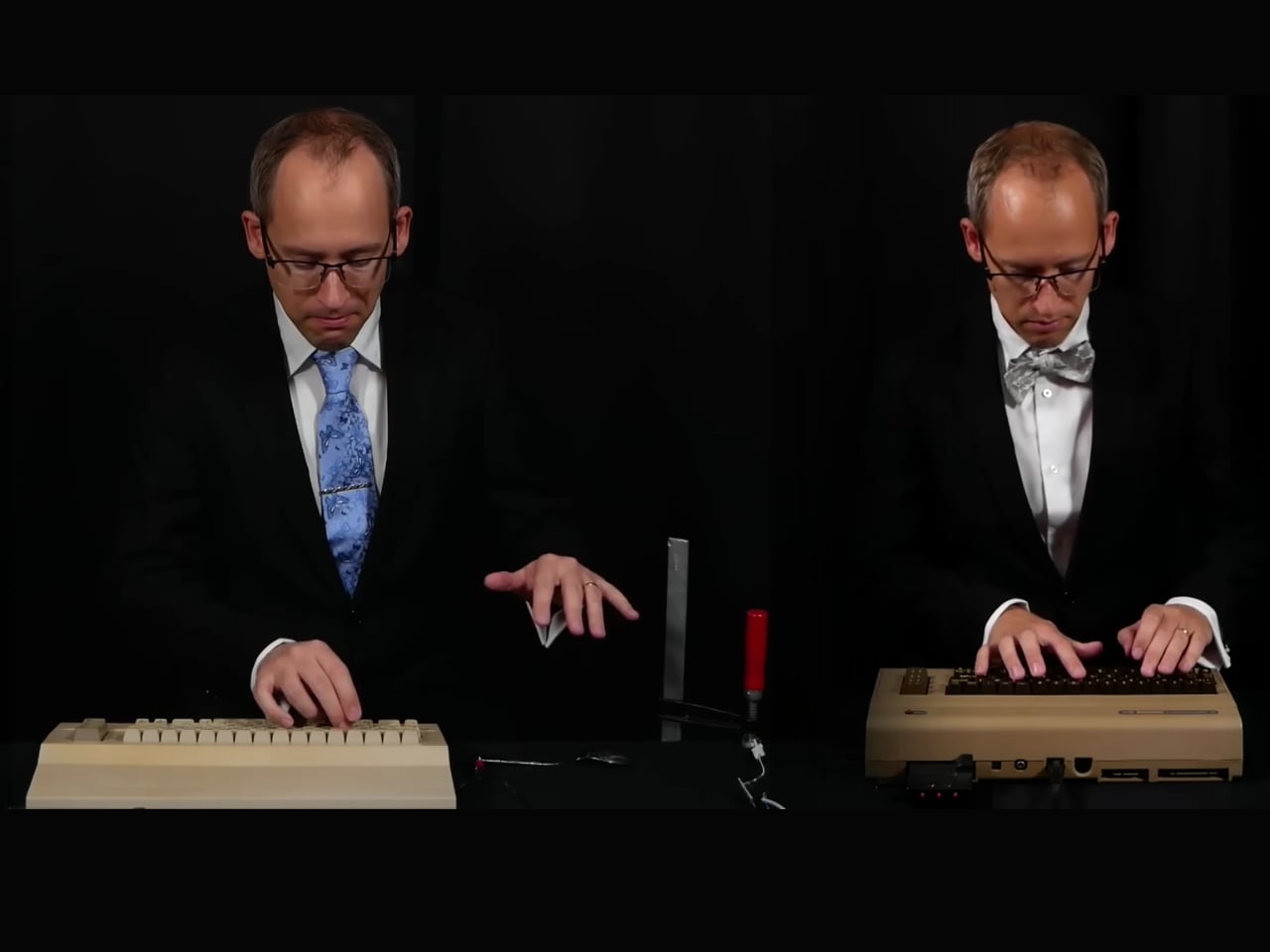
What makes this performance so compelling isn’t just the technical wizardry, though there’s plenty of that. It’s the way Akesson treats these humble, squeaky sounds with the same reverence you’d give to a string section in a concert hall. Chiptune music, the genre that emerged from early video game soundtracks, often gets dismissed as novelty. But in Akesson’s hands, it becomes something genuinely moving. The piece still builds, still swells, still commands your attention the way Ravel intended.
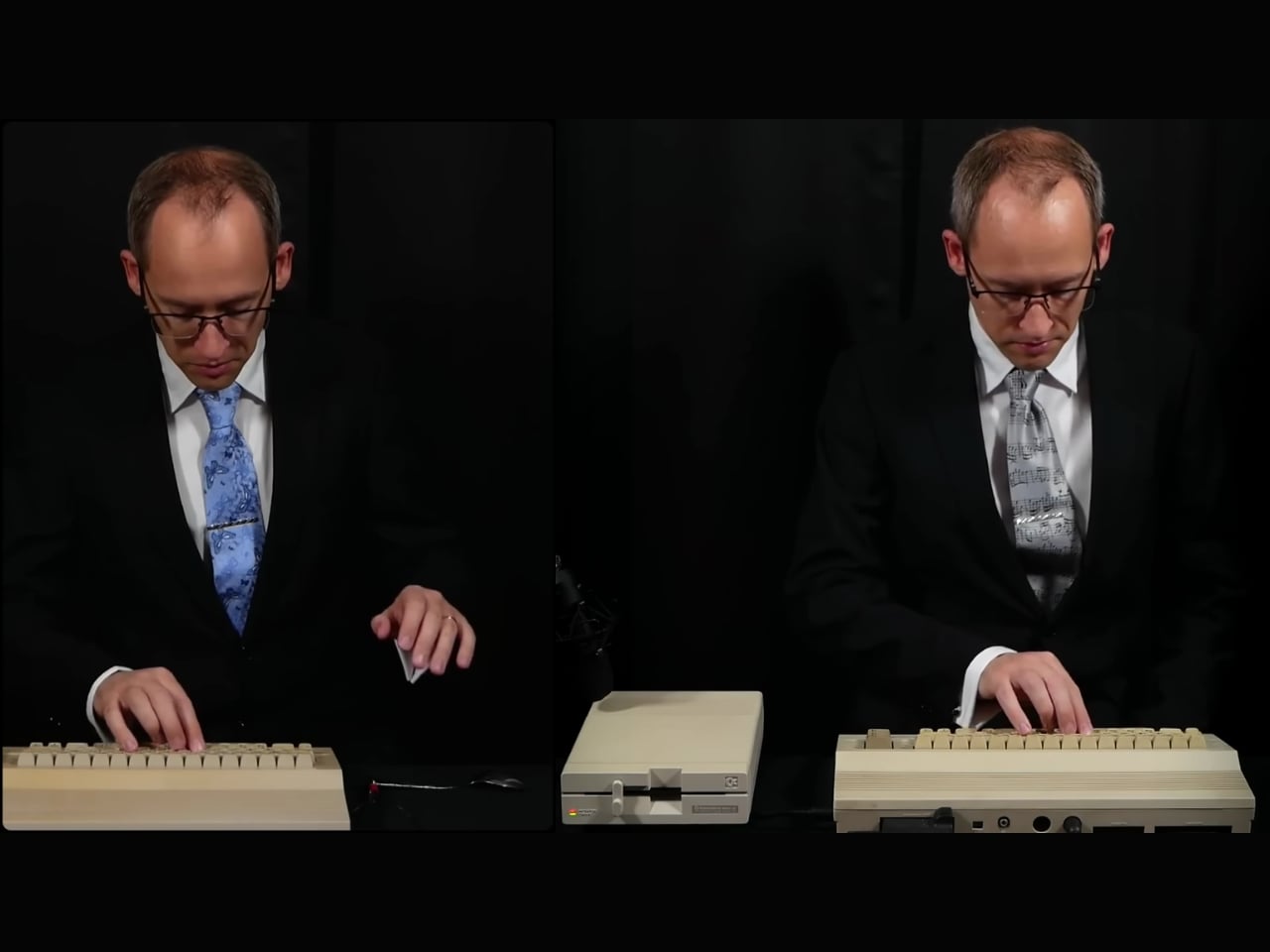
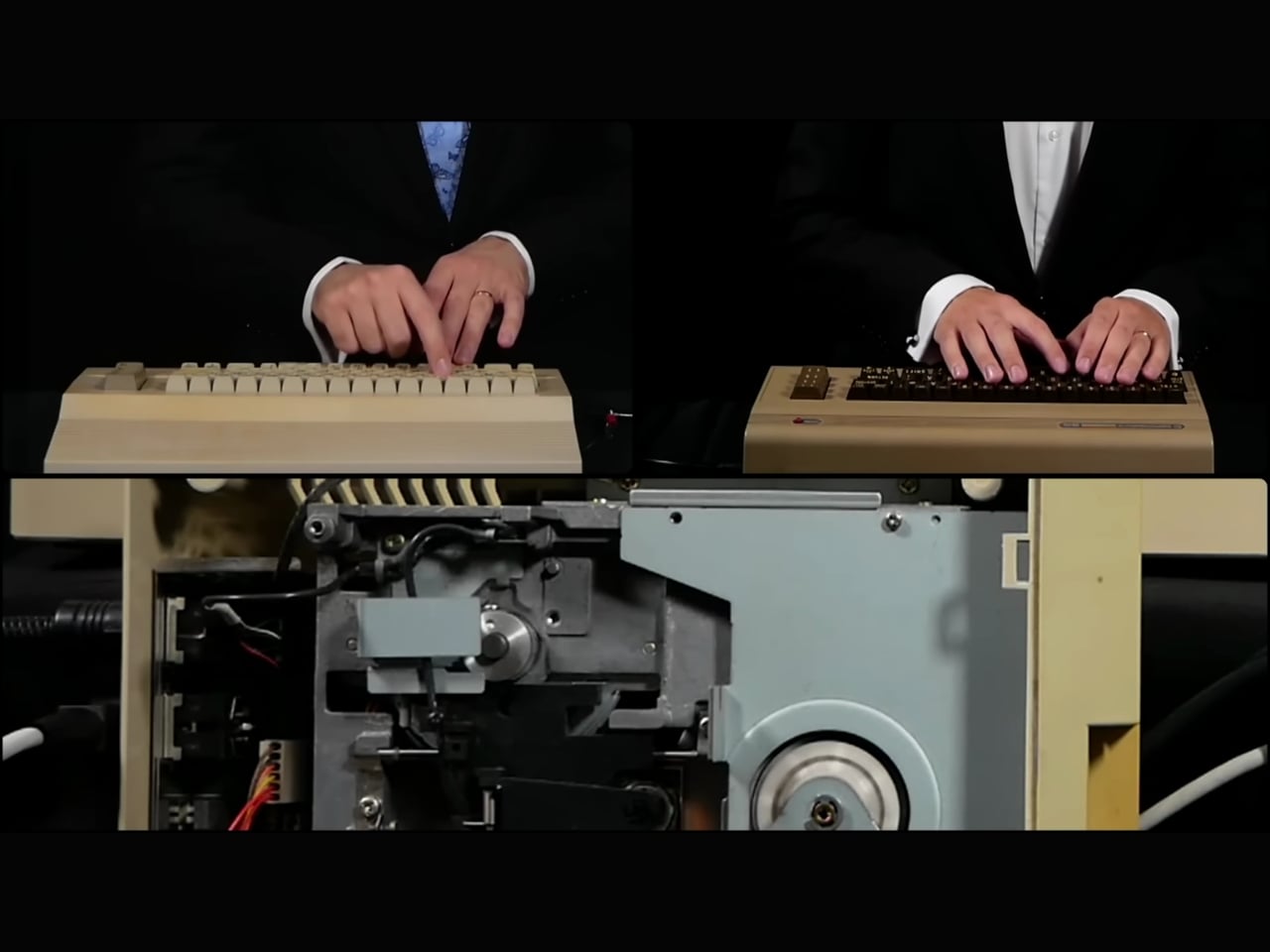
There’s something deeply satisfying about watching someone honor both the past and the present in the same breath. Akesson isn’t trying to prove that 8-bit sounds are better than traditional orchestras, and he’s not making a joke out of classical music. He’s finding a middle ground where nostalgia, craftsmanship, and artistry all meet. It’s retro without being kitsch. It’s technically impressive without being cold or showy.

The video itself is a treat for anyone who loves behind-the-scenes peeks at creative processes. You see Akesson switching between instruments, his workspace cluttered with wires and vintage gear, every sound painstakingly triggered and mixed. It’s a one-man orchestra in the truest sense, except the orchestra is made of machines that were obsolete before many of us were born. In a world where we’re constantly told to upgrade, to move forward, to embrace the newest and shiniest technology, there’s something quietly rebellious about what Akesson does. He takes the discarded, the outdated, the supposedly useless and turns it into art. And not just functional art or conceptual art. Beautiful art. The kind that makes you feel something.

If you’re someone who gets excited about the intersection of design, technology, and culture, this project is basically catnip. It’s proof that limitations can breed creativity, that old technology still has stories to tell, and that sometimes the best way to appreciate a classic is to reimagine it completely. Akesson’s 8-Bit Boléro doesn’t replace the original. It sits alongside it, offering a new way to hear something we thought we already knew.
So do yourself a favor and watch it. Turn up the volume, let those retro beeps wash over you, and marvel at what one person with vision and skill can create. It might just change how you think about what’s possible when art and engineering collide.