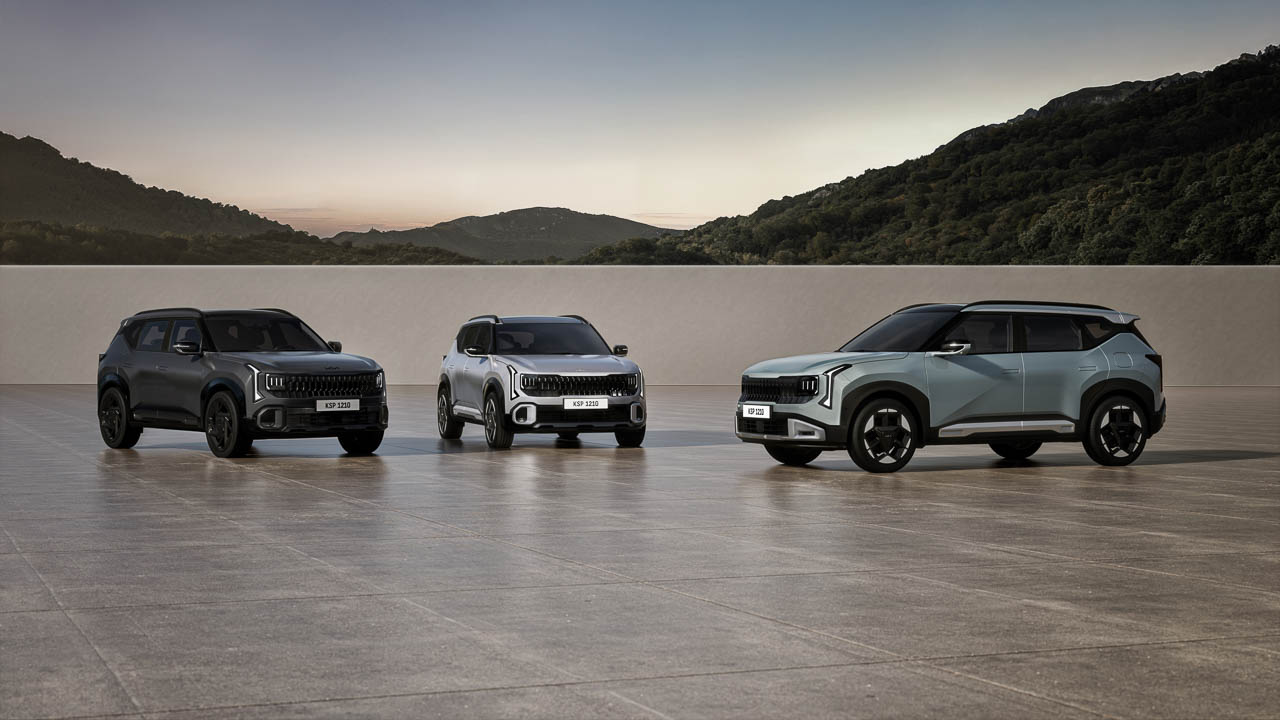
Five years of anonymity ends here. The original Seltos did exactly what Kia asked of it: occupy a parking space in the subcompact crossover segment, return decent fuel economy numbers, and avoid offending anyone with strong aesthetic opinions. Mission accomplished. The problem was that avoiding offense also meant avoiding interest. While Kia’s design teams were busy making the K5 look like it wanted to fight you and turning the Sportage into something your neighbor would actually comment on, the Seltos sat in driveways across America looking like a placeholder for a vehicle that might arrive someday with actual visual presence.
Designer: Kia
The 2027 model is that vehicle. Kia has scrapped the safe approach entirely, replacing sheet metal that blended into rental car fleets with styling divisive enough to generate actual conversations. The interior no longer resembles a budget proposition from 2018. A hybrid powertrain finally joins the lineup, arriving roughly half a decade after competitors proved buyers would pay extra for efficiency in this segment. Whether the transformation justifies waiting for the 2027 model or signals that Kia finally understood what the Seltos needed all along depends on your tolerance for “better late than never” product development.
Platform Math That Actually Matters
Kia moved the Seltos onto the K3 platform. Platform migrations rarely excite anyone outside engineering departments, but this one delivers changes you’ll register without reading a spec sheet. Extensive use of ultra-high-strength and hot-stamped steel enhances body rigidity throughout the structure. Doors shut with a dampened authority the previous Seltos couldn’t manage. Road imperfections that used to send vibrations through the steering column now get absorbed somewhere between the pavement and your palms.
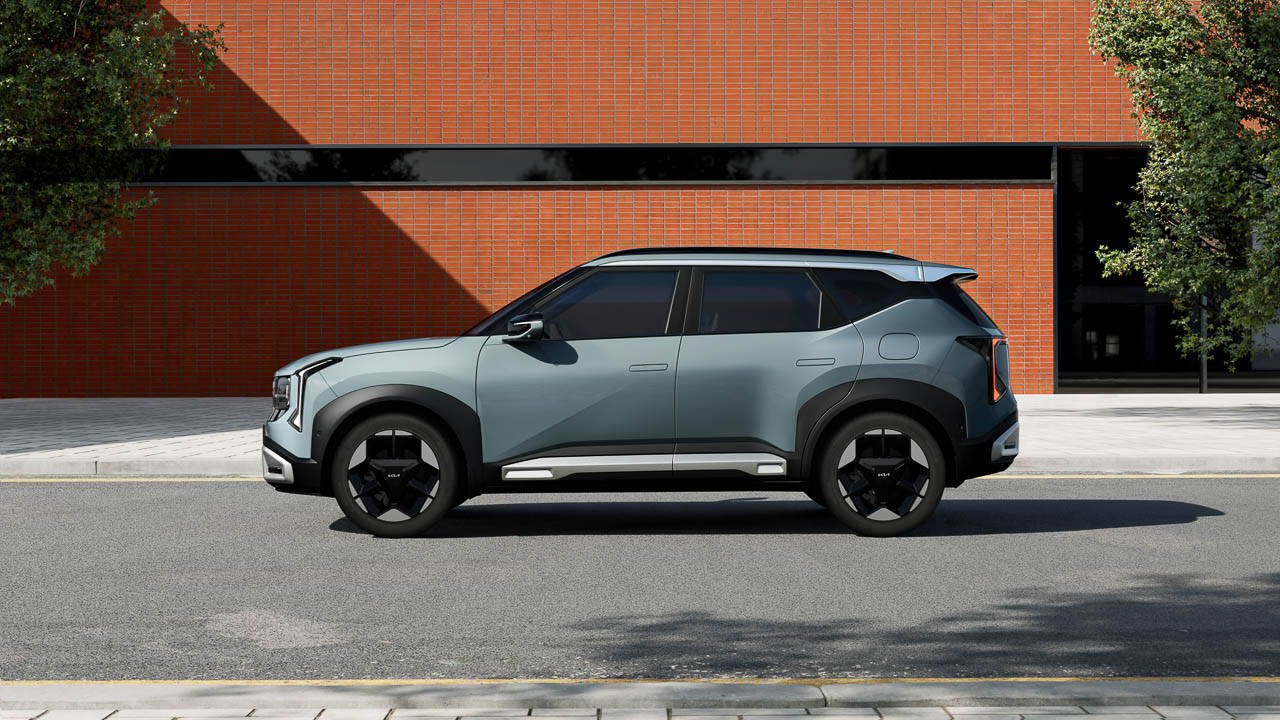
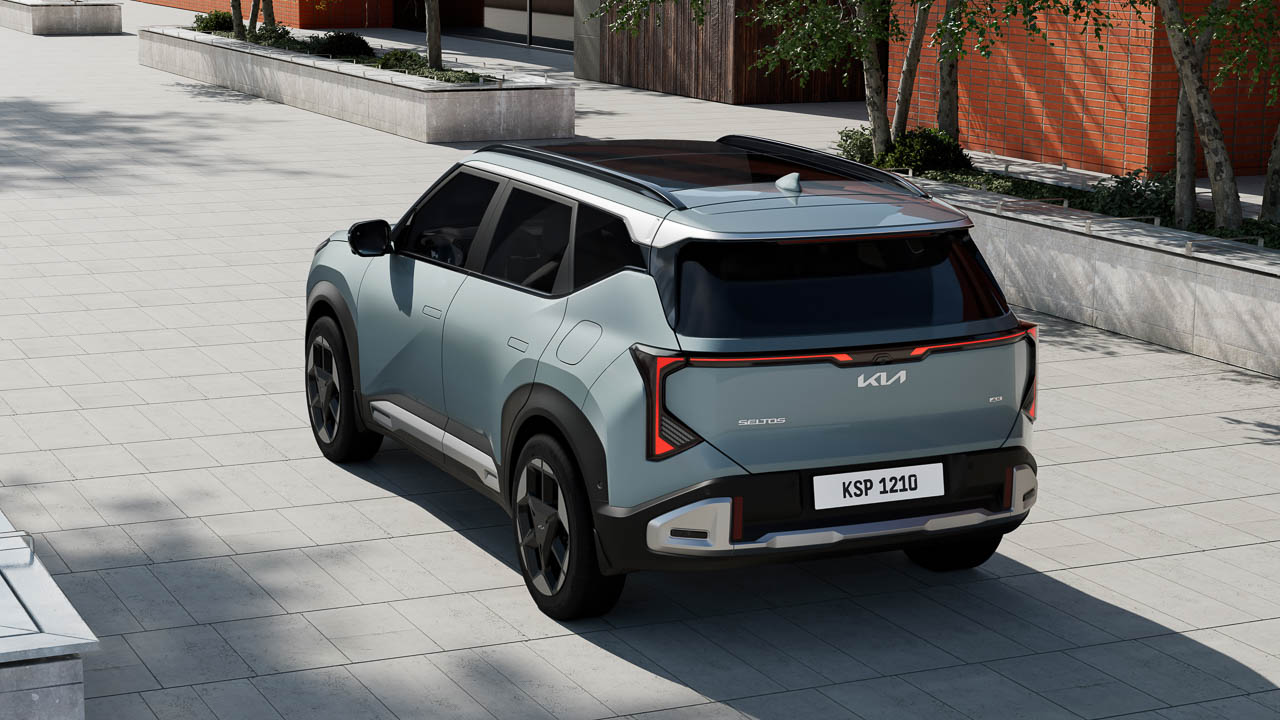
Dimensional changes favor passengers over parking. The new Seltos measures 4,430 mm long, 1,830 mm wide, and 1,600 mm tall, riding on a 2,690 mm wheelbase that redistributes interior volume where it counts. Rear seat legroom increases noticeably. The proportions trade some of the previous model’s upright greenhouse for a profile that looks like it belongs on the road rather than waiting nervously at a stop sign. The stance improvement alone suggests Kia’s designers finally got permission to make the Seltos look intentional.
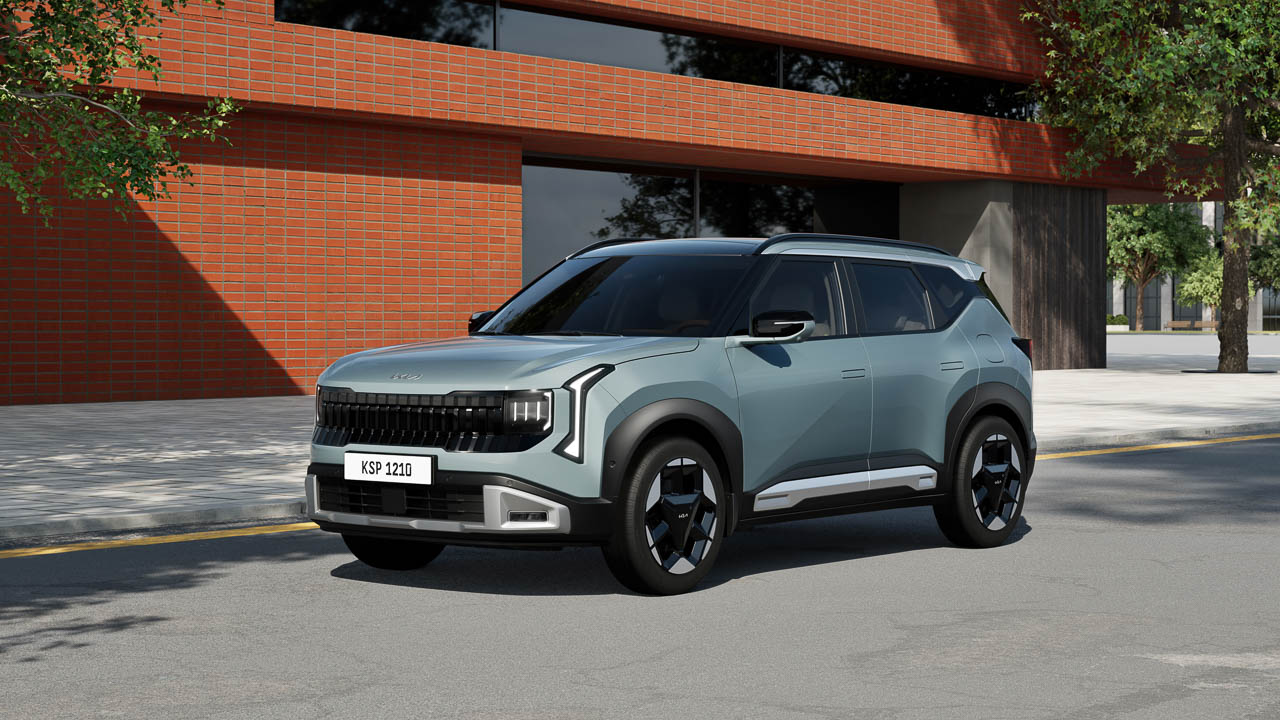
Proportions that once read as generic now communicate purpose. Lower roofline changes how the vehicle photographs and how it feels from behind the wheel. You sit in something rather than on top of something.
Powertrains arrive with options across the efficiency and performance spectrum. The base 2.0-liter petrol engine makes 149 PS and 179 Nm, optimized for fuel efficiency and smooth everyday driving. The turbocharged 1.6-liter T-GDI comes in two flavors: a standard output version producing 180 PS and 265 Nm with a seven-speed dual-clutch or six-speed manual, and a high-output variant delivering 193 PS and 265 Nm through an eight-speed automatic. All-wheel drive swaps the base torsion beam rear suspension for a multi-link setup and adds Terrain Mode with settings for Snow, Mud, and Sand.
Hybrid Arrives Fashionably Late
Kia will add a hybrid sometime in 2026, trailing the gas models by several months. Specific output figures haven’t been disclosed yet, though the hybrid will bring higher efficiency and expanded everyday usability to the lineup.
The efficiency headline matters less than the features bundled with hybridization. Vehicle-to-Load capability transforms the battery pack into a portable power source. Tailgaters can run a TV. Contractors can charge tools. Campers can keep phones alive without hunting for outlets. That practical utility separates the Seltos Hybrid from efficiency-only competitors.
Kia’s Smart Regenerative Braking System 3.0 automatically adjusts regenerative braking based on traffic flow and navigation data to optimize energy recovery. For buyers who’ve watched the hybrid crossover segment mature while the Seltos offered only gasoline options, the wait has been frustrating. At least the delay allowed Kia to include features that early hybrid adopters had to do without.
Styling That Picks Fights
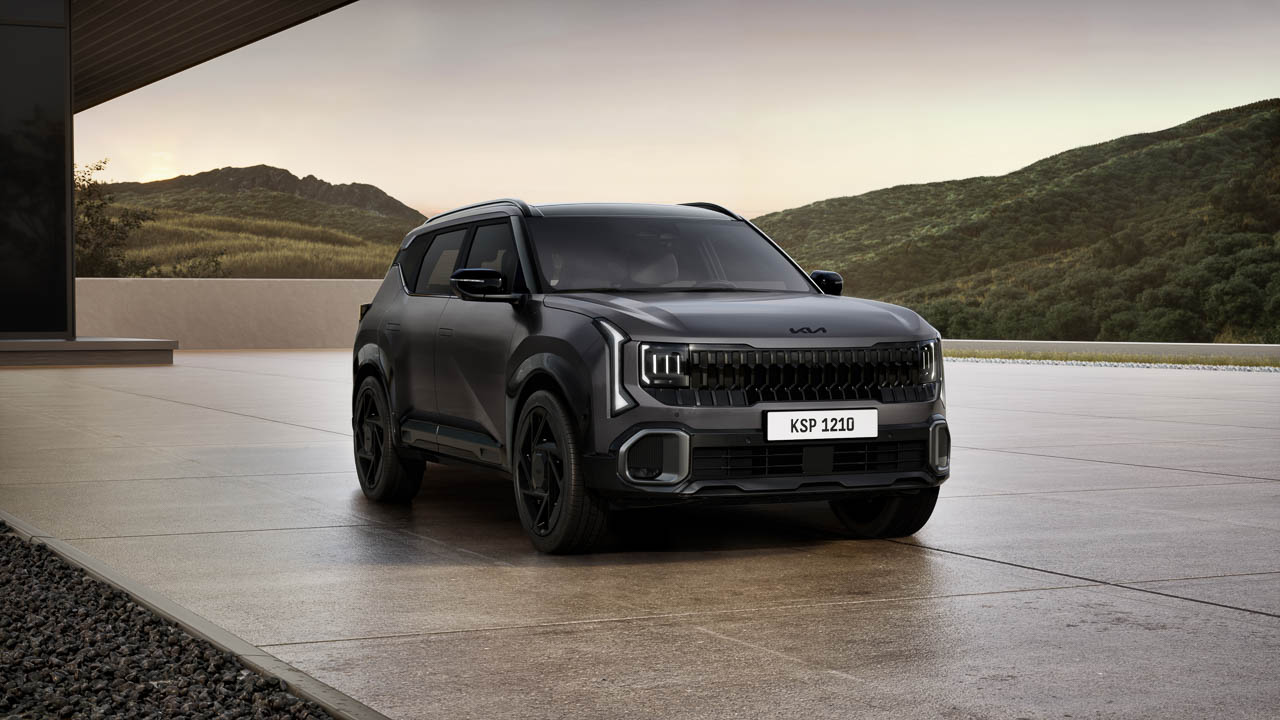
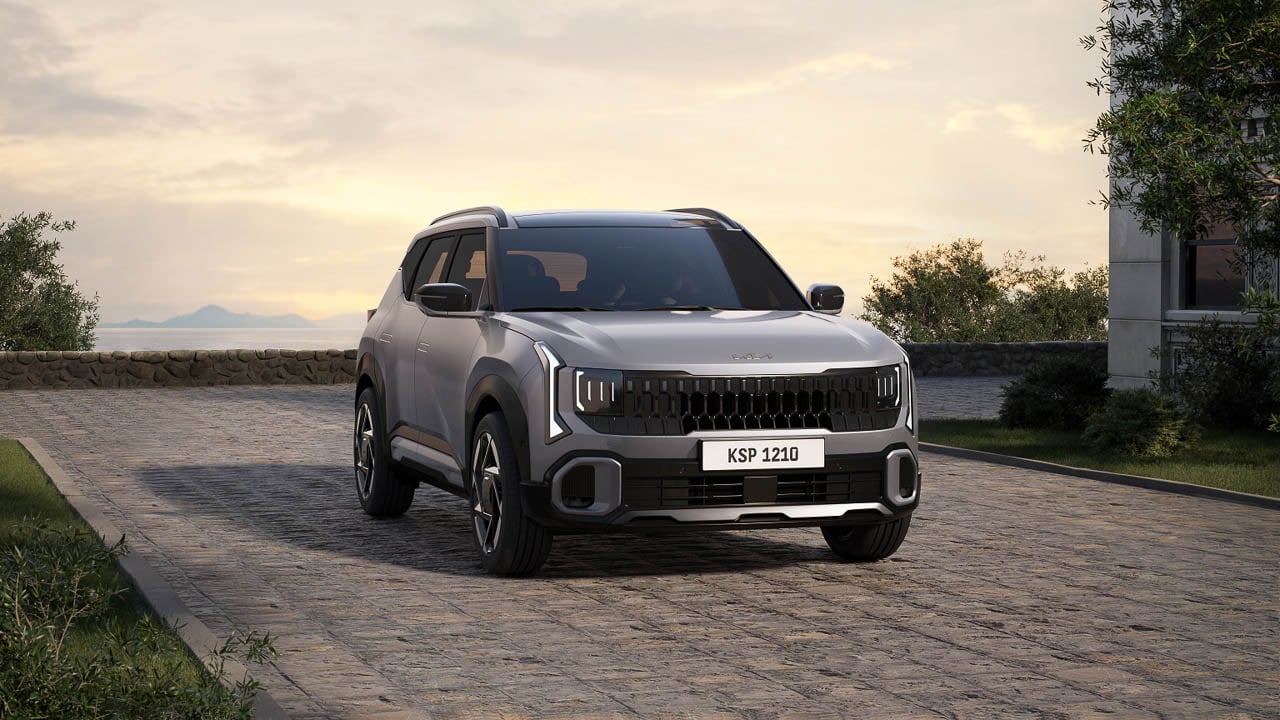
The front fascia abandons any pretense of subtlety. Kia’s star map lighting signature dominates the grille, paired with a dynamic welcome light sequence that animates on approach. Trim-dependent light signatures differentiate models. Flush door handles enhance aerodynamics and add visual sophistication.
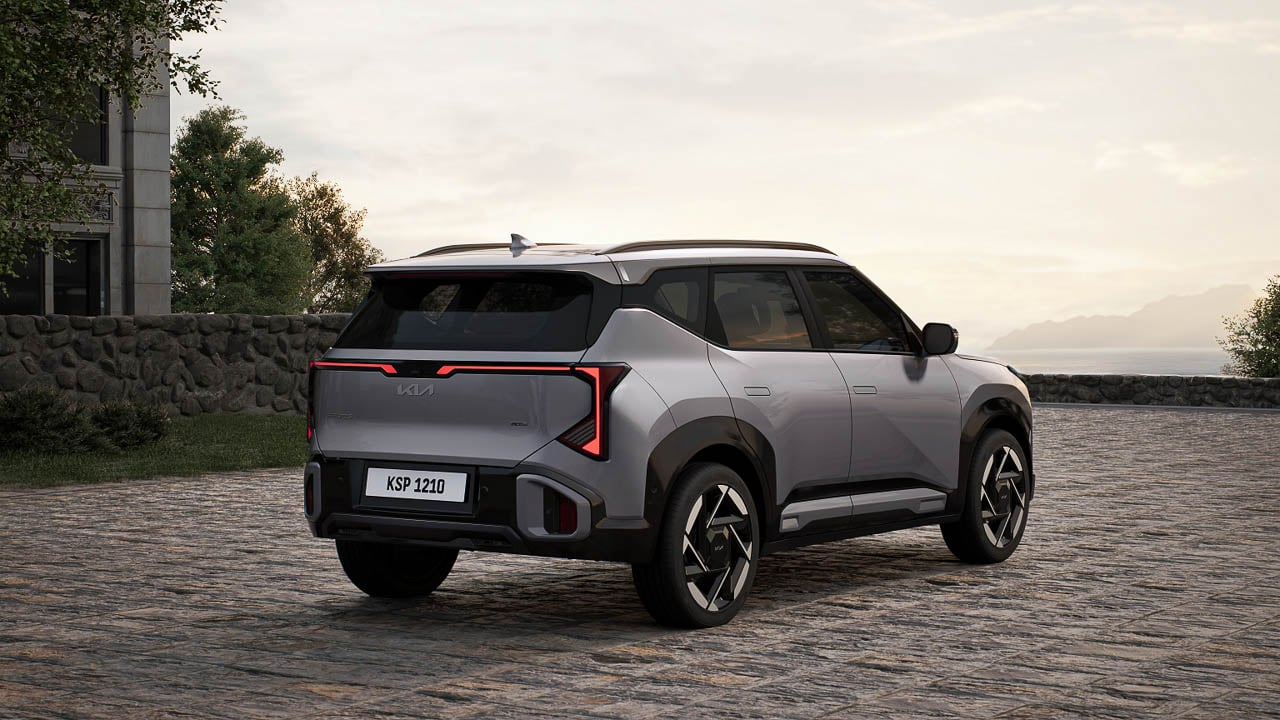
Diagonal character lines run along the profile, while a floating roofline and strong shoulder contours create a dynamic silhouette that conveys forward motion even when stationary. Contrasting cladding and satin silver accents emphasize durability and refinement. The effect demands attention in ways the previous Seltos actively avoided.
Profile proportions stay recognizable but tighten considerably. Wheel arch cladding gains sculptural depth without the aggressive plastic additions that make some crossovers look like they’re wearing protective gear.
Three standout colors debut with the new model: Iceberg Green, Gravity Gray, and a bold matte Magma Red that photographs well enough to suggest Kia invested real effort in the paint development. The overall effect is polarizing by design.
Buyers who found the previous Seltos too bland may love this. Buyers who preferred blending in may find the new face exhausting. Kia appears comfortable with that trade-off, betting that memorable beats forgettable even when memorable divides opinion.
Interior Debt Repaid
Cabin improvements run deeper than the dual 12.3-inch screens dominating the dashboard, though those screens certainly establish the generational leap immediately. A dedicated climate control panel sits between the displays with physical buttons and knobs for temperature, fan speed, and the functions drivers adjust without looking.
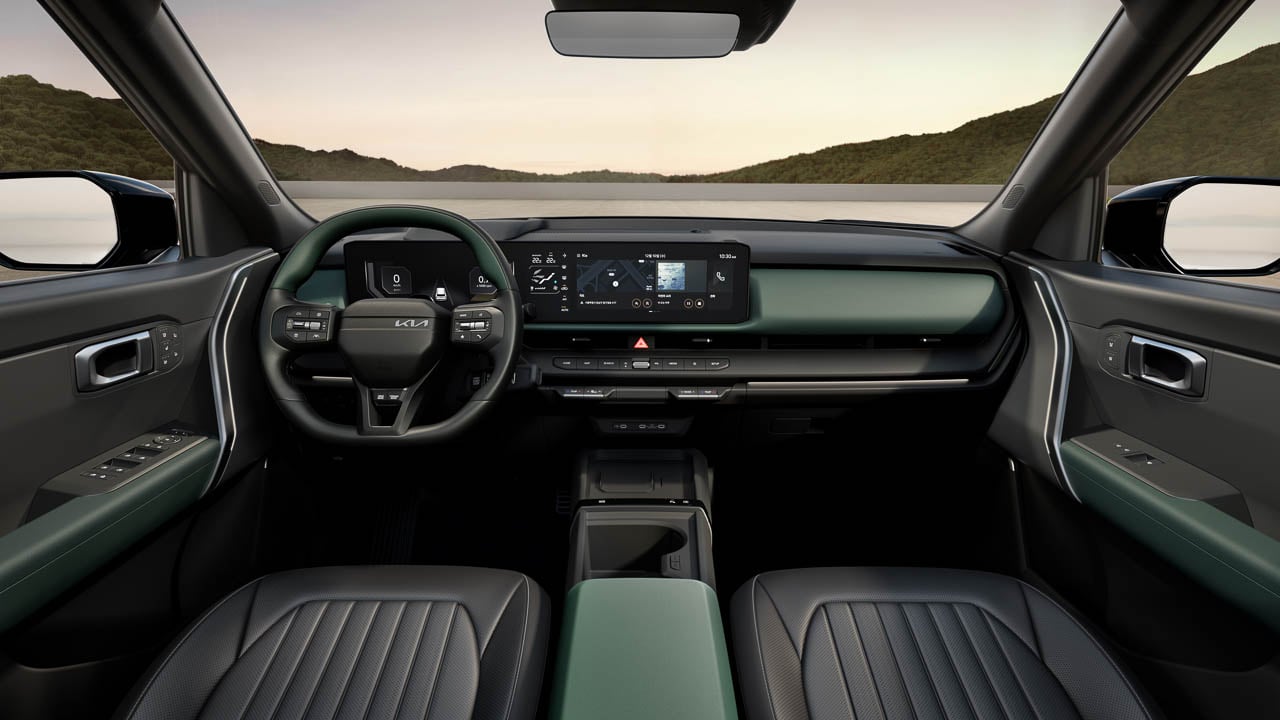
Customizable 64-color mood lighting enhances the cabin ambience, providing visual depth without the purple-and-pink nightclub aesthetic that afflicts competitors trying too hard. The effect is modern without being desperate.
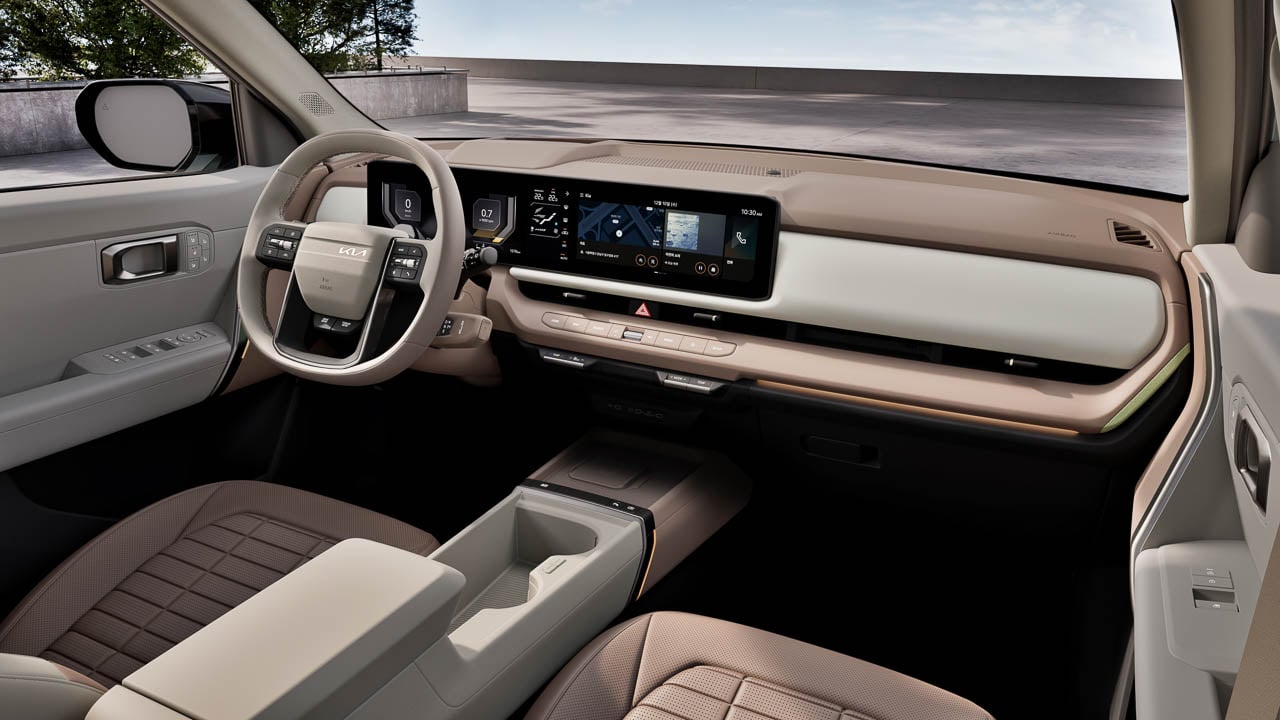
The gear shifter migrates to a column-type Shift-by-Wire system, freeing up the center console for storage bins deep enough to swallow a phone without drama and cupholders sized for actual beverages. This layout contributes to a more open cabin environment.
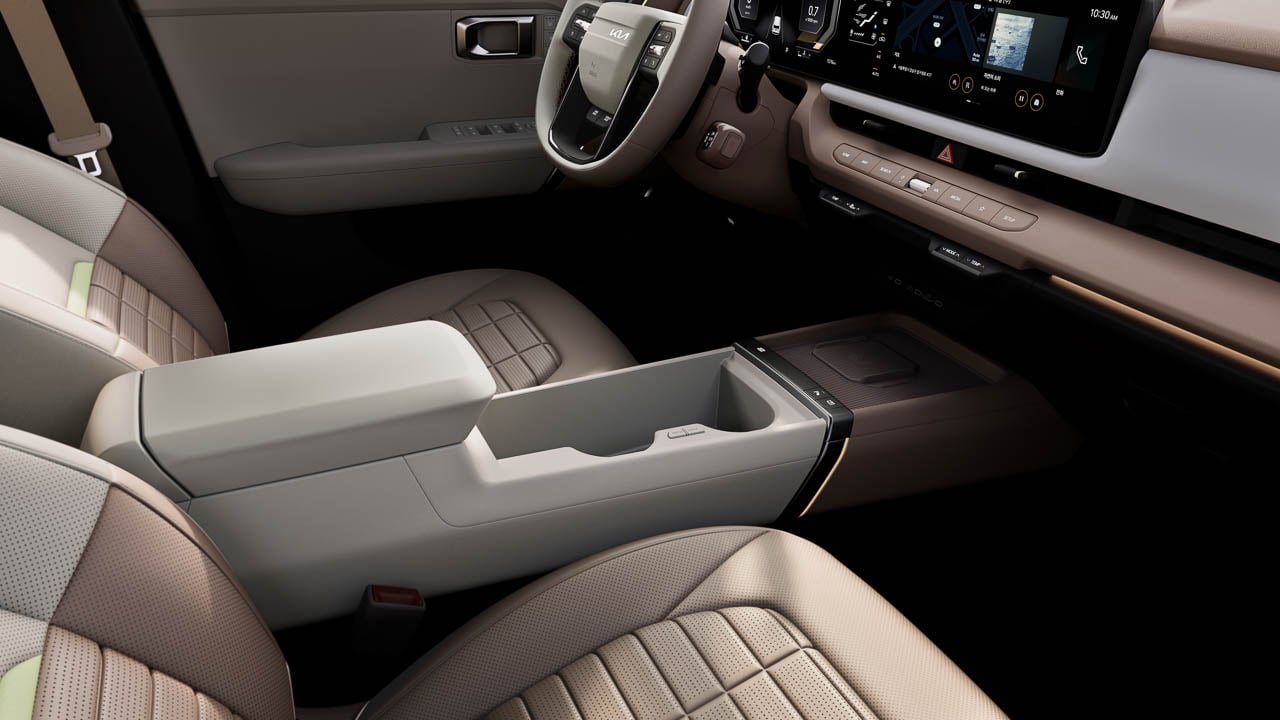
A low, horizontal dashboard enhances forward visibility and creates a sense of openness, while optimized packaging ensures generous headroom and legroom for all passengers. Second-row seats adjust by a total of 24 degrees, tilting 12 degrees forward and 12 degrees backward. Cargo volume reaches a class-leading 536 liters, with a foldable dual-level cargo board adding organizational flexibility. Passengers who suffered through the previous Seltos’s cramped quarters will notice the improvement immediately.
Premium materials convey both modernity and comfort throughout the interior. The previous Seltos interior felt perpetually compromised. This one suggests Kia finally treated the cabin as a priority rather than a cost-reduction opportunity. That shift in philosophy matters more than any individual feature upgrade.
Feature Density Matches Larger Siblings
Technology concentration reaches levels that would have seemed absurd for a subcompact crossover when the Seltos launched in 2019. Wide panoramic sunroof for an open atmosphere. A 12-inch windshield head-up display projects key driving information directly in the driver’s line of sight. USB ports delivering 100 watts rather than the trickle charging that used to pass for adequate.
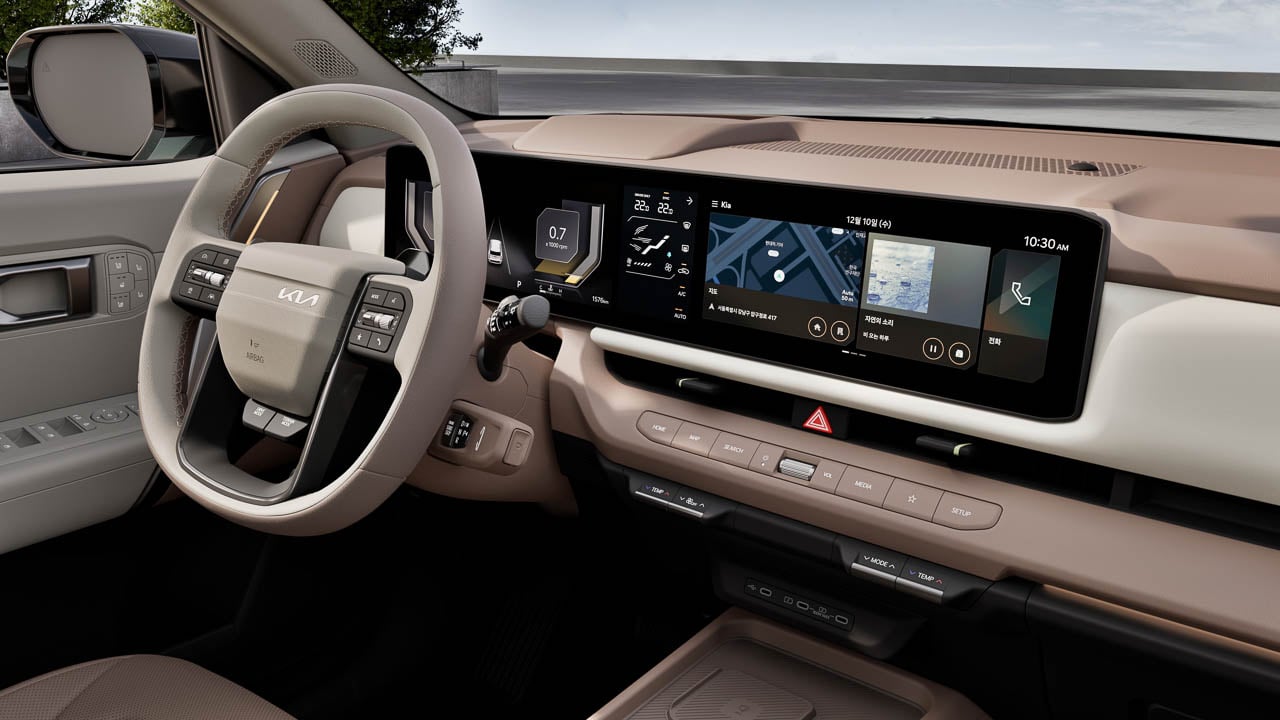
Audio options from both Harman Kardon and Bose deliver immersive, high-fidelity sound optimized for the cabin’s acoustic architecture. The Kia Connect Store enables digital personalization and entertainment options, including collaborations with Disney and NBA. Feature-on-Demand brings YouTube, Netflix, and display theme options. The Kia AI assistant, powered by ChatGPT, enables natural conversational interaction. Over-the-air updates keep systems current without dealer visits. Digital Key 2 enables secure smartphone-based vehicle access and sharing.
The driver assistance package bundles Highway Driving Assist 2, Lane Following Assist 2, Forward Collision-Avoidance Assist 2, Safe Exit Warning, Surround View Monitor, Parking Collision-Avoidance Assist-Reverse, and Parking Distance Warning covering front, side, and reverse approaches. The previous Seltos consistently trailed its platform siblings in feature availability, as though Kia assumed subcompact buyers wouldn’t notice or care about the disparity. This generation closes that gap aggressively.
Timeline and Buyer Calculus
Global production begins December 2025 starting with India. South Korea, North America, Europe, and China follow throughout 2026. U.S. specifications and pricing should emerge within months. Hybrid details will arrive later.
The marketing campaign positions Seltos drivers as “protagonists” in their own narratives, which is exactly the aspirational corporate language that invites dismissal. Ignore it. The vehicle transformation underneath that messaging is substantive. The 2027 Seltos finally looks like it belongs in Kia’s current design portfolio rather than lingering as evidence of what the brand used to settle for.
Practical considerations: buyers who need a small crossover immediately can find excellent options from Toyota, Honda, and Mazda. Buyers specifically interested in hybrid efficiency should wait for the Seltos Hybrid or consider alternatives already on the market. Buyers who want something distinctive enough to locate in a parking lot without pressing the key fob, and who can tolerate the wait, might find the 2027 Seltos worth the patience.
After five years of forgettable competence, the Seltos finally demands attention. That’s either exactly what this segment needed or more personality than subcompact crossover buyers actually want. Sales figures will arbitrate.